Extraordinary Teamwork in Survival Stories
When disaster strikes and survival hangs in the balance, something remarkable happens. People who might have been strangers just moments before suddenly become a tight-knit unit, working together with a single purpose: staying alive.
These stories of survival aren’t just about individual grit or luck. They’re about the incredible things that happen when people put their differences aside and focus on keeping each other breathing.
Let’s look at some of the most gripping survival stories where teamwork made all the difference between life and death.
The Andes plane crash survivors who kept each other sane

When a plane carrying a Uruguayan rugby team crashed in the Andes Mountains in 1972, 29 people initially survived the impact. They were stranded at over 11,000 feet with almost no food or supplies.
The temperatures dropped well below freezing every night. What kept many of them alive for 72 days wasn’t just the controversial decisions they had to make about food.
It was how they organized themselves into teams with specific jobs. Some people melted snow for water.
Others focused on keeping the injured warm. A few took on the role of keeping everyone’s spirits up by telling stories and jokes.
They voted on major decisions together and made sure everyone had a voice.
Chilean miners who created an underground society

In 2010, 33 miners got trapped 2,300 feet underground when the San José copper mine collapsed. They were stuck down there for 69 days before rescuers could pull them out.
The men quickly realized that chaos would kill them faster than anything else. They established a daily routine with assigned roles for everyone.
One miner became the informal leader and organized twice-daily meetings. Others were responsible for rationing their limited food supply, which started with just two days’ worth of emergency rations.
Some miners focused on maintaining the few lights they had. Others kept the area clean to prevent disease.
They even set up different areas for sleeping, eating, and waste. This structure gave them purpose and kept despair from taking over.
Like Go2Tutors’s content? Follow us on MSN.
Apollo 13 astronauts and ground control working across space

When an oxygen tank exploded on Apollo 13 in 1970, three astronauts were suddenly in a damaged spacecraft heading away from Earth. The crew up in space and the hundreds of people in mission control on the ground became one team with zero room for error.
Engineers on Earth worked around the clock to figure out how to get the astronauts home alive. They had to solve problems nobody had ever faced before, like how to fit a square carbon dioxide filter into a round opening using only materials available on the spacecraft.
The astronauts followed instructions perfectly, even when exhausted and freezing. Everyone involved put aside their egos and focused only on the solution.
Trust between the crew and ground control never wavered, even when the situation looked hopeless.
Shackleton’s crew surviving Antarctic isolation for over a year
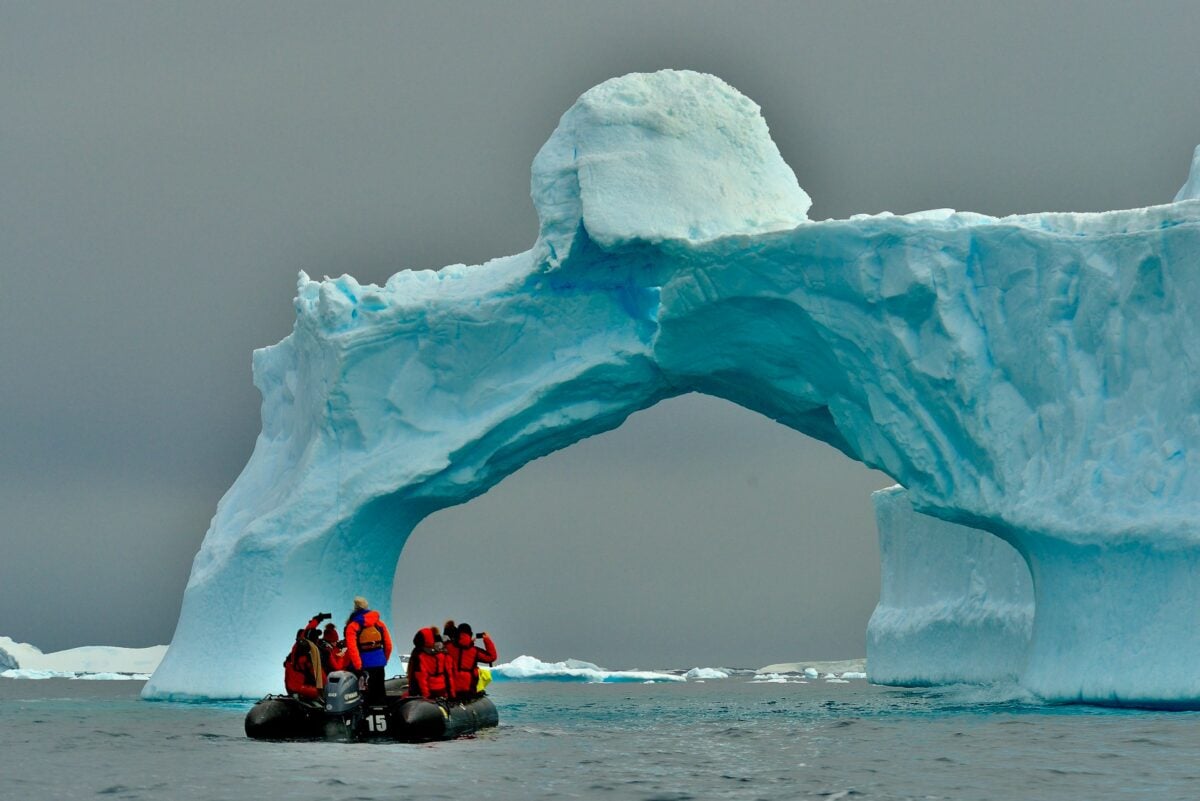
Ernest Shackleton’s 1914 expedition to Antarctica went terribly wrong when their ship, Endurance, got crushed by pack ice. All 28 men survived for over 20 months in one of Earth’s most hostile environments.
Shackleton understood that keeping morale high was just as important as finding food. He made sure everyone had meaningful work to do, even when they were stuck on an ice floe in the middle of nowhere.
The crew included scientists, sailors, carpenters, and even a stowaway, but Shackleton treated everyone with equal respect. When they finally reached Elephant Island, Shackleton took five men on an 800-mile journey in a tiny lifeboat to get help.
The 22 men left behind survived for four more months because they continued working together, maintaining their camp and keeping watch for rescue.
Thai soccer team trapped in a flooded cave
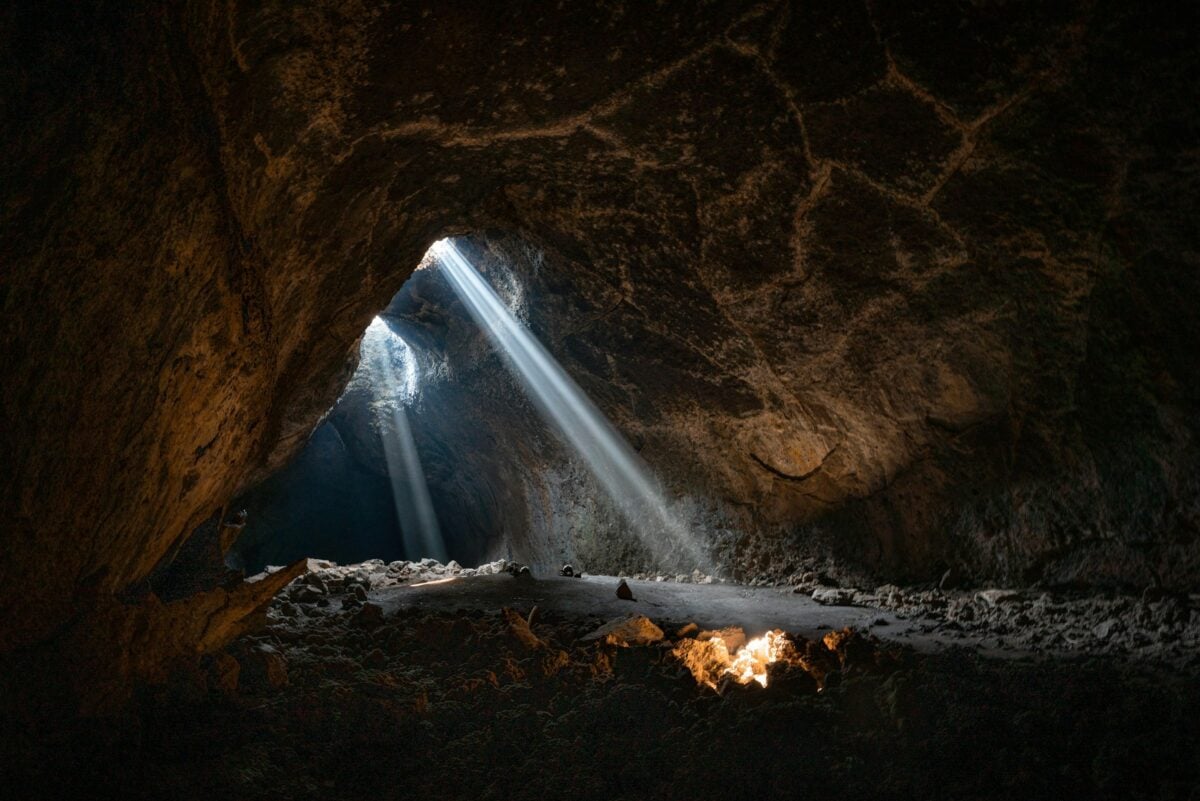
In 2018, twelve boys from a soccer team and their coach got trapped deep inside a cave in Thailand when sudden flooding blocked their exit. They were stuck in complete darkness for nine days before divers found them.
The coach, a former monk, taught the boys meditation techniques to stay calm and conserve energy. The boys supported each other emotionally, sharing their fears and hopes.
When rescuers finally arrived, the operation to extract them required over 10,000 people, including international cave diving experts, Thai Navy SEALs, and countless volunteers. The boys had to trust complete strangers to guide them through flooded passages while sedated.
Every single person involved had to do their part perfectly, and amazingly, everyone made it out alive.
Like Go2Tutors’s content? Follow us on MSN.
Uruguayan Air Force Flight 571 passengers who organized rescue missions

After the same 1972 Andes crash mentioned earlier, two survivors named Nando Parrado and Roberto Canessa made one of the most incredible rescue treks in history. But they couldn’t have done it without the support of everyone back at the crash site.
The group made the painful decision to send their two strongest members for help, even though it meant splitting up their resources. Those who stayed behind saved extra rations for the two hikers and fashioned better clothing for them from plane materials.
Parrado and Canessa climbed mountains with no equipment and walked for ten days through impossible terrain. They succeeded because everyone at the crash site sacrificed their own comfort to give the two hikers the best possible chance.
The Essex whaleship survivors who drew lots
In 1820, the whaleship Essex got rammed and sunk by a sperm whale in the Pacific Ocean. Twenty crew members escaped in three small boats with limited supplies.
They were stuck at sea for over 90 days, drifting thousands of miles. Despite facing unimaginable hardships, the survivors maintained a system of fairness.
When decisions had to be made about rationing water and food, they discussed options openly. The men took turns rowing and navigating.
They agreed on procedures for the hardest decisions anyone could face. Only eight men ultimately survived, but chaos and fighting could have killed them all much sooner.
Their agreement to follow shared rules gave some of them a chance to make it home.
Japanese soldiers and locals surviving the 1944 Palawan massacre

During World War II, 150 American prisoners of war were held at a camp in Palawan, Philippines. When guards set fire to their air raid shelters in 1944, trapping them inside, eleven men managed to escape.
These survivors couldn’t have made it without help from local Filipino residents who risked their own lives to hide and protect them. Families sheltered the escaped prisoners even though Japanese patrols were searching everywhere.
Local guerrilla fighters worked together to move the Americans from hiding spot to hiding spot. One community would pass the survivors to the next, creating a network of protection.
The escapees later credited the selflessness and coordination of the Filipino people as the only reason they survived.
Like Go2Tutors’s content? Follow us on MSN.
The 1972 Munich Olympic hostages who supported each other

When Palestinian terrorists took Israeli athletes hostage during the 1972 Munich Olympics, the captives found themselves in a terrifying situation. Some athletes were killed immediately, but nine were held hostage for nearly 24 hours.
During their captivity, the athletes quietly communicated with each other and with their captors to try to reduce tensions. Wrestling coach Moshe Weinberg fought back to give his teammates time to escape, and weightlifter Yossef Romano did the same.
Though the rescue attempt tragically failed and all the hostages died, the athletes’ attempts to protect each other showed extraordinary courage. The surviving team members who escaped the building did so because their friends created distractions and opportunities.
Mount Everest climbers rescuing each other in the death zone

The area above 26,000 feet on Mount Everest is called the death zone because the human body starts shutting down from lack of oxygen. In 2006, climber Lincoln Hall was left for dead near the summit after his team thought he had died.
The next morning, another climbing team found him barely alive, hallucinating and without proper gear. Despite being exhausted from their own summit bid and facing dangerous weather, the team spent hours getting Hall down to a lower camp.
They gave up their own summit chances, shared their oxygen, and risked their lives. Similar stories happen regularly on Everest, where climbers from different expeditions help each other because they understand that everyone up there depends on collective responsibility.
The 2010 Haiti earthquake survivors digging through rubble

When a 7.0 magnitude earthquake devastated Haiti in 2010, entire buildings collapsed with people inside. In the hours and days after the quake, before international rescue teams arrived, neighbors dug through rubble with their bare hands to find survivors.
People formed human chains to move concrete and debris. Strangers worked side by side for days without sleep, calling out and listening for sounds of life beneath the wreckage.
Many people were pulled from collapsed buildings because ordinary citizens refused to give up. They shared the little food and water they had while working.
These rescue efforts happened across the entire affected area, with communities organizing themselves without any official coordination.
Like Go2Tutors’s content? Follow us on MSN.
The Donner Party members who shared resources

The Donner Party’s 1846 attempt to reach California became one of the most famous survival stories in American history. The group of pioneers got trapped by snow in the Sierra Nevada mountains.
While their story is known for its darkest moments, there were also examples of people sharing what little they had. Some families with slightly more food divided it with those who had none.
Several members volunteered for the dangerous mission to cross the mountains and bring back help. The rescue parties that eventually came faced brutal conditions themselves.
People who had already reached California risked their lives to go back into the mountains to save strangers.
Hurricane Katrina survivors forming boat rescue teams
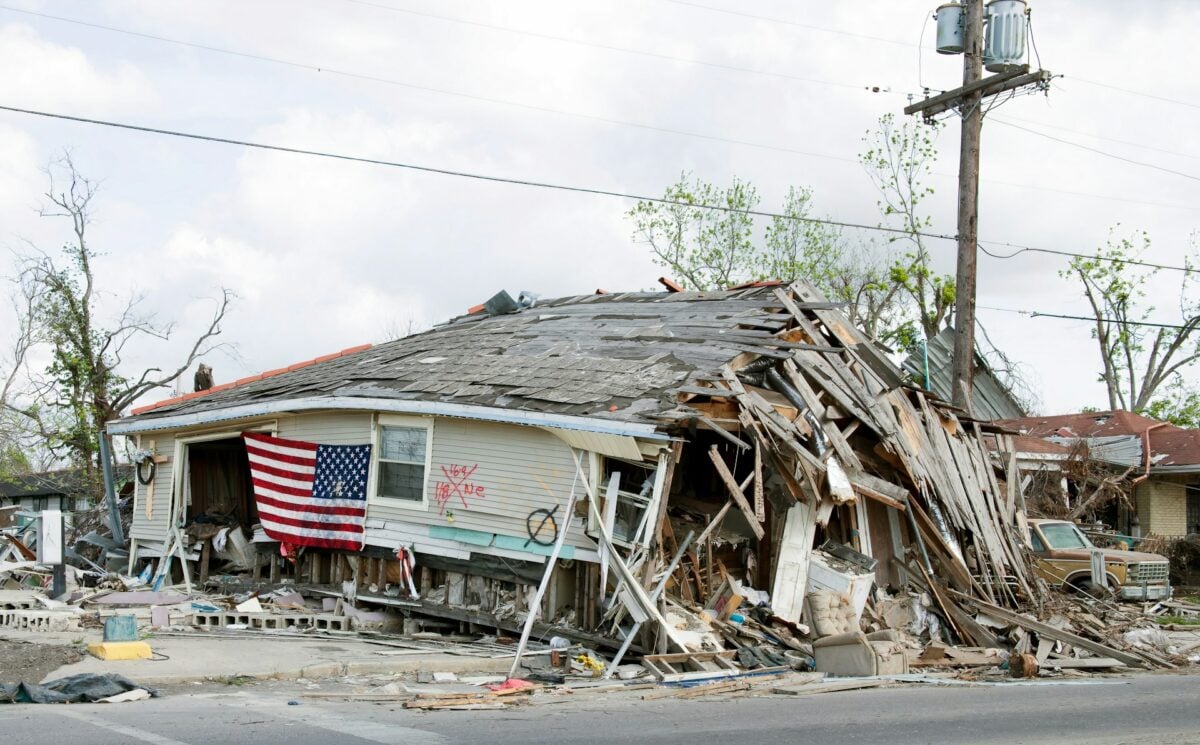
When Hurricane Katrina flooded New Orleans in 2005, thousands of people ended up trapped on rooftops and in attics. While waiting for official rescue that took days to arrive, residents with boats organized their own rescue operations.
People who had never met before worked together, navigating flooded streets to pull neighbors to safety. They shared information about where people were stranded.
Boat owners made trip after trip, ferrying people to dry ground or the Superdome. Some rescuers were elderly, some were teenagers, but they all pitched in.
They coordinated by shouting to each other across the water since phones weren’t working. These informal rescue teams saved hundreds of lives before official help arrived.
The 2011 Japan tsunami survivors helping each other to high ground
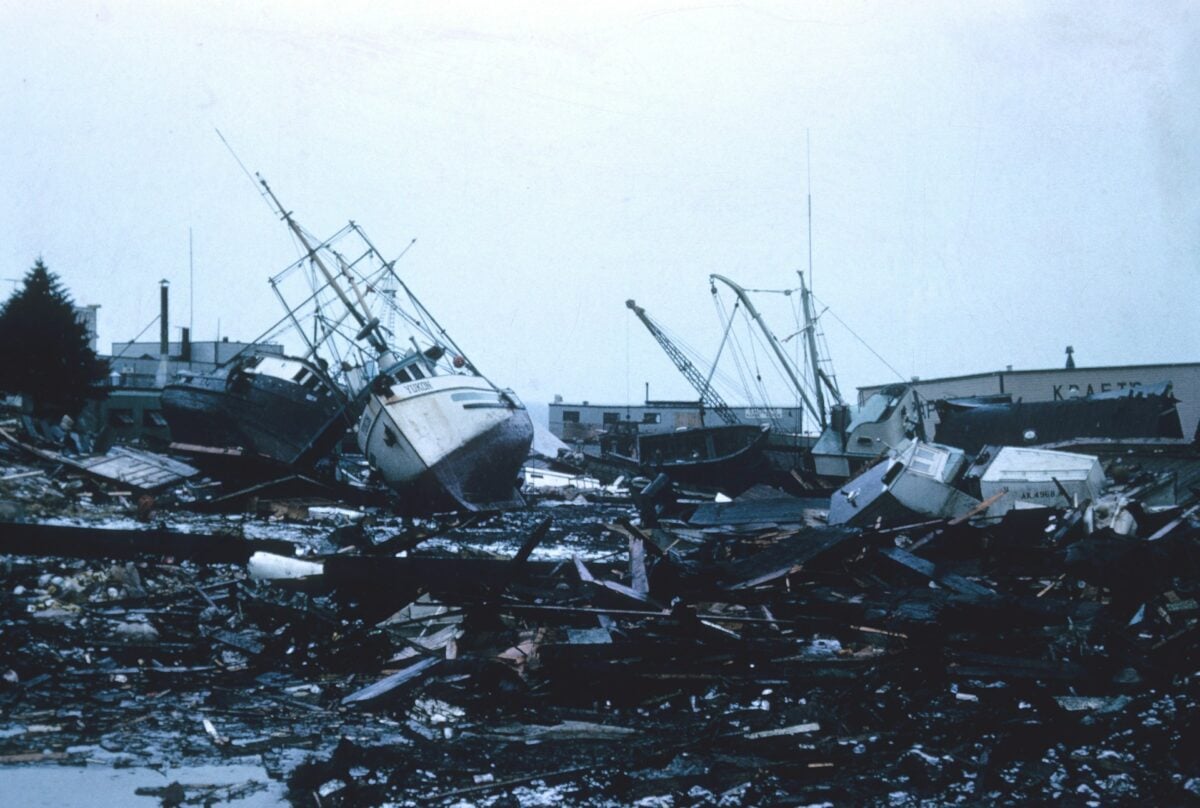
When the massive earthquake hit Japan in 2011, people had only minutes to get to safety before the tsunami arrived. In many coastal towns, those who understood the danger immediately started helping others evacuate.
Younger people carried elderly neighbors. Teachers led entire schools of children to higher ground.
Strangers helped push cars that had stalled in the rush. People shouted warnings to anyone they saw.
In some communities, everyone made it to safety because residents had practiced evacuation drills together for years. They knew their role and executed it perfectly when the real disaster hit.
The communities that survived intact were those where people looked out for each other instead of just running.
Like Go2Tutors’s content? Follow us on MSN.
When the past shapes how we face tomorrow
These survival stories span different decades and continents, but they all reveal the same truth about human nature. When everything falls apart, people instinctively come together.
The miners who organized underground societies, the climbers who sacrificed their own goals to save a stranger, and the neighbors who formed rescue teams all tapped into something fundamental. Today’s world often feels divided, but these stories remind us that cooperation isn’t just noble, it’s essential.
Every disaster response team, every emergency protocol, and every community evacuation plan exists because people learned from these past experiences. The next time a crisis strikes somewhere in the world, people will again form that same bond, working together because deep down, everyone understands that survival is a team effort.
More from Go2Tutors!

- 16 Historical Figures Who Were Nothing Like You Think
- 12 Things Sold in the 80s That Are Now Illegal
- 15 VHS Tapes That Could Be Worth Thousands
- 17 Historical “What Ifs” That Would Have Changed Everything
- 18 TV Shows That Vanished Without a Finale
Like Go2Tutors’s content? Follow us on MSN.



