Facts About Famous Authors You Never Learned
Your high school English teacher probably told you about Shakespeare’s sonnets and Hemingway’s sparse prose. But the weird stuff? The failed careers, the bizarre habits, the petty fudges? That rarely made it into the curriculum.
Here’s a quick list of the strange, surprising, and downright odd facts about famous writers that textbooks tend to skip over.
Ernest Hemingway survived two plane crashes in two days

In 1954, Hemingway was on safari in Africa when his plane hit a utility pole and crashed. The next day, while trying to leave the area, his rescue plane exploded on takeoff.
He walked away from both crashes, though he suffered severe injuries including a ruptured liver, kidney damage, and burns. Newspapers actually published his obituary after the first crash.
He supposedly enjoyed reading them while recovering and drinking champagne.
Agatha Christie disappeared for 11 days and never explained why

In 1926, Christie vanished without a trace. Her car was found abandoned near a quarry.
Police launched a massive manhunt involving thousands of volunteers and even fellow crime writers like Arthur Conan Doyle. She turned up 11 days later at a hotel, registered under the name of her husband’s mistress.
To this day, no one knows what actually happened during those missing days. She refused to discuss the incident for the rest of her life.
Dr. Seuss wrote “Green Eggs and Ham” on a bet

His publisher bet him he couldn’t write a book using only 50 words. Seuss won the bet, creating one of the bestselling children’s books ever with exactly 50 distinct words.
The publisher never paid up, though.
Charles Dickens carried a compass everywhere so he could sleep facing north

Dickens believed sleeping in a north-south position improved his creativity and health. He’d whip out his compass in hotel rooms to position the bed correctly before settling in for the night.
He also walked through London streets for hours – sometimes covering 20 or 30 miles in a single night when he couldn’t sleep.
Vladimir Nabokov invented the butterfly stroke

Not the swimming technique – an actual butterfly. Nabokov was a serious lepidopterist who discovered several butterfly species and named one after his wife.
He worked as a butterfly curator at Harvard’s Museum of Comparative Zoology. His detailed anatomical drawings and classification theories were initially dismissed but later validated by DNA analysis decades after his death.
Truman Capote claimed he could think in complete, publishable sentences
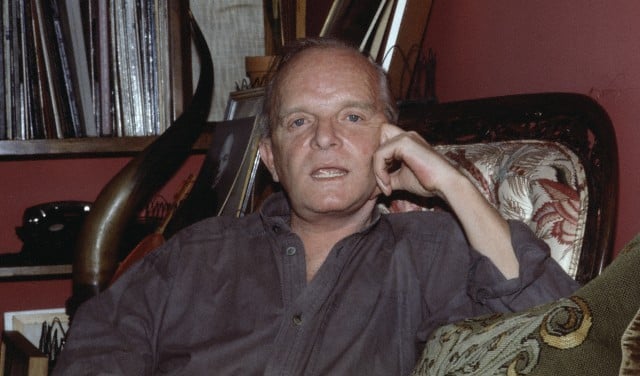
He called himself a “horizontal author” because he preferred writing while lying down with nicotine and coffee. Capote insisted he never needed to revise much because his thoughts emerged fully formed and polished.
He’d write his first and second drafts in longhand, then type the final version. Whether this was true or just Capote being Capote remains up for debate.
Maya Angelou rented hotel rooms to write
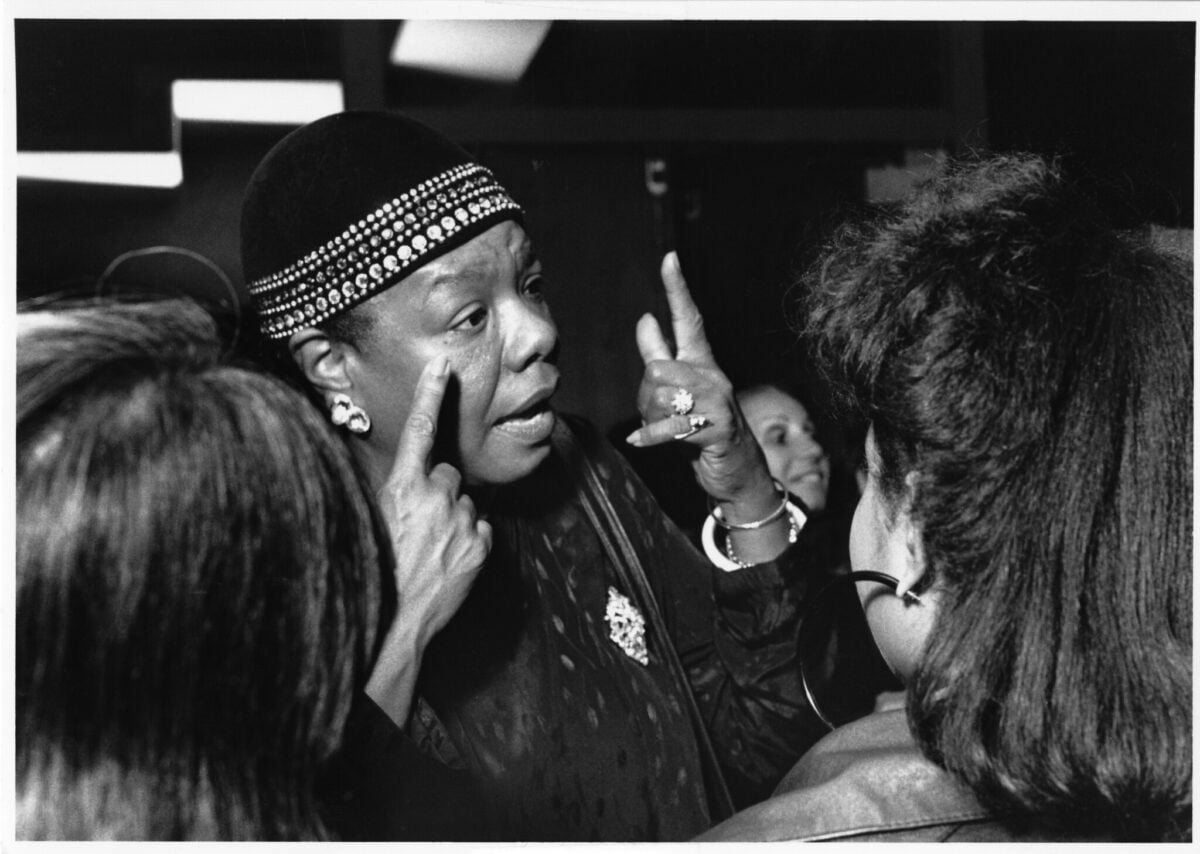
She couldn’t work at home. Instead, she’d rent a hotel room, arrive at 6:30 AM with a bottle of sherry, a deck of cards, and legal pads. She’d ask the staff to remove all pictures from the walls because they distracted her.
She’d write until about 2 PM, then go home to edit what she’d written. She kept this routine for decades.
J.D. Salinger drank his own urine

The reclusive author believed in alternative health practices and supposedly drank a glass of his own urine every day. He also followed a strict diet that included homeopathy and acupuncture, sat in an orgone box (a questionable pseudoscientific device), and practiced Scientology for a while before moving on to other spiritual pursuits.
Mark Twain was born and died with Halley’s Comet

Twain arrived in 1835 when the comet appeared and predicted he’d leave when it returned. He told friends, “I came in with Halley’s Comet in 1835.
It will be the greatest disappointment of my life if I don’t go out with Halley’s Comet.” He died in 1910, one day after the comet’s closest approach to Earth.
Louisa May Alcott wrote gothic thrillers under a pseudonym
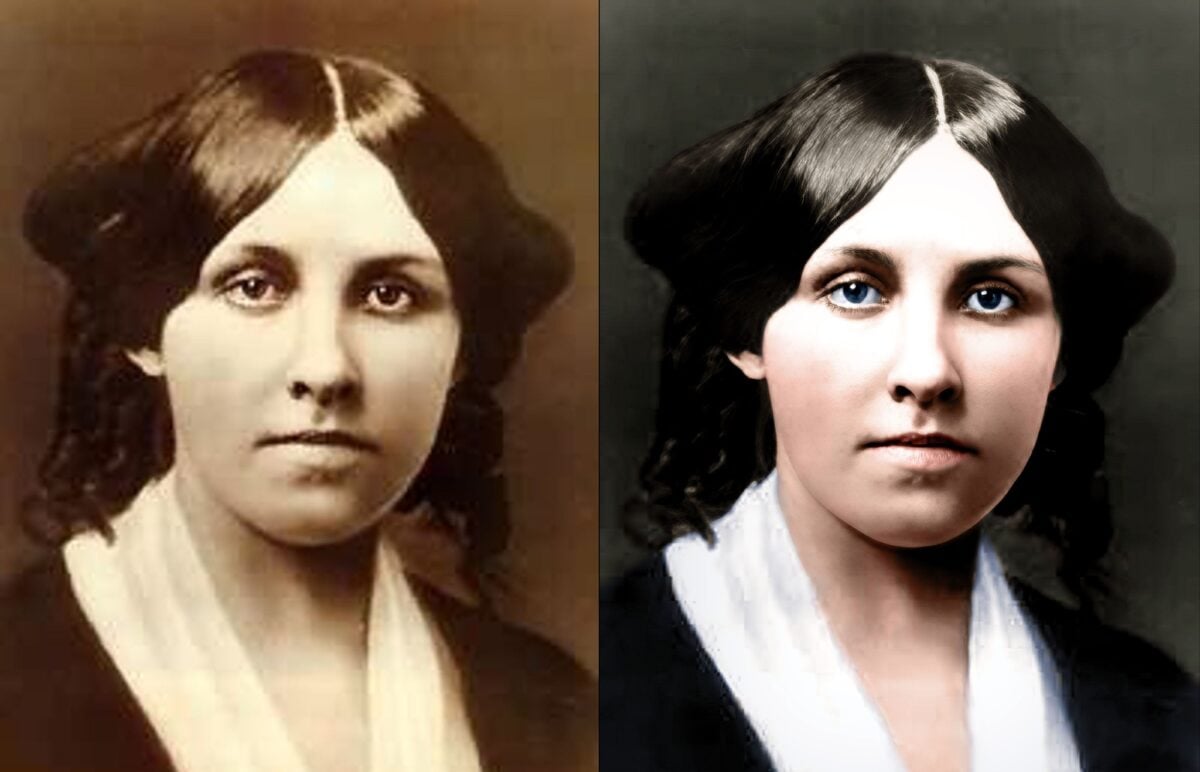
Before “Little Women” made her famous, Alcott published sensational stories about murder, revenge, and passion under the pen name A.M. Barnard. These pulp fiction tales paid better than her serious work and kept her family afloat financially.
She wrote them in a creative frenzy she called a “vortex” – sometimes finishing a story in days.
Victor Hugo wrote parts of “Les Misérables” while unclothed

To force himself to stay home and write, Hugo would give his clothes to his servant with instructions not to return them until evening. Stuck without garments, he had no choice but to work on his manuscript.
This method apparently helped him maintain focus and meet deadlines.
Roald Dahl kept all his pencil shavings

Dahl wrote in a small shed behind his house, sitting in a ratty armchair with a sleeping bag over his legs and a board across his lap. He used only yellow pencils and kept the shavings in a jar.
After his death, the entire writing hut was preserved exactly as he left it and later moved to a museum.
F. Scott Fitzgerald’s wife Zelda burned his clothes when she got angry
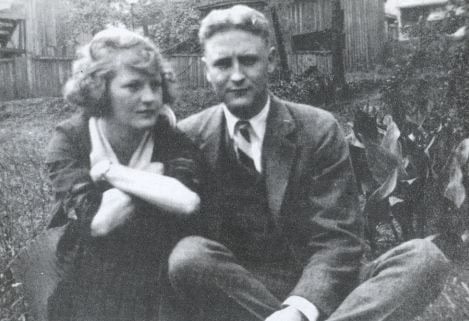
Their relationship was volatile and boozy. Zelda once threw herself down a flight of stairs at a party to get attention.
She also boiled his clothes and watches in a pot of tomato sauce during one particularly heated argument. Both struggled with mental health and alcohol, and their dysfunction fueled much of Fitzgerald’s writing about the Jazz Age.
George Orwell made a list of people he thought were communist sympathizers
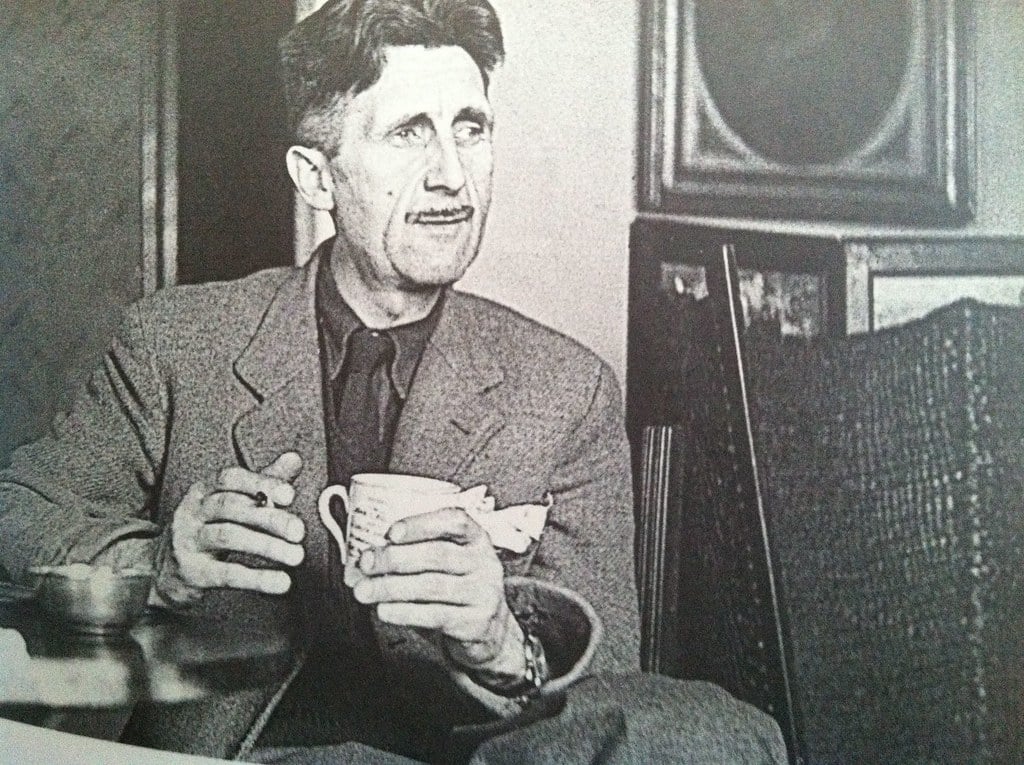
In 1949, while dying of tuberculosis, Orwell wrote down 35 names of writers and public figures he suspected of being fellow travelers or crypto-communists. He handed this list to a friend working for a British government propaganda unit.
The list included Charlie Chaplin and several other prominent artists. The revelation came out decades later and remains controversial among Orwell scholars.
Final thoughts from the margins
These authors left behind more than books. They left evidence of their strangeness, their superstitions, their petty grudges and odd rituals.
English classes focus on themes and symbolism, which makes sense. But somewhere between analyzing metaphors and writing essays about the American Dream, we forget these writers were weird, flawed people doing strange things to get words on paper.
Some drank their own pee. Some stripped.
Some kept pencil shavings in jars. Makes you wonder what future readers will think about the bizarre habits of today’s writers.
More from Go2Tutors!

- The Romanov Crown Jewels and Their Tragic Fate
- 13 Historical Mysteries That Science Still Can’t Solve
- Famous Hoaxes That Fooled the World for Years
- 15 Child Stars with Tragic Adult Lives
- 16 Famous Jewelry Pieces in History
Like Go2Tutors’s content? Follow us on MSN.