16 Traditional Pigments Made From Unexpected Sources
Before chemical dyes became common, people had to get colors from nature or other surprising places. They didn’t have factories or labs to make bright paints, so they had to rely on what they could find nearby or trade for.
This meant turning all kinds of odd things—bugs, bones, minerals, even cow urine—into pigments. The process was not always easy or clean, but it showed how creative people were when it came to color.
These pigments shaped everything from famous paintings to royal clothes, and some of them still influence art today. Here’s a look at some of the most surprising sources of color people used long ago.
Cochineal
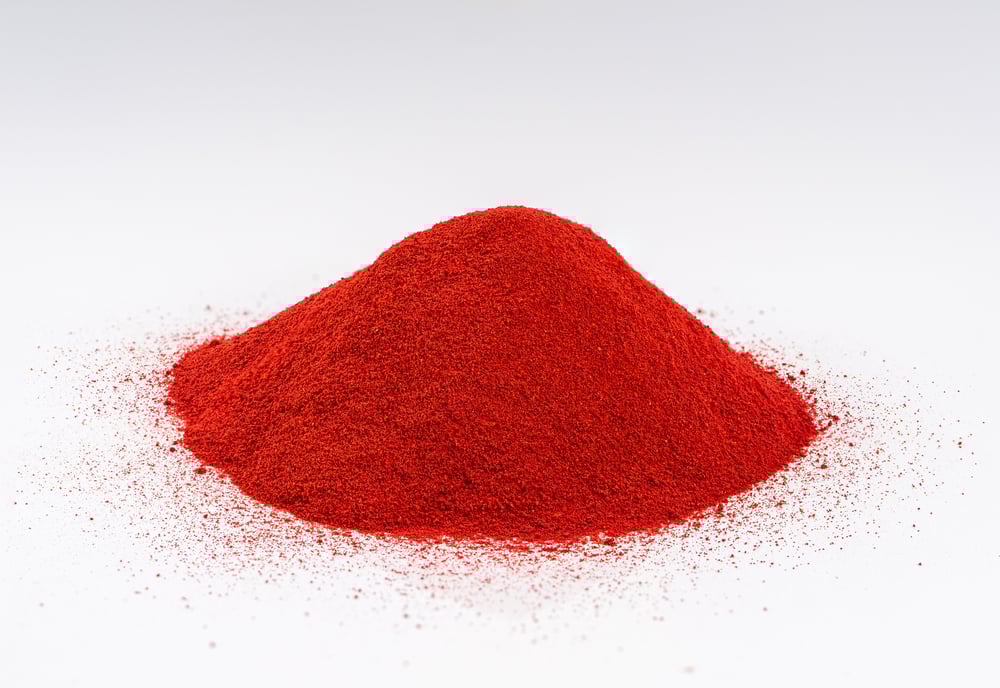
This deep red pigment came from tiny insects called cochineals that live on cactus plants in Central and South America. These bugs were crushed to create carmine, a red dye used in royal clothing and cosmetics.
It became so popular that empires fought to control its trade. Even though it came from insects, cochineal red was one of the most valuable colors of its time.
Tyrian Purple
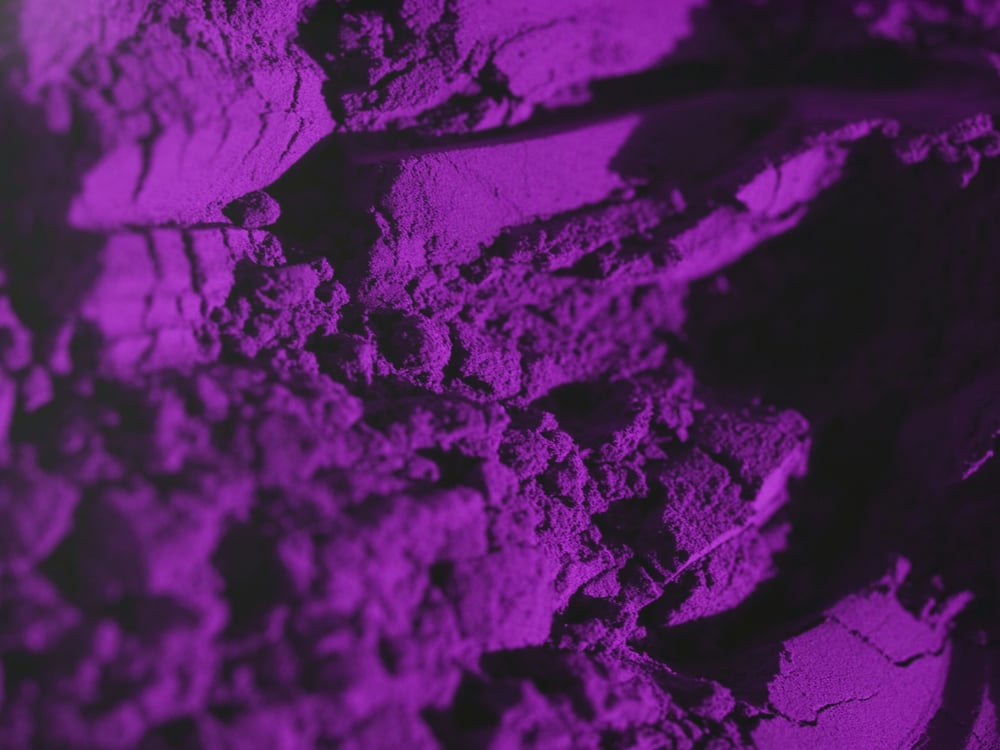
This famous purple dye was made from sea snails found in the Mediterranean. Extracting the color required thousands of snails, which made it very expensive.
Because of that, only royalty could wear it. The process smelled bad, but the color was strong and didn’t fade easily.
In ancient Rome and Byzantium, it was a symbol of power.
Verdigris
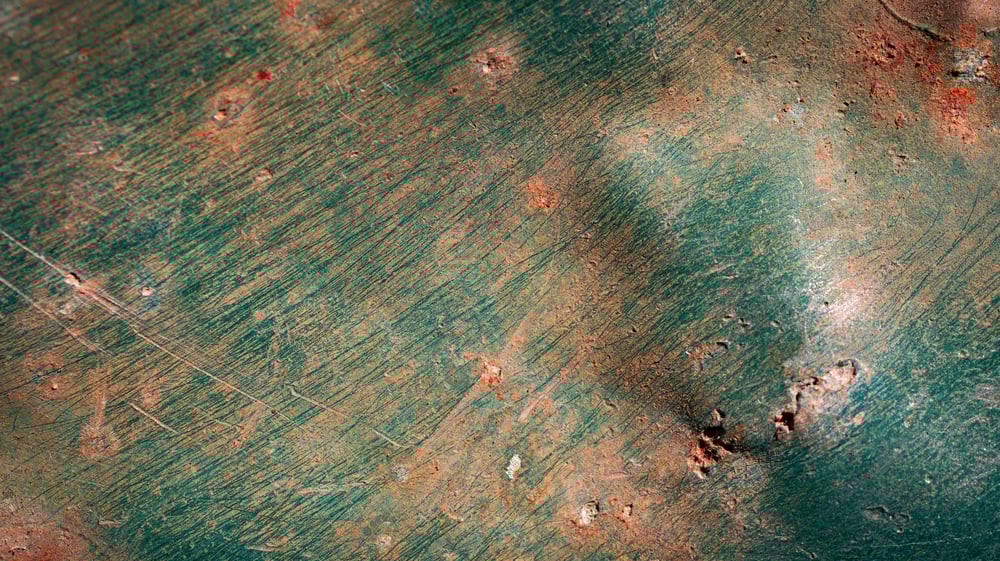
Verdigris is a green-blue pigment created by allowing copper to corrode with vinegar. The crust that forms on the metal was scraped off and used in paints.
It was a favorite in medieval and Renaissance art because of its bright color. However, it reacted with other pigments and could cause damage over time.
Mummy Brown
This pigment was made from ground-up Egyptian mummies, both human and animal. It produced a warm, earthy brown popular in paintings from the 1500s to the 1800s.
Artists used it for shadows and skin tones. When people learned what it was made of, the pigment’s use dropped due to ethical concerns.
Sepia
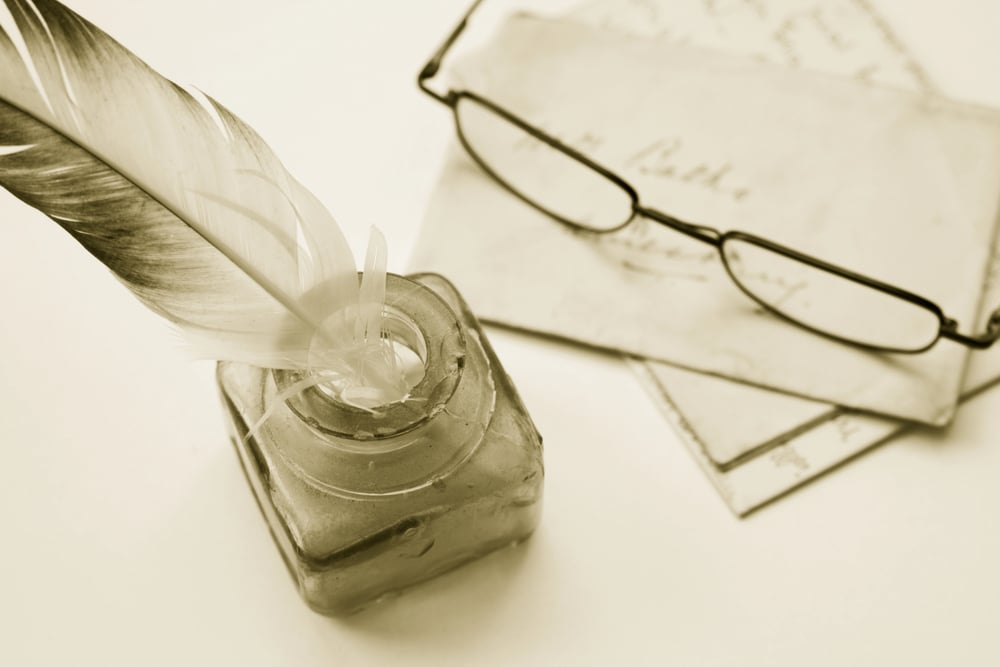
Sepia ink comes from the ink sacs of cuttlefish. The dark fluid was turned into a soft brown pigment used for writing and drawing.
It was popular in Europe during the 18th and 19th centuries. Even today, sepia gives photos a warm, old-fashioned look.
Indian Yellow
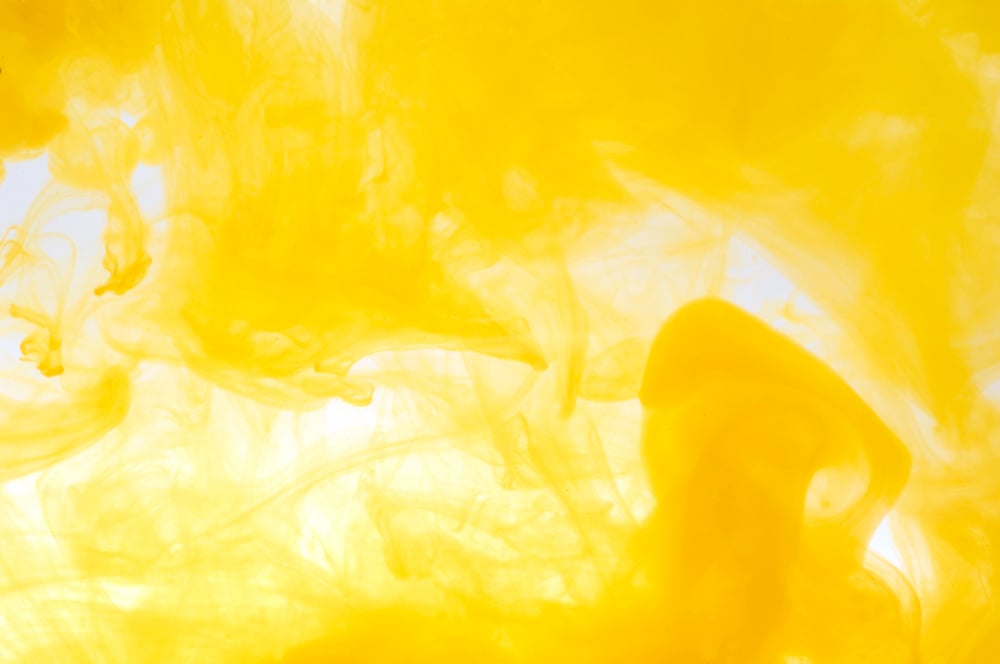
Indian yellow was made from the urine of cows fed only mango leaves. The urine was collected, dried, and turned into bright yellow pigment.
Artists liked it for its glowing color. But because of the cruel treatment of the cows, the practice was banned by the early 20th century.
Bone Black
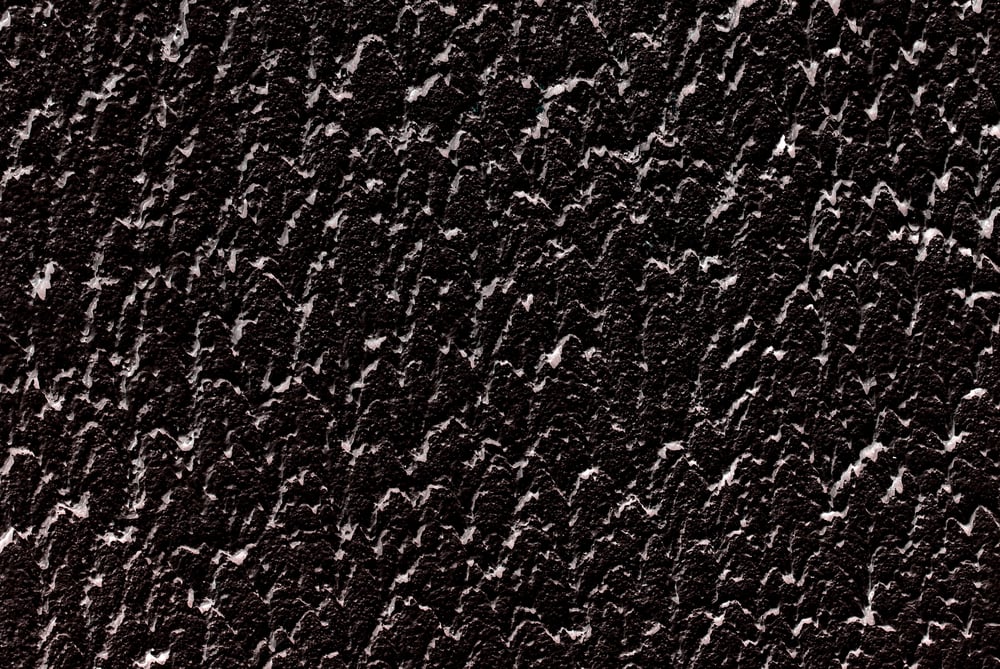
Also called ivory black, this pigment came from burning animal bones without air. The resulting black powder was smooth and matte, ideal for painting.
Bone black was stable and widely used by artists in the past and remains in use today in some forms.
Ultramarine
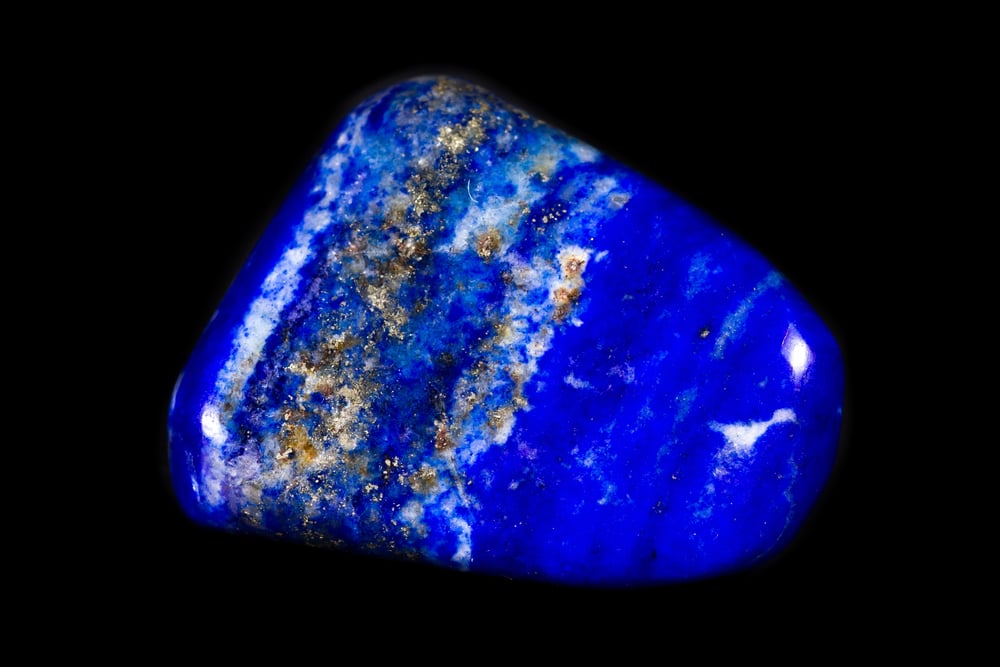
Ultramarine came from grinding lapis lazuli, a semi-precious stone mostly found in Afghanistan. Extracting the blue pigment was difficult and expensive.
Artists reserved this color for special parts of paintings, like the robes of the Virgin Mary. Its intense blue was unmatched for centuries.
Green Earth
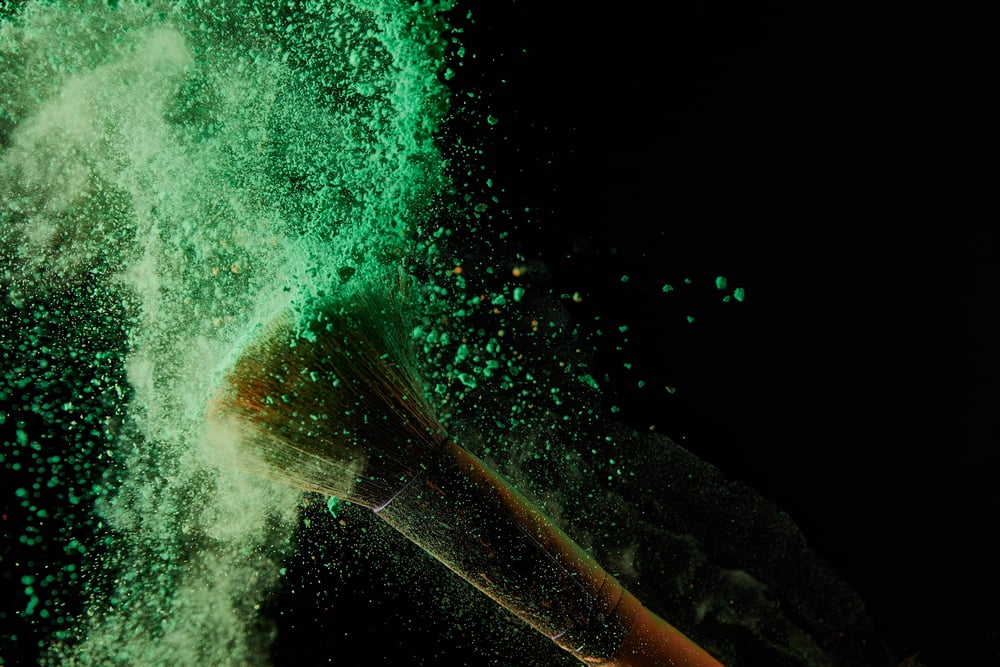
Green earth pigment came from clay containing natural green minerals. It had a soft green shade and was often used for painting skin shadows or landscapes.
Not flashy but reliable, it was stable and widely used throughout history.
Dragon’s Blood
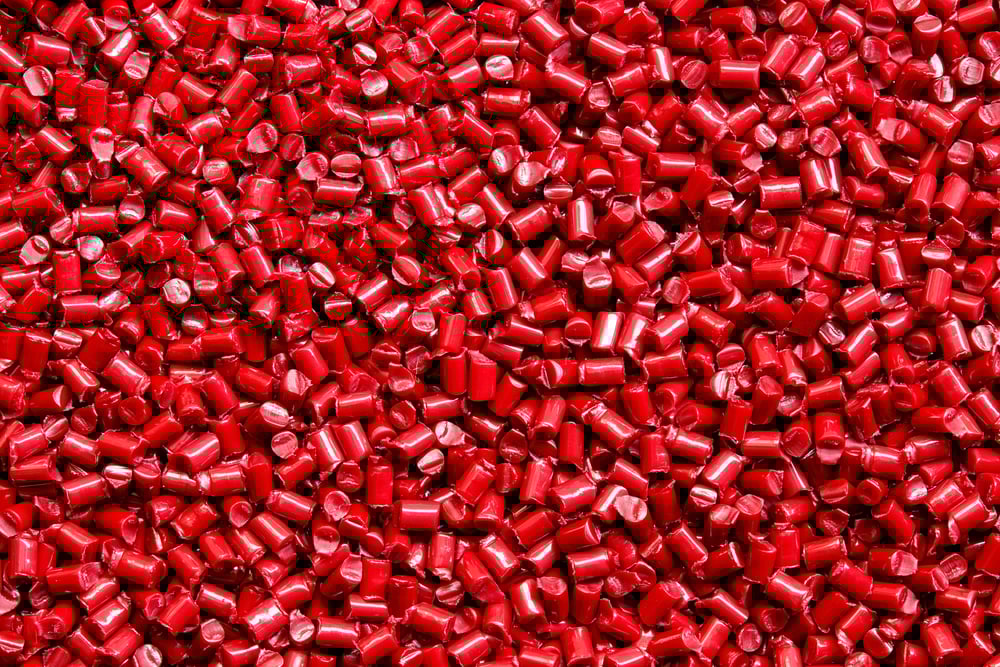
Dragon’s blood is a red resin from certain trees found in places like the Canary Islands and Southeast Asia. When the bark is cut, it releases a red sap that hardens into a solid form.
This was ground into pigment or used as varnish and medicine. Its name comes from the red sap looking like blood.
Orpiment
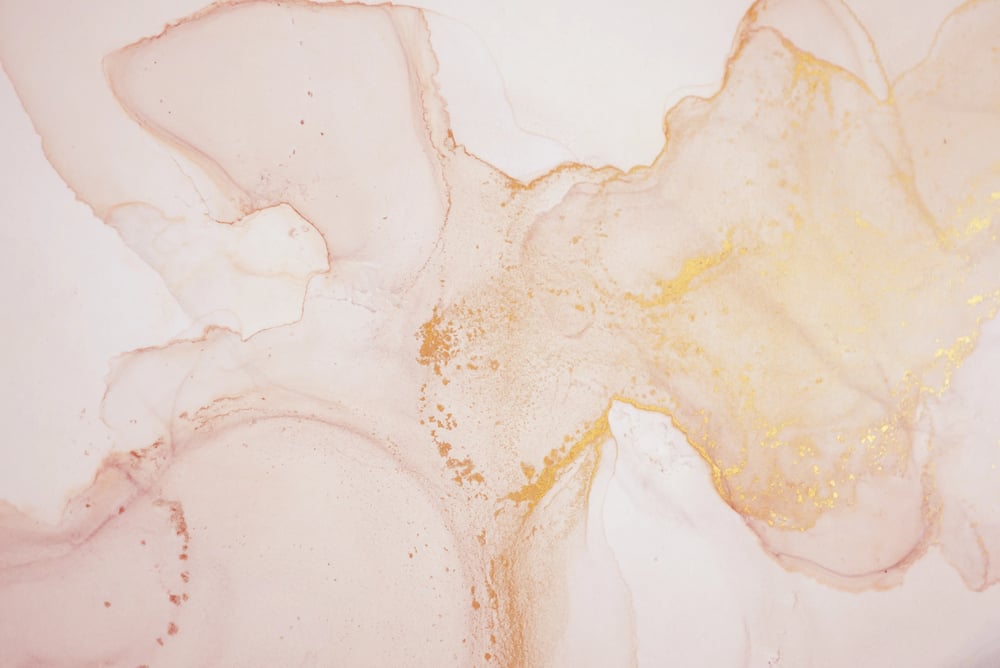
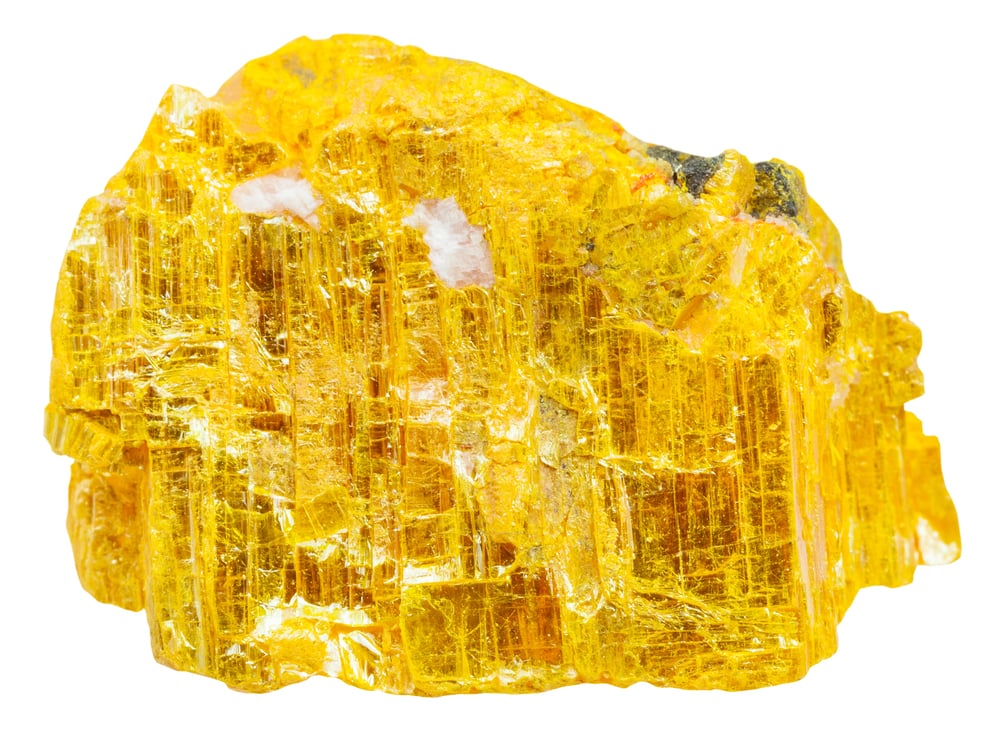
Orpiment was a golden-yellow pigment made from arsenic and sulfur minerals. It was bright and attractive but highly toxic.
Used in ancient manuscripts and paintings, artists had to be careful when handling it. Over time, its danger caused it to fall out of use.
Realgar
Realgar is another arsenic-based pigment with a fiery red-orange color. It was used in Chinese and medieval European art.
The color was strong but faded into a yellow powder when exposed to light, which was also poisonous. This made it risky to work with, despite its beauty.
Lamp Black

Lamp black was made from soot collected inside oil lamps. The soot was scraped off, mixed with liquid, and turned into black ink or paint.
It’s one of the oldest black pigments, used for thousands of years by artists and scribes.
Carmine Lake
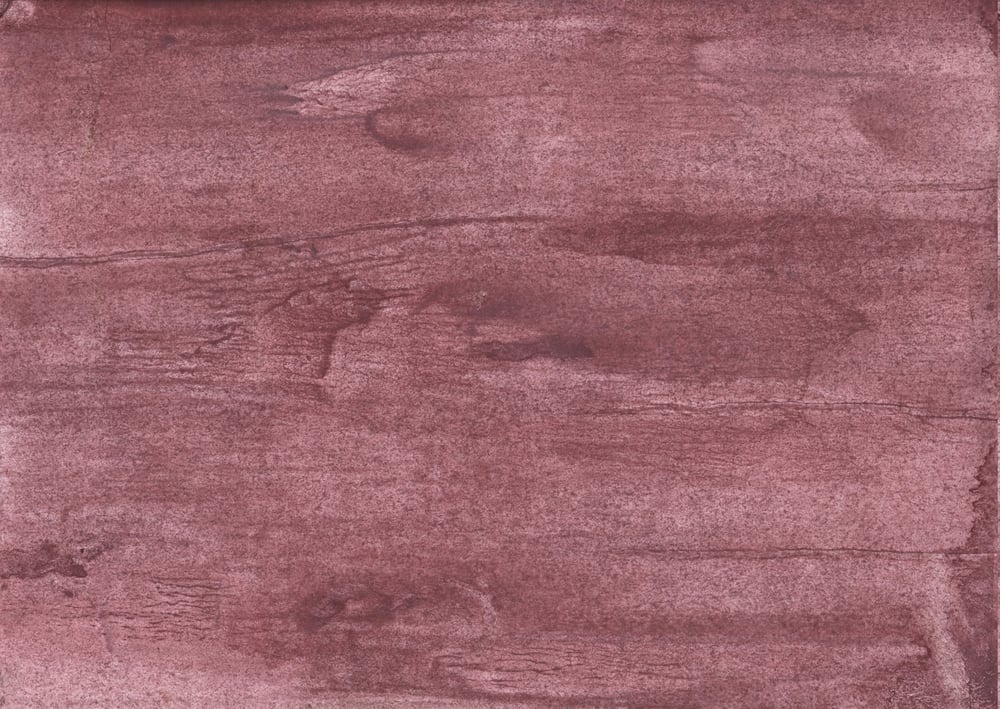
Carmine lake was made by mixing insect dyes with metal salts to create a stable red pigment. Unlike cochineal dye alone, this pigment lasted longer and had a richer finish.
It became popular during the Renaissance for its smooth, deep red color.
Azurite
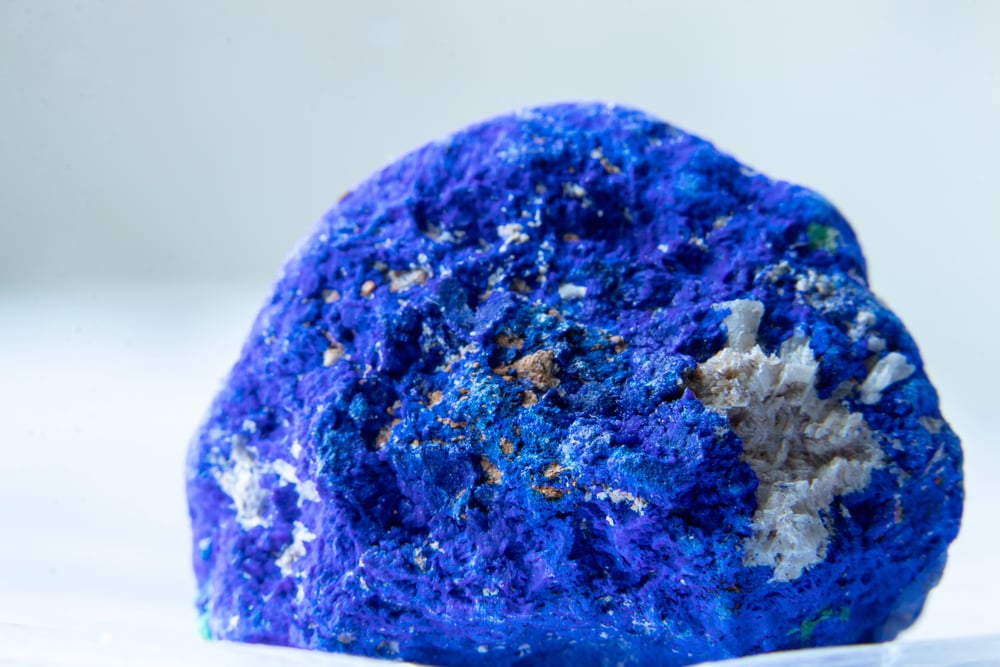
Azurite is a mineral that looks like crushed blue stones. It was ground into powder to make a velvety blue pigment.
Though not as durable as ultramarine, azurite was easier to find. Over time, it could change to green, causing paintings to shift in color unexpectedly.
Woad
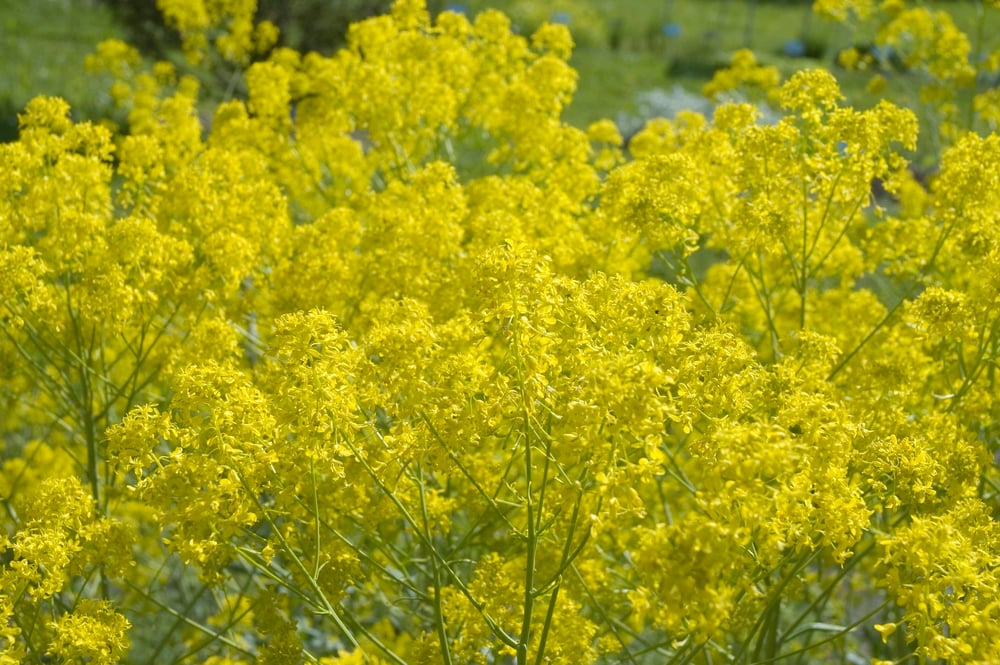
Woad is a plant used to make blue dye before indigo became common. The leaves had to ferment in urine to release the color, which was smelly but effective.
It produced a soft blue used by ancient tribes and medieval cloth makers across Europe.
Color from Curiosity
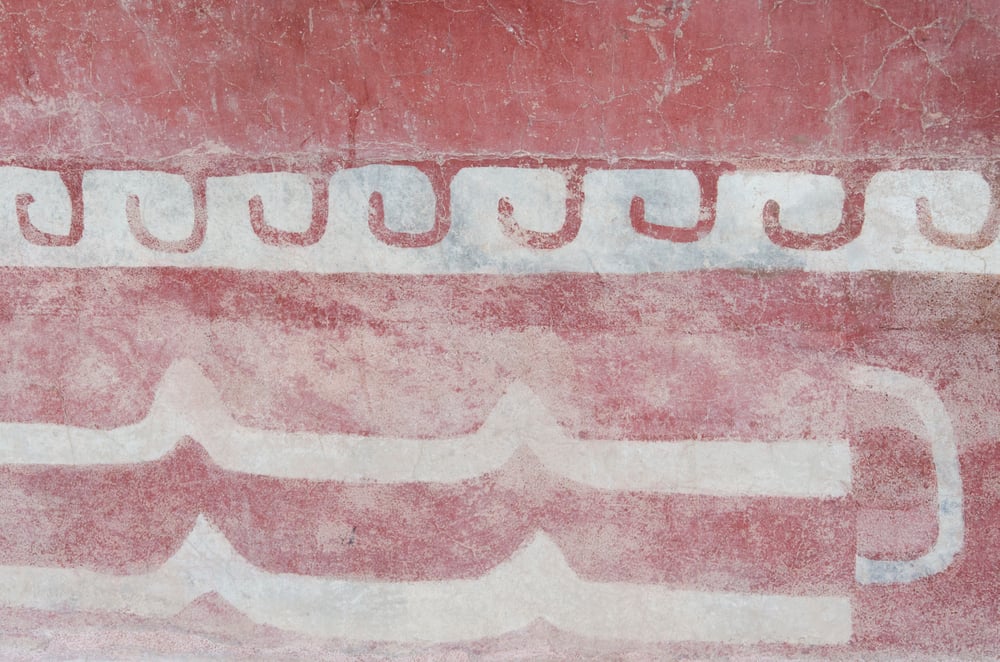
Before synthetic colors, people made do with what was around them. From bugs and bones to soil and minerals, these pigments tell stories of creativity and survival.
They were not just colors but reflections of culture, trade, and skill. Even now, knowing their origins adds depth to the colors we see.
More from Go2Tutors!

- The Romanov Crown Jewels and Their Tragic Fate
- 13 Historical Mysteries That Science Still Can’t Solve
- Famous Hoaxes That Fooled the World for Years
- 15 Child Stars with Tragic Adult Lives
- 16 Famous Jewelry Pieces in History
Like Go2Tutors’s content? Follow us on MSN.