Facts about the Trans-Siberian Railway Route
The Trans-Siberian Railway stands as one of humanity’s most ambitious engineering achievements, stretching across the vast expanse of Russia like a steel spine connecting two continents. This legendary railroad has captured imaginations for over a century, transforming how people think about long-distance travel and opening up the remote wilderness of Siberia to the world.
From its humble beginnings in 1891 to its current status as a vital transportation artery, the Trans-Siberian continues to fascinate travelers and transportation enthusiasts alike. Here is a list of remarkable facts about this incredible railway route.
It’s the World’s Longest Railway Line

The Trans-Siberian Railway spans over 9,289 kilometers (5,772 miles), making it the longest railway line in the world. To put this distance in perspective, you could fit the entire width of the continental United States within this route and still have nearly 2,000 miles left over. The main line stretches from Moscow’s Yaroslavsky station in the west all the way to Vladivostok on the Pacific coast.
The Journey Crosses Eight Time Zones

At a Moscow–Vladivostok track length of 9,289 kilometers (5,772 miles), it spans a record eight time zones. Passengers who embark on the full journey literally travel through almost a third of the world’s time zones. This means when you start your journey in Moscow at noon, you’ll arrive in Vladivostok at what feels like early morning the next day, even though you’ve been traveling for a full week.
The Complete Journey Takes Seven Days

The main track length of the Trans-Siberian Railroad between Moscow and Vladivostok spans eight time zones and involves a journey time of seven days. That’s 168 hours of continuous travel if you don’t get off at any stops along the way. Most travelers, however, choose to break up the journey with overnight stays in major cities like Novosibirsk, Irkutsk, or Yekaterinburg to experience the diverse cultures and landscapes along the route.
Multiple Routes Lead to Different Destinations

— Photo by MaykovNikita
The Trans-Siberian isn’t just one railroad but actually a network of interconnected routes. Five lines make up the network: the Trans-Siberian, the Trans-Mongolian, the Trans-Manchurian, the Baikal-Amur and the Ural. The Trans-Mongolian route heads south from Ulan-Ude to Beijing via Mongolia, while the Trans-Manchurian branches off near Chita and goes through northeastern China to reach Beijing as well.
Construction Began Under Tsar Alexander III
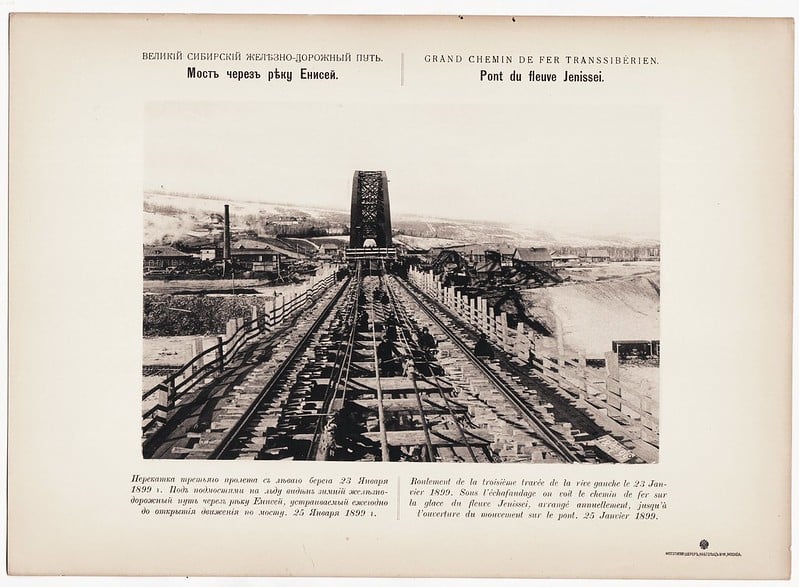
On May 31 1891 the project’s initiation was marked with a special church service, and construction began. Tsar Alexander III ordered his son, the future Nicholas II, to personally lay the first stone and silver plate to mark the beginning of this monumental project. The construction was driven by both economic necessity and national pride, as Russia sought to connect its European heartland with its vast Siberian territories.
Over 85,000 Workers Built the Railway

More than 85,000 people are estimated to have been involved in the construction of the Trans-Siberian Railroad. These workers faced incredible challenges, from the harsh Siberian climate to difficult terrain including mountains, rivers, and permafrost. Despite these obstacles, they managed to lay up to 600 kilometers of track each year, completing the entire project in just 12 years.
The Railway Crosses Nearly 500 Bridges
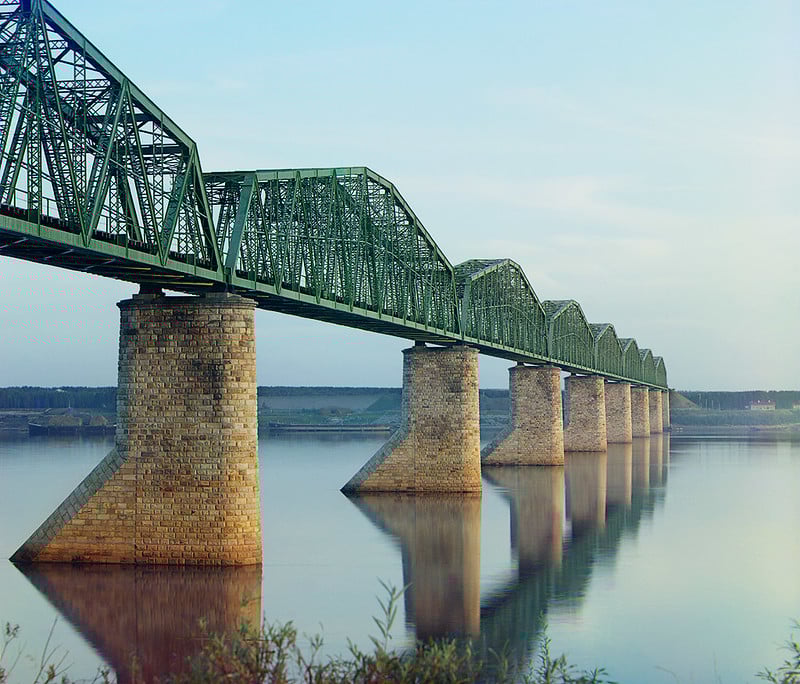
The Trans-Siberian Railroad crosses 497 bridges, travels through 15 tunnels, and traverses 16 major rivers. The engineering feat required to span Siberia’s numerous waterways was staggering for its time. The longest bridge on the route crosses the mighty Amur River near Khabarovsk and stretches for 2.6 kilometers, marking the border region between Russia and China.
Temperatures Can Plummet to -62°F
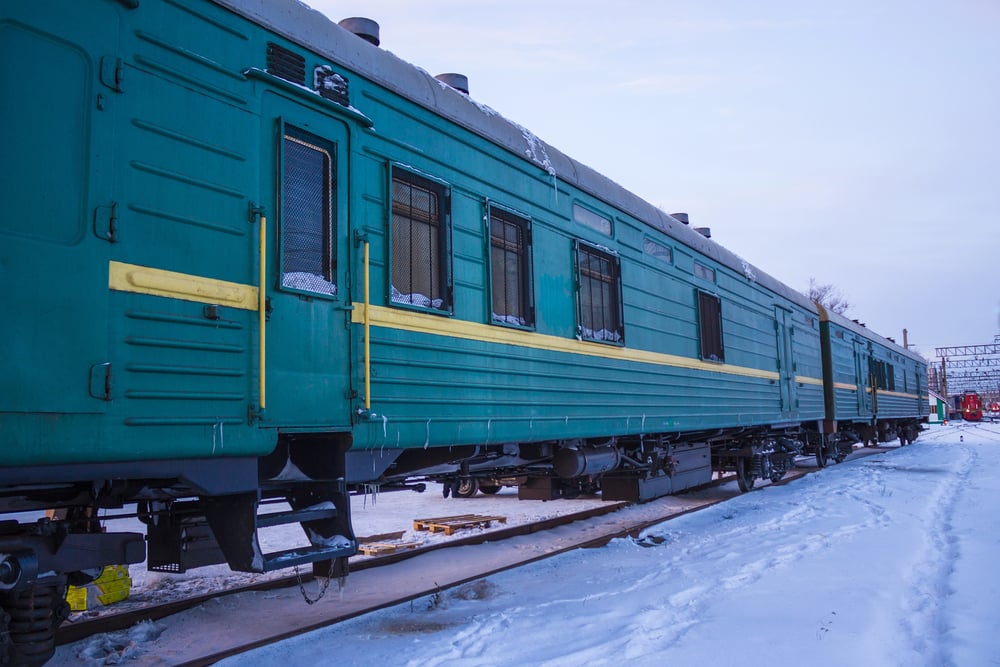
The coldest part of the Trans-Siberian Railroad is found between the Mogocha and Skovorodino stations, where temperatures can go as low as -62 degrees Fahrenheit. Fortunately for passengers, the train cars are always kept warm and comfortable regardless of the brutal outside conditions. Winter travelers get to experience the stark beauty of the Siberian landscape covered in snow and ice.
The Railway Passes Through 87 Cities
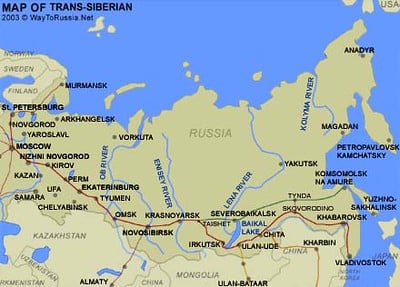
The Trans-Siberian Railroad goes through 87 major cities, 3 countries and 2 continents. Major stops include Novosibirsk (often called the capital of Siberia), Yekaterinburg (where Europe meets Asia), Irkutsk (gateway to Lake Baikal), and Khabarovsk (the largest city in the Russian Far East). Each city offers its own unique character, from European-influenced architecture to distinctly Asian cultural elements.
There Are 876 Passenger Stations
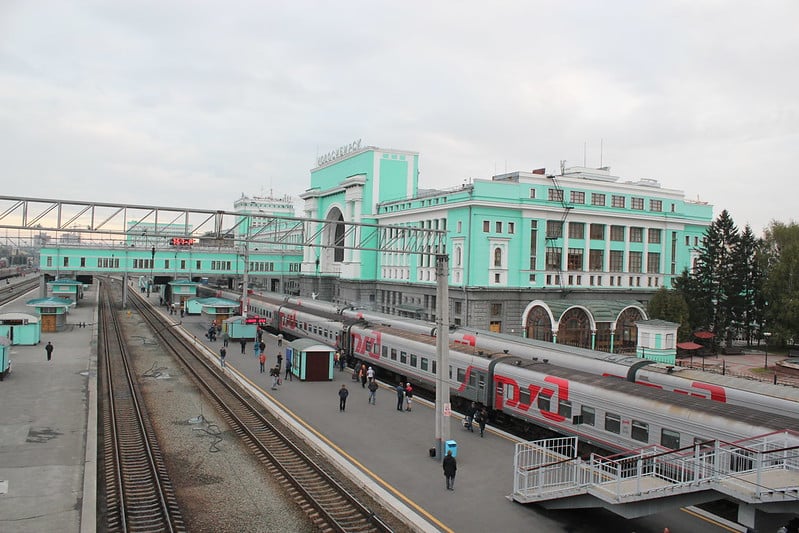
The Trans-Siberian Railroad has approximately 876 stations for passenger trains. Most of these are small rural stations that tourists rarely visit, but they serve as vital links for local communities scattered across Siberia’s vast distances. The largest station is in Novosibirsk, while the most unusual is Slyudyanka station, which is constructed almost entirely from local marble.
The Railway Has Its Own Armed Forces

The Trans-Siberian Railroad is run by the Russian government via the state-owned company Russian Railways. However, what may be news to you is that the railroad has its own armed forces, namely, the Railway Troops. Established in 1851, these specialized military units are responsible for building, maintaining, and protecting this crucial transportation network that handles 30 percent of all Russian exports.
Lake Baikal Was the Most Challenging Section

The section around Lake Baikal presented the greatest engineering challenge during construction. The most exceptional difficulties the builders experienced were in the Baikal region, where it was necessary to blow up mountains for the construction of the railway line. Today, a special tourist route called the Circum-Baikal Railroad runs along the original track beside the world’s deepest freshwater lake.
The Russo-Japanese War Exposed Weaknesses
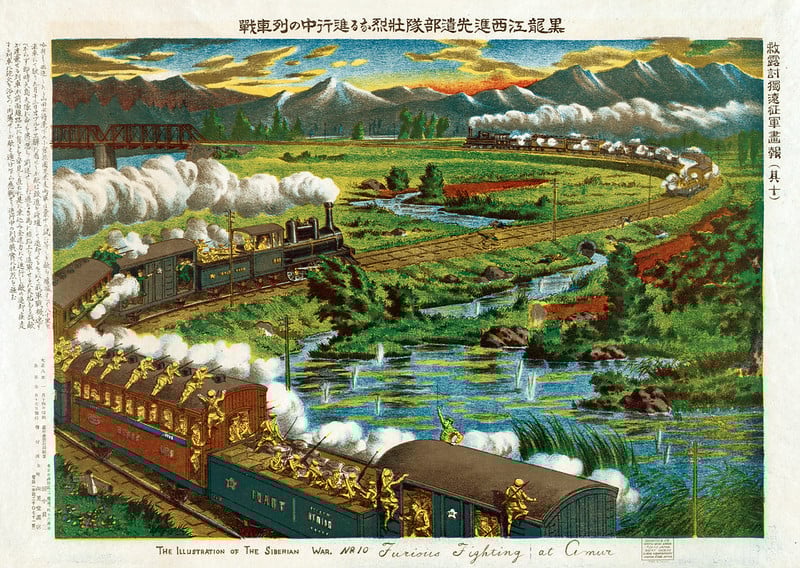
Shortly after completion, the railway faced its first major test during the Russo-Japanese War of 1904-1905. The war showcased the limitations of the railway, with its single-line route causing bottlenecks in the movement of troops and supplies. If a train carrying wounded soldiers was heading west, supply trains going east had to wait at stations, creating serious logistical problems for the Russian military effort.
Modern Trains Can Complete the Journey Faster

While the original journey took over a week, modern high-speed improvements have reduced travel time. On a high-speed train, a journey on the Trans-Siberian Railroad can be traveled in seven days. The famous ‘Rossiya’ train, which runs daily between Moscow and Vladivostok, represents the premium service with first-class deluxe sleeper cabins and dining car service throughout the journey.
A Steel Thread Connecting Worlds
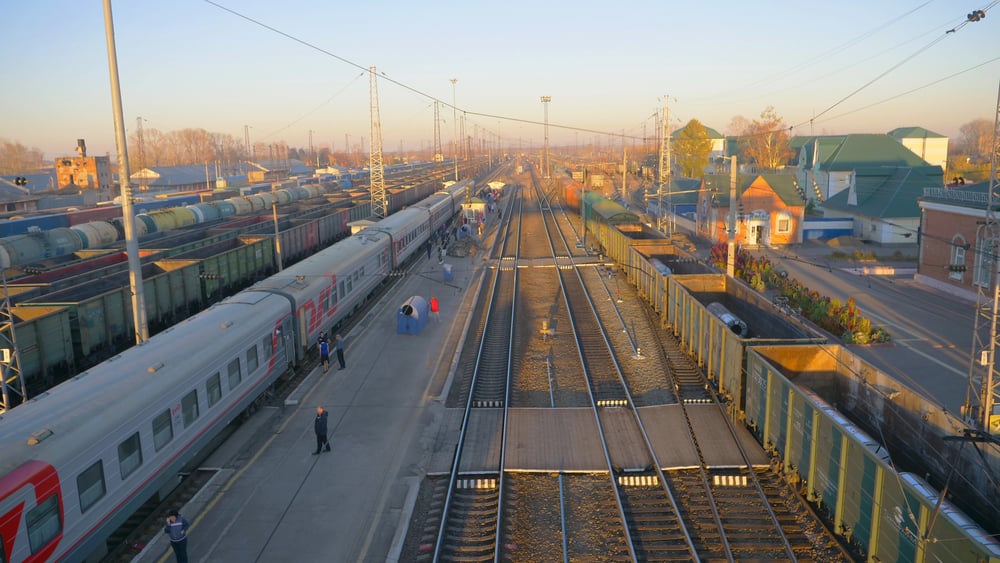
— Photo by kusabi
The Trans-Siberian Railway remains much more than just a transportation system – it’s a symbol of human determination to conquer impossible distances and connect distant cultures. What began as an ambitious dream of Tsarist Russia has evolved into a modern engineering marvel that continues to adapt and serve millions of passengers each year. For many travelers, riding these rails represents the ultimate overland adventure, offering a unique window into the heart of the world’s largest country while crossing landscapes that few other transportation networks can match.
More from Go2Tutors!

- The Romanov Crown Jewels and Their Tragic Fate
- 13 Historical Mysteries That Science Still Can’t Solve
- Famous Hoaxes That Fooled the World for Years
- 15 Child Stars with Tragic Adult Lives
- 16 Famous Jewelry Pieces in History
Like Go2Tutors’s content? Follow us on MSN.