Facts About the World’s Most Valuable Stamps
Some stamps are worth more than expensive cars or even homes, despite their seemingly insignificant appearance. Centuries-old tales, historical mishaps, and printing errors abound in the world of rare stamps.
Due to their scarcity, historical significance, and the excitement of owning something that virtually no one else can have, collectors spend millions of dollars on these small treasures. The most precious stamps frequently became worthless due to errors that were never intended to occur, such as emergency printings or upside-down planes.
Knowing the factors that determine a stamp’s value provides interesting insights into postal history and human error. These are fifteen facts about the most valuable stamps in the world.
British Guiana 1c Magenta
The British Guiana 1c Magenta holds the record as one of the most expensive stamps ever sold, fetching $9.48 million at auction in 2014 before reselling to Stanley Gibbons for $8.3 million in 2021. Only one copy exists in the entire world, making it literally irreplaceable.
This octagonal stamp was created in 1856 as an emergency measure when a regular shipment from England failed to arrive, and a local newspaper in Georgetown printed a crude substitute featuring a small boat design. Often called the most valuable item by weight in the world, this tiny piece of postal history was discovered by a 12-year-old boy in 1873 who sold it for six shillings.
Mauritius Post Office Stamps
The 1847 Mauritius Post Office stamps are among the most expensive in the world, with an envelope featuring both the One Penny red and Two Penny blue selling for approximately $8.1 million in 2021. These were the first British stamps created outside Great Britain, and their name comes from a printing error where the words ‘Post Office’ appeared on the first batch instead of ‘Post Paid.’
Many were used on invitations to a lavish party hosted by Lady Gomm, the wife of the Governor of Mauritius, which is why some surviving examples are found on envelopes from this famous event.
Inverted Jenny

The 1918 Inverted Jenny is probably the most famous American stamp error, featuring a Curtiss JN-4 biplane printed upside down. Only one sheet of 100 misprinted stamps was ever sold before the error was caught.
A block of four from this sheet sold for $4.86 million in 2023, setting a record for this particular error. The plane shown on the stamp was used for the first official airmail flight in the United States, making the error both historically significant and visually striking.
Penny Black
The Penny Black was the world’s first adhesive postage stamp, issued in the United Kingdom on May 1, 1840, though it wasn’t valid for use until May 6. It revolutionized communication by allowing people to prepay postage at a flat rate of one penny for letters up to half an ounce, regardless of distance.
The stamp featured a young Queen Victoria based on a portrait sketch by William Wyon from 1834. Despite its fame, the Penny Black was actually considered a failure because the red cancellation mark could be easily removed, allowing people to reuse the stamps, which led to its replacement by the Penny Red in 1841.
Treskilling Yellow

The Treskilling Yellow from Sweden is one of the most expensive stamps in the world, with its last verified private sale in 2010 estimated at around $2.3 million. This 1855 stamp was supposed to be printed in blue-green but somehow ended up yellow instead.
Only one copy is known to exist, and its discovery in 1886 by a Swedish schoolboy caused a sensation in the philately world. The stamp has changed hands multiple times through private sales and auctions, maintaining its status as one of the rarest stamps ever produced.
Baden 9 Kreuzer Error

The Baden 9 Kreuzer from 1851 is valued at around €1 to €1.5 million because of a simple printing mistake. The stamp was supposed to be printed in pink, but the printer apparently misread the number 9 for a 6 and used the green ink plate intended for the 6 Kreuzer stamp instead.
Four copies are known to exist, and two were discovered by sheer coincidence when Baron von Türckheim showed his stamp to his father, who had two more examples sitting in old correspondence. This German state stamp remains one of the rarest printing errors in philatelic history.
Benjamin Franklin Z Grill

The Benjamin Franklin Z Grill is one of the rarest American stamps, with only two copies known to exist. The stamp features a ‘grill’ pattern, which was an embossed design the U.S. Postal Service used to prevent stamps from being reused.
The Z grill was larger than other grill patterns and was quickly replaced, making it exceptionally rare. One copy is permanently held in the New York Public Library’s Miller Collection, while the other was involved in a famous stamp swap valued near $3 million, with modern estimates placing its value at approximately $8.8 million.
Whole Country Is Red

This 1968 Chinese Cultural Revolution propaganda stamp became valuable because of a political mistake that got it pulled from circulation almost immediately. The design showed cheerful citizens holding Mao’s Little Red Book with most of China colored red to celebrate communism, but the island of Taiwan was left white.
Once authorities noticed the error, the stamp was withdrawn from sale, though some copies had already been distributed. Fine specimens have sold for between $300,000 and $450,000 in recent auctions, and no one knows exactly how many copies survived.
Sicilian Error of Color
The 1859 Sicilian Error of Color was supposed to be orange but was printed in blue instead. Only two examples are known to exist today, and they were first exhibited together at the 1899 Manchester Philatelic Exposition before being separated.
One sold for €1.8 million (approximately $2.5 million) in 2011. The stamp is remarkable not just for its rarity but also for being preserved in excellent condition despite being over 160 years old.
Twopenny Blue
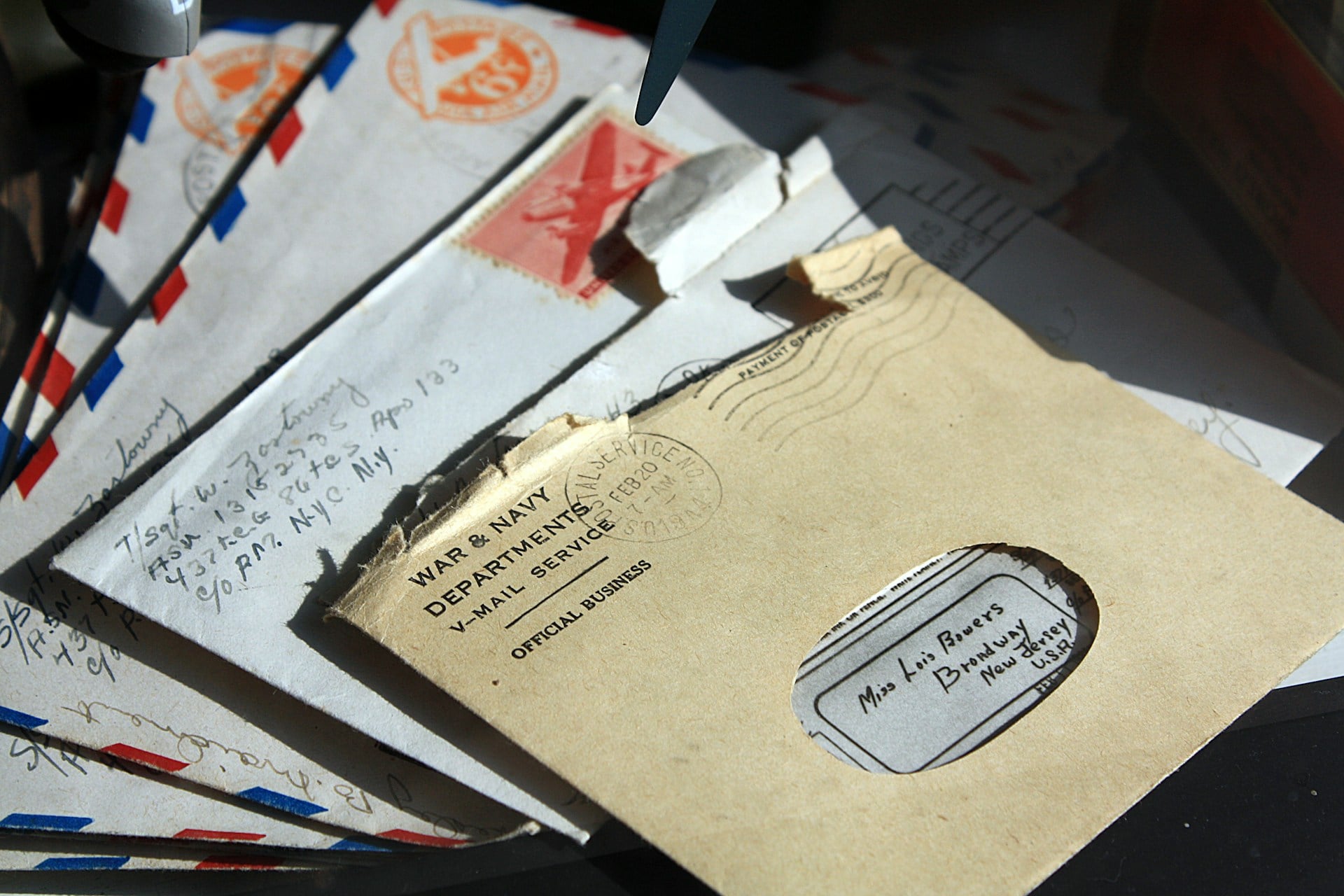
The Twopenny Blue was the world’s second official postage stamp, issued on the same day as the Penny Black in 1840. It was designed for heavier letters weighing between half an ounce and one ounce, which made it less commonly used than its more famous counterpart.
The stamp is ten times rarer than the Penny Black in mint condition, and high-quality mint examples typically sell in the range of $100,000 to $400,000. Like the Penny Black, it featured Queen Victoria and suffered from the same problem with easily removable red cancellation marks.
Hawaiian Missionaries
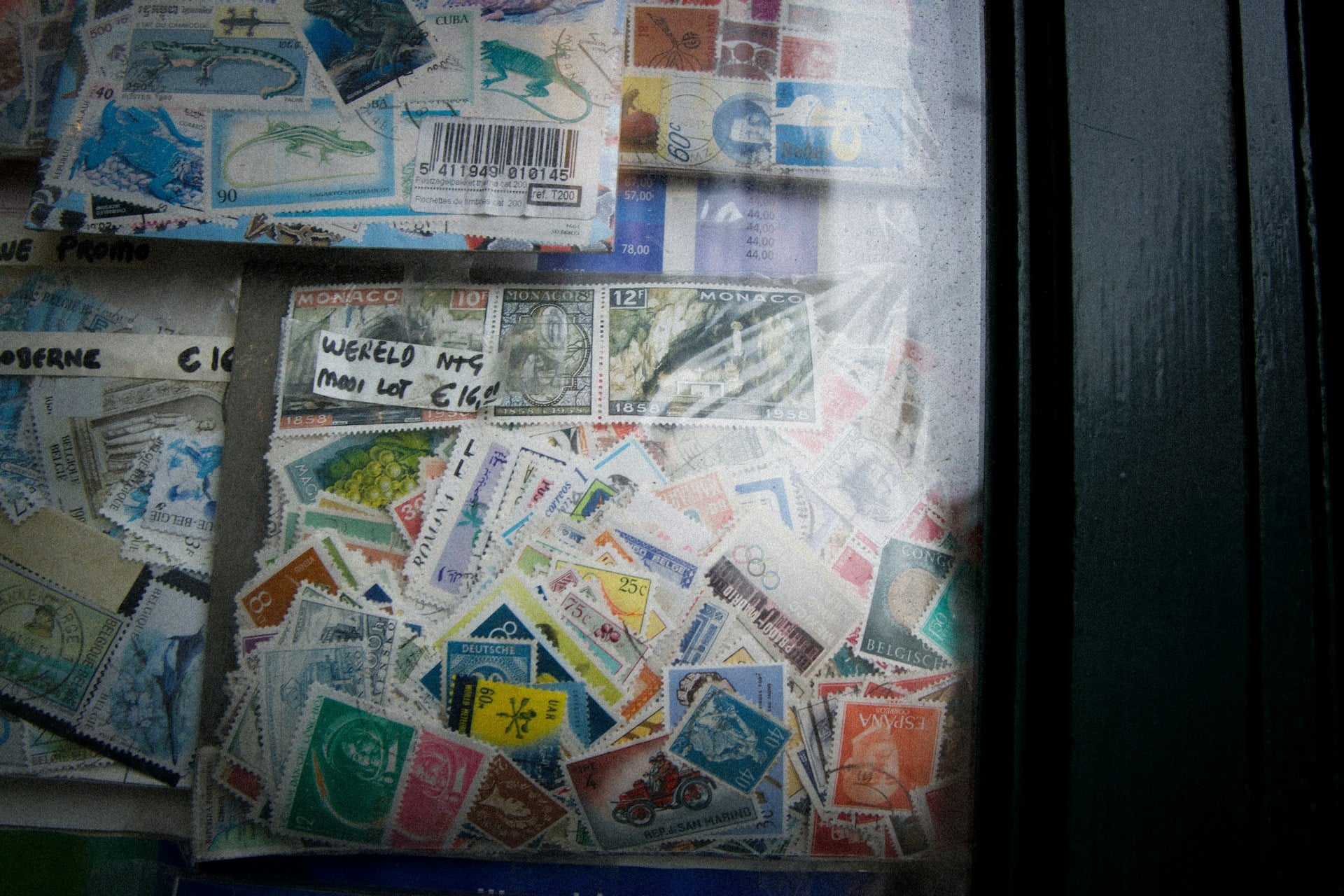
These stamps from 1851 to 1852 were the first ever produced in Hawaii and were predominantly used by missionaries corresponding with each other, hence the name. They were printed on cheap blue paper that wasn’t designed to last, yet some have survived in remarkable condition.
Top specimens have sold for over $600,000, though damaged or lower-grade examples might sell for around $39,000. The stamps represent an important piece of Pacific postal history from before Hawaii became part of the United States.
Red Revenue One Dollar Small

This stamp from China’s Qing Dynasty sold for $889,000 in 2013 and represents a fascinating piece of Chinese postal history. The stamp was originally intended for revenue purposes, like paying taxes, but was later authorized for postal use.
Its small size distinguishes it from other stamps of the era, and the red color gives it the first part of its name. The combination of age, historical significance, and scarcity from the late 1800s makes it one of China’s most valuable philatelic items.
Canada’s 12d Black Queen Victoria

The 1851 12-Penny Black featuring Queen Victoria is Canada’s most valuable and sought-after stamp, with the highest sale reaching $224,250 in 2011. It wasn’t used very often because the 12-penny denomination only covered specific destinations like Newfoundland, the British West Indies, or double-weight letters to the United States.
The limited scope of where it could be used meant fewer were printed and even fewer survived. This stamp represents early Canadian postal history when the country was still developing its mail system under British colonial rule.
Tiflis Unique

The Tiflis Unique is one of the most unusual stamps in existence, with a metallic look created by special ink and embossed texture on thick paper rather than actual metal. Originating from Tiflis (now Tbilisi, Georgia) in 1857 within the Russian Empire, only four examples are known to survive, making it exceptionally rare.
The stamp’s distinctive appearance and historical importance as one of the oldest stamps from the Russian Empire contribute to its high value among collectors.
24c Declaration of Independence
This American stamp from the 1869 Pictorial Issue series stands out as a genuine work of art rather than just a postage device. The design features an incredibly detailed, two-tone rendering of the presentation of the Declaration of Independence to the Continental Congress, with over 40 individual figures depicted.
Some of the people shown are so tiny that collectors need a magnifying glass to see them properly. While typically valued between $10,000 and $20,000 in high grade, the intricate engraving and historical subject matter make it highly desirable among collectors who appreciate artistry and craftsmanship.
Preserving Postal History

Because these tiny pieces of paper mark significant events in the history of communication, the market for rare stamps is still thriving. What began as useful tools for mail delivery have evolved into millions of dollars’ worth of treasured artifacts.
Stamps, as collectors know, capture everything from technological advancements to political movements in designs no larger than a business card. The most valuable stamps in the world serve as a reminder that sometimes the smallest items can reveal the most profound tales, whether they were found in an attic or are kept in museum collections.
More from Go2Tutors!

- The Romanov Crown Jewels and Their Tragic Fate
- 17 Halloween Costumes Once Considered Taboo
- Famous Hoaxes That Fooled the World for Years
- 15 Child Stars with Tragic Adult Lives
- 16 Famous Jewelry Pieces in History
Like Go2Tutors’s content? Follow us on MSN.