Instruments Made from Unusual Materials
Out of old pipes, a farmer once made a whistle that sang like wind through cracks in stone. Found items hum differently when someone decides they belong in music.
A rainstick from desert thorns can speak louder than factory-made drums. Rope stretched over hollow logs has carried stories longer than written notes ever did.
Not every melody needs metal forged at high heat. Broken glass, tapped right, becomes rhythm without permission.
Some songs grow best in forgotten corners, far from studios and concert halls. Even rusted springs, if twisted true, will vibrate with purpose.
The quietest villages sometimes hold the strangest sounds. No rule says beauty must come from what we call proper tools.
Sound changes when you build an instrument from different stuff. Take a gourd – its voice feels round, soft, nothing like the sharp ring of steel.
Swap wood for glass in a xylophone, suddenly every note shivers colder. Odd materials bring odd sounds, and players run with those surprises.
Some of the wildest noises come from the strangest tools.
Glass Instruments
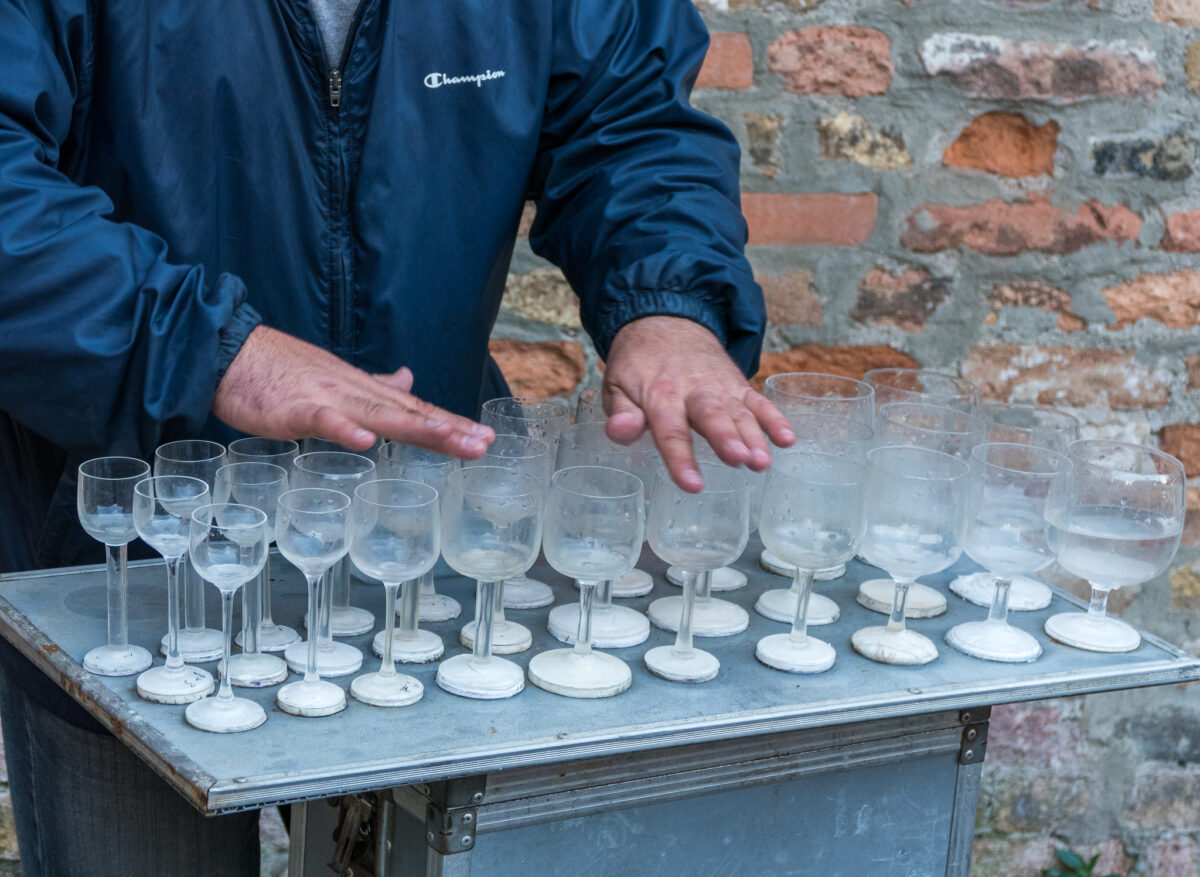
Glass has been used to create ethereal, haunting sounds for centuries. The glass harmonica, invented in the 18th century, uses rotating glass bowls of varying sizes to produce shimmering tones when touched with wet fingers.
Benjamin Franklin even improved upon earlier designs to create an instrument capable of nuanced dynamics and expressive phrasing. Modern musicians continue to experiment with glass.
Glass xylophones, bottles filled to different levels, and even wine glasses arranged in sets allow for delicate, almost otherworldly timbres. The fragility of glass forces precision and lends performances a sense of vulnerability and beauty.
Some contemporary artists also use glass in electronic music, sampling its tones or combining it with amplification to create textures that feel simultaneously natural and surreal.
Stone Instruments
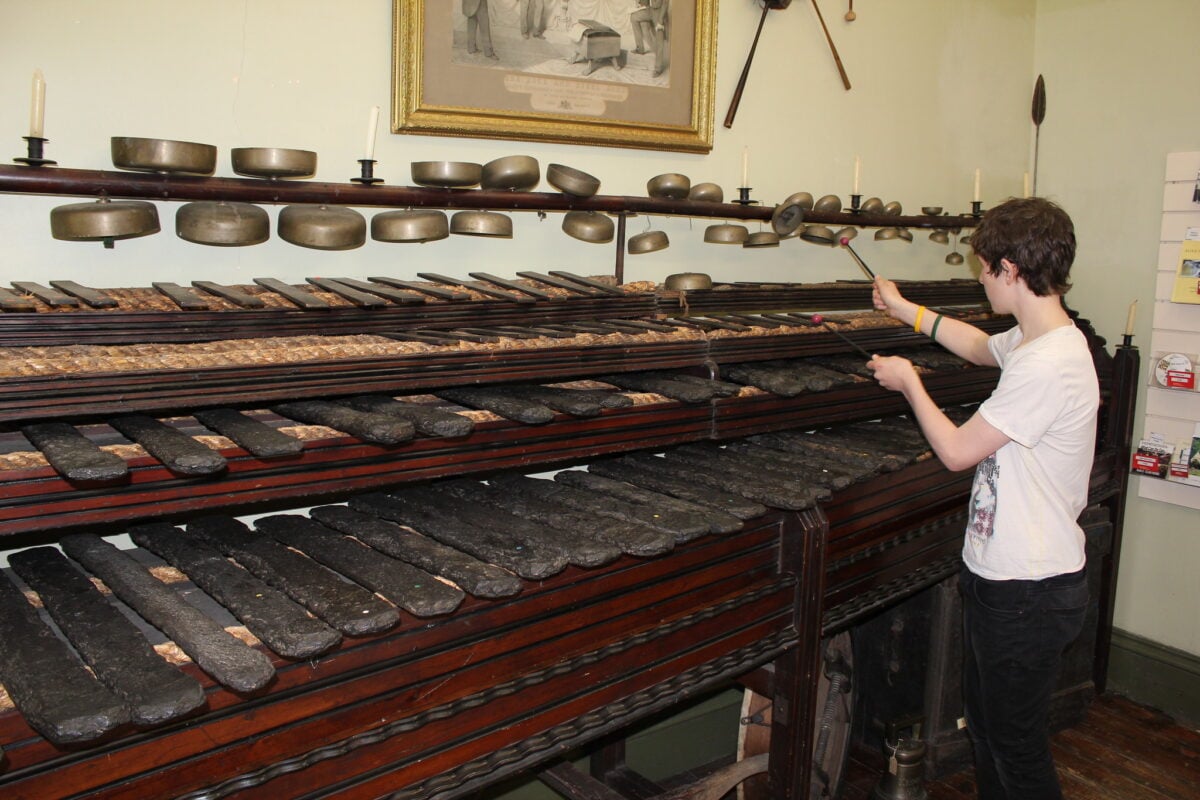
Stone may seem unyielding, yet it has produced remarkable music throughout history. Lithophones, ancient instruments made from carefully shaped rocks, were played by striking or rubbing to release pure, resonant tones.
Archaeologists have discovered lithophones dating back thousands of years in Asia, Africa, and Europe. The weight and density of stone give these instruments a unique resonance, producing notes that feel grounded and ancient.
In some cultures, stones were even arranged like small xylophones, allowing for melodic sequences. Beyond sound, stone instruments often carried spiritual significance, used in rituals and ceremonies to mark seasons, honor ancestors, or communicate communal stories.
Water-Based Instruments

Water is another unconventional material that produces intriguing musical possibilities. Water drums, common in African and Indigenous American traditions, involve filling a container with water and striking it to create pitch and resonance.
The depth of the water can be adjusted to change the tone, allowing musicians to manipulate sound intuitively. Other water instruments include the hydraulophone, which directs water flow through pipes to generate notes.
The resulting tones can range from soft and bubbling to sharp and percussive. Water-based instruments demonstrate how a fluid medium can become a precise and expressive musical tool, highlighting a unique interplay between environment, physics, and artistry.
Instruments from Recycled Materials
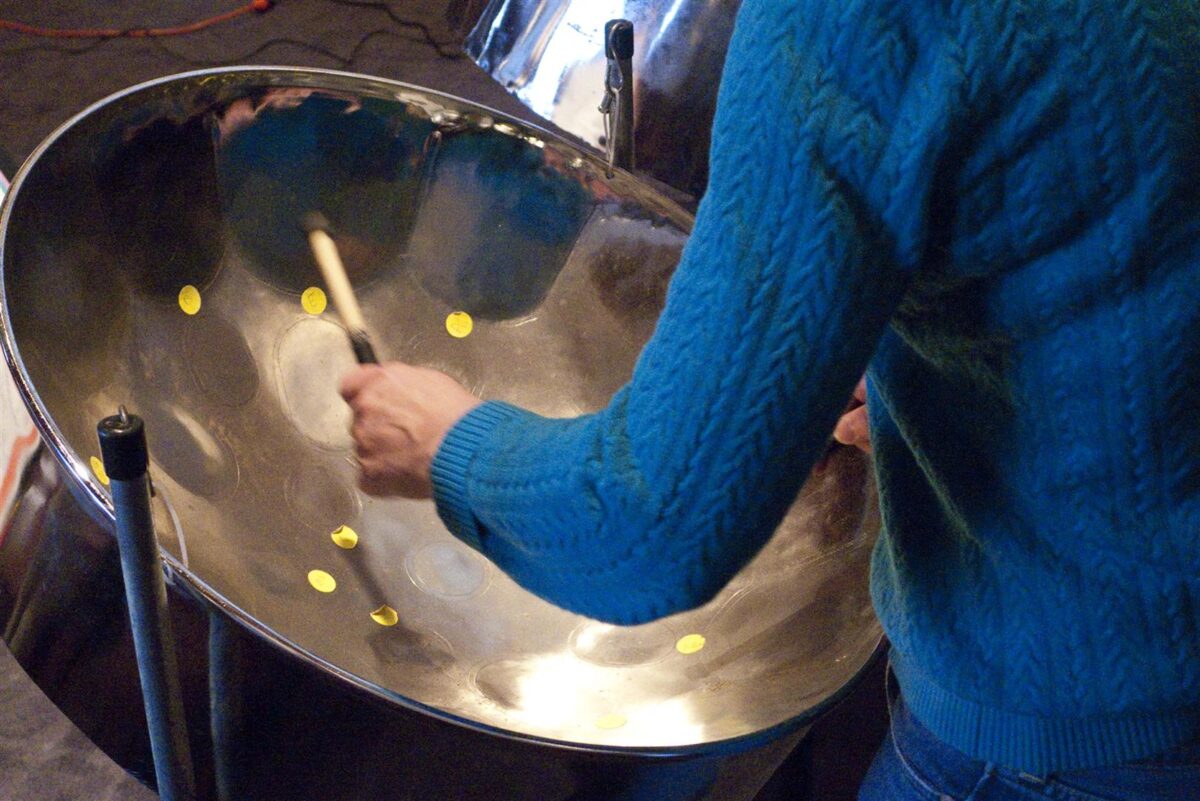
In urban environments, musicians have turned trash into treasure. Steel drums originally developed in Trinidad were crafted from discarded oil barrels.
Their tuning and surface preparation transform industrial scrap into rich, melodic percussion. Street performers often use buckets, pipes, and plastic containers to create makeshift drum kits.
Even simple modifications, like adding tensioned lids or rubber membranes, allow everyday objects to produce surprisingly musical sounds. Beyond practicality, this approach emphasizes sustainability, showing how musicians can reimagine discarded materials as instruments and redefine what counts as musical resources.
Bamboo and Plant-Based Instruments
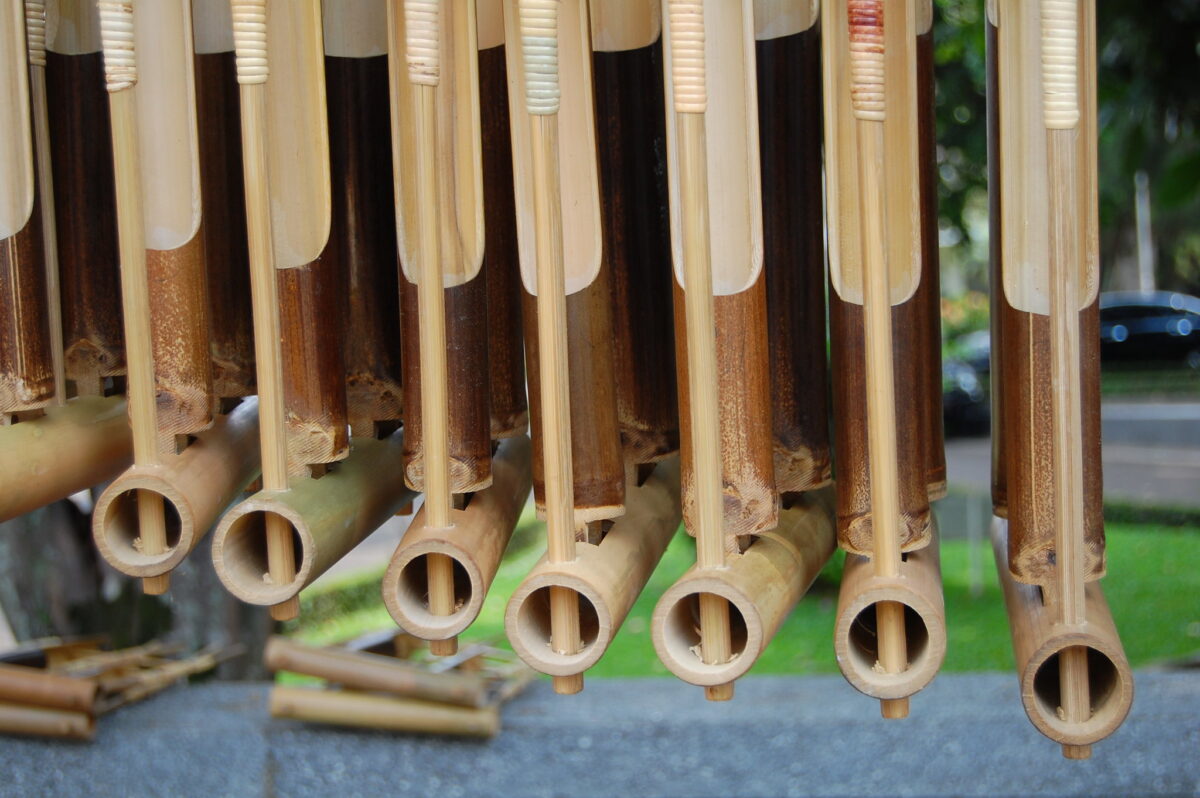
Many traditional cultures have used plant materials to construct instruments. Bamboo, for example, is lightweight, strong, and resonant.
It serves as the body for flutes, percussion tubes, and xylophones in Asia and Africa. Its hollow structure allows for natural amplification and a warm, woody tone.
Other plant materials, including gourds and coconut shells, have been fashioned into drums, stringed instruments, and resonators. These instruments often reflect local ecology and resources, linking sound to the environment and daily life.
In some cases, the material itself dictates technique—for instance, the thickness of bamboo affects finger positioning, breath control, and rhythm, adding an intimate layer of challenge and expression.
Ice Instruments

In colder regions, ice has been used to create fleeting but captivating music. Finnish and Nordic musicians have carved ice into flutes and percussion instruments that produce crisp, crystalline sounds.
Some performances incorporate ice blocks as drums, exploiting the way cracks and density shape resonance. Ice instruments are ephemeral by nature.
Their transient existence makes performances unique and unrepeatable, emphasizing impermanence. These instruments are also visually striking, turning concerts into multimedia experiences where material, sound, and environment combine into a single artistic statement.
Metal and Industrial Instruments
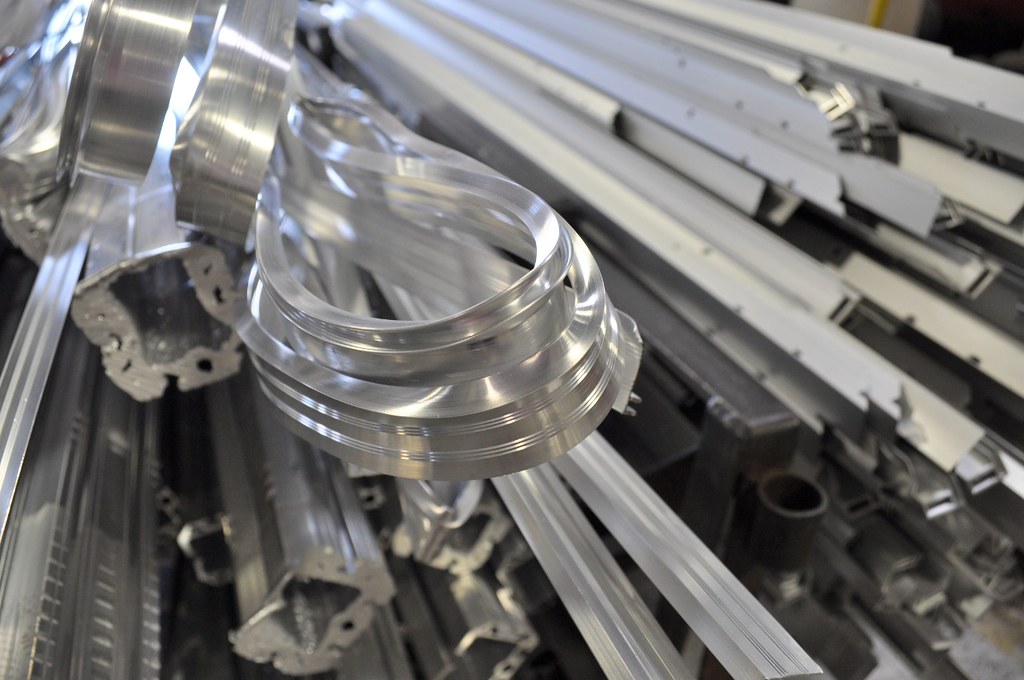
Industrial materials have inspired some of the most striking modern instruments. German experimental group Einstürzende Neubauten famously uses scrap metal, pipes, and construction debris to produce rhythmic, metallic music.
Their instruments blur the line between noise and composition, showing how raw materials can redefine sonic expectations. Similarly, percussionists in avant-garde orchestras often incorporate metal sheets, chains, and springs.
The hardness of these materials produces sharp attacks and resonances unavailable in traditional drum kits. The tactile interaction with metal also influences performance technique, demanding physical engagement and creativity.
Household Objects as Instruments

Perhaps the most approachable category of unusual instruments is the everyday object. Bottles, pots, pans, and even spoons have been transformed into melodic or percussive tools by inventive musicians.
These objects often require minimal modification to become playable, yet their sound can be surprisingly nuanced. This approach has been embraced in educational contexts, community music projects, and street performance.
It demonstrates that musical potential can be found anywhere, and that sound is as much about imagination as it is about material. Even familiar items can produce surprising tones, offering lessons in listening, experimentation, and adaptation.
How Material Shapes Sound

Unusual materials force musicians to reconsider technique, touch, and phrasing. Glass demands light, precise contact; stone requires controlled force; water requires sensitivity to depth and movement.
Each material interacts with human input differently, resulting in distinctive textures and sonic identities. These instruments also shape composition.
Limited tuning options or unique resonances push musicians to explore rhythms, harmonics, and structures they might not consider on traditional instruments. In that way, the material becomes a partner in creation rather than a neutral medium.
Creativity and Sustainability
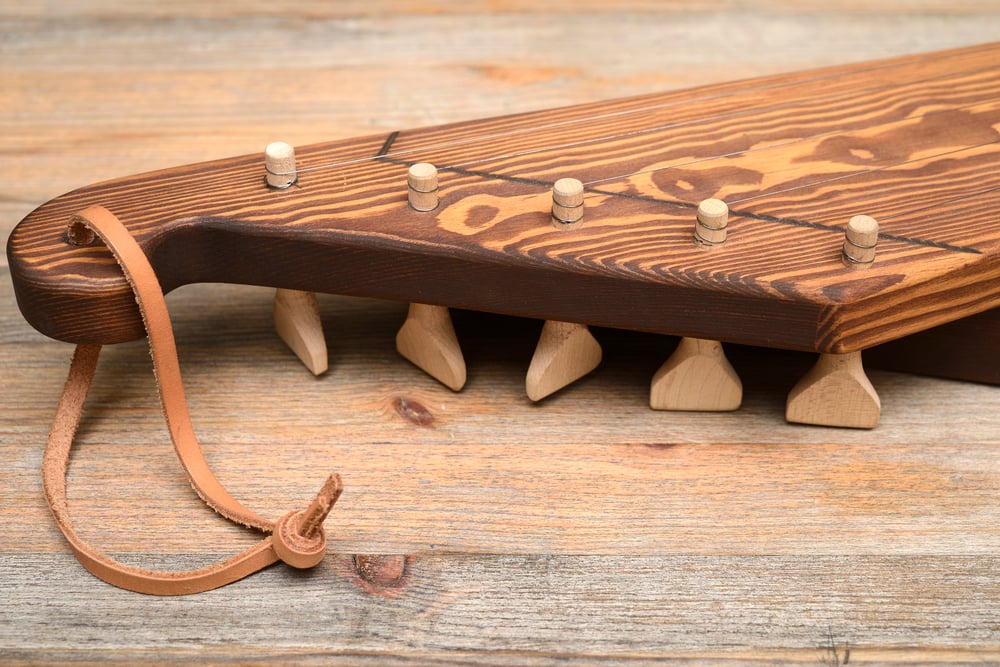
Instruments made from unusual materials often highlight ingenuity in the face of scarcity or environmental consciousness. Using recycled or locally sourced materials reduces reliance on manufactured products while also producing unique sounds.
This approach encourages creativity while reminding audiences that music doesn’t require expensive equipment. It’s also a statement about adaptability and resourcefulness.
Musicians who embrace unconventional materials demonstrate that sound can emerge from curiosity and necessity, reflecting both cultural identity and personal ingenuity.
Why Unusual Instruments Still Captivate
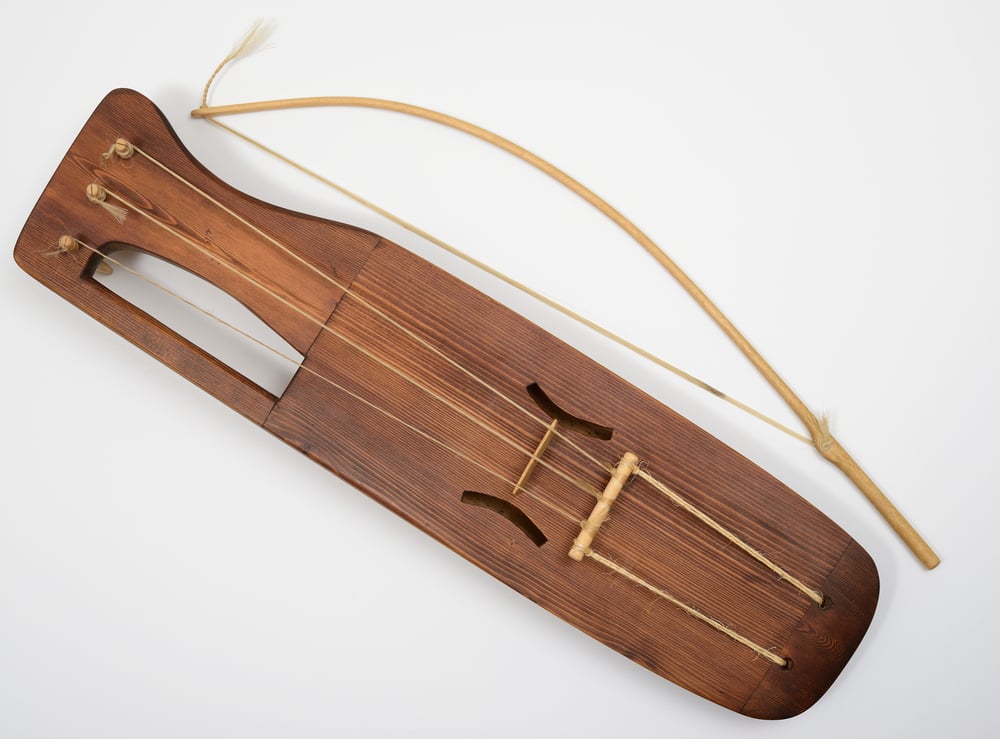
Out here, where slick software rules every beat, homemade tools shaped from odd stuff bring back touch and surprise. These creations whisper tales – not loud ones – of old ways, earth care, leftover scraps turned clever.
Some wobble when played. Others fade fast.
Yet what stands out is how wrong they sound in just the right way. A hollowed-out gourd hums when played.
Ice carved just right sings cold notes. Old bits of metal clink and ring like proper drums.
These sounds show what happens when someone sees potential where others see junk. Listen closely, suddenly pavement or wind joins the tune.
What counts is not the object but the idea behind it. Melody hides in places people overlook every day.
Still today, creators test fresh substances like resin or repurposed plastic, blending them into tools that stretch how noise can feel. This drive proves ingenuity stays alive, active, ongoing.
Oddly built gear suggests melody goes beyond mere audio – it ties cleverness, adaptability, and matter together in conversation.
More from Go2Tutors!

- 16 Historical Figures Who Were Nothing Like You Think
- 12 Things Sold in the 80s That Are Now Illegal
- 15 VHS Tapes That Could Be Worth Thousands
- 17 Historical “What Ifs” That Would Have Changed Everything
- 18 TV Shows That Vanished Without a Finale
Like Go2Tutors’s content? Follow us on MSN.