Photos of 15 Abandoned Places That Are Hauntingly Beautiful
Stillness pulls you in when walking through forgotten spaces. Where echoes of speech, gears, hymns used to hum, silence now settles like dust on old floors.
Nature creeps in slowly, wearing down walls while revealing what busy days kept hidden – paint splitting apart, iron eaten by orange decay, green limbs curling through broken windows.
Still standing isn’t mere ruin – it’s mood. Forgotten places whisper tales of drive, clash, collapse, then change, caught in cracked walls and slow-moving dunes.
Here’s a closer look at fifteen abandoned places around the world that feel less like ruins and more like time capsules.
Pripyat
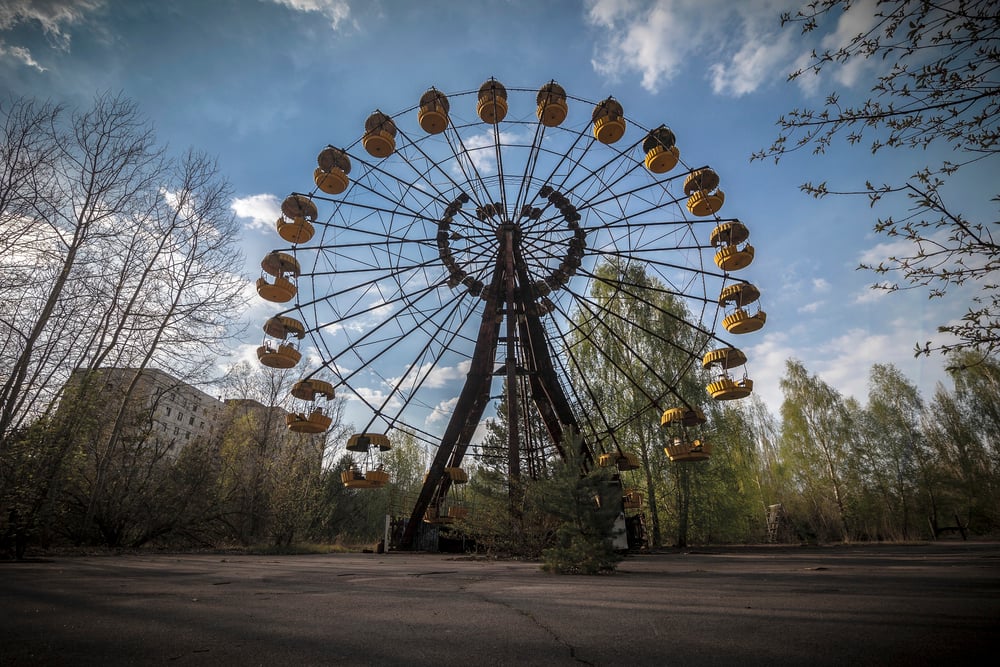
Started in 1970 for those working at the nuclear plant close by, Pripyat housed almost fifty thousand people. Come April 1986, a blast forced everyone out fast – gone in under two days.
Officials claimed folks would be back soon; reality proved otherwise. Most left behind more than just homes.
Around here, the Ferris wheel hasn’t turned in years, stuck mid-air like a rusted clock above the trees. Towering apartments now wear green cloaks – vines climbing walls without asking.
Where people once walked, roots crack through pavement instead. Inside old school rooms, open books lie facedown, pages yellowing under dust.
Just down the road, past two quiet miles, sits the reactor that changed everything. This place does not shout its story; it shows it slowly.
Hashima Island
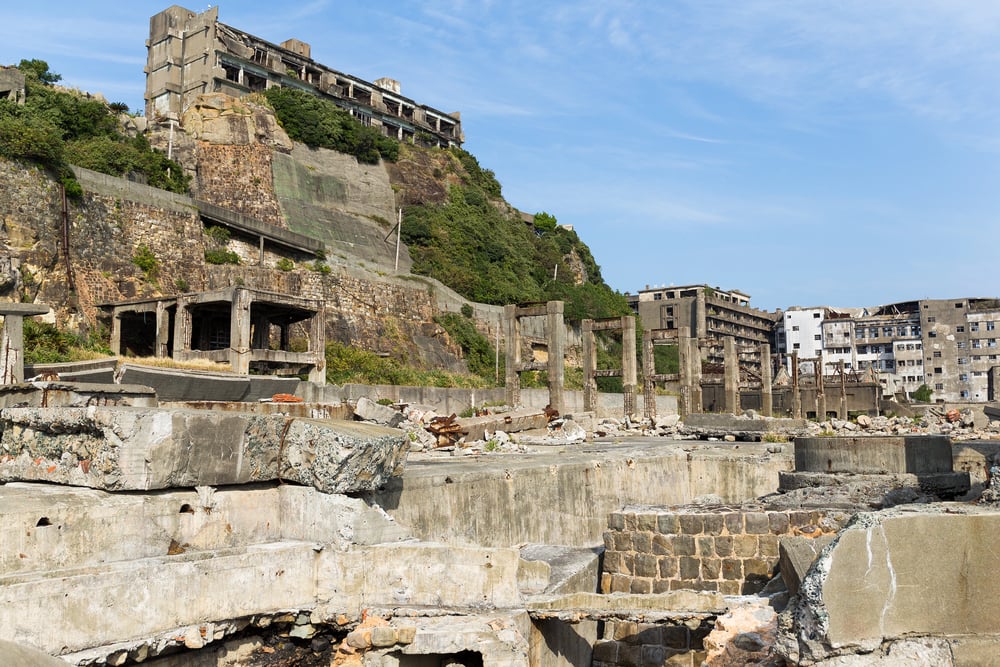
They called it Battleship Island because that is what it looked like. Hashima sat near Nagasaki, humming with miners pulling coal from deep below sea level.
By the 1950s, over five thousand souls crowded into tight concrete buildings on a patch barely sixteen acres wide. Life ran fast there – narrow halls, shared kitchens, smoke always hanging above the docks.
Then oil replaced coal across Japan, slowly at first, then all at once. The mine closed without warning, doors left open, clocks stopped mid-swing.
People walked away and never came back, leaving chairs tipped, papers scattered, silence rushing in. Now there’s just a tight cluster of broken tall buildings, worn down by ocean gusts.
Paths up stairwells vanish into air, glassless frames stare out blankly, yet water hammers the barriers meant to block the vast Pacific tide. This landmass sits caught between old industry bones and a raw sign of changing power markets.
Bodie
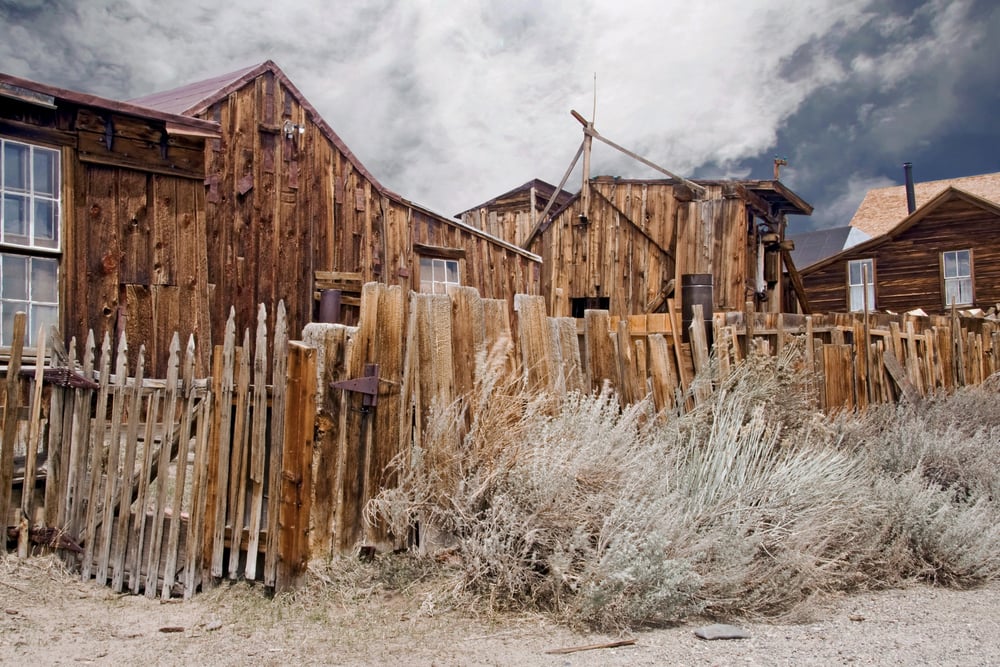
Once a booming gold-mining town in the late 1800s, Bodie reportedly had a population of around 10,000 at its height. It was known for saloons, lawlessness, and the kind of rough frontier life that defined the American West.
As gold supplies dwindled in the early 20th century, residents gradually moved on. Today, Bodie is preserved in a state described as ‘arrested decay.’
Interiors still display dishes on tables and merchandise on shelves. Located roughly 75 miles southeast of Lake Tahoe, the town feels less like a movie set and more like a snapshot paused mid-sentence.
Kolmanskop
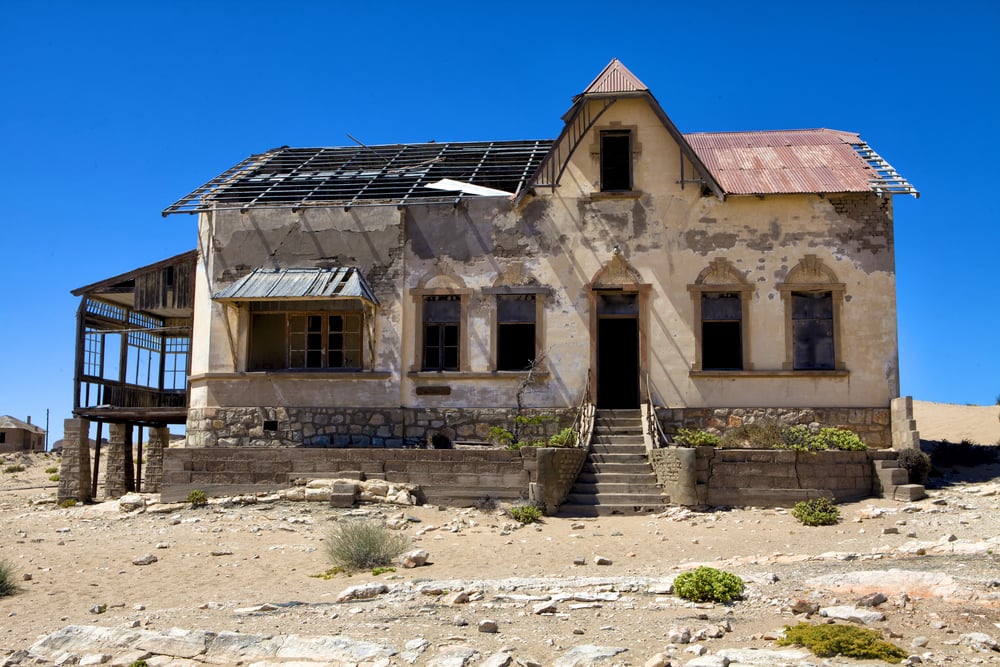
Kolmanskop rose quickly during the early 1900s diamond rush in the Namib Desert. German settlers built elegant homes, a hospital, and even a ballroom, creating a surprisingly refined settlement in the middle of shifting sands.
When diamond fields farther south proved more profitable, the town was gradually deserted by the 1950s. Now, dunes spill through doorways and across tiled floors.
Sunlight filters through broken windows, casting soft patterns on pastel walls. About six miles inland from Lüderitz, Kolmanskop has become a striking example of nature reclaiming human ambition.
Craco
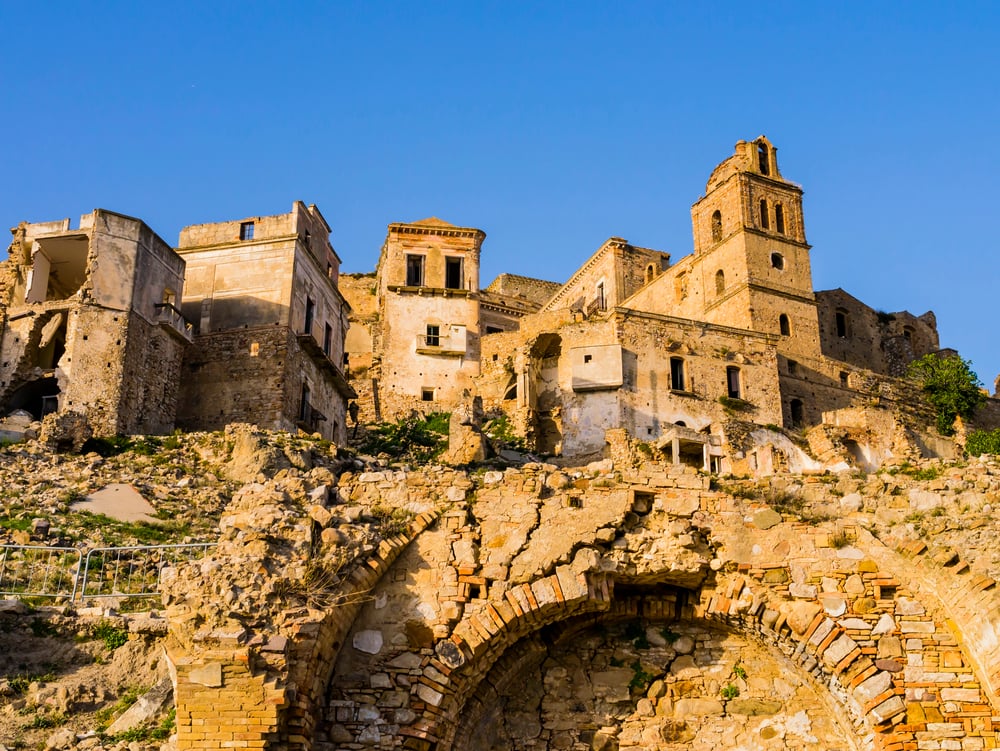
Perched high in southern Italy, Craco dates back to medieval times. Landslides, earthquakes, and a lack of stable infrastructure gradually drove residents away during the 20th century.
By the 1980s, the town stood largely empty. Stone houses cling to the hillside, and narrow streets twist between weathered buildings.
The skyline is dominated by a lone watchtower, still rising above the valley below. About 25 miles from the Ionian Sea, Craco feels like a stage set awaiting actors who never return.
Humberstone
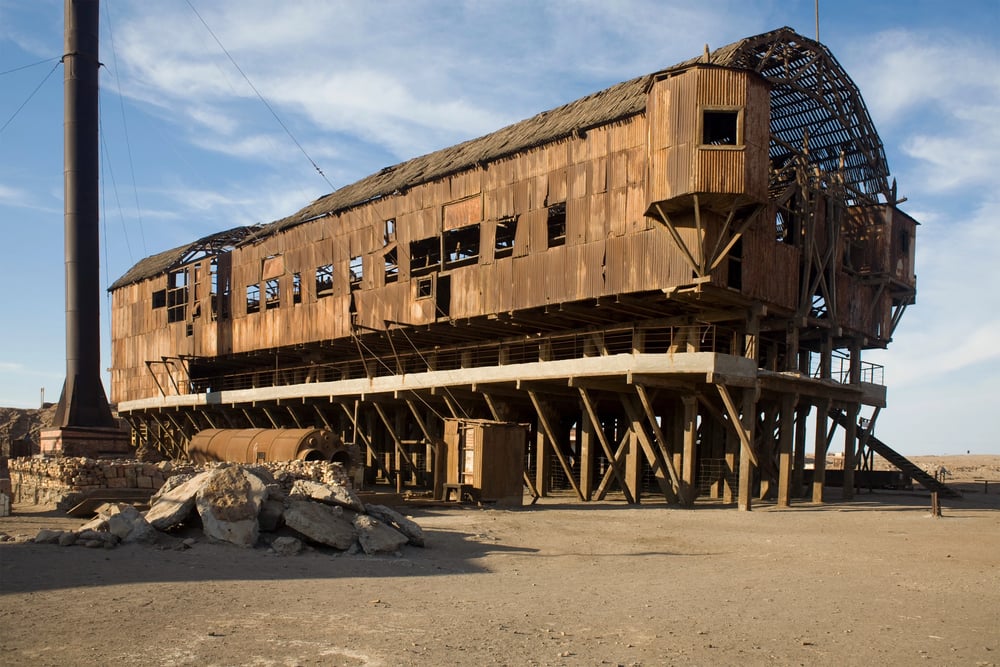
Out past the cracked salt flats of northern Chile, Humberstone rose from dust as a hub for nitrate digging. Back when crops worldwide needed rich soil boosters, this place pumped out what they called white gold.
Then labs figured out how to make it without mines, so orders vanished – quiet followed. People left fast after that.
Under open skies, a rusty playground rests where children once played. Wooden shop fronts face quiet roads, their signs worn by wind.
Much of what built Humberstone remains intact, thanks to little rain over decades. A theater holds its shape despite years passing.
Thirty miles out from Iquique, the place tells how quick fortunes rise and fade when wealth depends on extraction.
Kayaköy
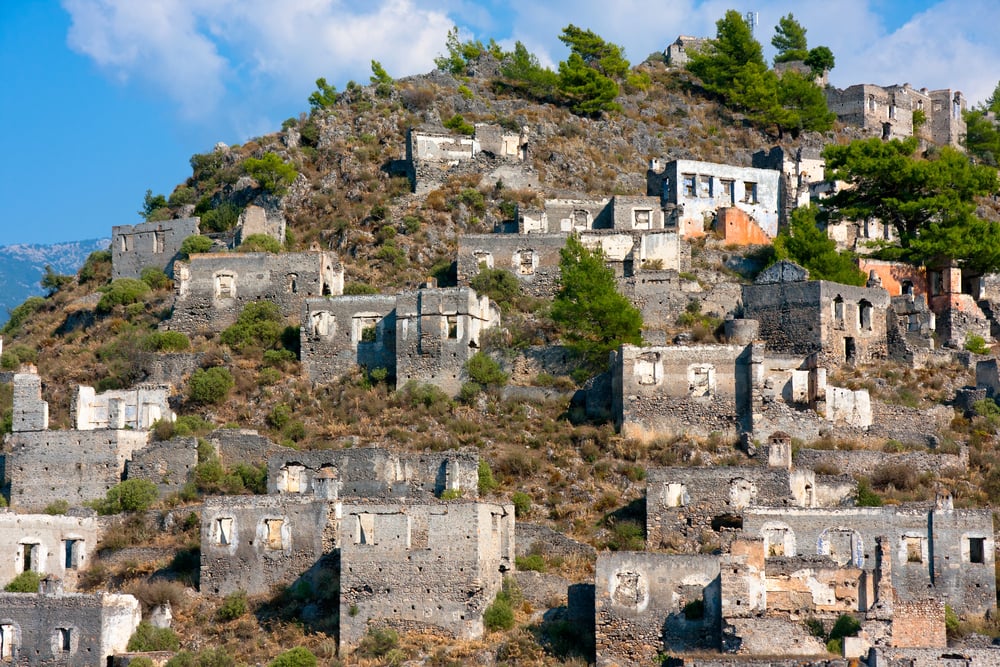
Kayaköy was once home to a thriving Greek community. Following political upheaval and population exchanges between Greece and Turkey in the 1920s, the village was left deserted.
Thousands of stone houses were abandoned almost overnight. Today, roofless homes cascade down the hillside, forming a quiet maze of gray stone.
Churches still stand with faded frescoes clinging to interior walls. Roughly five miles from the Mediterranean coast, Kayaköy remains a solemn reminder of how political borders reshape everyday lives.
Beelitz-Heilstätten
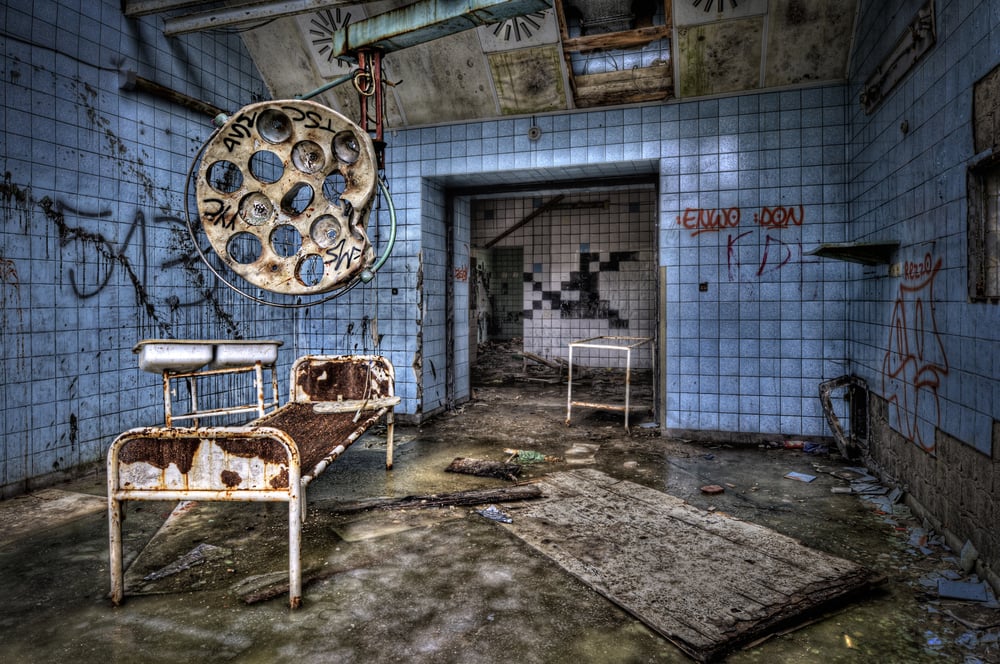
Built in the late 1800s as a sanatorium for tuberculosis patients, Beelitz-Heilstätten later served as a military hospital during both World Wars. After German reunification, parts of the sprawling complex fell into disuse.
Long corridors stretch beneath peeling ceilings, and operating rooms sit bathed in filtered light from shattered skylights. About 30 miles southwest of Berlin, the site blends elegant architecture with slow decay.
Restoration efforts have begun in some areas, yet much of it still feels suspended between eras.
Centralia

Centralia’s decline began in 1962 when a coal seam beneath the town caught fire. The underground blaze continues to burn, destabilizing the ground and releasing dangerous gases.
Over the decades, most residents accepted relocation offers and left. Nearly all buildings have been demolished, leaving empty roads that wind through grassy hills.
Steam sometimes rises from cracks in the earth, a quiet sign of the fire still burning miles below. Centralia stands as a reminder that some environmental consequences outlast generations.
Oradour-sur-Glane
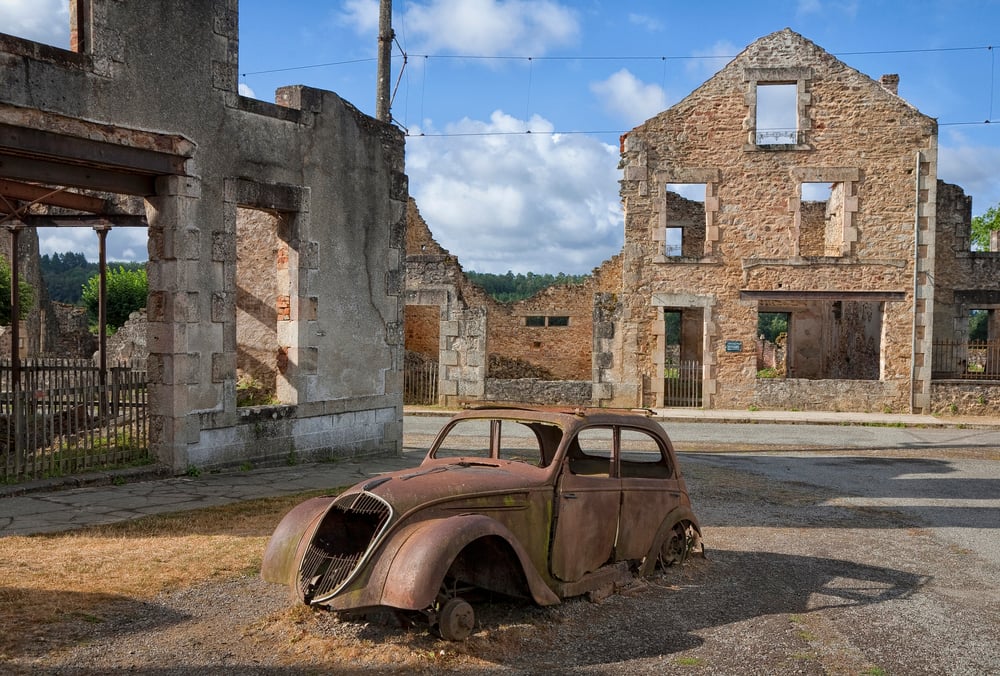
In 1944, during World War II, Oradour-sur-Glane was destroyed and its population massacred by occupying forces. After the war, French authorities chose to preserve the ruins as a memorial rather than rebuild them.
Burned-out cars remain on the streets, and sewing machines still sit inside blackened homes. Located about 14 miles northwest of Limoges, the village functions as both historical evidence and place of remembrance.
Its silence carries weight that modern memorials often struggle to capture.
Rhyolite
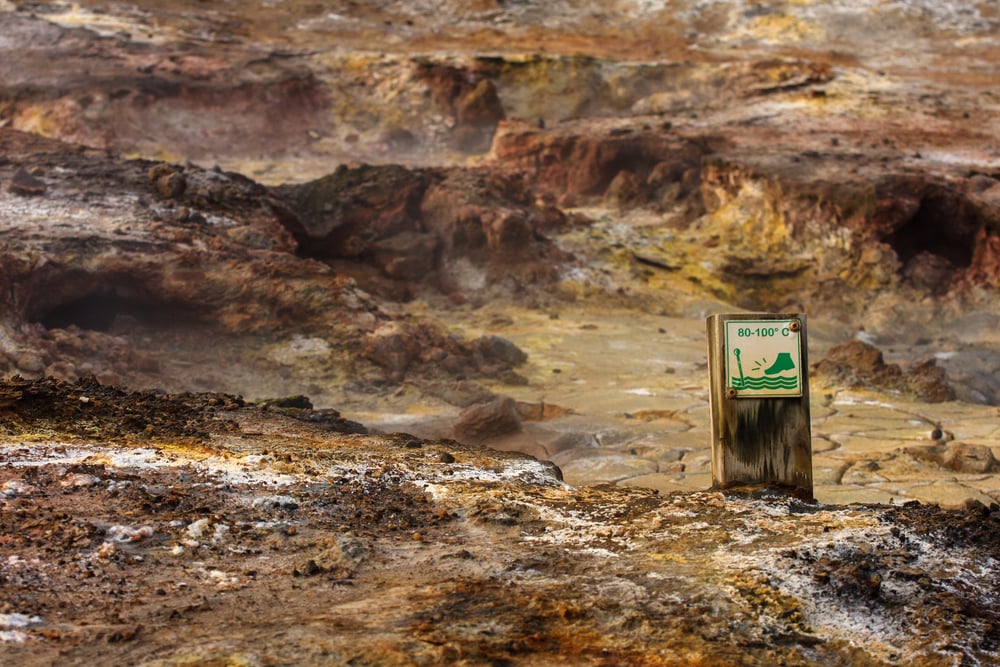
Rhyolite flourished briefly during the early 1900s gold rush. Investors poured money into grand buildings, including a three-story bank and an opera house.
When the financial panic of 1907 hit and ore quality declined, the town emptied almost as quickly as it had filled. Concrete ruins now rise against the desert backdrop about 120 miles northwest of Las Vegas.
The skeletal remains of structures frame wide Nevada skies, creating a landscape that feels cinematic yet grounded in economic reality.
Pyramiden
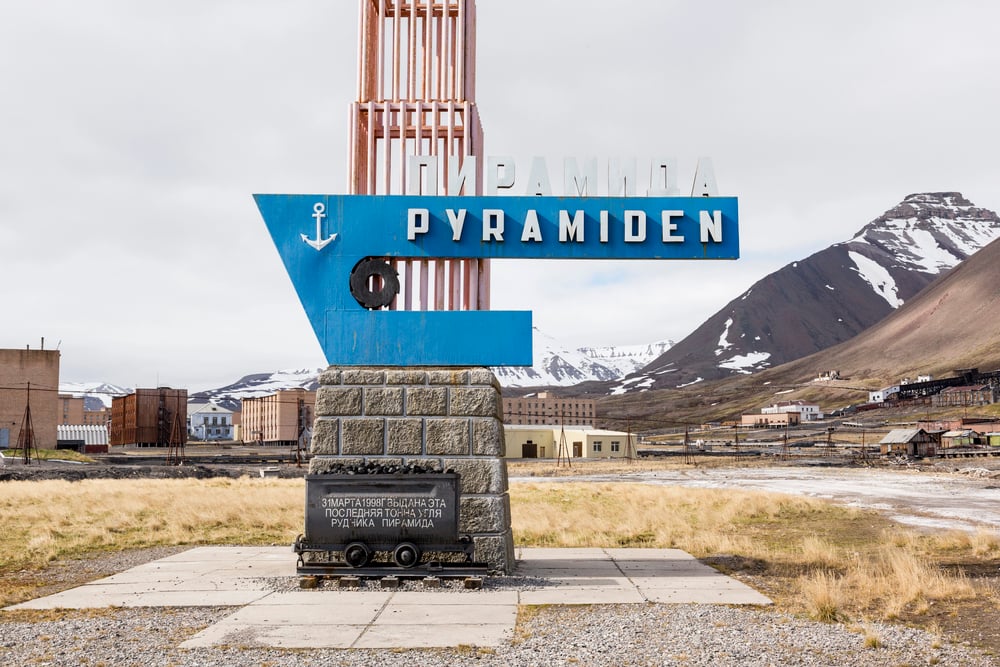
Established by Swedish miners and later operated by the Soviet Union, Pyramiden sits high in the Arctic Circle. It functioned as a model community complete with housing, a cultural center, and even a greenhouse.
When mining ceased in the late 1990s, the settlement was abandoned. Snow blankets statues and apartment blocks for much of the year.
Located roughly 60 miles from Longyearbyen, Pyramiden feels almost theatrical in its preservation. The cold climate has slowed decay, leaving interiors that look as though residents simply stepped out for a walk.
Angkor Wat
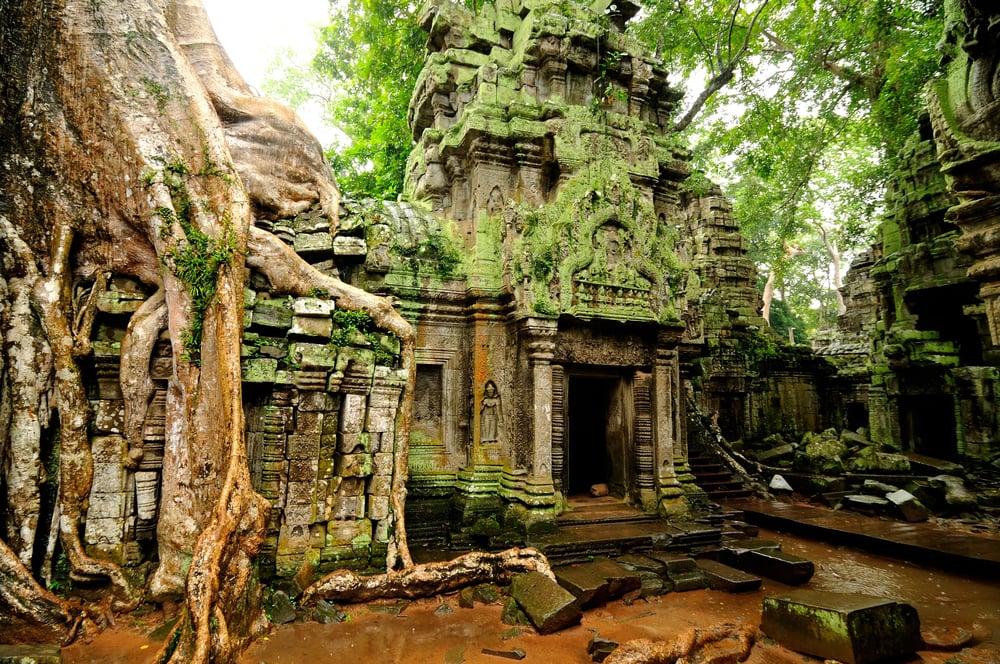
Although now a major tourist destination, Angkor Wat was largely abandoned for centuries after the decline of the Khmer Empire. Built in the 12th century, the vast temple complex gradually became enveloped by jungle.
Towering stone faces and intricate carvings remain astonishingly intact. Tree roots weave through corridors, merging architecture with forest.
About four miles from Siem Reap, the site illustrates how nature can both conceal and protect human achievement.
Maunsell Sea Forts
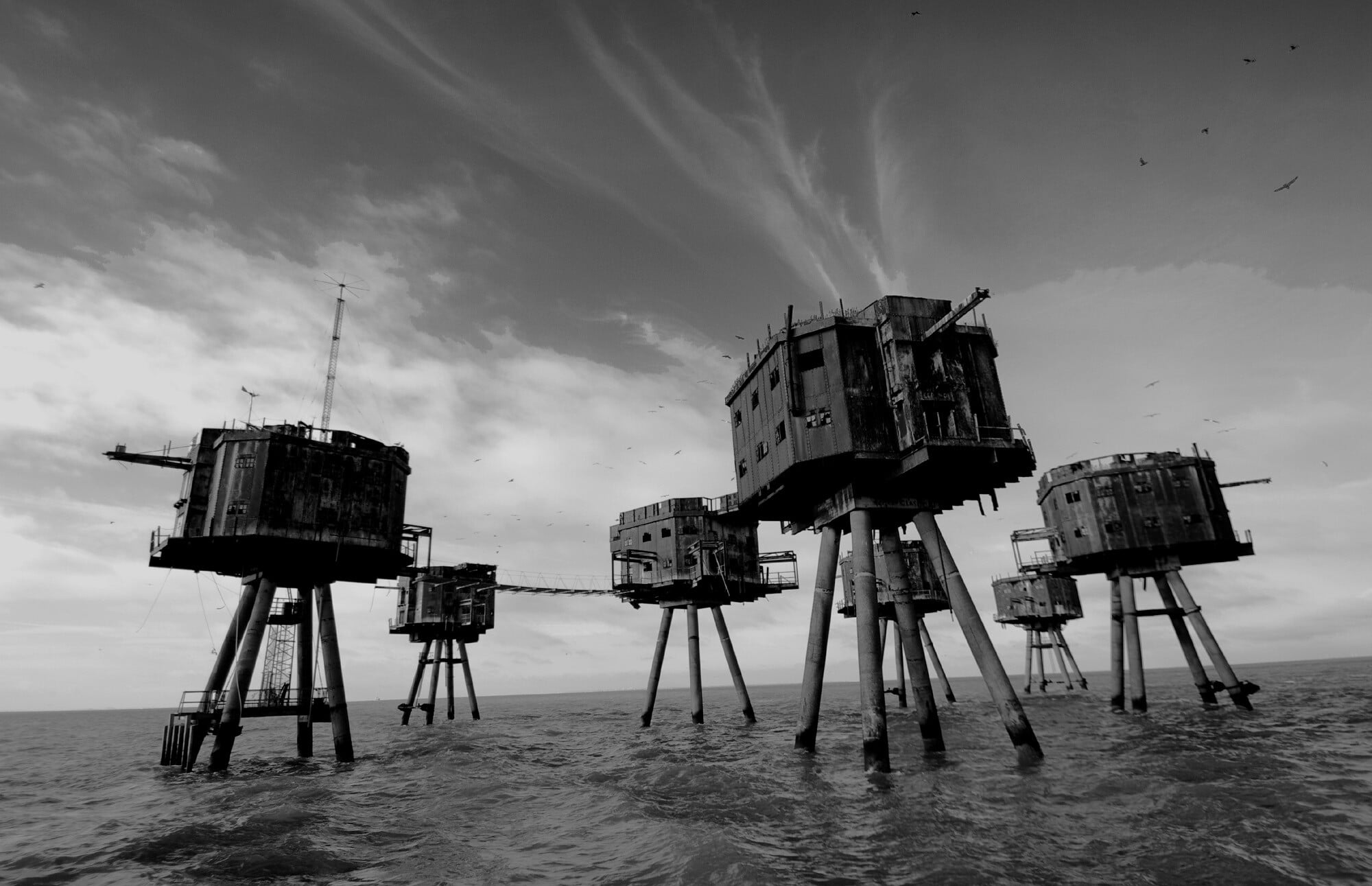
Constructed during World War II to defend against aerial attacks, the Maunsell Sea Forts stand on stilts in the Thames Estuary. After the war, most were decommissioned and left to weather the North Sea winds.
The skeletal platforms rise from the water about seven miles offshore, their rusted frames silhouetted against open sky. Though never meant to be permanent, they have become unlikely icons of maritime history and industrial design.
Varosha
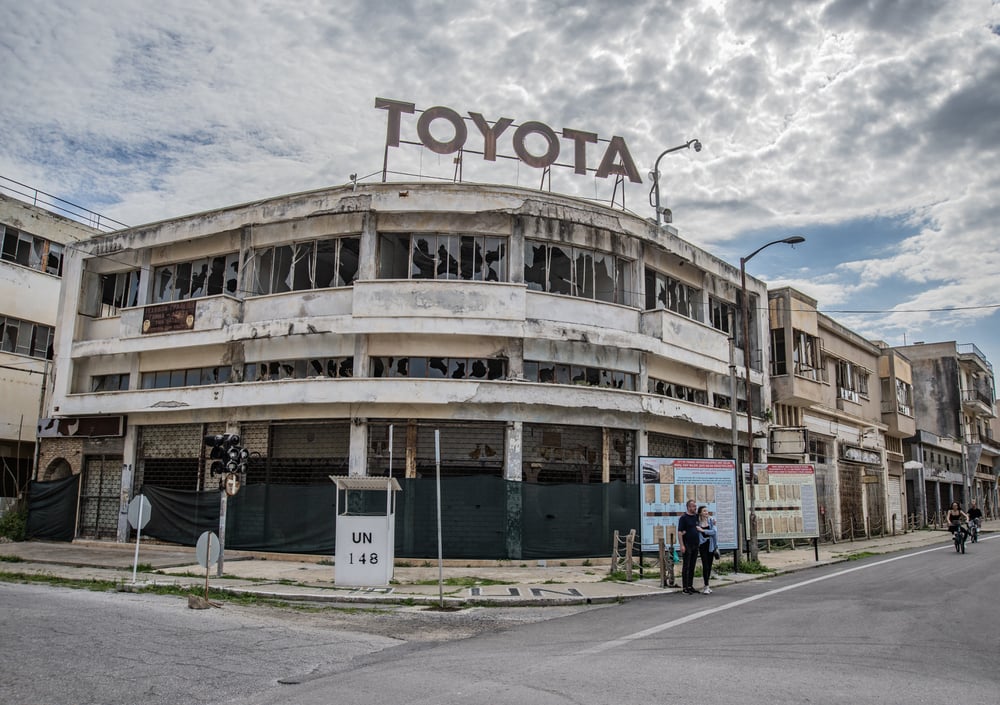
A seaside spot near Famagusta once sparkled with movie stars and vacationers during the sixties into the early seventies. After fighting broke out in 1974, the neighborhood shut down – silent ever since.
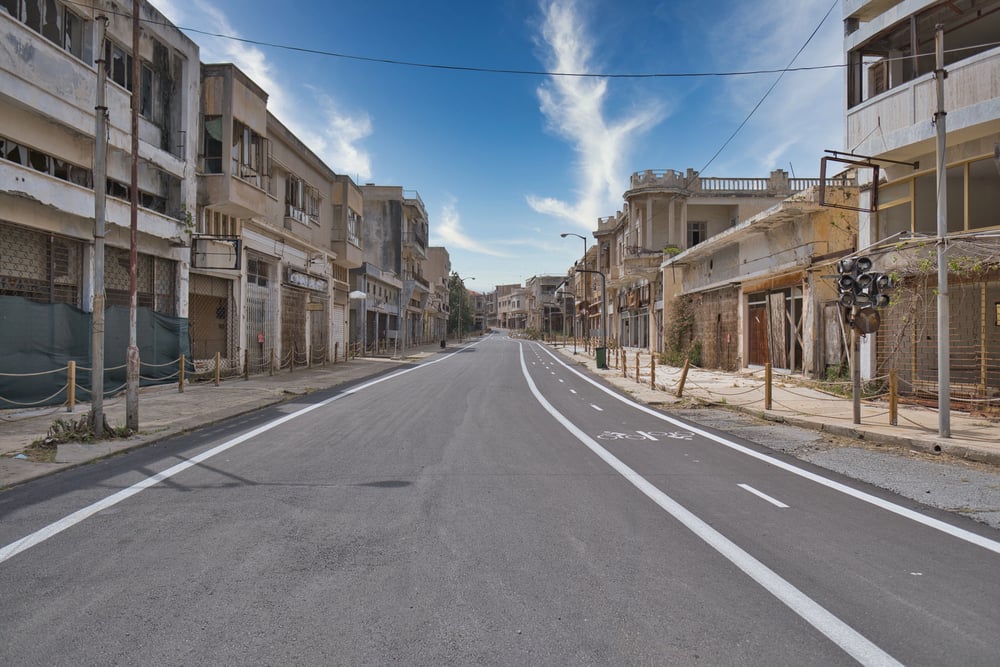
Down by the shore, tall hotels stand quiet, their rooms turned toward the sea. A short drive east of Famagusta, Varosha now allows some visitors – but most corners remain frozen, like photos left out in time.
Why These Places Still Resonate
Stillness speaks louder where people once rushed. Where machines hummed, silence now grows thick like moss on broken glass.
A factory door hangs open, wind pushing papers decades past their due date. Borders redrawn left towns cut off mid-breath, roads leading nowhere with weeds cracking the asphalt.
Fire swept through one village and never let go – charred beams point skyward like fingers frozen in surprise. Even so, ivy climbs brick by brick, softening edges time forgot to erase.
Volunteers patch roofs just enough to keep rain out, waiting for voices to return. Not everything decays at the same pace; some things last longer when forgotten.
More from Go2Tutors!

- The Romanov Crown Jewels and Their Tragic Fate
- 13 Historical Mysteries That Science Still Can’t Solve
- Famous Hoaxes That Fooled the World for Years
- 15 Child Stars with Tragic Adult Lives
- 16 Famous Jewelry Pieces in History
Like Go2Tutors’s content? Follow us on MSN.



