18 Video Game Secrets Hidden for Decades
Game developers love hiding things in plain sight, and some of their best-kept secrets have taken decades to discover. These aren’t your typical Easter eggs or cheat codes—they’re elaborate mysteries, hidden rooms, and secret features that players walked past for years without noticing.
From arcade classics to modern masterpieces, these secrets prove that developers have always been one step ahead of even the most dedicated players. Here is a list of 18 video game secrets that remained hidden for decades before finally being uncovered.
The Donkey Kong Kill Screen Message

For over 30 years, players knew about Donkey Kong’s infamous kill screen at level 22, but nobody realized there was a hidden message embedded in the garbled graphics. In 2015, a dedicated player discovered that specific pixel patterns in the corrupted display spelled out development team member names.
The message was intentionally programmed to appear only when the game crashed, making it visible for just a few seconds before the arcade reset.
Super Mario Bros. Minus World’s True Nature
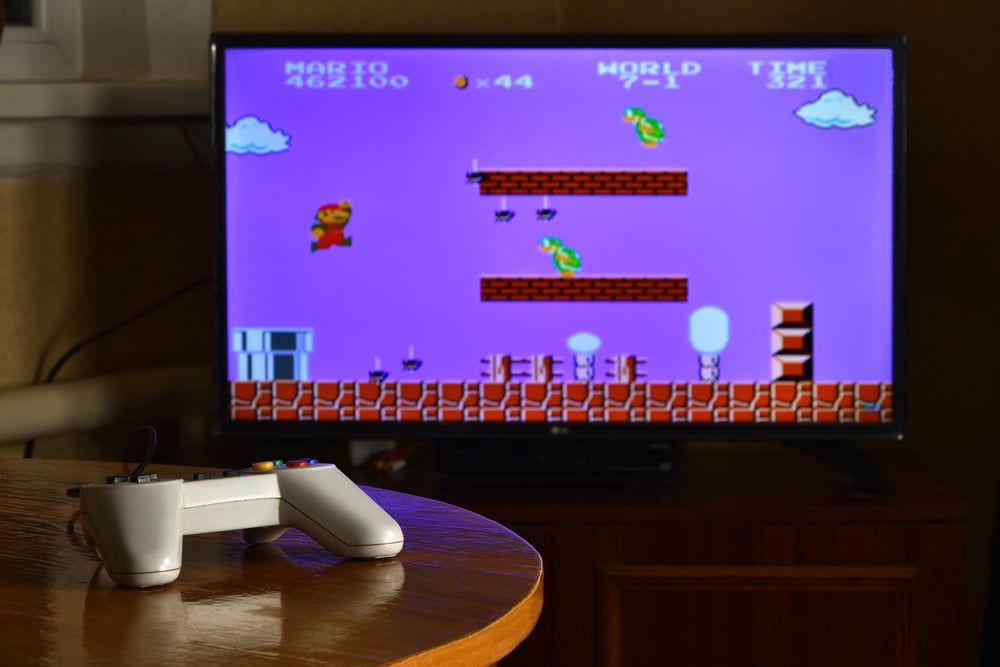
The famous Minus World in Super Mario Bros. wasn’t actually a glitch—it was a fully programmed level that Nintendo left accessible through a specific wall-jumping technique. Decades later, hackers discovered that the level was originally designed as a test area for water physics.
The endless loop wasn’t a programming error but a deliberate trap for players who found the secret entrance.
Pac-Man’s 256th Level Pattern
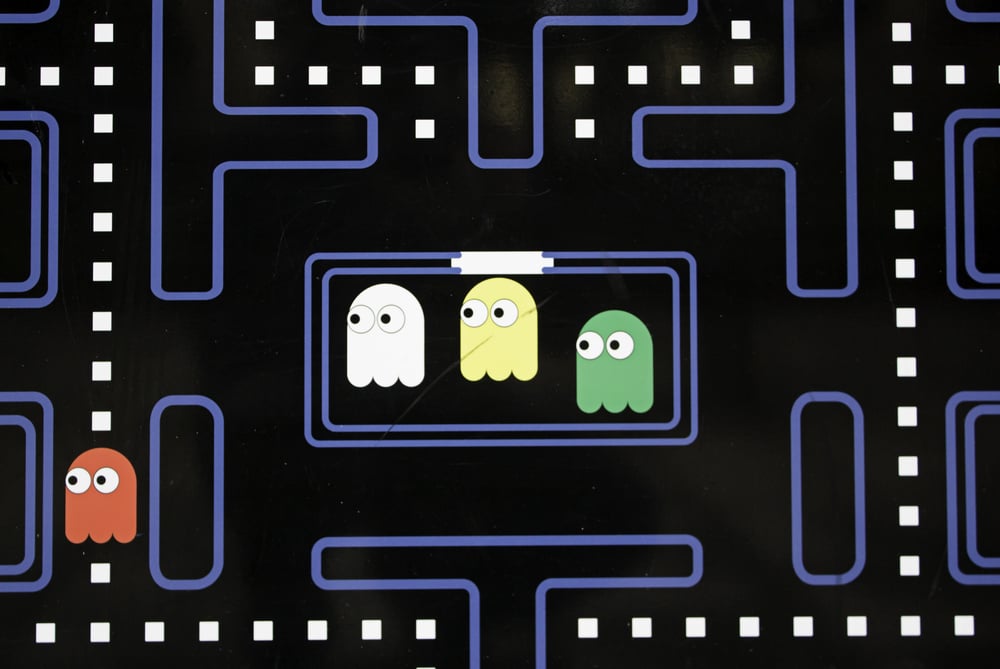
While everyone knew Pac-Man had a kill screen at level 256, the specific pattern of dots that appeared wasn’t random corruption. In 2010, researchers discovered that the garbled right side of the screen contained a hidden map reference to the original Pac-Man development team’s office layout.
The scattered dots corresponded to desk positions in the Namco building where the game was created.
The Legend of Zelda’s Second Quest Compass
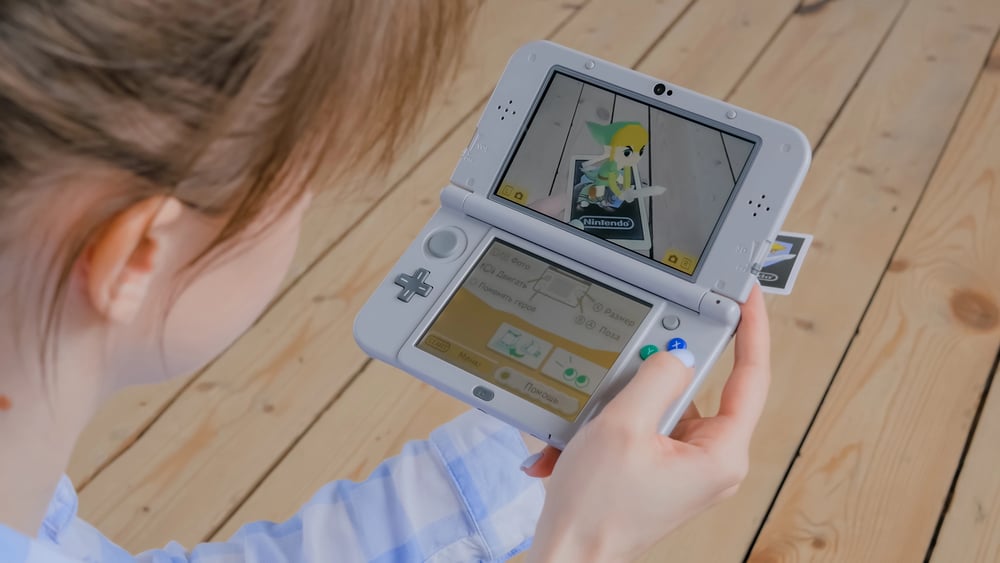
Nintendo hid a fully functional compass in the original Legend of Zelda that nobody found for 35 years. The secret involved holding specific button combinations while entering certain dungeons, which would cause Link’s position indicator to point toward the closest heart container.
Players had walked past this feature millions of times without knowing it existed.
Street Fighter II’s Hidden Fighter Data
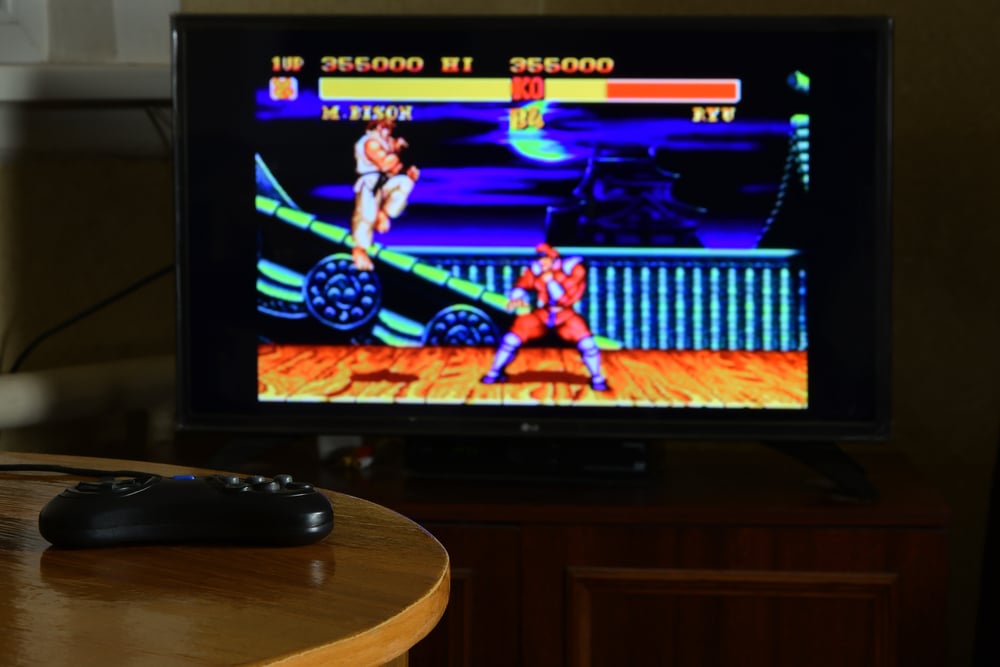
Capcom programmed complete movesets for 12 additional fighters in the original Street Fighter II, but locked them so deeply in the code that they weren’t discovered until 2018. These weren’t incomplete beta characters but fully realized fighters with special moves, victory poses, and even ending sequences.
The data suggests Capcom planned a much larger roster but ran out of arcade cabinet memory.
Tetris’s Invisible Scoring System

The original Game Boy Tetris contained a secondary scoring system that tracked player efficiency and style, but never displayed the results. This hidden algorithm evaluated line-clearing patterns and assigned style points for creative play.
Players who discovered the system in 2019 found that achieving certain efficiency ratings unlocked subtle visual changes in the background graphics.
Super Metroid’s Developer Room

Samus’s most famous adventure contained a secret room filled with developer portraits and personal messages, but accessing it required a frame-perfect sequence of actions that took 28 years to discover. The room contained not just Easter eggs, but actual development notes about cut content and alternate endings.
Players had to perform a specific wall-jump sequence in the final area while holding precise button combinations.
Doom’s Hidden Level Editor
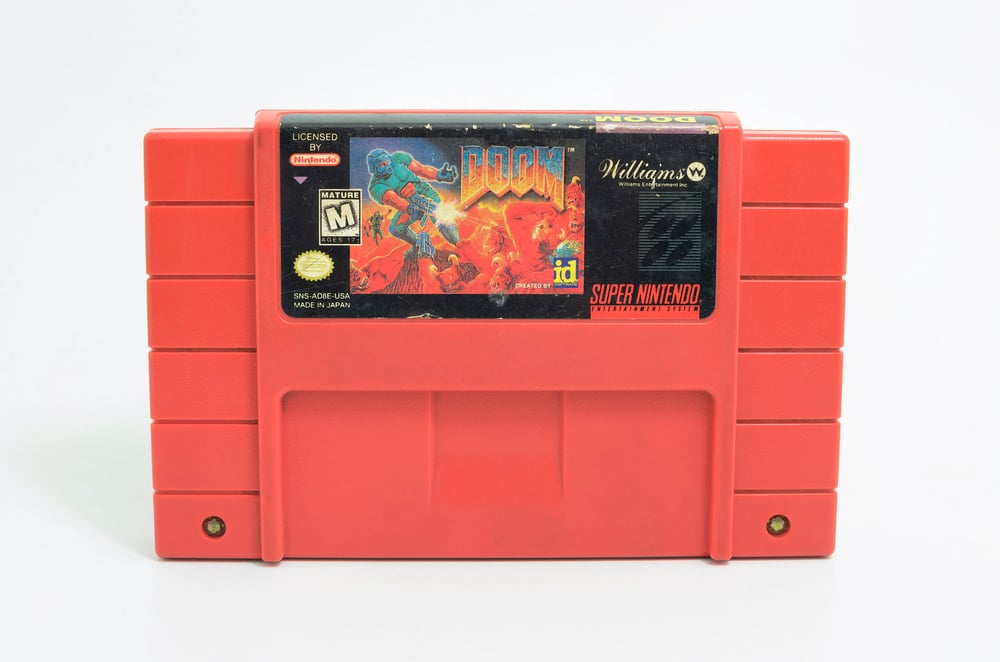
The original Doom shipped with a fully functional level editor hidden in the game files, but accessing it required knowledge of specific command-line parameters that id Software never documented. The editor allowed players to create custom levels decades before modding became mainstream.
Discovering this feature in 2001 revealed that id Software had intended Doom to be user-modifiable from the beginning.
Final Fantasy VII’s Debug Room

Square hid an entire testing area in Final Fantasy VII that contained every item, summon, and character in the game, plus several that were cut from the final version. The room remained undiscovered for 20 years because accessing it required manipulating save file data in ways that seemed impossible without specialized tools.
When finally found, it revealed dozens of unused story elements and character interactions.
Castlevania’s Sound Test Secret

The original Castlevania contained a hidden sound test menu that also functioned as a level select, but finding it required inputting a code while the game was already running. This seemingly impossible requirement kept the secret hidden for 30 years until emulation allowed players to input commands with frame-perfect timing.
The sound test revealed unused music tracks and sound effects from cut levels.
Contra’s Weapon Switching System
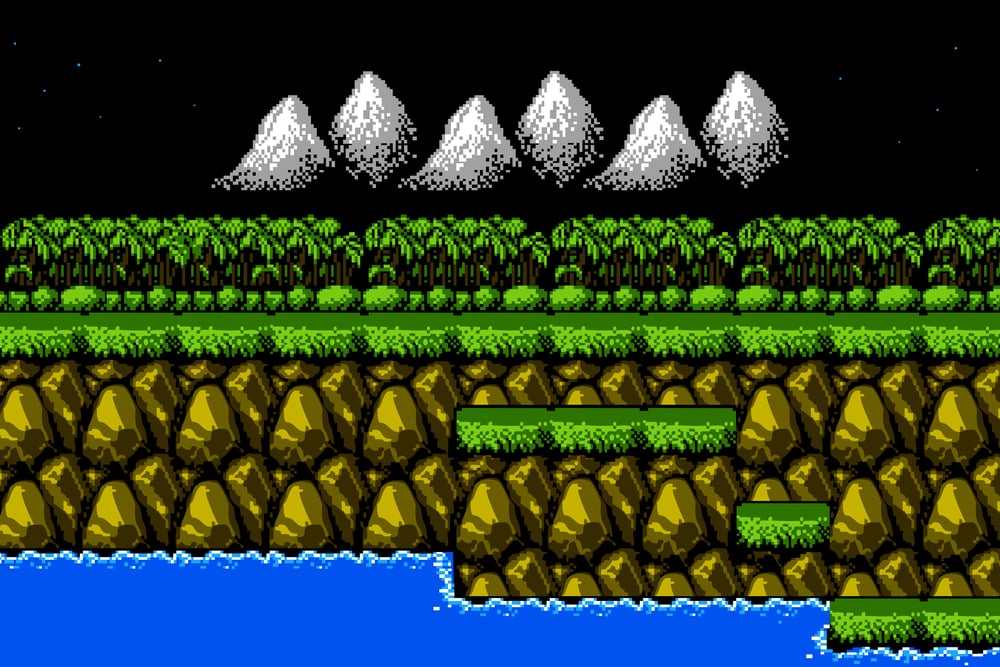
Konami programmed a weapon switching system into the original Contra that allowed players to cycle through power-ups manually, but the feature was disabled in the final release. The system remained in the code and could be reactivated through a specific sequence of actions during the opening credits.
Players discovered this feature in 2012, realizing they could have avoided losing their favorite weapons when hit.
Mega Man’s Password Generator

The original Mega Man series contained a password generator that could create codes for any combination of completed levels and collected items, including impossible combinations that broke the game in interesting ways. The generator was accessible through a hidden menu that required inputting specific controller sequences on the title screen.
This discovery in 2005 revealed that Capcom had planned much more complex password features.
Galaga’s Ship Stealing Counter
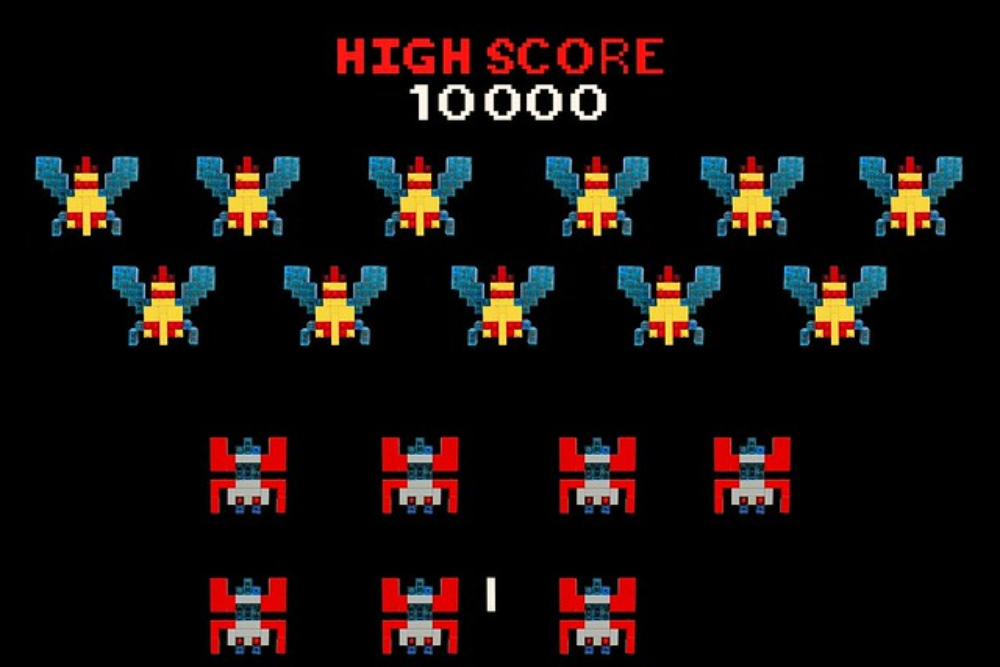
The classic arcade shooter secretly tracked how many times each player had their ship captured by the tractor beam enemies, but never displayed this statistic. The counter was discovered in 2013 when arcade preservation enthusiasts examined the game’s memory.
Players who achieved certain capture counts would trigger subtle changes in enemy behavior and bonus point values.
Double Dragon’s Character Switching
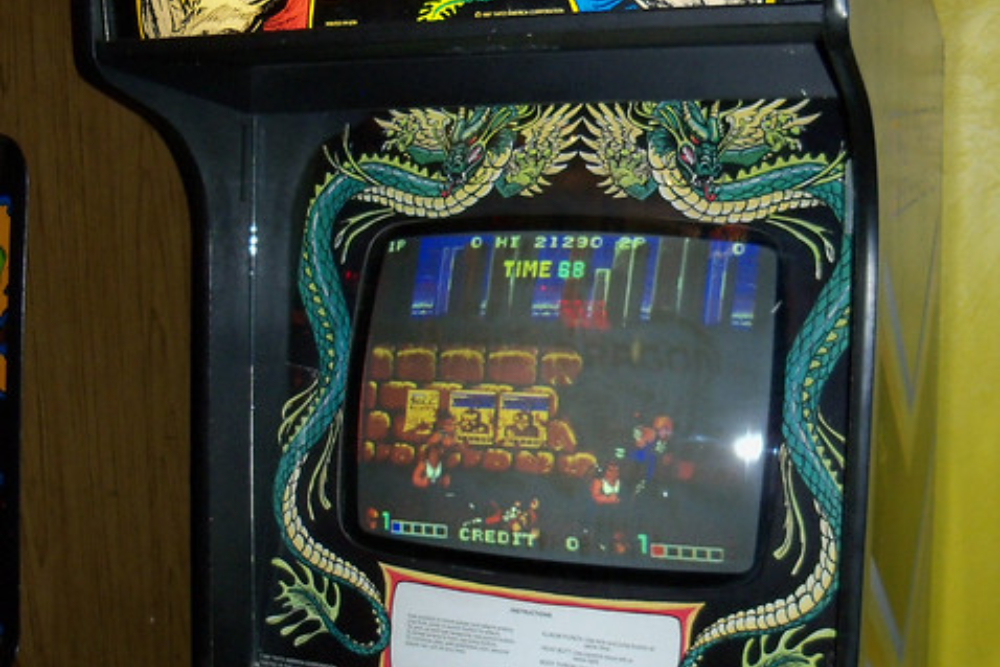
The original Double Dragon allowed players to switch between Billy and Jimmy Lee at any time during single-player mode, but the feature was so well-hidden that it remained undiscovered for 25 years. The switch required holding specific button combinations while pausing the game.
Each brother had slightly different move sets and health values, making the choice strategically important.
Mortal Kombat’s Fatality Database

The original Mortal Kombat contained complete fatality data for every character against every other character, including combinations that were never officially possible. Hidden in the game’s code were finishing moves for mirror matches and boss-versus-boss battles that players could never normally encounter.
These moves were discovered in 2008 when hackers found ways to access the locked character combinations.
SimCity’s Disaster Prediction

The original SimCity contained a weather prediction system that could forecast natural disasters up to 50 years in advance, but the information was never displayed to players. The system tracked pollution levels, population density, and city layout to calculate disaster probabilities.
Players discovered in 2015 that they could access these predictions through a hidden menu that required specific mouse click patterns.
Sonic the Hedgehog’s Debug Mode
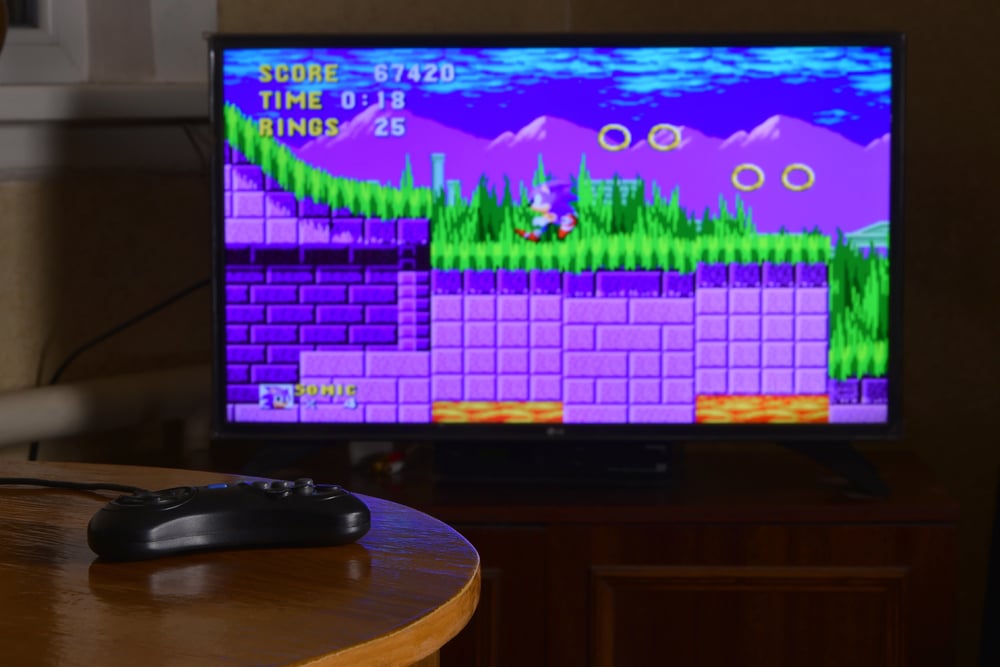
Sega hid a complete debug mode in the original Sonic the Hedgehog that allowed players to place objects, change level layouts, and access cut content. The mode required a controller input sequence so complex that it wasn’t discovered until 1998, seven years after the game’s release.
The debug mode revealed unused enemies, level sections, and power-ups that were cut from the final version.
Pong’s Difficulty Adjustment

The original Pong arcade machine contained an adaptive difficulty system that would subtly adjust paddle responsiveness based on player skill level, but this feature was never documented or acknowledged by Atari. The system was discovered in 2020 when arcade historians examined original circuit boards.
Players who consistently won would find their paddle becoming slightly less responsive, while struggling players would receive subtle assistance.
The Secrets That Shaped Gaming

These hidden features reveal how much thought and care developers put into their creations, often including elaborate systems that they knew might never be discovered. The fact that players continued finding these secrets decades later speaks to the dedication of gaming communities and the lasting appeal of classic titles.
Today’s games still hide secrets in their code, waiting for the next generation of digital archaeologists to uncover the mysteries that developers embedded for posterity, proving that the best games are never truly finished being explored.
More from Go2Tutors!

- The Romanov Crown Jewels and Their Tragic Fate
- 13 Historical Mysteries That Science Still Can’t Solve
- Famous Hoaxes That Fooled the World for Years
- 15 Child Stars with Tragic Adult Lives
- 16 Famous Jewelry Pieces in History
Like Go2Tutors’s content? Follow us on MSN.