Most Chilling Ghost Ship Mysteries That Remain Unsolved
The ocean doesn’t give up its secrets easily. Ships vanish into storms, emerge years later with no crew aboard, or drift aimlessly with meals still warm on the table.
These aren’t tales from old maritime folklore — they’re documented cases that happened in living memory, witnessed by coast guards and recorded in official logs. Each one leaves behind more questions than answers, turning the vast sea into something that feels less like a highway and more like a graveyard where the dead refuse to stay buried.
MV Joyita
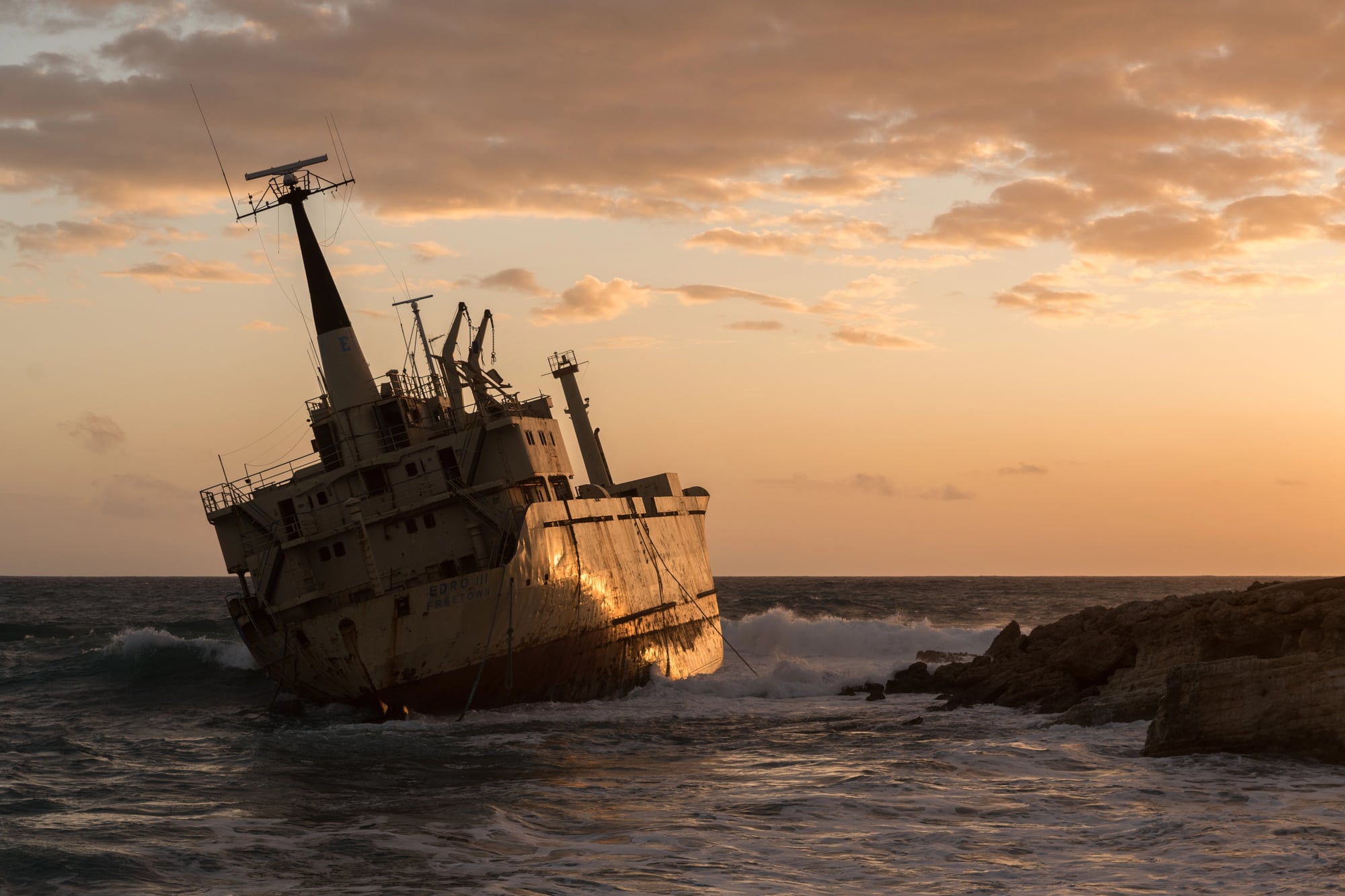
The Joyita left Samoa in October 1955 with 16 passengers and crew bound for the Cook Islands. Approximately six months later, merchant vessels spotted the half-submerged wreck drifting thousands of miles off course.
The ship’s logbooks, cargo manifest, and crew had vanished completely. What made investigators uneasy wasn’t just the missing people — it was how the ship had been abandoned.
The Joyita was designed with cork lining that made it virtually unsinkable, even if the hull was completely flooded (which it wasn’t when they found her, despite sitting partially underwater for over a month). So why would experienced sailors abandon a vessel that couldn’t sink?
And where did everyone go in the middle of the Pacific Ocean without a trace?
Carroll Deering
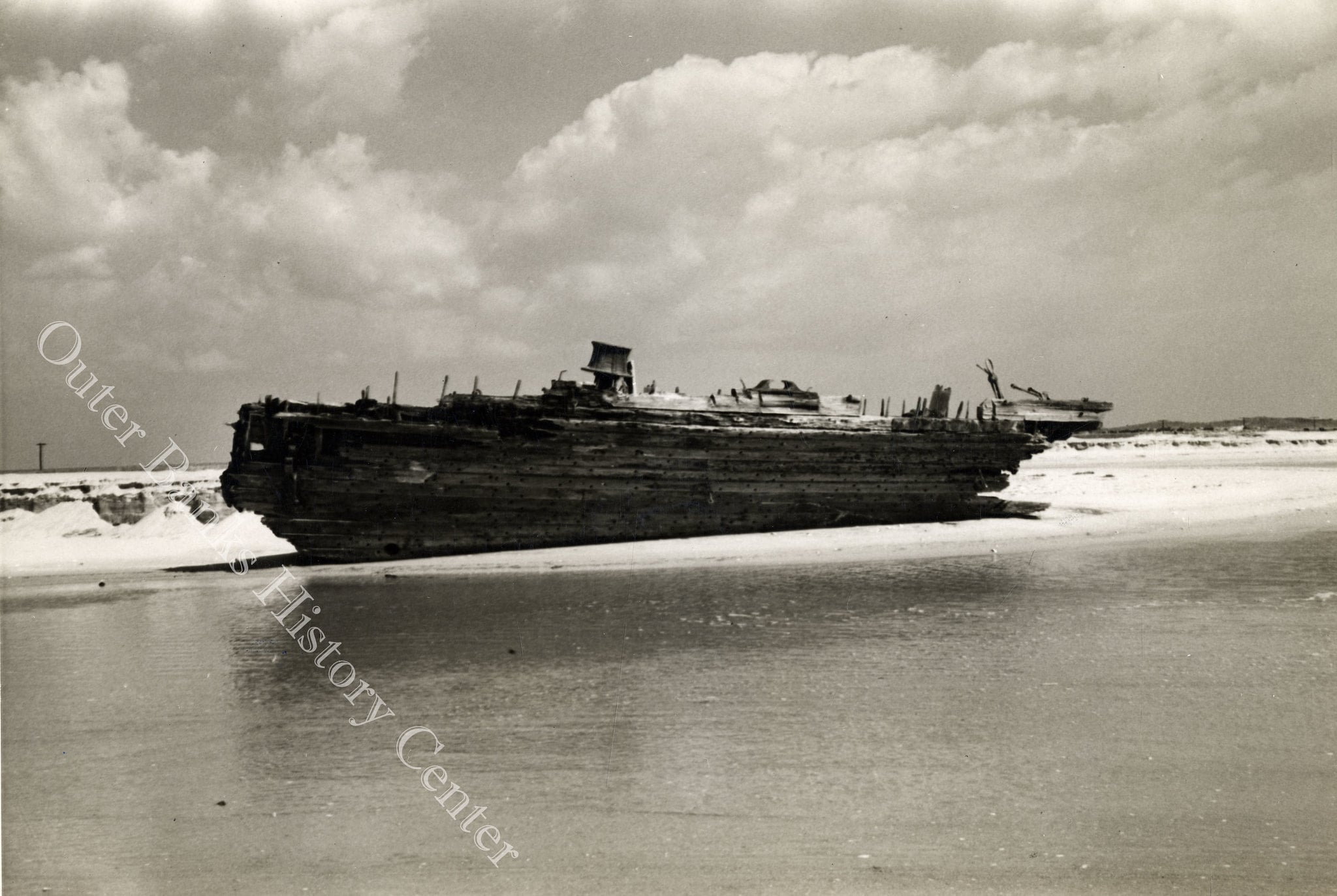
Here’s what happened: the Carroll Deering ran aground off Cape Hatteras in 1921, all sails set, steering equipment destroyed, and every soul vanished. The five-masted schooner had been spotted earlier behaving strangely — sailing erratically, with crew members reportedly shouting that they’d lost their anchors and couldn’t communicate by radio because their equipment was broken.
When authorities finally boarded the ship, they found something unsettling. Personal belongings were still in place, but the navigation equipment, ship’s logs, and all the lifeboats were gone.
The crew’s quarters looked lived-in, not hastily abandoned. To be fair, the Deering wasn’t the only vessel to disappear in that area around the same time — several other ships vanished completely, which is saying something for a shipping lane that busy.
Investigators suspected everything from pirates to communist agents, but the evidence pointed nowhere conclusive.
MV Ourang Medan
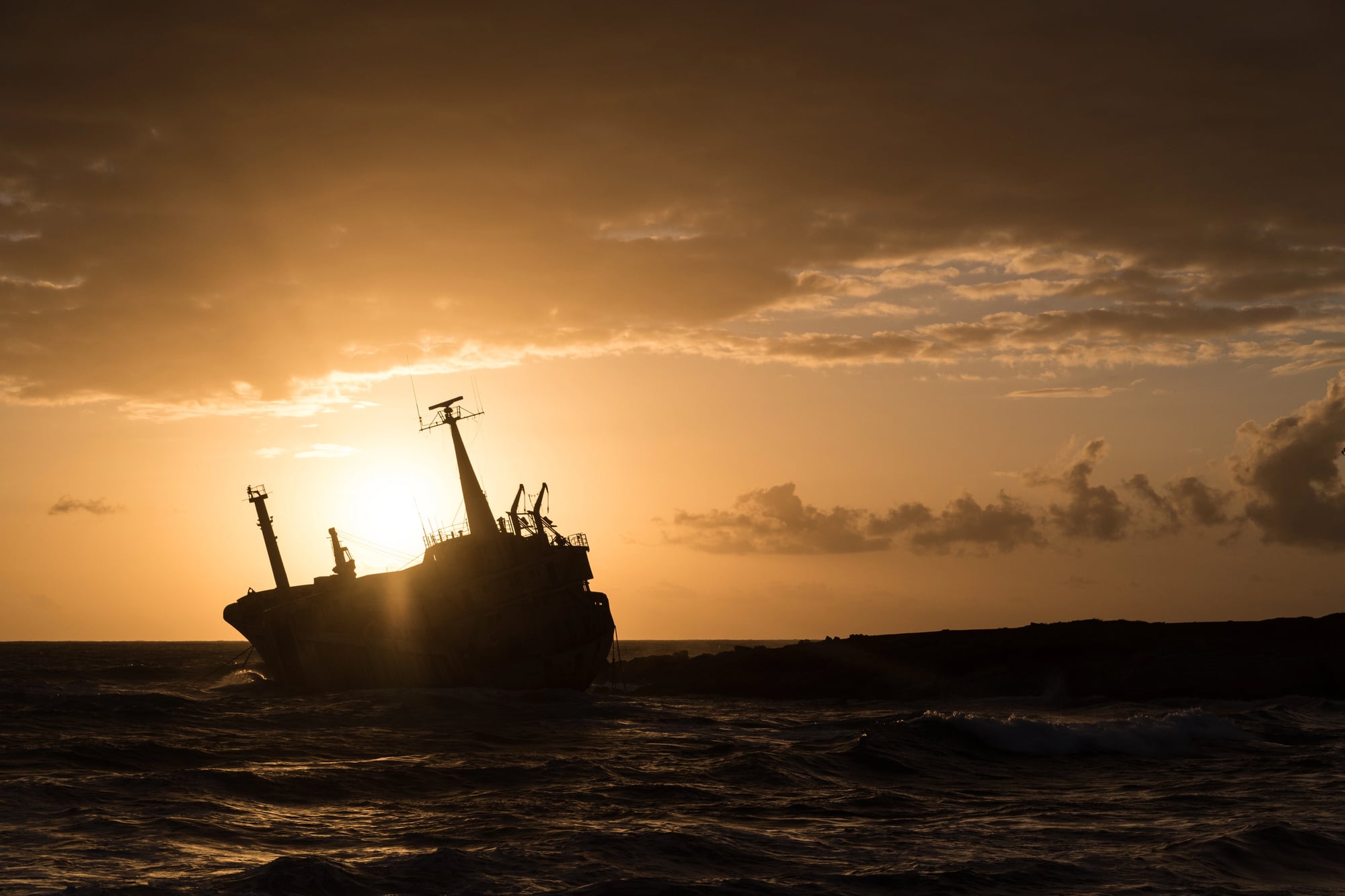
Picture this: you’re a radio operator in 1948 when a distress signal crackles through your equipment, the voice breaking with panic before cutting to static that seems to stretch longer than silence should. The message claimed to be from the Dutch freighter Ourang Medan, reporting that the captain and crew were dead, lying scattered across the ship like abandoned dolls.
Then came a final transmission — just two words that radio operators still remember: “I die.” When rescue ships reached the Ourang Medan’s reported position, they found her drifting listlessly in the Strait of Malacca.
The boarding party discovered exactly what the distress call had promised: bodies everywhere, faces frozen in expressions of terror, eyes wide and staring at something no living person could see. But here’s where the story turns from tragic to impossible — as the rescue crew prepared to tow the vessel to port, the Ourang Medan caught fire spontaneously and exploded, sinking with whatever secrets had killed her crew.
The thing about this case that keeps maritime investigators awake: there’s no record of any Dutch ship named Ourang Medan in the shipping registries, which either means the story is elaborate fiction or something more disturbing happened than official records want to acknowledge.
SS Baychimo
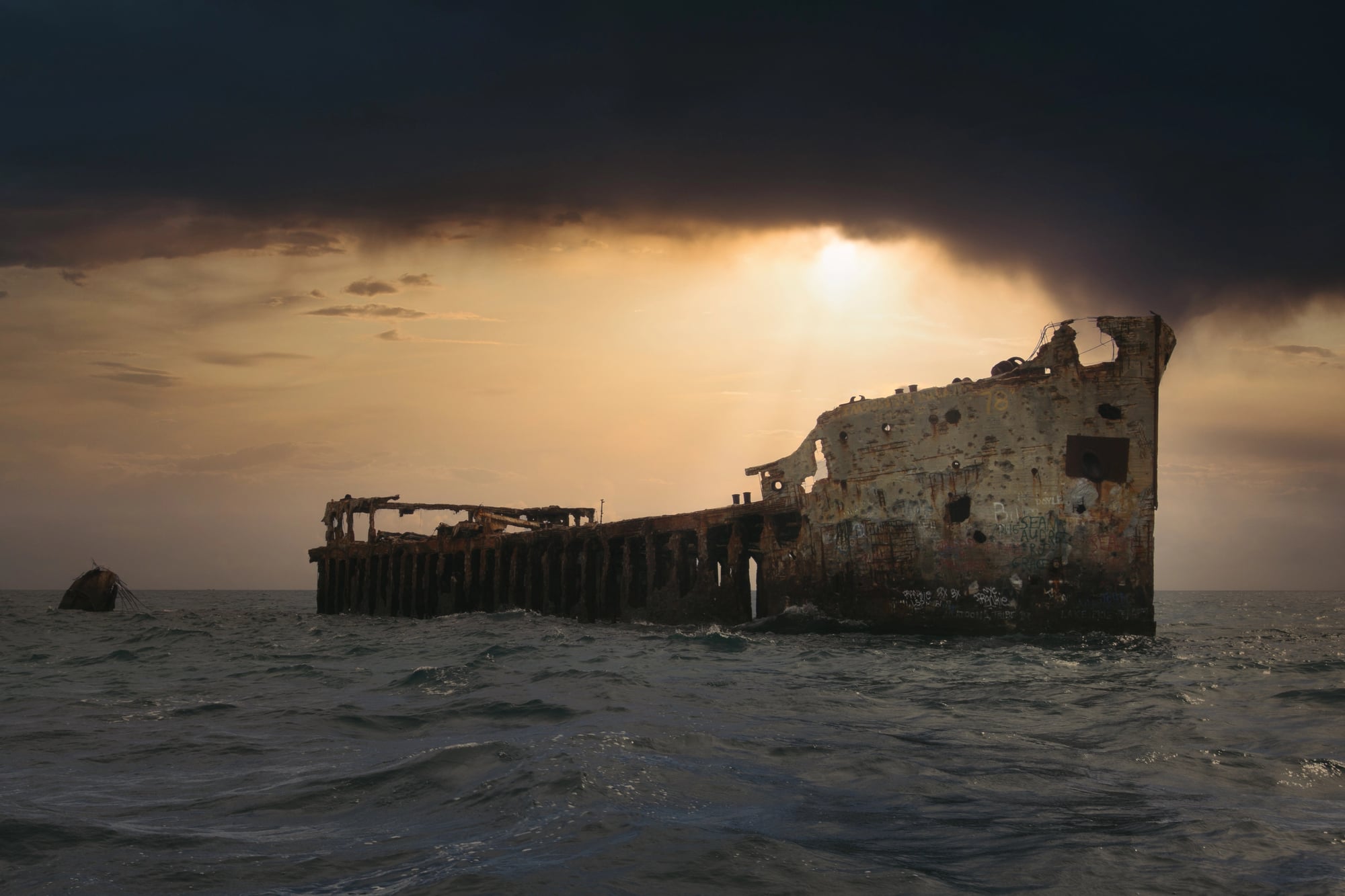
The Baychimo got trapped in Arctic ice in 1931 and was abandoned by her crew, who figured the ship was done for. Turned out the Arctic had other plans.
For the next several decades, the unmanned vessel kept breaking free from the ice and sailing herself across the polar waters like some kind of maritime ghost. Inuit hunters would spot her drifting past remote villages, always moving, never staying in one place long enough for anyone to board her safely.
The last confirmed sighting was in 1969, nearly four decades after her initial abandonment, though rumors persist that she’s still out there, sailing the Northwest Passage on her own terms.
MV High Aim 6
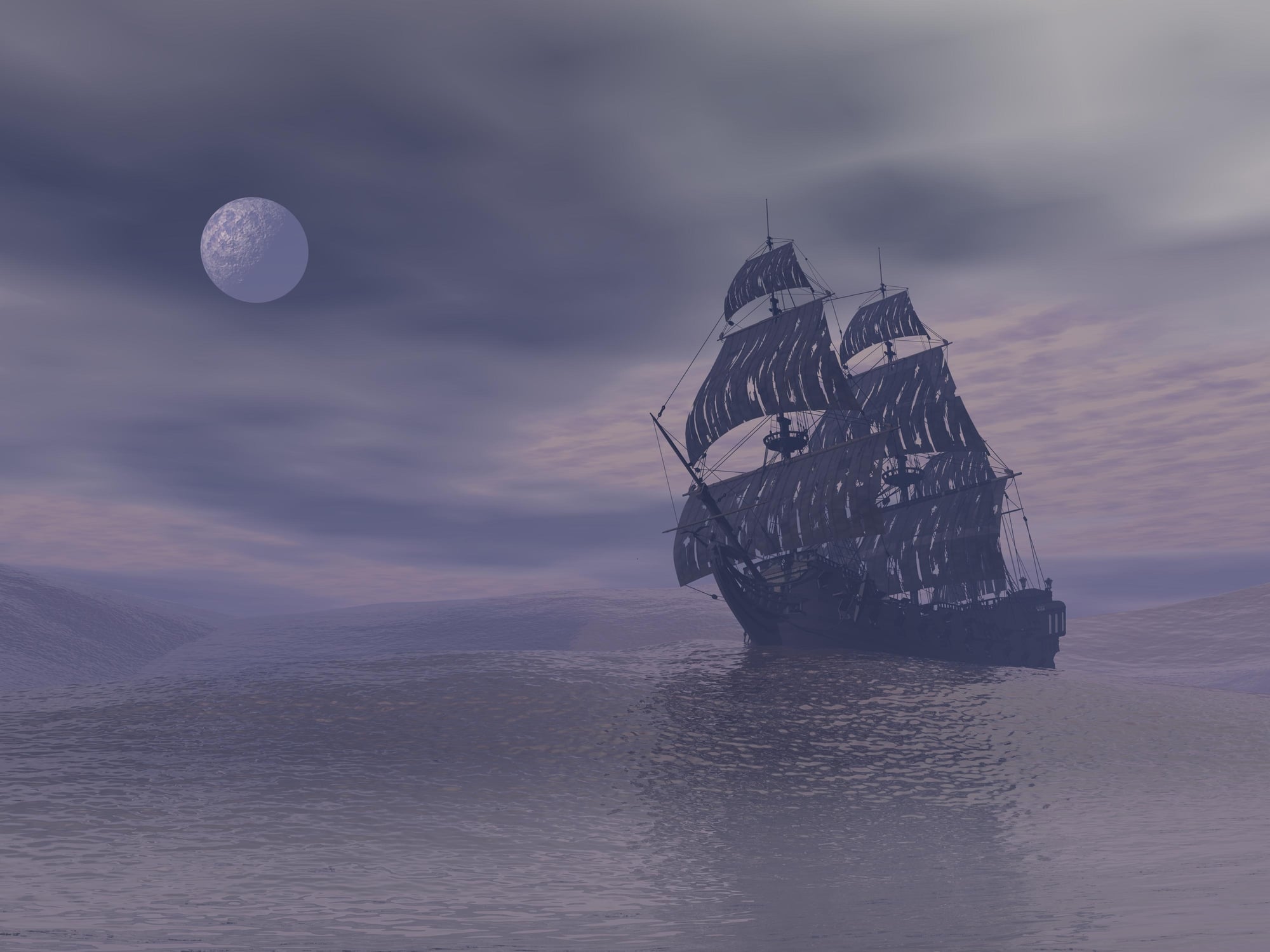
This gets disturbing quickly. The High Aim 6 was found drifting off the coast of Australia in 2003, engines still running, all systems operational, but completely empty of her 10-man crew.
The fishing vessel appeared to have been abandoned mid-operation — nets were still deployed, the catch was fresh, and personal items remained undisturbed in crew quarters. What bothered investigators most was the timing.
The weather had been perfect, the seas calm, and the ship’s equipment showed no signs of distress or mechanical failure. Food was still warm in the galley, suggesting whatever happened occurred suddenly and without warning.
The Australian Maritime Safety Authority conducted an extensive search of surrounding waters but found no trace of the missing crew members. No bodies, no debris, no life rafts — nothing to suggest where 10 experienced fishermen had gone in the middle of a routine fishing operation.
Ghost Ship Of Northumberland Strait

There’s something about the waters between Prince Edward Island and New Brunswick that doesn’t sit right with experienced sailors, and it centers around a burning ship that appears on clear nights when the conditions are perfect for spotting things that shouldn’t be there. Witnesses describe a three-masted schooner engulfed in flames, sailing steadily through the strait as if the fire consuming her masts and sails poses no particular problem to her navigation.
The apparition has been reported consistently since the 1900s, always following the same route, always burning but never consumed. Coast Guard vessels have responded to distress calls about the burning ship, only to find empty water where multiple witnesses swear they saw flames just moments before.
What makes this case particularly unnerving is the consistency of the sightings — different witnesses, decades apart, describe identical details down to the shape of the sails and the color of the flames. And yet no historical record exists of a ship burning and sinking in those exact waters, which leaves the question: what is everyone seeing?
SS Valencia
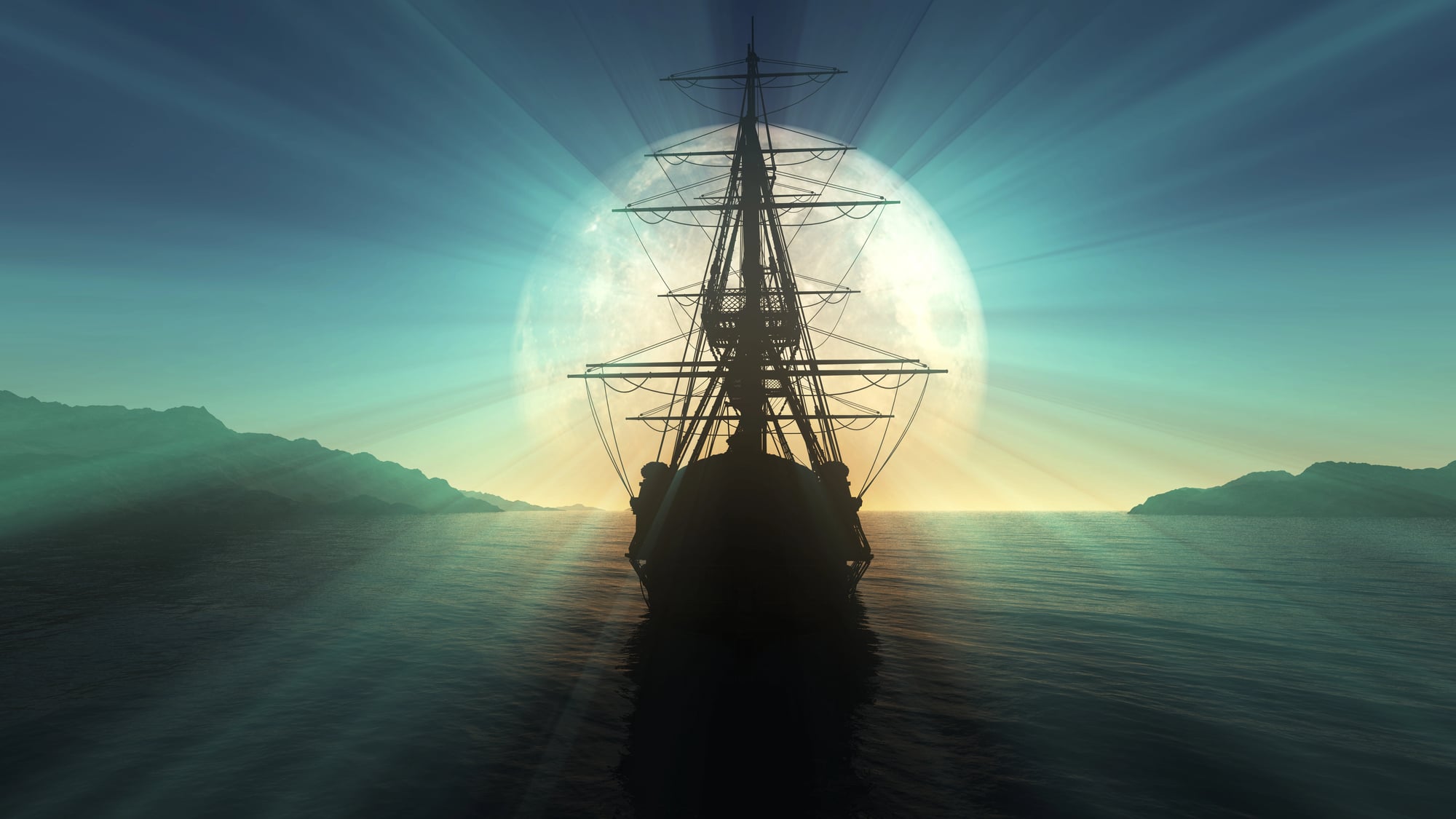
The Valencia ran aground off Vancouver Island in 1906 during a winter storm, but the real mystery isn’t the wreck itself — it’s what happened to the 37 survivors who made it off the ship alive. Rescue operations were hampered by brutal weather and treacherous seas, forcing survivors to take shelter in the ship’s rigging while waves pounded the hull against the rocks below.
Here’s where the story turns strange: multiple rescue ships reported seeing figures waving from the Valencia’s rigging days after the official rescue operations had ended and all survivors had supposedly been accounted for. These weren’t brief glimpses or trick-of-the-light sightings — rescue crews watched through binoculars as people moved around the wreck, signaling for help.
But every attempt to reach the ship found it completely abandoned, with no trace of the figures that had been clearly visible just hours before. The sightings continued for weeks until the Valencia finally broke apart completely, taking whatever remained of her secrets down with the wreckage.
Kaz II
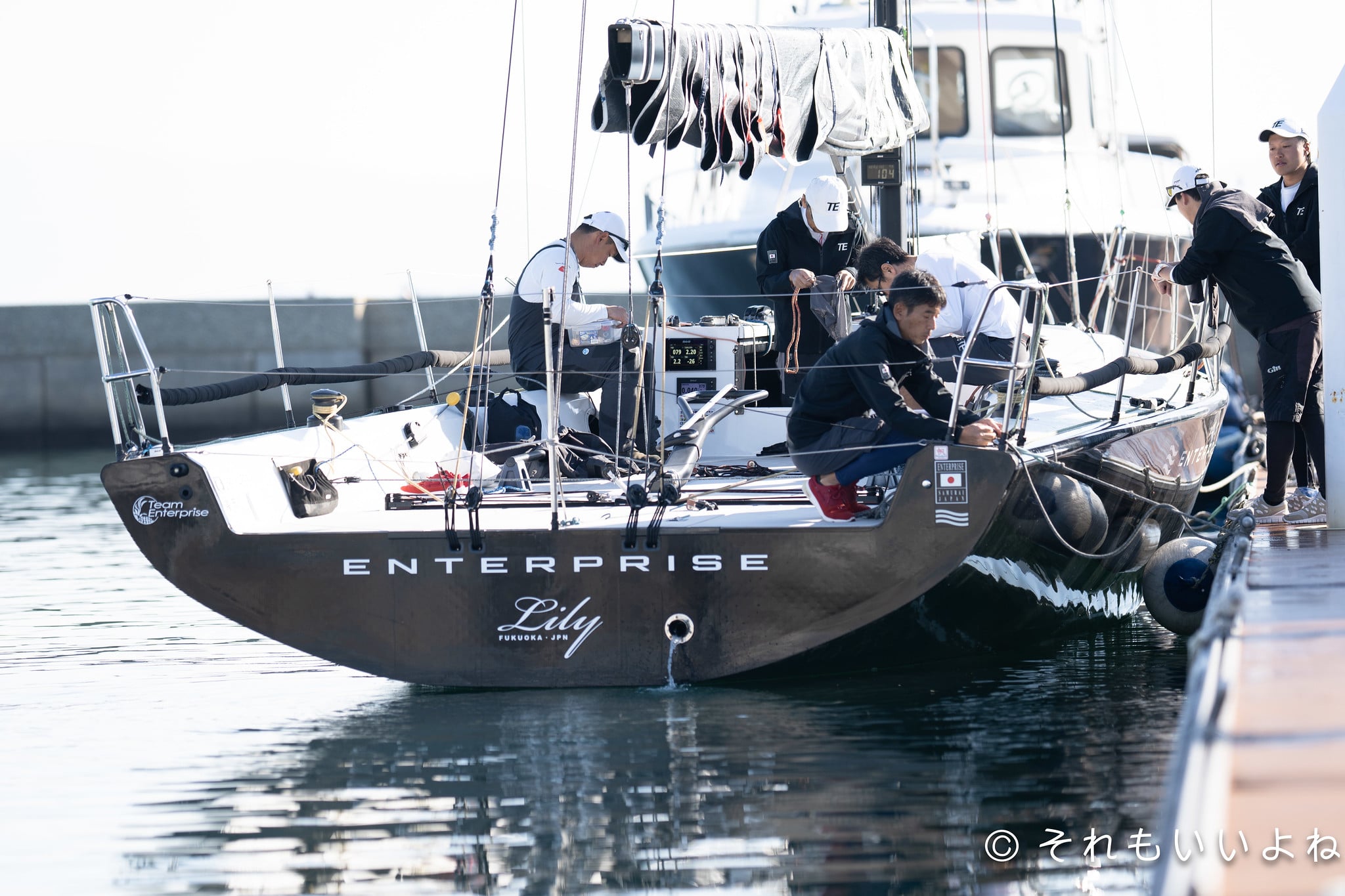
The Kaz II tells you everything about how quickly the ocean can erase people without bothering to explain itself. The 40-foot catamaran was found drifting off Australia’s coast in 2007, sails shredded, engines off, but otherwise seaworthy.
Three experienced sailors had departed from Queensland days earlier for a routine coastal voyage — the kind of trip they’d made dozens of times before. When authorities boarded the abandoned vessel, they found a scene that suggested normal activity interrupted mid-moment.
The table was set for a meal, a laptop computer was still running, and the emergency beacon remained unused in its mount. Life jackets hung undisturbed in their storage compartments.
The boat’s tender was secured properly, ruling out any attempt by the crew to abandon ship. Whatever caused three grown men to vanish from a perfectly functional boat happened without enough warning for them to send a distress signal or grab safety equipment.
The investigation concluded with a shrug and a classification of “inexplicable disappearance,” which is official language for admitting the ocean won this round.
Lyubov Orlova
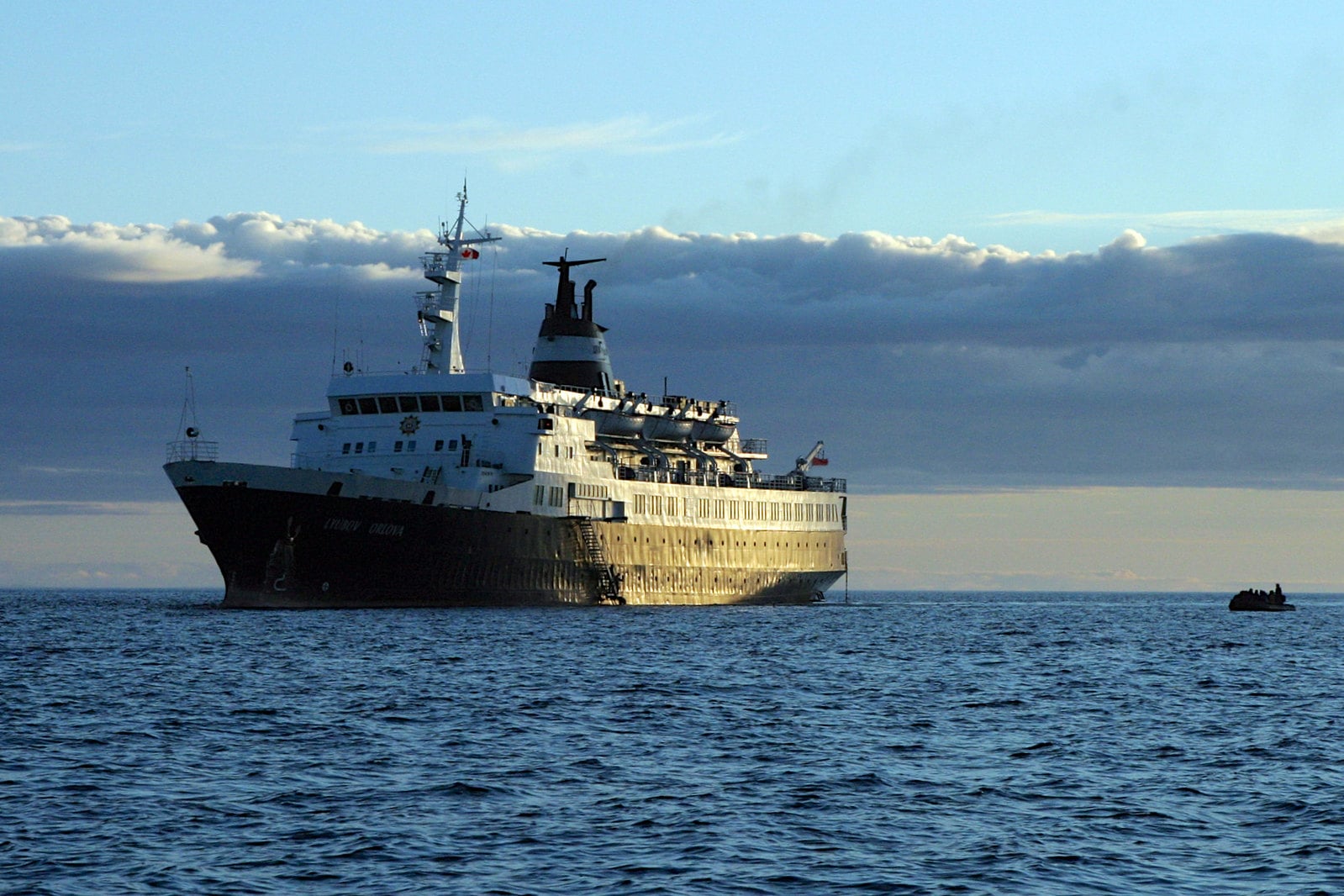
Sometimes ghost ships are born from bureaucratic incompetence rather than mysterious circumstances, but they become legends just the same. The Lyubov Orlova was a Soviet-era cruise ship that ended up abandoned in Canadian waters after her owners defaulted on debts in 2010.
When authorities tried to have her towed away for scrapping, the towline snapped, and the unmanned vessel drifted into the North Atlantic. That’s when things got interesting.
The ship was spotted periodically by aircraft and satellites, always moving, never staying in one area long enough for salvage crews to intercept her. Maritime authorities issued warnings that the vessel posed a navigation hazard, but tracking a drifting ship across thousands of square miles of ocean proved nearly impossible.
The Orlova was last confirmed sighting occurred in 2013, but the ship was never recovered or confirmed sunk. Somewhere in the Atlantic, a rusted cruise ship may still be wandering the shipping lanes, following currents and weather patterns according to logic only the ocean understands.
MV Jian Seng
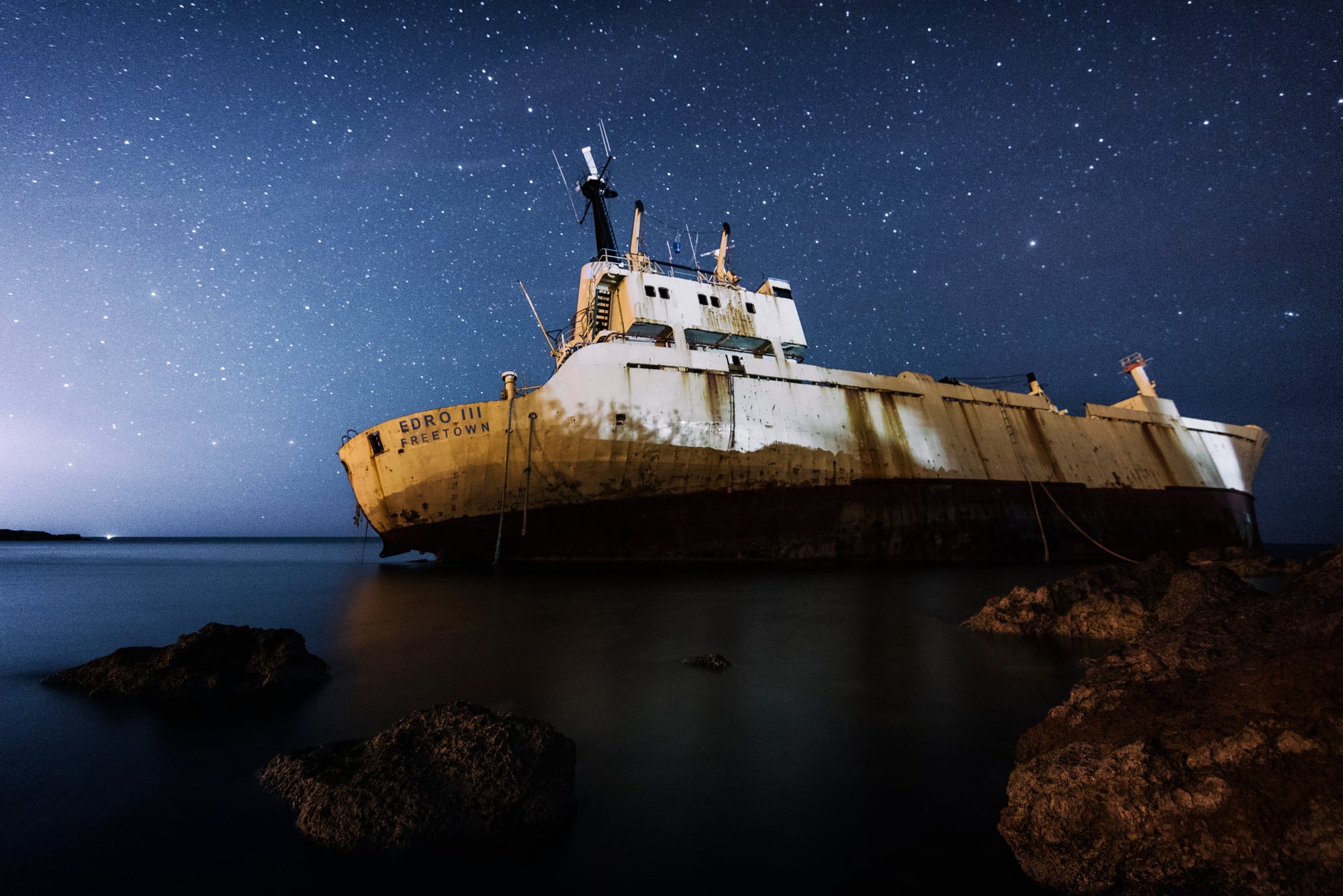
The Jian Seng was discovered drifting off Australia in 2006, engines cold, completely abandoned by her crew of 11. What made investigators pause wasn’t just the missing people — it was how deliberately the ship appeared to have been prepared for abandonment.
Life rafts had been deployed properly, suggesting an organized evacuation rather than panic, but no distress signal had ever been sent. The vessel’s cargo hold contained a suspicious amount of rice — far more than a crew of 11 would need for any reasonable voyage — and the ship’s registration papers were either missing or falsified.
Immigration officials suspected people smuggling, but if that was the case, where had everyone gone? The nearest land was hundreds of miles away, too far for life rafts to reach safely.
Search and rescue operations found no trace of the missing crew or any passengers who might have been aboard. The Jian Seng sits in Australian waters today, officially impounded but still holding her secrets.
SS Waratah
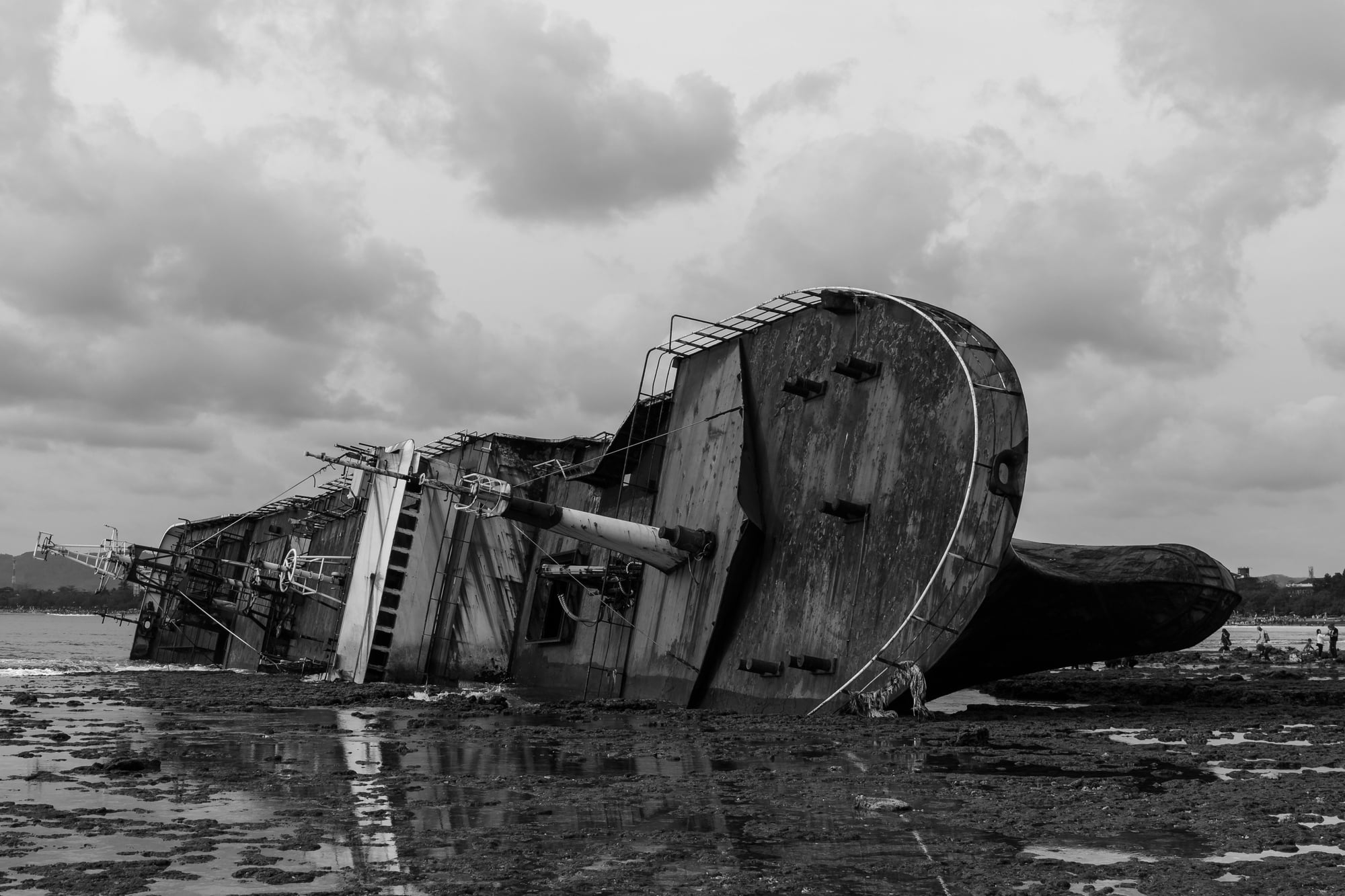
Here’s the thing about ships that vanish completely: they leave behind families who spend decades watching the horizon, hoping for answers that never wash ashore. The SS Waratah departed Durban in 1909 with 211 passengers and crew bound for Cape Town — a routine voyage along a well-traveled shipping route.
She never arrived, and despite being one of the most extensive maritime searches in history, no confirmed wreckage has ever been found. The mystery deepens when you consider the reports that came later.
For years after the disappearance, ships reported sighting a vessel matching the Waratah’s description in various locations around the South African coast, always distant, always moving away when approached. These weren’t brief glimpses — captains described watching the ship through telescopes, noting details that matched the missing vessel perfectly.
But every investigation of these sightings found empty water and unanswered questions. The Waratah became known as “Australia’s Titanic,” except the Titanic at least left wreckage and survivor accounts.
The Waratah left nothing at all.
MV Salem
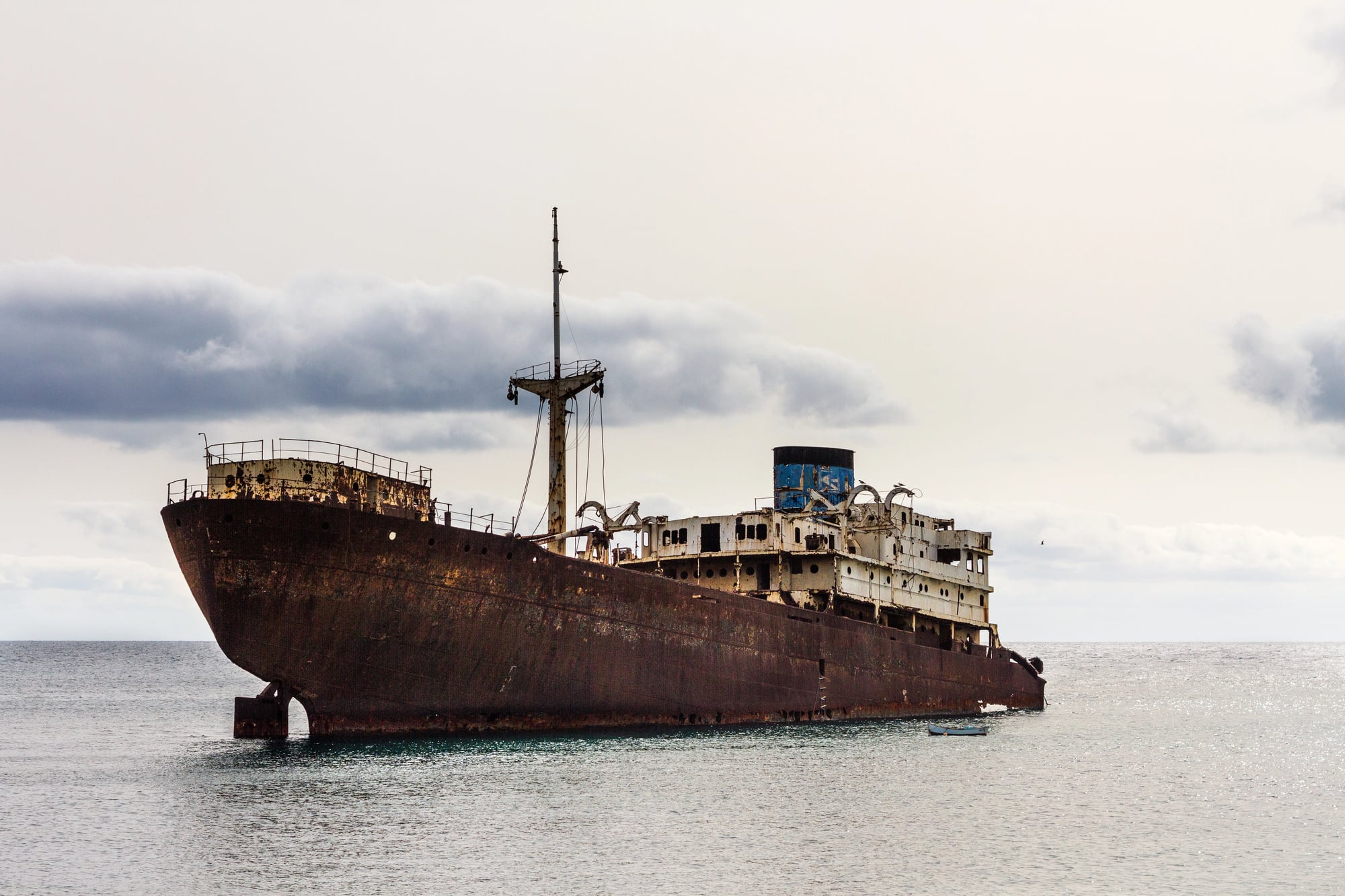
The Salem was found drifting in the Mediterranean in 1988, her crew of 11 missing without explanation. What disturbed investigators was the state of the ship when they boarded her — everything appeared normal, as if the crew had simply walked away mid-task and forgotten to come back.
Coffee was still warm in the galley. Navigation equipment remained operational and properly set.
Personal belongings were undisturbed in crew quarters, including cash and valuables that pirates would have taken. The ship’s lifeboats remained secured in their davits, suggesting no emergency evacuation had taken place.
Weather records showed calm conditions in the area for days before the discovery, ruling out any sudden storm that might have swept the crew overboard. The Salem’s last radio contact had been routine — a standard position report with no indication of distress or problems.
Whatever caused 11 experienced sailors to disappear from their ship happened quickly enough that none of them had time to send even a brief mayday call.
MS München
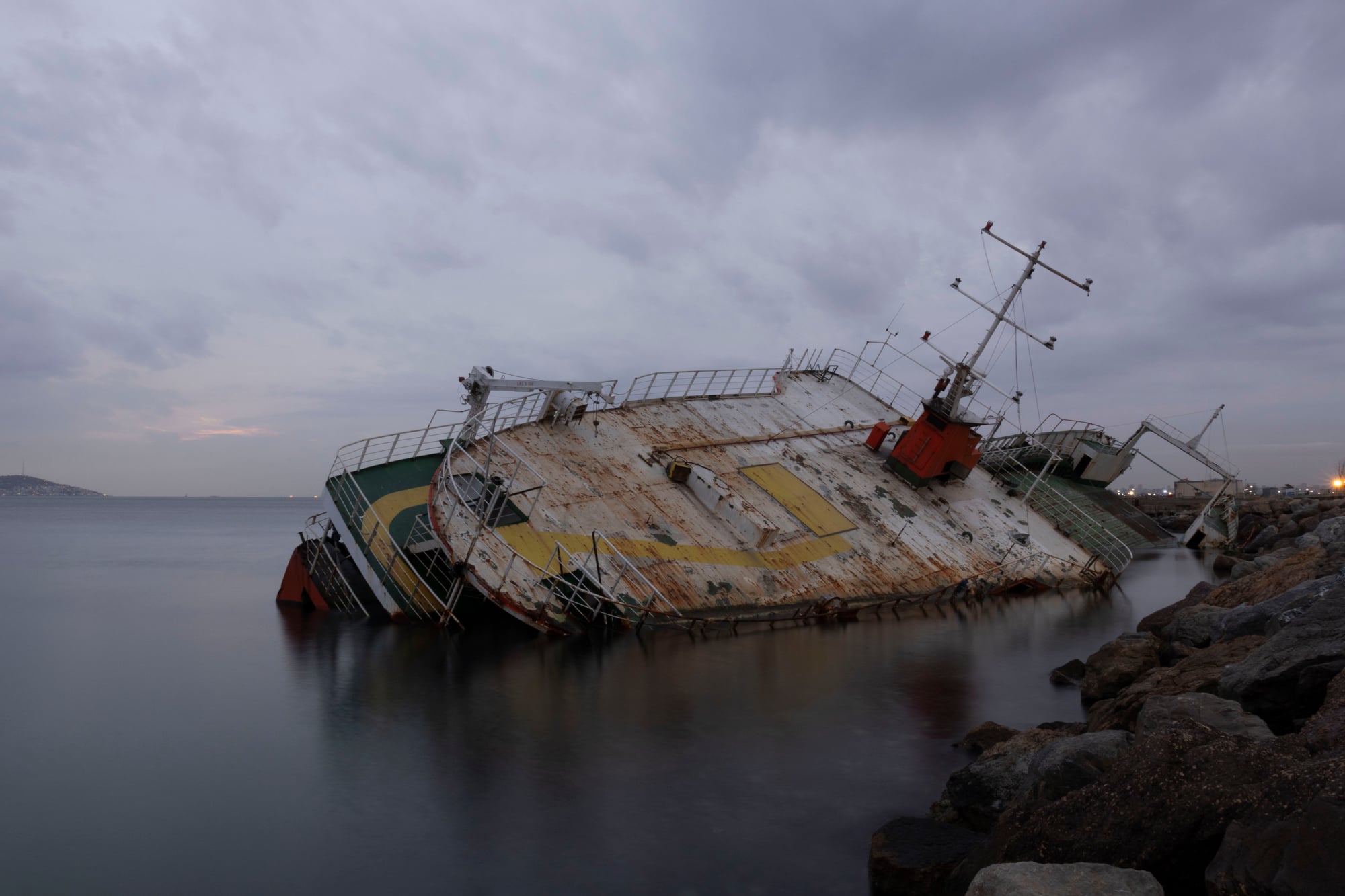
The München was a modern cargo ship, built with every safety feature 1970s maritime technology could provide, which is what made her disappearance so unsettling to industry experts who thought they’d engineered their way past certain types of disasters. The vessel left Bremerhaven in December 1978 bound for Savannah with a cargo of steel — a routine Atlantic crossing that should have been uneventful.
Her last radio message reported severe weather but nothing beyond what the ship was designed to handle. When the München failed to arrive in port, search operations found only scattered wreckage and a handful of lifeboats, but the debris pattern didn’t match any known type of maritime disaster.
The wreckage was spread over hundreds of miles, suggesting the ship had been broken apart with extraordinary force, but the weather, while rough, wasn’t severe enough to destroy a vessel of the München’s size and construction. Naval architects studying the case concluded that whatever destroyed the ship exceeded the forces they’d calculated when designing her safety margins, which raises uncomfortable questions about what else might be waiting in the ocean that engineering hasn’t accounted for.
When The Sea Keeps Its Secrets
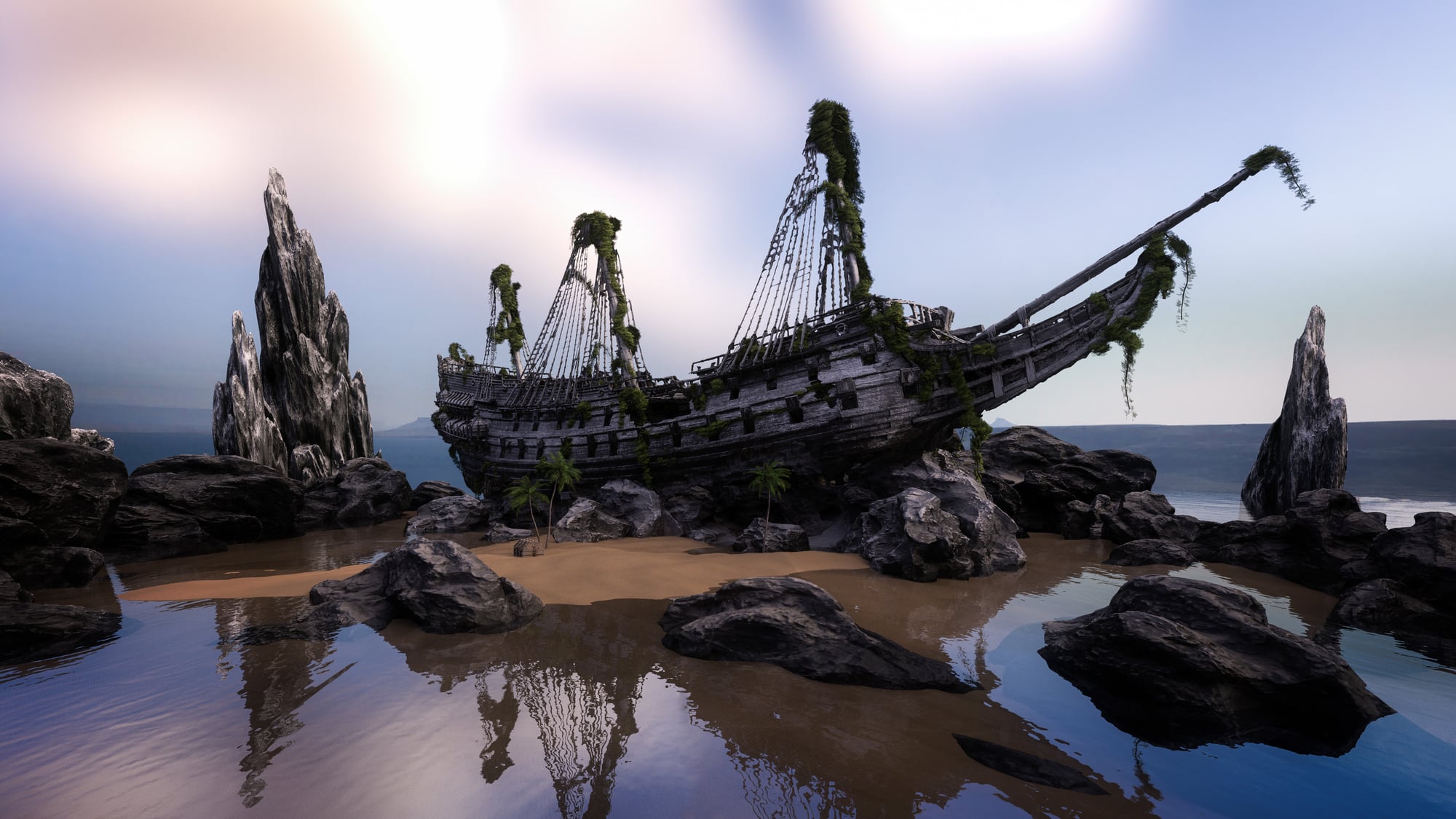
These stories share something more unsettling than their lack of resolution — they remind us that the ocean remains fundamentally unknowable despite all our technology and maritime expertise. Every ghost ship represents a moment when the sea decided not to explain itself, leaving behind empty vessels that drift like question marks across the water.
The families of missing crews, the investigators who studied these cases, and the sailors who reported sightings all learned the same lesson: some mysteries are designed to stay mysteries, and the ocean has been practicing that art longer than humans have been building ships to challenge it.
More from Go2Tutors!

- The Romanov Crown Jewels and Their Tragic Fate
- 13 Historical Mysteries That Science Still Can’t Solve
- Famous Hoaxes That Fooled the World for Years
- 15 Child Stars with Tragic Adult Lives
- 16 Famous Jewelry Pieces in History
Like Go2Tutors’s content? Follow us on MSN.