15 Ideas That Were Built to Impress — But Not to Function
Humans have produced beautiful works throughout history that are visually appealing but fall short of their purported function. These technical advancements, architectural wonders, and design ideas frequently put aesthetics ahead of functionality, giving us stunning but essentially imperfect works of art.
This is a list of 15 amazing yet unworkable concepts that prioritized style over content.
Tacoma Narrows Bridge

Opened in 1940 as a wonder of contemporary engineering, the first Tacoma Narrows Bridge in Washington state. Its elegant design earned it the moniker ‘Galloping Gertie’ because of the way it swayed in the breeze.
Engineers gave aesthetics top priority above aerodynamics, therefore the bridge fell barely four months after opening, compromising its wind-induced vibration resistance.
Dubai’s Palm Islands

These artificial islands shaped like palm trees are visible from space and represent incredible feats of engineering. However, the Palm Islands face ongoing erosion problems, water circulation issues that lead to stagnation, and environmental concerns including disrupted marine ecosystems.
The maintenance costs continue to mount while some properties face structural challenges due to settling foundations.
Concorde Supersonic Jet
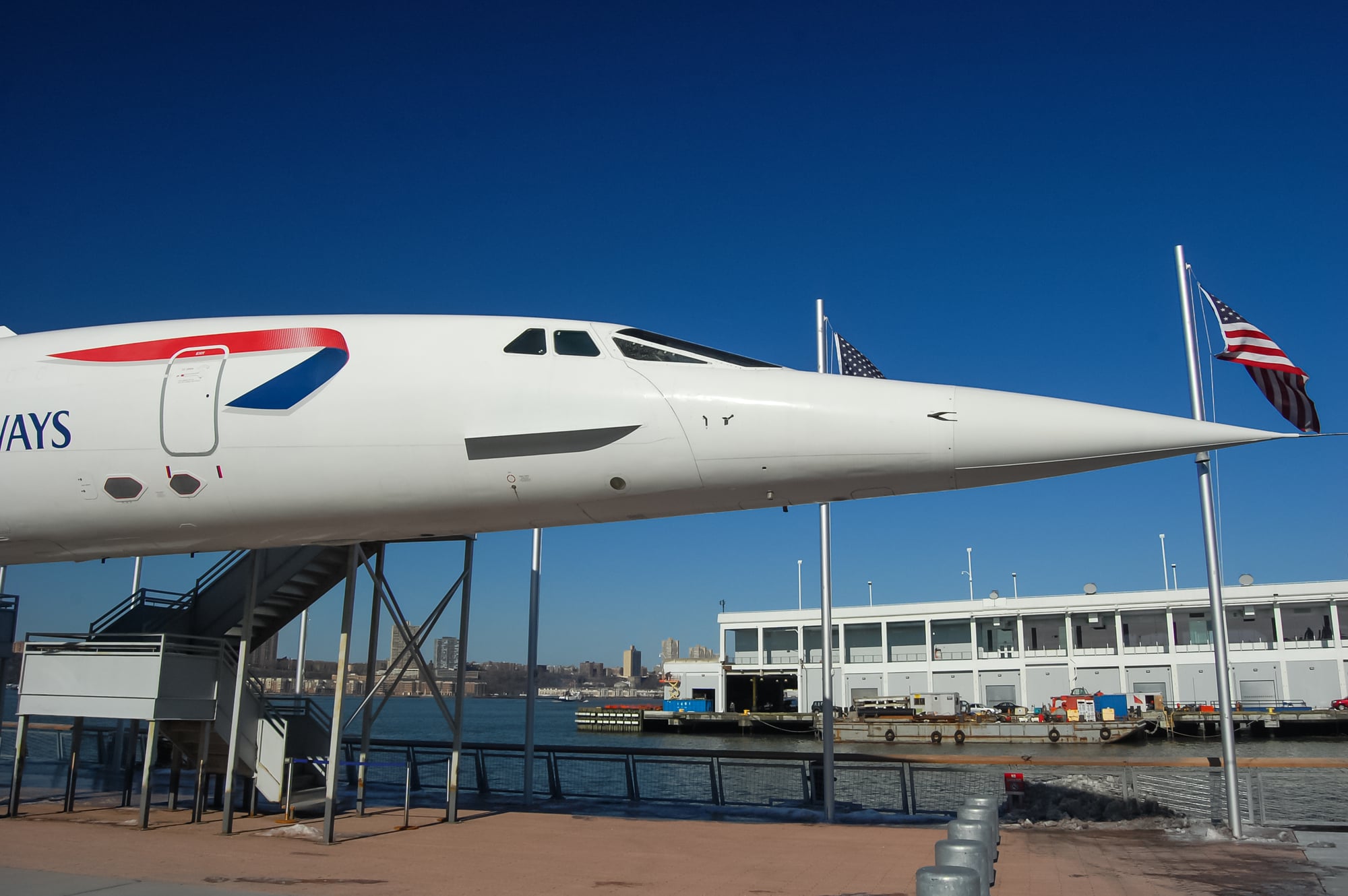
With its distinctive delta wings and drooping nose, the Concorde was a transportation icon that could cross the Atlantic in under three hours. Despite its impressive speed and elegant design, the aircraft was ultimately grounded due to astronomical operating costs, limited routes, excessive noise pollution, and fuel consumption that made commercial operation unsustainable.
The Winchester Mystery House

This sprawling mansion in San Jose, California contains 160 rooms, staircases that lead nowhere, doors that open to walls, and windows overlooking other rooms. Built by Sarah Winchester over 38 years with no master plan, the house is architecturally impressive but utterly impractical, with bizarre features like a door that opens to a two-story drop.
Juicero Press

This $400 Wi-Fi-connected juicer raised $120 million in venture capital before launching in 2016. The sleek, minimalist design impressed investors and tech enthusiasts alike.
However, people quickly discovered that the proprietary juice packets could be squeezed by hand just as effectively, rendering the expensive machine completely unnecessary. The company shut down within 16 months.
Leaning Tower of Pisa

This medieval bell tower began leaning during construction due to an inadequate foundation on soft ground. While it has become one of Italy’s most famous tourist attractions, the tower has required extensive engineering interventions to prevent collapse.
The structure’s famous tilt represents a fundamental architectural failure that has required centuries of maintenance and millions in stabilization costs.
Segway Personal Transporter
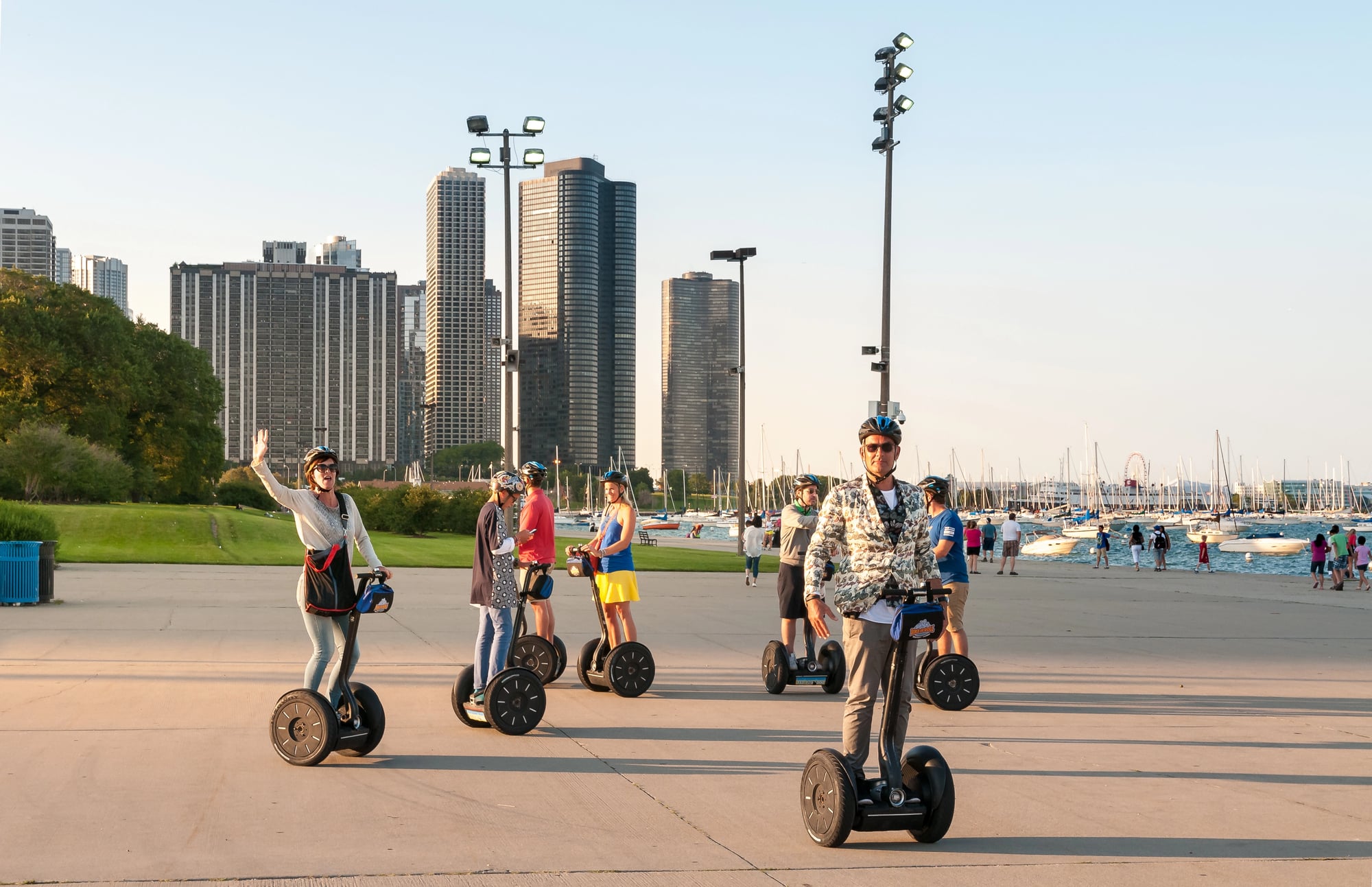
When unveiled in 2001, the Segway was hyped as a revolutionary transportation device that would change city design. Its innovative self-balancing technology impressed onlookers and investors who poured millions into its development.
Despite the technical achievement, practical limitations like high cost, limited range, difficulty navigating crowded spaces, and regulatory issues prevented widespread adoption.
McMansions

These massive suburban homes built from the 1980s onward feature impressive façades with columns, multiple gables, and grand entrances designed to project wealth and status. Behind the imposing exteriors, many McMansions suffer from poor construction quality, inefficient heating and cooling systems, awkward room layouts, and architectural inconsistencies that sacrifice functionality for showiness.
Fashion Runway Clothing

High-fashion runway pieces often feature dramatic silhouettes, unusual materials, and avant-garde concepts that generate media buzz and photography opportunities. Many of these garments can barely be worn in real life due to restricted movement, impractical materials, or maintenance requirements.
The pieces serve as artistic statements and brand advertisements rather than functional clothing.
The Ford Edsel
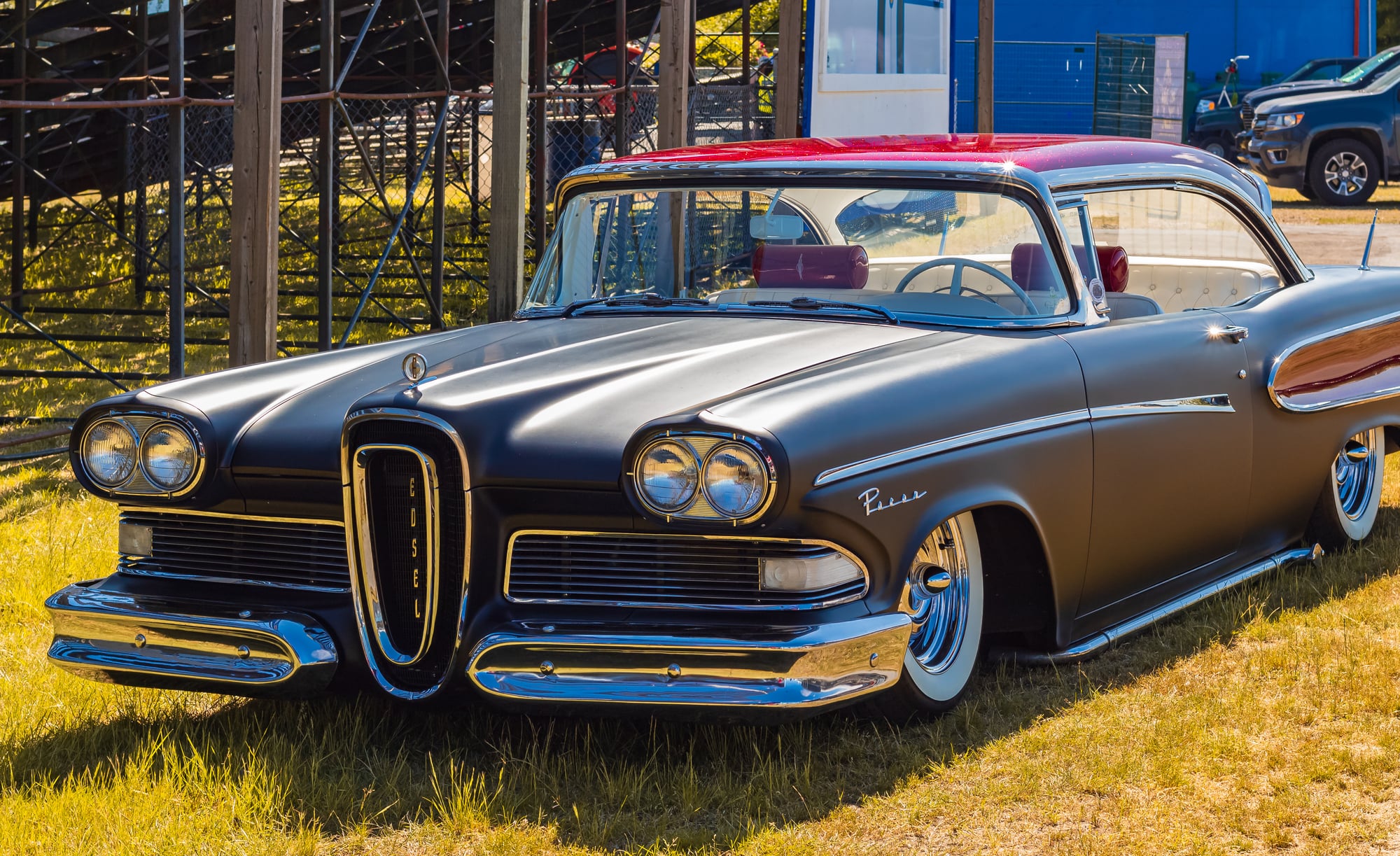
Launched in 1958 after years of development and a massive marketing campaign, the Edsel was designed to be Ford’s premium offering with distinctive styling and innovative features. Its unusual vertical grille and push-button transmission impressed in concept but failed to appeal to consumers.
Poor timing, quality issues, and a design that many found unattractive led to its discontinuation just three years later.
Calatrava’s City of Arts and Sciences
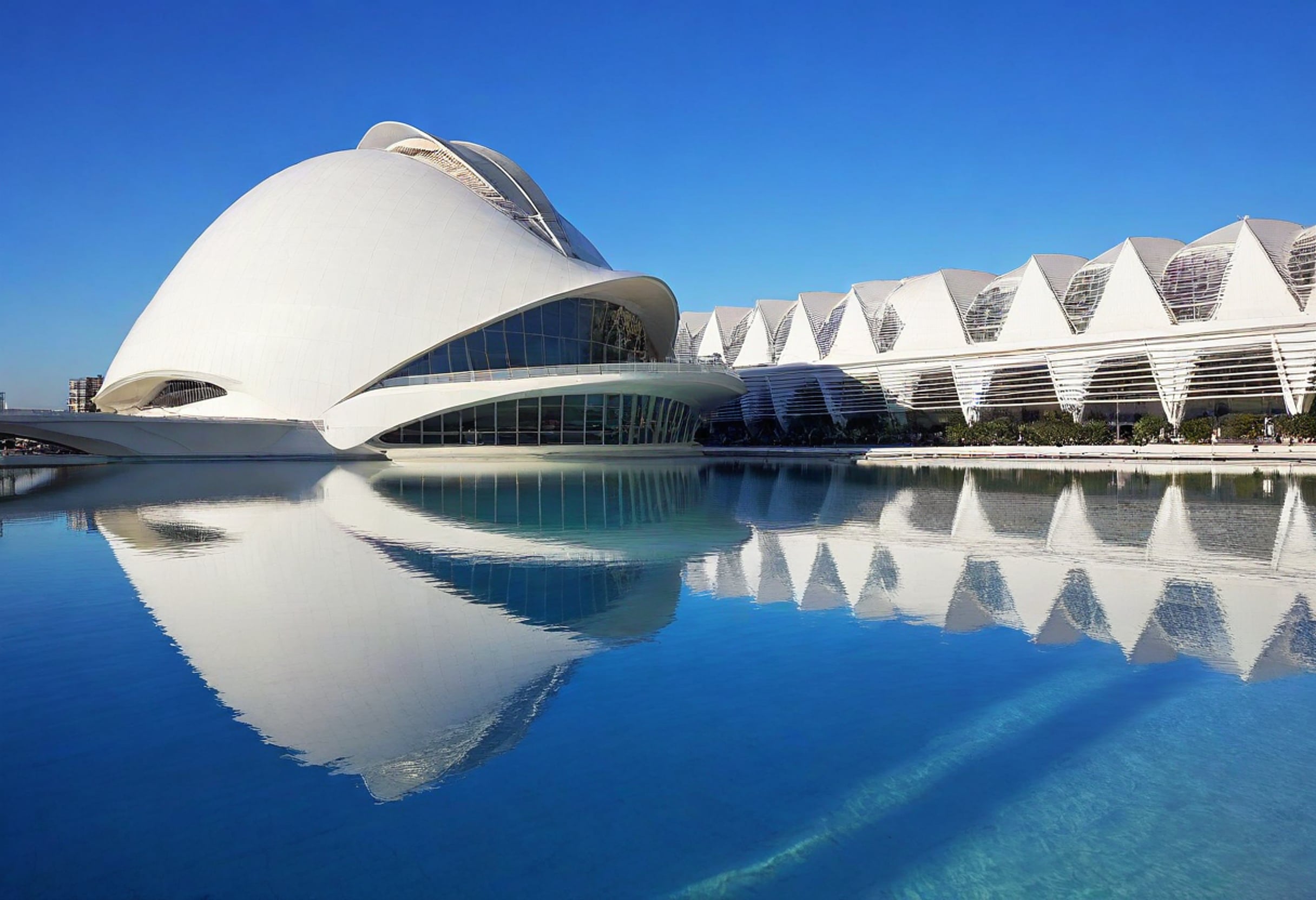
This stunning complex in Valencia, Spain features futuristic white structures with dramatic curves and reflective pools. While visually spectacular, the project went three times over budget and has faced ongoing structural problems.
The opera house roof began leaking shortly after opening, tiles frequently cracked in the sun, and accessible entrances were often afterthoughts in the design.
Virtual Reality Headsets (First Generation)

The first commercial VR headsets promised immersive digital experiences with impressive technical specifications and futuristic designs. Early models prioritized novelty and visual impact over comfort, resulting in heavy devices that caused motion sickness, eye strain, and physical discomfort.
The cumbersome equipment and limited content library meant most units ended up collecting dust after the initial wow factor wore off.
Google Glass

When introduced in 2013, Google Glass impressed with its futuristic concept of augmented reality in a wearable device. The sleek design and technical capabilities generated tremendous hype in the tech industry.
However, the product failed to address real user needs, raising privacy concerns with its built-in camera. It made wearers stand out awkwardly in public, earning users the unflattering nickname ‘Glassholes.’
The Vasa Warship
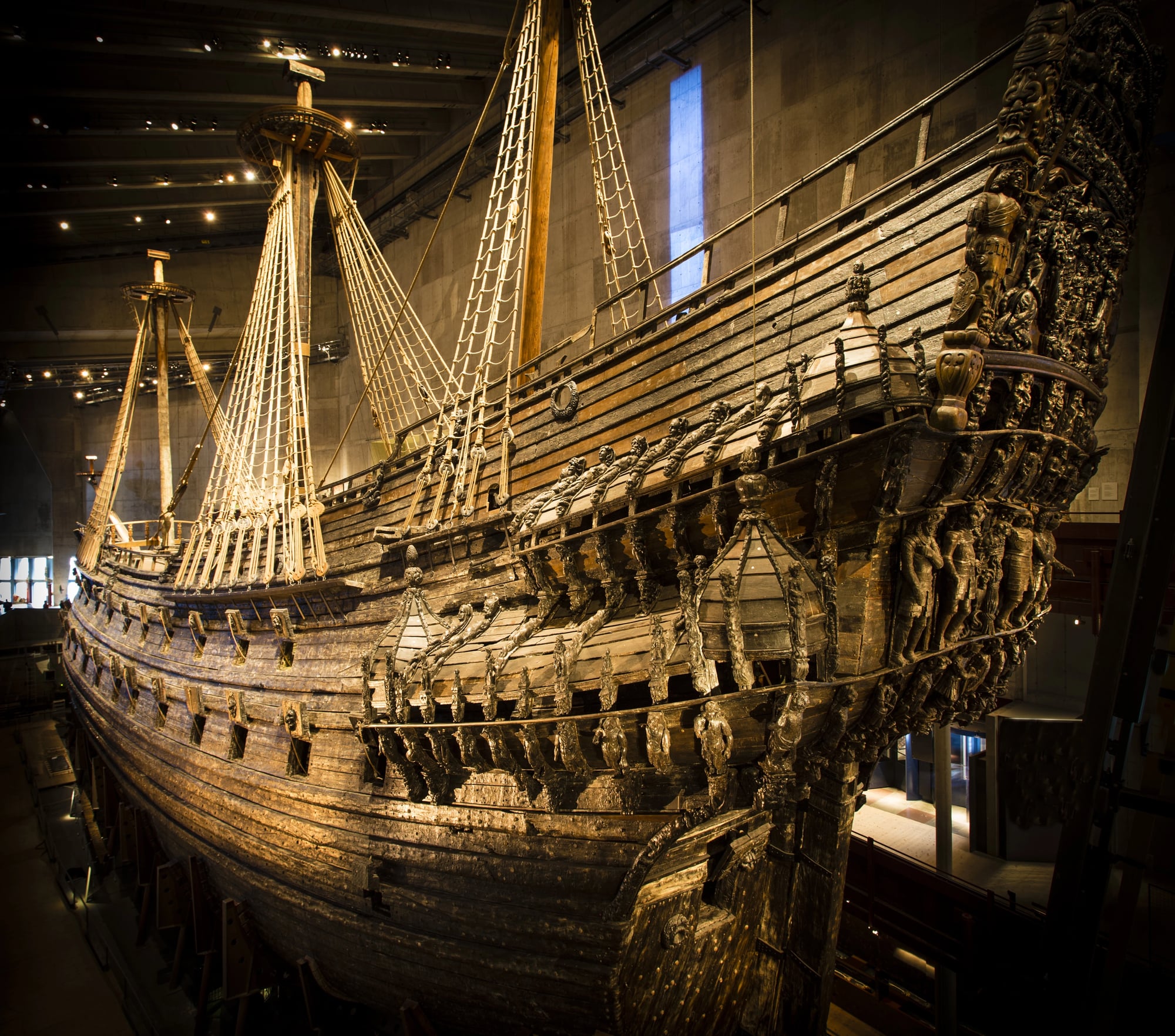
This 17th-century Swedish warship was built to showcase the might of the Swedish navy with elaborate carvings, gold leaf decorations, and an impressive array of bronze cannons. The ship sank less than a mile into its maiden voyage in 1628 because its design prioritized grandeur over stability.
Despite its impressive appearance, the top-heavy vessel with insufficient ballast capsized from a light gust of wind.
Hyperloop

Proposed as a revolutionary transportation system with pods traveling through vacuum tubes at near-supersonic speeds, the Hyperloop concept has generated tremendous investment and media attention. The sleek, futuristic design promises travel between major cities in minutes.
Despite billions in funding and numerous prototypes, fundamental engineering challenges, astronomical infrastructure costs, and safety concerns have prevented any functional system from materializing beyond short test tracks.
Innovation vs. Practicality

Throughout human history, we’ve often been captivated by impressive designs that promise to change our world but fail to deliver on their practical potential. These examples remind us that true innovation balances visual appeal with functionality.
While many of these concepts failed their original purpose, they’ve contributed valuable lessons to architecture, engineering, and design—teaching us that sometimes the most impressive idea isn’t necessarily the most useful one.
More from Go2Tutors!

- The Romanov Crown Jewels and Their Tragic Fate
- 13 Historical Mysteries That Science Still Can’t Solve
- Famous Hoaxes That Fooled the World for Years
- 15 Child Stars with Tragic Adult Lives
- 16 Famous Jewelry Pieces in History
Like Go2Tutors’s content? Follow us on MSN.