Famous Buildings That Were Almost Given Completely Different Names
Names stick to buildings the way nicknames stick to people — sometimes so completely that you forget there was ever a choice. But behind almost every iconic structure is a moment when someone sat in a room, argued over a shortlist, and nearly landed on something entirely different.
The building you know by heart might have spent its whole existence answering to a stranger’s name. Some of these alternatives were more elegant.
Some were baffling. A few were outright embarrassing.
All of them were almost real.
The Eiffel Tower
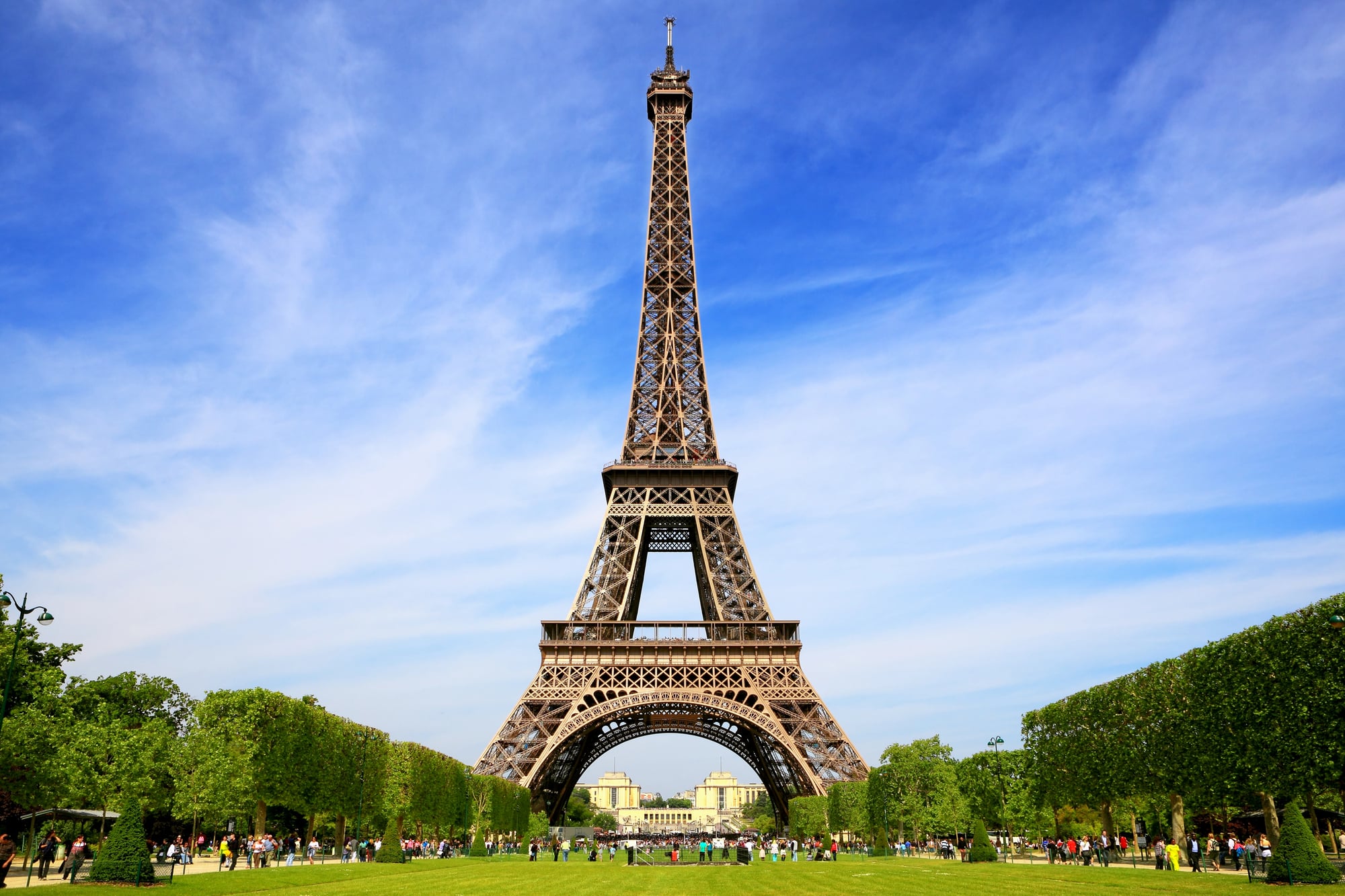
It was nearly called the “300-Meter Tower.” That was the working title during construction — purely functional, purely descriptive, the architectural equivalent of naming your dog “Dog.”
Gustave Eiffel’s name only attached itself to the structure after enough time passed and enough people started crediting him for it, turning what might have been a forgettable label into one of the most recognized proper nouns on the planet.
The Empire State Building
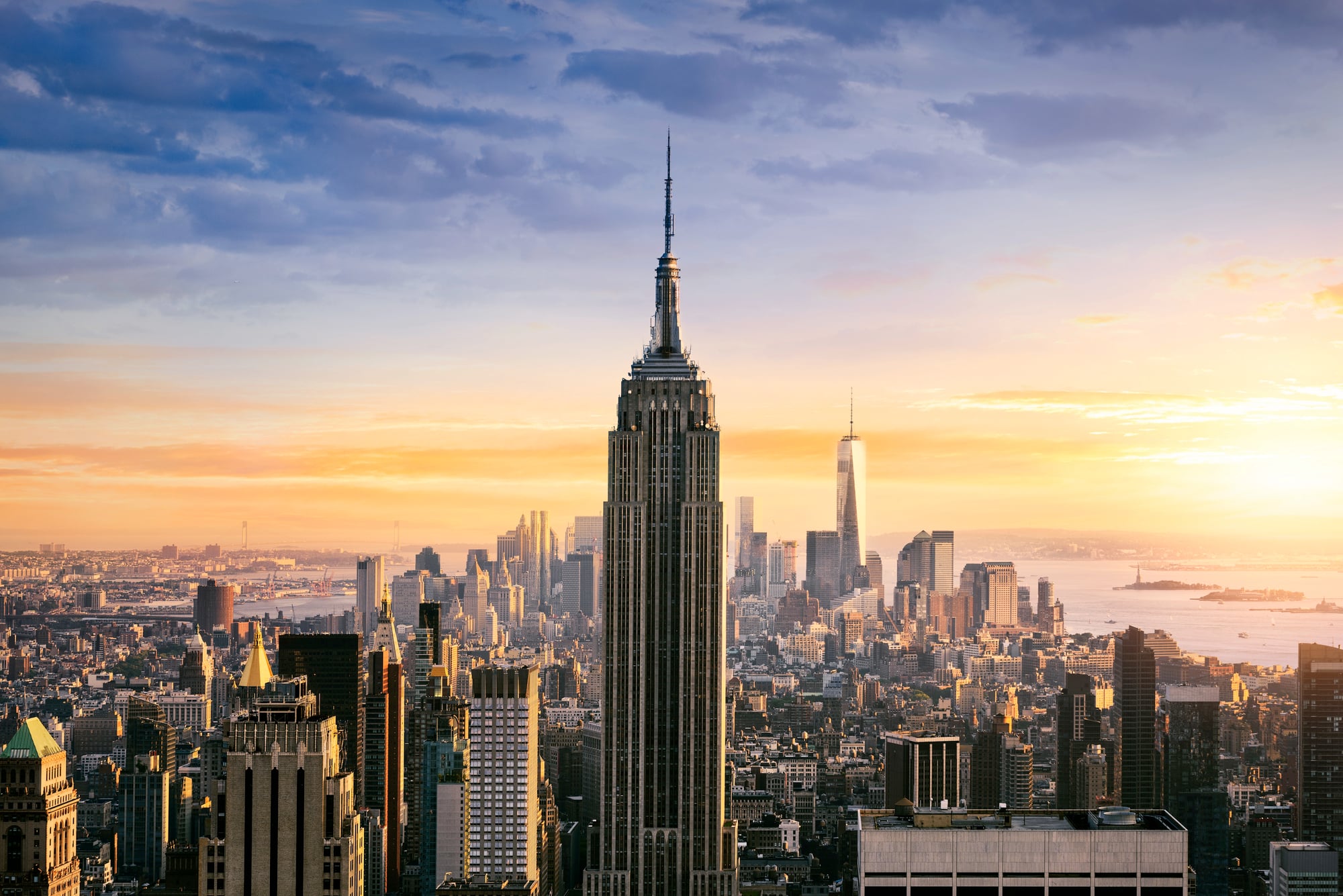
The Empire State Building almost didn’t carry that name at all — the early working title floated among developers was simply “the skyscraper on 34th Street,” which tells you everything about how much ambition was baked into the naming process at the start. The “Empire State” name came from New York’s long-standing nickname, and it was chosen with the kind of deliberate grandeur that the building’s backers felt the project demanded, especially given the race they were running against the Chrysler Building.
To be fair, they won that race — and the name helped.
The Sears Tower
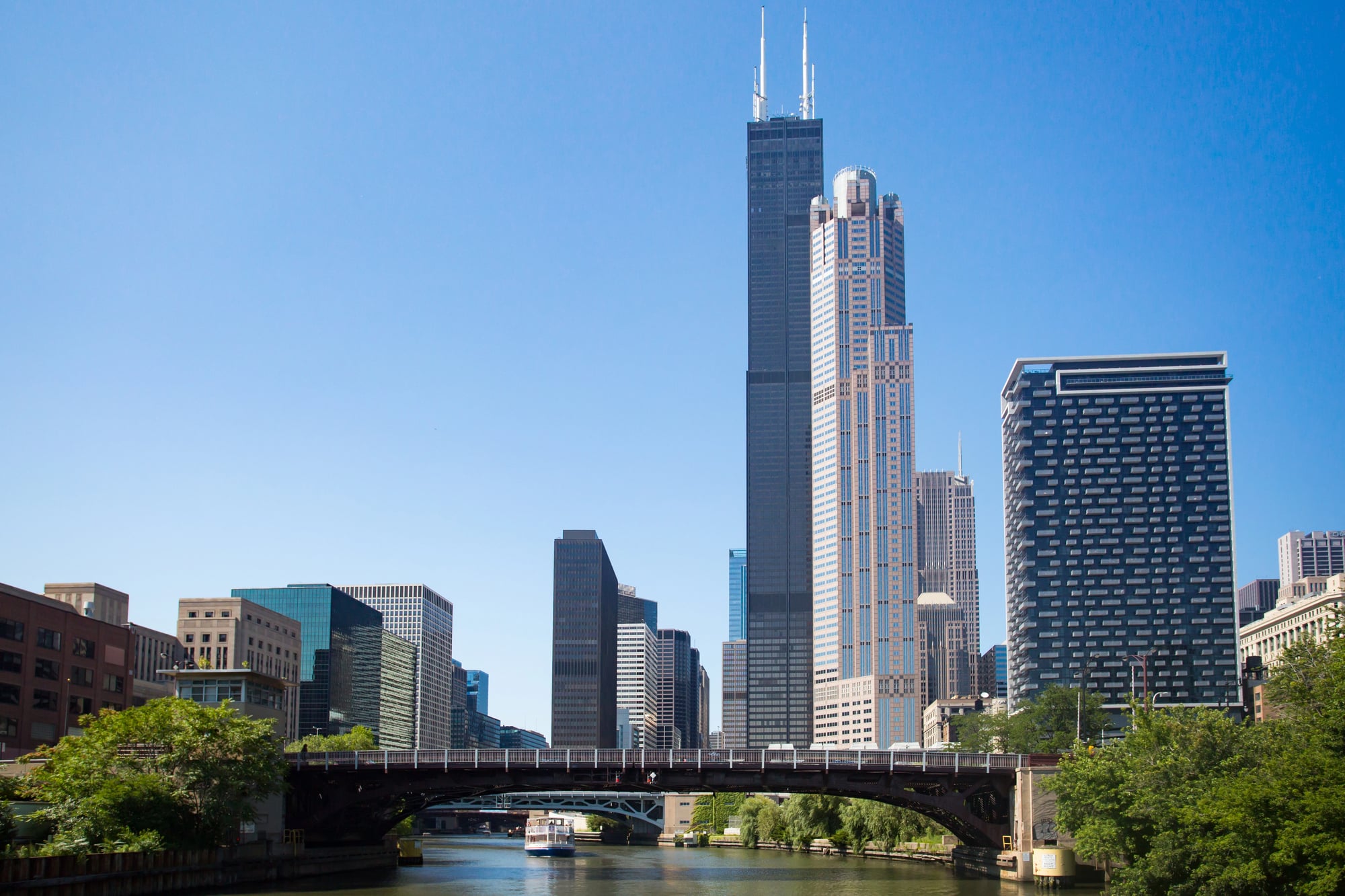
There’s a version of history where Chicago’s most famous skyscraper is simply called “the Sears Building” — utilitarian, corporate, forgettable. The word “Tower” was a late addition pushed through by the architects at Skidmore, Owings & Merrill, who understood that what they were building wasn’t a building so much as a declaration.
It’s now officially the Willis Tower, a name that arrived in 2009 and that approximately nobody in Chicago has accepted.
The White House
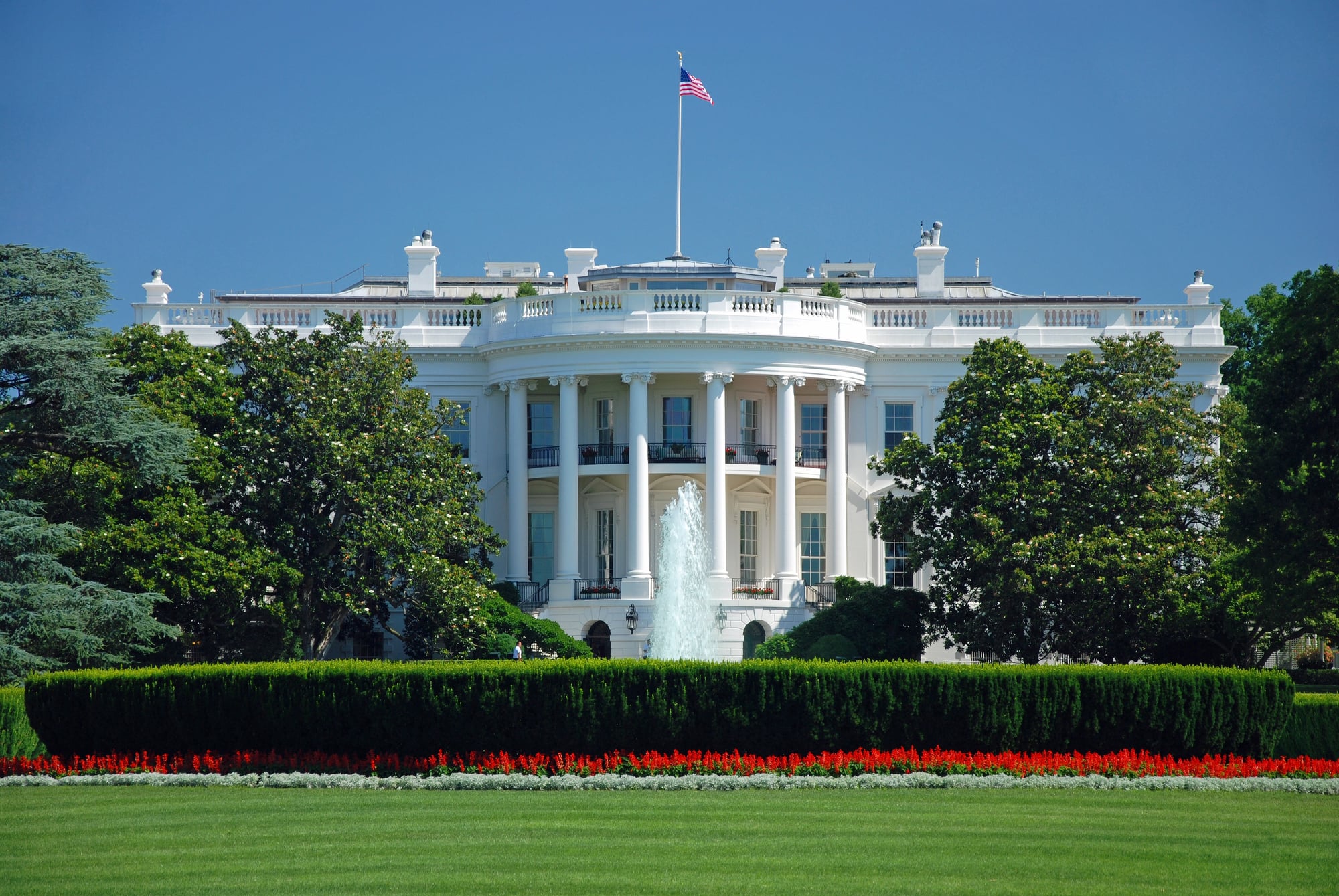
The White House spent years going by “the President’s Palace” — a name that the young American republic, fresh off a revolution against monarchy, was almost immediately uncomfortable with. “President’s Mansion” also circulated, and for a stretch, so did “the President’s House,” which had none of the weight of a name and all the neutrality of a street address.
The current name didn’t become official until Theodore Roosevelt put it on his stationery in 1901, which is a remarkably informal way to name a head of state’s residence.
The Chrysler Building
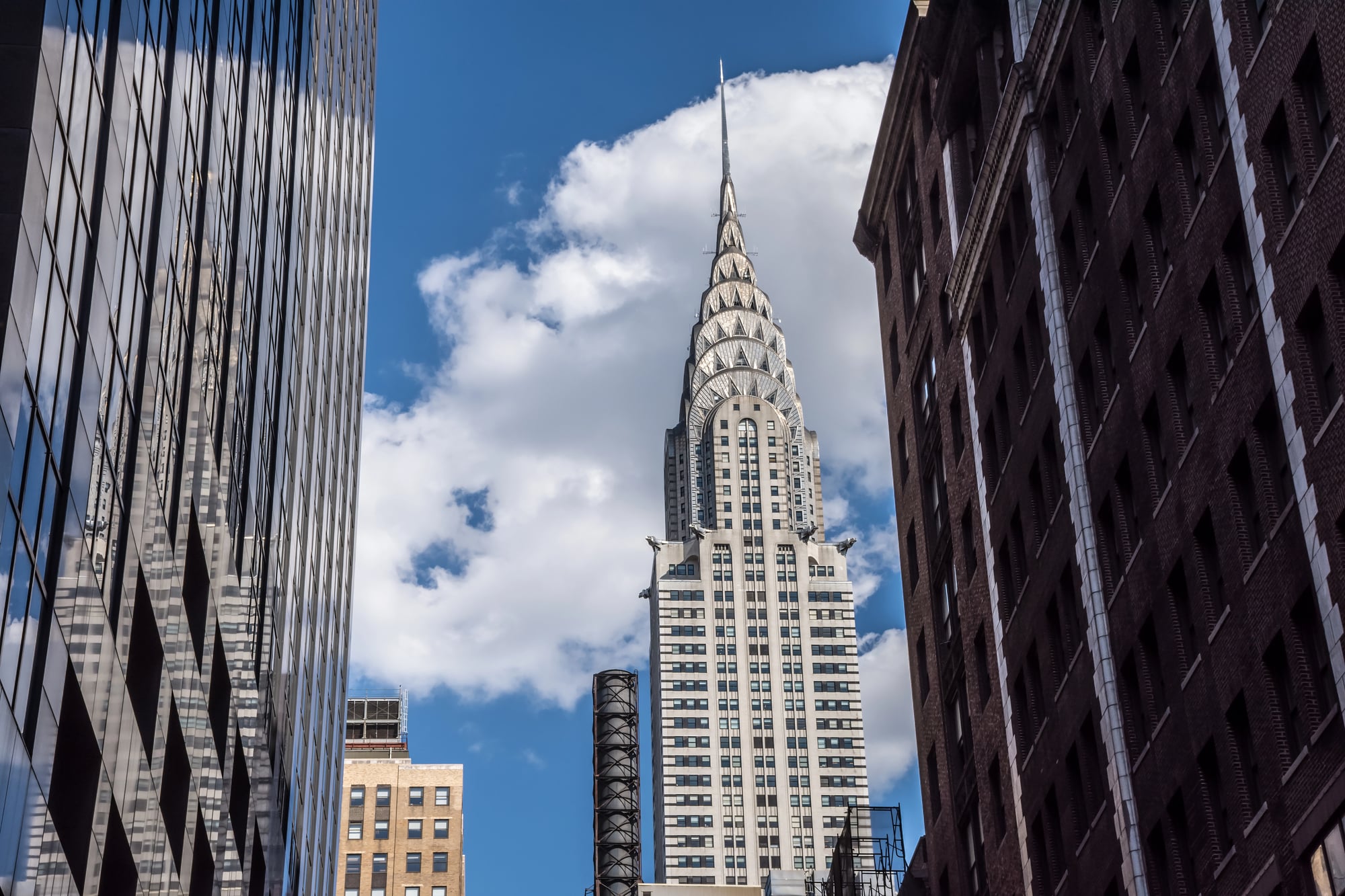
Long before it became an art deco landmark beloved by architects and skyline-watchers alike, the Chrysler Building existed in planning documents as the “Reynolds Building” — named after developer William H. Reynolds, who sold the project to Walter Chrysler before construction finished. So the tower that defines a certain idea of New York glamour nearly spent its entire existence advertising a real estate developer instead of an automobile empire.
Reynolds got a building in Winston-Salem, North Carolina instead. It’s also called the Reynolds Building.
Go figure.
The Burj Khalifa
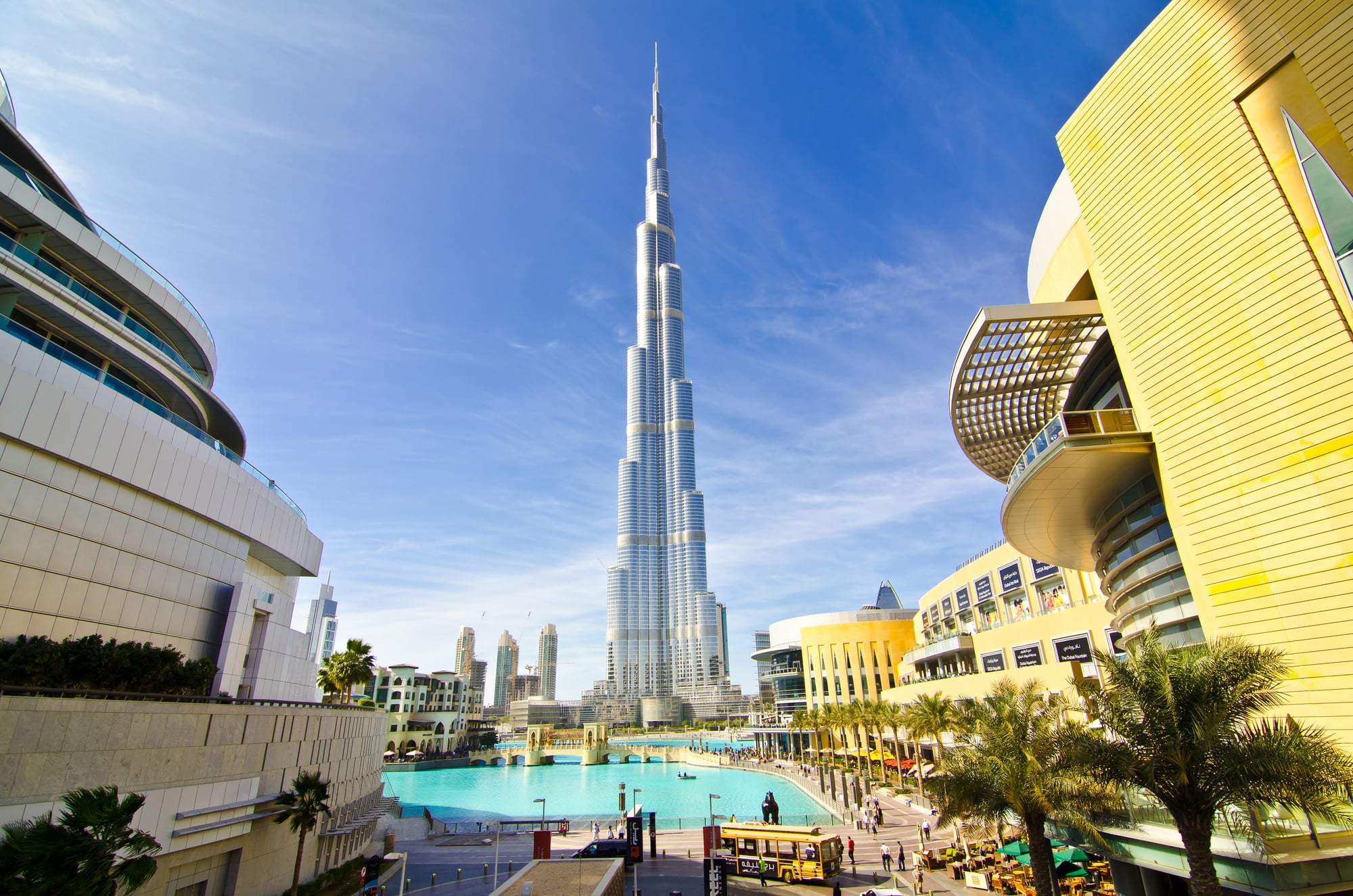
The Burj Khalifa opened in 2010 under a name it didn’t have until the ribbon was cut — it had been built and marketed entirely as the “Burj Dubai,” a name that was already embedded in the public imagination by the time the renaming happened. The switch to Khalifa came as a pointed acknowledgment of financial support from Abu Dhabi’s ruler, Sheikh Khalifa bin Zayed, whose intervention helped Dubai survive a debt crisis.
It’s the tallest building in the world named as a thank-you note, which is genuinely one of the more unusual footnotes in architectural history.
The Pentagon
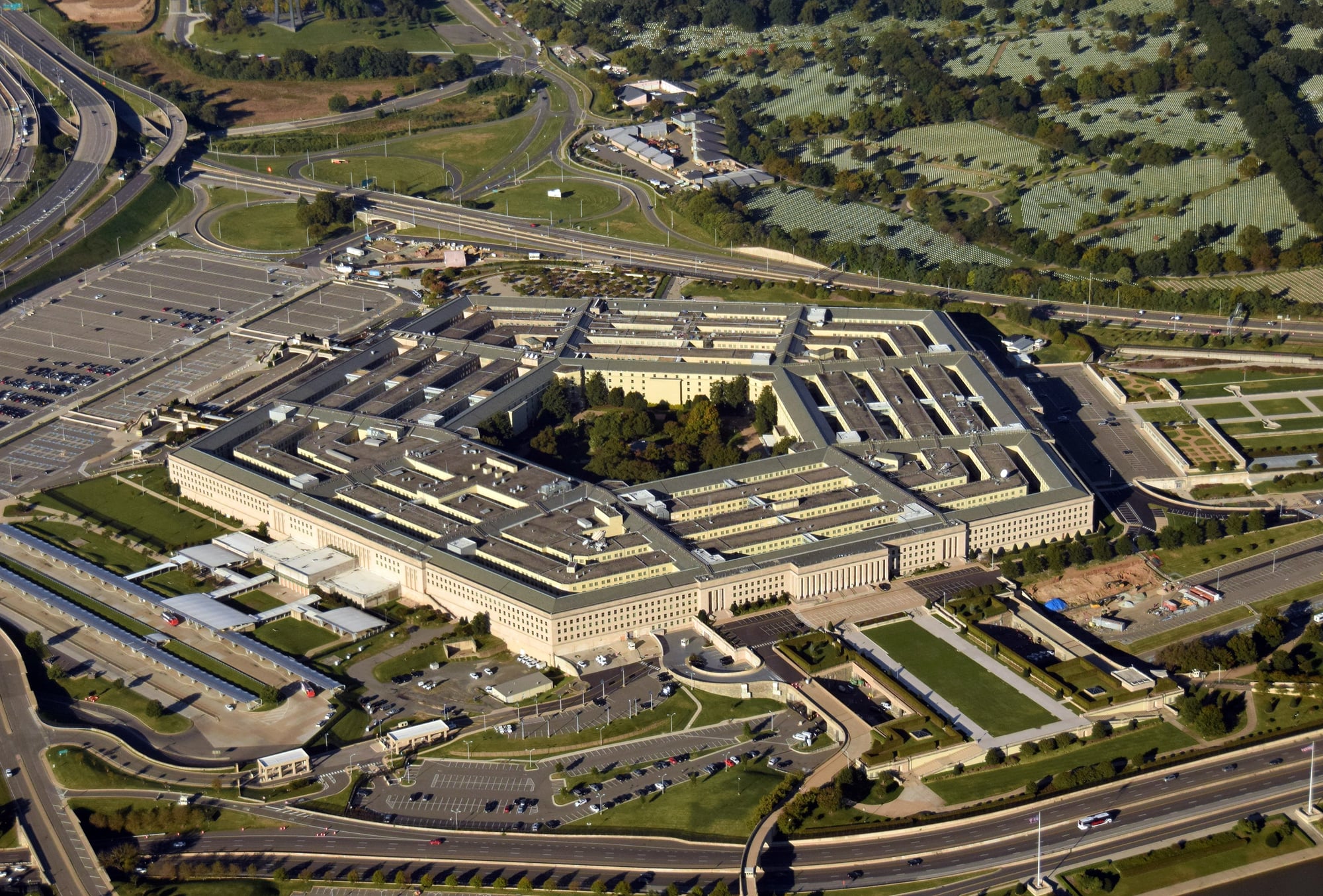
Calling it the Pentagon was never a foregone conclusion — the five-sided shape came from the original plot of land it was meant to occupy, a pentagonal piece of real estate in Arlington that was later abandoned in favor of a different site. And yet the design stayed, and so did the name, even after the reasoning behind both had dissolved.
The building’s official address for a while was simply “the War Department Building,” which is blunter than “Pentagon” but arguably more honest about what goes on inside.
St. Paul’s Cathedral
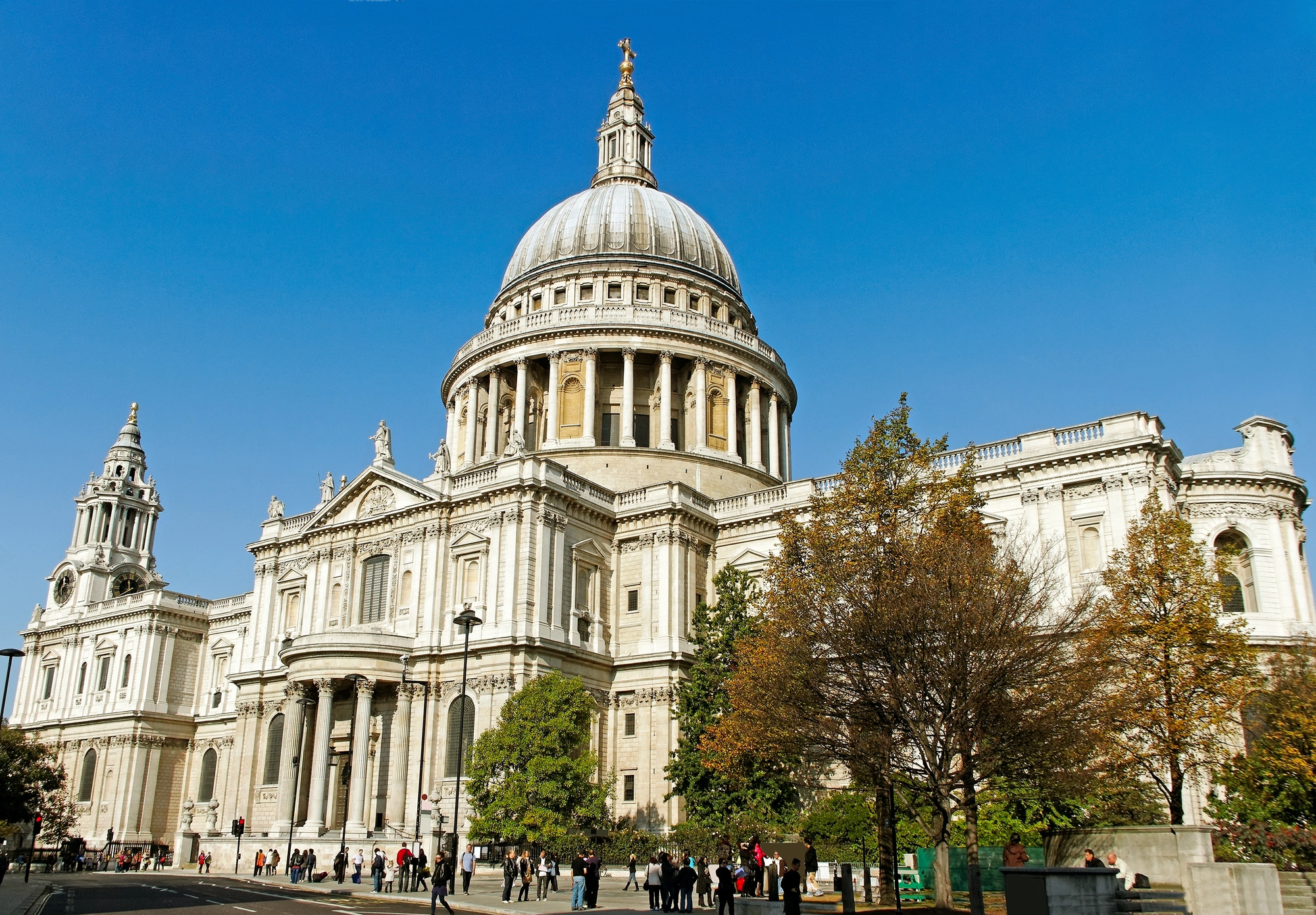
The current St. Paul’s Cathedral in London is the fourth building to occupy that site, and the name has stayed constant through all of them — but Christopher Wren’s rebuilt version, the one that survived the Blitz and became a symbol of British resilience, was nearly named something far more elaborate. Wren’s original rejected design, the so-called “Great Model” design, was conceived with a different Latin dedication phrasing that would have changed how the building was formally registered and publicly referred to in ecclesiastical documents.
The Church of England commissioners pushed back on the name and the design simultaneously, and what emerged from that argument is the dome-crowned cathedral that still stands today.
The Guggenheim Museum (New York)
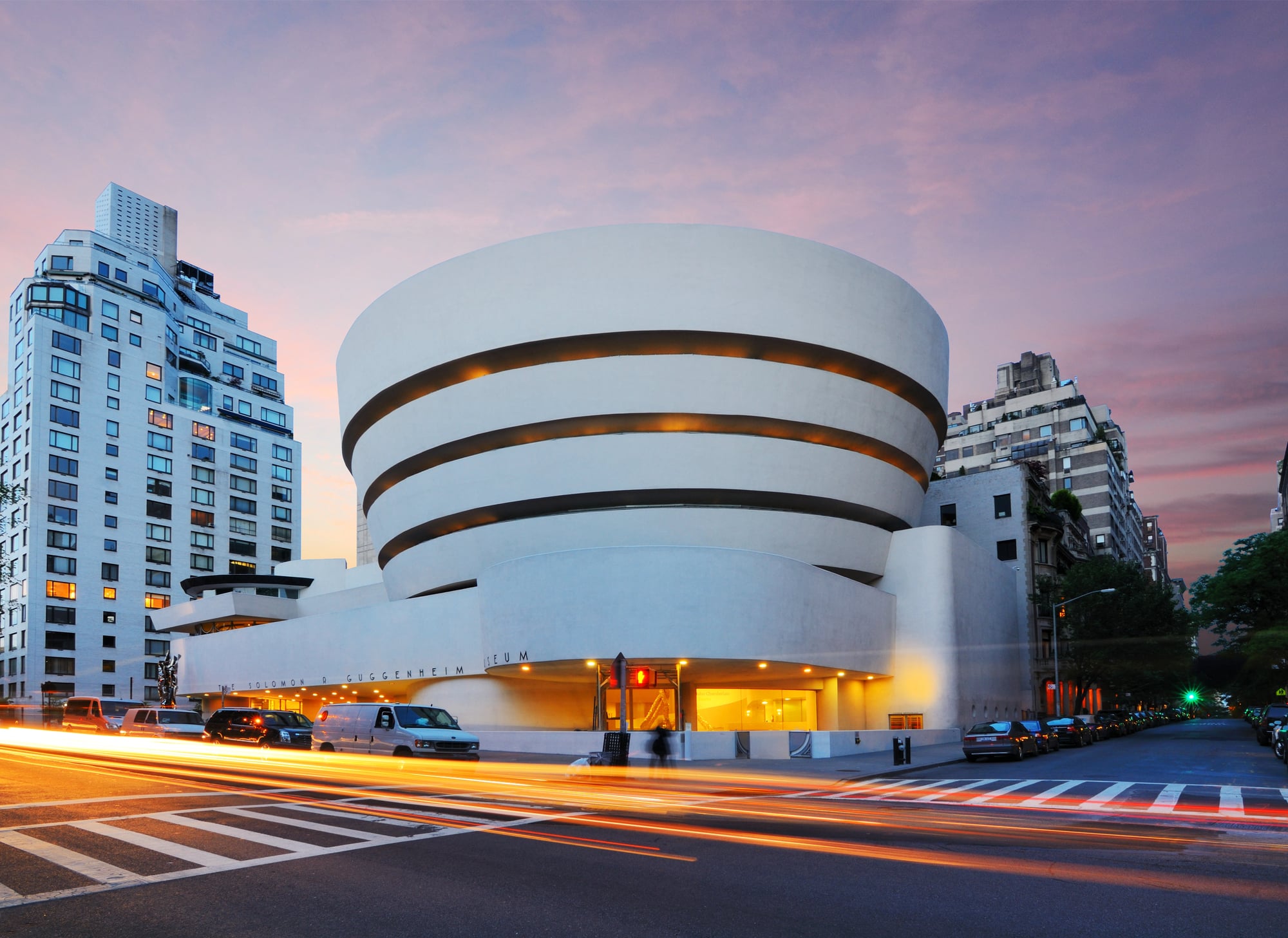
The building that Frank Lloyd Wright designed for New York was referred to internally for years as “the Museum of Non-Objective Painting,” which is what the Guggenheim Foundation’s collection actually was before Solomon Guggenheim’s name became the institutional brand. Wright’s correspondence called it various things across the sixteen years of planning and construction — sometimes just “the museum,” sometimes by the street address.
The name Guggenheim as a building identity only solidified after Solomon died in 1949, ten years before the building even opened.
The Colosseum
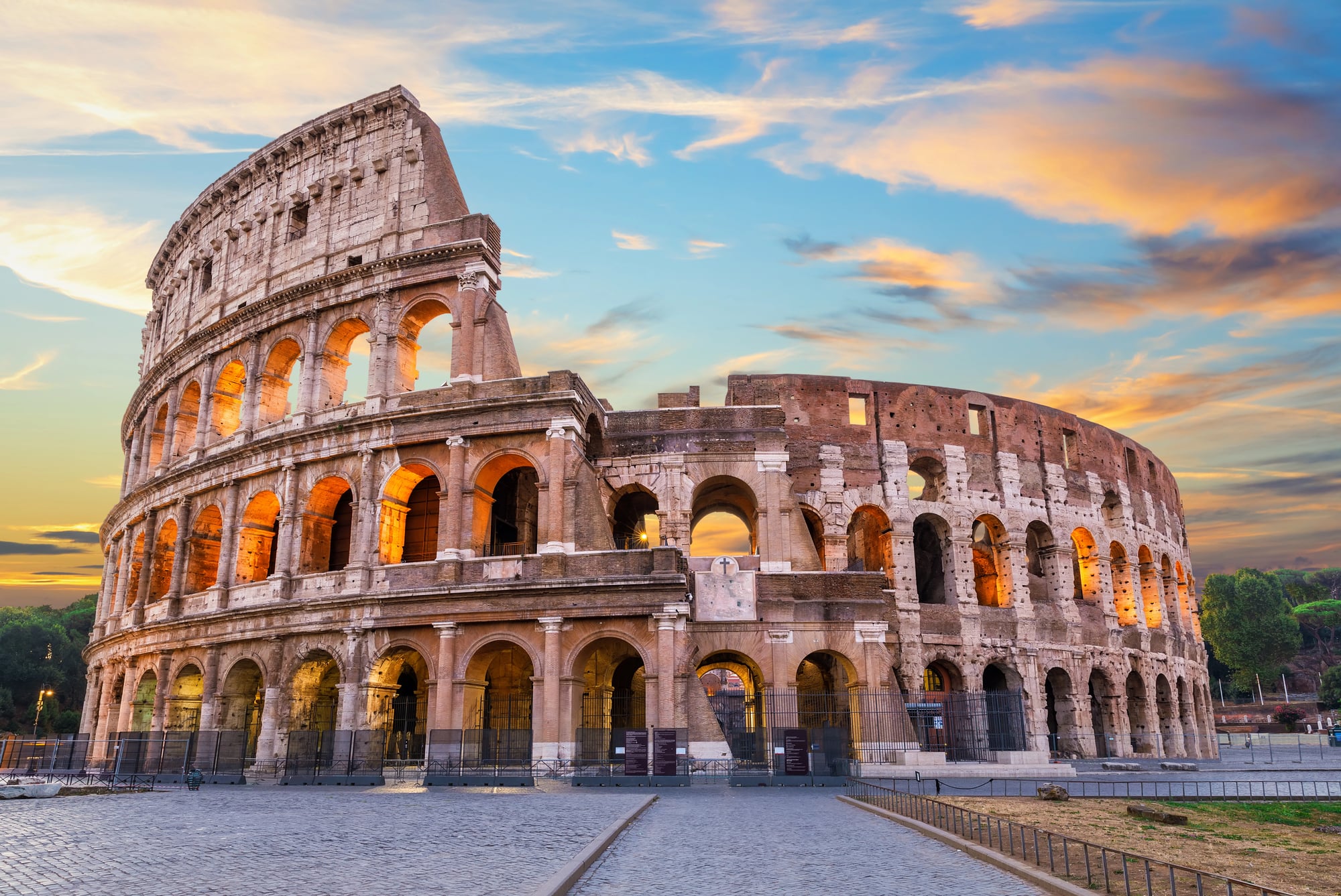
The building Romans called the Flavian Amphitheatre — named for the imperial dynasty that built it — sat with that name for centuries before “Colosseum” took over, a name that most historians trace to a colossal bronze statue of Nero that once stood nearby. That statue is long gone.
The name it lent to the building is still here, outlasting the object that inspired it by roughly 1,500 years, which is the kind of irony that only makes sense in Rome.
The Sydney Opera House
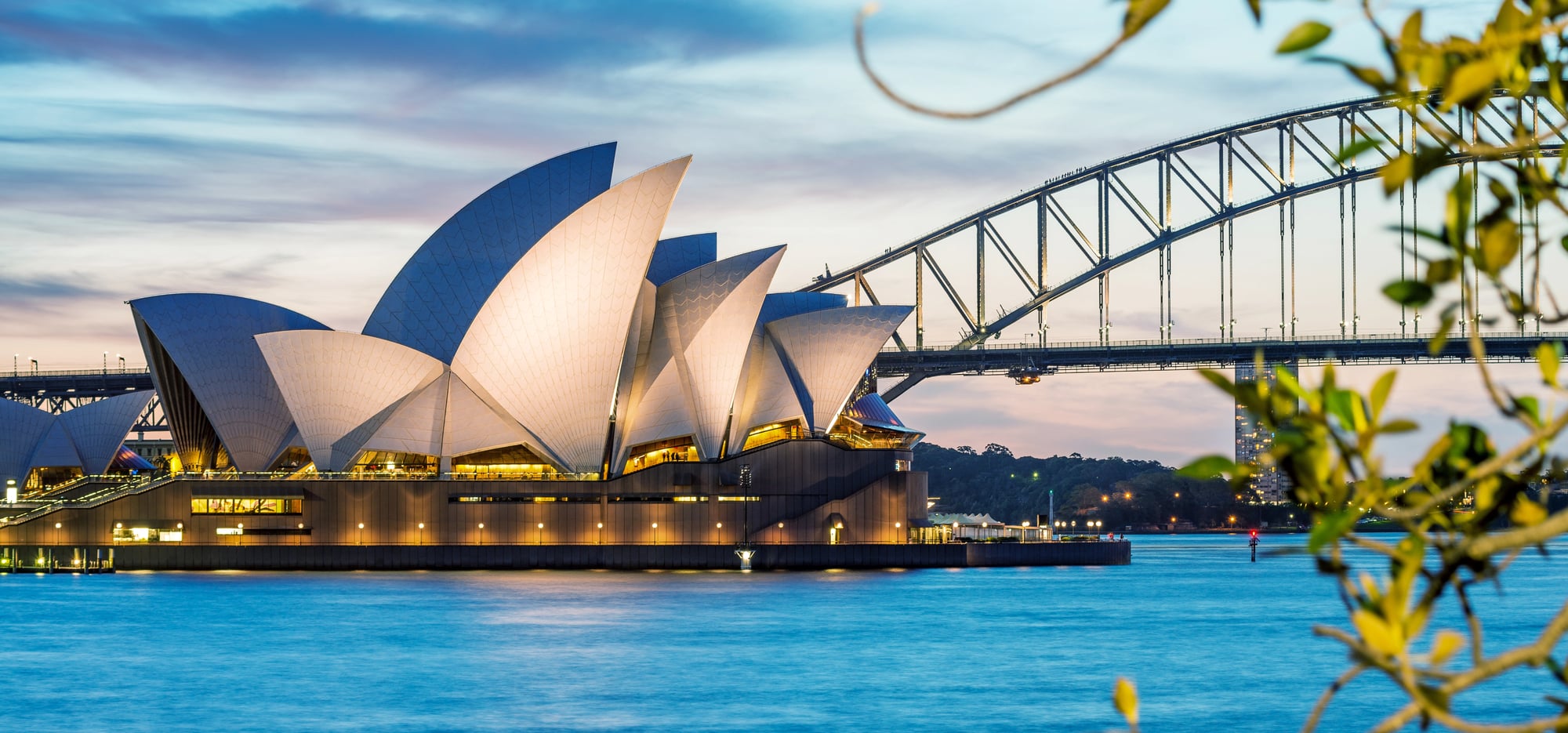
Jørn Utzon’s competition entry that won the commission in 1957 had no building name attached to it — the project was formally known as “the Sydney Opera House” almost immediately, but before the competition, internal government documents referred to it as “the proposed multi-purpose hall at Bennelong Point.” Bennelong Point was nearly the name the building carried: simple, geographic, unmemorable.
The phrase “opera house” was functionally descriptive at first, not aspirational, and the building’s programming has always been broader than opera anyway — which makes the name quietly misleading in the best possible way.
The Flatiron Building
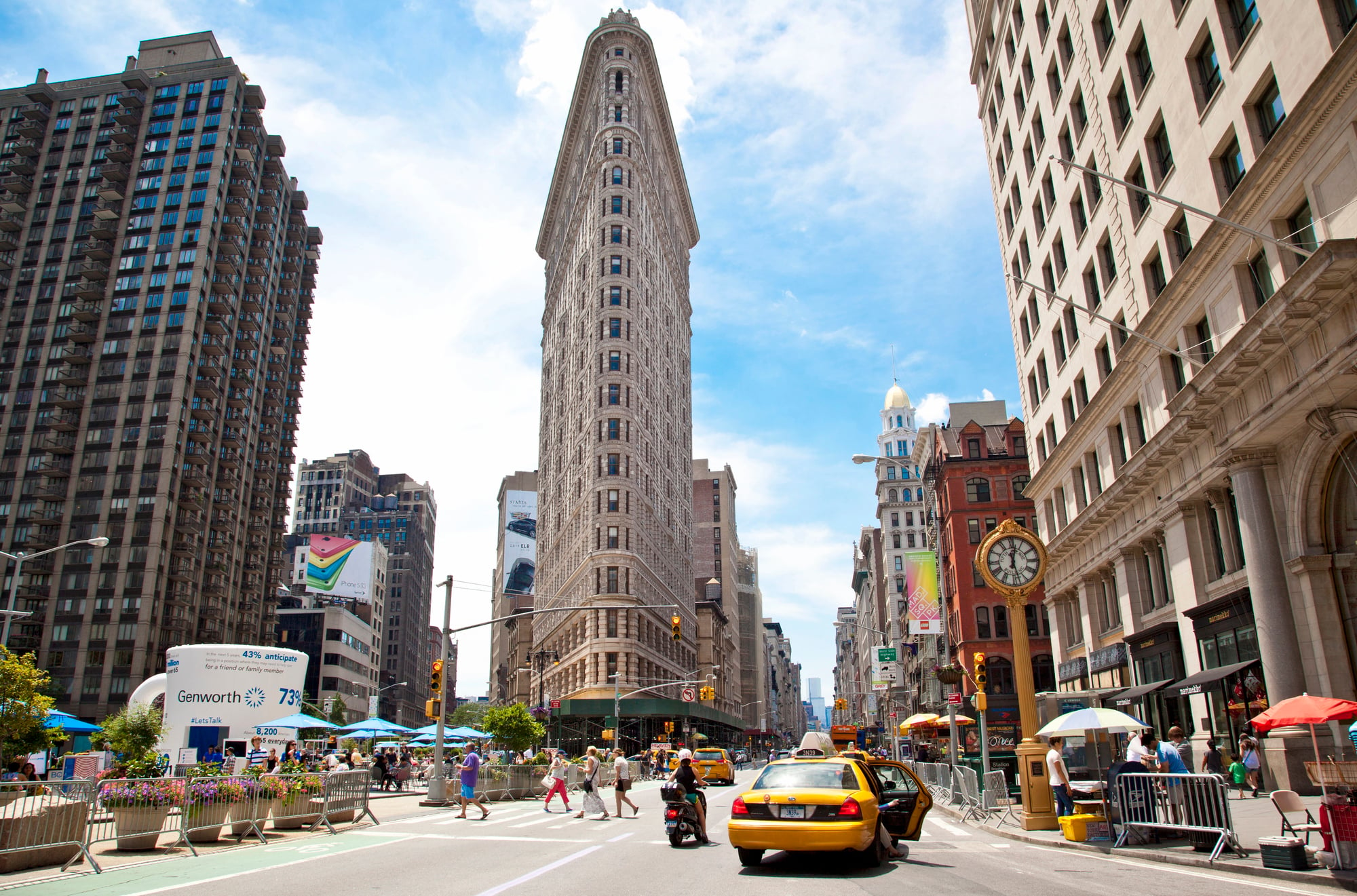
Before “Flatiron” stuck, the building went by its formal name: the Fuller Building, after the Fuller Construction Company that built it. The company’s founder, George Fuller, had actually died before the building was completed, so the Fuller name was partly a memorial gesture.
New Yorkers, indifferent to memorials and reliable at noticing the obvious, looked at the wedge-shaped structure and started calling it the Flatiron almost immediately. The Fuller name still appears in the original deeds.
Nobody uses it.
The Sagrada Família
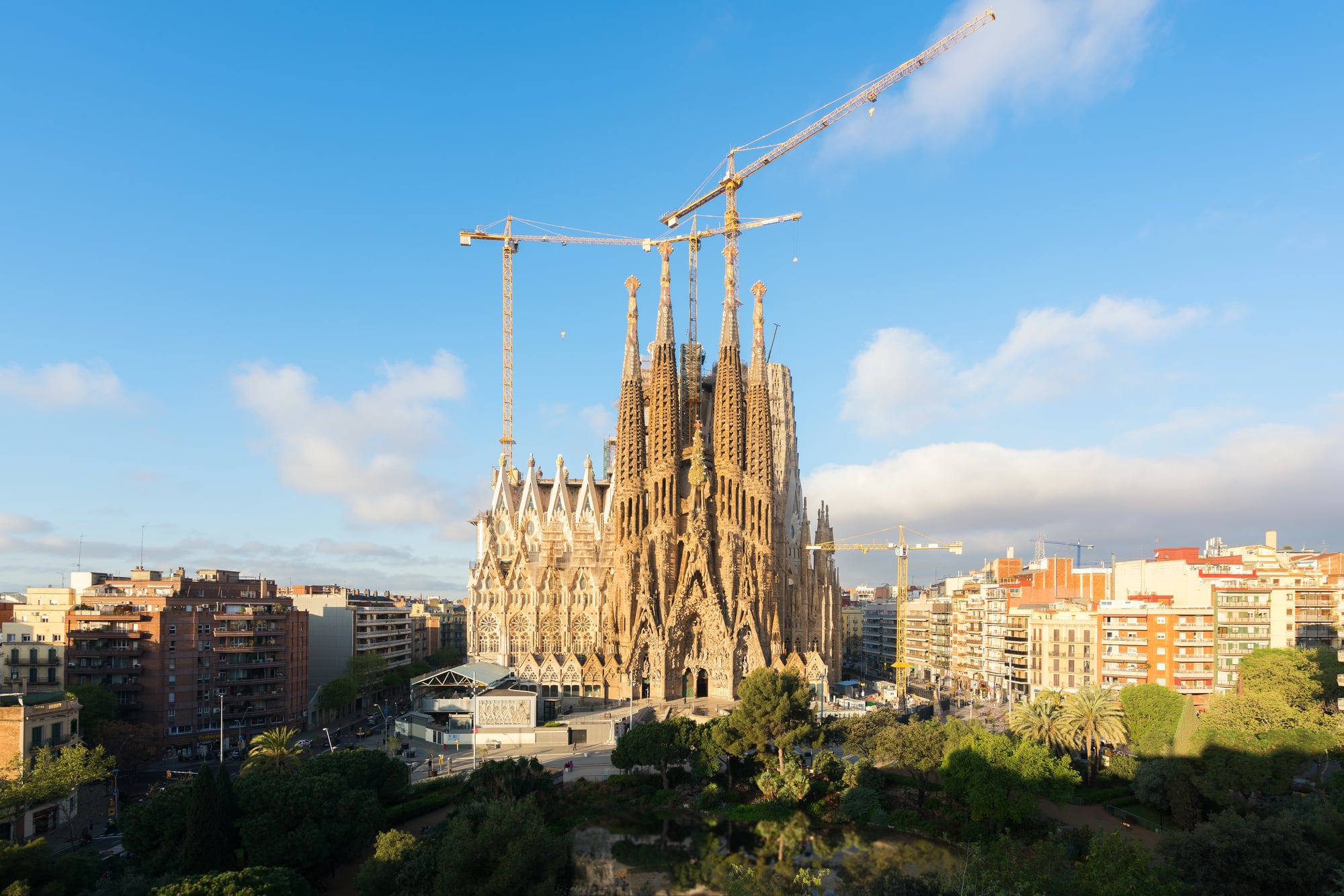
The full official name of Antoni Gaudí’s cathedral is the “Temple Expiatori de la Sagrada Família,” and that name has been fixed since the project’s founding in 1882 — but Gaudí himself referred to it in early notebooks simply as “the great temple,” without the Sagrada Família dedication, because the project changed scope dramatically after he took it over. The original architect, Francisco de Paula del Villar, had a more modest structure in mind with a different formal title that wouldn’t have carried the same weight.
Gaudí’s vision made the name inevitable, even before the building was anywhere close to what it is now.
The Space Needle
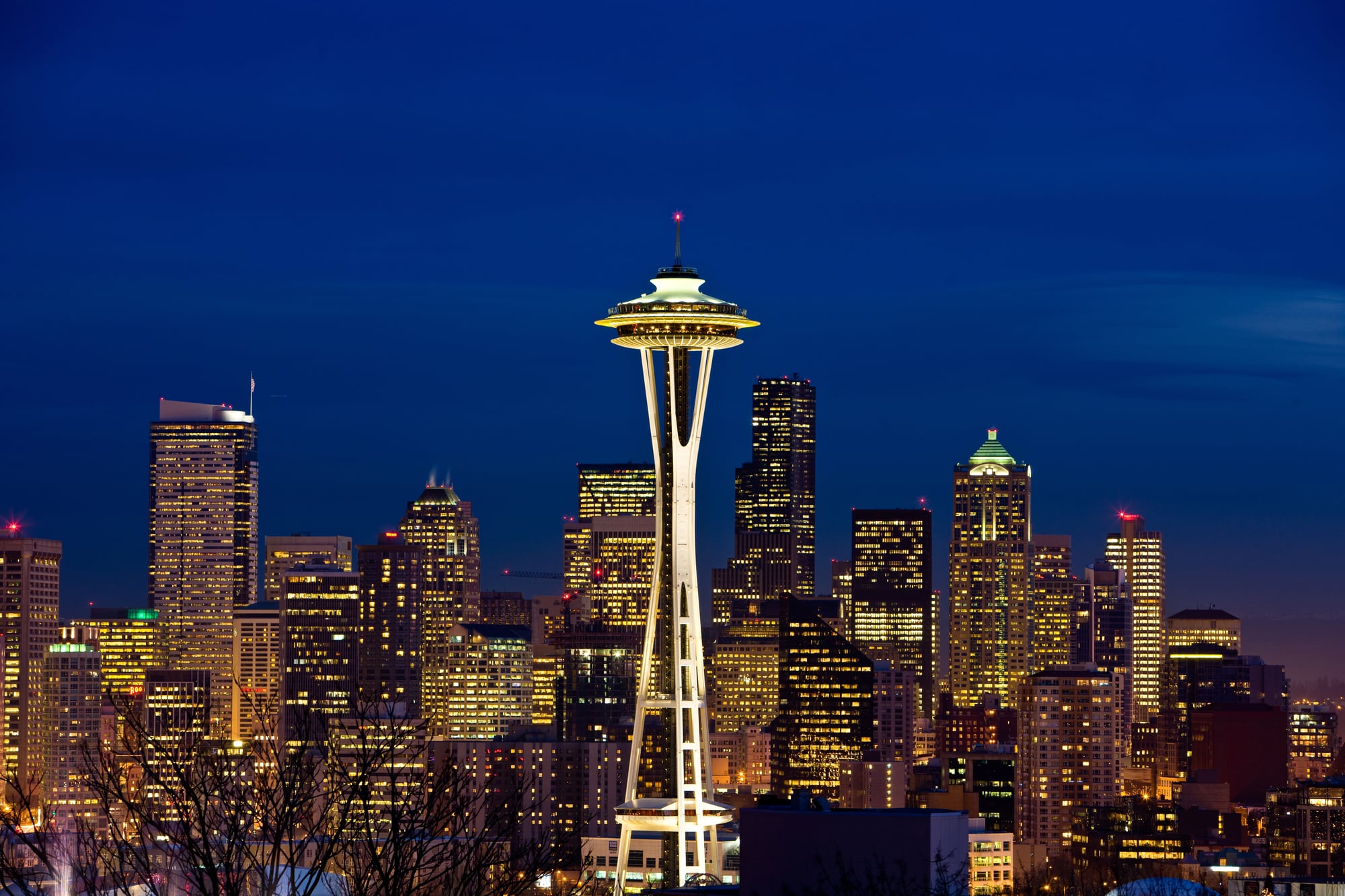
Seattle’s Space Needle went through a series of names during the planning process for the 1962 World’s Fair, including “Century 21 Tower” — a direct tie-in to the fair’s theme — and at one point simply “the tower.” Edward Carlson, the man behind the original concept, sketched his idea on a napkin and called it “the Space Cage,” a name that has the energy of a B-movie prop rather than a civic landmark.
“Space Needle” was settled on partly because it described the shape without requiring you to imagine it. Sharp. Simple.
It stayed.
The Louvre
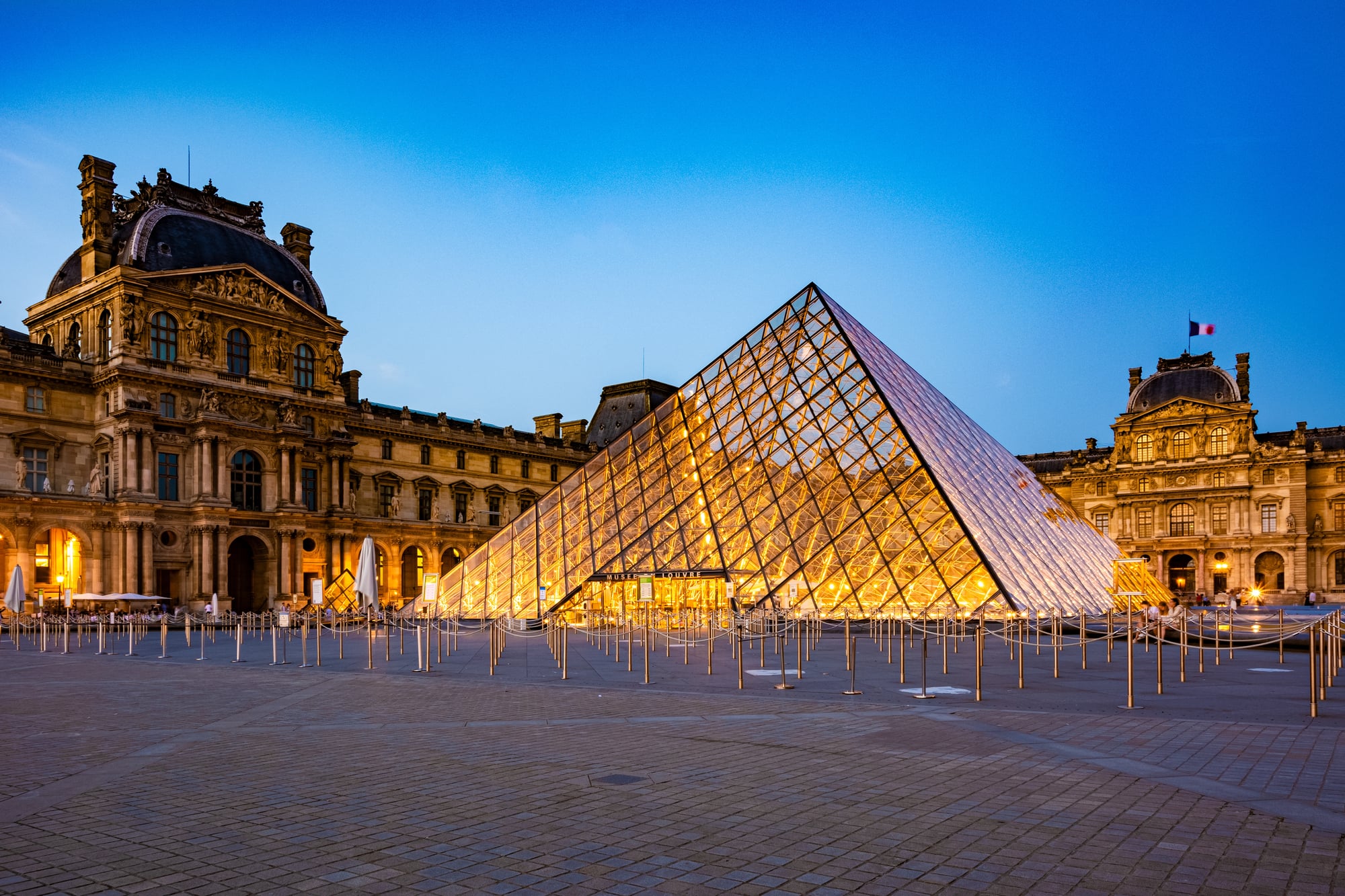
The building that houses the world’s most visited art museum began as a medieval fortress in the 12th century, and the name “Louvre” predates the art collection by about six hundred years — its etymology is genuinely disputed, with theories ranging from a Saxon word meaning “fortress” to a corruption of an older Latin term. During the French Revolution, when the palace was formally opened to the public as a museum, there was serious discussion about naming it after the Revolution itself or after the French Republic, giving it a name more ideologically charged than a word nobody could fully explain.
The old name won, for no particular reason except inertia and the fact that Parisians were already using it.
The Big Ben Clock Tower
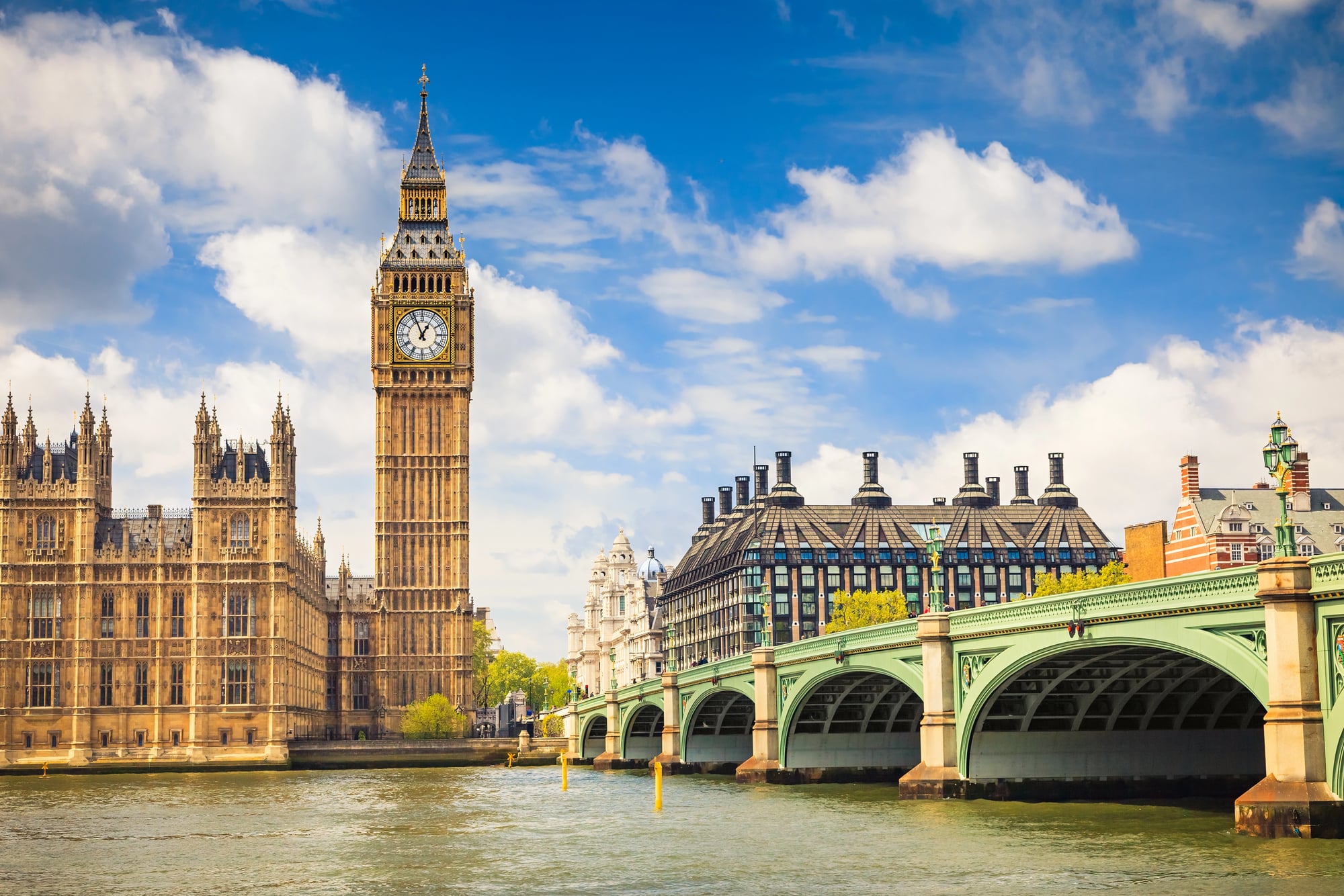
“Big Ben” has always been the nickname for the bell, not the tower — a distinction that almost resulted in the tower carrying a completely different public identity. The tower itself was nameless for most of its existence, referred to only as “the Clock Tower” in official documents.
In 2012, it was formally renamed the Elizabeth Tower in honor of Queen Elizabeth II’s Diamond Jubilee. So in a technical sense, the building called “Big Ben” by the entire world is now officially named something else, and “Big Ben” — which was never the tower’s name to begin with — remains the name everyone actually uses.
Where Names Come From
A building’s name is rarely the most considered decision in the room. It arrives through compromise, stubbornness, geography, or the casual habits of the people who walk past it every day.
The architects spend years on the structure, the engineers solve problems that have no precedent, and then someone scribbles a name on a document and that’s what it’s called forever. Some names are chosen.
Some are earned. And some — like Flatiron, like Colosseum — are simply recognized, the way you recognize something that was always true but nobody had said out loud yet.
The name catches up to the building, not the other way around.
More from Go2Tutors!

- The Romanov Crown Jewels and Their Tragic Fate
- 13 Historical Mysteries That Science Still Can’t Solve
- Famous Hoaxes That Fooled the World for Years
- 15 Child Stars with Tragic Adult Lives
- 16 Famous Jewelry Pieces in History
Like Go2Tutors’s content? Follow us on MSN.