Unusual Ways People Measured Time
Before clocks hung on every wall and sat on every wrist, people found creative ways to track the passing hours. Some methods seem obvious in hindsight.
Others reveal just how inventive humans can be when they need to solve a problem. The desire to measure time has driven innovation for millennia, and not all solutions involved sundials or hourglasses.
Some were weird, wonderful, and occasionally disgusting.
Candle Clocks
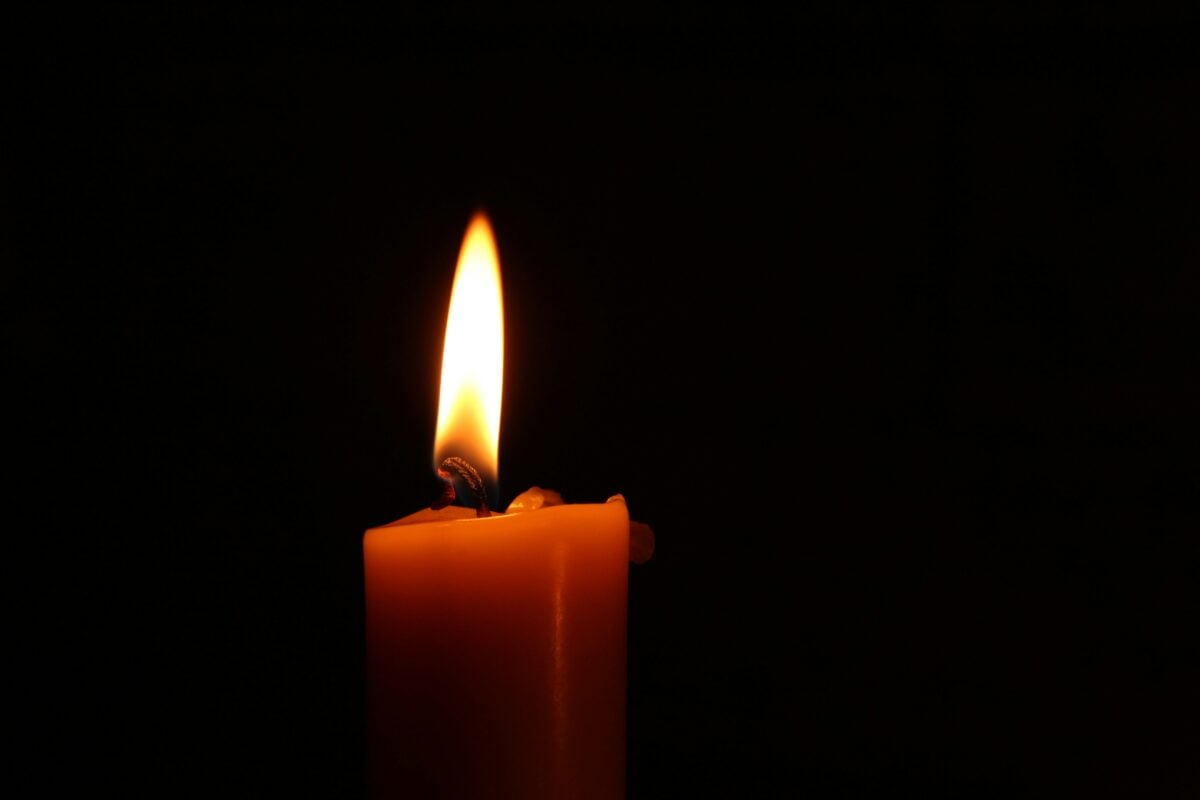
Medieval monasteries needed to track prayer times throughout the night. Candle clocks provided a simple solution.
Monks marked candles at regular intervals, and as the wax burned down, they could see how much time had passed. King Alfred the Great supposedly used candle clocks in the 9th century.
He had candles made to specific measurements, each one designed to burn for exactly four hours. Six candles would last 24 hours if you lit them consecutively.
The method had problems. Drafts made candles burn unevenly.
Different wax qualities affected burn rates. But for rough timekeeping in an era without better options, candle clocks worked well enough that people used them for centuries.
Incense Clocks
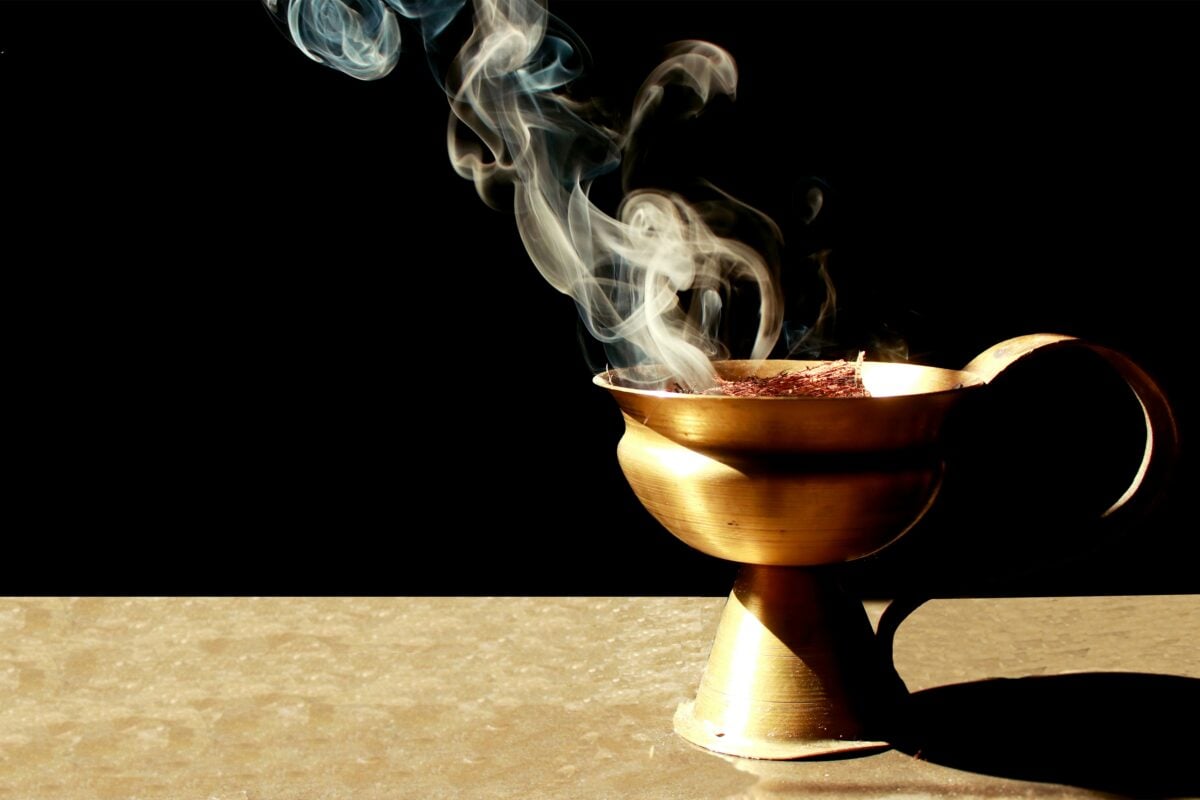
Chinese inventors took the candle clock concept further by using incense. They shaped incense into elaborate spirals or mazes that burned slowly and predictably.
Some designs included threads at specific points along the incense trail. When the fire reached a thread, a small weight attached to it would drop with a loud clink, marking the hour.
Incense clocks had advantages over candles. They produced less light, making them useful for nighttime timekeeping without disturbing sleep.
They also smelled better than burning wax. Different incense types created different scents, so you could potentially identify the time of day by smell alone.
The Japanese developed their own version called a “geisha clock.” These measured the time geishas spent entertaining clients.
The geisha’s fee depended on how many incense sticks burned during the visit. Both parties could see the incense burning, making disputes over time less common.
Water Clocks
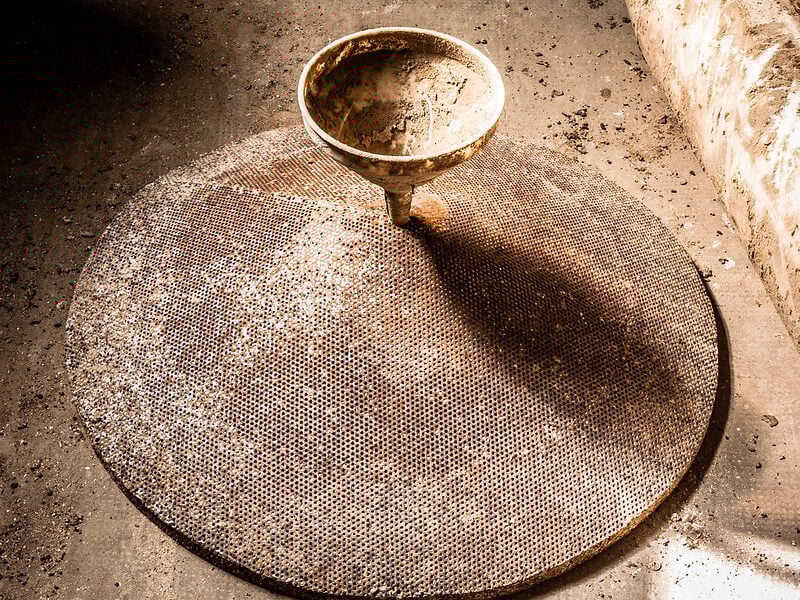
Ancient civilizations from Egypt to China used water clocks, or clepsydra. The simplest version involved a container with a small opening at the bottom.
Water dripped out at a constant rate, and markings on the inside showed how much time had passed as the water level dropped. More complex versions added gears, bells, and moving figures.
Some water clocks became elaborate mechanical wonders that told time, tracked astronomical data, and displayed the phases of the moon. The Tower of the Winds in Athens housed a water clock in the 1st century BCE that amazed visitors with its sophistication.
Water clocks had one major flaw in cold climates. The water froze.
People tried adding wine or oil instead, but these liquids behaved unpredictably. The freeze problem limited water clocks to warmer regions or indoor use during winter.
Merchant Ship Log Lines
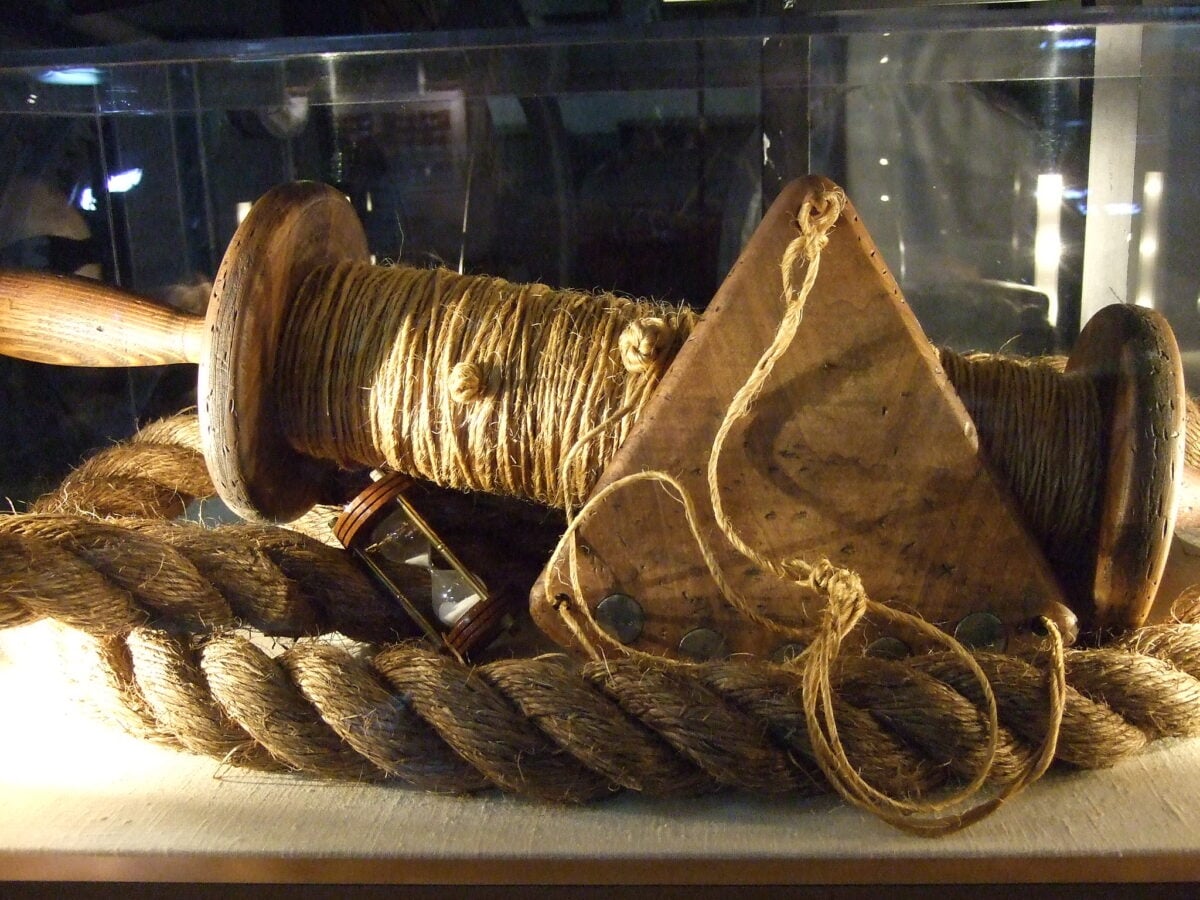
Sailors needed to know their ship’s speed to calculate distances traveled. They used a device called a chip log—a wooden board tied to a rope with knots at regular intervals.
A sailor would throw the board overboard and let the rope play out while another sailor used a sandglass to time how many knots passed through his hands. This gave speed in “knots”—the term we still use for nautical speed.
One knot equals one nautical mile per hour. The method required precise timing with a sandglass, usually 28 or 30 seconds, and careful measurement of the rope spacing. Ships used this technique well into the 20th century.
It was simple, required no complex equipment, and worked reliably if you did it correctly. The phrase “knot” as a measure of speed entered language through this practice.
Oil Lamp Measurements
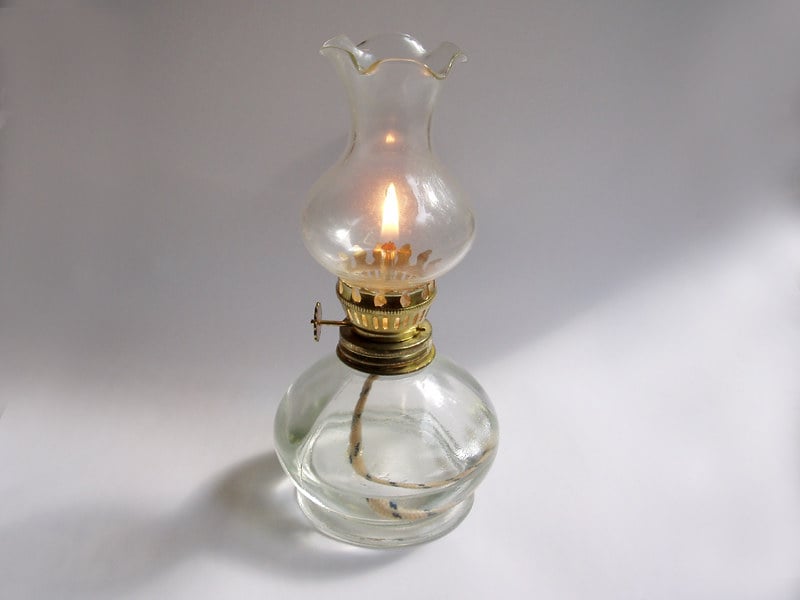
In some Mediterranean cultures, people measured time by oil lamp fuel consumption. A lamp holding a specific amount of oil would burn for a predictable duration.
This made oil lamps useful for timing work shifts, limiting meetings, or tracking night watch duties. The Romans supposedly used this method in legal proceedings. Lawyers received a set amount of oil for their lamp.
When the lamp went out, their speaking time was up. This prevented endless speeches and kept trials moving.
Like candle clocks, oil lamps had inconsistencies. Wick quality, oil type, and air circulation all affected burn rates.
But for rough measurements, the method served its purpose.
Pulse Counting
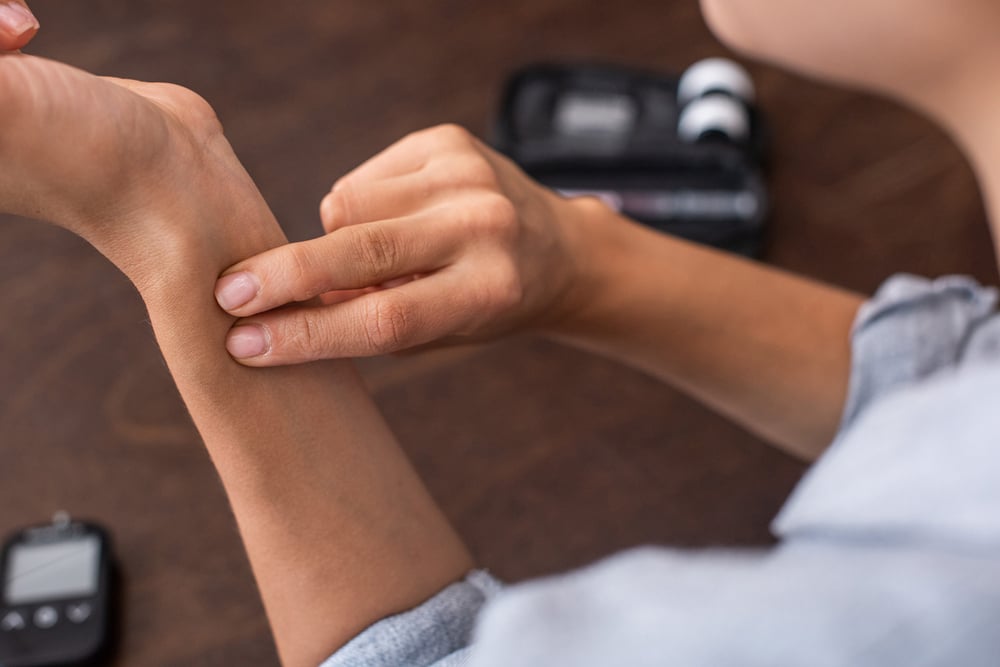
Ancient physicians sometimes measured short time periods by counting their own pulse beats. A doctor checking how long a patient could hold their breath might count heartbeats instead of watching a clock.
The method worked because a healthy adult’s resting heart rate stays relatively consistent. Galileo famously used his pulse to time the swinging of a chandelier in a cathedral.
This observation led to his work on pendulums and their regular periods of oscillation. His pulse provided the measuring tool that sparked a revolution in timekeeping.
The obvious flaw: pulses speed up with activity or stress. Counting your heartbeat while running gives a terrible time measurement.
But for a seated person measuring short intervals, pulse counting worked reasonably well.
Sun Daggers

Some ancient cultures created architectural features that tracked time through light and shadow. The Ancestral Puebloans at Chaco Canyon in New Mexico carved spiral petroglyphs that interacted with sunlight passing through rock slabs.
At solar noon on the summer solstice, a dagger of light bisected the spiral perfectly. These weren’t practical tools for everyday timekeeping.
They marked important dates—solstices, equinoxes, and other astronomical events. But they demonstrated a sophisticated understanding of the sun’s movement and the ability to measure time across seasons and years.
Similar structures appear worldwide. Stonehenge in England aligns with the summer solstice sunrise. The pyramids of Giza align with cardinal directions and certain stellar positions.
These monuments functioned as calendars, telling ancient peoples when to plant crops or perform rituals.
The Ammonia Clock

During the 1800s, some Norwegian farmers in winter darkness needed a morning alarm that didn’t require seeing a clock. They developed an ingenious solution using chemistry and their sense of smell.
Before bed, they’d place a piece of bread soaked in ammonia solution in a closed container, then put that container in a specific spot. Body heat from sleepers warmed the room gradually.
At a predictable time, the temperature rose enough to increase ammonia evaporation to detectable levels. The smell woke them up.
This method required understanding your home’s temperature patterns and adjusting ammonia concentration accordingly. It wouldn’t work in modern heated homes with thermostats, but in drafty farmhouses with dying fires, the temperature rose predictably as morning approached.
Roosters and Morning Prayers

Roosters crow at dawn with remarkable consistency. Many cultures treated rooster calls as a natural alarm clock.
The timing isn’t perfectly reliable—roosters sometimes crow at night if disturbed—but generally, they announce sunrise within a narrow window. Buddhist monks in some traditions still use roosters to signal morning prayers.
Christian monks relied on them before mechanical clocks. Farmers organized their day around rooster crows for millennia.
The phrase “cock crow” appears in religious texts and legal documents as a time marker everyone understands. Modern research shows roosters have internal circadian rhythms that anticipate dawn even without seeing light.
They don’t crow because they see the sun. They crow because their body tells them the sun is coming.
This makes them surprisingly accurate biological timepieces.
Shadow Sticks
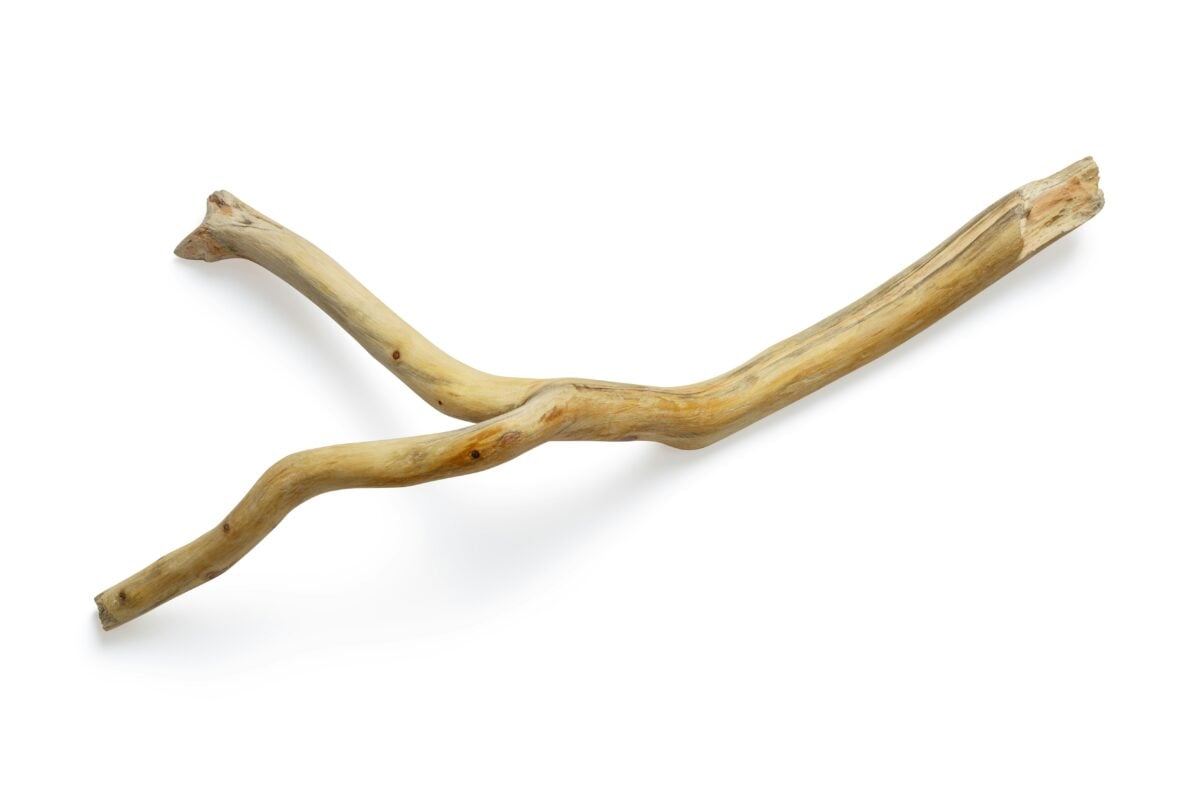
The simplest sundial is just a stick in the ground. The shadow moves predictably as the sun crosses the sky.
Ancient travelers carried portable shadow sticks to tell time anywhere with the sun. Shepherds watching flocks all day could estimate the time by their staff’s shadow.
Builders used shadow sticks to coordinate work crews. The method required no craftsmanship or equipment beyond a straight object and basic knowledge of shadow movement.
Of course, cloudy days made this useless. Night made it useless.
But for sunny days, a stick provided reliable timekeeping accessible to anyone, regardless of wealth or education.
Tidal Patterns

Coastal communities measured time by tides. Fishermen knew when tides would turn based on careful observation over years.
Tide patterns follow the moon’s cycle, repeating predictably though not in 24-hour increments. Island cultures developed sophisticated tide calendars that tracked fishing opportunities, navigation windows, and sacred times.
The knowledge passed orally through generations, often embedded in stories and songs that made the patterns easier to remember.
Tide tables exist now, calculated mathematically and printed in almanacs. But for thousands of years, human memory and observation provided the same information.
Communities whose survival depended on ocean access became experts at reading tidal rhythms.
Melting Ice

In desert regions with cold nights, people used melting ice to measure time. They’d freeze water in containers at night, then track how fast it melted during the day.
The melt rate stayed consistent under similar temperature conditions. This method worked best for specific tasks that needed timing—like mixing bread dough or steeping tea.
You’d freeze a piece of ice to a known size, start your task, and check if the ice had fully melted when you thought enough time had passed. Over time, you calibrated your ice sizes to your needs.
Inconsistent temperatures made this unreliable for precise measurements. But for rough approximations in hot climates where water clocks failed due to rapid evaporation, melting ice provided an alternative.
Prayer Beads and Recitation

Many religious traditions use repetitive prayer as a time measure. Saying a rosary takes roughly 15-20 minutes.
Reciting 108 mantras while moving through mala beads takes a predictable amount of time. This turned prayer into a dual-purpose activity—spiritual practice and timekeeping.
A person praying knew when a certain duration had passed. Guards on watch might pray through a full rosary cycle, then switch shifts.
Monks structured their days around multiple prayer sessions, each session taking a known length of time. The method required practice.
You had to recite at a consistent pace. But religious communities that prayed regularly developed natural rhythms that kept everyone synchronized even without mechanical clocks.
Human Ingenuity in the Absence of Precision
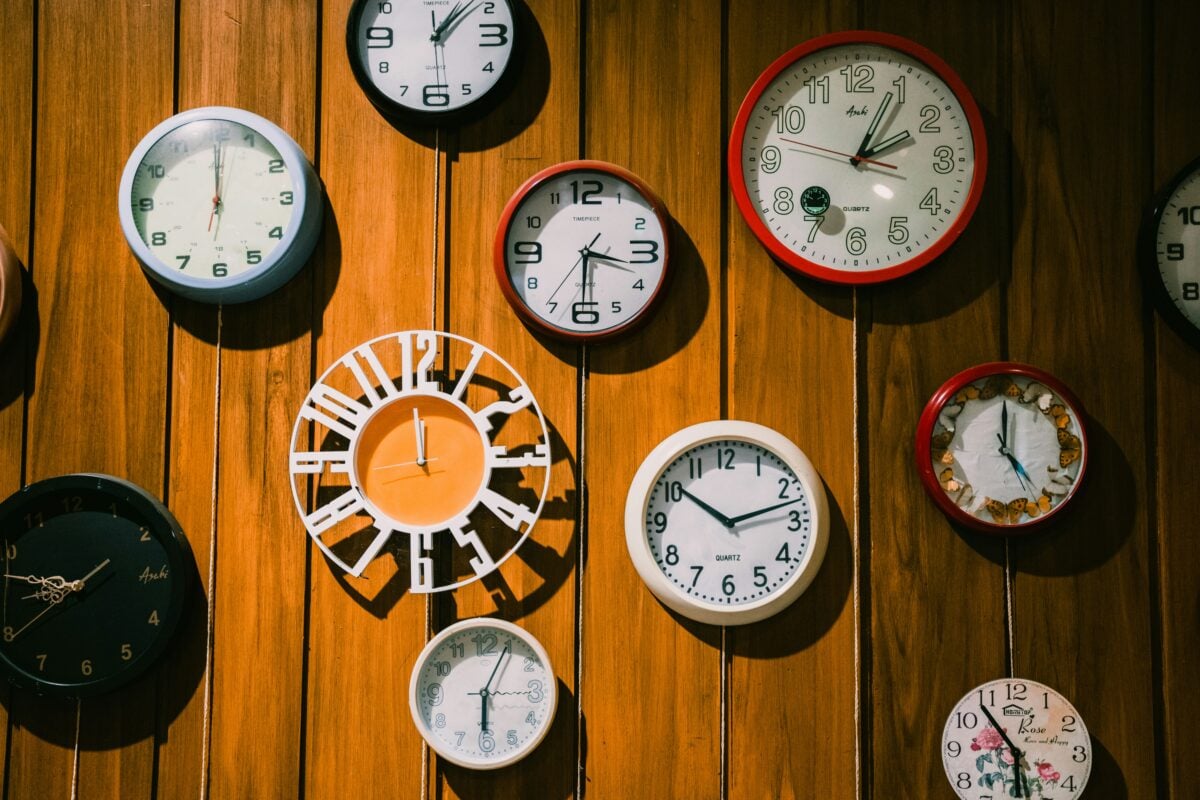
Nowadays, keeping time is all about being exact. While atomic clocks can track splits down to a billionth of a second, your smartphone stays synced with server updates nonstop – yet we rarely notice how much we depend on split-second precision.
Those old ways look basic now. Yet they fixed actual issues using what was on hand.
A monk from the Middle Ages wasn’t chasing split-second accuracy. His main concern?
Figuring out when to rise for prayer at night. And that’s exactly where a simple candle clock worked just right.
The range of techniques shows how good humans are at noticing things. Since roosters crow at regular times, folks used them as signals.
Pulses kept a steady rhythm, so they turned body beats into timing tools. Incense burned evenly, making it useful for measuring minutes.
Trial and error helped shape solutions based on surroundings and daily demands. Some ways got replaced once we found smarter options.
Meanwhile, certain practices faded when daily life changed too much. For instance, sailors quit using wooden logs to check speed since GPS now shows it right away.
Likewise, farmers stopped counting on roosters – alarm clocks are always on time. Yet the core urge these tricks tackle is just the same.
Our days still follow clocks. Scheduling tasks, tracking how long stuff takes, knowing what comes next – these stay key.
Tools got better, yet the challenge stayed put. Peeking into the past shows how lately we’ve gotten things like accuracy and ease.
Most folks across time just used whatever came handy. Instead of clocks, they tracked sun shadows or even their pulse.
Sometimes, they’d rely on sharp smells – like urine left out to air. Still, this rough way lets them rise cities, cross seas, plus keep life running together.
Your wristwatch’s probably better than a melting ice cube, yet back then, the ice cube worked just fine. That matters
More from Go2Tutors!

- The Romanov Crown Jewels and Their Tragic Fate
- 13 Historical Mysteries That Science Still Can’t Solve
- Famous Hoaxes That Fooled the World for Years
- 15 Child Stars with Tragic Adult Lives
- 16 Famous Jewelry Pieces in History
Like Go2Tutors’s content? Follow us on MSN.