Famous Castles That Hold Untold Legends
Castles have always captured imaginations with their towering walls and mysterious histories. These ancient fortresses stand as silent witnesses to centuries of drama, intrigue, and unexplained events.
While most people know the basic facts about famous castles, the real stories often hide in dusty archives and local folklore that rarely make it into guidebooks.
Neuschwanstein Castle
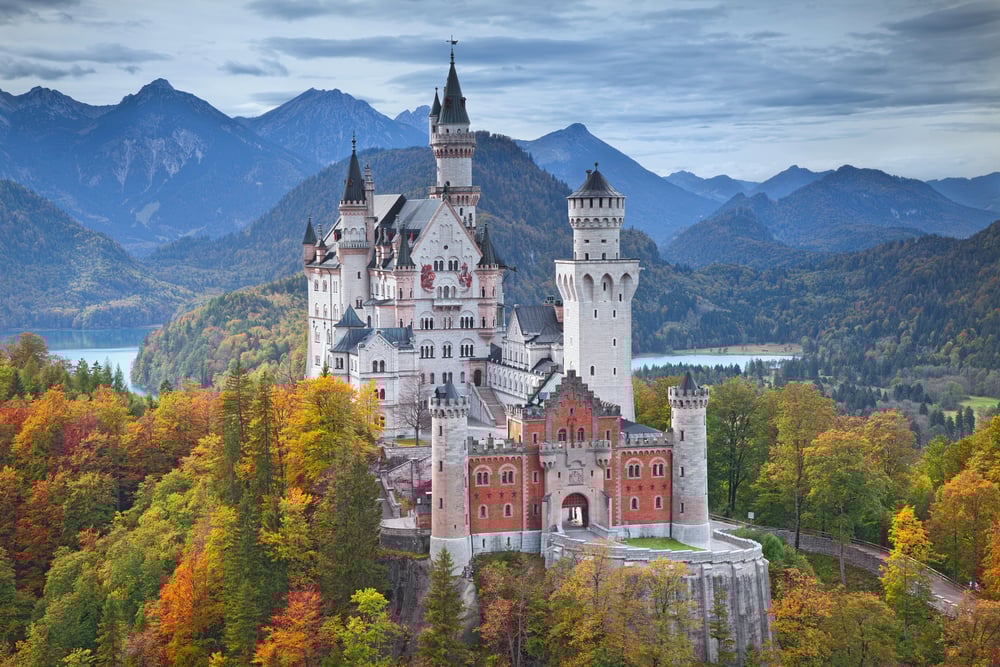
Most visitors know this Bavarian castle inspired Disney’s Sleeping Beauty Castle, but few realize King Ludwig II built secret passages throughout the structure. The king installed an elaborate communication system using hidden tubes that allowed him to speak to servants without being seen.
Ludwig’s obsession with privacy extended to a dining table that could be lowered through the floor to avoid interaction with staff during meals. The castle’s fairy tale appearance masks a darker truth about Ludwig’s declining mental state and the political pressures that eventually led to his mysterious death in nearby Lake Starnberg.
Edinburgh Castle

The ancient fortress sits on an extinct volcano, but local legends claim something far more interesting lurks beneath. During renovations in the 1990s, workers discovered a network of tunnels that seemed to lead deep into the volcanic rock.
A piper was sent down to explore the passages, playing his instrument so people above could track his progress. The music suddenly stopped halfway down the Royal Mile, and the piper never returned.
Like Go2Tutors’s content? Follow us on MSN.
Château de Brissac
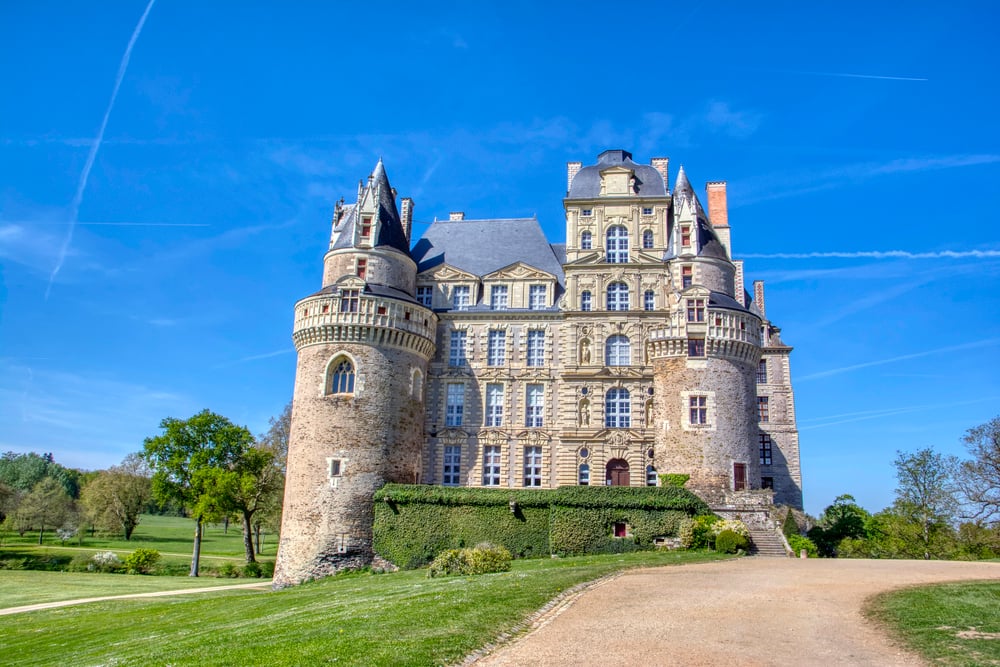
Known as the “Green Lady’s Castle,” this French château harbors one of Europe’s most persistent ghost stories. The Green Lady appears in the tower room, always wearing the same emerald dress from centuries past.
Her face shows only dark eye sockets and a gaping mouth where her nose should be. The current duke’s family has grown accustomed to their otherworldly residence, often setting an extra place at dinner just in case she decides to join them.
Predjama Castle
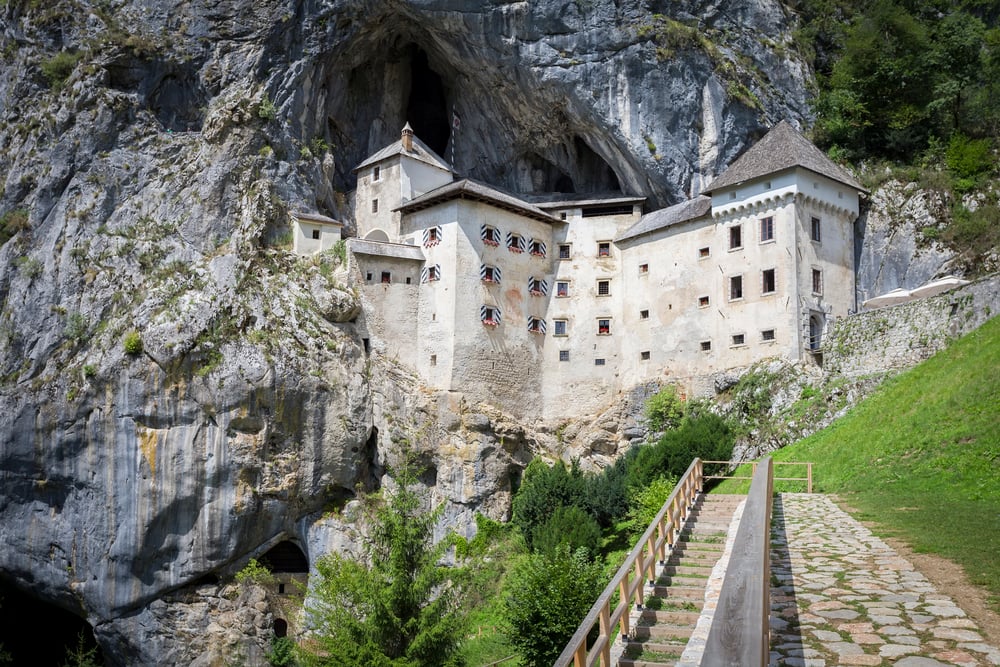
This Slovenian castle built into a cliff face conceals a network of natural caves behind its walls. The most famous resident, knight Erazem Lueger, used these caves to smuggle supplies during a siege that lasted over a year.
He would disappear from the castle and reappear with fresh food, driving his enemies to distraction. Erazem’s downfall came through betrayal when a servant hung a flag from a specific window to signal when the knight was using the bathroom.
Leap Castle
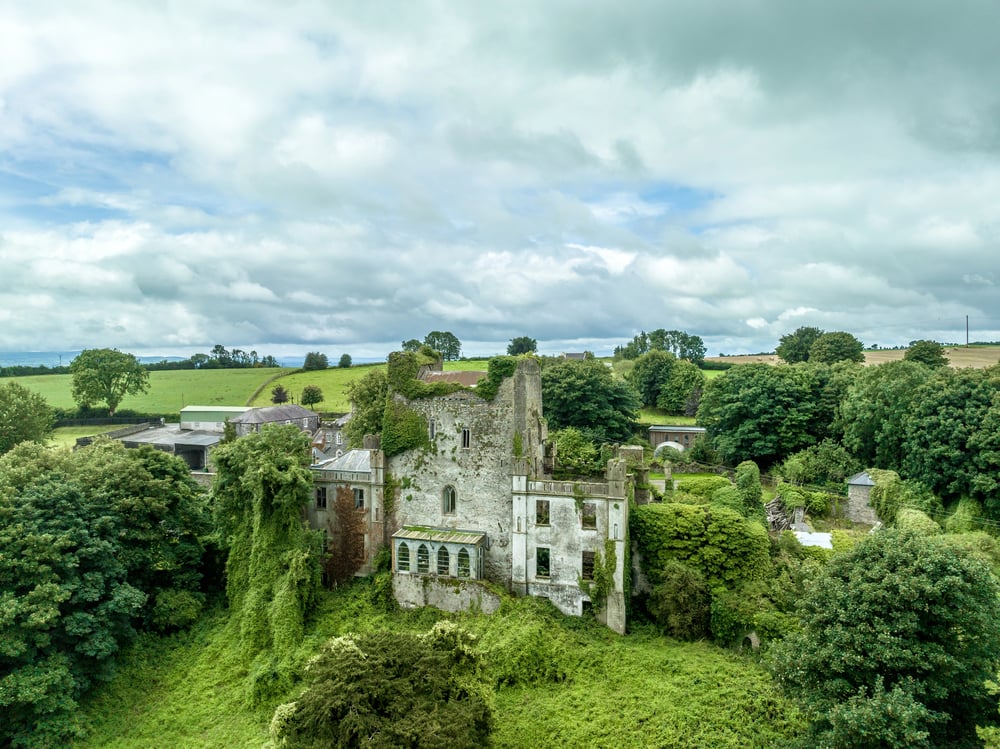
This Irish castle earned the title “most haunted castle in the world” through centuries of violent family feuds. The Bloody Chapel got its name from a massacre during a family meeting when one brother killed another right at the altar.
Construction workers renovating the castle in the early 1900s discovered a hidden dungeon filled with human skeletons. The oubliette, a pit designed to trap prisoners, contained so many bones that it took three cartloads to remove them all.
Like Go2Tutors’s content? Follow us on MSN.
Himeji Castle
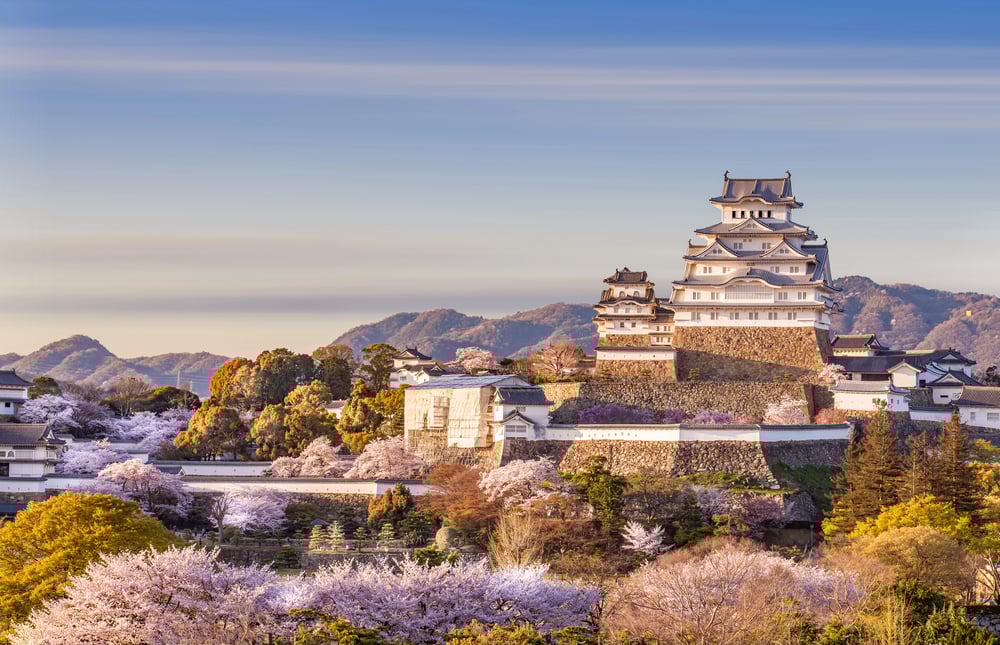
Japan’s most famous original castle holds secrets within its seemingly simple white walls. The builders incorporated a complex maze of dead ends, hidden doors, and false floors to confuse invading armies.
Warriors could hide behind seemingly solid walls and attack enemies from unexpected angles. The castle’s well contains a legend about Okiku, a servant girl who broke one of ten precious plates and was thrown down the well as punishment.
Peles Castle
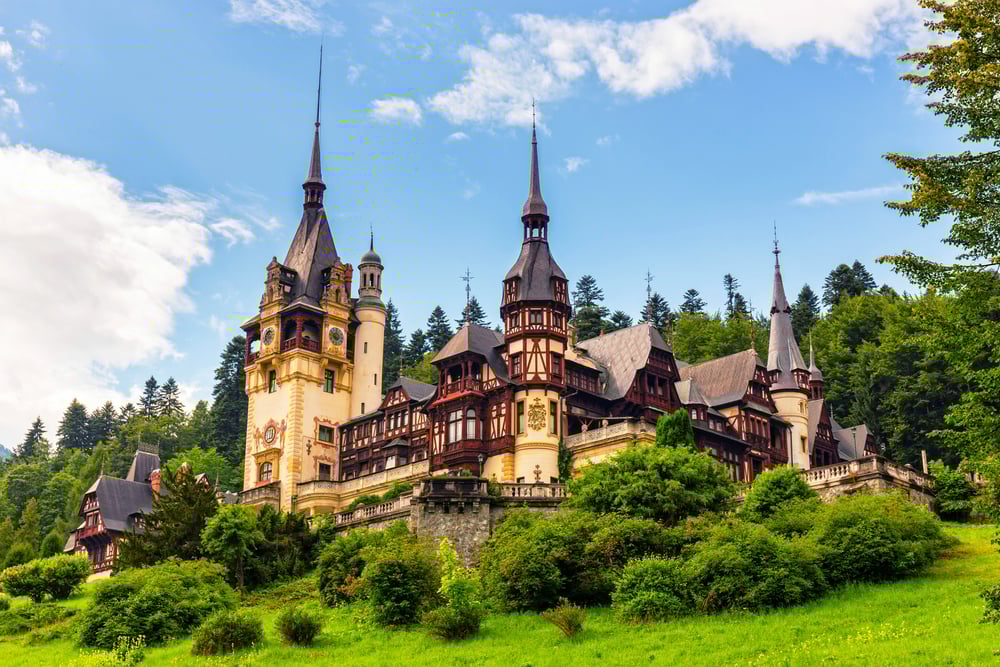
This Romanian castle looks like something from a fairy tale, but King Carol I filled it with the latest technology of his era. The castle featured one of Europe’s first electrical systems, a central vacuum cleaning system, and speaking tubes connecting every room.
The king’s paranoia about assassination attempts led him to install secret passages and hidden rooms throughout the building. One room contains a collection of armor that includes pieces specifically designed to protect against different types of poison.
Warwick Castle
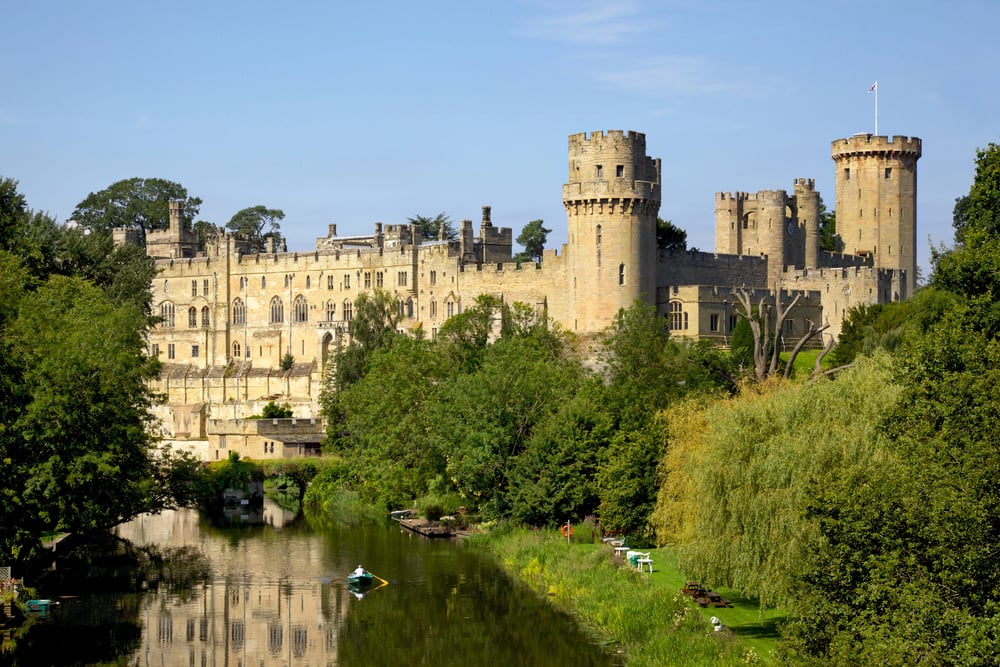
The English fortress contains a torture chamber that most tourists never see. The castle’s dungeons showcase medieval punishment methods that seem too cruel to be real.
The oubliette here could hold prisoners for decades, with only a small opening at the top for food and waste removal. Guy’s Tower houses the remains of what might be England’s most elaborate execution chamber, complete with devices whose purposes historians still debate.
Like Go2Tutors’s content? Follow us on MSN.
Kilkenny Castle
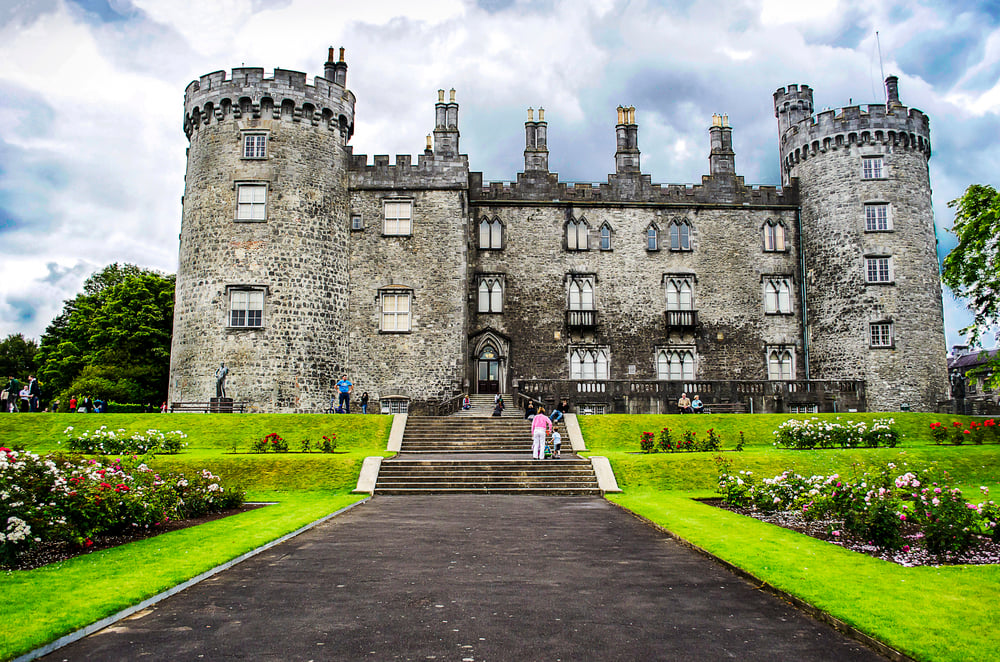
This Irish stronghold conceals a library that contains books bound in human skin, a practice more common in medieval times than most people realize. The castle’s Long Gallery stretches 150 feet and contains portraits of family members, but local legend claims some faces in the paintings change expressions when no one is watching.
The Parade Tower houses a collection of weapons that includes several cursed swords, according to the staff who work there. Strange sounds from empty rooms and sudden temperature drops make the castle a favorite among paranormal investigators.
Bran Castle
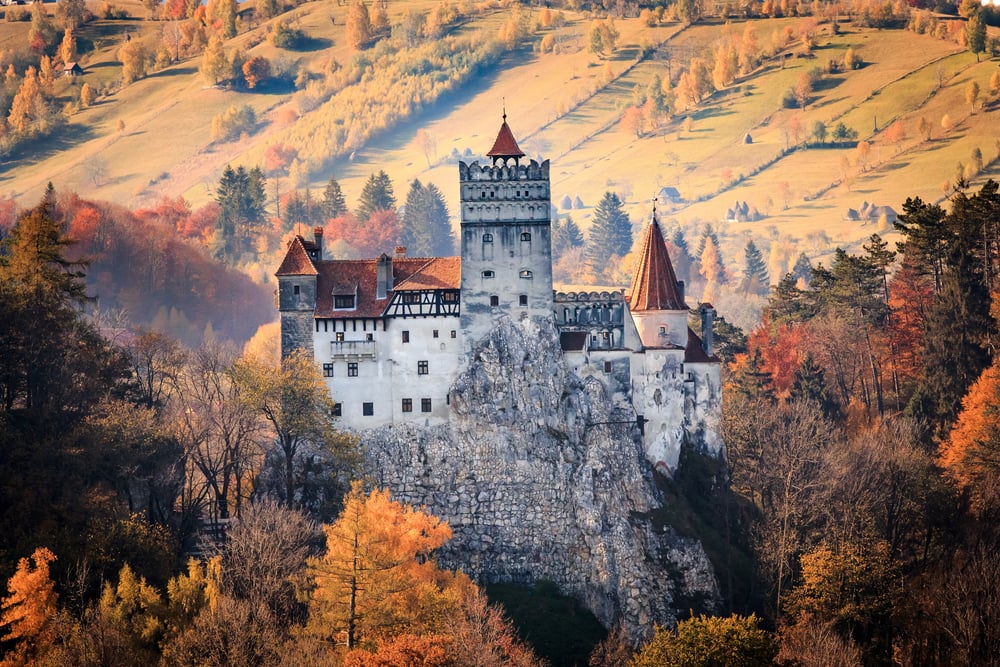
While tourists flock here expecting Dracula connections, the castle’s real history proves far more interesting than fiction. The structure served as a customs point between Wallachia and Transylvania, giving it strategic importance for centuries.
Queen Marie of Romania transformed the castle into a royal residence and filled it with treasures from around the world. The castle’s secret passages allowed residents to move between floors without using the main stairs, and some of these hidden routes remain sealed today.
Conwy Castle
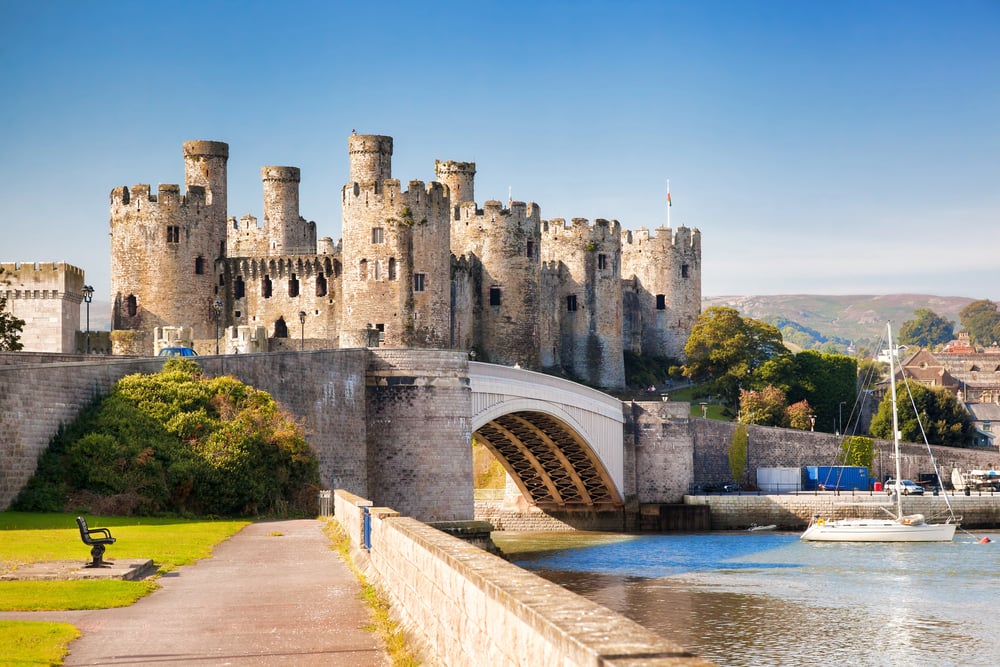
This Welsh fortress demonstrates medieval engineering at its finest, but it also holds darker secrets about the treatment of prisoners. The castle’s dungeon system includes cells where prisoners could stand but never sit or lie down.
Edward I designed the castle to dominate the Welsh landscape and crush local resistance through intimidation as much as military force. The castle’s towers contain murder pits positioned to rain down oil, arrows, or stones on attackers who breached the outer walls.
Like Go2Tutors’s content? Follow us on MSN.
Hohensalzburg Castle

Perched high above Salzburg, this Austrian castle served as a refuge for archbishops during political conflicts. The Torture Museum within the castle displays authentic medieval punishment devices, including the infamous “Schandmaske” or shame mask.
The castle’s Golden Hall contains mechanical musical instruments that play themselves at scheduled times throughout the day. Legend claims that Archbishop Leonhard von Keutschach made a pact with dark forces to protect the castle from ever falling to enemy attack.
Caerphilly Castle
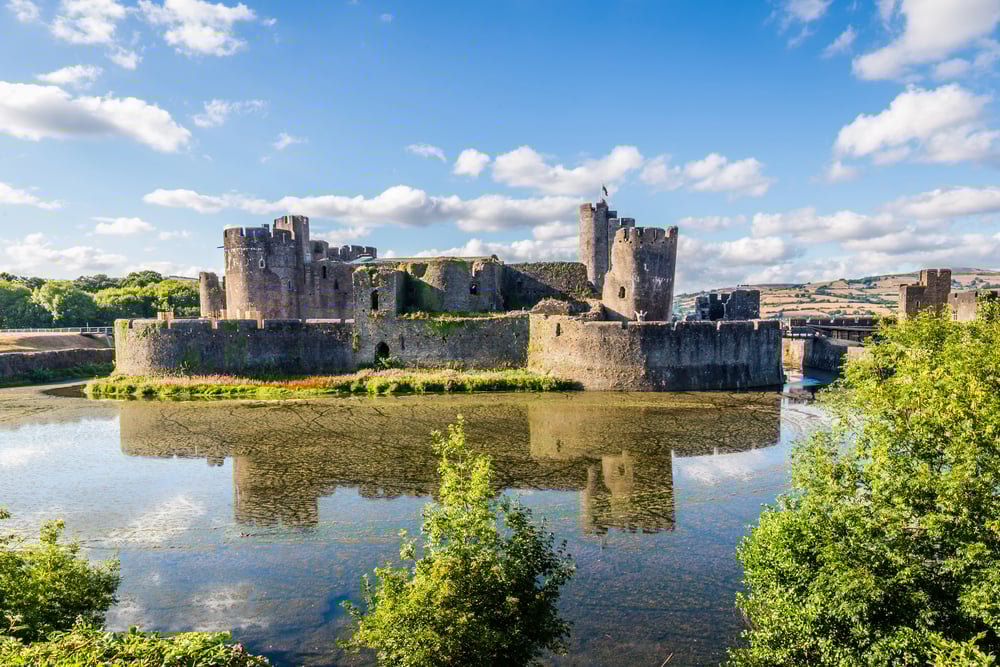
This Welsh castle features a leaning tower that rivals Pisa’s famous structure, but the tilt happened during a siege rather than poor construction. The castle’s water defenses cover 30 acres, making it one of the largest fortified sites in Britain.
Hidden chambers within the walls served as both storage areas and escape routes during attacks. The castle’s great hall could accommodate over 300 people for feasts that sometimes lasted for days.
Ashford Castle
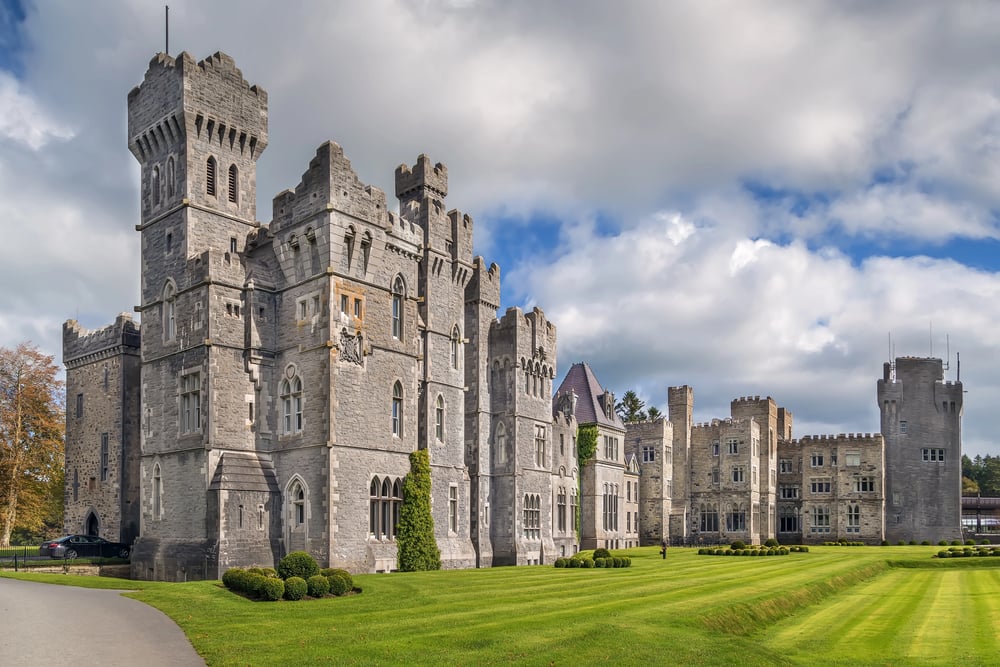
This Irish castle transformed from a medieval fortress into a luxury hotel, but guests sometimes encounter more than they bargain for. The castle’s origins trace back to 1228, and many of the original stone walls remain embedded in the current structure.
Staff members report that certain rooms experience unexplained phenomena, including furniture that moves overnight and doors that open by themselves. The castle’s gardens contain a fairy fort, a circular mound that local tradition says must never be disturbed.
Like Go2Tutors’s content? Follow us on MSN.
Bodiam Castle
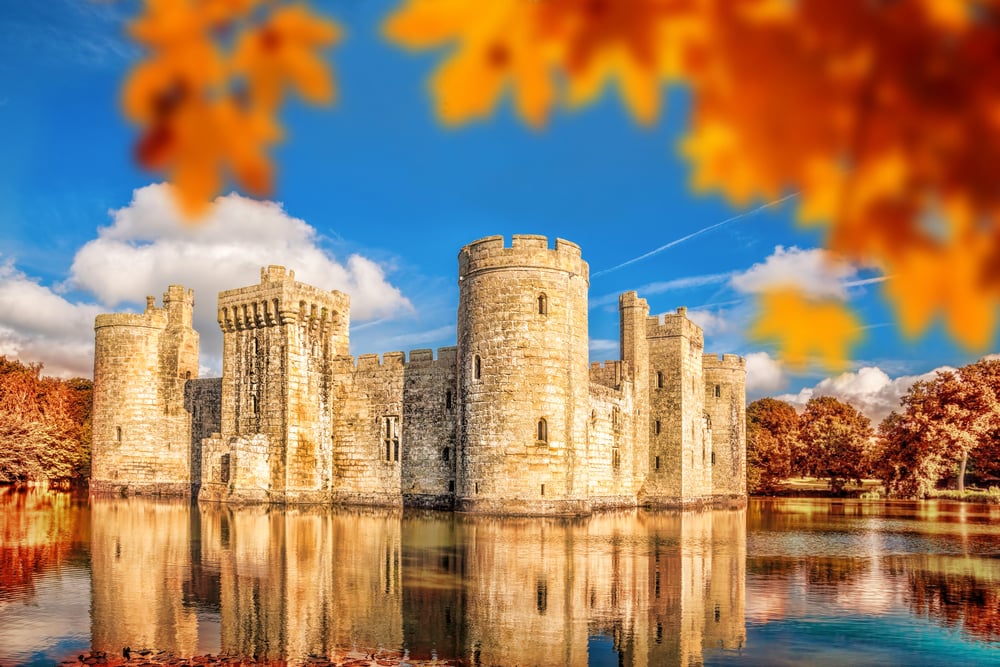
This English castle appears to float on water, creating one of the most photographed fortress scenes in the world. The moat serves both defensive and aesthetic purposes, but it also conceals the remains of an earlier wooden castle beneath its waters.
The current stone structure replaced multiple previous fortifications, each destroyed by conflict or fire. Archaeological surveys suggest the site has been continuously fortified for over 1,000 years.
Where legends meet reality
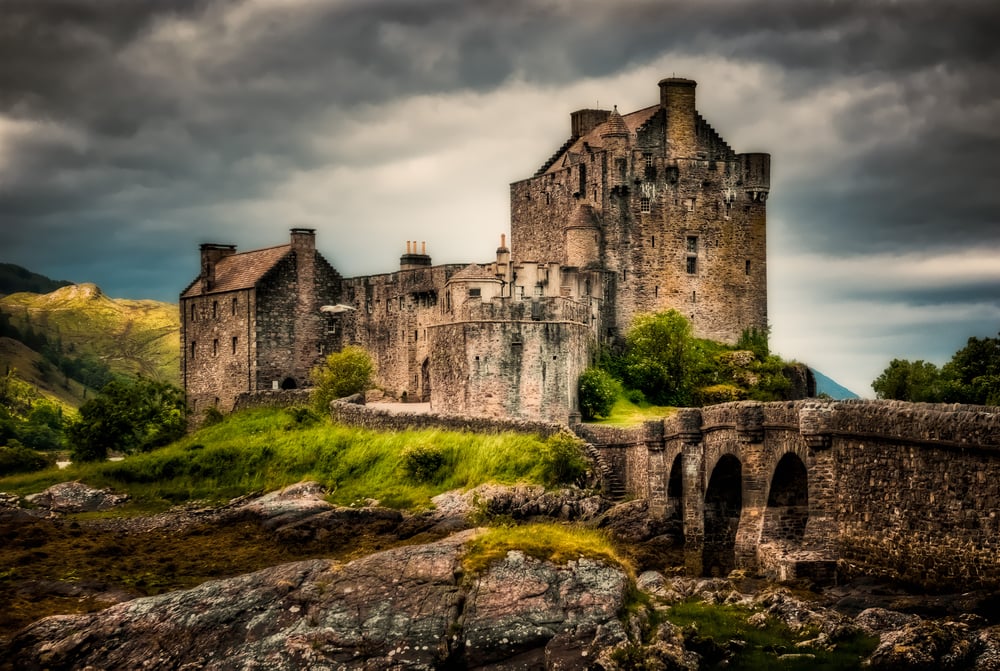
These ancient fortresses remind us that history contains far more mystery than most textbooks reveal. Every stone wall holds secrets, and every tower room echoes with stories that people passed down through generations before anyone thought to write them down.
More from Go2Tutors!

- 16 Historical Figures Who Were Nothing Like You Think
- 12 Things Sold in the 80s That Are Now Illegal
- 15 VHS Tapes That Could Be Worth Thousands
- 17 Historical “What Ifs” That Would Have Changed Everything
- 18 TV Shows That Vanished Without a Finale
Like Go2Tutors’s content? Follow us on MSN.