Famous Companies With Different First Products
Companies don’t always start out doing what made them famous.
Sometimes a business begins with one idea and ends up somewhere completely different.
The path from there to here can be pretty surprising when you look back at where some of these huge names got their start.
So let’s dive into what these well-known companies were actually doing before they became the giants everyone knows today.
Nintendo

Nintendo made playing cards back in 1889 in Kyoto, Japan.
These weren’t regular cards either—they were beautiful hand-painted designs for a Japanese card game called Hanafuda.
The company kept making cards for almost 80 years before trying other things like instant rice and a taxi service, which didn’t really work out.
Then in the 1970s, they started messing around with electronic toys and games.
That’s when everything changed, and the rest became video game history that kids around the world know by heart.
Nokia
This Finnish company started as a paper mill in 1865, grinding wood pulp by a river.
The name actually comes from the town where the factory sat, not some fancy corporate branding idea.
Nokia later added rubber boots and tires to what they made, which seems random but made sense at the time.
They didn’t touch phones until the 1960s, and even then it was mostly military radio equipment.
The mobile phones that everyone remembers didn’t show up until the 1980s when cell technology finally became a real thing.
Samsung
Lee Byung-chul started Samsung in 1938 as a tiny trading company in Korea.
The business sold dried fish, locally grown produce, and noodles to people in the area.
Things were pretty small and simple for the first couple decades.
Samsung didn’t jump into electronics until the 1960s, starting with black and white TVs that weren’t particularly fancy.
Now they make everything from phones to refrigerators, but those fish and vegetables were where the money came from at the beginning.
Tiffany & Co.
Charles Lewis Tiffany opened a store in New York in 1837 selling stationery and fancy items for desks.
People came in for nice paper, pens, and little decorative things to put in their offices or homes.
The store didn’t focus on jewelry at first, though they had some pieces mixed in with everything else.
It took about 15 years before diamonds and expensive jewelry became the main thing.
That little blue box everyone recognizes now started with boring office supplies inside instead of engagement rings.
Wrigley
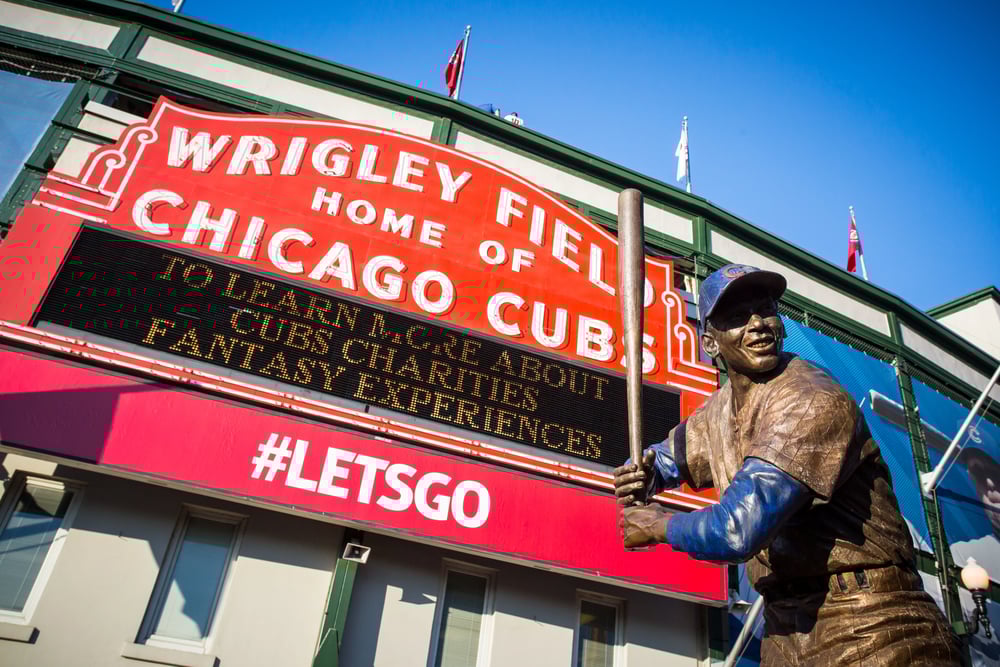
William Wrigley Jr. sold soap door to door when he started his company in 1891.
He’d throw in free baking powder to sweeten the deal and get people to buy his soap.
Customers liked the baking powder way more than the soap, so Wrigley switched to selling that instead.
Then he started giving away free chewing gum with the baking powder, and guess what happened next.
The gum became more popular than everything else, so Wrigley just went all in on that and never looked back.
Hasbro
The Hassenfeld brothers started making textile remnants and school supplies in 1923.
Pencil boxes were their big seller for years, along with other basic stuff kids needed for class.
They didn’t make toys until the 1940s, and even those were simple doctor and nurse kits at first.
Mr. Potato Head came along in 1952 and changed the whole direction of the company.
Nobody remembers Hasbro for pencil boxes anymore, but that’s definitely where the money came from when they got started.
Colgate
William Colgate made soap, candles, and starch in New York starting in 1806.
People needed candles for light and soap for washing, so it was a smart business for the time.
Toothpaste didn’t enter the picture until 1873, almost 70 years after the company began.
Even then, it came in jars instead of tubes, which sounds messy and kind of gross.
The toothpaste eventually took over everything else, but Colgate spent most of the 1800s just keeping people clean and giving them light.
Lamborghini

Ferruccio Lamborghini built tractors for farmers after World War II ended.
He made good money selling farm equipment throughout Italy because the country needed to rebuild its agriculture.
The guy actually owned several Ferraris but got frustrated with how often they broke down.
He complained to Enzo Ferrari about the clutch problems, and Ferrari basically told him to stick to tractors.
That insult pushed Lamborghini to build his own sports cars starting in 1963, proving Ferrari wrong in the best way possible.
Play-Doh
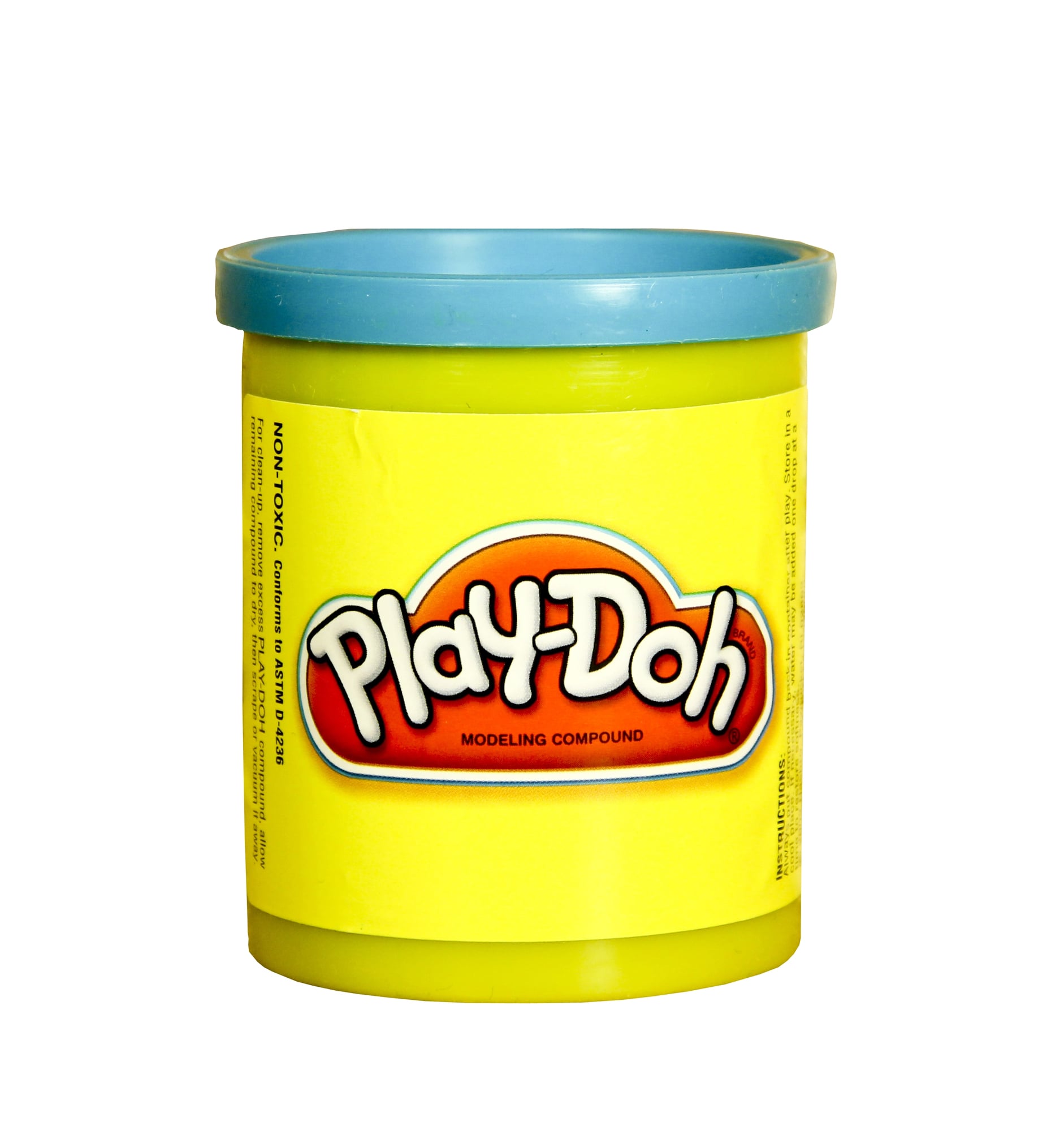
This squishy stuff started as wallpaper cleaner in the 1930s.
People used it to get coal residue and dirt off their wallpaper before houses had cleaner heating systems.
A teacher figured out kids loved playing with the cleaner because it was soft and easy to shape.
The company removed the cleaning chemicals, added colors and a nice smell, and sold it as a toy instead.
Kids have been smashing it around and making weird shapes ever since, and nobody cleans wallpaper with it anymore.
Berkshire Hathaway
This started as a textile manufacturing company in New England way back in 1839.
The mills made cotton fabric and employed tons of people in Massachusetts and Rhode Island.
Warren Buffett bought control of the struggling company in 1965, originally thinking he could turn the textile business around.
He eventually gave up on making fabric and turned it into an investment company instead.
Now it’s one of the biggest holding companies on the planet, owning chunks of everything from insurance to candy, with zero textile mills in sight.
Abercrombie & Fitch
David Abercrombie opened a shop in 1892 selling camping equipment and gear for serious outdoorsmen.
The store catered to hunters, fishers, and people heading into the wilderness who needed quality stuff that wouldn’t fall apart.
They sold tents, fishing rods, guns, and rugged clothing meant for actual outdoor use, not fashion.
Teddy Roosevelt and Ernest Hemingway shopped there because it was the real deal for adventure gear.
The shift to preppy mall clothing for teenagers didn’t happen until the 1990s, which would have shocked the original owners completely.
Western Union

This company started in 1851 as a telegraph service connecting cities across America.
Sending messages through wires was cutting-edge technology that changed how fast information could travel.
The company laid thousands of miles of telegraph lines and dominated that business for decades.
They didn’t get into money transfers until later, almost as a side business to the main telegraph operations.
Now nobody uses telegraphs at all, but Western Union kept going by shifting entirely to moving money around the world instead of messages.
Sharp
Tokuji Hayakawa invented a mechanical pencil in 1915 that he called the Ever-Sharp.
The pencil had a clever design that kept the lead from breaking and made writing easier and cleaner.
His small Tokyo workshop made these pencils and sold them throughout Japan with decent success.
The company didn’t touch electronics until the 1950s when they started making radios and TVs.
The name Sharp stuck around even though pencils disappeared from their product line ages ago.
Avon
David McConnell sold books door to door in the 1880s and gave perfume samples to housewives so they’d listen to his sales pitch.
Turns out the women wanted the perfume way more than any books he was offering.
He dropped the book business entirely and started the California Perfume Company in 1886 to sell fragrances and cosmetics.
The company changed its name to Avon in 1939 after the town in England where Shakespeare was born.
Those little perfume samples meant to sell books ended up building a cosmetics empire instead.
Suzuki

Michio Suzuki built looms for weaving silk and cotton in 1909 in a small Japanese coastal town.
His machines helped textile factories produce fabric faster and more efficiently than older methods.
The company made nothing but looms for about 30 years and did pretty well with it.
Suzuki didn’t start making motorized bikes until 1952, testing out a tiny engine attached to a bicycle frame.
Cars and motorcycles took over from there, but the founder spent his whole career thinking about thread and fabric, not engines and speed.
DuPont
The company started in 1802 making gunpowder near Wilmington, Delaware.
Eleuthère Irénée du Pont learned the powder-making trade in France before coming to America and seeing an opportunity.
The business supplied gunpowder to the U.S. military for over a century, becoming crucial during various wars.
DuPont didn’t branch into chemicals and materials like nylon and Teflon until the 1900s.
Now they’re known for innovative materials and science stuff, but explosives were the bread and butter for generations.
Lamborghini tractors still exist today
The tractor division actually split off from the car company back in 1973.
A different company called SAME Deutz-Fahr owns the tractor business now and keeps making farm equipment.
You can still buy a brand new Lamborghini tractor if you need one for your fields.
The tractor and car companies have nothing to do with each other anymore except sharing a name and history.
Farmers can brag about driving a Lamborghini to work, which is pretty funny when you think about it.
LG Electronics
The company started as Lak-Hui Chemical in 1947, making face cream and other cosmetic products.
Korea needed basic consumer goods after World War II ended, and cosmetics were part of rebuilding normal life.
The company later formed GoldStar in 1958 to make radios, which was their first step into electronics.
They didn’t become LG until 1995 when two companies merged together.
Those face creams and radios eventually led to the phones and TVs sitting in homes everywhere today, though nobody associates LG with beauty products anymore.
From strange starts to what we know now
These companies prove that success rarely follows a straight line from start to finish.
What begins as a way to make ends meet can turn into something nobody saw coming.
The willingness to dump what isn’t working and chase what is makes all the difference between fading away and sticking around for over a century.
Next time you use something from one of these companies, remember they probably started out making something completely different, and somebody had the guts to change direction when it mattered most.
More from Go2Tutors!

- The Romanov Crown Jewels and Their Tragic Fate
- 13 Historical Mysteries That Science Still Can’t Solve
- Famous Hoaxes That Fooled the World for Years
- 15 Child Stars with Tragic Adult Lives
- 16 Famous Jewelry Pieces in History
Like Go2Tutors’s content? Follow us on MSN.