Famous Designers Who Shaped the 20th Century
The 20th century was more than just a period of conflict and rapid technological advancement.
It was also the time when design started to speak for itself through things like chair curves, jacket cuts, and soup can logos.
Designers like Paul Rand, Charles and Ray Eames, and Coco Chanel changed how people lived, dressed, and perceived the world in addition to producing goods.
Their work went beyond simple decoration.
It was about identity, purpose, and occasionally defiance.
These imaginative brains realized that design could simultaneously serve as a tool for social change, a means of communication, and a solution to issues.
Let’s explore the visionaries who left their mark on everything from living rooms to runways.
Coco Chanel

By creating designs that put comfort and simplicity above the constricting, elaborate styles of the early 1900s, Coco Chanel transformed women’s fashion.
She is credited with popularizing the little black dress, allowing women to wear trousers, and transforming jersey fabric—once used for men’s underwear—into high fashion.
She didn’t follow trends.
The goal was to establish a completely new standard.
Chanel’s designs demonstrated a carefree elegance that continues to influence fashion today, reflecting her belief that luxury should be comfortable.
For contemporary women who wished to look put together without compromising their mobility, the Chanel suit, with its boxy jacket and knee-length skirt, became a standard.
She did more than simply dress differently for women.
The way they navigated the world was altered by her.
Charles and Ray Eames

Charles and Ray Eames were an American husband-and-wife design duo whose work in furniture and architecture became iconic representations of mid-century modernism.
Their molded plywood chairs, developed during World War II, combined affordability with sleek aesthetics.
The Eames Lounge Chair and Ottoman, introduced in 1956, became one of the most recognizable pieces of furniture in design history.
What set the Eameses apart was their philosophy that design should serve real people, not just wealthy collectors.
They experimented with materials like fiberglass and wire mesh, pushing manufacturing techniques forward while keeping costs reasonable.
Their work extended beyond furniture into film, exhibition design, and toys, proving that good design could exist everywhere.
The couple believed in making the best for the most for the least, and their pieces still furnish homes and offices worldwide.
Paul Rand

Paul Rand transformed corporate identity through his work as a graphic designer, creating logos for IBM, ABC, and UPS that remain in use today.
His designs were simple but distinctive, stripping away unnecessary embellishments to reveal the essence of a brand.
Rand understood that a logo had to work at any size, on any surface, and in any context.
His approach combined Swiss modernism with American directness, resulting in work that felt both sophisticated and accessible.
He believed design was about solving problems through visual communication, not just making things look appealing.
Rand’s influence extended beyond his client work into education, where he taught at Yale and wrote books that shaped how future generations thought about design.
His legacy is visible every time someone glances at a corporate logo and instantly knows what company it represents.
Dieter Rams
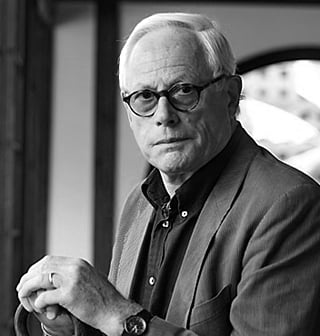
Dieter Rams served as the chief design officer at Braun and created a design philosophy centered on simplicity and functionality.
His ten principles of good design—which include ideas like ‘good design is as little design as possible’—became a manifesto for minimalist product design.
Rams designed everything from radios to electric shavers, and his work influenced countless designers who came after him, including Jonathan Ive at Apple.
His products weren’t flashy.
They were quiet, efficient, and built to last.
Rams believed that design should recede into the background, allowing the user to focus on the task at hand rather than the object itself.
His work at Braun in the 1960s and 70s established a visual language of clean lines and neutral colors that still defines what ‘modern’ looks like.
Christian Dior

Christian Dior introduced the ‘New Look’ in 1947, featuring nipped waists and full skirts that marked a dramatic departure from wartime austerity fashion.
Dior’s designs felt celebratory, even rebellious, after years of rationing and utilitarian apparel.
His silhouettes, which used lavish amounts of fabric at a time when most people were still getting by with less, highlighted femininity in a way that hadn’t been seen in years.
Although not everyone initially embraced the New Look—some thought it was frivolous—it nevertheless had a significant impact.
Paris was once again the world’s fashion capital thanks to Dior’s extravagant designs, which demonstrated his understanding that fashion could improve people’s moods.
Long after his death in 1957, his house remained at the forefront of haute couture, demonstrating the enduring power of his vision.
Saul Bass

He invented the first memorable opening credits for films like “Vertigo,” “Psycho,” and “The Man with the Golden Arm.”
Prior to Bass, title sequences were frequently dull requirements.
He transformed them into tiny artworks that established the mood of the whole movie.
His graphic design work included corporate logos, such as the AT&T bell logo, which was used for decades, and movie posters.
Bass had a talent for condensing difficult concepts into strikingly simple pictures.
A ragged arm extended upward.
Spiraling forms that alluded to the disintegration of the mind.
His work demonstrated that movies could be graphic and graphic design could be cinematic.
He was specifically sought after by filmmakers such as Alfred Hitchcock and Martin Scorsese, whose use of visuals enhanced their narratives.
Florence Knoll
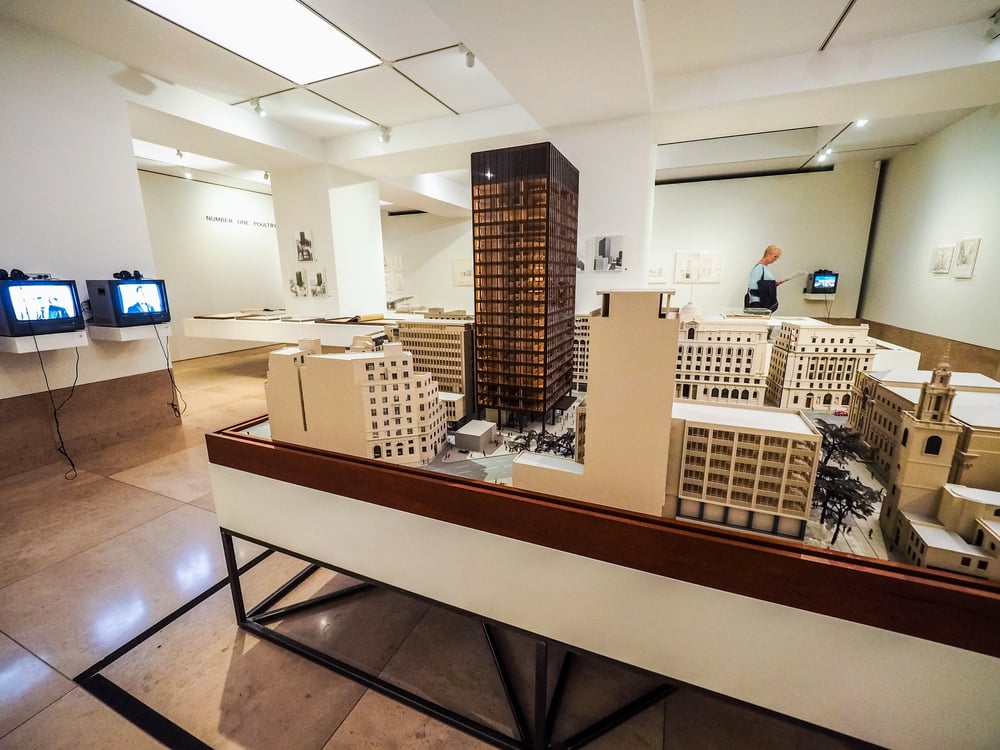
Through her business, Knoll Associates, Florence Knoll transformed office furniture design and space planning, resulting in open, practical workspaces.
She applied architectural concepts to furniture design while studying under modernist architects such as Mies van der Rohe.
She approached office planning with a methodical and logical approach, treating the workspace as something that could be designed holistically rather than just decoratively.
The Florence Knoll Table and other pieces she designed became staples in corporate interiors during the mid-1900s.
She also brought Harry Bertoia and Eero Saarinen into the Knoll catalog, which aided other designers.
Her impact went beyond individual pieces to the idea of how offices should operate as a whole, stressing simple lines, muted color schemes, and furniture that was functional rather than merely aesthetically pleasing.
Yves Saint Laurent
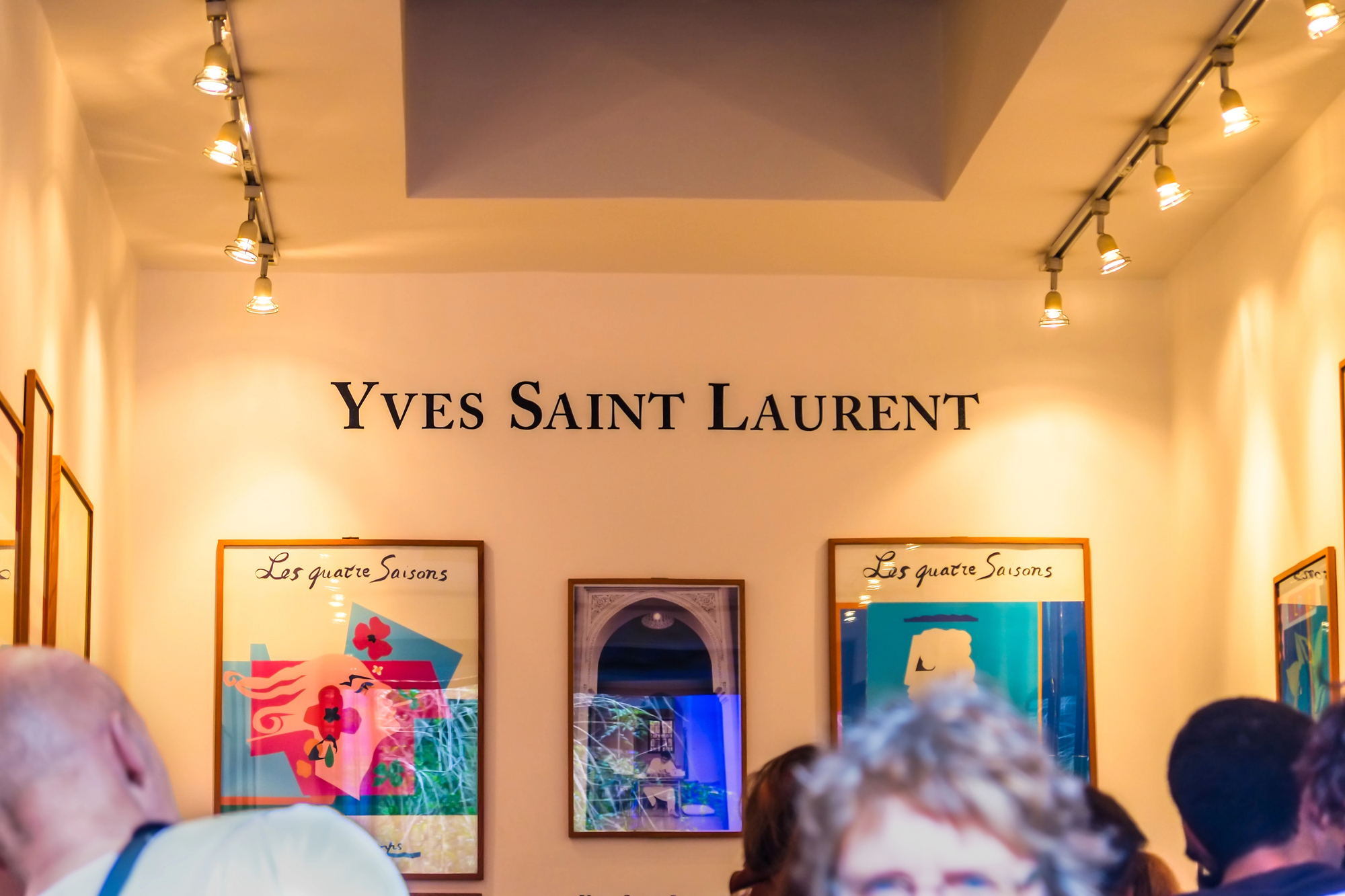
Yves Saint Laurent brought elements of menswear into women’s fashion, most notably with his 1966 tuxedo suit for women.
This wasn’t just about borrowing masculine tailoring.
It was about giving women access to the power and authority that came with it.
Saint Laurent understood that clothing carried social meaning, and he used fashion to challenge conventions about gender and class.
He introduced the safari jacket, the peasant blouse, and transparent fabrics to haute couture, constantly pushing boundaries.
His work in the 1960s and 70s captured the era’s spirit of liberation while maintaining impeccable craftsmanship.
Saint Laurent made haute couture feel relevant to contemporary life rather than like a museum piece, proving that high fashion could be both beautiful and meaningful.
His designs gave women options that hadn’t existed before, expanding their wardrobes and, by extension, their possibilities.
Raymond Loewy

Raymond Loewy became known as the father of industrial design, reshaping everyday American products including the Coca-Cola bottle and Greyhound buses.
His philosophy was simple: ugliness doesn’t sell.
Loewy believed that good design should increase sales, and his track record proved him right.
He streamlined locomotives, redesigned refrigerators, and even worked on the interior of NASA’s Skylab space station.
His work demonstrated that design wasn’t just for luxury goods—it belonged everywhere, from grocery stores to outer space.
Loewy’s approach was democratic in the best sense, improving the appearance and function of objects that millions of people used daily.
He understood that design shaped culture, and culture in turn demanded better design.
Why It Still Matters

The 20th century’s designers weren’t working alone.
They reacted to social upheavals, technological advancements, and shifting conceptions of what life might be.
The conflicts of the century between tradition and advancement, mass production and craftsmanship, and ornamentation and utility are all reflected in their work.
Because it has become so fundamental, their influence is pervasive, even when one is looking through a fashion magazine or a modern office.
Every well-designed item we come across without giving it a second thought carries on the legacy of these designers, who demonstrated that careful work could enhance everyday life in concrete ways.
More from Go2Tutors!

- The Romanov Crown Jewels and Their Tragic Fate
- 13 Historical Mysteries That Science Still Can’t Solve
- Famous Hoaxes That Fooled the World for Years
- 15 Child Stars with Tragic Adult Lives
- 16 Famous Jewelry Pieces in History
Like Go2Tutors’s content? Follow us on MSN.