17 Famous Structures That Were Hated When First Built
Imagine walking through Paris in 1889 and hearing locals describe the new iron tower on the Seine as an “eyesore” and a “disgrace.” What seems unthinkable today was once a common sentiment toward many of the world’s most celebrated landmarks. Time has a curious way of transforming public opinion, turning yesterday’s architectural controversies into today’s beloved icons.
Here is a list of 17 famous structures that faced fierce criticism when they were first built, only to become treasured attractions later on.
The Eiffel Tower
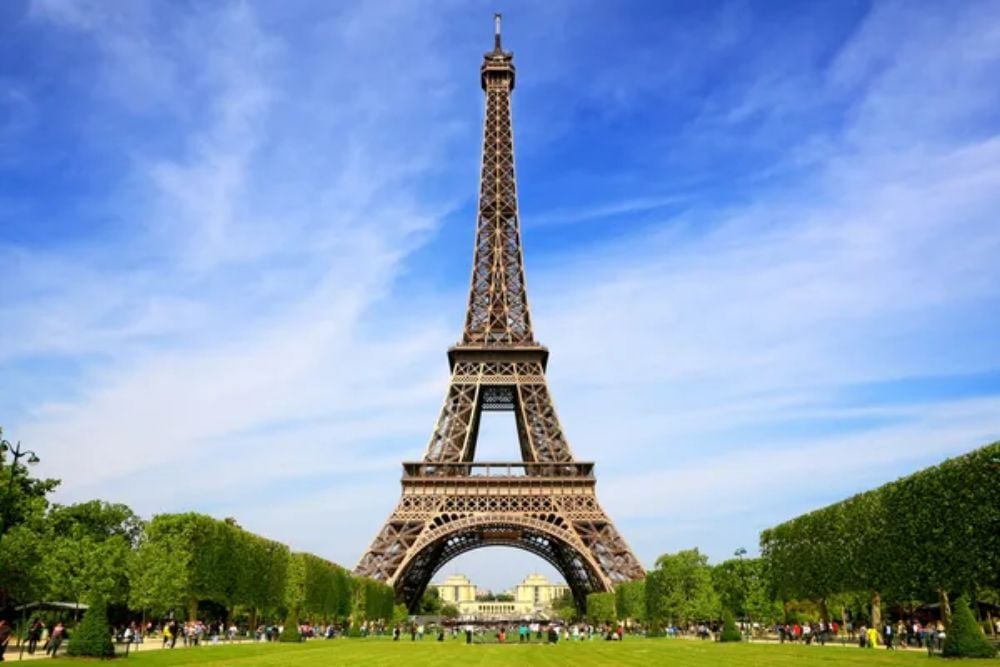
When Gustave Eiffel’s tower first pierced the Parisian skyline in 1889, intellectuals and artists circulated angry petitions calling it a “gigantic black factory chimney.” The tower was originally intended as a temporary structure for the World’s Fair, with plans to dismantle it after 20 years.
Its elegant silhouette eventually won over critics, and today it welcomes nearly 7 million visitors annually, standing as the ultimate symbol of France.
Sydney Opera House

The saga of Australia’s most recognizable building was marked by budget overruns, public outrage, and the resignation of its architect, Jørn Utzon, before completion. Construction took 16 years, 10 more than planned and cost 14 times the original budget, leading to widespread condemnation in the Australian press.
Today, the distinctive sail-shaped structure is a UNESCO World Heritage site and generates over $1 billion annually for the Australian economy.
The Washington Monument
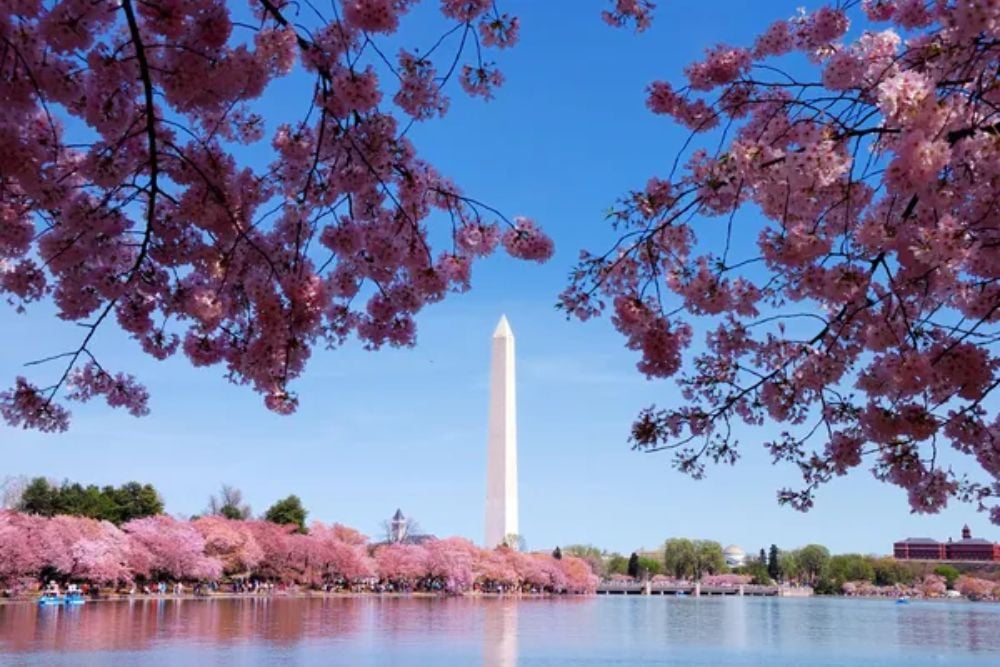
This towering obelisk suffered one of the longest construction delays in architectural history, taking nearly 40 years to complete due to funding problems, political squabbles, and Civil War interruptions. Locals mocked the half-finished stump as a “stump of failure” and “national embarrassment” for decades.
The stark white monument now stands as one of America’s most recognized symbols and attracts around 800,000 visitors yearly.
Empire State Building
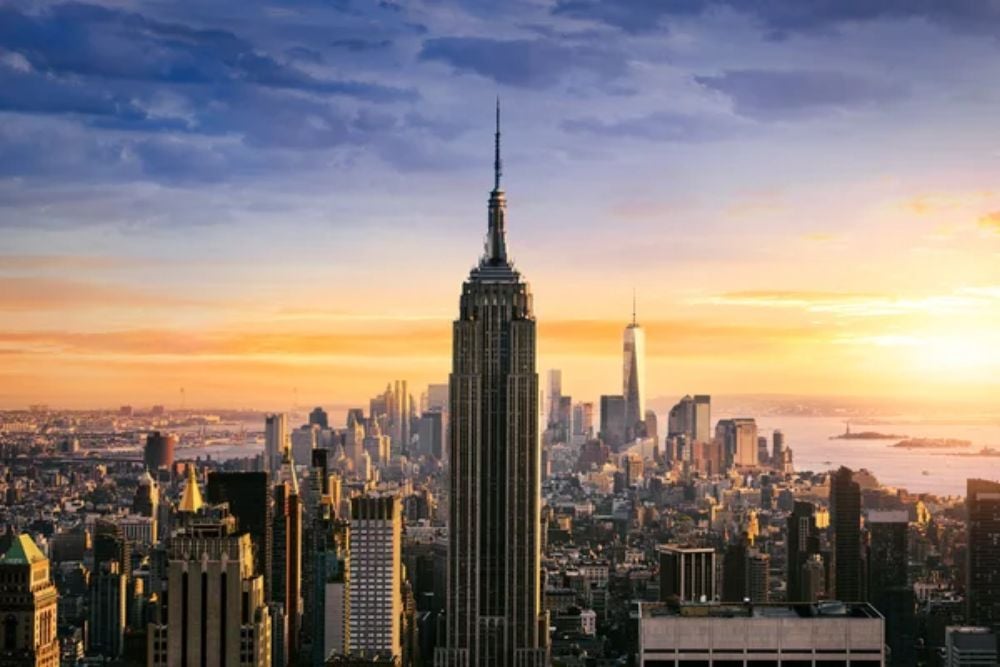
Known today as an art deco masterpiece, this New York icon was originally derided as the “Empty State Building” during the Great Depression when much of it sat vacant. Critics called it a colossal waste of resources and a monument to poor timing and hubris.
From a financial flop to a cultural touchstone, it now generates over $130 million annually in revenue and has become an inextricable part of Manhattan’s identity.
Guggenheim Museum (New York)
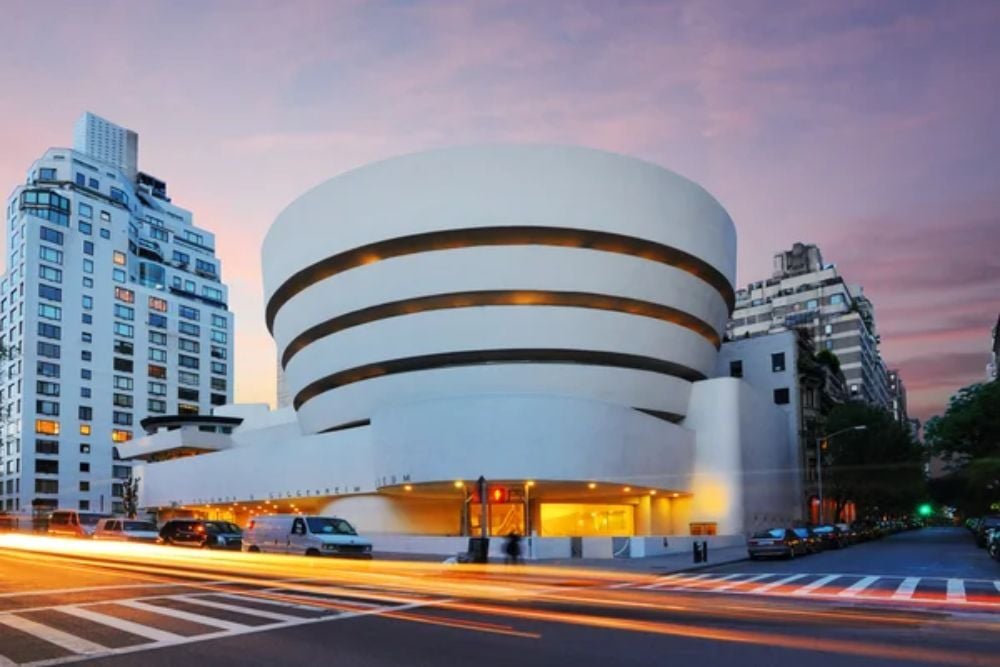
Frank Lloyd Wright’s curved, spiral design for the Guggenheim prompted outrage from artists who claimed its sloping walls would make displaying artwork impossible. One critic called it a “war between architecture and paintings in which both come out badly.” The controversial museum is now considered a revolutionary architectural achievement that forever changed museum design, proving that function and unconventional form can indeed coexist.
Centre Pompidou
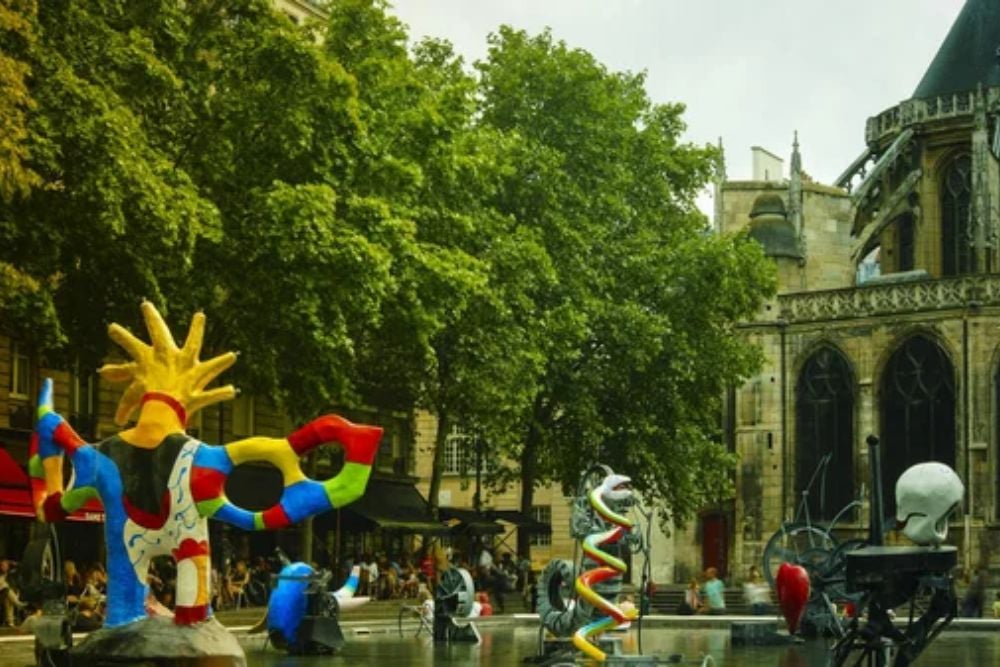
Parisians were horrified when this inside-out building, with its exposed pipes, ducts, and escalators on the exterior, appeared in the historic Beaubourg area of Paris in 1977. Locals dubbed it an “oil refinery” and “architectural heresy” amid their classical surroundings.
The building’s radical design eventually sparked urban renewal throughout the neighborhood and now attracts over 3 million visitors annually.
Transamerica Pyramid
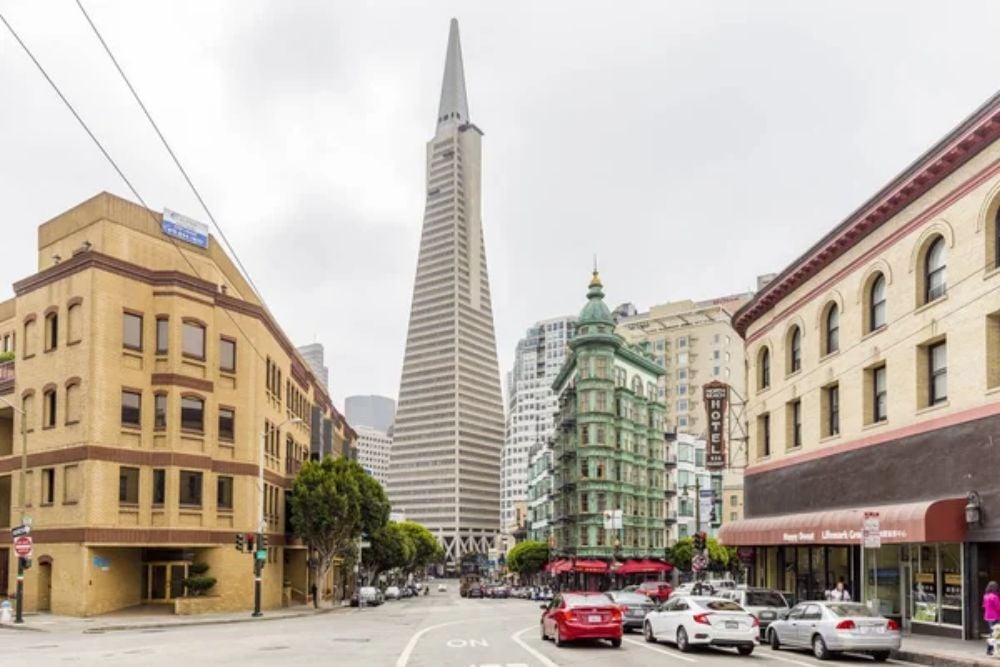
San Franciscans were outraged when plans for this sharp, pointed tower were announced in 1969, calling it an inappropriate spike in their beloved skyline. The city’s residents and critics feared it would ruin the character of the financial district and cast big shadows.
Now the 853-foot tower is an instantly recognizable feature of San Francisco’s skyline and appears in countless postcards and establishing shots of the city.
Louvre Pyramid
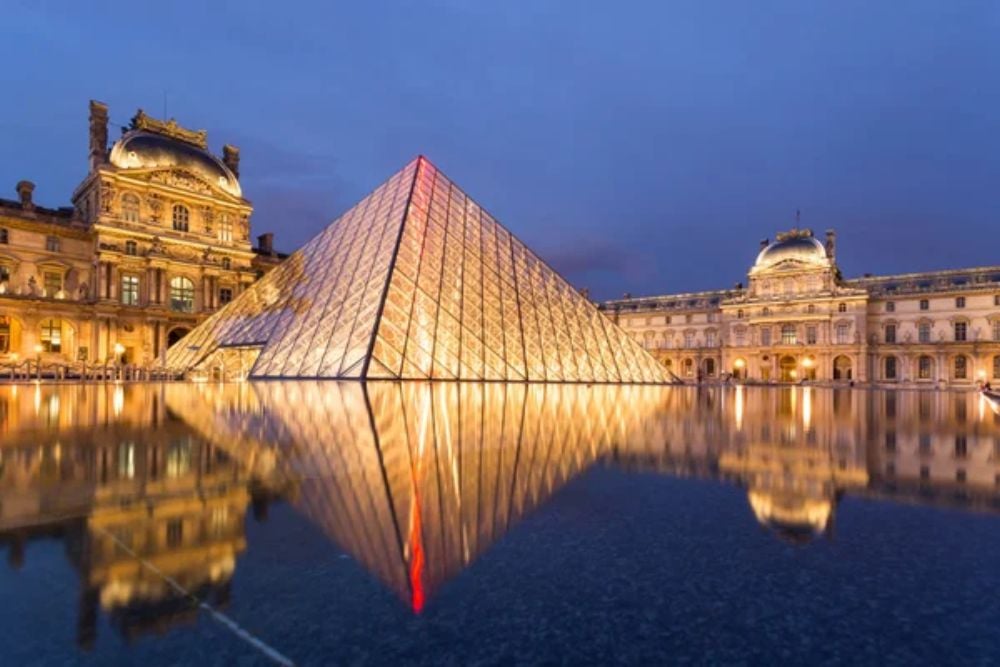
When I.M. Pei unveiled his glass pyramid in the courtyard of the historic Louvre Museum in 1989, Parisians were scandalized. French newspaper Le Monde described it as “an annex to Disneyland” while others called it a “scar on the face of Paris.”
The once-reviled structure has become one of the most photographed spots in Paris and successfully modernized the museum’s image while improving visitor flow into the building.
Atomium

Built for the 1958 Brussels World’s Fair, this massive stainless steel model of an iron crystal cell was initially dismissed as a bizarre eyesore with no purpose beyond the exhibition. Many called for its dismantling when the fair ended, considering it impractical and unattractive.
The strange atomic-age structure survived demolition plans and now serves as Brussels’ most distinctive landmark, drawing over 600,000 visitors annually.
The Shard
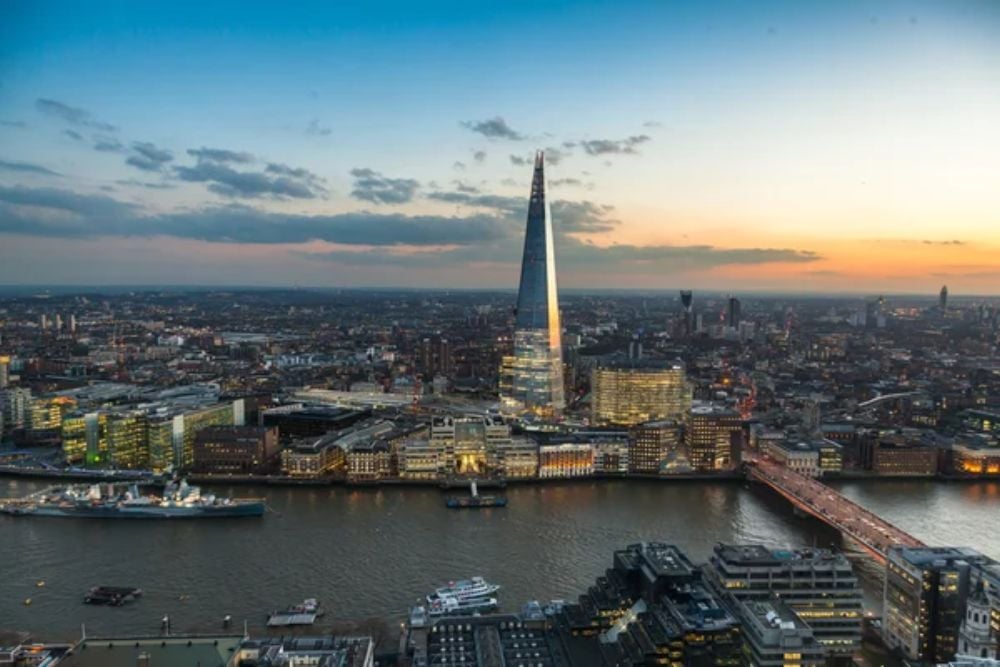
London’s tallest building faced fierce resistance from preservation groups who felt its 1,016-foot glass spire would destroy the city’s historic character. Prince Charles himself compared it to “a shard of glass through the heart of historic London”, inadvertently giving the tower its name.
The mixed-use skyscraper is now a celebrated addition to London’s skyline and houses some of the city’s most exclusive restaurants and hotel rooms.
Walt Disney Concert Hall

Frank Gehry’s gleaming, curved stainless-steel concert hall in downtown Los Angeles initially caused practical problems beyond aesthetic criticisms. Its reflective surface concentrated sunlight to heat nearby sidewalks to 140°F and blinded drivers, requiring sections to be sanded down.
After modifications, the once-controversial building has become an architectural triumph and cultural anchor for downtown LA’s revival.
The “Walkie-Talkie” Building
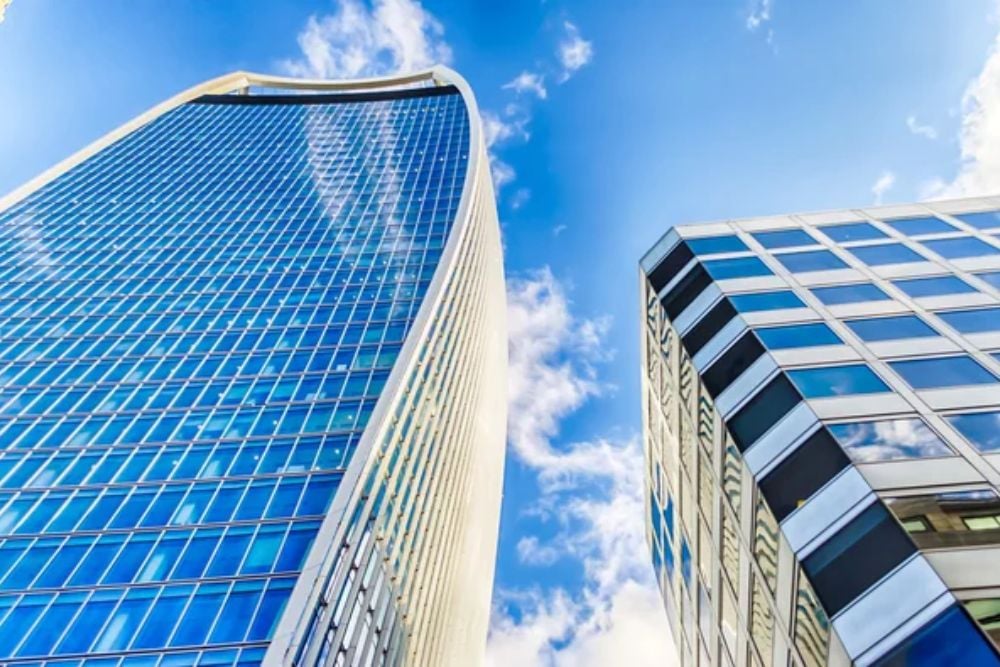
This London skyscraper at 20 Fenchurch Street became infamous during construction when its concave glass facade concentrated sunlight onto the streets below, melting car parts and even reportedly frying an egg. Critics called it the “Fryscraper” and “Walkie-Scorchie” amid demands to tear it down.
Following remedial work and the addition of a popular sky garden, the building has overcome its troubled beginning to become an unusual but accepted part of London’s skyline.
Flatiron Building
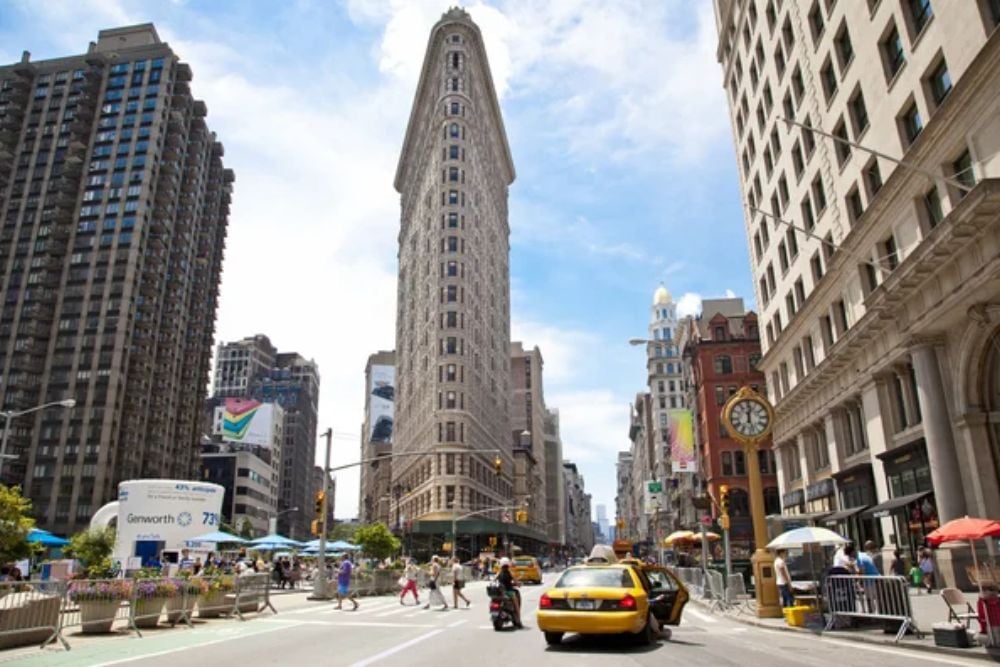
When this triangular New York landmark was completed in 1902, critics mockingly called it “Burnham’s Folly,” believing the narrow building would topple in strong winds. Others complained that its unusual shape created wind tunnels along 23rd Street, reportedly giving police officers jobs shooing away men who gathered hoping to glimpse ladies’ ankles as their skirts blew upward.
The building quickly proved its structural soundness and has become one of New York’s most photographed structures.
The Lloyd’s Building
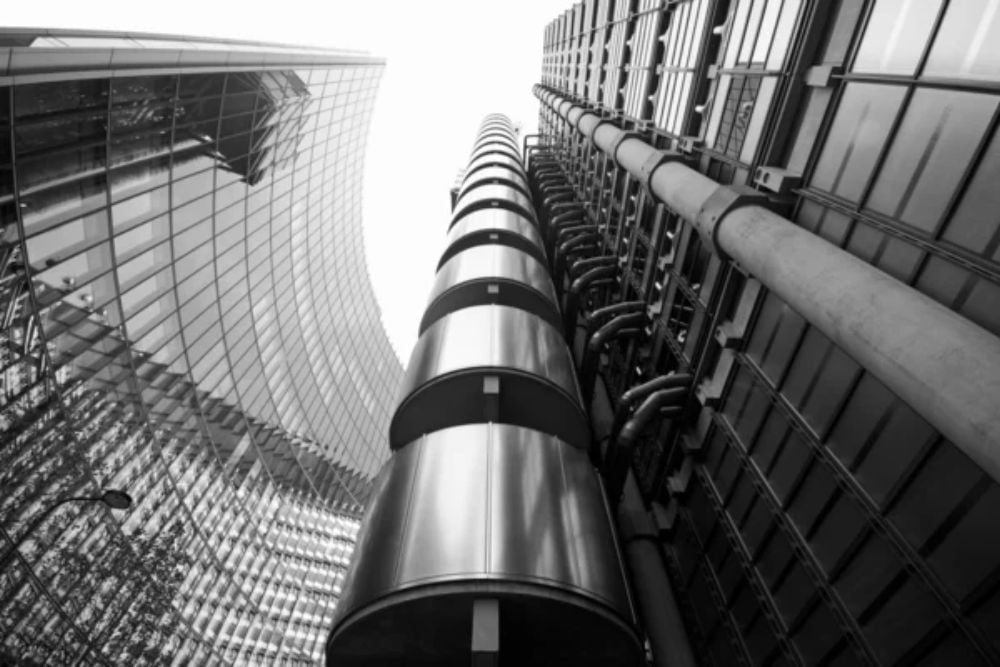
Richard Rogers’ “inside-out” design for the Lloyd’s of London headquarters placed all staircases, elevators, and ductwork on the exterior, creating what critics called a “monstrous metal caterpillar” amid London’s traditional architecture. Described as “mechanical sci-fi baroque,” the building shocked Londoners in 1986 but is now a Grade I-listed structure, the youngest building to ever receive such protected status in the UK.
Federation Square
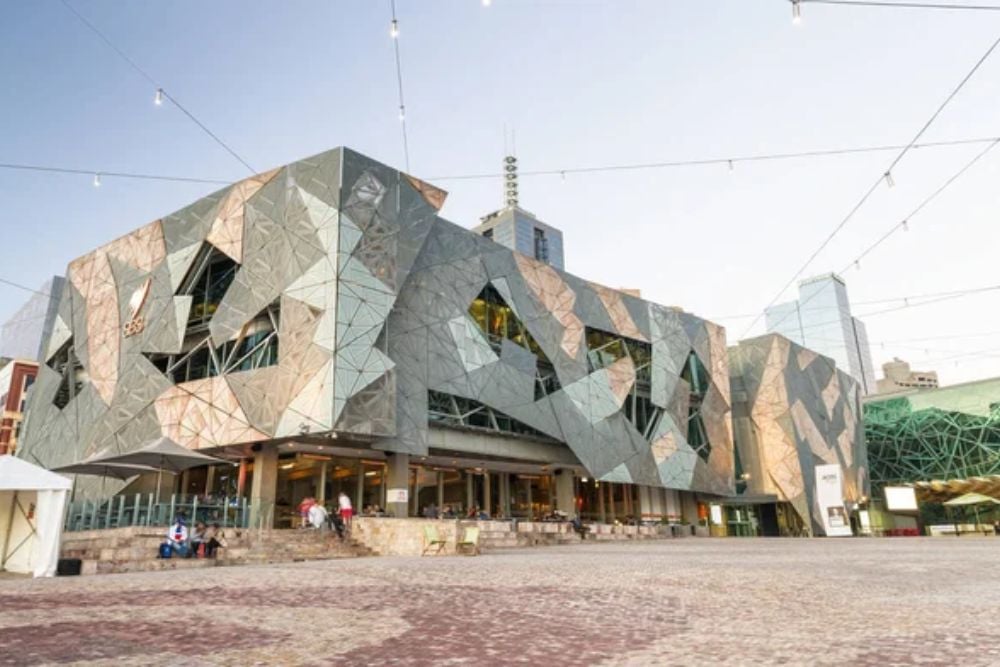
Melbourne’s deconstructivist civic center was widely panned as an eyesore when completed in 2002, with its fractured geometric design and clashing materials. Local papers conducted polls showing that 61% of Melburnians hated the complex, and some called for its demolition.
Over time, the square has evolved into Melbourne’s cultural heart, hosting over 2,000 events annually and becoming the city’s second most-visited tourist attraction.
Suzhou Gate of the Orient
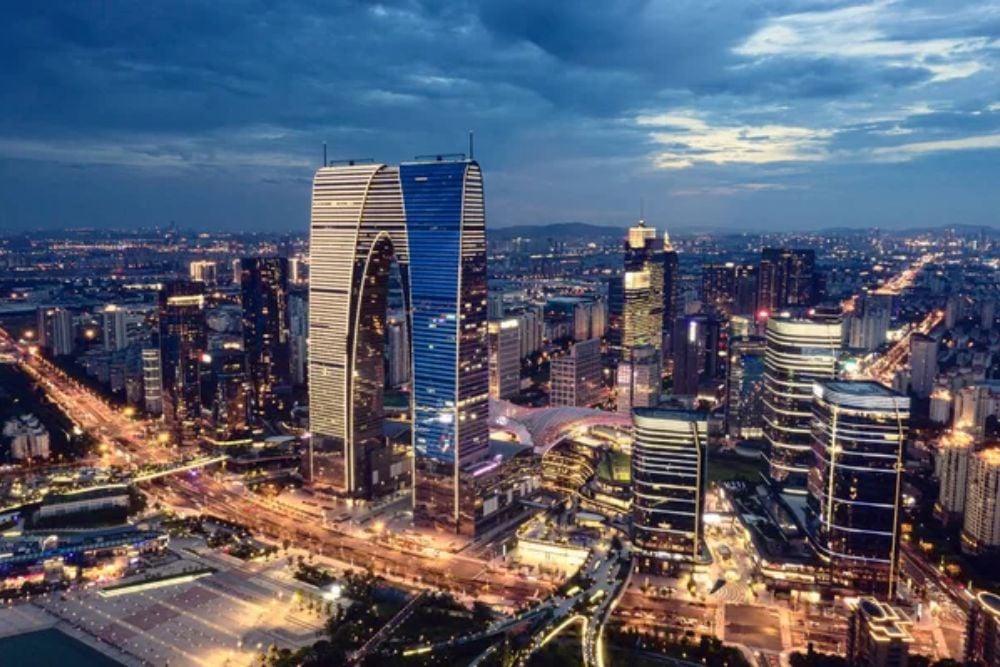
This 74-story skyscraper in Suzhou, China faced ridicule when completed in 2012 because its arched design reminded many Chinese citizens of underwear hanging out to dry, earning it the nickname “Big Pants.” Social media users and traditional media outlets alike mocked what was meant to be a sophisticated gateway symbol.
While still occasionally the butt of jokes, the building has gained acceptance as a distinctive part of Suzhou’s increasingly modern skyline.
Torre Agbar

Barcelona residents were shocked when this bullet-shaped tower opened in 2005, with its phallic silhouette quickly earning nicknames like “the cucumber” and “the suppository.” Conservative locals considered it vulgar and out of place among the city’s Catalan architecture. The 38-story tower, with its 4,500 LED devices creating colorful displays at night, has gradually been embraced as part of Barcelona’s evolving skyline and innovative architectural tradition.
Monuments to Cultural Evolution
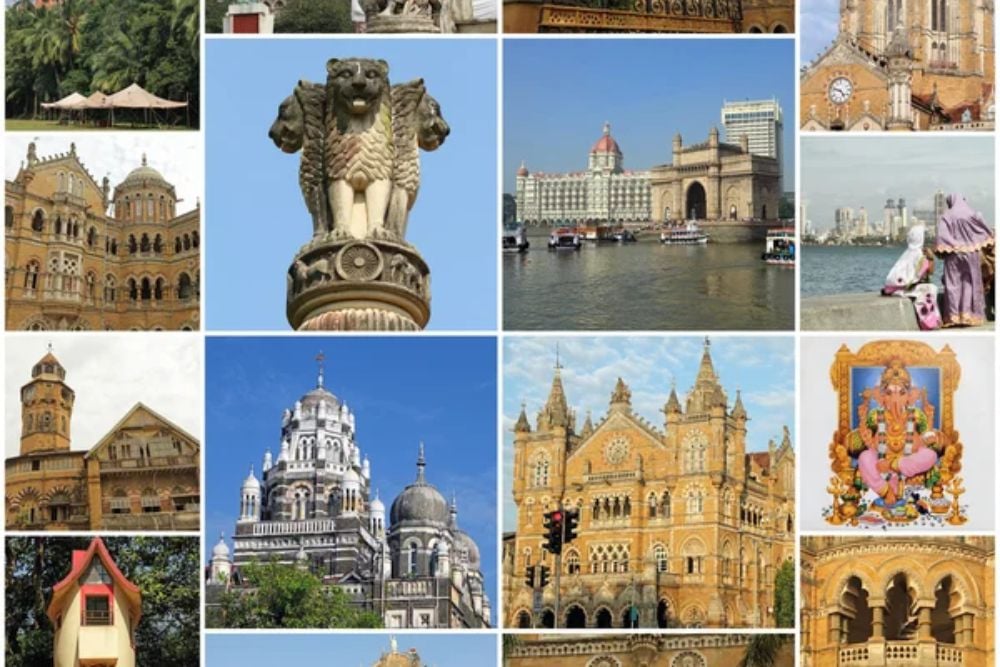
What these structures reveal is our complicated relationship with architectural innovation. The very features that spark initial outrage, whether unusual shapes, unprecedented height, or revolutionary materials, often become the same elements that eventually earn our admiration.
These landmarks stand as monuments not just to architectural vision but to how public perception evolves, reminding us that today’s controversy might well be tomorrow’s beloved icon.
More from Go2Tutors!

- The Romanov Crown Jewels and Their Tragic Fate
- 13 Historical Mysteries That Science Still Can’t Solve
- Famous Hoaxes That Fooled the World for Years
- 15 Child Stars with Tragic Adult Lives
- 16 Famous Jewelry Pieces in History
Like Go2Tutors’s content? Follow us on MSN.