Famous Failed Products That Cost Fortunes
Businesses invest millions in creating goods they believe will revolutionize society.
They start enormous marketing campaigns, conduct innumerable focus groups, and employ the top researchers.
Occasionally, those goods become well-known brands and generate revenue for decades.
At other times, they burn and crash so spectacularly that they are still studied as warning stories in business schools.
Timing, customer perception, or a simple miscalculation of what people truly desire versus what appears appealing on paper are frequently the deciding factors between success and failure.
These aren’t minor setbacks or miscalculations.
This list of failures cost their companies hundreds of millions, sometimes billions, and sometimes even threatened the existence of entire corporations.
This is a list of 14 well-known, financially disastrous products.
Ford Edsel

Ford spent a year hyping the Edsel as the car of the future before its 1957 launch on what the company called E-Day.
Named after Henry Ford’s son, the Edsel was supposed to be a revolutionary mid-sized vehicle that would redefine American driving.
Instead, it became synonymous with automotive disaster.
The car was overpriced during a recession, plagued with quality issues, and featured a vertical grille that consumers found odd-looking rather than futuristic.
Ford cancelled production in 1959 after just two years and lost between $250 and $350 million, which equals roughly $2.5 to $3 billion in today’s money.
New Coke

Coca-Cola reformulated its 99-year-old recipe in 1985 to compete with Pepsi’s sweeter taste after losing market share throughout the early 1980s.
The company conducted over 200,000 blind taste tests showing people preferred the new formula.
What those tests missed was the emotional attachment customers had to the original.
Within days of the April 23 launch, the company’s switchboards were flooded with nearly 10,000 angry calls daily from customers who felt betrayed.
After just 79 days, Coca-Cola brought back the original formula as Coca-Cola Classic on July 11, 1985.
The debacle cost $4 million in development plus $30 million in unsold New Coke inventory.
Samsung Galaxy Note 7

The Note 7 launched in 2016 to strong reviews and looked poised to compete directly with Apple’s iPhone.
Then reports started coming in about batteries overheating and, in some cases, exploding.
One incident happened on a commercial flight, prompting the Department of Transportation to ban the phone from all aircraft.
Samsung initiated a massive recall in August 2016 of approximately 2.5 million devices.
The direct loss reached about $5 billion, with estimates of total impact hitting $17 billion when accounting for market share losses and brand reputation damage.
Google Glass
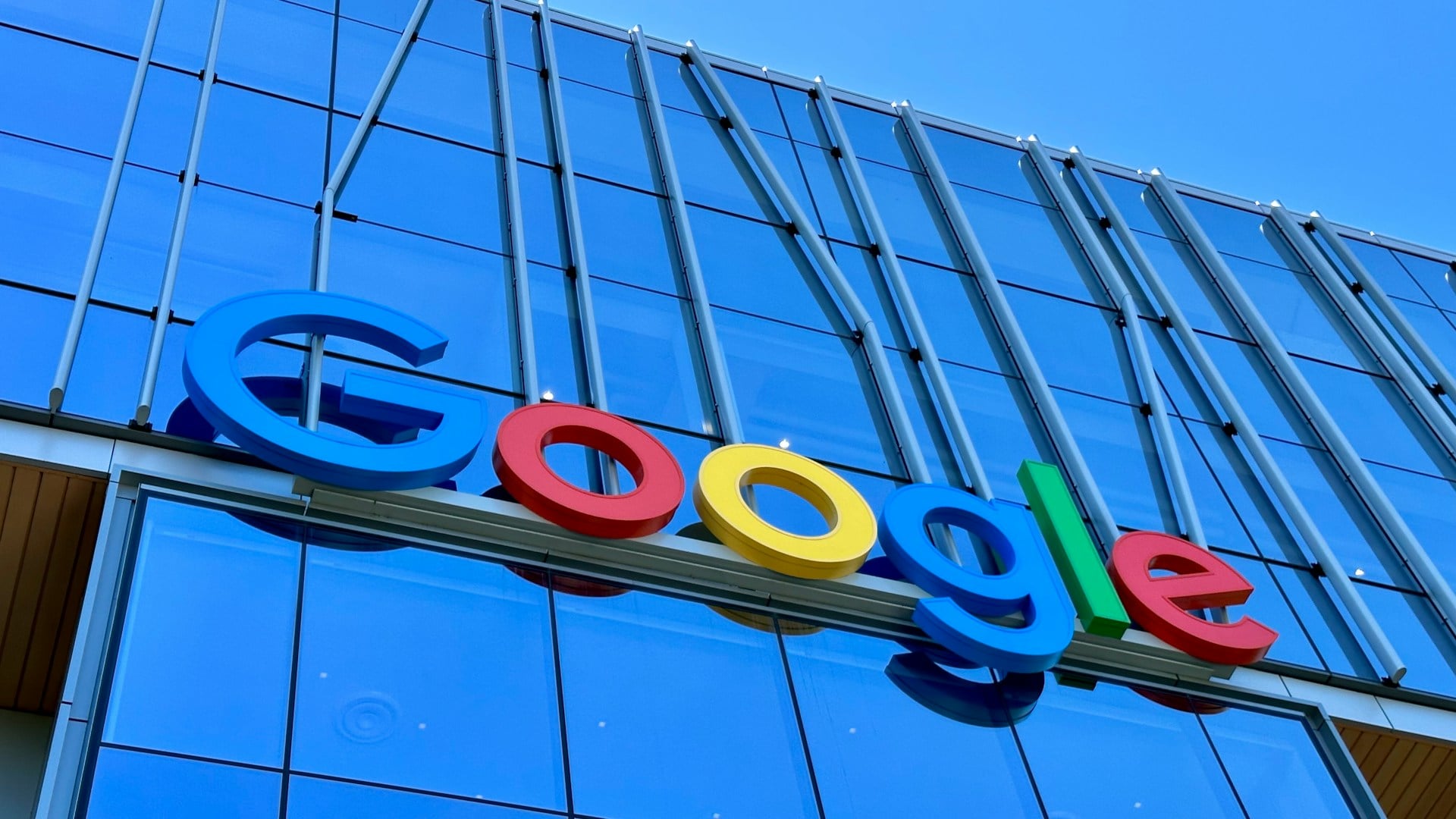
Google unveiled its head-mounted wearable technology in 2012 with a vision of integrating smartphone capabilities into eyeglasses.
The Explorer Edition launched to the public in 2013 at a price point of $1,500, marketed initially to tech-savvy early adopters.
But Google Glass faced multiple problems: unclear purpose, privacy concerns from people uncomfortable being recorded, an awkward design that made wearers look ridiculous, and a user interface that frustrated rather than delighted.
Google halted the consumer version in 2015 after disappointing sales and mounting criticism.
The venture cost the company approximately $1 billion according to insider reports.
Amazon Fire Phone

Amazon released its Fire Phone in July 2014, attempting to break into a smartphone market already dominated by Apple and Android devices.
The phone offered just 240,000 apps compared to over a million available on competitor platforms, arrived late to a crowded field, and included features designed more to drive Amazon purchases than serve actual user needs.
The company discontinued it in August 2015, just 13 months after release.
Amazon took an $83 million inventory write-off and a $170 million charge on costs associated with the device.
HP TouchPad

Hewlett Packard launched the TouchPad in July 2011 as its answer to the iPad, featuring powerful video capabilities and impressive processing speeds.
The company held massive press events and promotions, positioning the TouchPad as a legitimate iPad competitor.
It flopped almost immediately and was discontinued on August 18, 2011, barely a month after launch.
HP wrote off $885 million in assets related to the TouchPad itself, then incurred an additional $755 million in costs winding down its webOS operating system, totaling approximately $1.6 billion in losses.
Microsoft Zune

Microsoft launched the Zune music player in November 2006 to compete with Apple’s wildly successful iPod and iTunes ecosystem.
The Zune faced harsh reviews for technical glitches, lacked the intuitive design that made Apple products popular, and arrived years too late to gain meaningful traction.
Despite Microsoft’s resources and brand recognition, the Zune never captured more than 2 percent of the market.
The company discontinued the Zune line in 2011 after burning through hundreds of millions in development and marketing costs, essentially conceding the entire portable music player category to Apple.
McDonald’s Arch Deluxe

McDonald’s introduced the Arch Deluxe in 1996 as a sophisticated burger with a grown-up taste, attempting to broaden its customer base beyond families with children.
The company spent an estimated $100 to $200 million on advertising—the most expensive campaign for any fast-food product at that time.
One commercial featured a child stripping away the burger’s toppings because they were too refined for his unrefined palate.
The condescending approach backfired spectacularly, and the Arch Deluxe was quietly pulled by 2000 after failing to meet sales expectations.
Segway

The Segway personal transporter launched in 2001 with tremendous hype as a revolutionary way to move through cities.
The two-wheeled, self-balancing device looked futuristic and worked as advertised.
The problem was the price—too expensive for mass adoption—combined with impractical design for real-world use and zero infrastructure to support it.
Reports of riders injuring themselves didn’t help matters.
Tragically, Segway company owner James Heselden died on September 26, 2010, after accidentally riding his Segway off a cliff.
The company sold only 140,000 units between 2001 and 2020 and lost well over $100 million before discontinuing the personal transporter.
Crystal Pepsi

Pepsi launched Crystal Pepsi in 1992 as a clear, caffeine-free cola targeting the new-age beverage market.
The company spent $40 million on advertising, including using Van Halen’s song Right Now in television commercials.
Initial sales reached $470 million in the first year, but most purchases came from curiosity rather than loyalty.
Consumers expected cola to be brown, and many said Crystal Pepsi tasted identical to regular Pepsi, making the clear version pointless.
Pepsi killed the product in 1994 after less than two years, though the company has occasionally brought it back for limited nostalgia runs.
RJ Reynolds Premier

In 1988, RJ Reynolds invested $325 million developing the Premier line of products as a cleaner alternative during an era of growing anti-awareness.
The company positioned Premier as revolutionary technology that would address public health concerns while maintaining customer satisfaction.
The product lasted just four months on shelves before being pulled.
Even company executives admitted Premier didn’t deliver on its promises, and consumers rejected the concept entirely.
The loss reached somewhere between $800 million and $1 billion, standing as one of the most expensive product failures in consumer goods history.
DeLorean DMC-12
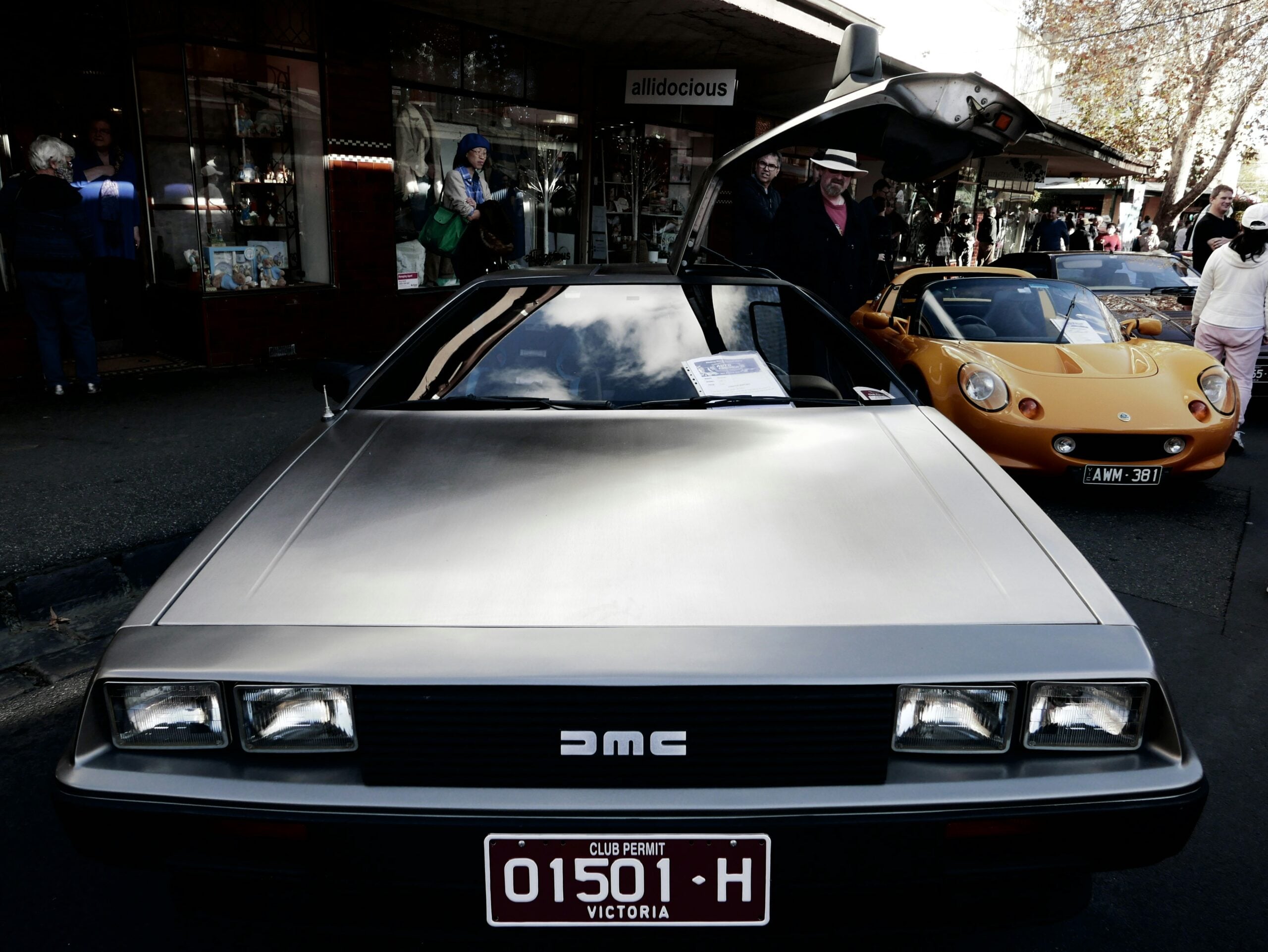
The stainless-steel DeLorean with its distinctive gull-wing doors became famous decades later for its role in the Back to the Future movies.
When production began in 1981, however, the DMC-12 was headed for commercial disaster.
The car suffered from performance issues, safety problems, and poor timing as the auto industry faced a dramatic downturn.
Only about 9,000 cars were built before production ceased in 1983 and the company went bankrupt in 1982.
Interestingly, the U.S. government granted low-volume manufacturing approval in 2016, giving the failed product a second life three decades later.
HP TouchSmart

Hewlett Packard’s TouchSmart desktop computer, initially released in 2007 with the model IQ770, attempted to bring touchscreen functionality to desktop computing years before tablets made the concept mainstream.
The TouchSmart featured an all-in-one design with a large touchscreen display meant for home users.
The product faced multiple problems: touchscreens on vertical displays caused arm fatigue, software wasn’t optimized for touch input, the technology wasn’t refined enough for precise control, and the price point put it out of reach for casual buyers.
HP quietly phased out the TouchSmart line in the mid-2010s after poor sales and lukewarm reviews.
Juicero

Juicero was founded in 2013 as a high-tech juicing machine that used proprietary produce packets and cost between $399 and $699.
The company raised approximately $118 million in venture capital funding from major investors including Alphabet and Kleiner Perkins, positioning itself as the future of fresh juice at home.
Then in April 2017, Bloomberg published a video showing that users could squeeze the juice packets by hand just as effectively as the expensive machine could.
The revelation made Juicero look absurd and overpriced.
The company shut down on September 1, 2017, and offered customers refunds, becoming a symbol of Silicon Valley excess and misplaced innovation.
The Fortune in Failure

These product failures demonstrate that even the largest corporations, endowed with limitless resources, are capable of misjudging what consumers need or desire.
Some failed because they were bad products disguised with costly marketing, some because they arrived too early or too late, and some because they solved imaginary problems.
All of them agree that blind taste tests, focus groups, and market research aren’t always reliable indicators of how consumers will respond to a product once it’s in their real lives.
Businesses that overcame these setbacks did so by promptly admitting their errors, paying attention to what their customers had to say, and either changing course or going back to what initially made them successful.
More from Go2Tutors!

- The Romanov Crown Jewels and Their Tragic Fate
- 17 Halloween Costumes Once Considered Taboo
- Famous Hoaxes That Fooled the World for Years
- 15 Child Stars with Tragic Adult Lives
- 16 Famous Jewelry Pieces in History
Like Go2Tutors’s content? Follow us on MSN.