Worst Hotel Stays Reported by Travelers Worldwide
Nothing ruins a vacation quite like discovering that the place where you planned to rest your head is more nightmare than dream destination. While most hotel stays are forgettable in the best possible way, some lodge themselves permanently in memory for all the wrong reasons.
These are the stories that make you grateful for every decent hotel experience you’ve ever had — and perhaps a little more careful about reading reviews before booking your next trip.
The Blood-Stained Carpet Incident

The sheets looked clean enough. The bathroom seemed functional.
But when Sarah kicked off her shoes and felt something sticky beneath her feet, she discovered what appeared to be dried blood coating large sections of the carpet. Hotel management’s response was to offer a different room — in three days.
This wasn’t some budget roadside motel. The nightly rate exceeded $200, and the hotel marketed itself as luxury accommodations.
Sometimes the disconnect between expectation and reality creates a gap so wide it becomes almost surreal.
The Roach Convention
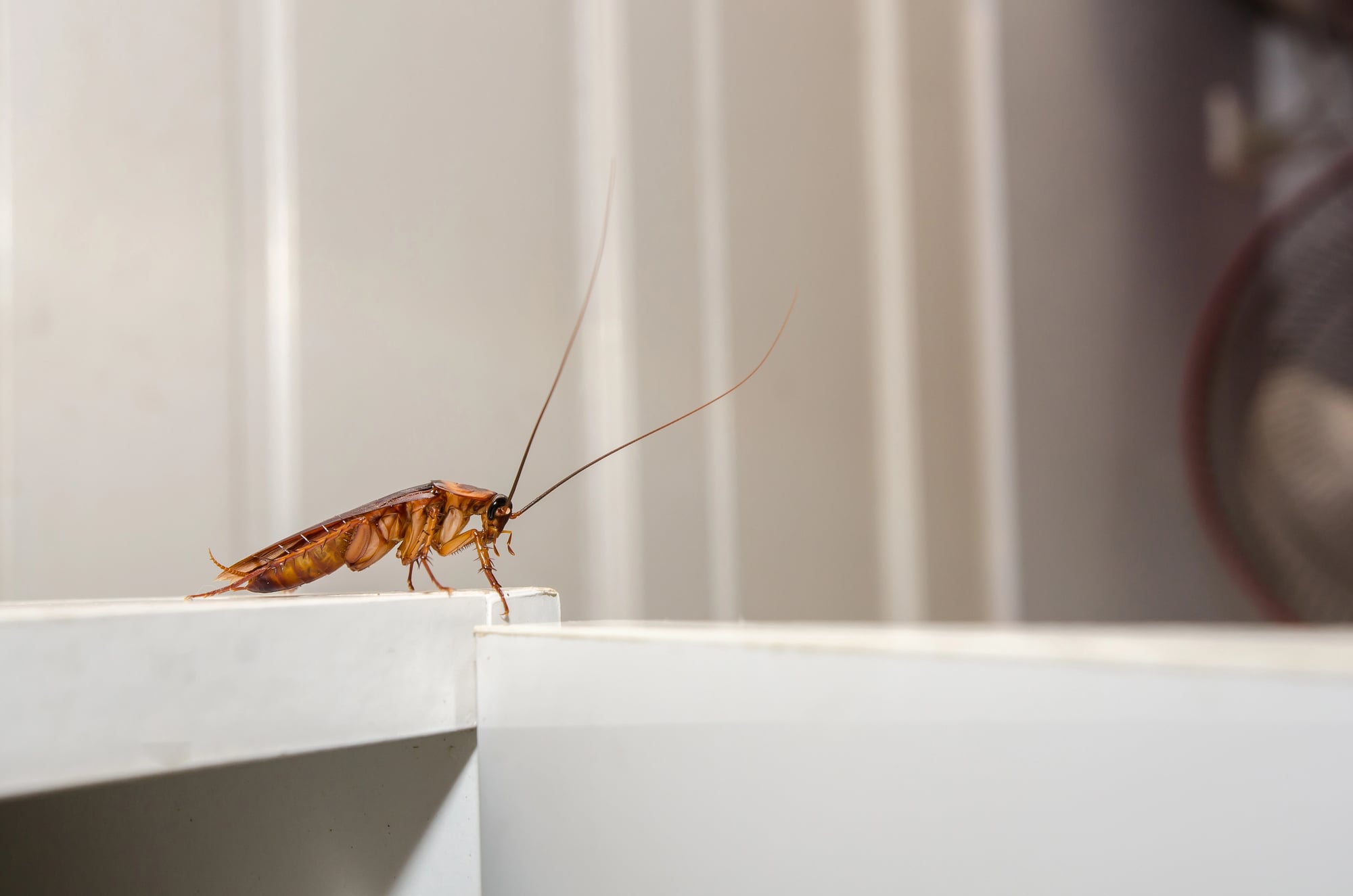
Flipping on the light switch shouldn’t feel like starting a horror movie, but that’s exactly what happened when David entered his Miami hotel room at 2 AM. The walls appeared to move — hundreds of cockroaches scattering in every direction like guests fleeing a fire alarm.
The front desk clerk seemed genuinely surprised by this information, which raises uncomfortable questions about how often rooms get inspected. David spent the night in his rental car.
The hotel charged him anyway, claiming he’d already occupied the room by entering it.
The Flooded Room Mystery
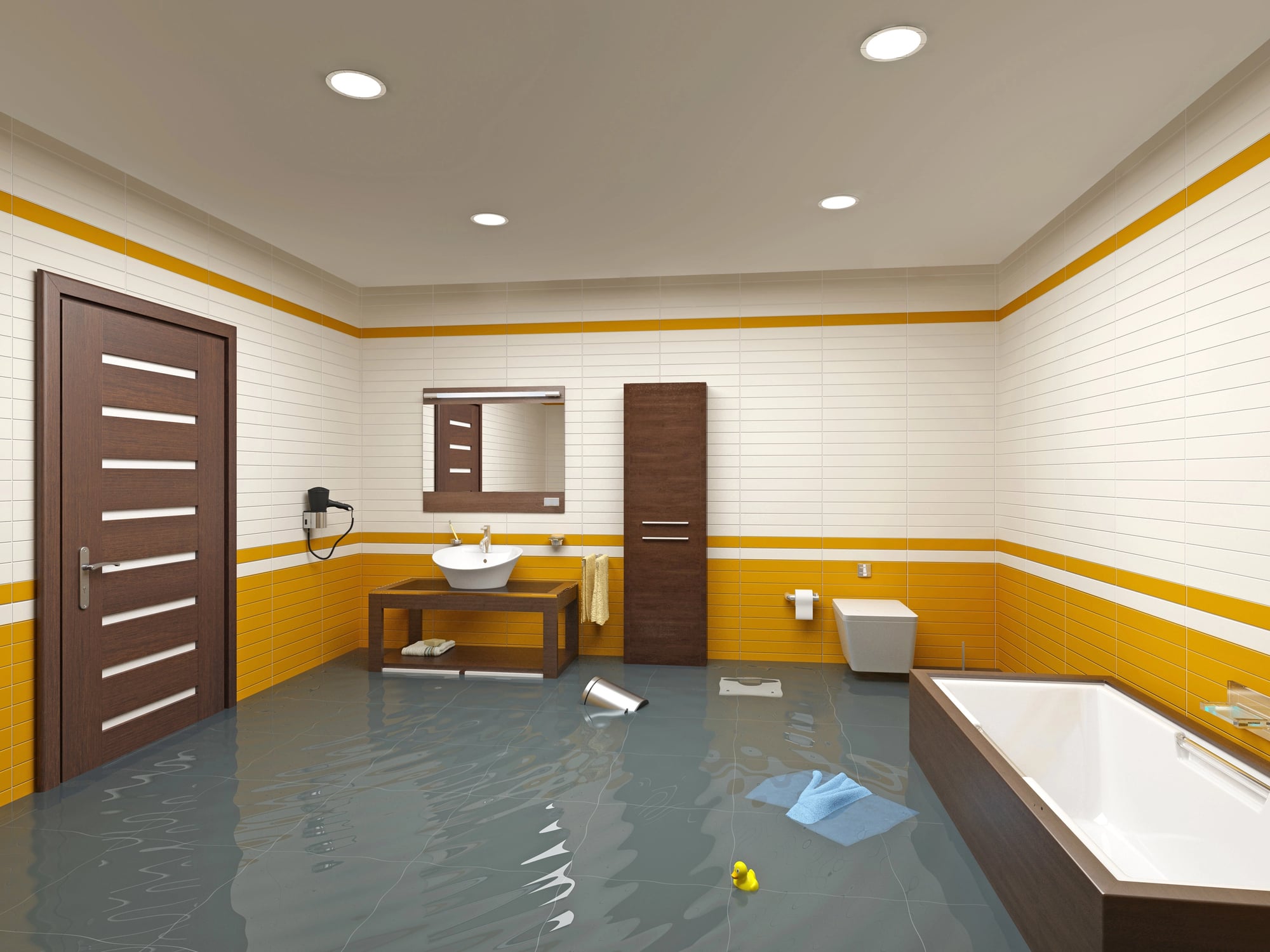
Water damage has a particular smell that hits you the moment the door opens — musty, sharp, unmistakably wrong. But sometimes hotels operate under the theory that if they don’t acknowledge a problem, it doesn’t exist (which is a fascinating approach to business, when you think about it, though not particularly effective when your guests are standing ankle-deep in suspicious liquid that may or may not have originated from plumbing).
Jennifer’s room in Prague had clearly suffered some kind of flooding incident in the recent past, but housekeeping had simply laid towels over the wet carpet and called it ready for occupancy. And here’s the thing about water damage: it doesn’t just disappear because someone ignores it — it gets worse, develops its own ecosystem, becomes the kind of environmental hazard that makes you wonder about liability insurance.
The Construction Zone Suite

Booking a hotel room generally implies access to basic amenities like running water and electricity. This expectation becomes more reasonable, not less, when the nightly rate approaches $300.
Mark’s “luxury suite” in Barcelona came with a fascinating array of exposed wiring, missing floorboards, and what appeared to be an active construction project happening directly above his bed. The hotel was undergoing renovations.
They forgot to mention this minor detail during the booking process. Construction crews arrived at 6 AM sharp, ready to continue their work on what had been advertised as a relaxing getaway destination.
The Bedbug Battleground

There’s something uniquely violating about discovering that your bed has become someone else’s feeding ground — in this case, an entire colony of bedbugs that treated Lisa’s arrival like dinner service had just begun. The bites appeared within hours, raised welts mapping out her sleeping position with uncomfortable precision.
Hotels know about bedbug infestations long before guests discover them. The evidence doesn’t appear overnight.
This particular establishment had simply chosen to keep renting the room anyway, apparently operating under the assumption that guests wouldn’t notice or wouldn’t complain loudly enough to matter.
The Haunted Elevator Shaft
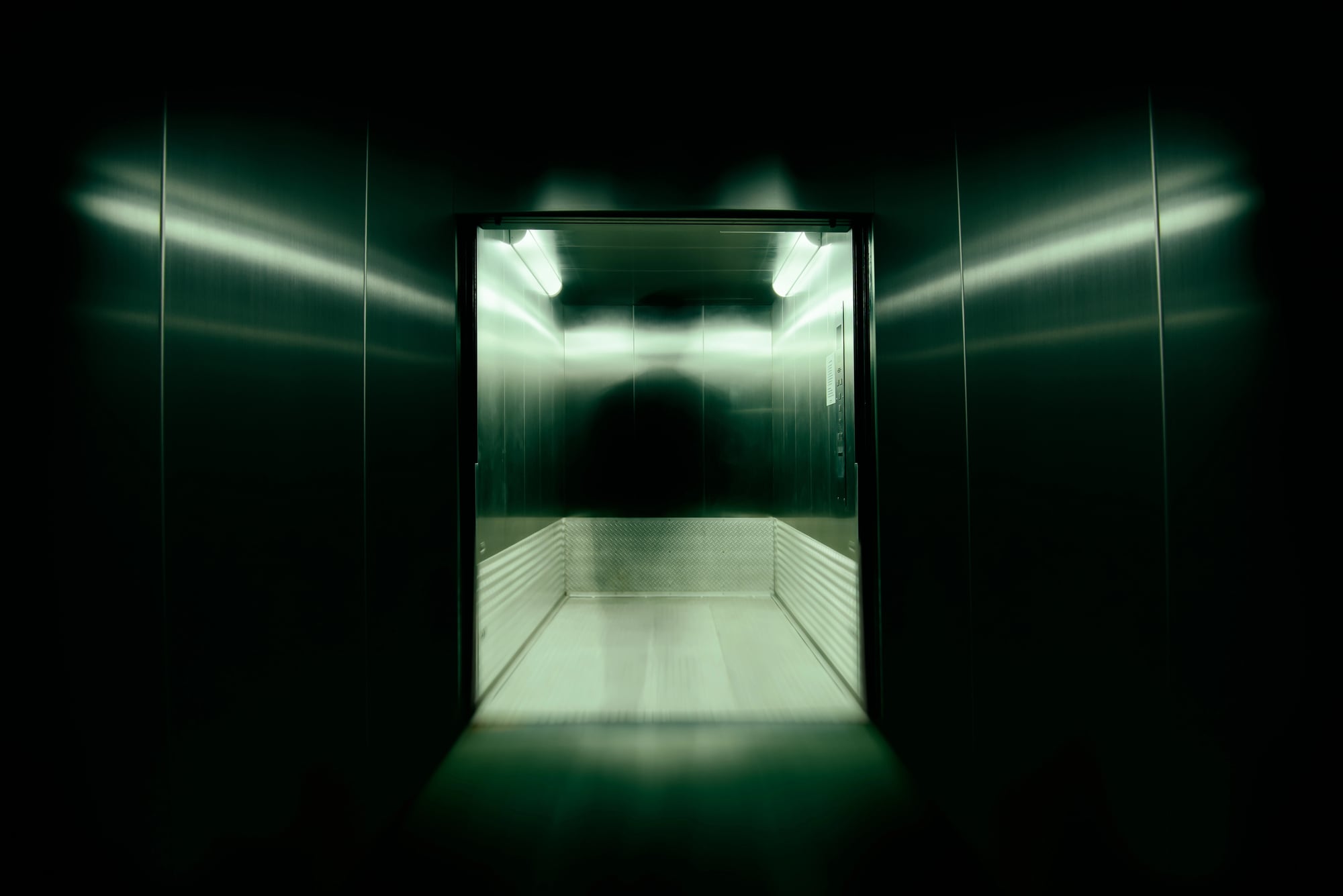
Fear of elevators seems reasonable when the elevator in question makes sounds like a dying animal and drops three feet without warning. The mechanical groaning that echoed through Tom’s hotel in Bangkok suggested equipment that had passed its expiration date years ago, but the real adventure began when the elevator stopped between floors at 3 AM with no emergency phone and no cell service.
Six hours later, maintenance discovered him. The hotel’s response was to offer a discount on his next stay, as if anyone would voluntarily return to experience their creative approach to vertical transportation again.
The Phantom Cleaning Service
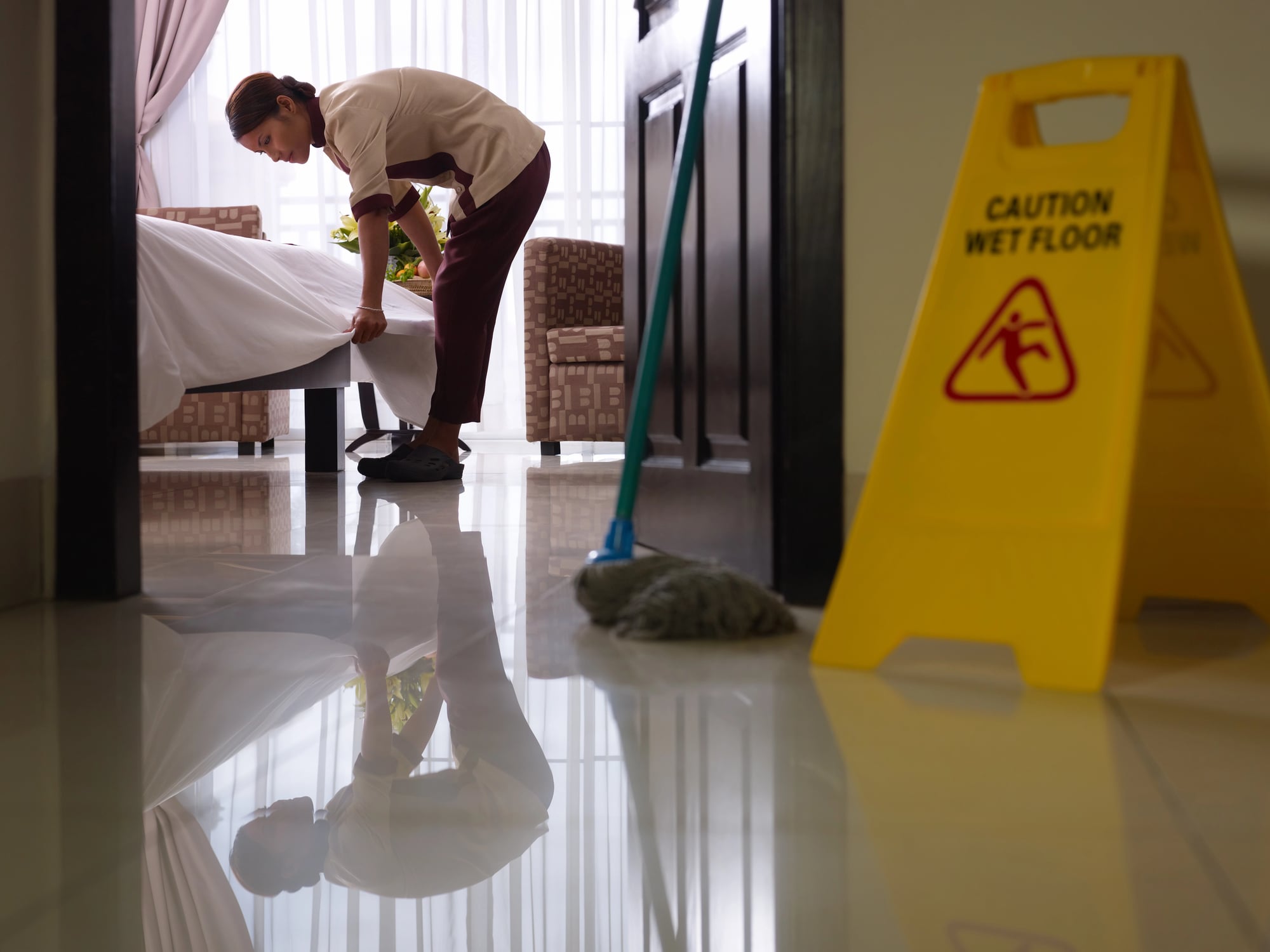
Some hotels achieve a fascinating illusion where rooms appear clean until you actually touch anything or look closely enough to see past the surface presentation — it’s like a magic trick performed by housekeeping staff who understand that most guests won’t inspect every corner, so why bother cleaning every corner (which is a bold strategy that occasionally backfires spectacularly when guests happen to be the type who notice details like previous occupants’ belongings still scattered around the room). Amanda’s experience in Las Vegas involved discovering someone else’s prescription medications in the nightstand, dirty towels folded neatly in the bathroom, and what appeared to be the remnants of the previous guest’s room service order decorating the carpet under the bed.
But the sheets looked fresh and the bathroom counter had been wiped down, so housekeeping had apparently decided their work was complete.
The Wi-Fi Hostage Situation

Modern hotel stays come with certain unspoken guarantees, and reliable internet access ranks high on that list. But some establishments treat Wi-Fi like a premium service available only to guests willing to navigate an obstacle course of technical incompetence and customer service indifference.
Rachel’s business trip to Chicago turned into a connectivity nightmare when the hotel’s internet required a password that changed every six hours, worked only in specific corners of specific rooms, and disappeared entirely whenever more than three devices attempted to connect simultaneously. The front desk staff seemed genuinely puzzled by her expectation that advertised amenities should actually function.
The Temperature Control Experiment

Climate control shouldn’t be a complex negotiation between guest and building, but Kevin’s room in Phoenix operated under different rules entirely. The air conditioning had two settings: arctic blast and complete failure.
No middle ground existed. The thermostat appeared to be purely decorative — a cruel joke played on guests who expected some degree of environmental comfort.
The outdoor temperature reached 115 degrees. The indoor temperature alternated between 55 and 90 degrees depending on the air conditioner’s mood.
Sleep became impossible. The hotel’s maintenance team declared the system “working as designed,” which raised disturbing questions about the design process.
The Noise Laboratory

Hotels located near airports expect some degree of aircraft noise. But proximity to runways doesn’t typically explain why it sounds like jet engines are warming up inside your actual room (though Angela’s experience in Denver suggested that sound insulation might be more of a theoretical concept than an engineering reality, especially when combined with paper-thin walls that transformed neighboring guests into unwilling participants in each other’s conversations, phone calls, and apparently their entire life stories).
The family in the adjacent room was having some kind of ongoing domestic discussion that continued until 4 AM, punctuated by what sounded like furniture being rearranged or possibly thrown. But the real acoustic adventure began when construction work commenced in the parking lot at 5 AM sharp — jackhammers and cement mixers providing the soundtrack for what had been advertised as a peaceful retreat.
The Plumbing Adventure
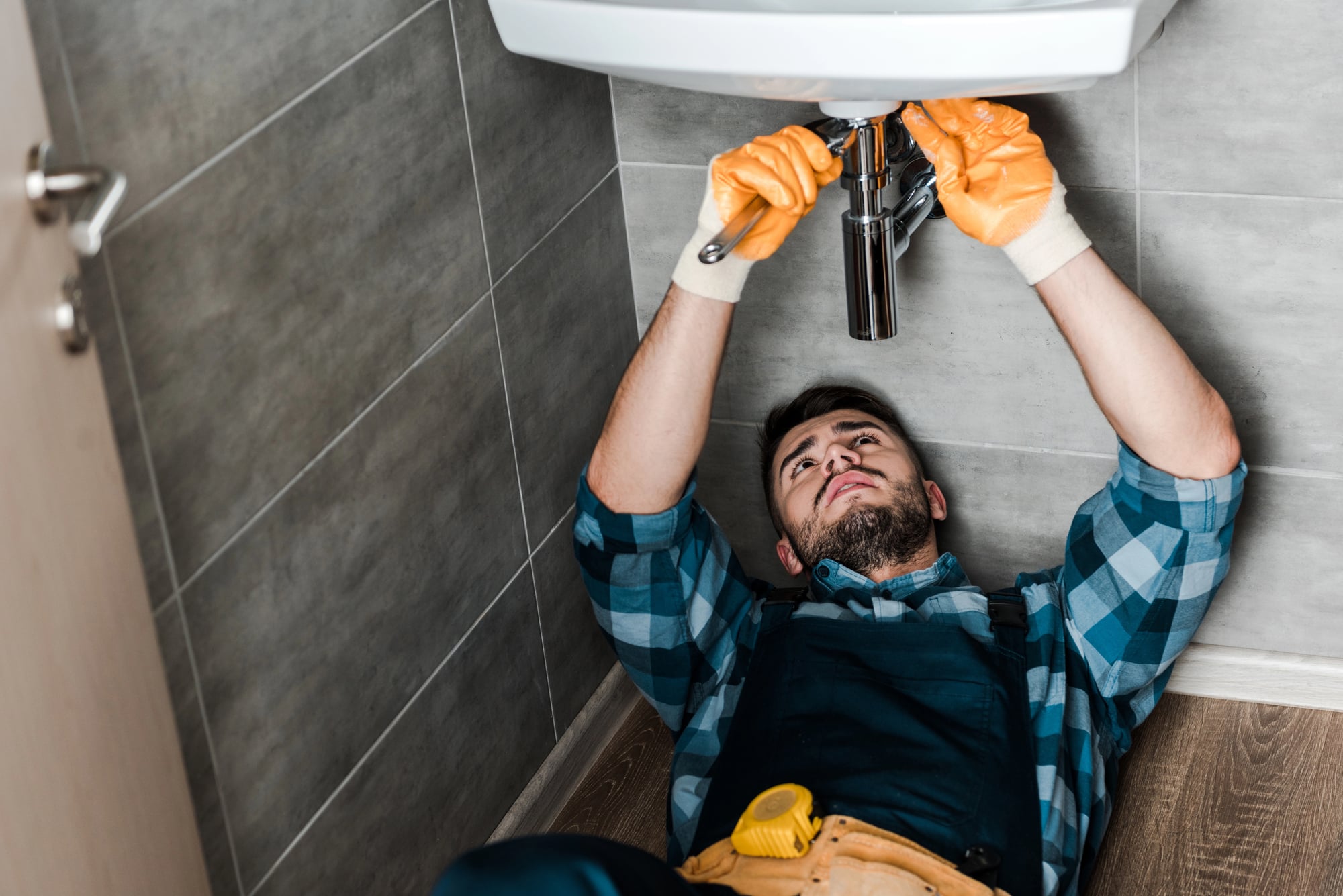
Water pressure problems pale in comparison to complete plumbing failure, but Mike’s hotel in Mexico City managed to achieve both simultaneously. The shower produced a trickle of brown liquid that may or may not have been water, while the toilet had apparently decided to reverse its primary function and begin ejecting contents onto the bathroom floor.
The hotel’s response involved a series of increasingly creative excuses about municipal water issues and seasonal maintenance schedules. None of these explanations addressed why guests should pay full price for rooms with non-functional bathrooms, but apparently asking such questions marked you as an unreasonable customer with unrealistic expectations.
The Mystery Stains Investigation
Hotel housekeeping operates under the assumption that guests won’t conduct forensic examinations of their accommodations, which works well until someone like Patricia arrives with both attention to detail and a blacklight for some reason. Her room in New Orleans revealed a crime scene worthy of professional investigation — biological matter decorating surfaces that should never come into contact with biological matter.
The truly disturbing element wasn’t the stains themselves but their location and quantity. This wasn’t accidental spillage or normal wear and tear.
Someone had engaged in activities that defied both explanation and basic human decency, and housekeeping had responded by rearranging the furniture to hide the evidence rather than actually cleaning it.
The Wildlife Sanctuary
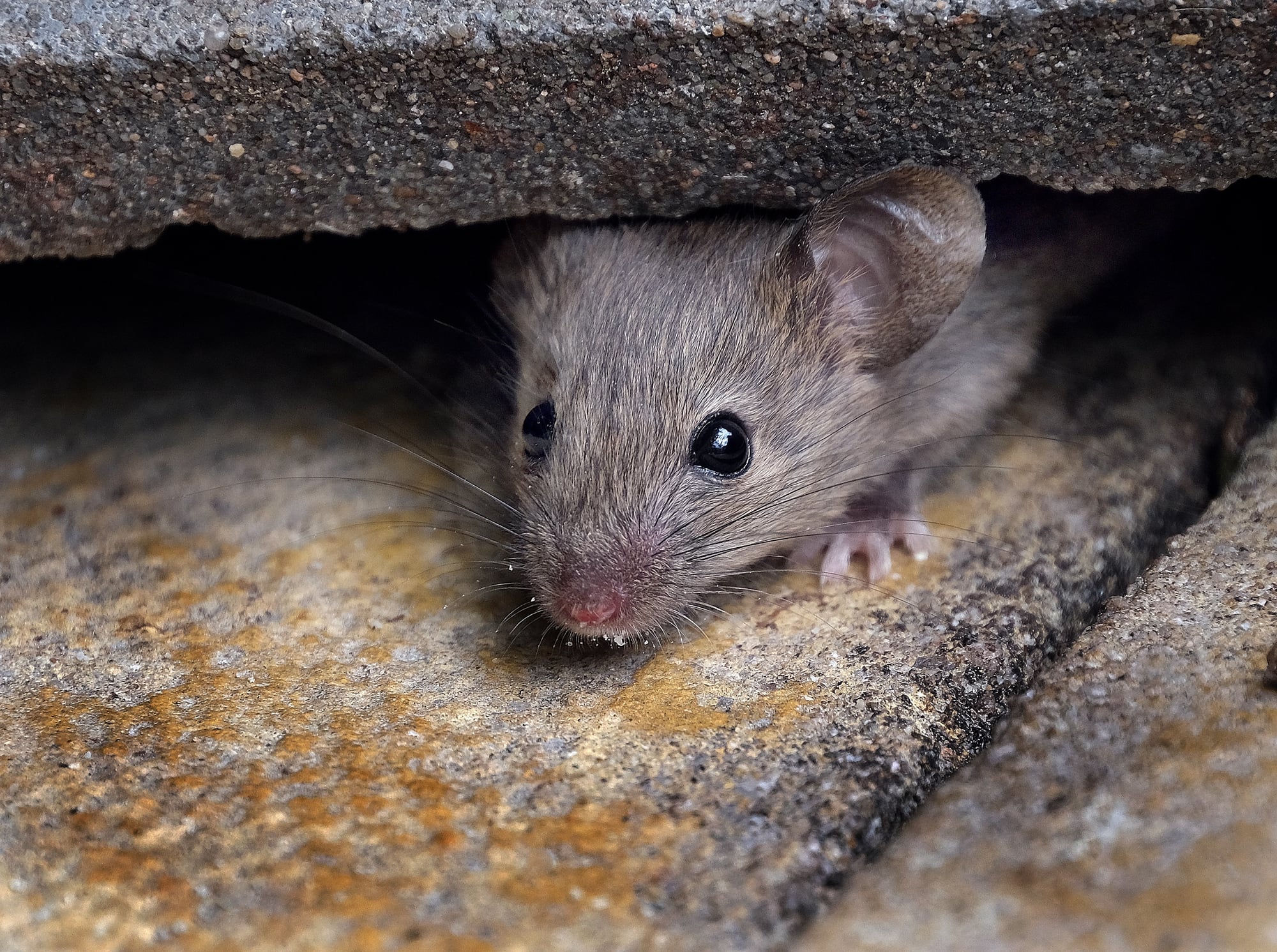
Urban hotels shouldn’t double as nature preserves, but Mark’s accommodations in New York City appeared to be operating under a different philosophy entirely. The room came pre-populated with an impressive variety of creatures that seemed more comfortable with the space than he was.
Mice had established what appeared to be a permanent settlement behind the mini-fridge. Something larger was living in the walls based on the scratching sounds that began each evening around sunset.
The bathroom hosted a spider colony that had constructed an elaborate web system connecting all major fixtures. Management described this as “a minor pest issue” and offered a can of spray as a solution.
Learning From Disaster

These stories serve a purpose beyond entertainment or sympathy for fellow travelers — they illustrate the remarkable gap that can exist between expectation and reality in the hospitality industry. Bad hotel experiences share common elements: management that prioritizes cost-cutting over basic maintenance, staff trained to deflect rather than resolve problems, and business models that assume guests won’t complain loudly enough to matter.
The silver lining emerges in hindsight. Every terrible hotel stay makes you more appreciative of decent accommodations and more skilled at spotting red flags before you hand over your credit card.
Sometimes the worst travel experiences become the best travel stories, though preferably only after enough time has passed to find humor in the horror.
More from Go2Tutors!

- The Romanov Crown Jewels and Their Tragic Fate
- 13 Historical Mysteries That Science Still Can’t Solve
- Famous Hoaxes That Fooled the World for Years
- 15 Child Stars with Tragic Adult Lives
- 16 Famous Jewelry Pieces in History
Like Go2Tutors’s content? Follow us on MSN.



