Deadly Pigments from History
Artists throughout history wanted their colors to shine. They wanted reds that glowed, greens that popped, whites that stayed pure.
But the most vivid pigments often came from the most toxic sources. Lead, arsenic, mercury, and radioactive materials found their way into paints that covered canvases, walls, and faces.
The artists who used these pigments suffered tremors, blindness, and slow poisoning. So did the people who lived with the artwork.
Beauty came at a cost that took centuries to fully understand.
Lead White’s Centuries of Dominance
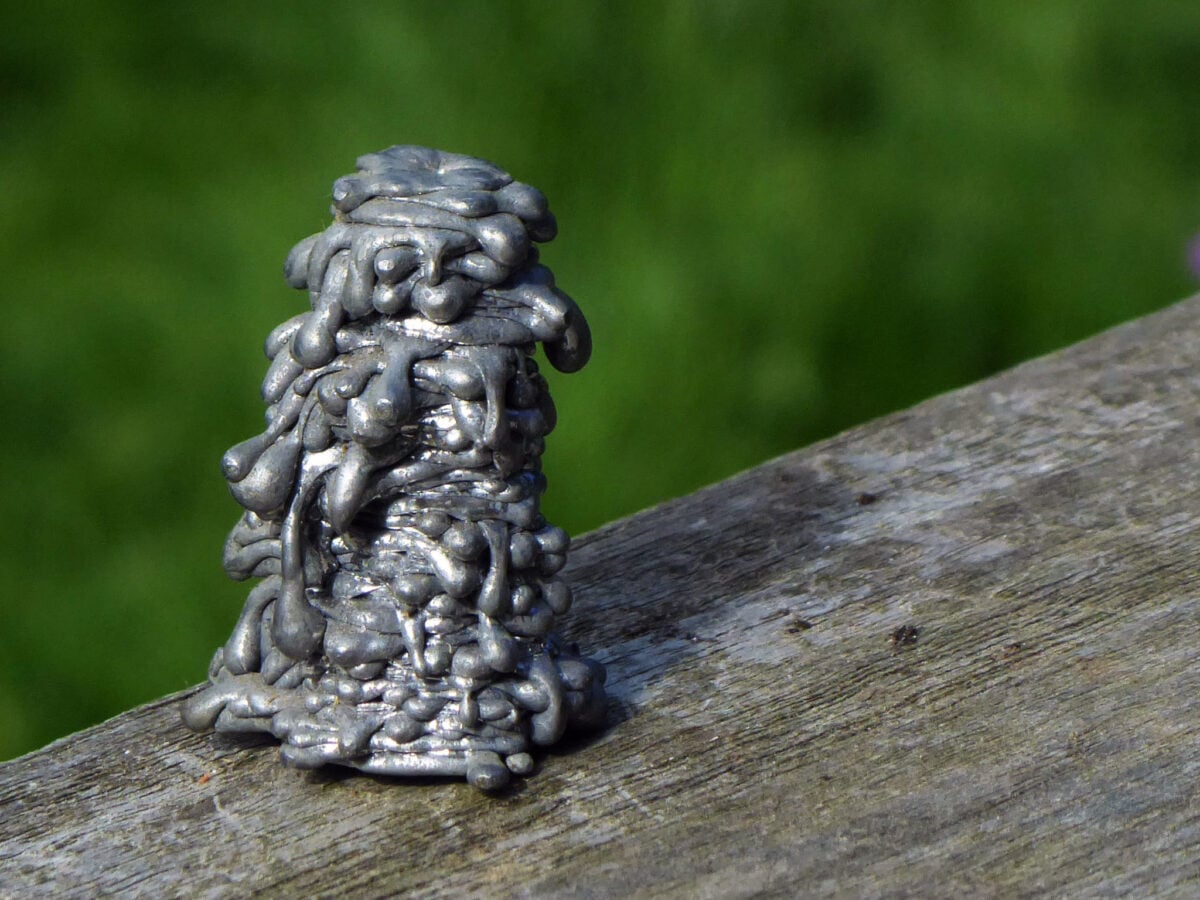
For over two thousand years, lead white was the standard white pigment in European painting. Artists made it by exposing lead to acetic acid vapors in a process that took weeks.
The resulting white was brilliant, opaque, and permanent—qualities that made it irreplaceable for highlights and mixing lighter tones. But lead is a neurotoxin.
The painters who ground lead white into powder breathed in toxic dust daily. Long-term exposure caused tremors, weakness, abdominal pain, and cognitive decline.
Children living in homes painted with lead white absorbed the metal through normal contact with walls and toys. Lead poisoning from paint was so common that it took until the 1970s for most countries to ban it completely.
Artists had known for centuries that lead white was dangerous, but no alternative matched its performance, so they kept using it anyway.
Scheele’s Green and the Toxic Wallpaper Crisis

Swedish chemist Carl Wilhelm Scheele invented this arsenic-based green pigment in 1775, and it became widely popular for wallpapers, fabrics, and paints.
The color was bright, fresh, and affordable. Victorian homes covered their walls with Scheele’s Green patterns.
Women wore dresses dyed with it. Children played in rooms decorated with it.
The arsenic didn’t stay in the wallpaper. Mold growing on paste that held the paper to walls converted arsenic into toxic gas.
Damp conditions made it worse. Families breathing this air experienced headaches, breathing problems, and poisoning symptoms that doctors couldn’t explain.
Some historians suspect Napoleon died from arsenic exposure in his green-wallpapered exile room, though the theory remains debated. The wallpaper industry resisted admitting the danger for decades because Scheele’s Green was too profitable to abandon.
Paris Green’s Industrial Poison

Paris Green improved on Scheele’s formula, creating an even brighter arsenic-based pigment that painters and manufacturers loved. It showed up in artificial flowers, children’s toys, food packaging, and candy wrappers in the 1800s.
The London Company even used it to print labels that went directly on food products. Factory workers who produced Paris Green developed skin lesions and respiratory problems.
Girls who made artificial flowers dipped in the pigment suffered nerve damage. The manufacturers knew the product was toxic but marketed it anyway.
Paris Green found an additional use as an insecticide—farmers sprayed it on crops, and cities used it to kill rats. When something is advertised as effective for killing pests, using it to color children’s toys seems questionable at best.
Emerald Green’s Artistic Legacy

This variation on arsenic-based green became a favorite among Impressionist painters despite its toxicity. The pigment produced a vibrant, luminous green that couldn’t be matched by safer alternatives.
Cézanne used it. So did Monet.
Artists knew it was poison, but the color was too good to resist. Emerald green causes skin irritation, nausea, and long-term neurological damage.
Some painters worked with it for years before symptoms became debilitating. The pigment was finally phased out in the early 20th century, but many historical paintings still contain it.
Museum conservators wear protective equipment when working on canvases painted with arsenic greens. The beauty of those landscapes came from a substance that would kill you if you ingested a teaspoon of it.
Vermilion’s Mercury Content

Vermilion, made from cinnabar ore, provided the most brilliant red in the painter’s palette. Chinese artists used it for thousands of years.
European painters adopted it enthusiastically during the Renaissance. The color was associated with wealth and power—cardinals wore vermilion robes, and important documents were sealed with vermilion wax.
Cinnabar is mercury sulfide. Grinding it into pigment exposed artists to mercury vapors.
Symptoms of mercury poisoning include tremors, irritability, memory loss, and eventual mental deterioration. Hat makers working with mercury in the 19th century went mad so frequently that the phrase “mad as a hatter” entered the common language.
Painters suffered the same fate, though their profession didn’t inspire a famous saying. Vermilion remained in use until synthetic alternatives became available in the 20th century.
Naples Yellow and Hidden Lead
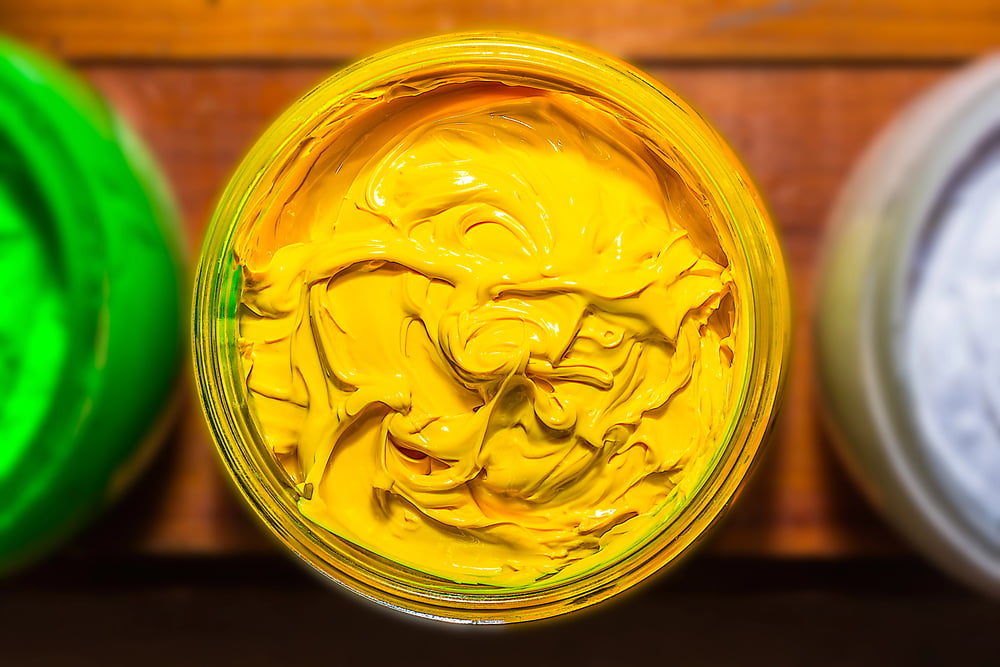
This warm yellow pigment contained lead antimoniate, and painters valued it for flesh tones and highlighting. The color had a soft, muted quality that worked well for rendering skin and subtle lighting effects.
Renaissance painters used Naples yellow extensively. Like all lead-based pigments, Naples yellow caused cumulative poisoning.
Artists who used it regularly experienced the same symptoms as those working with lead white—tremors, weakness, and cognitive problems. The pigment’s lead content wasn’t always obvious to buyers, and some artists used it without realizing they were exposing themselves to a neurotoxin.
Modern Naples yellow is made from safer compounds, but historical paintings still contain the lead-based version.
Orpiment’s Ancient Origins

This arsenic sulfide mineral produced a brilliant golden-yellow color that ancient Egyptians and medieval manuscript illuminators prized. Orpiment appears in illuminated manuscripts throughout Europe and Asia, adding bright yellow details to religious texts and royal documents.
Medieval monks who worked with orpiment in monasteries spent hours grinding and applying the pigment in a poorly ventilated scriptorium. The chronic arsenic exposure shortened their lives, though they didn’t connect the beautiful yellow in their manuscripts with their declining health.
Orpiment was particularly treacherous because it could flake off dry manuscripts as dust, meaning later readers also risked exposure. Museums now store medieval manuscripts with orpiment in controlled conditions.
Radium Paint’s Luminous Horror

In the early 20th century, companies used radium to make glow-in-the-dark paint for watch dials, instrument panels, and military equipment. Young women known as “Radium Girls” painted these dials in factories, using brushes they sharpened with their lips.
Supervisors told them the paint was harmless. The women started developing jaw necrosis—their bones literally deteriorated.
Teeth fell out. Tumors appeared.
Many died young from radiation exposure. The companies denied responsibility and fought legal claims for years.
The Radium Girls’ lawsuits eventually established important precedents for workers’ rights and corporate responsibility for occupational hazards. By then, hundreds of women had suffered permanent damage or death.
The glow-in-the-dark novelty that seemed so modern and exciting turned out to be slowly killing the people who made it.
Cadmium Colors’ Toxic Brightness

Cadmium provided vivid yellows, oranges, and reds that modern artists loved. The pigments appeared in the early 1800s and quickly became standard in oil painting.
Cadmium yellow, in particular, offered intensity that no other yellow could match. Cadmium is a heavy metal that causes kidney damage, bone disease, and cancer with prolonged exposure.
Artists grinding cadmium pigments or working with them in powder form risked inhaling toxic dust. The pigments remain in use today, though safety regulations now require careful handling and disposal.
Many art schools have banned cadmium pigments from undergraduate studios because students don’t always follow safety protocols. Professional artists who choose to use cadmium work with proper ventilation and never eat or drink in their studios.
Mummy Brown’s Grotesque Source

Victorian painters used a brown pigment literally made from ground-up Egyptian mummies. Dealers imported mummified remains from Egypt, ground them into powder, and mixed the powder with white pitch and myrrh to create paint.
The color was rich and warm, popular for flesh tones and glazing. Some artists didn’t know what they were painting with.
When Edward Burne-Jones discovered the true source of mummy brown, he reportedly buried his tube of paint in the garden. The practice declined in the late 1800s, partly from ethical concerns but also because the supply of mummies became unreliable.
Modern mummy brown uses synthetic compounds. The original version wasn’t particularly toxic compared to other pigments, but the idea of painting with human remains adds a different kind of horror to art history.
Chrome Yellow’s Lead Legacy

This lead chromate pigment gave Vincent van Gogh the brilliant yellows in his sunflower paintings. Chrome yellow was cheap, stable, and intensely colored.
It became the standard yellow for industrial and artistic use in the 19th century. The lead content made it just as toxic as other lead pigments.
Van Gogh’s later years included mental instability and physical symptoms consistent with lead poisoning, though his problems likely had multiple causes. Chrome yellow darkened over time in his paintings, a chemical change caused by light exposure that has altered how we see his work today.
The pigment remains available but requires careful handling due to its lead content.
Uranium Glass and Paint’s Radioactive Glow
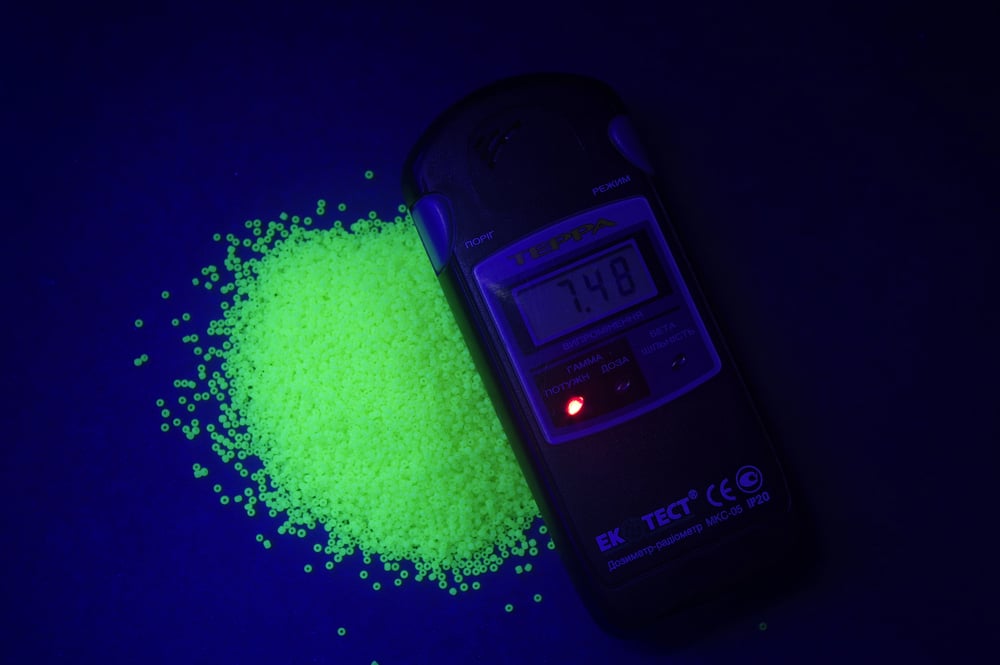
— Photo by Onyx124
Before people understood radiation, uranium was used to color glass and ceramic glazes yellow, green, and orange. Uranium glass glows bright green under ultraviolet light, which made it popular for decorative items in the early 20th century.
Fiestaware dishes in certain colors contained uranium in their glaze. The radioactivity in these items is relatively low—handling uranium glass briefly won’t harm you.
But workers who produced it faced greater exposure. Mining uranium, processing it into pigments, and applying it to thousands of dishes created cumulative radiation exposure.
The practice ended in the 1940s when uranium became restricted for military use. Vintage uranium glass remains collectible, and it’s still slightly radioactive, though collectors insist the levels are safe.
Cobalt Violet’s Hidden Arsenic
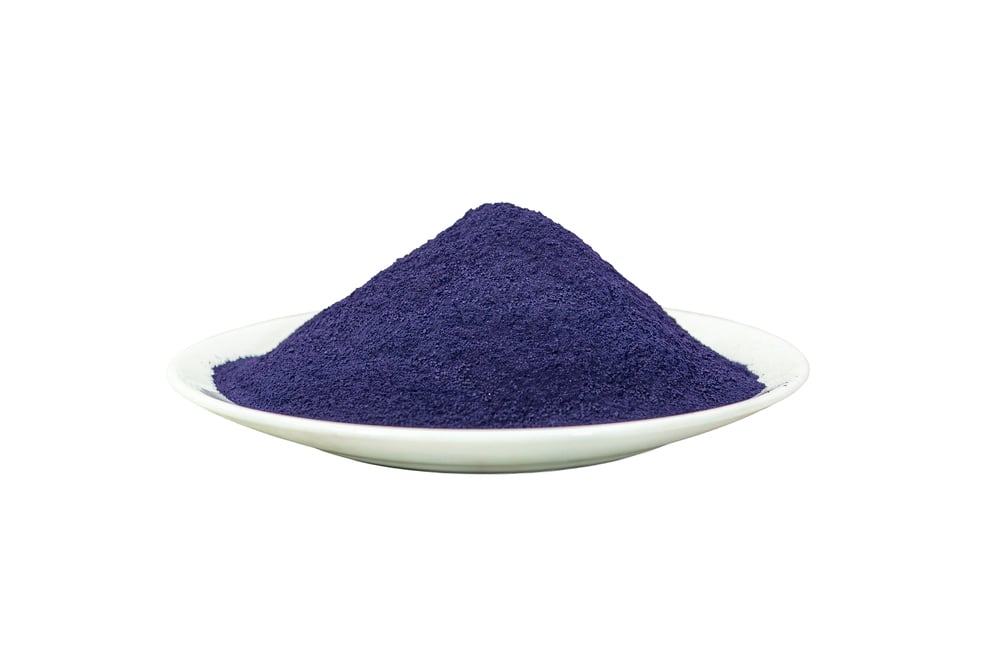
This purple pigment, developed in the 1800s, seemed like a safer alternative to other toxic colors. Cobalt violet provided a beautiful purple that artists embraced.
What they didn’t always know was that some formulations contained arsenic as a byproduct of the manufacturing process. Cobalt itself isn’t as immediately toxic as lead or mercury, but the arsenic contamination made some versions of cobalt violet dangerous.
Artists experienced skin irritation and respiratory problems. Modern cobalt violet is produced with better quality control, but historical versions varied wildly in purity and safety.
The pigment demonstrates how even “safer” alternatives could harbor hidden dangers when manufacturing standards were inconsistent.
What Beauty Demanded

Beauty took a toll. Painters worked despite knowing their paints could harm them because nothing else matched those vivid shades. Yet they pressed on, driven by results no substitute could offer.
Workers in pigment factories faced steeper odds – paychecks tied to risk, promises of safety handed down like fact. Glowing green paper adorned homes while radiant dials ticked on wrists, both sold as normal, both laced with danger few paused to consider.
Decades passed. Illness spread.
Life ended. Then came court fights – only then did factories start dropping those lethal dyes.
Change crept in, unwilling, dragging its feet. Art carries poison in its veins, not just beauty.
Folks gave up their well-being so shades could survive beyond their own deaths. Those canvases glow today, untouched by time, holding remnants of what once harmed the hands that made them.
Glass cases shield museum guests now, blocking contact with poisons age has not weakened.
More from Go2Tutors!

- The Romanov Crown Jewels and Their Tragic Fate
- 13 Historical Mysteries That Science Still Can’t Solve
- Famous Hoaxes That Fooled the World for Years
- 15 Child Stars with Tragic Adult Lives
- 16 Famous Jewelry Pieces in History
Like Go2Tutors’s content? Follow us on MSN.