15 Genius-Level Tricks Students Used to Cheat
Throughout history, students have shown remarkable creativity when it comes to academic dishonesty. While we certainly don’t endorse cheating, some of these methods are so ingenious they border on impressive — though they often require more effort than just studying would have. From ancient Rome to modern classrooms, the battle between students trying to cheat and teachers trying to catch them has produced some truly elaborate schemes. These tales of academic mischief reveal the lengths people will go to avoid honest work. Here is a list of 15 genius-level tricks students used to cheat.
The Water Bottle Label Switch

Students discovered they could carefully peel off water bottle labels, write notes on the inside, and reapply them perfectly. The clear plastic made the text barely visible unless you knew exactly where to look, creating an almost invisible cheat sheet.
This clever disguise made it incredibly difficult for proctors to detect, as it appeared to be an innocent beverage. This method worked so well that many schools now require students to remove all labels from drinks before tests.
Morse Code Pencil Tapping
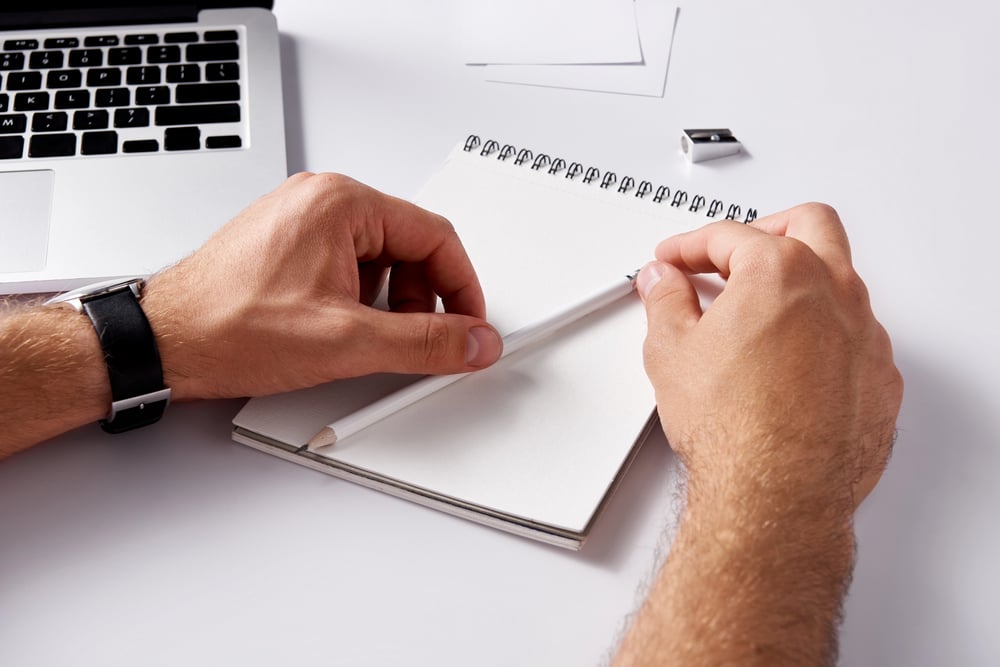
Two MIT students developed an elaborate Morse code system using pencil taps during exams. One student would tap out questions in code while the other would respond with the answers, creating what sounded like nervous fidgeting to anyone listening.
The dedication required to master such a complex communication system was arguably more demanding than studying the course material itself. They practiced for months to perfect their timing and make the communication seem natural.
Like Go2Tutors’s content? Follow us on MSN.
The Eraser Hollowing Technique
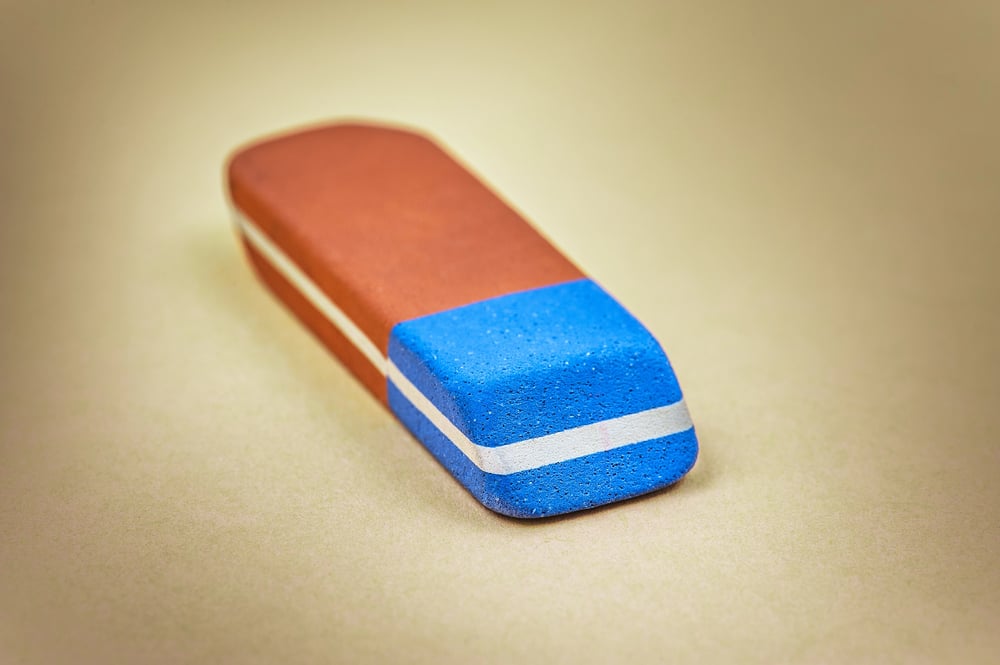
Creative students learned to carefully hollow out pink erasers and stuff them with tiny rolled-up notes. The process required surgical precision — cutting a small slit, removing the eraser material, inserting the cheat sheet, and sealing it back up without leaving traces.
The translucent nature of the eraser allowed for discreet reading, making it a highly effective and subtle method. During exams, they’d pretend to erase mistakes while actually reading their hidden notes through the translucent pink rubber.
Calculator Programming Mastery
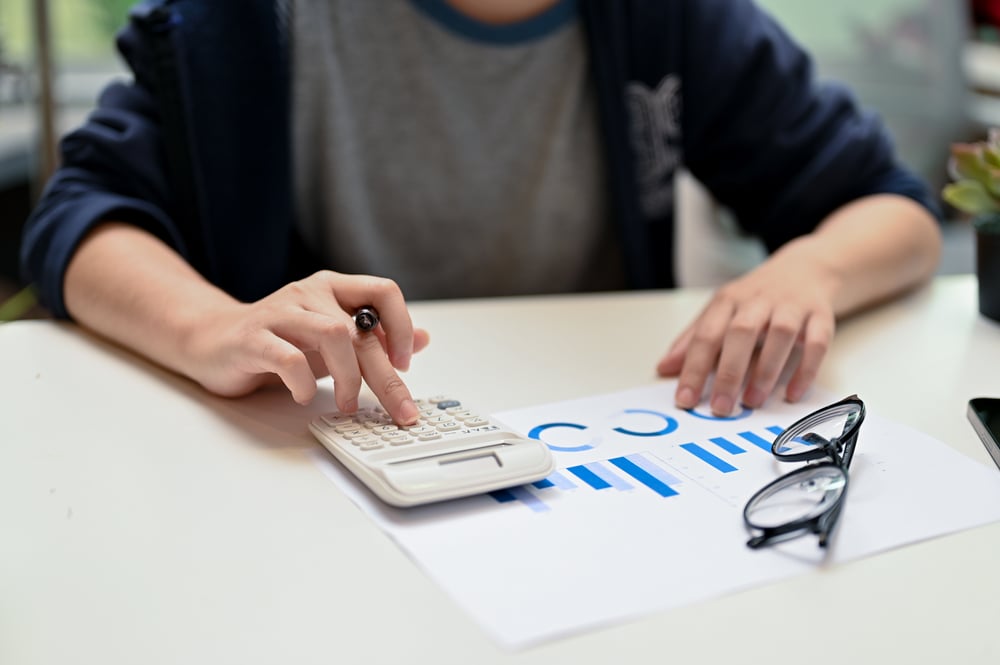
Students with programmable calculators turned them into miniature computers loaded with formulas, notes, and even entire textbook chapters. They’d spend hours learning complex programming languages just to avoid memorizing math formulas, which ironically required far more technical skill than the actual coursework.
This advanced use of technology often outpaced teachers’ awareness of calculator capabilities. Some even programmed fake ‘error’ screens that would display when teachers checked their calculators, hiding sophisticated databases underneath.
The Invisible Ink Revolution

Chemistry students used their lab knowledge to create invisible ink from lemon juice, milk, or special chemicals that only appeared when heated. They’d write notes on seemingly blank paper, then during exams, use the warmth from desk lamps or even their body heat to reveal the hidden text.
The scientific ingenuity behind these methods highlighted a surprising application of classroom learning for illicit purposes. More advanced versions used UV-reactive inks that required blacklight pens disguised as regular writing instruments.
Like Go2Tutors’s content? Follow us on MSN.
Fake Cast Compartments
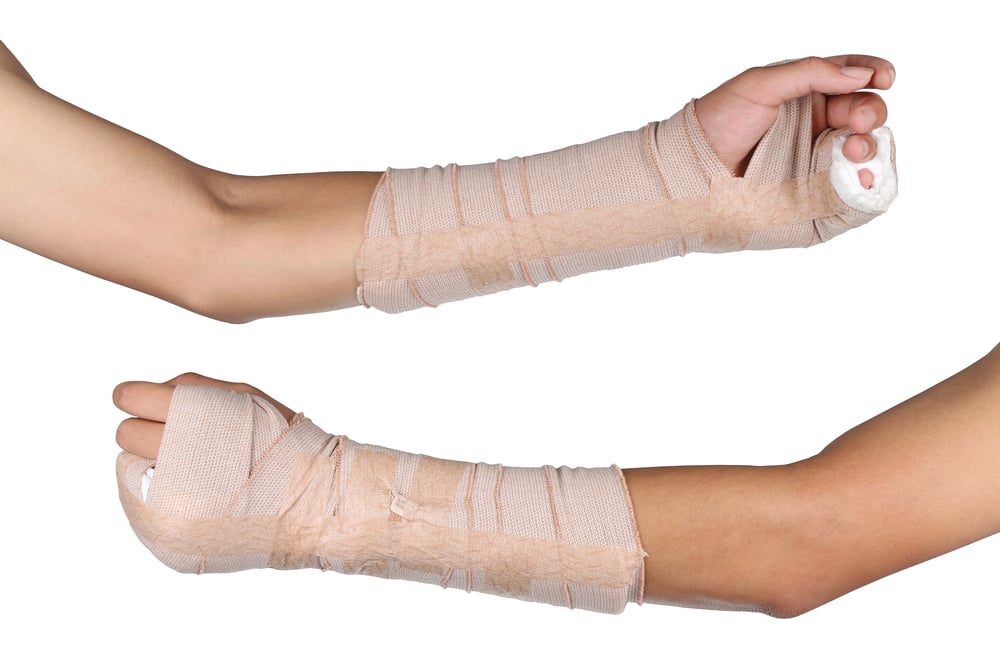
Students would show up to exams wearing fake casts with hidden compartments containing cheat sheets. They’d create convincing plaster casts or elaborate bandages with secret pockets, complete with fake medical paperwork to avoid suspicion.
The perceived authenticity of a medical device made teachers hesitant to inspect them closely, providing an ideal cover. The beauty of this method was that teachers rarely wanted to inspect what appeared to be genuine medical equipment.
The Tissue Box Database

Students transformed innocent tissue boxes into information storage systems by writing notes on tissues and carefully refolding them back into the box. During exams, they’d pull out tissues as if they had allergies or a cold, quickly scan the notes, then dispose of the evidence.
The unassuming nature of a tissue box made it an excellent and easily disposable vehicle for hidden information. The method required careful organization to ensure the right information appeared at the right time during different sections of the test.
Contact Lens Cheating

Some students had prescription information printed on special contact lenses, though this method required significant financial investment and advance planning. The text would be barely visible to others but readable to the wearer when they focused their eyes in specific ways.
This highly discreet optical trick was incredibly difficult for proctors to detect without specialized equipment. More commonly, students would write notes on the inside of their glasses lenses using special markers that were only visible from certain angles.
Like Go2Tutors’s content? Follow us on MSN.
The Mechanical Pencil Scroll System
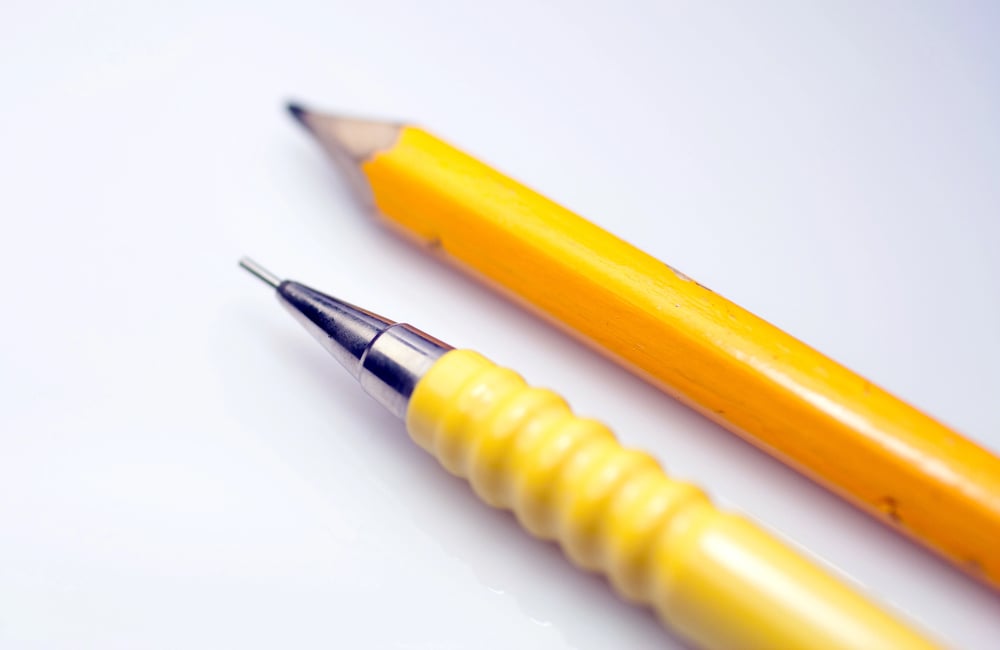
Students discovered they could remove the lead chamber from mechanical pencils and insert tiny scrolls of paper with notes written in microscopic handwriting. During exams, they’d pretend their pencil needed lead refills while actually unrolling and reading their hidden notes.
The level of fine motor control and miniature penmanship required for this trick was truly remarkable. The method required incredible attention to detail — both in creating the microscopic text and in smoothly accessing it during high-pressure test situations.
Strategic Bathroom Intelligence
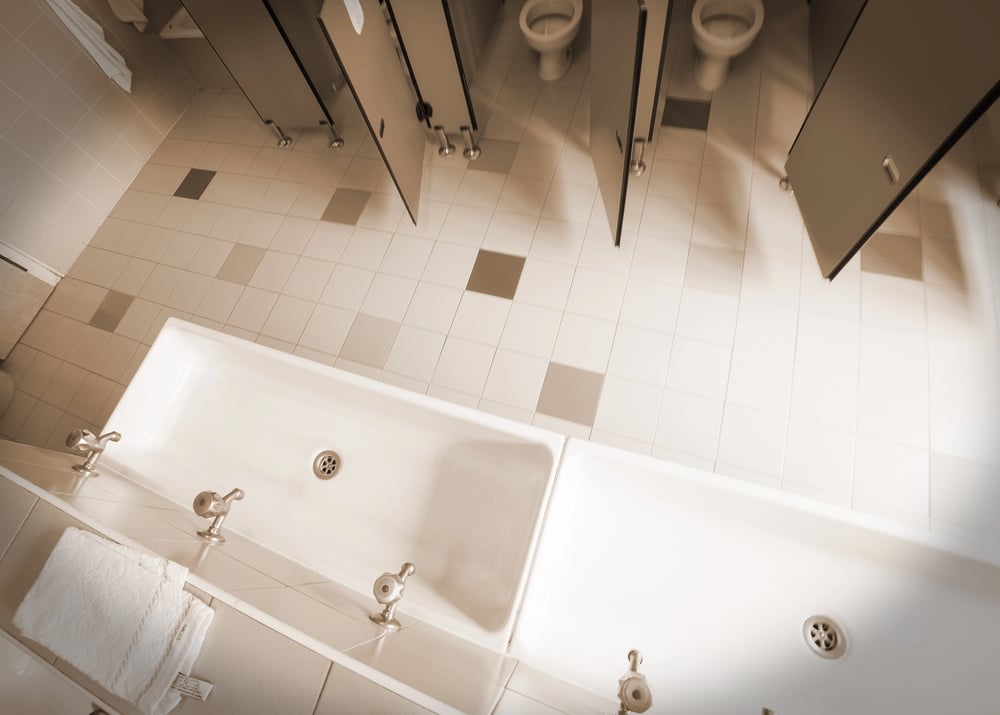
Students would excuse themselves to use the bathroom, where they’d previously hidden notes in toilet paper rolls, behind mirrors, or taped under sinks. They’d memorize key information during these ‘breaks’ and return to complete their exams with fresh knowledge.
This method relied on a pre-planned system of external caches, turning a routine break into an information retrieval mission. More elaborate versions involved multiple students taking turns, creating a relay system of information gathering throughout the test period.
The Smartwatch Evolution

When smartwatches became popular, students quickly figured out how to load them with photos of notes, formulas, and even entire study guides. They’d set up elaborate systems of swipe gestures to navigate through different subjects during exams, making it look like they were simply checking the time.
The rapid advancements in wearable technology constantly presented new challenges for test security. Some even programmed fake watch faces that displayed the time normally but revealed notes with specific button combinations.
Like Go2Tutors’s content? Follow us on MSN.
Skin Writing Techniques

Students developed methods for writing notes on their skin using special inks that were nearly invisible under normal lighting but became visible under certain conditions. Some used pens that only appeared under specific angles of light, while others employed temporary tattoos designed to look like natural skin markings.
This intimate method of note storage was almost impossible to detect without a physical search. The most advanced practitioners learned to write backwards on their forearms so they could read the text normally when positioned correctly during exams.
The Pencil Case False Bottom

Students created elaborate double-bottom pencil cases with hidden compartments containing folded cheat sheets. The false bottoms were designed to look and feel like normal pencil case bases, complete with fake wear patterns to avoid suspicion.
The craftsmanship involved in creating these deceptive containers often rivaled genuine product design. During exams, students would access their hidden materials while appearing to organize their writing supplies.
Voice Recording Disguises
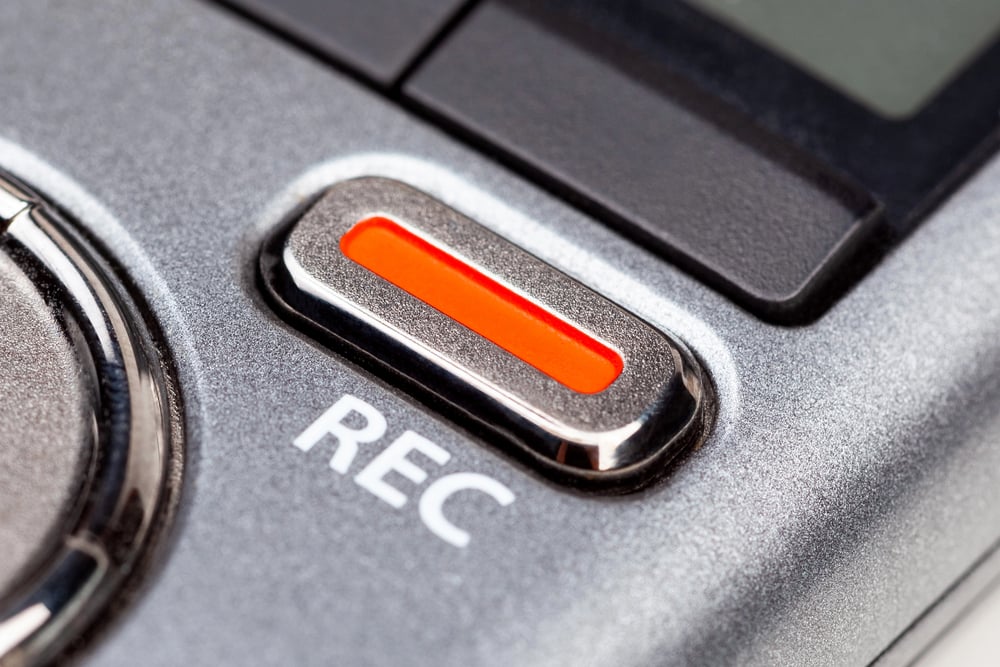
Students hid tiny voice recorders in everything from stuffed animals to fake medical devices, creating audio study guides they could access during exams. They’d develop elaborate systems for starting and stopping playback without being obvious, sometimes using hidden buttons or even voice activation.
The audio nature of this method allowed for hands-free access to information, making it incredibly discreet. More sophisticated setups involved multiple recordings organized by subject, with students memorizing complex access codes to find specific information quickly.
Like Go2Tutors’s content? Follow us on MSN.
The Group Text Network

Before smartphones were banned in most classrooms, students created sophisticated group text networks where multiple people would take the same exam at different times and share questions and answers in real-time. They developed code systems to quickly communicate complex information and assigned specific roles to different network members.
This collaborative digital approach transformed individual cheating into a collective operation. Some networks even included students from other schools taking similar exams, creating interstate cheating conspiracies.
When Creativity Meets Consequences

These elaborate cheating schemes reveal an uncomfortable truth about human ingenuity — students often invested far more time, energy, and creativity in avoiding work than they would have spent actually learning the material. The technical skills, planning abilities, and collaborative efforts demonstrated in these methods could have easily earned legitimate academic success.
While these stories might seem amusing now, they highlight the ongoing challenge educators face in fostering genuine learning over grade-focused performance. The most successful students eventually realize that the effort required to cheat effectively far exceeds the effort needed to master the subject honestly.
More from Go2Tutors!

- 16 Historical Figures Who Were Nothing Like You Think
- 12 Things Sold in the 80s That Are Now Illegal
- 15 VHS Tapes That Could Be Worth Thousands
- 17 Historical “What Ifs” That Would Have Changed Everything
- 18 TV Shows That Vanished Without a Finale
Like Go2Tutors’s content? Follow us on MSN.



