Hidden Meanings in the Most Famous Movie Parodies
There’s a moment in almost every great parody film where you stop laughing long enough to realize something sharp just happened. The joke landed, sure — but underneath it, there was a point being made.
One that the filmmakers knew most people would never consciously register. That’s the real trick of a good parody.
It doesn’t just make you laugh at a genre or a specific movie. It uses the laughter as cover to slip in a critique that a straight drama could never get away with.
The best parody films aren’t just funny. They’re quietly subversive.
And once you start looking for what’s really going on beneath the surface, you’ll never watch them the same way again.
Blazing Saddles Was Actually About Racism

Mel Brooks’ 1974 Western parody looks like a simple comedy at first glance. A Black sheriff is appointed to a racist town, absurdity ensues.
But the film isn’t just poking fun at Western movies — it’s dismantling the racism baked into the entire genre. Every time the townspeople say something vile, the joke isn’t on the sheriff.
It’s on them. Brooks, along with co-writer Richard Pryor, made bigotry look so stupid that the audience couldn’t help but laugh at it.
The racist characters aren’t the straight men here. They’re the punchline.
This was gutsy filmmaking disguised as slapstick. By making racism ridiculous rather than dramatic, Brooks stripped it of the dignity it often carried in serious films.
The Black sheriff doesn’t just survive the town — he outsmarts every single person in it. That wasn’t an accident.
Spaceballs Was A Warning About Hollywood Greed
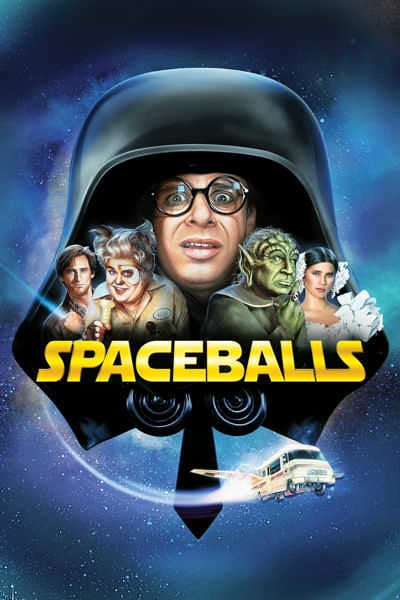
On the surface, Spaceballs spoofs Star Wars. And it does that job brilliantly.
But the real target was never George Lucas. It was the entertainment industry’s growing obsession with merchandising.
The character Yogurt, played by Brooks himself, delivers a line that landed harder than most people realized at the time. The entire subplot about Spaceball merchandise — t-shirts, mugs, flamethrowers — was Brooks predicting exactly where Hollywood was headed.
George Lucas actually approved the film but asked that Brooks not produce real Spaceballs merchandise. The irony is almost too perfect.
Brooks was warning about the very thing that would go on to dominate the film industry. And the studio that owned the original franchise basically proved his point by trying to control it.
Young Frankenstein Was A Love Letter, Not A Roast
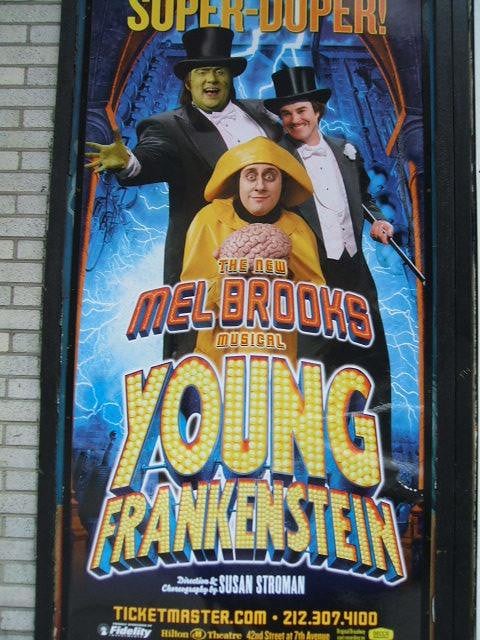
Most parodies tear their subjects apart. Young Frankenstein does the opposite.
Brooks shot the film in black and white, used the original 1931 laboratory sets, and had Gene Wilder study the source material obsessively. The result is a parody that actually deepens your appreciation for the originals rather than diminishing them.
The hidden meaning here isn’t a social critique — it’s a statement about what parody should be. Brooks was arguing, through the film itself, that the best humor comes from genuine understanding.
Every gag in Young Frankenstein works because it’s built on respect for the source material. You have to love something to mock it this well.
Airplane! Exposed How Lazy Disaster Films Had Become

When Airplane! came out in 1980, disaster movies were everywhere. Airport, The Towering Inferno, The Poseidon Adventure — they all followed the same playbook.
Tragic backstory for the hero. Romantic subplot that goes nowhere.
A crisis so overblown it borders on parody already.
The ZAZ team — Zucker, Abrahams, and Zucker — saw this and decided the genre had essentially written its own jokes. So they took the structure of a real disaster film and filled it with absurdity, keeping everything else perfectly straight.
The actors delivered their lines with complete seriousness, and that’s what made it work. The film wasn’t just funny.
It was a masterclass in how formulaic Hollywood storytelling had become. And it proved that audiences could tell the difference.
Galaxy Quest Celebrated The Fans Everyone Looked Down On

Galaxy Quest looks like it’s making fun of Star Trek fans. For the first half, it kind of is.
The aliens who mistake a cancelled TV show’s cast for real heroes seem like the butt of the joke. But by the end, the film has flipped entirely.
It’s the fans who save everyone. The so-called nerds turn out to be the only ones who actually understand what matters.
This was a deliberate choice by director Dean Parisot. The film isn’t mocking fandom — it’s honoring it.
In a Hollywood culture that routinely dismissed people who cared deeply about fictional worlds, Galaxy Quest quietly argued that passion and sincerity are never something to be ashamed of. Patrick Stewart, who initially had reservations about the film, later called it a genuinely brilliant satire.
Austin Powers Made James Bond Look Ridiculous — On Purpose

Mike Myers built Austin Powers as a direct challenge to everything James Bond represented. The spy’s exaggerated flirtation, his outdated wardrobe, his sheer confidence in a world that no longer matched his sensibilities — all of it was a mirror held up to the Bond franchise.
But the deeper point was about masculinity and time. Austin Powers is a man frozen in the 1960s, and the film keeps reminding you that his attitudes don’t work anymore.
The humor isn’t just about how silly he looks. It’s about how certain ideas about what it means to be cool have a shelf life.
Myers made the audience laugh at a character who genuinely believed he was the height of sophistication. And in doing so, made a quiet argument that confidence without self-awareness is just a costume.
Tropic Thunder Turned Hollywood Into Its Own Villain
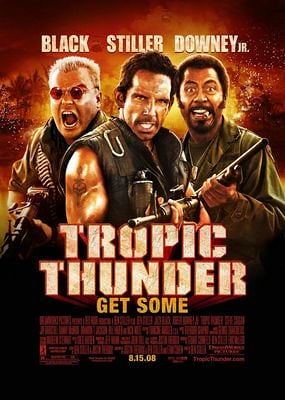
Ben Stiller’s 2008 war parody isn’t really about war at all. It’s about the actors who make war films.
The entire premise — actors so method-driven that they can’t separate themselves from their roles — was inspired by real Hollywood behavior Stiller had observed on actual war film sets.
The film layers its satire carefully. The fake trailers at the beginning mock every major genre Hollywood produces.
The “Simple Jack” subplot skewers the exploitation of disability for awards recognition. And Tom Cruise’s studio executive character is so over-the-top abusive that he essentially became a caricature of the industry’s worst power players.
Tropic Thunder works as a comedy, but it’s also one of the sharpest pieces of Hollywood self-criticism ever put on screen. Hidden inside a movie that audiences mostly remembered for its shock value.
Scary Movie Held Up A Mirror To Teen Horror
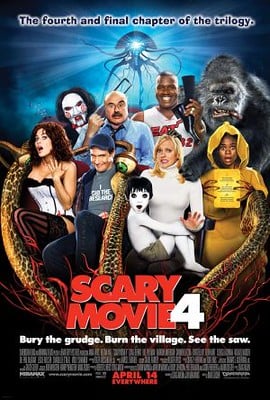
The Wayans family’s 2000 horror spoof did something the genre needed. It took every cliché from Scream, I Know What You Did Last Summer, and similar films and stretched them until they broke.
The killer who can’t stop announcing himself. The final girl who trips at the worst possible moment.
The group of friends who split up even though everyone watching knows it’s a terrible idea.
Scary Movie grossed nearly a billion dollars across its franchise. Which tells you something about how widely those horror tropes had been recognized.
And how tired audiences were of them. The film didn’t just parody horror.
It forced the genre to confront its own repetition.
Shaun Of The Dead Was Really About Growing Up

Edgar Wright’s zombie comedy looks like a straightforward genre spoof. And it is — but only for about half the film.
The other half is a genuinely funny relationship drama about two guys who refuse to accept that they’re no longer teenagers.
The zombies aren’t the real threat in Shaun of the Dead. The real threat is stagnation.
Shaun’s girlfriend wants him to grow up. His best friend is dragging him backward.
The apocalypse forces a confrontation that normal life kept postponing. Wright buried an entire coming-of-age story inside a horror parody.
And most viewers walked out thinking they’d just seen a funny zombie movie.
Monty Python And The Holy Grail Mocked Religion And Politics Simultaneously
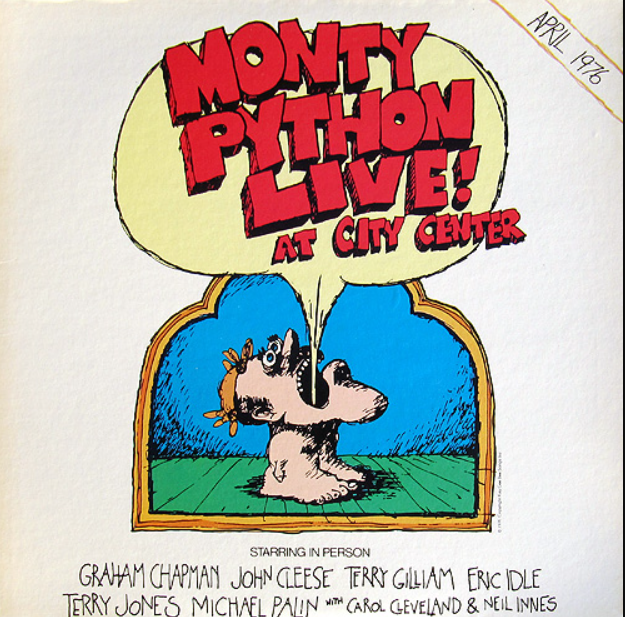
On one level, Monty Python’s 1975 Arthurian parody is just absurdist comedy. Knights who say “Ni.”
A killer rabbit. A coconut standing in for a horse.
But beneath the silliness, the film takes consistent shots at institutional authority — the Church, the monarchy, the idea that tradition and power automatically equal legitimacy.
The Holy Hand Grenade scene, the French taunters on the castle wall, the final battle ending with the police showing up to arrest everyone — each of these moments punctures the idea that kings and priests hold some kind of sacred authority.
Python was always politically irreverent. And Holy Grail channels that irreverence into one of the most quotable films ever made.
Robin Hood: Men In Tights Took Aim At Hollywood Itself
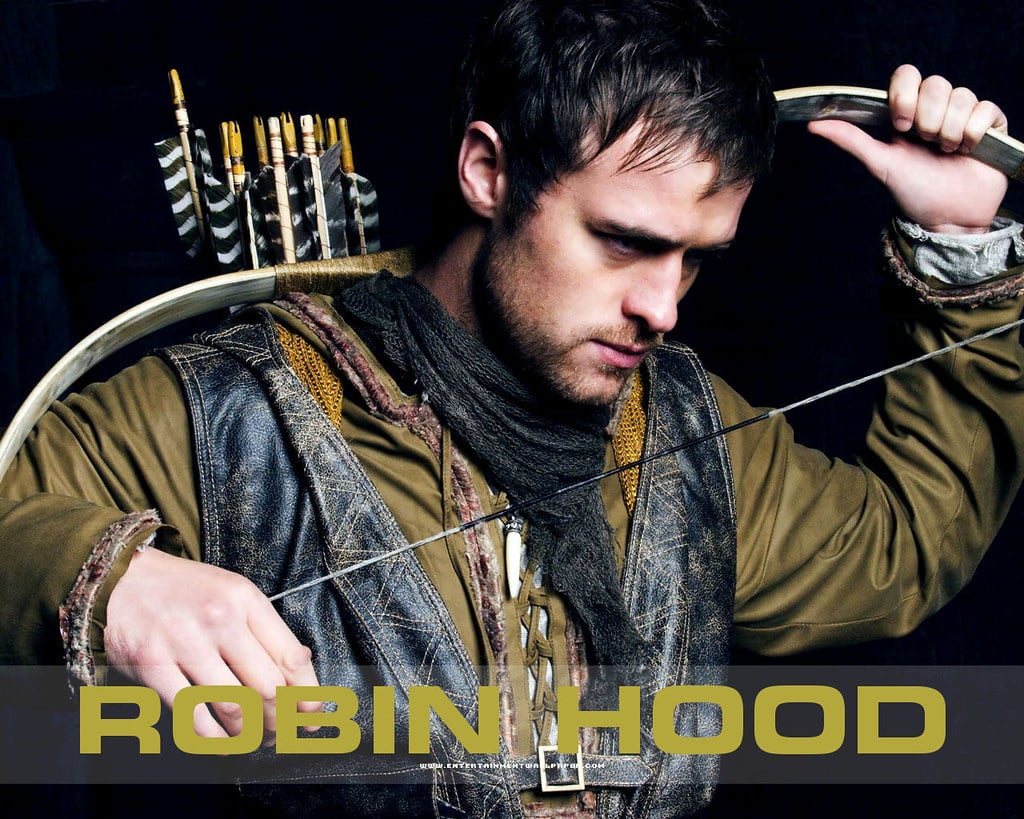
Mel Brooks returned to parody in 1993 with a Robin Hood spoof that wasn’t just poking fun at the Robin Hood legend. It was specifically targeting the bloated, historically inaccurate, self-serious treatment that Hollywood had given the story.
Particularly Kevin Costner’s 1991 version, which took itself very seriously despite getting almost nothing historically right. Brooks loaded the film with meta-humor and broke the fourth wall.
To highlight how absurd Hollywood’s version of history had become. The point wasn’t that Robin Hood stories are inherently silly.
It was that Hollywood’s treatment of them had become so detached from any real history that they deserved to be laughed at.
Top Secret! Pushed Parody Into Pure Chaos

The ZAZ team’s 1984 follow-up to Airplane! did something genuinely strange. It mashed together Elvis Presley movies with World War II espionage films.
Two genres that have absolutely nothing in common — and somehow made it work. Val Kilmer played the lead completely straight.
Which is exactly why it’s funny. The hidden point of Top Secret! isn’t a social critique so much as a statement about the genre itself.
By combining two completely unrelated film styles and treating them both with equal seriousness, the film exposed how arbitrary genre conventions actually are.
The audience assumes certain things belong together in movies. Top Secret! proved those assumptions were just habits.
The Nielsen Spoof Films Made Satire Look Effortless

Leslie Nielsen’s deadpan delivery turned the Police Squad and Frank Drebin franchise into something that looked simple but was incredibly difficult to pull off. Every frame was packed with visual gags running alongside the dialogue.
And the lead character remained completely oblivious to the chaos around him. But the films weren’t just comedy machines.
They were sharp commentary on media, politics, and celebrity culture — delivered so smoothly that most audiences never stopped to analyze them.
Nielsen’s Frank Drebin stumbles through plots involving political assassinations and media manipulation. And the joke is partly that nobody in his world takes any of it seriously.
In an era of increasing political cynicism, it felt less like fiction. And more like observation.
The Pattern That Connects All Of Them

What separates the great parody films from the forgettable ones is depth. A cheap spoof lampoons the surface — the costumes, the catchphrases, the visual style.
A great parody goes one level deeper. And finds something worth saying about the culture that produced the original.
Blazing Saddles used comedy to dismantle racism. Spaceballs predicted an industry obsessed with profit.
Galaxy Quest defended the people everyone else mocked. The best parody filmmakers understood something that serious directors often miss.
People are more willing to hear an uncomfortable truth if it comes wrapped in a joke. You laugh first.
Then, a few minutes later, you realize something is stuck. That’s not a flaw in the writing.
It’s the whole strategy.
Why The Jokes Still Land

Even now, years later, those movies keep landing. That alone shows they weren’t simply chasing the films they mocked.
When satire clings too tightly to a passing fad, it crumbles once the fad dies. Yet humor rooted in lasting truths keeps echoing.
Like arrogance, desire, dishonesty, how influence bends behavior. Even when the thing it first aimed at is forgotten.
Blazing Saddles hits different now. What it laughed at back then still lingers in plain sight.
Spaceballs felt like pure silliness. Yet its jab at endless products feels more real every year.
Galaxy Quest made fun of obsessed followers. But people still roll their eyes at devotion that loud.
They stuck around not because they were funny. But because the truth underneath never aged.
Flying fast, the laughter carries it along. What sticks around later is the point beneath.
More from Go2Tutors!

- The Romanov Crown Jewels and Their Tragic Fate
- 13 Historical Mysteries That Science Still Can’t Solve
- Famous Hoaxes That Fooled the World for Years
- 15 Child Stars with Tragic Adult Lives
- 16 Famous Jewelry Pieces in History
Like Go2Tutors’s content? Follow us on MSN.