Tiny Places with Massive Global Impact
Size doesn’t always matter when it comes to changing the world. Some of the smallest places on Earth wield influence that reaches far beyond their borders, shaping global politics, economics, culture, and technology. These tiny territories and districts prove that geography isn’t destiny. From countries you could walk across in an hour to neighborhoods that fit inside a single city block, these little spots punch way above their weight class.
Let’s explore how the tiniest places on the planet manage to leave the biggest footprints on our world.
Monaco
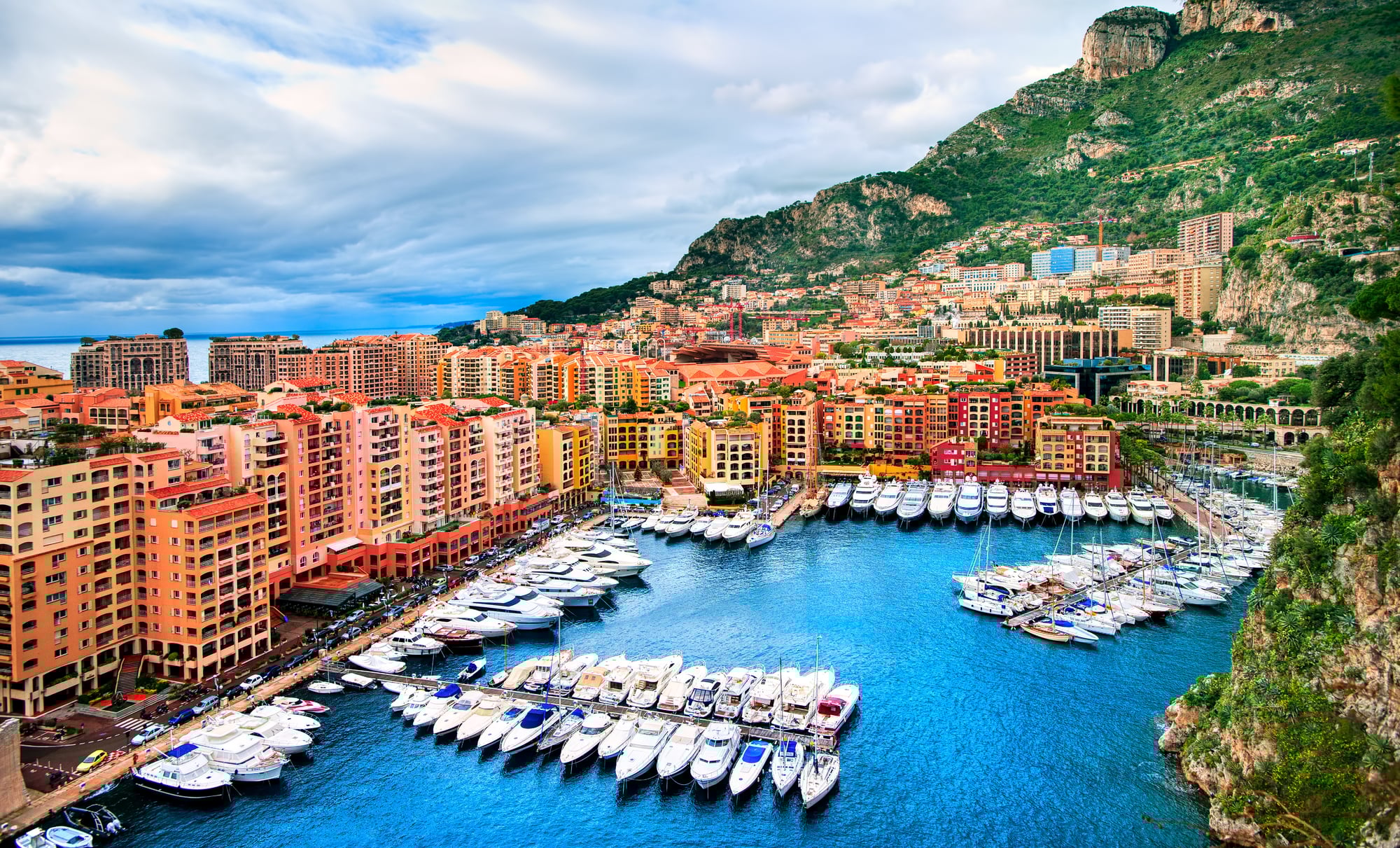
This tiny principality packs a serious financial punch into its 0.78 square miles. Monaco attracts billionaires from around the world who park their wealth in its tax-friendly banks and luxury real estate market.
The Monte Carlo Casino has shaped gambling culture globally, while the Monaco Grand Prix remains one of motorsport’s most prestigious events. Real estate prices here reach astronomical levels, with apartments selling for more per square foot than anywhere else on Earth.
Singapore
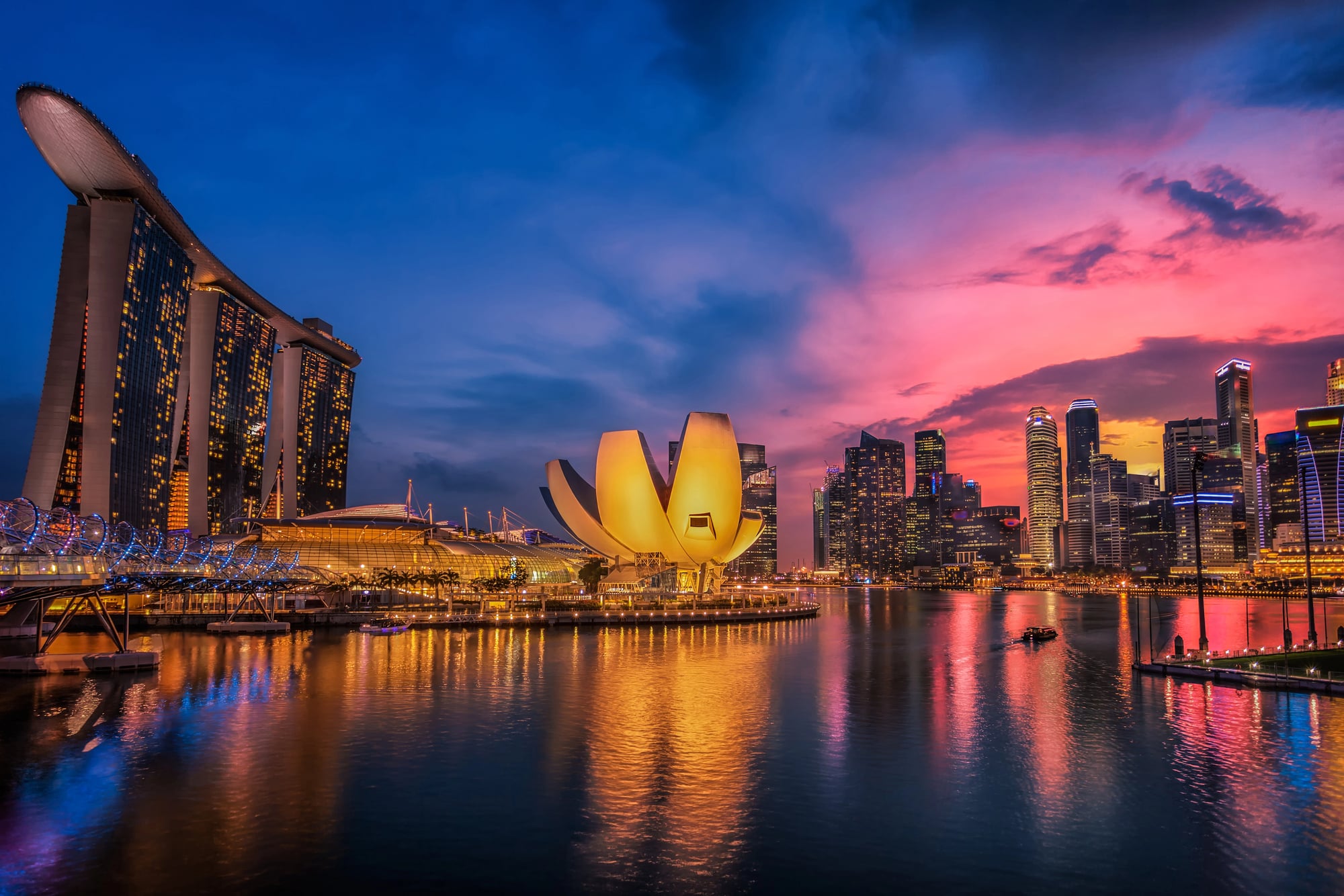
Though small enough to drive across in 30 minutes, Singapore has become one of the world’s most important trade hubs. This island city-state processes about 20% of global shipping containers and serves as headquarters for countless multinational corporations.
Its efficient government and business-friendly policies have made it a model that other countries try to copy. Singapore’s port handles more cargo than much larger countries, making it absolutely crucial to global supply chains.
Wall Street

A street less than one mile long controls trillions of dollars in global wealth. Major banks and financial institutions located on Wall Street manage assets that dwarf the GDP of entire nations.
Decisions made in these towering office buildings can trigger economic booms or crashes worldwide. The New York Stock Exchange and NASDAQ, both located in this tiny financial district, determine the value of companies across the globe.
Silicon Valley

This California region covers less than 50 square miles but houses the world’s most valuable technology companies. Apple, Google, Facebook, and dozens of other tech giants call this area home.
The innovations created here change how billions of people communicate, work, and live their daily lives. The San Jose Metropolitan Area, which includes Silicon Valley, has the third-highest GDP per capita in the world, proving that small areas can generate massive wealth.
Hollywood
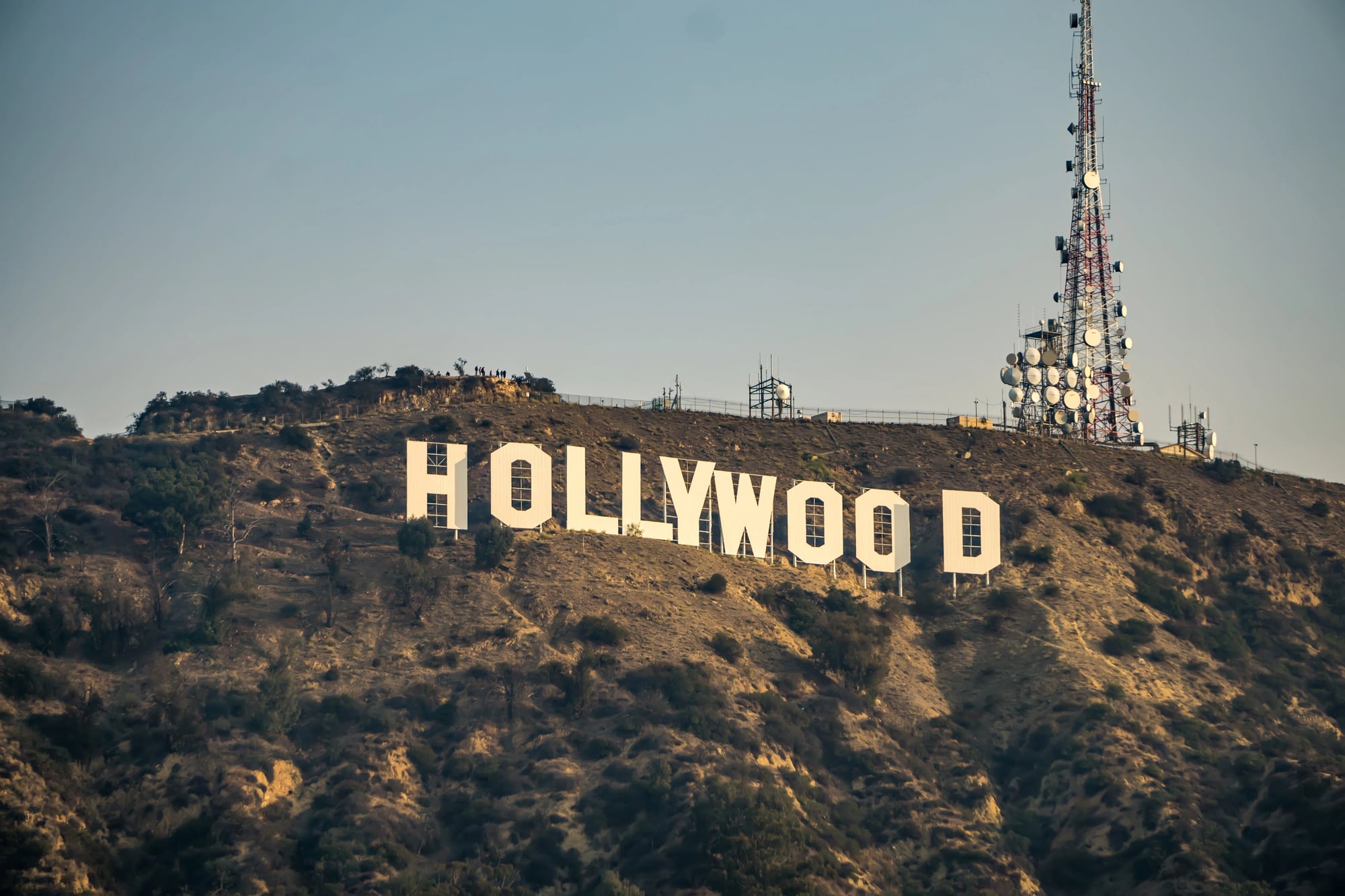
A neighborhood in Los Angeles has shaped global entertainment for over a century. Hollywood movies and TV shows reach audiences in every corner of the world, spreading American culture and values far beyond U.S. borders.
The entertainment industry based here generates hundreds of billions in revenue annually. Movies made in Hollywood studios influence fashion, language, and social trends from Tokyo to Lagos to London.
City of London
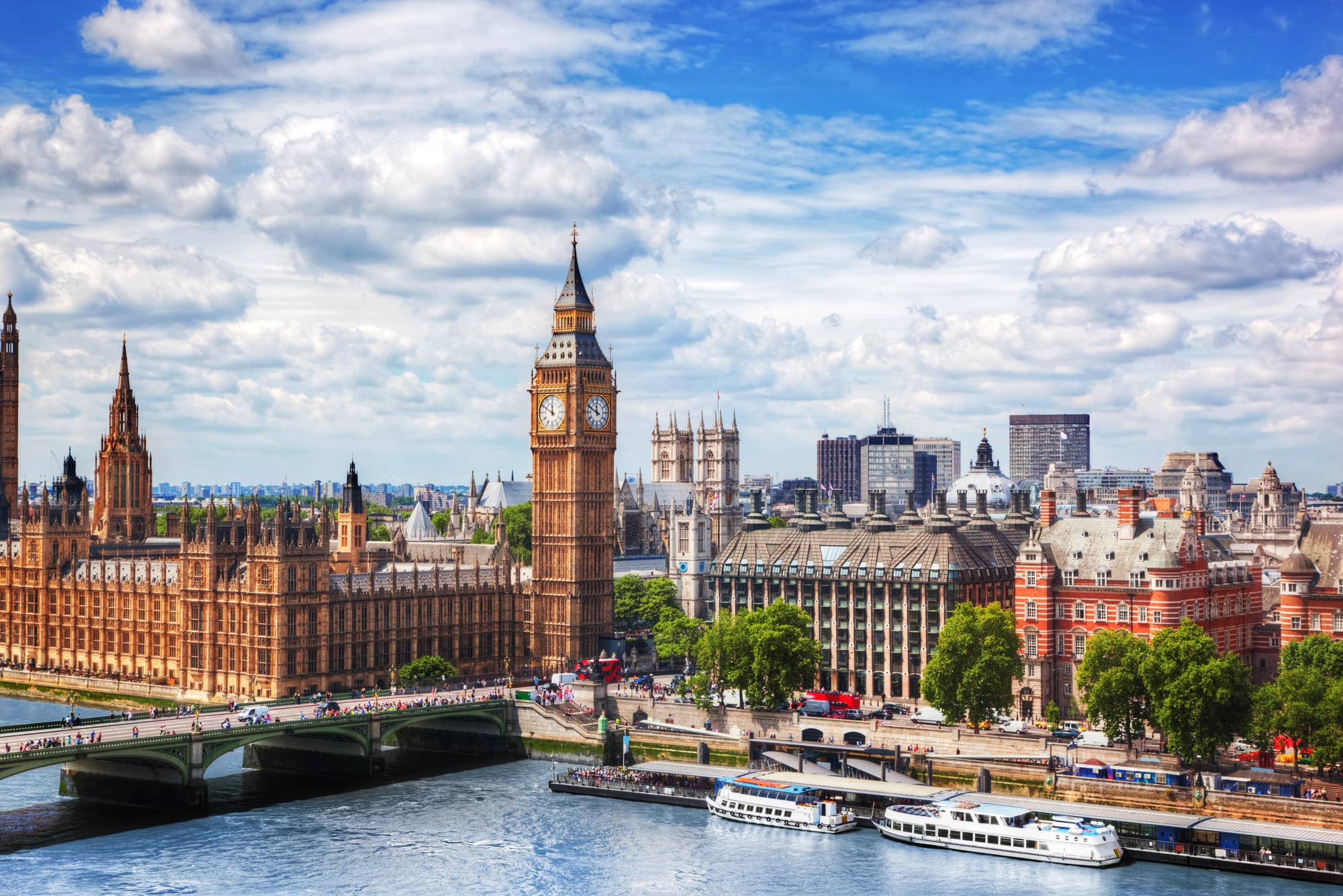
Not to be confused with greater London, the historic City of London covers just one square mile but houses the heart of global finance. More foreign currency trading happens here than anywhere else on Earth.
Major banks, insurance companies, and investment firms cluster in this ancient area. The policies and practices developed in this tiny district affect interest rates, exchange rates, and investment flows worldwide.
Geneva
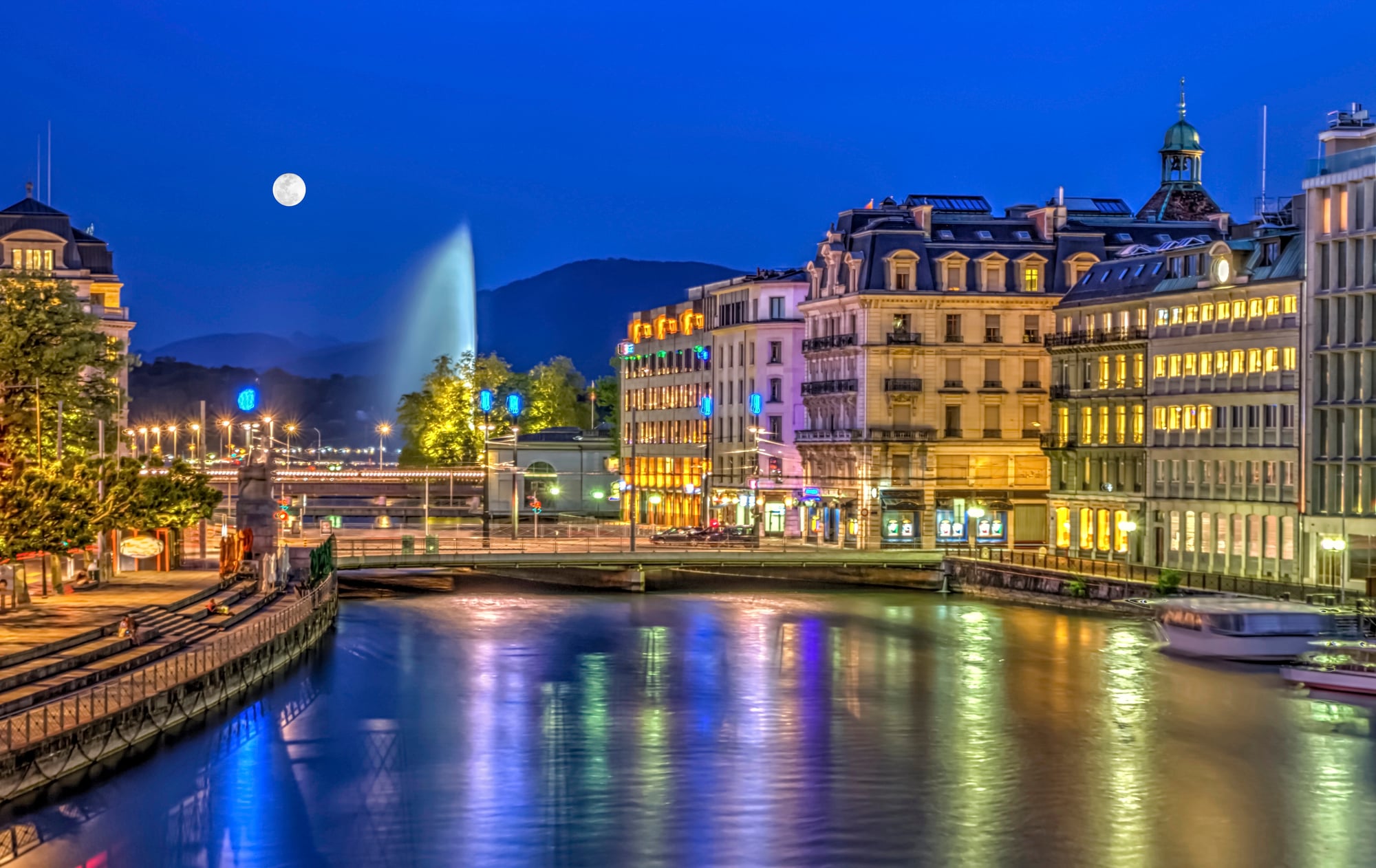
This Swiss city hosts more international organizations per capita than anywhere else on Earth. The United Nations, World Health Organization, World Trade Organization, and dozens of other global bodies have headquarters here.
Treaties signed in Geneva’s conference rooms shape international law and global cooperation. Despite having fewer than 200,000 residents, Geneva influences global politics more than many capital cities.
San Marino
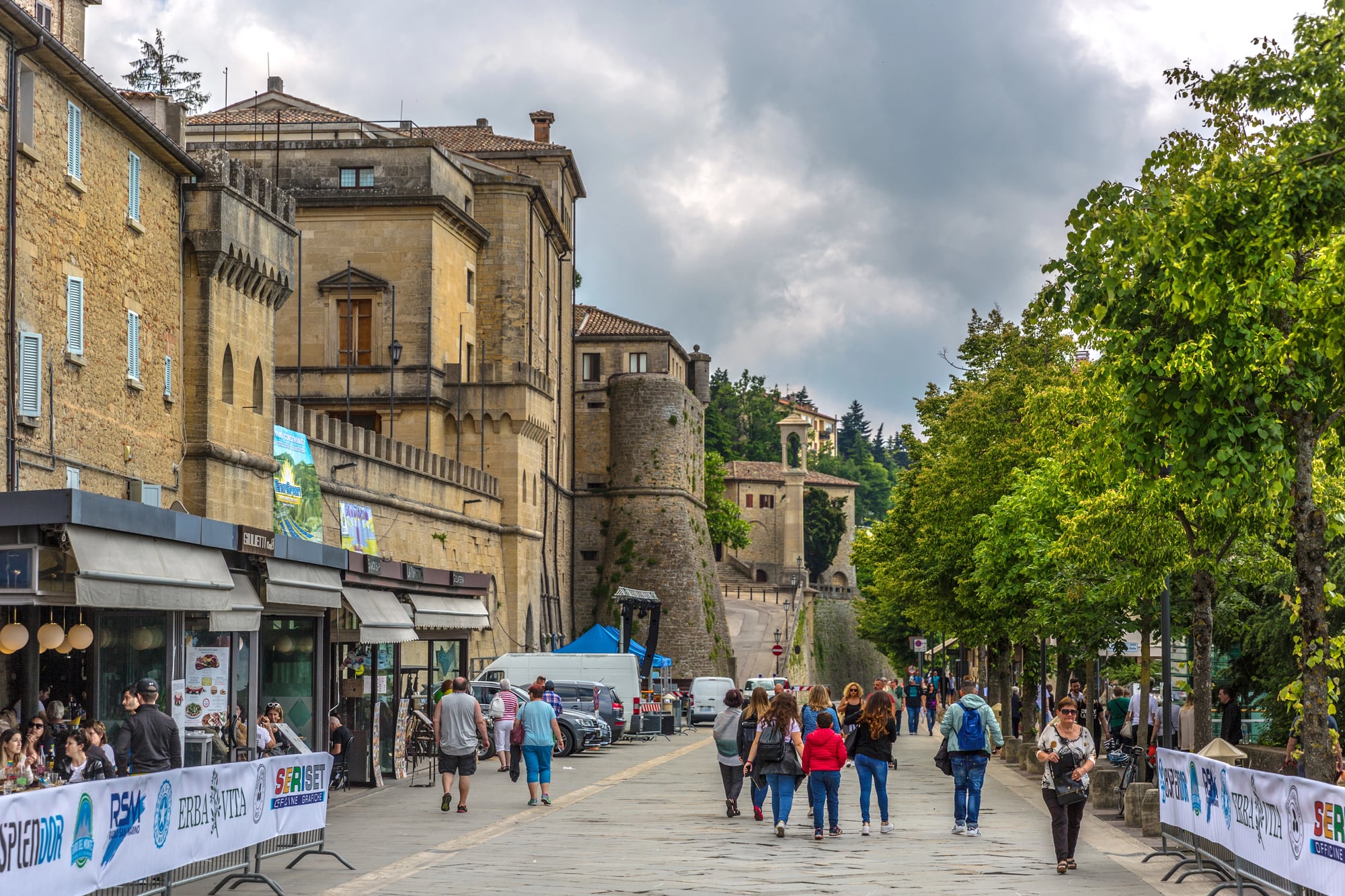
One of the world’s oldest republics, San Marino covers just 24 square miles but maintains full sovereignty. This tiny nation has its own government, currency, and postal system while being completely surrounded by Italy.
San Marino’s unique status as a microstate provides insights into how small territories can maintain independence. Its survival for over 1,700 years proves that size doesn’t determine a nation’s staying power.
Liechtenstein
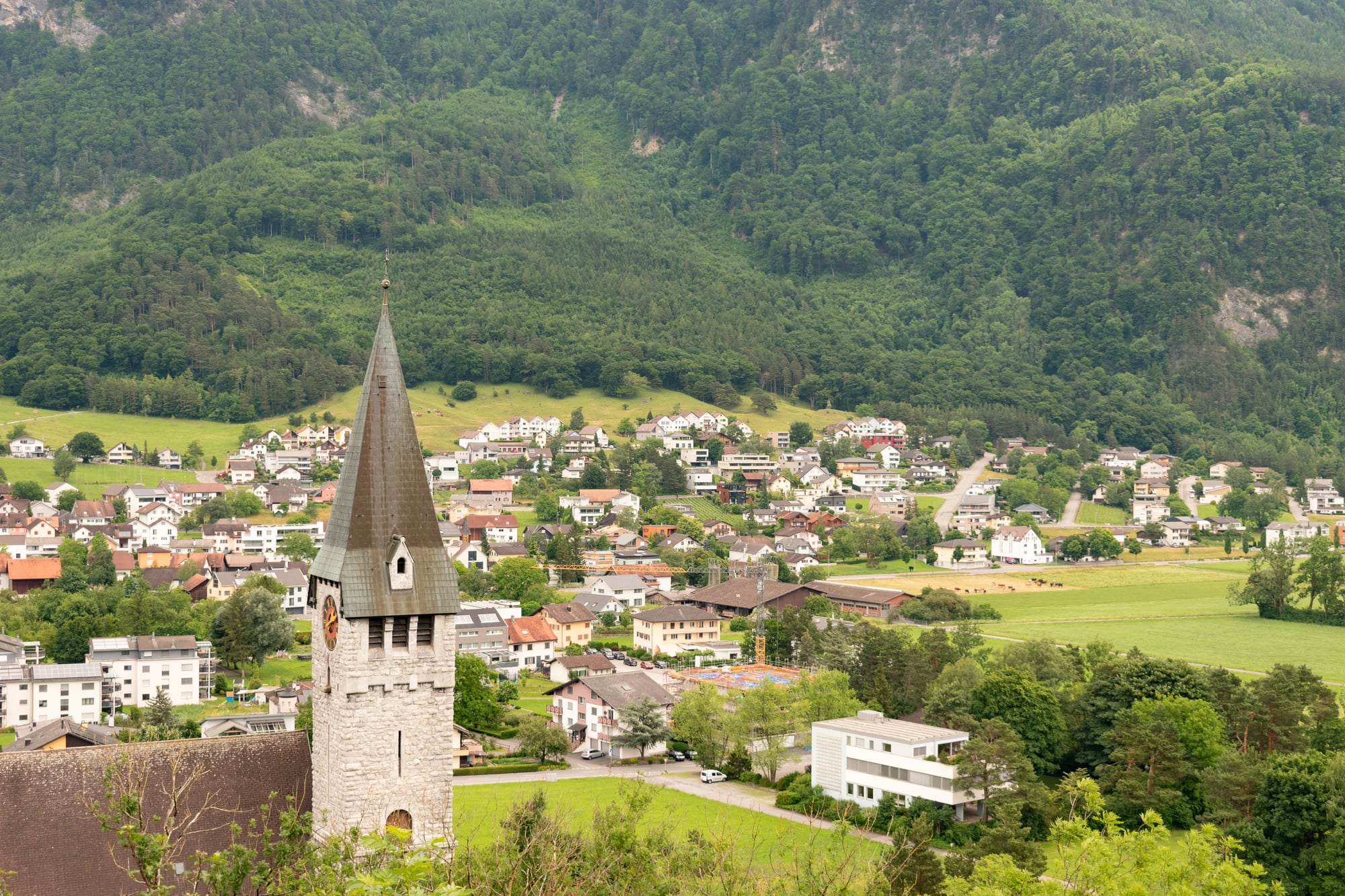
Wedged between Austria and Switzerland, Liechtenstein is smaller than most cities but operates as a major financial center. This principality attracts international businesses with favorable tax laws and banking regulations.
Liechtenstein’s wealth per capita ranks among the world’s highest, showing how small countries can prosper through smart economic policies. Many global companies incorporate here to take advantage of its business-friendly environment.
Luxembourg
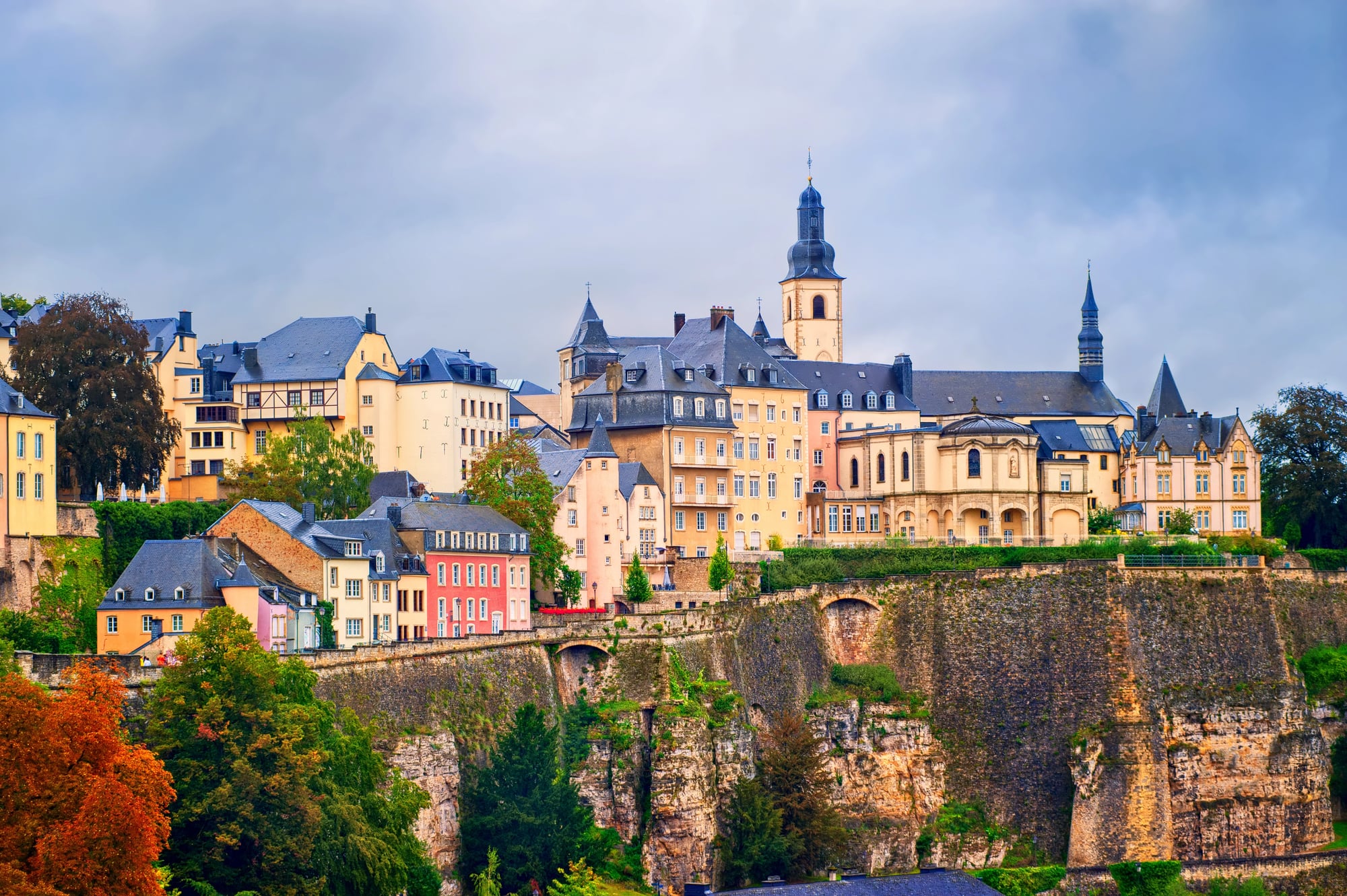
Though tiny by European standards, Luxembourg punches above its weight in international finance and politics. This small nation hosts major European Union institutions and serves as headquarters for countless international corporations.
Luxembourg’s banks manage enormous amounts of wealth, making it a key player in global finance. The country’s strategic location and favorable business climate have made it indispensable to European integration.
From Villages to Global Villages
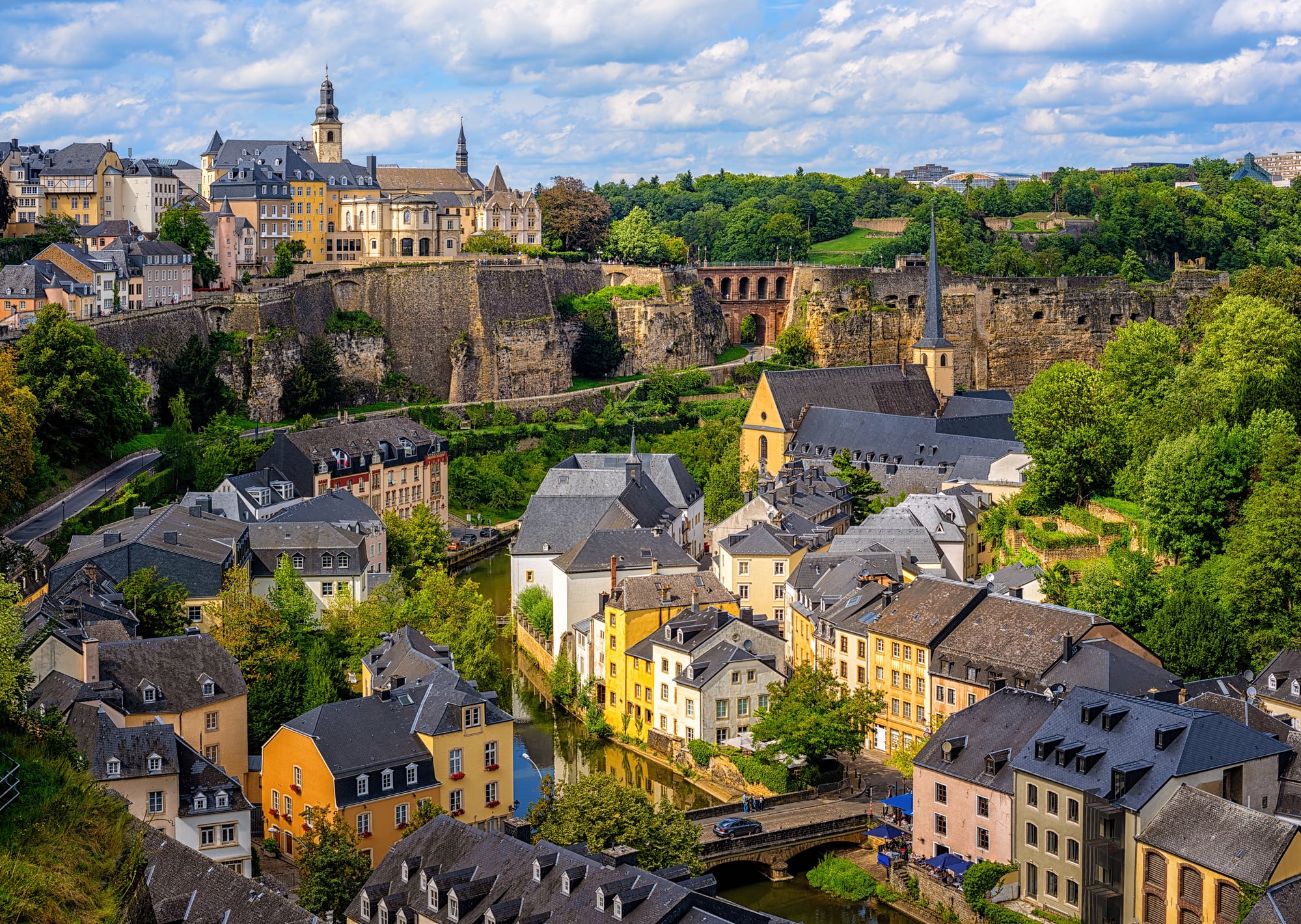
These tiny places remind us that in our connected world, geography matters less than strategy. City-states like Singapore and Monaco have shown remarkable economic growth and international influence, demonstrating that smaller nations can effectively participate in global affairs.
What once required vast territories and large populations can now be achieved through smart policies, strategic location, and specialized focus. The internet and global communications have allowed small places to project influence far beyond what their size might suggest.
Tomorrow’s most important places might be even smaller than today’s, proving that big things really do come in small packages.
More from Go2Tutors!

- The Romanov Crown Jewels and Their Tragic Fate
- 13 Historical Mysteries That Science Still Can’t Solve
- Famous Hoaxes That Fooled the World for Years
- 15 Child Stars with Tragic Adult Lives
- 16 Famous Jewelry Pieces in History
Like Go2Tutors’s content? Follow us on MSN.



