Famous Quotes That Are Actually Misquoted
Much of what we quote has shifted without us noticing. Not carved in stone, these lines bend through retelling.
Familiarity gives them weight, even when changed. Seen on walls, shared widely, spoken with confidence – they stick.
But accuracy often fades behind repetition. What sticks isn’t always what was said.
Time polishes rough edges into smooth soundbites. Originals blur under layers of reuse.
Distortion creeps in quietly, one echo at a time. Now the misremembered stands firm where truth once sat.
Funny how a wrong quote sticks not from laziness. Usually it’s because the new shape fits better in the mouth, rolls easier off the tongue.
Rhythm pulls harder than accuracy sometimes. Simplicity wins without trying.
Culture lifts up whatever slips neatly into memory. Repeat something enough and the edges blur.
What gets repeated wears the crown of fact, regardless of origin.
A fresh peek into well-known sayings often shared the wrong way, tracing how mistakes crept in, then stuck around despite being off track. Still they spread.
‘Play It Again, Sam’

This line is one of the most cited phrases in film history, yet it is never spoken in that form in Casablanca. The closest line is delivered by Ingrid Bergman’s character, who says ‘Play it once, Sam. For old times’ sake.’
Later, Humphrey Bogart’s character asks, ‘You played it for her, you can play it for me.’
The simplified version survived because it condenses emotion and instruction into a neat, memorable phrase. It sounds natural and feels like it belongs in the scene, even though it does not.
Over time, repetition in parodies and references cemented the shorter line as cultural shorthand for nostalgia and longing.
‘Beam Me Up, Scotty’
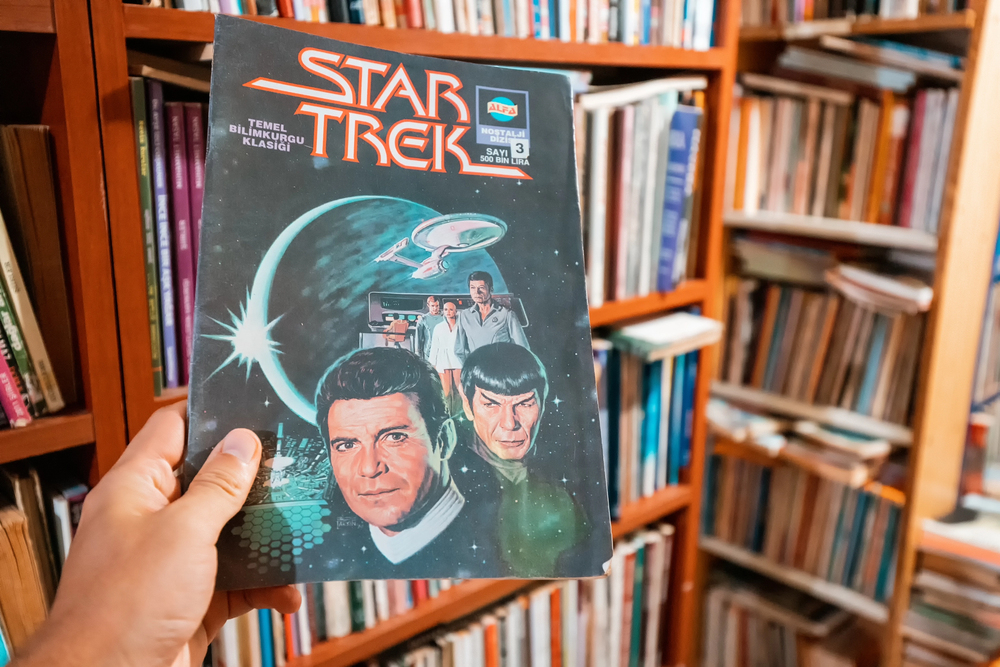
Despite being inseparable from Star Trek, this phrase is never actually spoken in the original series. Characters do request transport, but they use varied phrasing such as ‘Scotty, beam us up.’
The exact wording most people know is a later invention.
The misquote stuck because it captures the idea of instant escape in a clean, direct sentence. It also fits modern conversational rhythm better than the original dialogue.
As the phrase moved beyond the show and into everyday language, accuracy became less important than recognisability.
‘Luke, I Am Your Father’
This is perhaps one of the most famous misquoted lines in film history. In The Empire Strikes Back, Darth Vader actually says ‘No, I am your father.’
The name is never spoken at that moment.
The added name serves a practical purpose outside the film. Without context, ‘No, I am your father’ sounds incomplete.
Adding ‘Luke’ anchors the quote, making it instantly understandable even to people who have not seen the movie. Cultural repetition favored clarity over fidelity to the script.
‘Elementary, My Dear Watson’
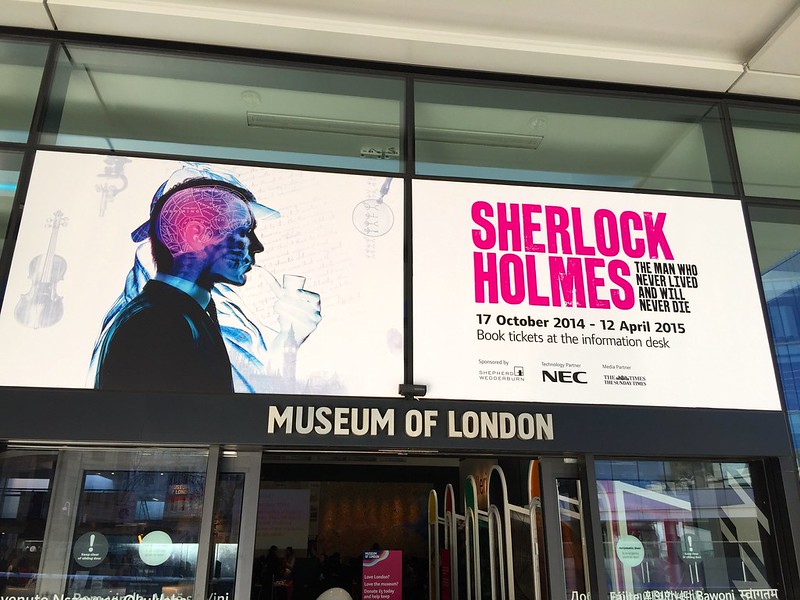
This phrase is closely associated with Sherlock Holmes, yet it does not appear in any of Arthur Conan Doyle’s original stories. Holmes does say ‘elementary’ on occasion, and he does address Watson, but never in that combined form.
The phrase emerged through adaptations and theatrical portrayals, where it served as a convenient summary of Holmes’s personality. It encapsulated his confidence and intellect in a single sentence.
Once audiences embraced it, the invented line effectively replaced the original dialogue in public memory.
‘Let Them Eat Cake’

This quote is famously attributed to Marie Antoinette as evidence of aristocratic indifference. There is no solid historical proof that she ever said it.
Versions of the phrase appeared in writing decades earlier, often used as generic examples of royal ignorance.
The quote endured because it offered a tidy moral lesson. It reduced complex social conditions into a single moment of perceived cruelty.
Over time, the phrase became symbolic rather than factual, repeated because it fit the story people expected to hear.
‘Blood Is Thicker Than Water’

This phrase is commonly used to suggest that family bonds are stronger than all others. The original proverb is longer and carries a different meaning.
It is often cited as ‘the blood of the covenant is thicker than the water of the womb,’ which reverses the implication entirely.The shortened version survived because it reinforced existing social assumptions about family loyalty.
The fuller phrase required explanation, while the truncated one felt intuitive.In daily use, simplicity won out over original intent.
‘Money Is The Root Of All Evil’

The original line comes from a biblical passage that states ‘the love of money is the root of all evil.’ Removing those few words shifts the meaning dramatically, turning a warning about obsession into a condemnation of money itself.
The shorter version persisted because it sounded more absolute and provocative. It was easier to repeat and easier to use as a moral statement.
Over time, repetition stripped away nuance, leaving behind a blunter message than the original text intended.
‘Survival Of The Fittest’

This phrase is often associated with Charles Darwin, yet it did not originate with him. It was coined by Herbert Spencer and later adopted by Darwin in later editions of his work, though not as a central definition of natural selection.
The phrase gained popularity because it framed a complex biological process in stark, competitive terms. It felt decisive and explanatory, even if it oversimplified the science.
As it moved into everyday language, its meaning drifted further from its original context.
‘If You Build It, They Will Come’

In Field of Dreams, the line is actually ‘If you build it, he will come.’ The singular pronoun refers to a specific figure, not a crowd.
The plural version became popular because it sounded more inspirational and universal. It transformed a personal story into a broader promise.
That subtle change made the quote more adaptable, allowing it to be applied to business, creativity, and ambition without explanation.
‘Great Minds Think Alike’

This phrase is usually delivered as a compliment, suggesting shared intelligence. The full saying continues with ‘but fools seldom differ,’ which introduces irony and restraint.
The second half disappeared because it complicated the message. The shortened version offered affirmation without risk.
Over time, the phrase lost its self-awareness and became a straightforward expression of agreement.
Why Misquotes Endure

What sticks isn’t always what was said. A phrase thrives when it flows better, lands clearer, hits harder.
Familiarity builds weight – repeat something long enough, and truth shifts shape. Questioning it later seems off, maybe pointless.
What sticks in collective memory shows more about people than facts. As phrases get repeated, their shape shifts bit by bit – use shapes speech, not careful saving.
Getting it exactly right counts in research, yet popular belief tends to favor what sounds true instead of what actually was said. So false lines aren’t mere errors after all.
They act like footprints left behind when tales travel mouth to mouth, keeping intent alive while swapping out the exact wording along the way.
More from Go2Tutors!

- The Romanov Crown Jewels and Their Tragic Fate
- 13 Historical Mysteries That Science Still Can’t Solve
- Famous Hoaxes That Fooled the World for Years
- 15 Child Stars with Tragic Adult Lives
- 16 Famous Jewelry Pieces in History
Like Go2Tutors’s content? Follow us on MSN.