Famous Songs Accused of Plagiarism
Music has always been about building on what came before. Every artist draws inspiration from somewhere, whether it’s a childhood memory of a song on the radio or a melody that stuck in their head years ago.
The tricky part comes when inspiration crosses the line into copying, and that’s where lawyers get involved. The music industry has seen its fair share of courtroom drama over the decades.
Some cases involved deliberate sampling without permission, while others were chalked up to coincidence or what judges have called ‘subconscious plagiarism.’ Either way, these disputes have cost artists millions and changed how we think about originality in music.
Here is a list of famous songs that landed their creators in legal hot water over plagiarism accusations.
My Sweet Lord

George Harrison scored a massive hit with this spiritual track in 1970, but the melody bore a striking resemblance to The Chiffons’ 1963 song ‘He’s So Fine.’ A court found that Harrison had ‘subconsciously’ copied the tune and ordered him to pay $587,000.
The case dragged on for years and got even messier when Harrison’s former manager tried to buy the rights to the original song, turning what should have been a straightforward settlement into a complicated legal nightmare.
Blurred Lines
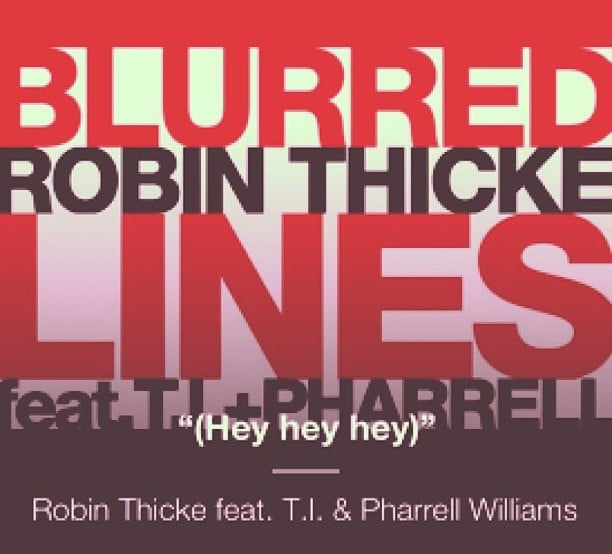
Robin Thicke and Pharrell Williams faced one of the most famous plagiarism cases in recent memory when Marvin Gaye’s heirs sued them over similarities to Gaye’s ‘Got to Give It Up.’ In 2015, Gaye’s family won the case, with the judgment later settling at $5.3 million.
The verdict sent shockwaves through the music industry because it suggested that even capturing the ‘feel’ of a song could constitute infringement, not just copying specific notes or lyrics.
Stairway to Heaven
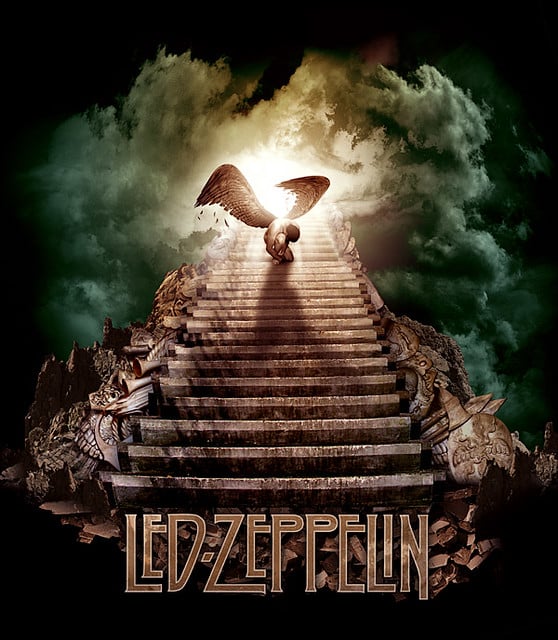
Led Zeppelin’s iconic 1971 track came under fire in 2016 when the intro was accused of sounding too much like Spirit’s 1968 instrumental ‘Taurus.’ A judge ultimately ruled that the songs bore ‘no substantial similarity’ to each other, saving Robert Plant and Jimmy Page from what could have been a massive payout.
The case was particularly significant because the Led Zeppelin IV album had sold over 23 million copies in the United States alone, meaning the financial stakes were astronomical.
Stay With Me
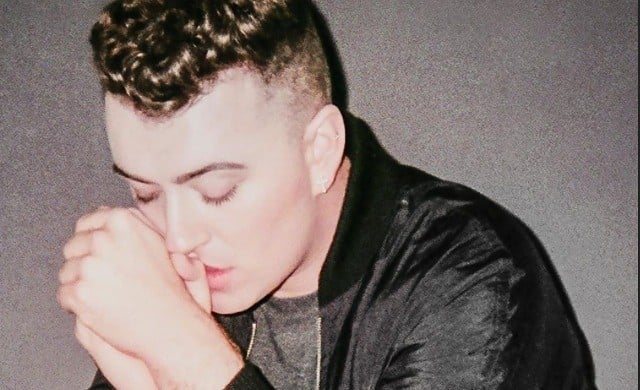
Sam Smith’s 2014 hit earned the British singer Grammy nominations, but Tom Petty’s publishers noticed the chorus melody was remarkably similar to Petty’s 1989 song ‘I Won’t Back Down.’ Smith claimed to have never heard the Petty track before, but agreed to give Petty and co-writer Jeff Lynne 12.5% songwriting credit.
Petty handled the situation with grace, calling it a ‘musical accident’ and saying these things happen more often than people realize.
Ice Ice Baby

Vanilla Ice’s 1990 debut single became the first hip-hop track to top the Billboard Hot 100, but it lifted the famous bassline directly from Queen and David Bowie’s ‘Under Pressure.’ Queen and Bowie threatened legal action, and the case was settled out of court.
Years later, Vanilla Ice revealed he paid $4 million to purchase the publishing rights to ‘Under Pressure,’ which he said was cheaper than paying ongoing royalties.
Creep
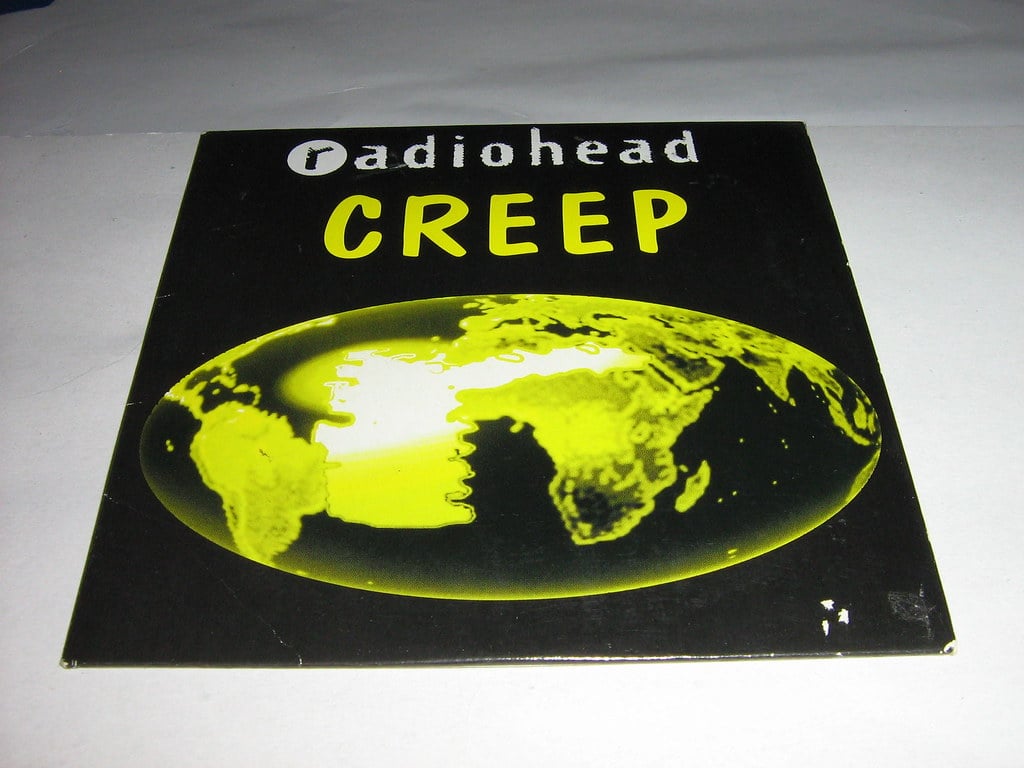
Radiohead’s breakthrough 1992 single ran into trouble when Albert Hammond and Mike Hazlewood claimed it borrowed from their song ‘The Air That I Breathe,’ which The Hollies had made famous in the ’70s. The case was settled, and Hammond and Hazlewood are now credited as co-writers of the track.
The irony is that Radiohead itself would later pursue plagiarism claims against other artists, showing how complicated these disputes can get.
Shape of You
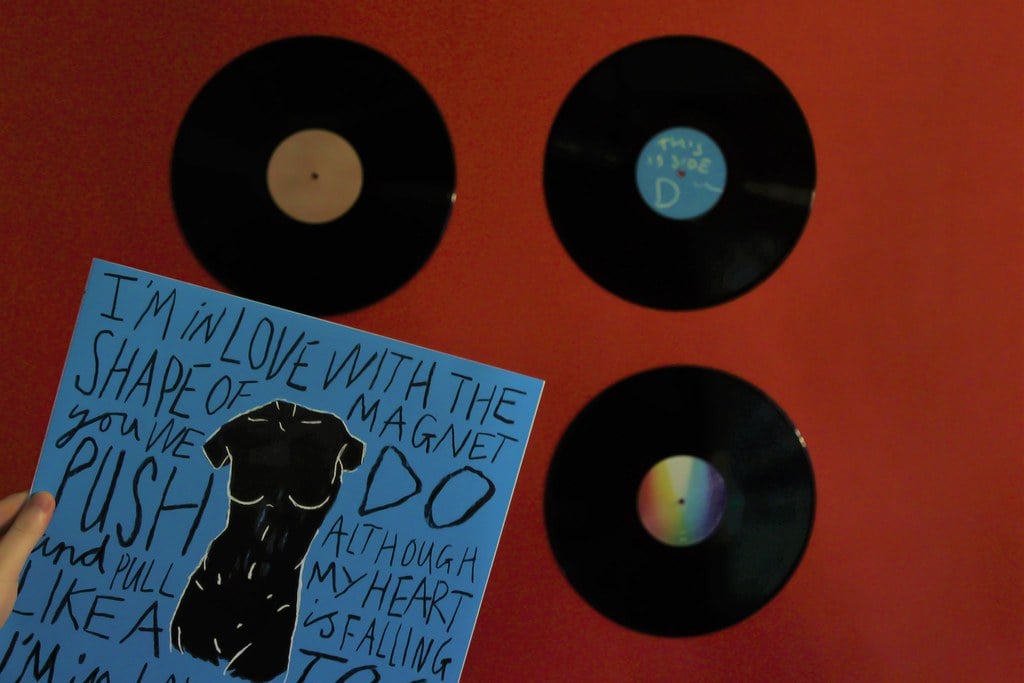
Ed Sheeran faced accusations in 2017 when Sami Chokri and Ross O’Donoghue sued over his massive hit, arguing that the ‘Oh I’ refrain plagiarized Chokri’s 2015 song ‘Oh Why.’ A High Court judge dismissed the lawsuit after concluding Sheeran ‘neither deliberately nor subconsciously’ plagiarized the track.
Sheeran argued that with 60,000 songs being released daily on Spotify, coincidences are bound to happen when pop music uses such a limited palette of notes and chords.
Thinking Out Loud

Ed Townsend’s relatives accused Ed Sheeran of copying the rhythm and chord progression of Marvin Gaye’s ‘Let’s Get It On’ for his early hit. The case went to trial and Sheeran successfully defended himself, though the experience clearly frustrated the British singer-songwriter.
After winning multiple plagiarism cases, Sheeran posted a video saying enough is enough and that musicians face too many frivolous lawsuits.
Viva la Vida
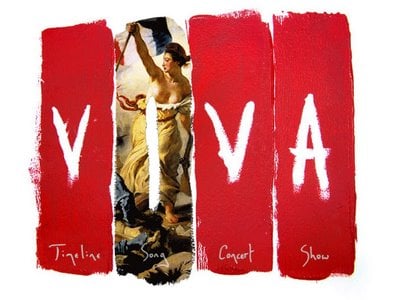
Coldplay received two separate plagiarism allegations for this 2008 hit, one from US band Creaky Boards and another from guitar legend Joe Satriani. The Creaky Boards claim was quickly disproved since Coldplay had demos predating theirs.
The Satriani case over similarities to his instrumental ‘If I Could Fly’ was eventually settled out of court, though the details were never made public.
Get Free
Lana Del Rey became embroiled in a 2018 dispute when Radiohead’s publishers claimed her song from the 2017 album ‘Lust for Life’ bore similarities to ‘Creep.’ Del Rey announced the dispute was settled in March 2018 while performing onstage, casually mentioning she could now sing the song whenever she wanted.
The whole situation had an ironic twist since Radiohead itself had been successfully sued over ‘Creep’ years earlier.
Come Together

The 1969 Beatles song by John Lennon was alleged to have plagiarized Chuck Berry’s 1956 track ‘You Can’t Catch Me’ by simply slowing it down and giving it a funkier arrangement. The case was settled out of court for an undisclosed amount, with Lennon promising to record three more songs from the Berry catalog on his next record.
When Lennon only recorded two songs, he was found in breach of contract and the legal battles continued for years.
Dark Horse

Katy Perry’s 2013 hit featuring Juicy J faced a lawsuit from Christian rapper Flame, whose real name is Marcus Gray, over his 2009 song ‘Joyful Noise.’ A jury initially awarded Flame $2.78 million after finding that Perry’s track improperly copied an eight-note pattern from his song.
However, a judge later overturned the verdict, ruling that the musical elements were too commonplace to be protected by copyright.
Shakermaker
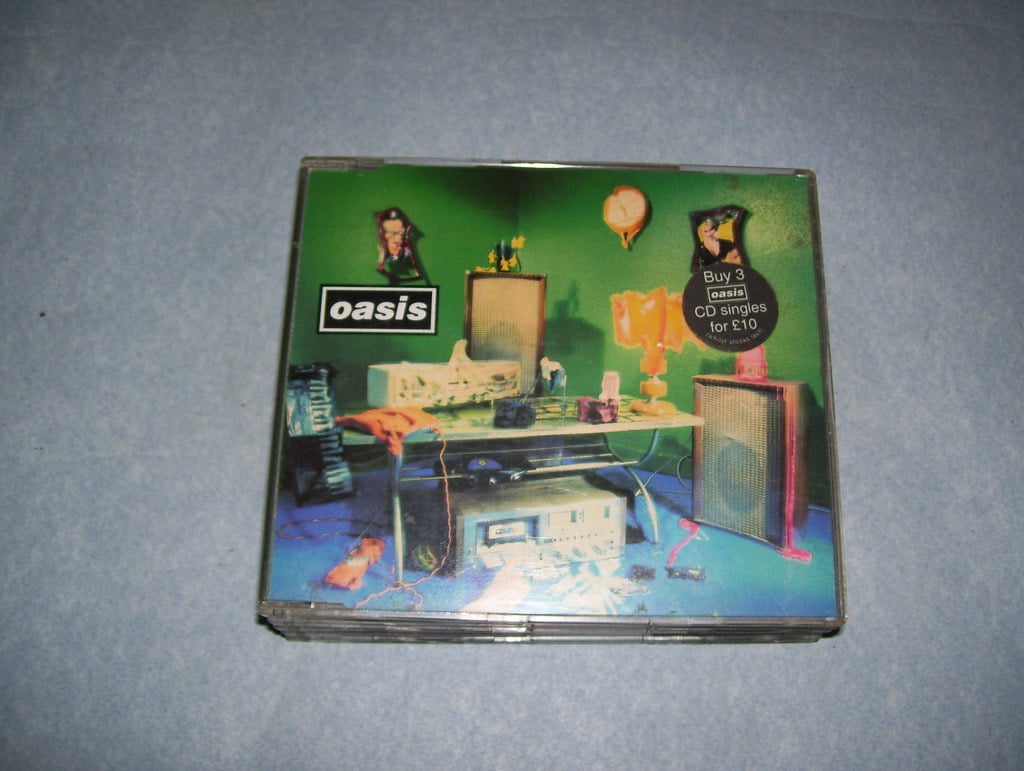
Oasis made waves in the summer of 1994 with this single, but people quickly noticed the opening line was strikingly similar to ‘I’d Like to Teach the World to Sing.’ The song, originally written for a Coca-Cola commercial in 1971, became a huge hit for The New Seekers.
The Gallagher brothers had to settle the case, and the incident became one of several plagiarism accusations the band faced during their career.
Whole Lotta Love

Led Zeppelin’s 1969 track contained lyrics that were clearly derivative of Willie Dixon’s 1962 song ‘You Need Love.’ Dixon filed a copyright infringement suit in 1985, resulting in an out-of-court settlement.
Later pressings of Led Zeppelin II credit Dixon as co-writer, acknowledging what many fans had already noticed about the borrowed elements.
The Old Man Down the Road

John Fogerty faced perhaps the strangest plagiarism case in music history when his former record label Fantasy Records sued him for sounding too much like himself. They claimed his 1985 solo song plagiarized Creedence Clearwater Revival’s 1970 track ‘Run Through the Jungle,’ for which Fantasy owned the rights.
The court sided with Fogerty, seeing the songs as different enough, and he eventually won his legal fees back.
Levitating
Dua Lipa recorded this track in 2018 and released it in 2020, but in 2022, the Artikal Sound System band filed a lawsuit accusing her of plagiarizing their 2017 song ‘Live Your Life.’ The reggae band claimed the song producers knew their track before ‘Levitating’ was released.
However, Dua Lipa’s attorneys proved she was unaware of both songs before composing her hit, and the claimants eventually dropped the suit.
Whatever

Oasis guitarist Noel Gallagher wrote this song, which caused a copyright infringement lawsuit when Neil Innes claimed the band borrowed a portion of the melodic line from his ‘How Sweet to Be an Idiot.’ As a result of the lawsuit, Innes was credited as co-songwriter.
What makes the case particularly notable is that the disputed section was just eight notes of the song, yet it was enough to warrant legal action and a songwriting credit.
Vogue

Madonna was accused of plagiarism by record label Vallejo Music Group, which claimed she stole samples from the 1977 single ‘Ooh I Love It (Love Break)’ by Salsoul Orchestra for her 1990 hit. The label alleged in the lawsuit that horns and strings were taken from the earlier track and used without permission.
The case highlighted the complex world of sampling in dance music, where producers often layer multiple elements from different sources.
When Inspiration Becomes Litigation

The explosion of plagiarism lawsuits in recent decades reflects both the massive financial stakes in the music industry and the limited toolkit available to pop songwriters. With billions of songs available at our fingertips and only so many chord progressions that sound pleasing to human ears, accidental similarities are inevitable.
Some artists have handled these disputes with grace, acknowledging that musical coincidences happen and settling amicably. Others have fought tooth and nail in court, either because they genuinely believed they were wronged or because the principle mattered more than the money.
What’s clear is that the line between homage and theft remains frustratingly blurry, and as long as hit songs generate millions in revenue, lawyers will keep trying to draw that line in court.
More from Go2Tutors!

- The Romanov Crown Jewels and Their Tragic Fate
- 13 Historical Mysteries That Science Still Can’t Solve
- Famous Hoaxes That Fooled the World for Years
- 15 Child Stars with Tragic Adult Lives
- 16 Famous Jewelry Pieces in History
Like Go2Tutors’s content? Follow us on MSN.



