17 Mountains That Change Color by Season
Some of nature’s most spectacular shows happen right before our eyes, yet we often miss them in our daily rush. Mountains have this incredible ability to transform themselves completely as seasons shift, turning from one color palette to an entirely different one. It’s like watching a massive outdoor art installation that never stops evolving.
These dramatic color changes happen for fascinating reasons – deciduous trees shedding their green summer uniforms for brilliant fall wardrobes, snow blanketing dark rock faces in pristine white, or spring flowers carpeting entire mountainsides in vibrant hues. Here is a list of 17 mountains that put on some of the most breathtaking seasonal color shows on Earth.
Mount Washington

New Hampshire’s Mount Washington becomes a living calendar that marks each season with distinct colors. During summer, the mountain wears deep greens from its mixed hardwood forests, but autumn transforms it into a patchwork quilt of reds, oranges, and golds that can be seen for miles.
Winter strips away all the warm colors, leaving behind stark white snow against dark granite peaks that create dramatic black-and-white landscapes.
Mount Fuji
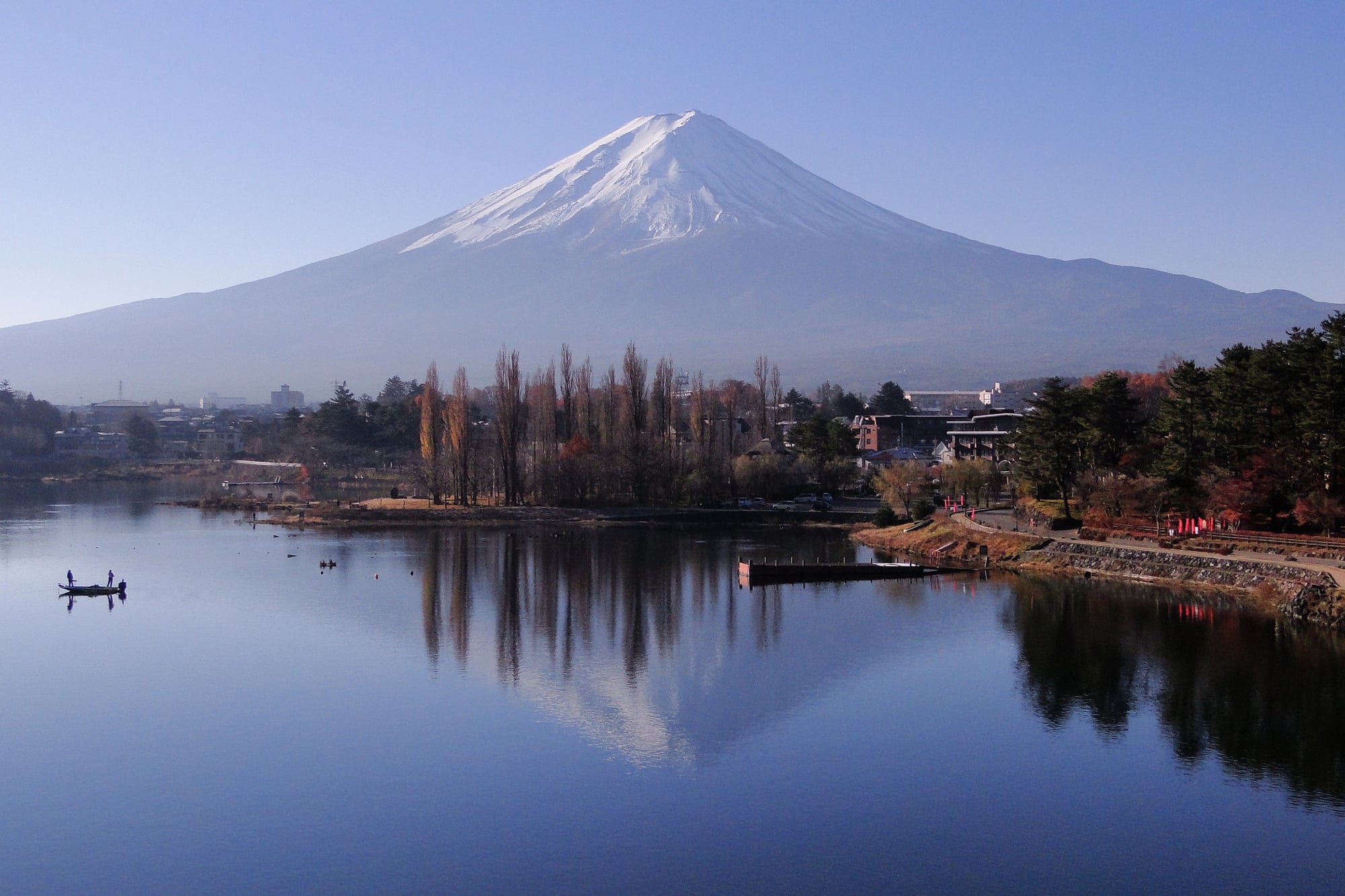
Japan’s iconic Mount Fuji shifts between seasons like a master painter switching canvases. Spring brings delicate pink cherry blossoms that climb partway up the mountain’s slopes, creating a stunning contrast against the snow-capped peak.
Summer and fall dress the mountain in varying shades of green and brown, while winter covers nearly the entire mountain in brilliant white snow that makes it look like a perfect cone of ice cream.
Like Go2Tutors’s content? Follow us on MSN.
Great Smoky Mountains
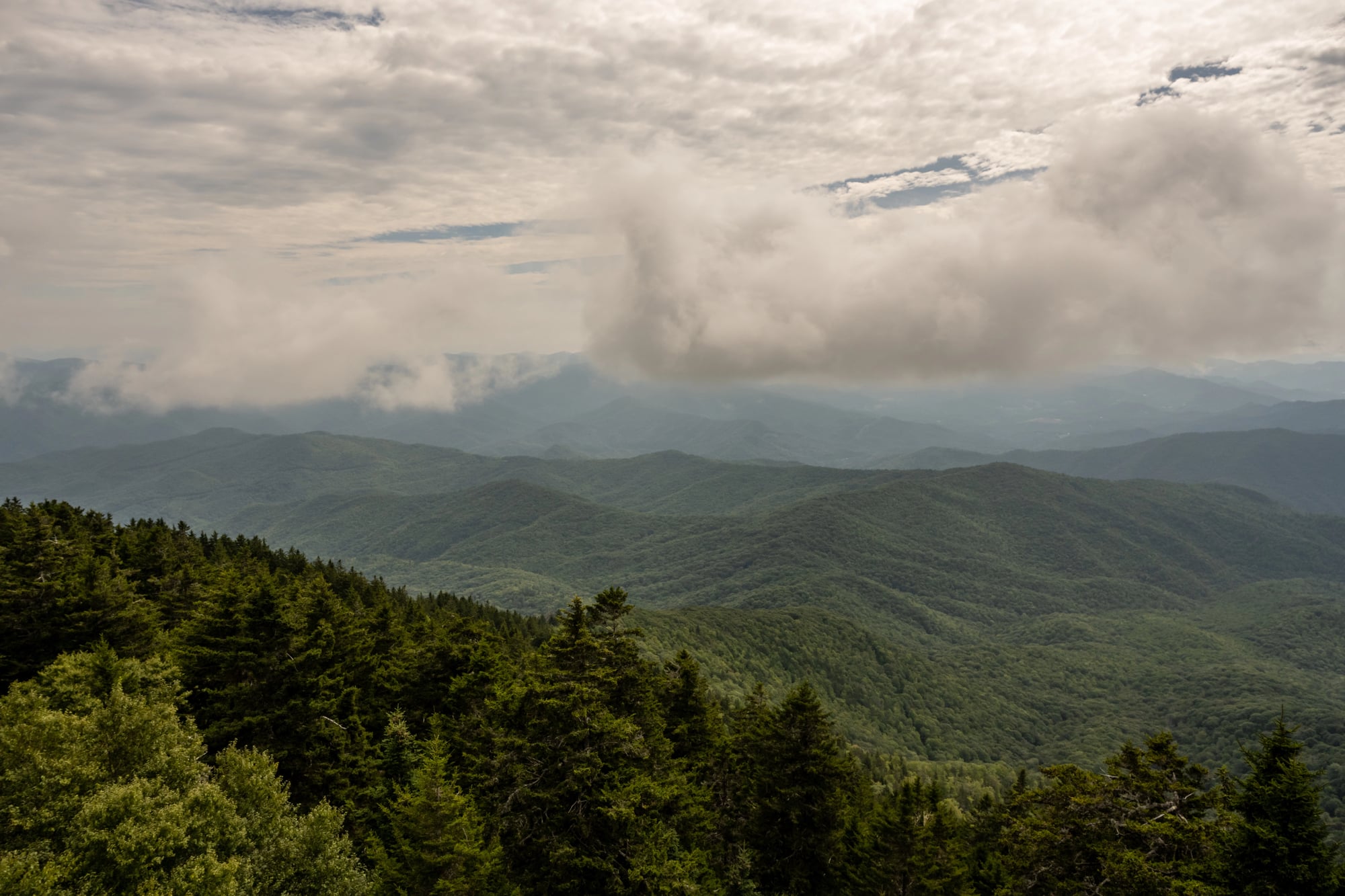
The Great Smoky Mountains earn their name from the blue-gray mist that rises from their forests, but their seasonal color changes are what really steal the show. Fall turns these Tennessee and North Carolina peaks into what locals call ‘God’s paintbrush,’ with more tree species than anywhere else in North America creating an incredibly diverse color palette.
Spring brings mountain laurel and rhododendron blooms that paint entire hillsides in pink and white, while summer’s deep greens give way to winter’s subtle browns and grays.
Mount McKinley (Denali)
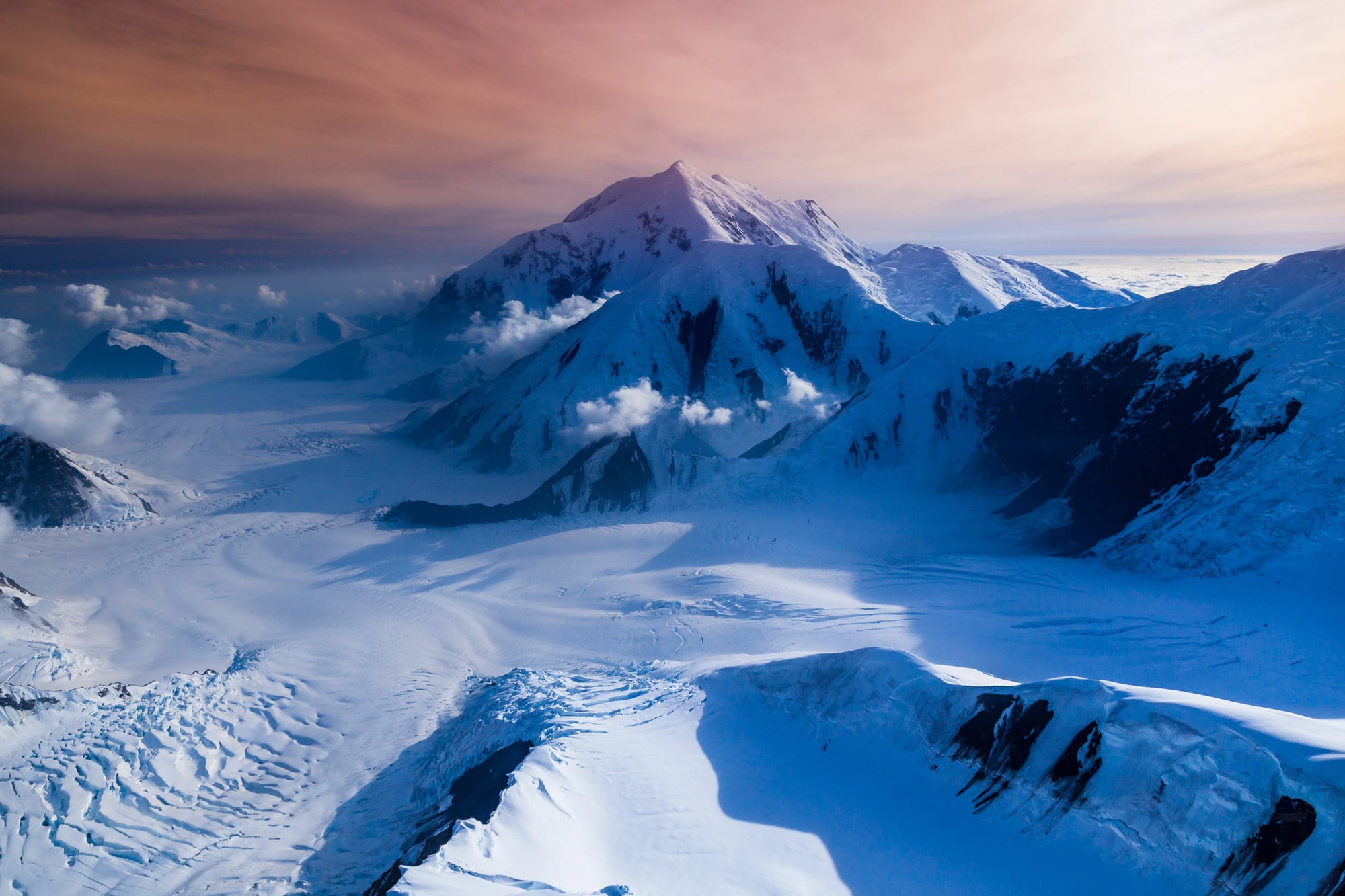
Alaska’s Denali experiences some of the most extreme seasonal color transformations on the planet. Summer reveals the mountain’s massive granite and snow faces in sharp detail, with glaciers appearing brilliant blue-white against dark rock.
Fall brings brief but intense displays of golden aspen and red bearberry that carpet the lower elevations, while the long winter months turn the entire landscape into various shades of white and blue that shift with the changing light.
Mount Rainier
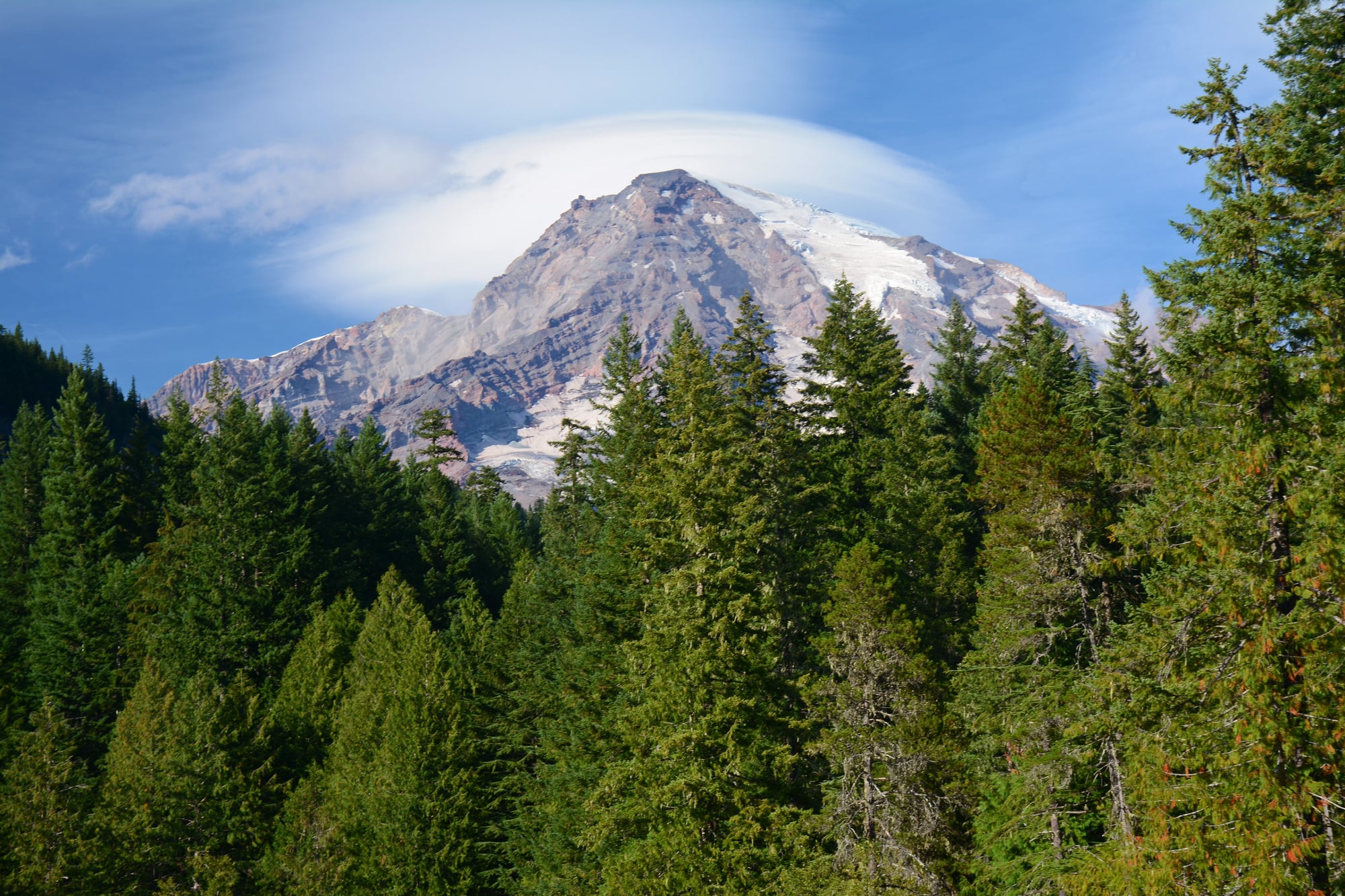
Washington State’s Mount Rainier puts on a wildflower show each summer that rivals any botanical garden. The mountain’s subalpine meadows explode in purple lupine, red paintbrush, and white avalanche lilies that create colorful carpets stretching for miles.
Fall brings golden larches and red huckleberry bushes, while winter transforms the entire mountain into a massive white pyramid that dominates the Seattle skyline.
Like Go2Tutors’s content? Follow us on MSN.
Blue Ridge Mountains
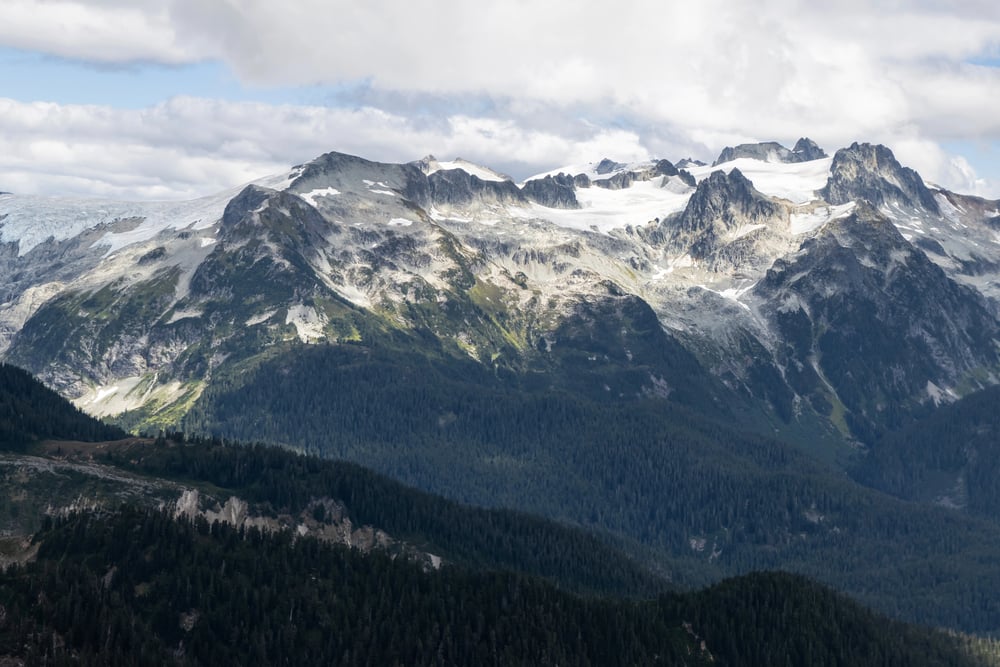
Virginia’s Blue Ridge Mountains live up to their name with a distinctive blue haze, but their fall colors are what draw millions of visitors each year. These ancient peaks turn into rolling waves of red maples, orange hickories, and yellow tulip poplars that seem to stretch endlessly into the distance.
Spring brings dogwood and redbud blooms that add splashes of white and pink to the mountainsides, while summer’s deep greens provide a peaceful backdrop for the region’s many hiking trails.
Mount Katahdin
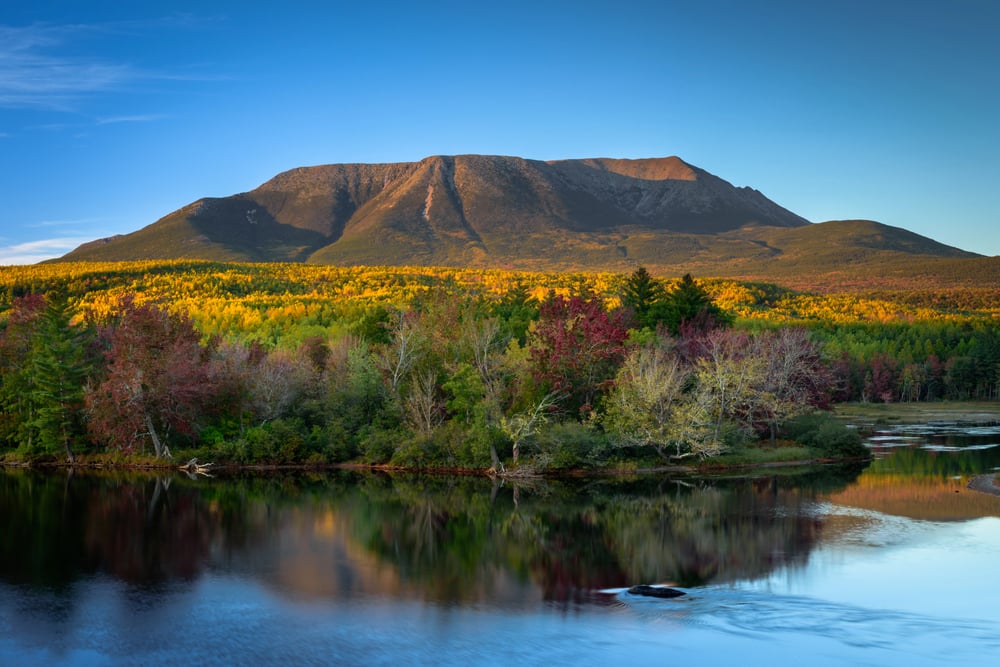
Maine’s Mount Katahdin experiences dramatic seasonal shifts that reflect New England’s harsh but beautiful climate. Fall transforms the mountain’s hardwood forests into brilliant displays of red, orange, and yellow that stand out dramatically against the mountain’s gray granite peak.
Winter turns Katahdin into a forbidding white fortress, while spring brings fresh green growth that slowly climbs up the mountain’s slopes as the snow melts.
Cascade Range

The Cascade Range stretches from California to Canada, offering some of the most diverse seasonal color displays in North America. Fall brings golden larches and red vine maples that create stunning contrasts against the range’s volcanic peaks and evergreen forests.
Spring transforms many of these mountains with massive wildflower displays, while summer reveals the dramatic contrast between snow-capped peaks and green valleys below.
Like Go2Tutors’s content? Follow us on MSN.
Adirondack Mountains

New York’s Adirondack Mountains showcase the classic northeastern fall color experience that artists and photographers travel thousands of miles to capture. These peaks turn into a complex tapestry of sugar maple reds, birch yellows, and oak browns that reflect perfectly in the region’s countless lakes.
Winter transforms the Adirondacks into a black-and-white wilderness, while spring brings fresh greens that gradually replace winter’s stark palette.
Rocky Mountain National Park
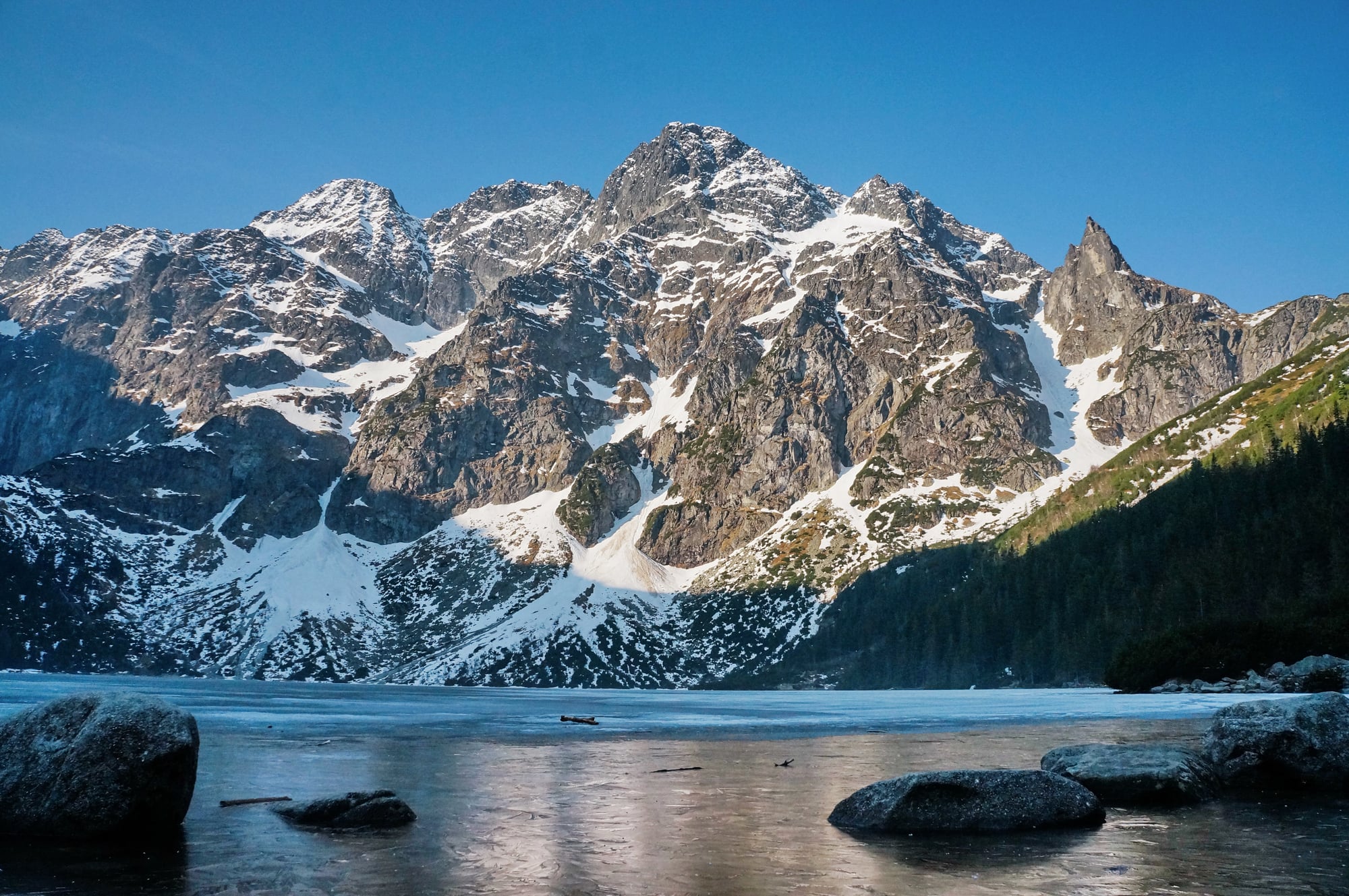
Colorado’s Rocky Mountain National Park experiences color changes that happen at different elevations throughout the growing season. Fall brings golden aspen groves that shimmer in the wind like thousands of coins, creating one of nature’s most mesmerizing displays.
Alpine flowers bloom at different times throughout the summer, painting meadows in purple, yellow, and red, while winter turns the entire park into a pristine white wilderness.
Mount Hood

Oregon’s Mount Hood demonstrates the Pacific Northwest’s incredible plant diversity through its seasonal transformations. Fall brings vine maples and huckleberry bushes that turn the mountain’s lower slopes brilliant red and orange.
Spring transforms Hood with rhododendron blooms and fresh green growth, while summer reveals the mountain’s dramatic glaciers against deep forest greens.
Like Go2Tutors’s content? Follow us on MSN.
Shenandoah Mountains

Virginia’s Shenandoah Mountains create one of the most accessible fall color experiences on the East Coast. The famous Skyline Drive winds through peaks that turn into rolling waves of red, orange, and yellow each autumn.
Spring brings mountain laurel and azalea blooms that add pink and white accents to the mountainsides, while summer’s deep greens provide perfect hiking weather.
Mount Mansfield

Vermont’s Mount Mansfield, the state’s highest peak, offers a condensed version of New England’s seasonal beauty. Fall transforms the mountain into a showcase of sugar maple brilliance that can be seen from miles away.
The mountain’s summit areas turn golden with birch and aspen, while lower elevations display the deep reds and oranges that make Vermont famous for fall foliage.
San Juan Mountains

Colorado’s San Juan Mountains experience some of the most dramatic high-altitude color changes in North America. Fall brings massive aspen groves that turn entire mountainsides golden, creating what locals call ‘liquid gold’ flowing down the slopes.
Summer wildflower displays paint alpine meadows in brilliant purples, reds, and yellows, while winter transforms these peaks into stark white monuments.
Like Go2Tutors’s content? Follow us on MSN.
Olympic Mountains
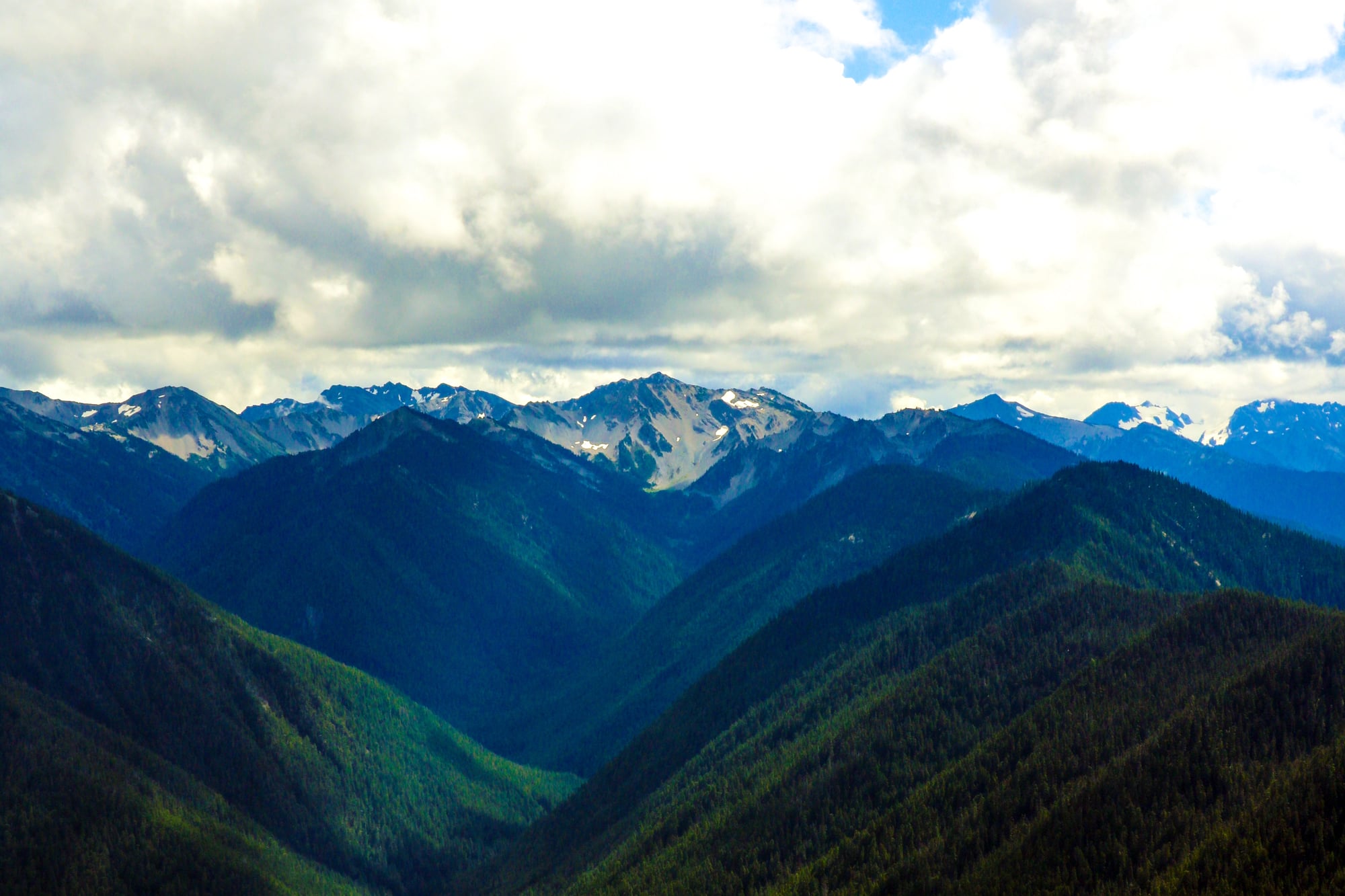
Washington’s Olympic Mountains showcase the incredible diversity of Pacific Northwest ecosystems through their seasonal changes. Temperate rainforests on the western slopes stay green year-round but change from bright spring greens to deep summer emerald.
Fall brings golden maples and red vine maples, while winter snow creates dramatic contrasts between white peaks and dark evergreen forests.
Green Mountains
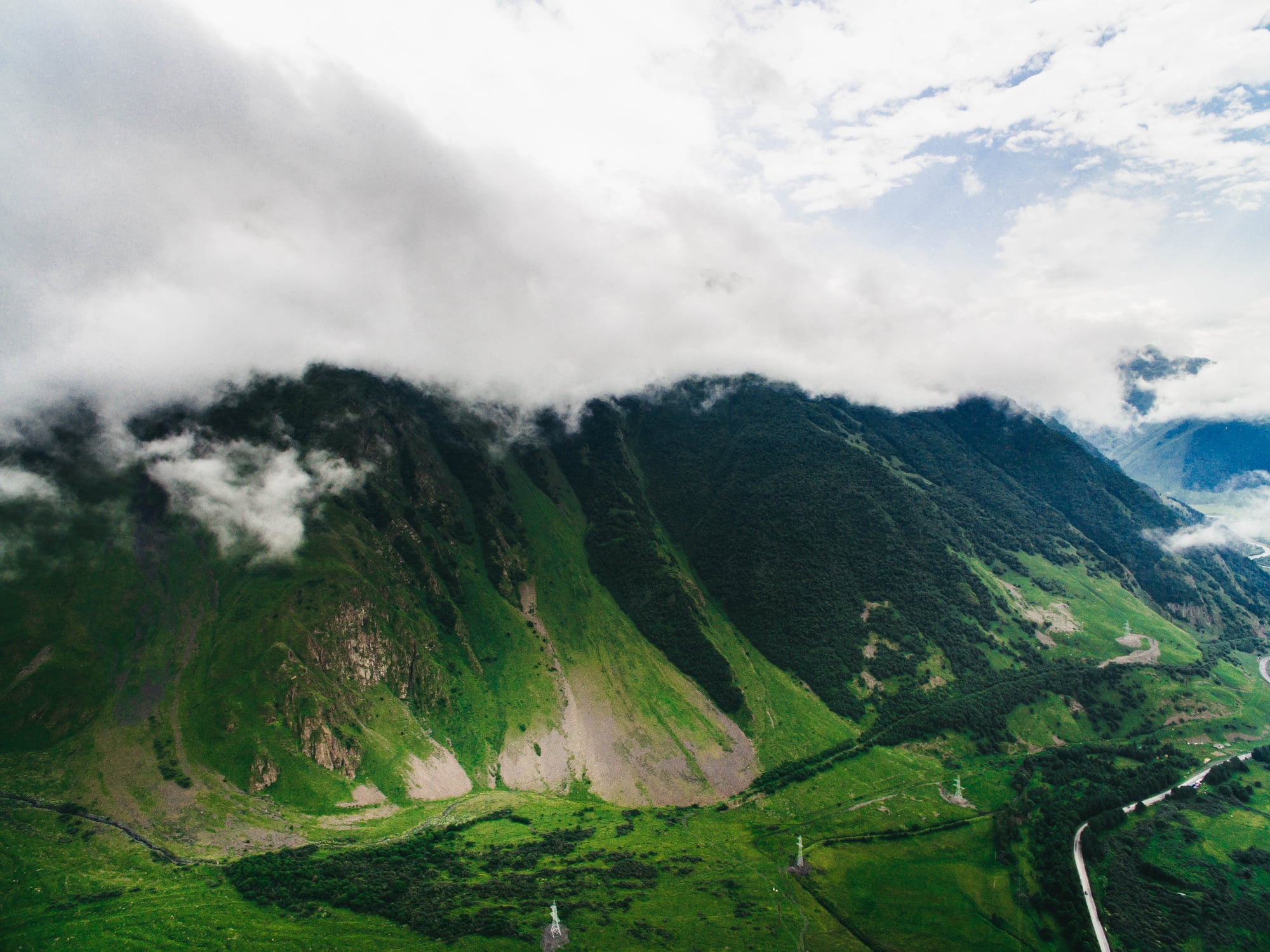
Vermont’s Green Mountains earn their name from the deep emerald forests that cover their slopes, but fall transforms them into some of New England’s most spectacular color displays. These peaks turn into rolling hills of red maples, orange birches, and yellow aspens that seem to glow in the autumn sunlight.
Spring brings fresh green growth that starts in the valleys and gradually climbs to the summits as temperatures warm.
Appalachian Mountains
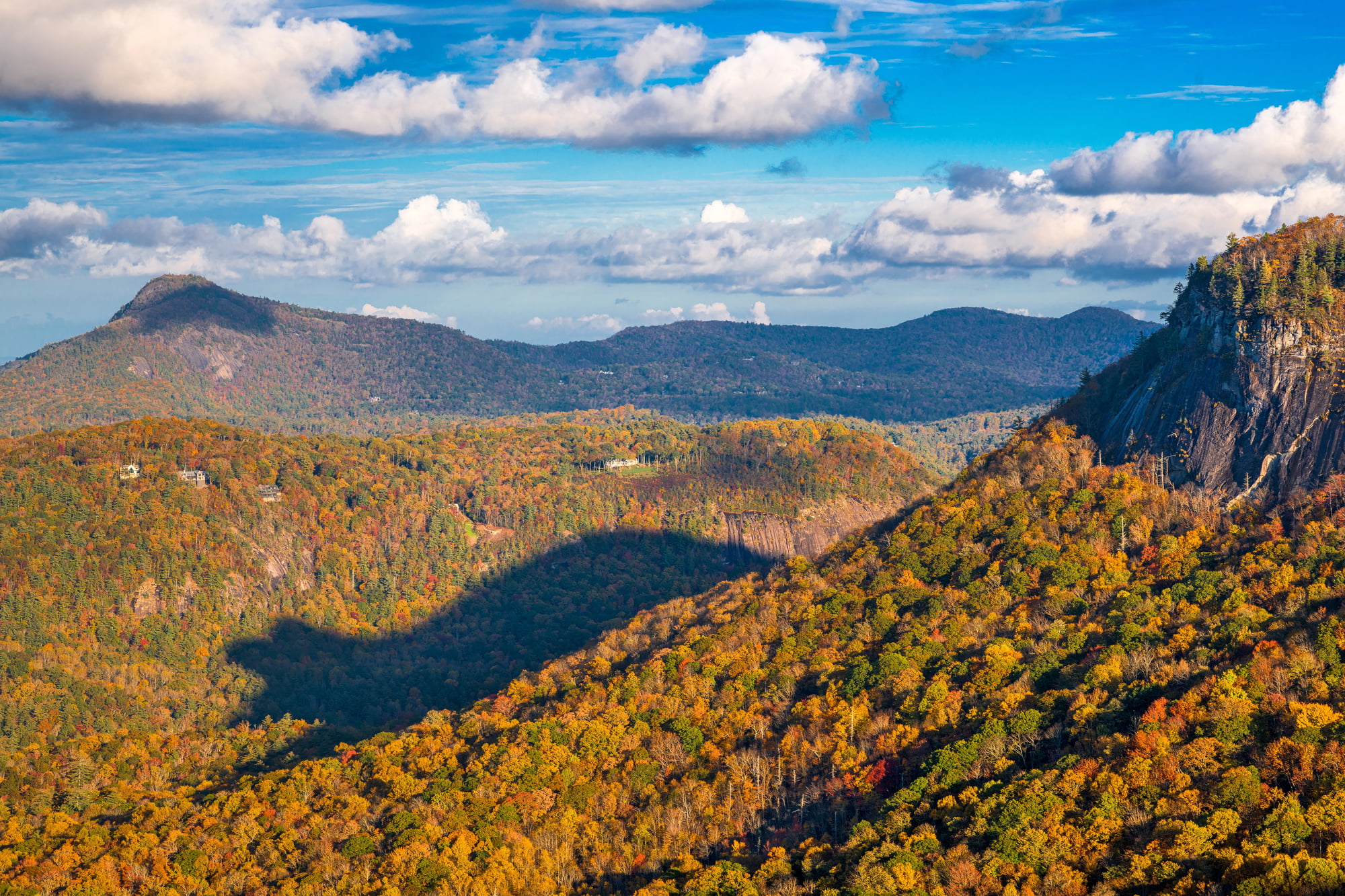
The Appalachian Mountain chain, stretching from Georgia to Maine, offers one of the longest and most diverse seasonal color experiences in the world. Fall transforms different sections of the range at different times, creating a wave of color that moves south to north over several months.
Spring brings mountain laurel, rhododendron, and wildflower displays that vary dramatically from the southern to northern sections of the range.
Like Go2Tutors’s content? Follow us on MSN.
Nature’s Endless Gallery

These mountains remind us that the natural world operates on its own schedule, creating masterpieces that have inspired humans for thousands of years. Each seasonal transformation tells a story about climate, elevation, and the incredible adaptability of plant life.
While we often focus on the dramatic fall displays, every season brings its own unique beauty to these peaks – from spring’s fresh greens and wildflower carpets to winter’s stark beauty and summer’s deep, rich colors. The next time you see a mountain, remember that you’re looking at a work of art that’s constantly reinventing itself.
More from Go2Tutors!

- 16 Historical Figures Who Were Nothing Like You Think
- 12 Things Sold in the 80s That Are Now Illegal
- 15 VHS Tapes That Could Be Worth Thousands
- 17 Historical “What Ifs” That Would Have Changed Everything
- 18 TV Shows That Vanished Without a Finale
Like Go2Tutors’s content? Follow us on MSN.



