Famous Speeches That Were Written at the Very Last Minute
The most powerful words in history often come from the most unexpected moments. Picture this: a world leader frantically scribbling notes on a napkin minutes before addressing millions, or an activist throwing out their prepared remarks to speak directly from the heart.
These aren’t the carefully crafted speeches that speechwriters labored over for weeks. These are the ones born from pure necessity, genuine emotion, and the pressure of the moment.
Some of the most memorable addresses that shaped nations, inspired movements, and changed the course of history were written in hotel rooms at dawn, on the backs of envelopes, or completely improvised on stage. The deadline wasn’t weeks away—it was walking to the podium.
Abraham Lincoln’s Gettysburg Address
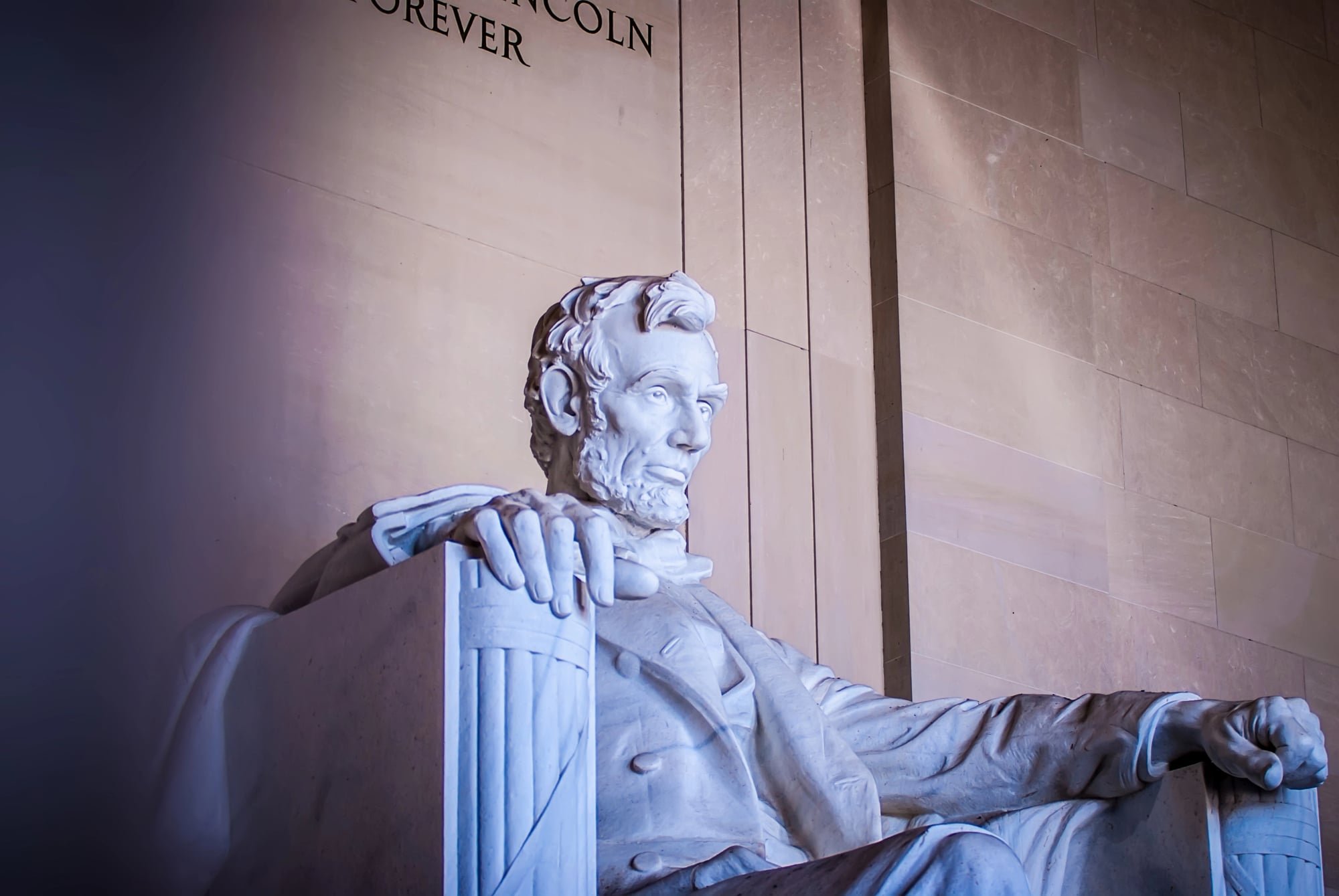
Lincoln wrote this speech on the train to Pennsylvania. The entire address took him maybe an hour to draft, scribbled on Executive Mansion letterhead while the countryside rolled past his window.
The event organizers expected him to give brief remarks—emphasis on brief. Lincoln delivered exactly that: 272 words that redefined American purpose. Done in two minutes.
Lou Gehrig’s Farewell Speech
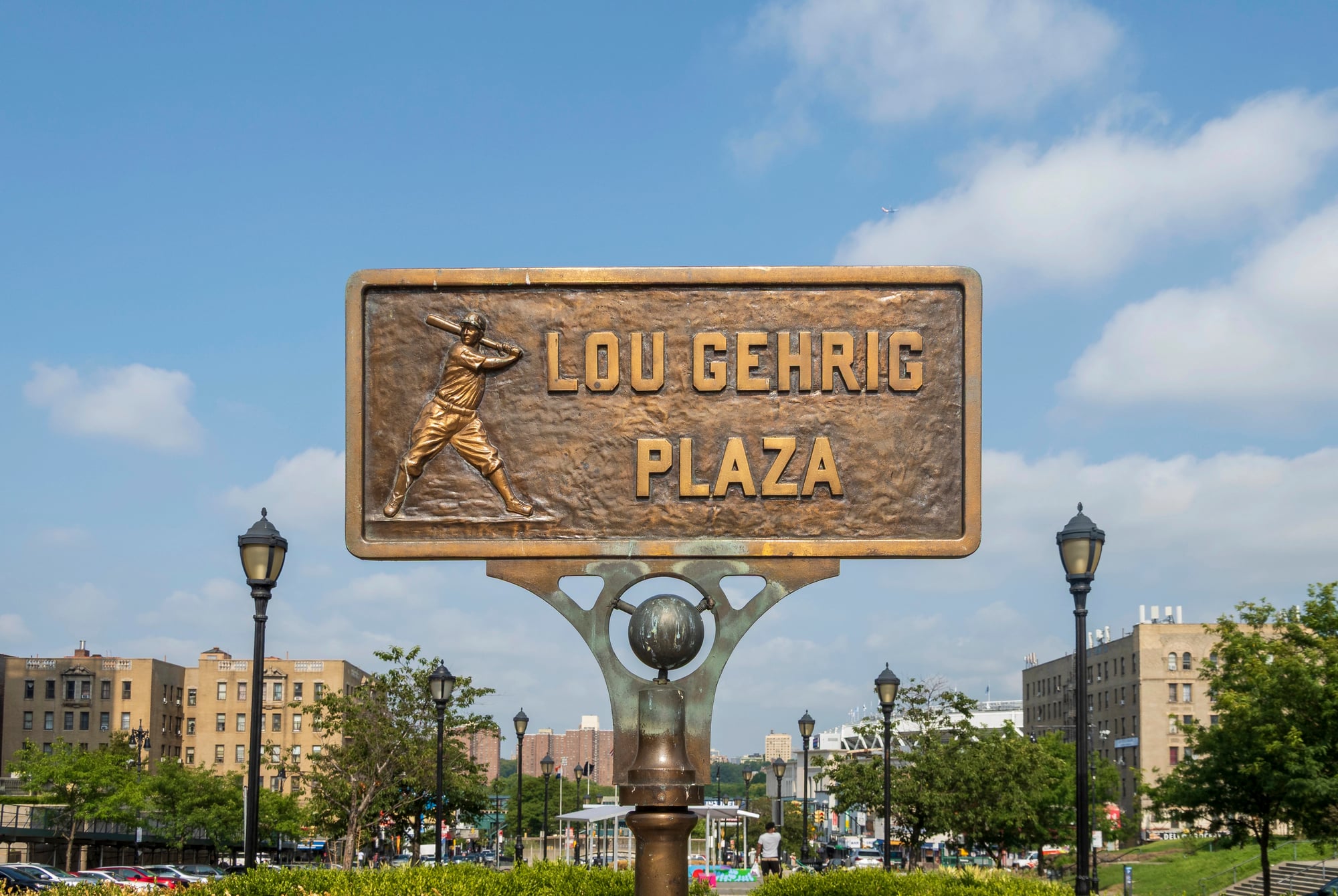
Gehrig had no speech prepared when he walked to the microphone at Yankee Stadium. The team had arranged the ceremony, but nobody told him he’d need to speak. His wife later said he was terrified.
Standing at home plate, facing 61,000 people and knowing his career was over, Gehrig spoke without notes. “Today I consider myself the luckiest man on the face of the earth” became one of the most quoted lines in sports history. He made it up on the spot.
Winston Churchill’s “We Shall Fight on the Beaches”
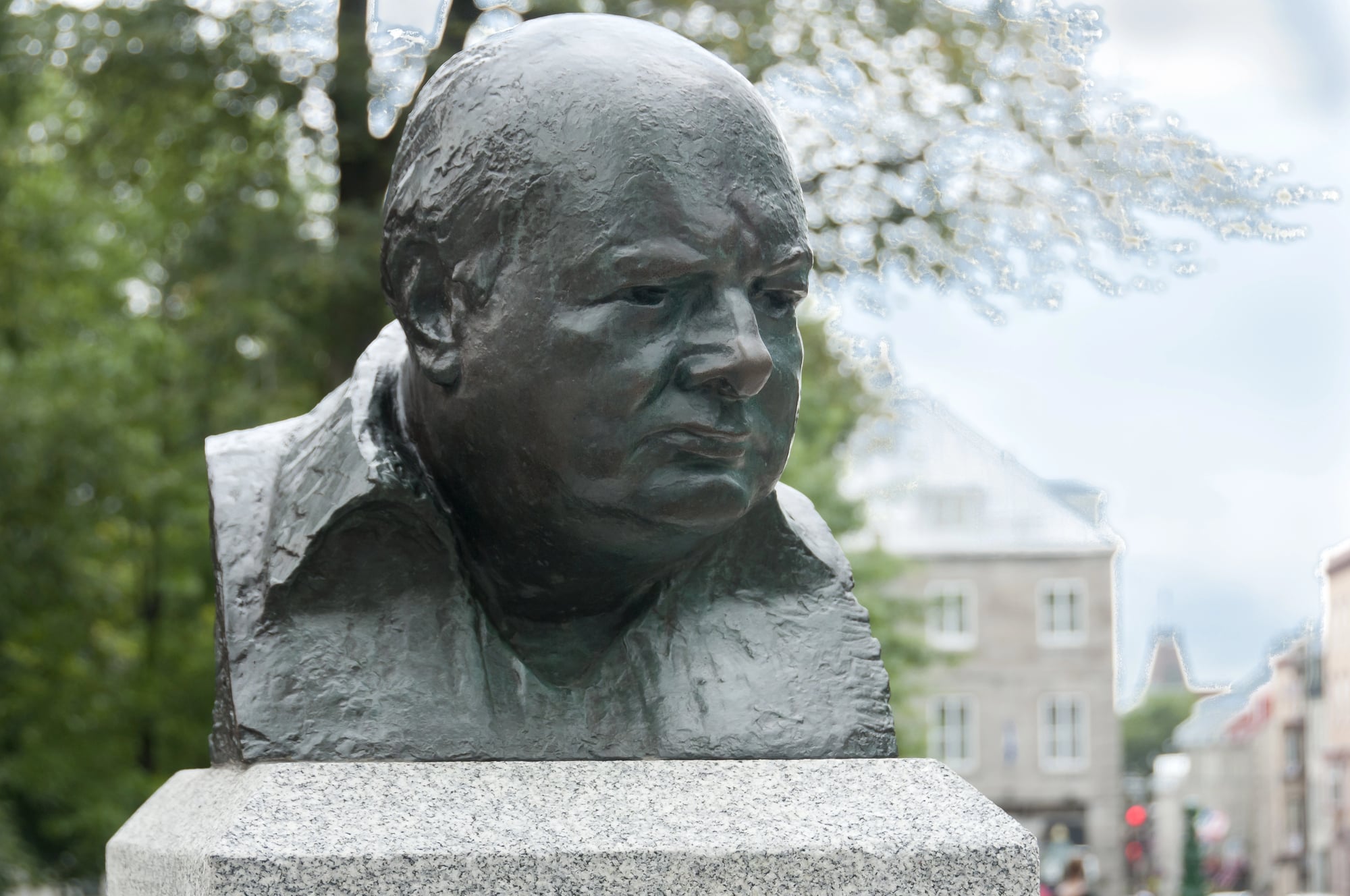
Churchill’s famous defiance speech went through three different versions on the morning he delivered it to Parliament (and this was during one of the most chaotic periods of World War II, when German forces were advancing rapidly across Europe, and Britain faced the very real possibility of invasion). The Prime Minister had been in emergency meetings since dawn, receiving updates from Dunkirk, and the speech everyone remembers—the one that stiffened British resolve when everything looked hopeless—was essentially cobbled together from notes he’d been scrawling between crisis meetings. So much for careful preparation.
And yet the rhythm of that speech, the way it builds to that final crescendo of defiance, sounds like it took months to perfect rather than hours to frantically assemble. The version that made it into the history books was written in the margins of military briefings.
Churchill finished the final draft twenty minutes before walking into the House of Commons.
Ronald Reagan’s Challenger Address
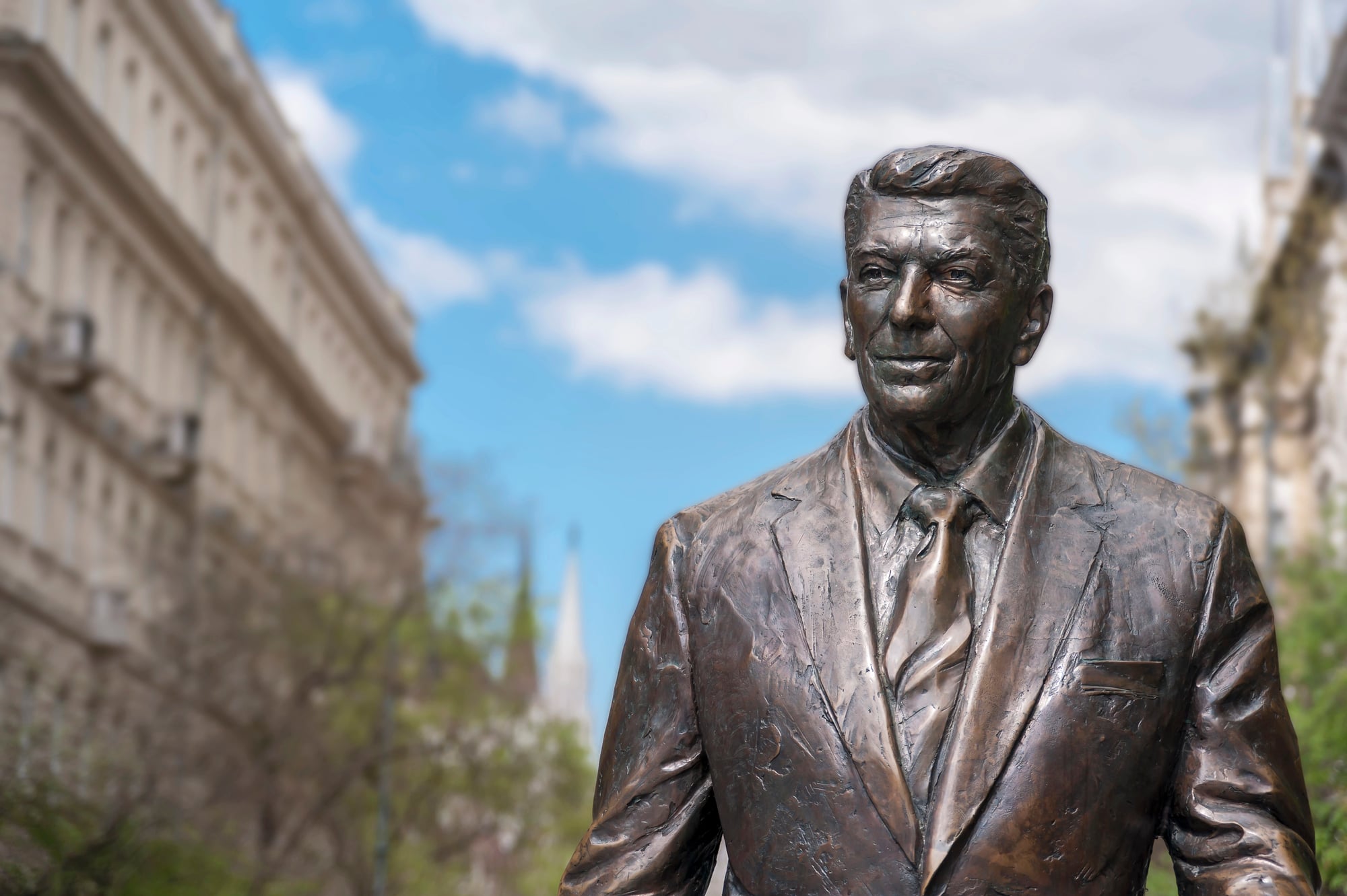
Reagan was scheduled to give the State of the Union that evening. When the Challenger exploded, speechwriter Peggy Noonan had four hours to completely rewrite the President’s remarks for a grieving nation.
The speech that comfort millions—”slipped the surly bonds of earth to touch the face of God”—was written in a single afternoon under impossible pressure. Sometimes the deadline creates the magic rather than destroying it.
Martin Luther King Jr.’s “I Have a Dream”
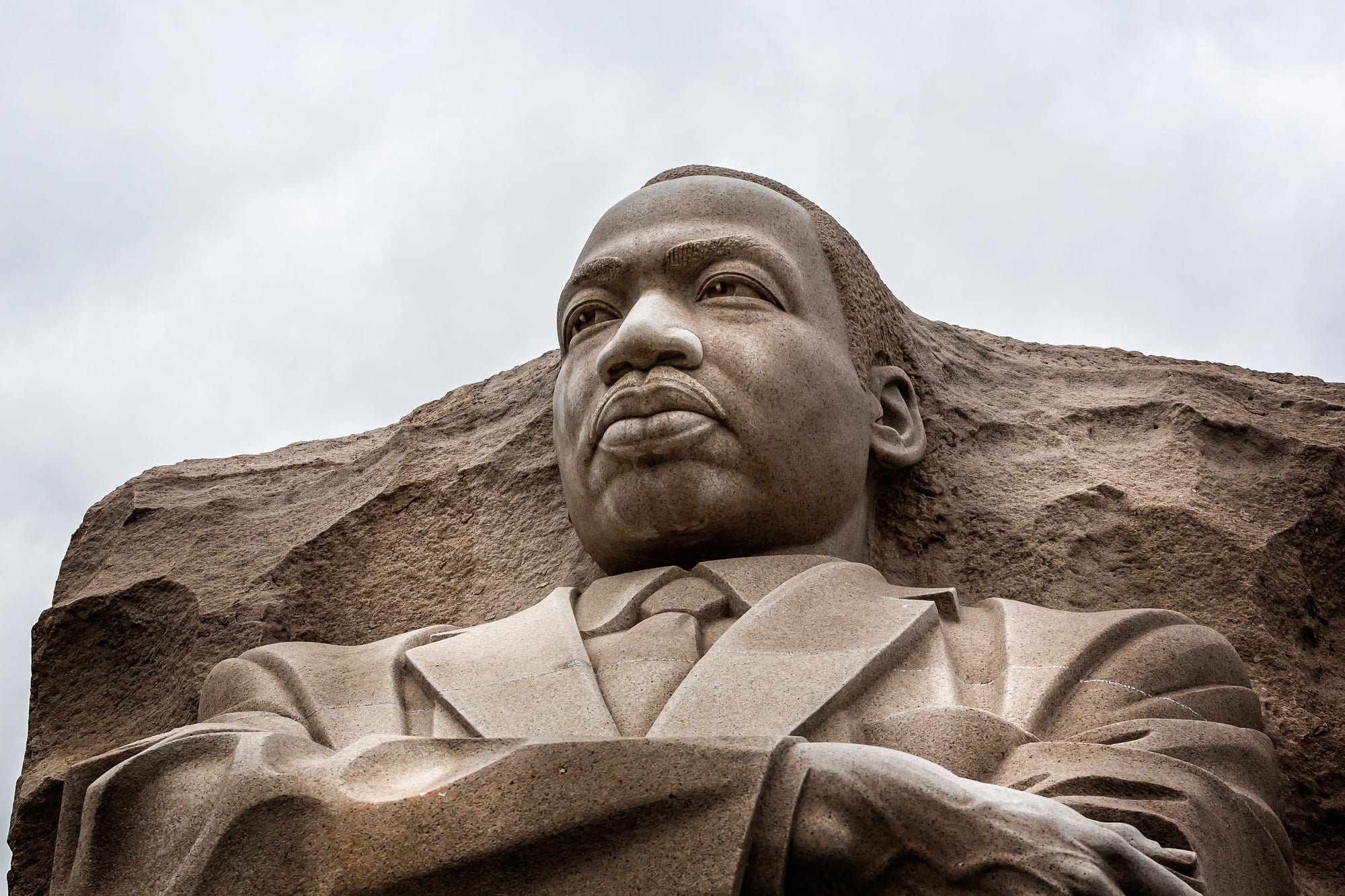
The “Dream” portion wasn’t in King’s prepared text (and here’s something that might surprise you about one of the most famous speeches in American history: King had used variations of the dream metaphor in smaller speeches before, but he’d actually planned to focus on the economic realities facing Black Americans that day, complete with statistics and policy specifics that his advisors thought would resonate better with the television audience). But standing at the Lincoln Memorial, looking out at a quarter million people, something shifted—maybe it was the energy of the crowd, maybe it was Mahalia Jackson shouting “Tell them about the dream, Martin!” from behind him, but King set aside his carefully crafted remarks and reached for something deeper.
The result was four minutes of pure improvisation that changed everything. King pushed his prepared speech aside and spoke from memory.
The most quoted section of the address was completely unscripted. That’s not luck—that’s what happens when preparation meets the right moment.
Queen Elizabeth II’s 9/11 Address
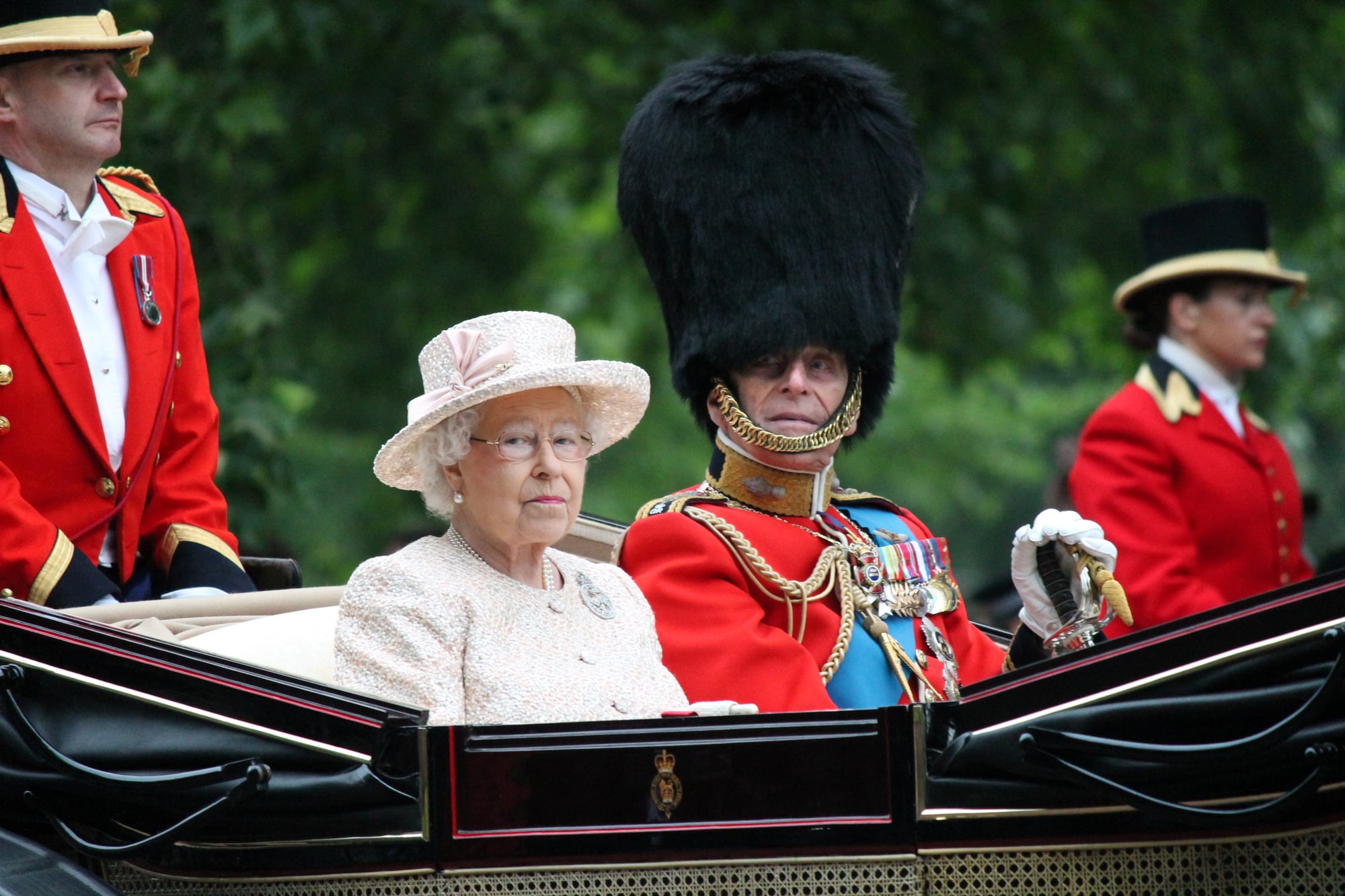
The Queen had never addressed Americans directly during a crisis. Protocol didn’t exist for this situation, and her speechwriters were in uncharted territory with less than a day to prepare remarks.
Elizabeth’s decision to have “The Star-Spangled Banner” played at Buckingham Palace broke centuries of tradition. Her speech to the American people was written overnight by a team scrambling to find the right tone.
Turns out, sometimes breaking protocol is exactly what the moment requires.
John F. Kennedy’s Berlin Wall Speech
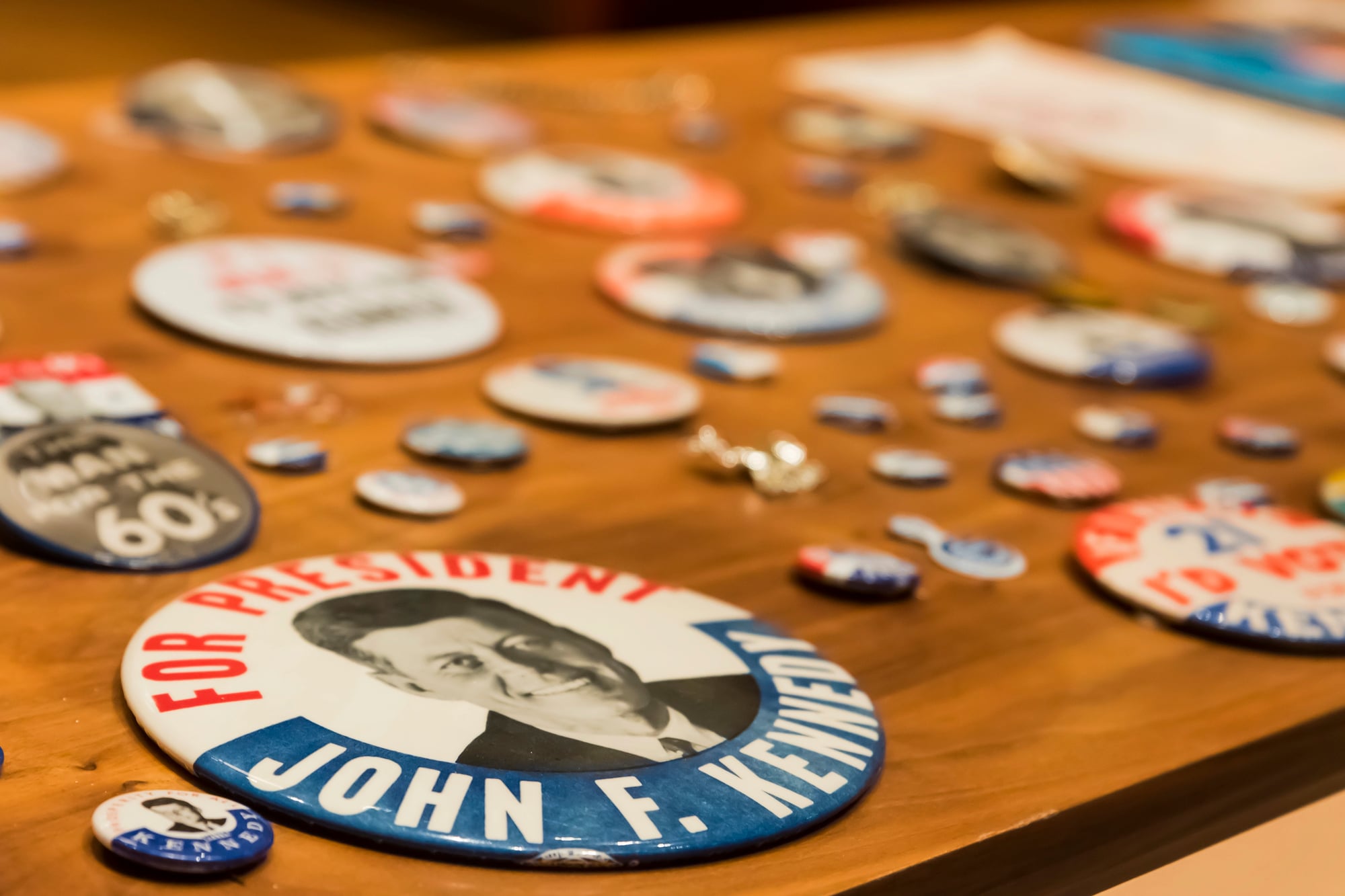
Kennedy practiced the German pronunciation of “Ich bin ein Berliner” phonetically on index cards during the car ride to the speech location. The phrase that defined Cold War defiance was added to his remarks that morning.
His team worried about the political implications of such direct language. Kennedy insisted on keeping it.
The crowd’s reaction—two minutes of sustained applause—proved him right.
Franklin D. Roosevelt’s Pearl Harbor Address
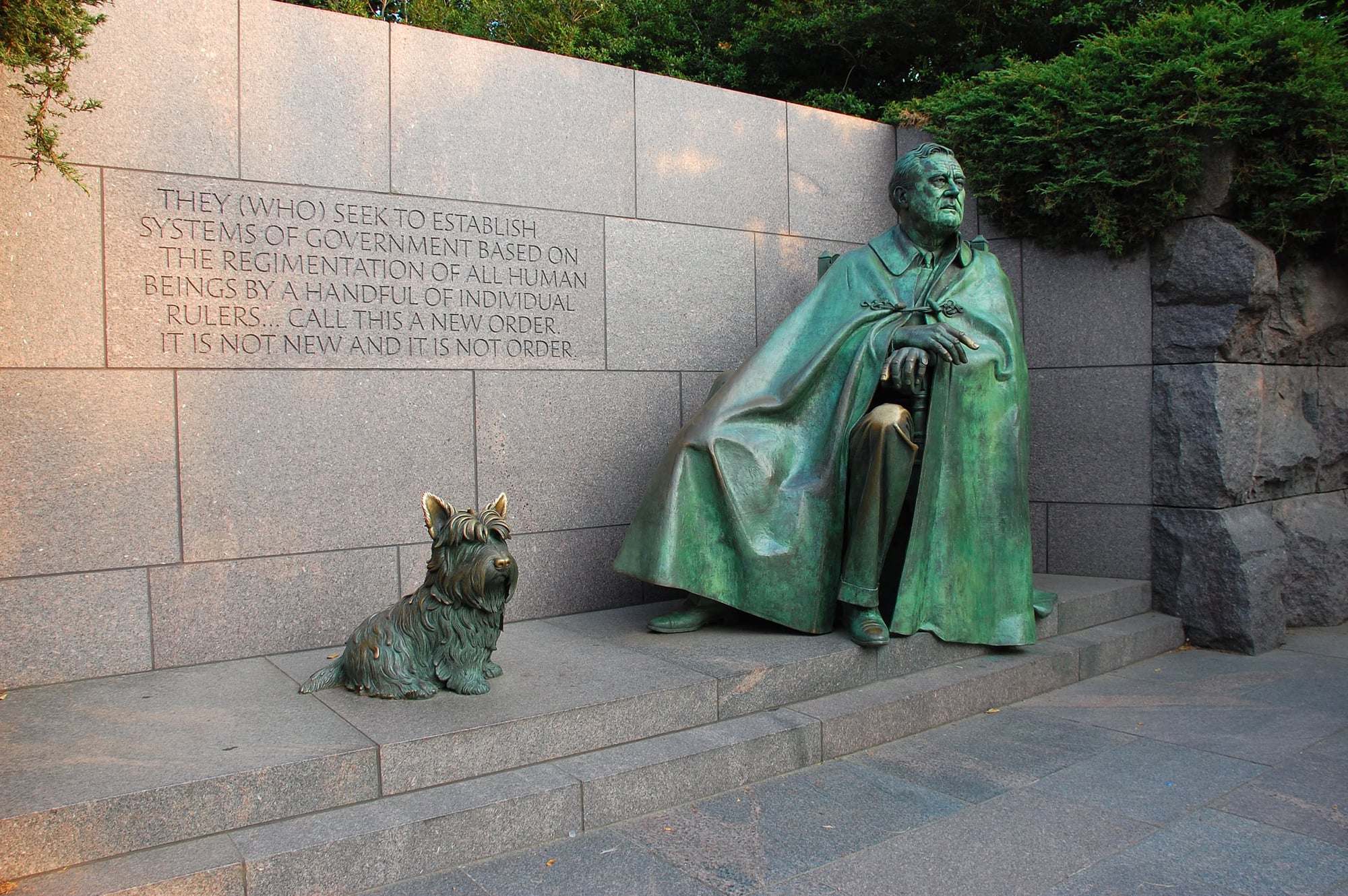
Roosevelt dictated the first draft to his secretary within hours of learning about the attack. The famous opening line—”a date which will live in infamy”—was a last-minute change from his original phrasing.
The speech that brought America into World War II was written and revised on the same day Roosevelt delivered it to Congress. Sometimes history doesn’t wait for perfect prose.
Barack Obama’s 2008 Victory Speech
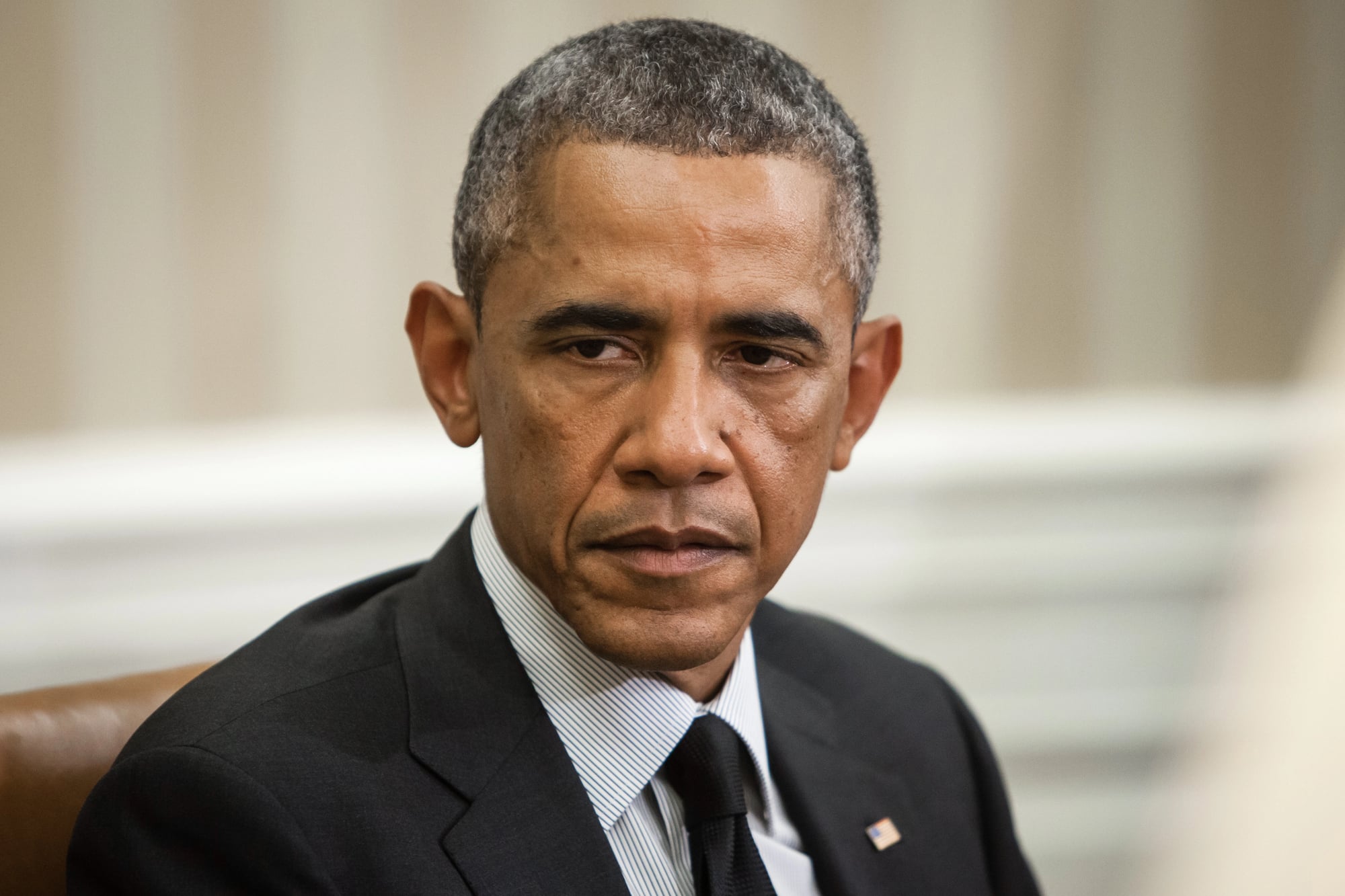
Obama’s campaign had prepared two speeches: one for victory, one for defeat. But the victory speech Obama delivered in Grant Park wasn’t the one his speechwriters had crafted.
Standing before 240,000 people in Chicago, Obama made substantial changes to his prepared remarks. The sections about hope and change that everyone remembers were added during his final review an hour before taking the stage.
Steve Jobs’ Stanford Commencement Address
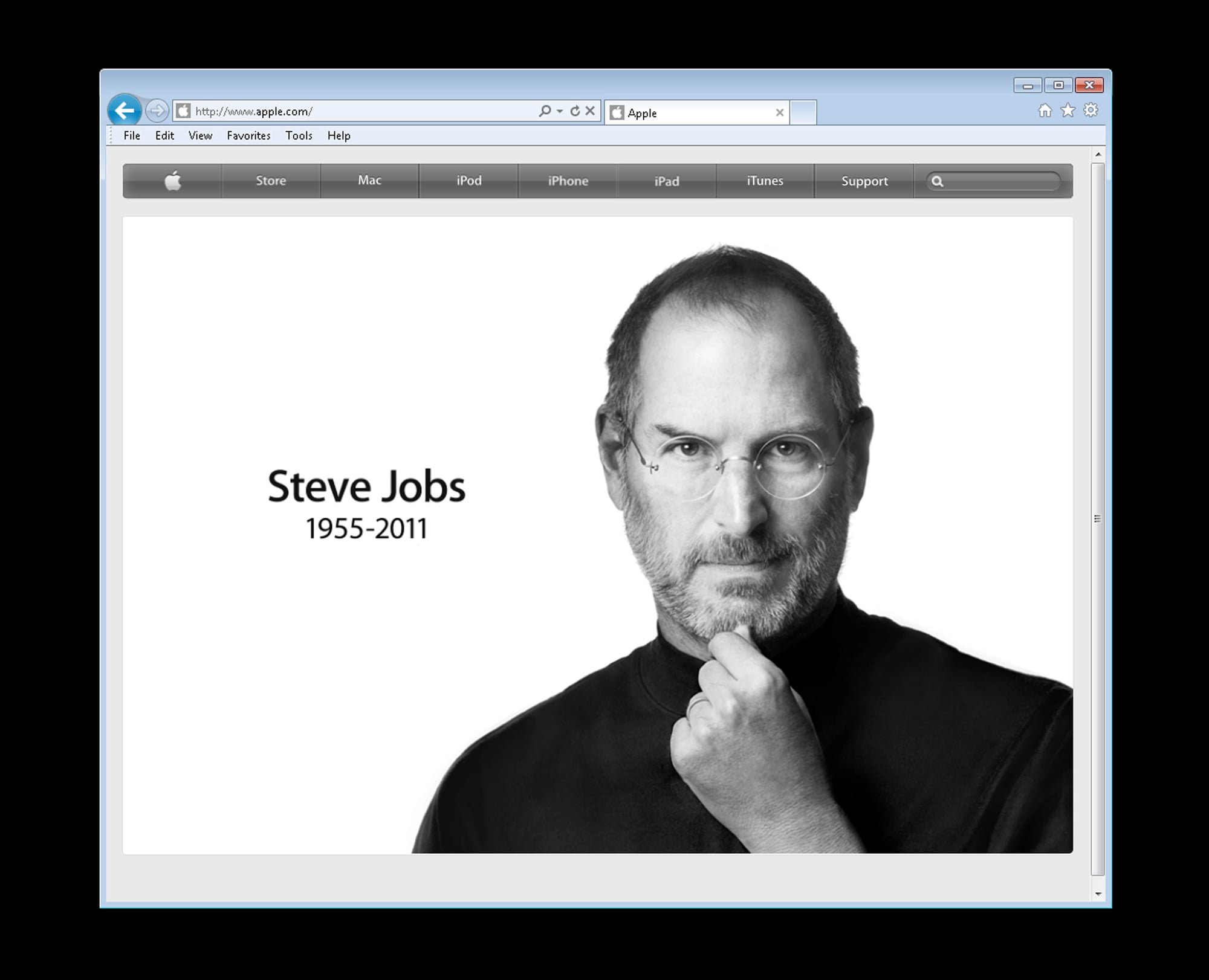
Jobs was famous for over-preparing his product launches, but his Stanford speech was different. He wrote most of it during a single weekend, just weeks before the ceremony.
The three-story structure—connecting the dots, love and loss, death—came to him while walking around his neighborhood. No focus groups, no corporate messaging team.
Just Jobs figuring out what he actually wanted to say to a bunch of college graduates.
Margaret Thatcher’s Brighton Bombing Speech
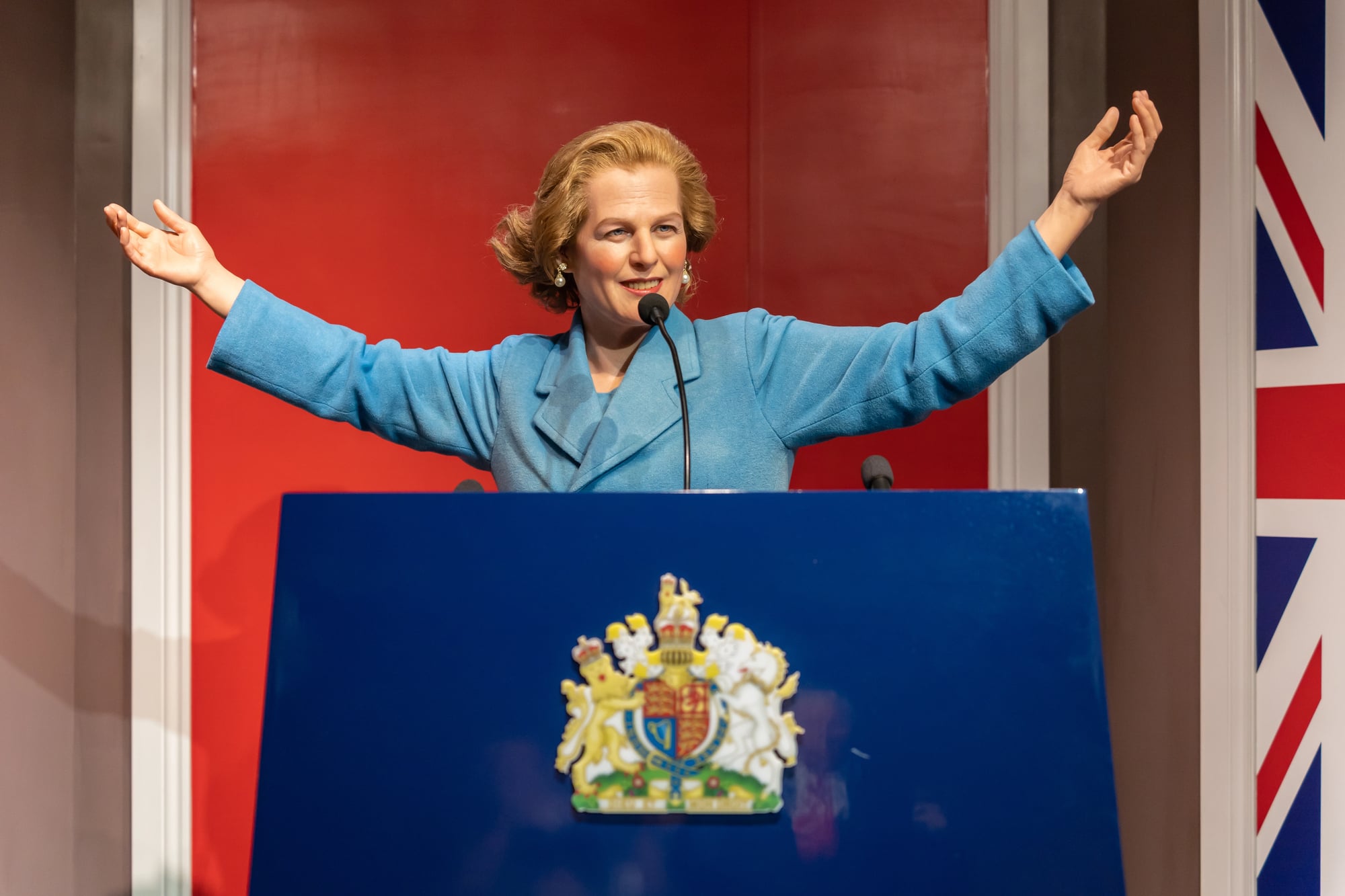
Thatcher’s hotel was bombed by the IRA hours before she was scheduled to address the Conservative Party Conference. Her original speech was buried under rubble, and her speechwriters worked through the night to create new remarks.
The defiant tone of her address—delivered despite the assassination attempt—was shaped entirely by the previous night’s events. Thatcher insisted on keeping her speaking schedule, and the speech became a defining moment of her leadership.
Ronald Reagan’s Berlin Wall Speech
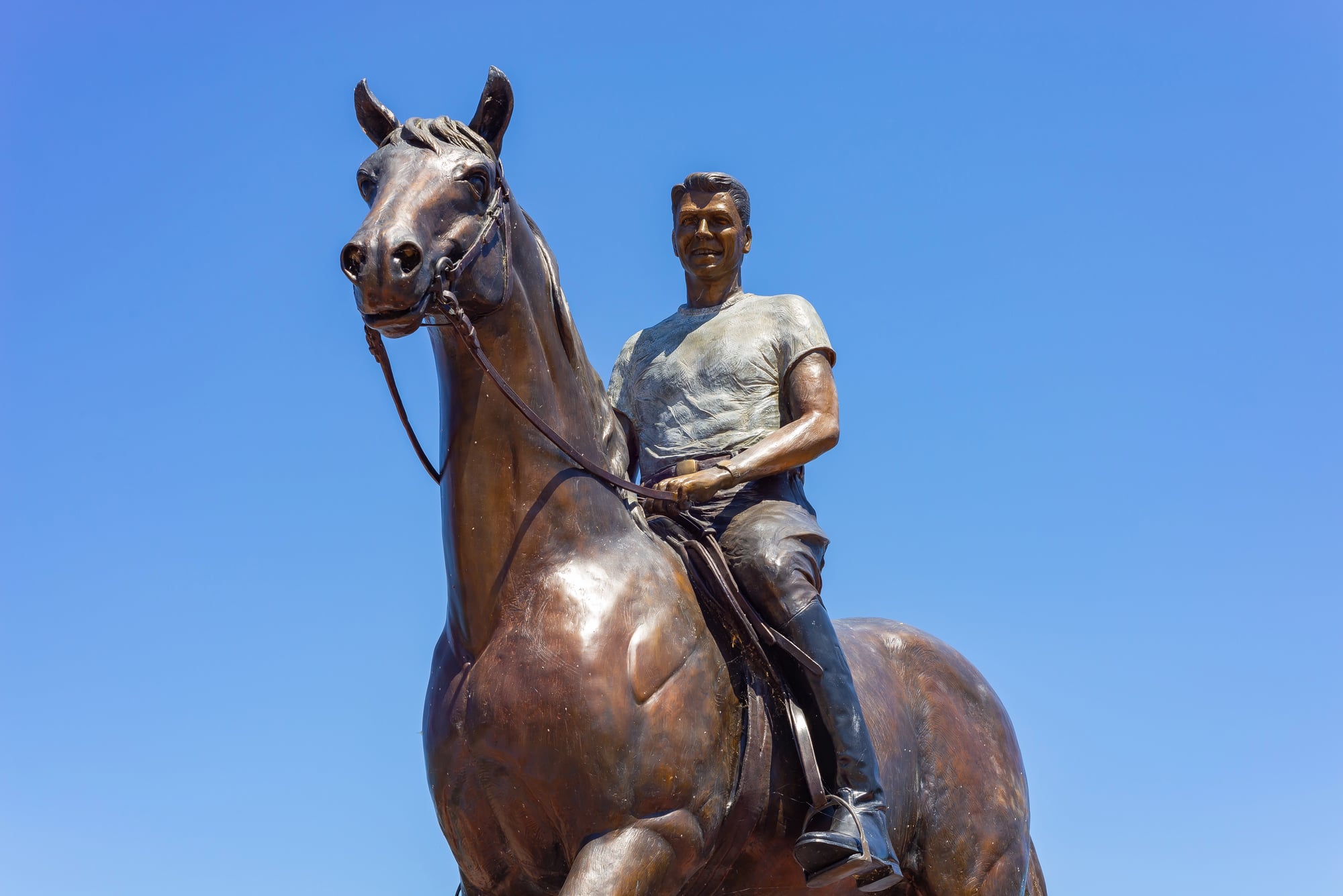
Reagan’s “Tear down this wall!” line almost didn’t make it into the speech. State Department officials tried to remove it during multiple drafts, calling it too intriguing.
Reagan personally restored the phrase each time his advisors cut it. He added the final version during his last review on Air Force One, flying to Berlin.
Sometimes the most important line is the one everybody tries to talk you out of saying.
Oprah Winfrey’s Golden Globes Speech
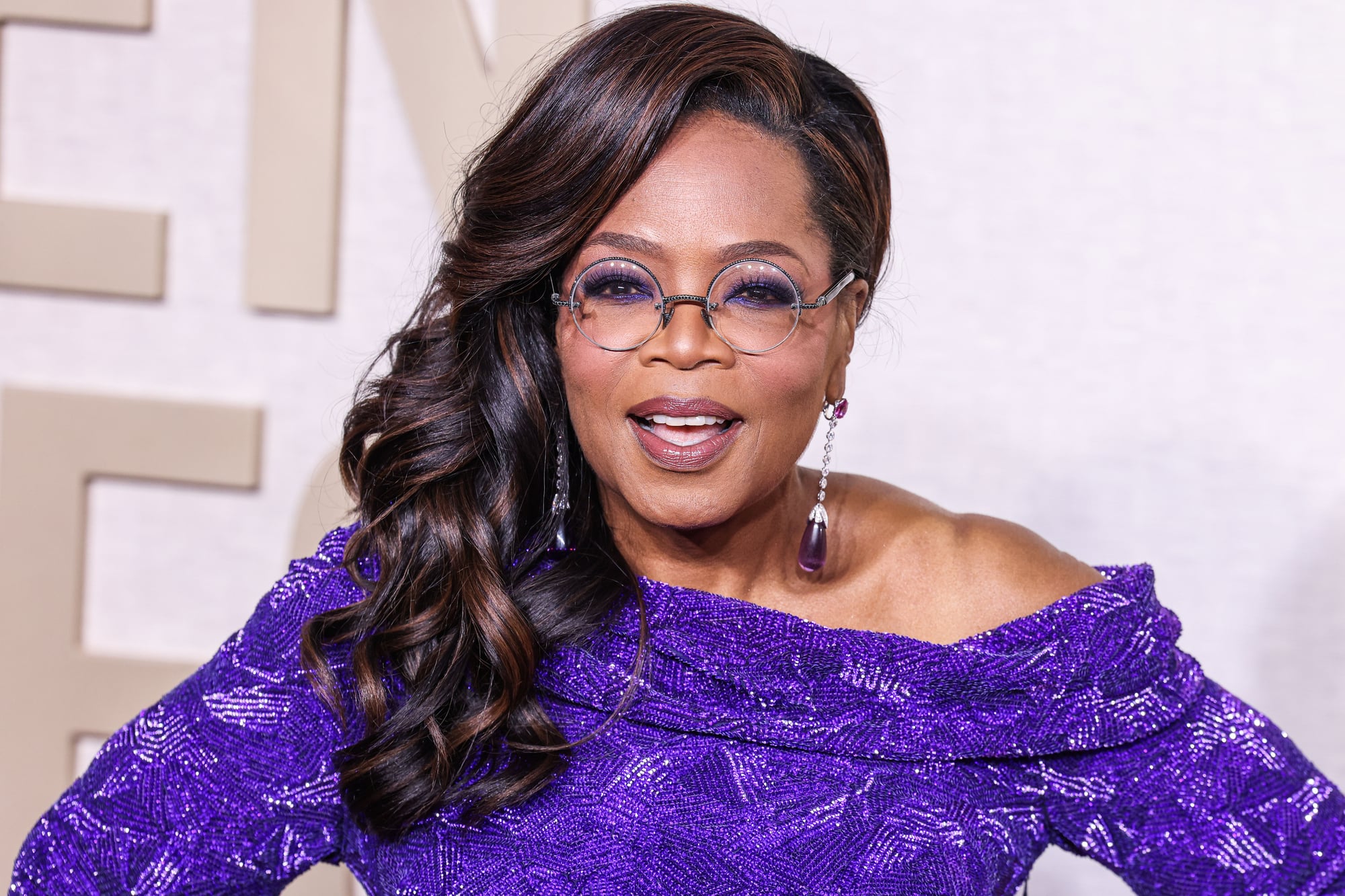
Winfrey had prepared brief thank-you remarks, but her speech about truth and justice was largely improvised. Watching her work through the ideas in real-time, building to that final crescendo about a new day coming, you could see her finding the words as she spoke them.
The speech that launched presidential speculation wasn’t written by a political consultant. It was Oprah being Oprah, with eight minutes to say something that mattered.
Patrick Henry’s “Give Me Liberty or Give Me Death”
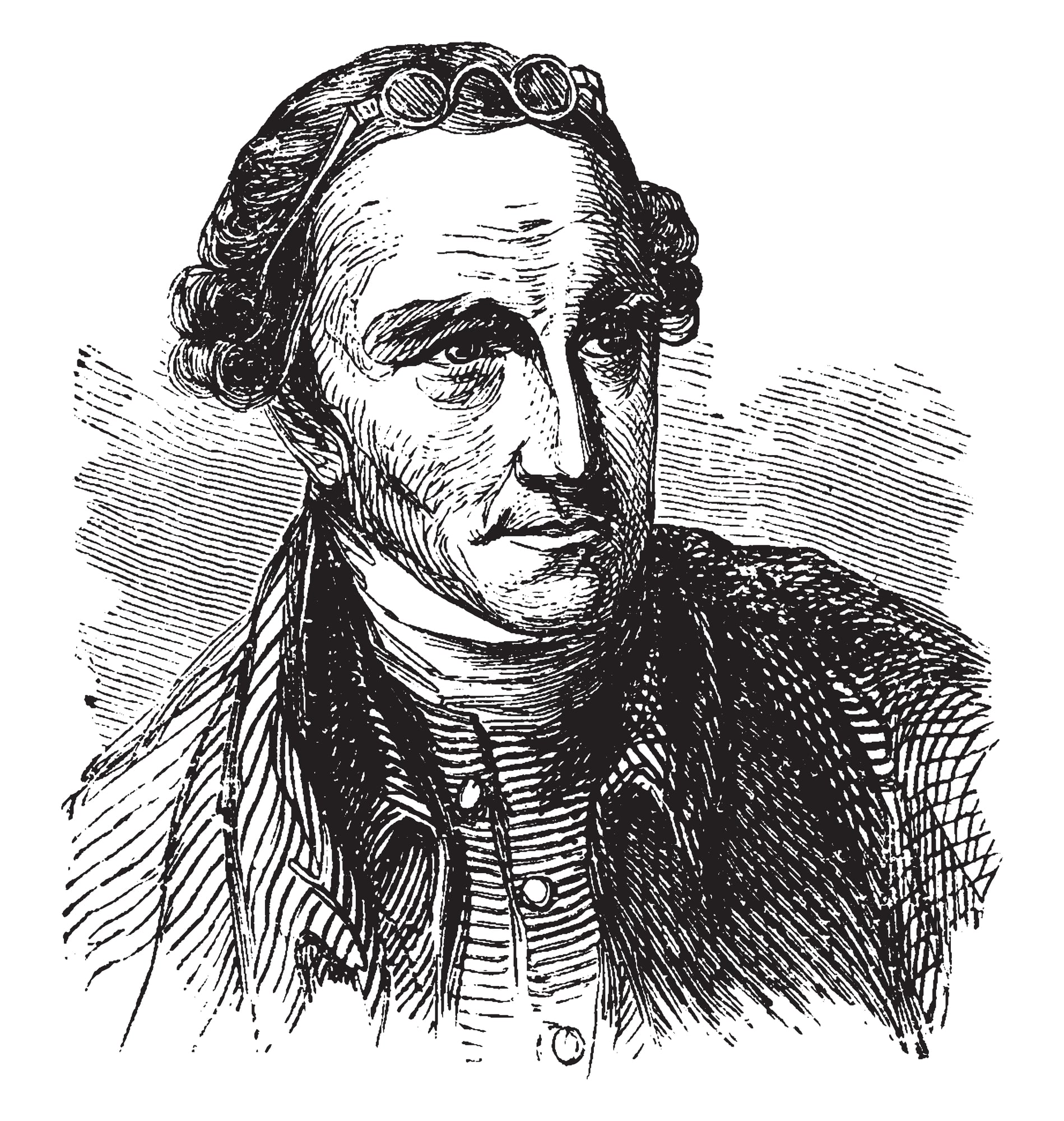
No written record of Henry’s speech exists because he delivered it entirely without notes. The version taught in schools was reconstructed years later from witness accounts.
Henry’s fiery call for revolution was pure improvisation, delivered to the Virginia Convention when tensions with Britain had reached a breaking point. The most famous line in colonial American rhetoric was never written down—at least not until long after it changed everything.
When the Moment Writes the Speech
The best last-minute speeches share something beyond their rushed creation: they capture a feeling that careful preparation might have polished away. There’s something about the pressure of the moment, the impossibility of the deadline, that strips away everything except what absolutely needs to be said.
These weren’t accidents of history. They were reminders that sometimes the most powerful words come not from having enough time, but from having exactly the right amount of urgency.
More from Go2Tutors!

- The Romanov Crown Jewels and Their Tragic Fate
- 13 Historical Mysteries That Science Still Can’t Solve
- Famous Hoaxes That Fooled the World for Years
- 15 Child Stars with Tragic Adult Lives
- 16 Famous Jewelry Pieces in History
Like Go2Tutors’s content? Follow us on MSN.