26 Everyday Moments from Childhood That Felt Boring at the Time but Hit Different Now
Boredom in childhood had a different quality than it does now. It was spacious.
A Sunday afternoon with nothing planned wasn’t a problem to solve — it was just a long afternoon, and eventually something would happen, or it wouldn’t, and either way dinner would come. That particular variety of time seems rare enough now that remembering it feels like remembering a different country.
What follows are moments that registered as ordinary when they were happening — sometimes as actively inconvenient — but now carry a weight that the original experience didn’t. Memory has a way of doing that to things that felt small.
Sitting in the Back Seat on Long Drives
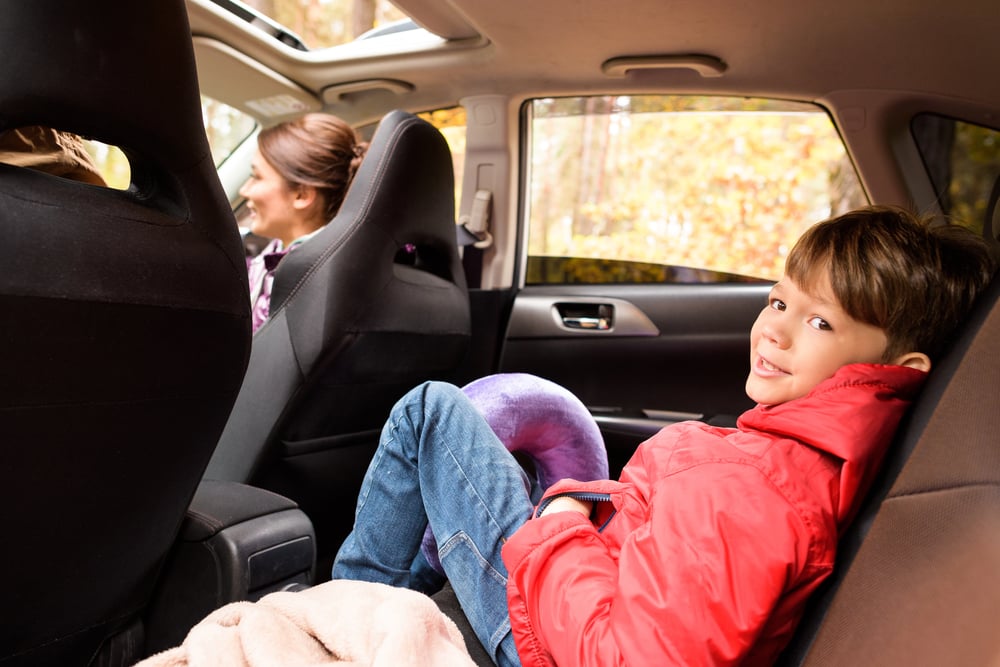
There was no screen, no playlist, no podcast. There was the window.
You’d watch the landscape scroll past and invent games for yourself — counting cows, tracking power lines, mapping the shadows of clouds across fields. The boredom was almost physical.
Looking back, those were some of the longest sustained stretches of unstructured thought most people ever had.
Waiting for Dinner to Be Ready
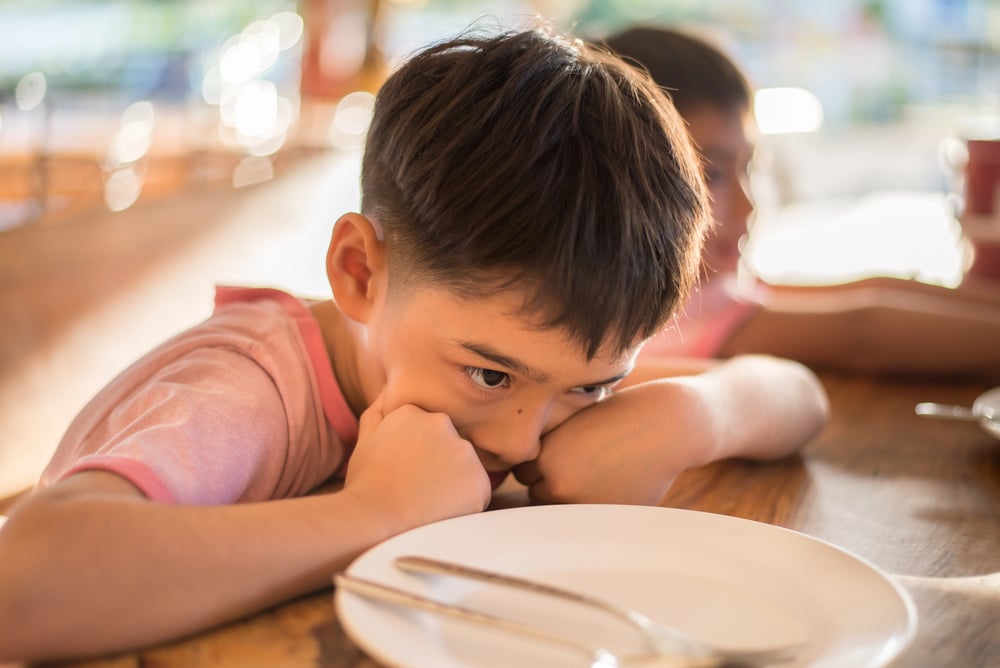
The kitchen was busy and the living room was slightly too quiet and there was that twenty-minute stretch where there was nothing to do but drift. You might have drawn something, or flicked through a magazine, or just sat on the floor listening to your parents talk to each other in the kitchen.
That low-level ambient experience of being in a household feels, from a distance, like warmth.
Sunday Afternoons With Nowhere to Go
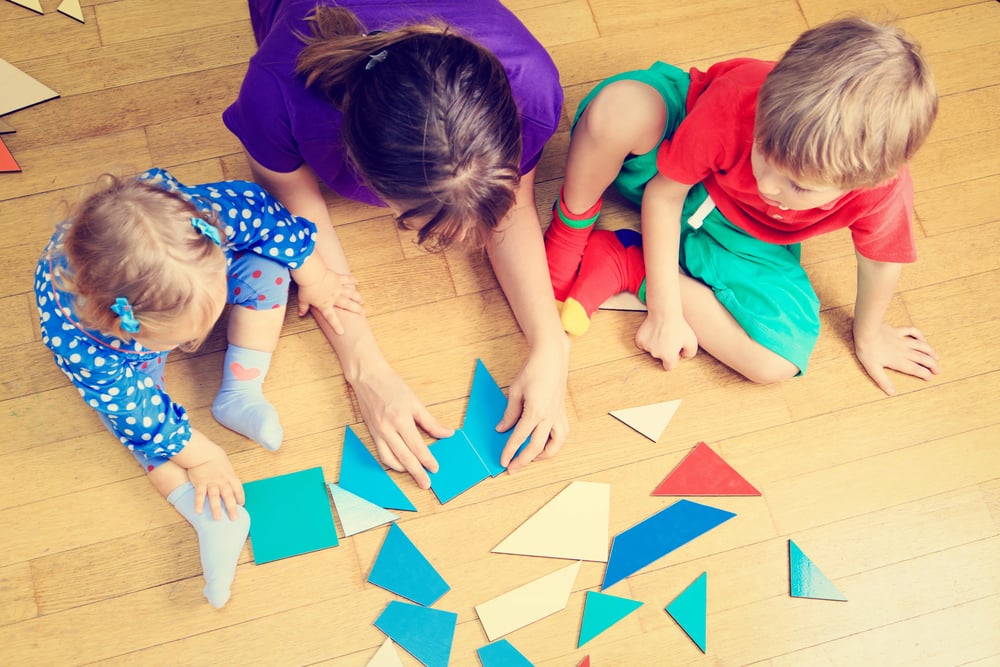
Sunday afternoons had a specific texture — slower than Saturday, weighted with the knowledge that Monday was approaching, but still technically free. Adults sometimes napped.
You’d find something to do that didn’t quite qualify as play and didn’t quite qualify as rest. The hours passed in a way that now sounds almost luxurious.
Being Sent Outside Until Dinner
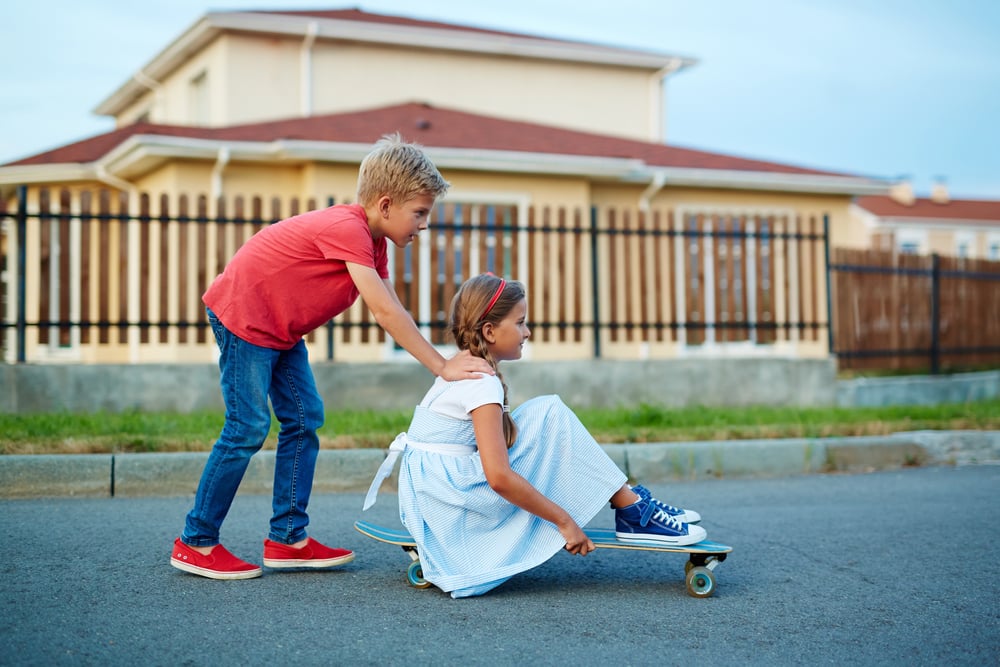
The instruction “go outside” was delivered as a dismissal. It was a parental solution to the problem of a child with too much energy and too little direction.
The freedom it represented didn’t register as freedom at the time — it registered as being gotten rid of. What it actually was: several hours of completely unmonitored time to do whatever you could think of.
Waiting for Your Favourite Show at a Specific Time
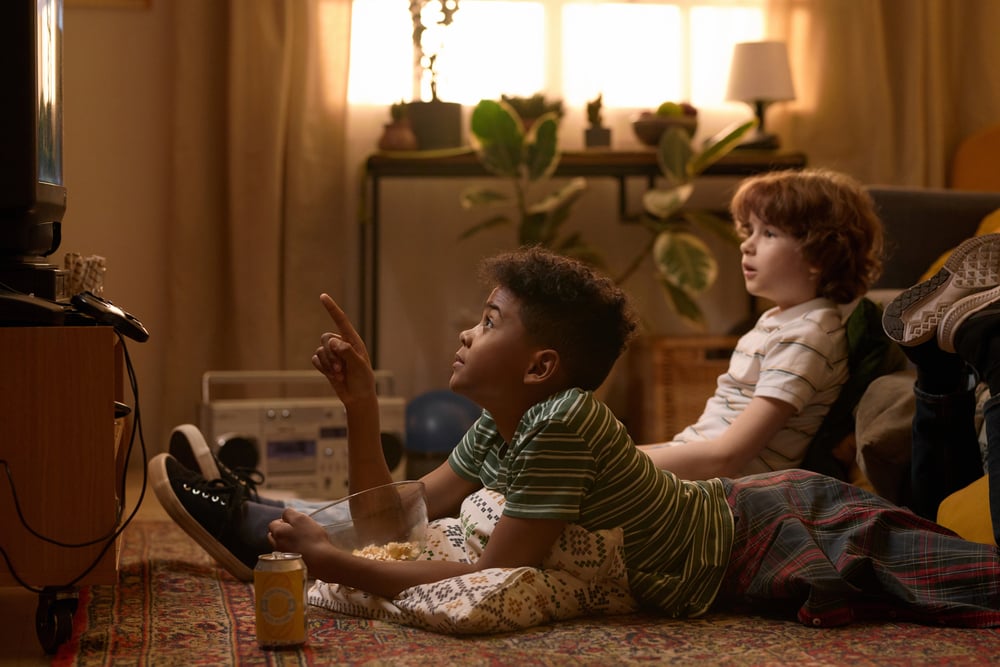
You couldn’t pause it. You couldn’t rewatch it.
If you were five minutes late, you missed five minutes, and that was final. The anticipation of a show starting at a particular time — the ritual of being in the room before the theme song began — is something that on-demand viewing has made structurally impossible.
The waiting was part of it.
Sitting in the Waiting Room at the Doctor’s Office

The waiting room had magazines from three months ago and a plastic chair and a fish tank if you were lucky. The wait was always longer than anyone said it would be.
You’d read every pamphlet on the rack about conditions you didn’t have. Children find doctors’ offices actively tedious.
Adults visit them with a different emotional register entirely.
Saturday Morning Cartoons Before Anyone Else Was Awake
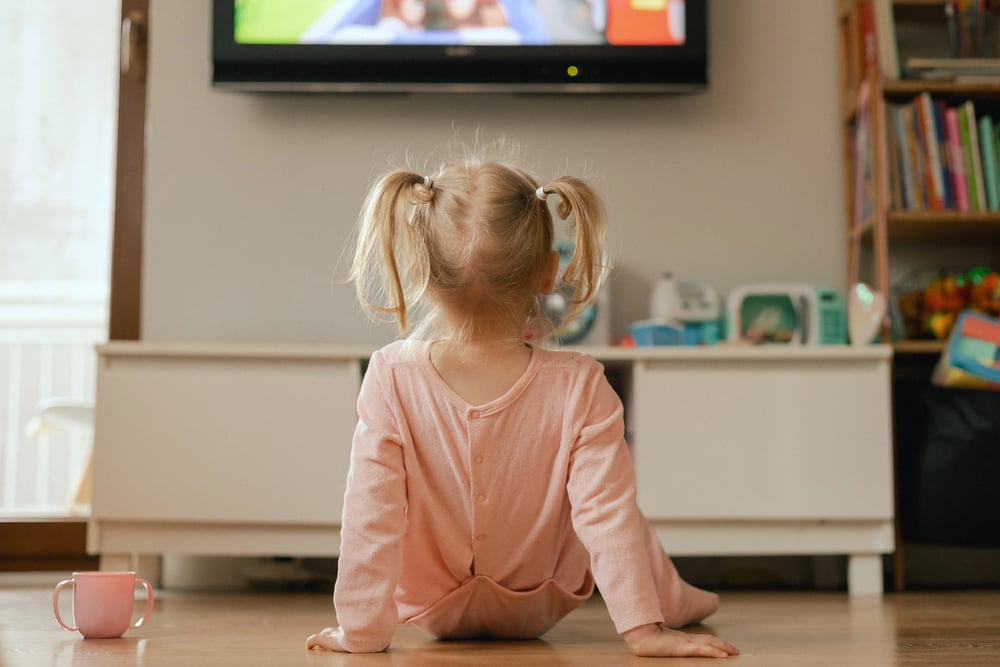
The house was quiet, the cereal bowl was full, and the cartoons ran from approximately seven until noon in an uninterrupted block. Nobody had curated them for you.
They were just on, in sequence, and you watched them all. That specific combination of early morning, empty house, and unplanned programming produced a freedom that felt ordinary at the time.
Grocery Shopping with a Parent

You trailed along through the aisles, occasionally allowed to choose something, mostly just walking. You probably asked to go down the cereal aisle.
The negotiation over whether a particular item went in the trolley was a regular feature of childhood economics. The memory of that specific smell — supermarket air, slightly cold, fluorescent — tends to surface unprovoked decades later.
Helping Set or Clear the Table

It was a chore, technically. You probably didn’t volunteer.
But the small act of being included in the mechanics of a household — being handed plates and trusted to carry them — sits differently in retrospect. That was the family operating as a unit, with you as a functioning part of it.
Playing in the Garden With No Particular Goal
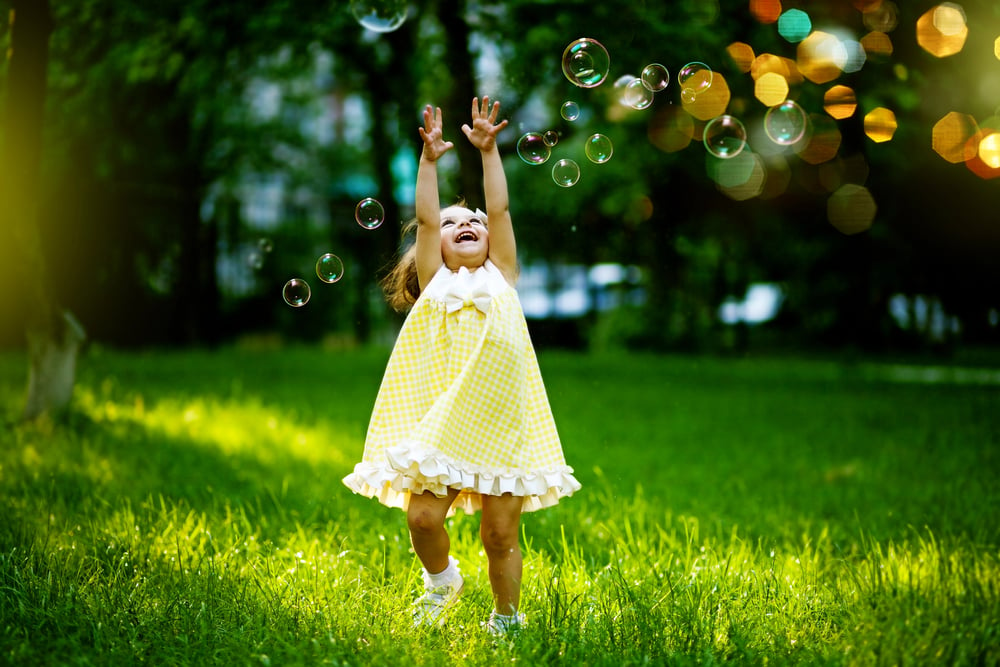
You weren’t training for anything. There was no objective.
You were digging in the dirt, or following a beetle, or building something that would be abandoned before it was finished. Pure play — without outcome or audience — is something adults find almost impossible to access without guilt.
As a child it was just Tuesday afternoon.
Being Read to Before Bed
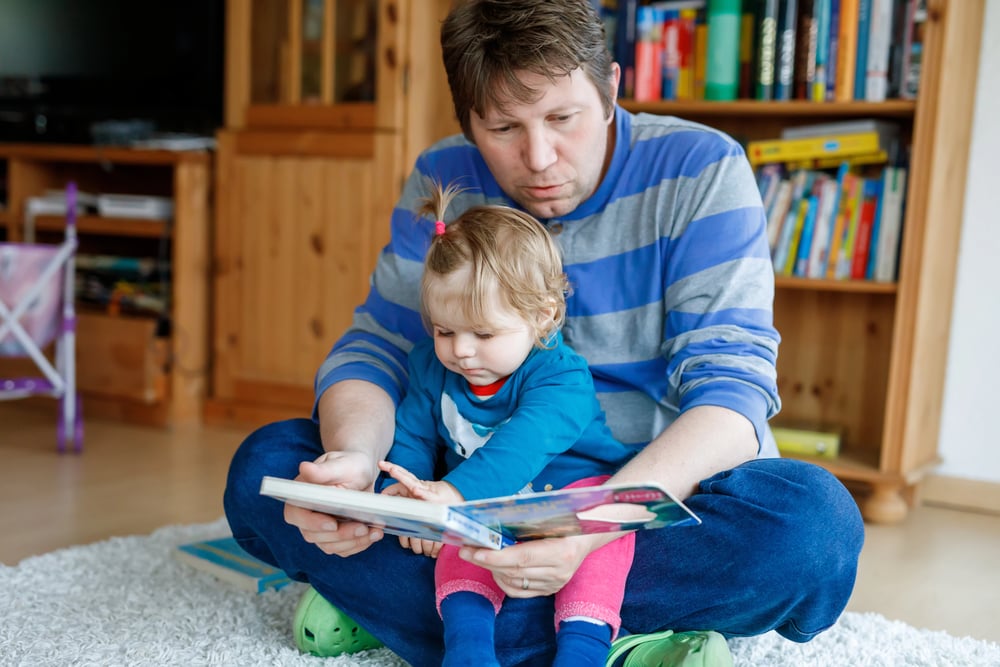
The book was probably one you’d heard before. Your parent’s voice in the semi-dark, the specific rhythm of a story you could already predict, the slow pull toward sleep that meant you missed the ending again — that was a sensory experience of safety so complete that many adults can reconstruct it from a single detail of the room.
Car Trips to See Relatives You Didn’t Know Well

The visit required formal behaviour — sitting still, answering questions about school, not breaking anything. You found it long.
The relatives asked the same questions every time. The house had a particular smell.
What those visits were, functionally, was your parents showing you where they came from — an extended act of transmission that you were too young to appreciate the value of.
Rainy Days Stuck Inside
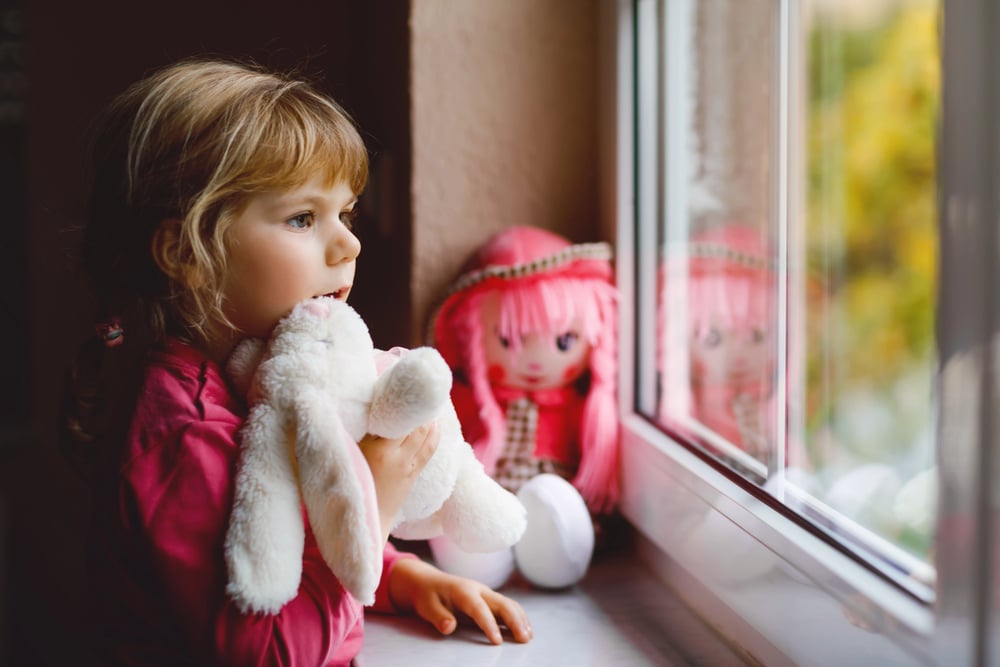
Rain changed the plan, and the plan had often been to go somewhere. Now you were stuck in the house, and the house felt smaller than usual.
You read, or drew, or reorganised something for no clear reason. Rainy days had a forced stillness that produced a specific quality of afternoon — indoor light, muffled sound, the particular melancholy of a plan that didn’t happen.
Watching Your Parent Make Something From Scratch
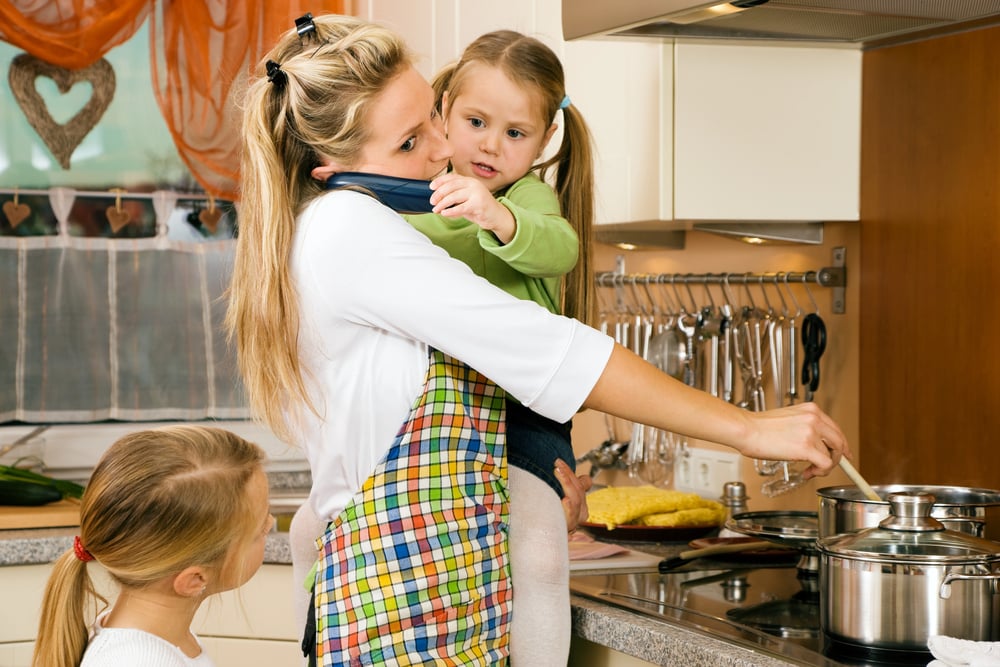
You weren’t helping. You were watching.
A cake being mixed, a fence being painted, a garden being planted. The smell of effort — flour, paint, turned earth — attached itself to the image without you noticing.
You were absorbing skill and process through observation, which is a form of education nobody named.
Lying on the Grass Looking at the Sky
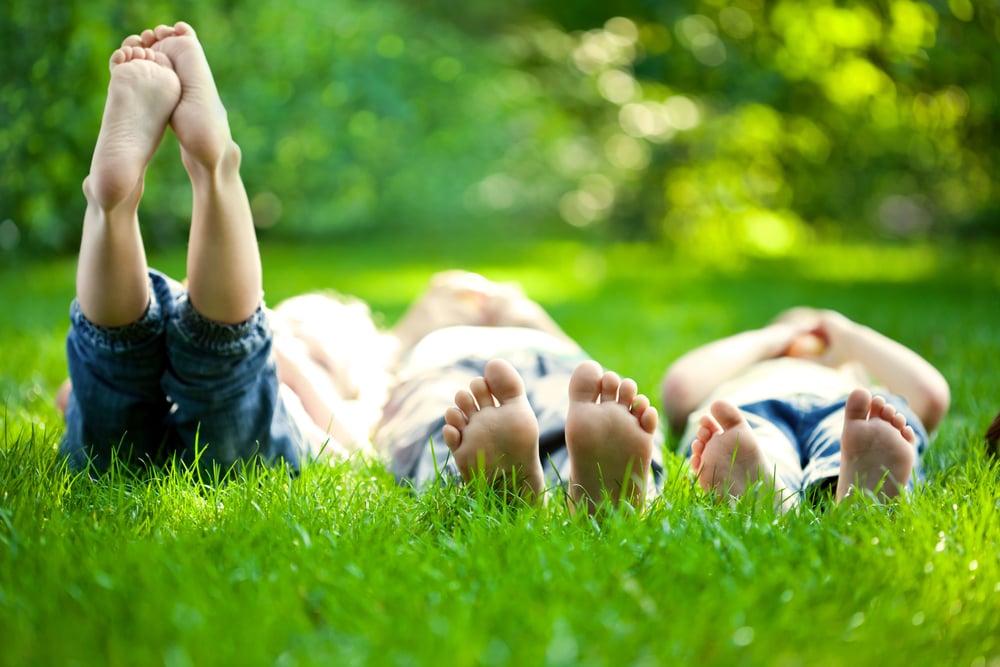
This one sounds too simple to qualify, but the capacity to do it without immediately reaching for your phone, without narrating it, without photographing it, belongs to a very particular time. Lying in the grass watching clouds for twenty minutes for no reason at all was just something children did.
The absence of documentation made it purely private.
Being Called in for Lunch

Playing outside and hearing your name called from the house was an interruption that felt like an inconvenience. The game was in progress, the thing was almost figured out, there was no good stopping point.
What the call represented was a parent tracking your location and feeding you — a level of low-grade care so constant that it was invisible.
Borrowing a Book from the Library

The library had rules — quiet, deadlines, the specific pressure of a due date stamped in the back cover. Choosing a book from rows of spines, most of which you couldn’t evaluate without pulling them out, was a form of decision-making that rewarded patience.
The walk home with the book was a specific kind of satisfaction.
Weekend Breakfasts That Were Different From Weekday Breakfasts
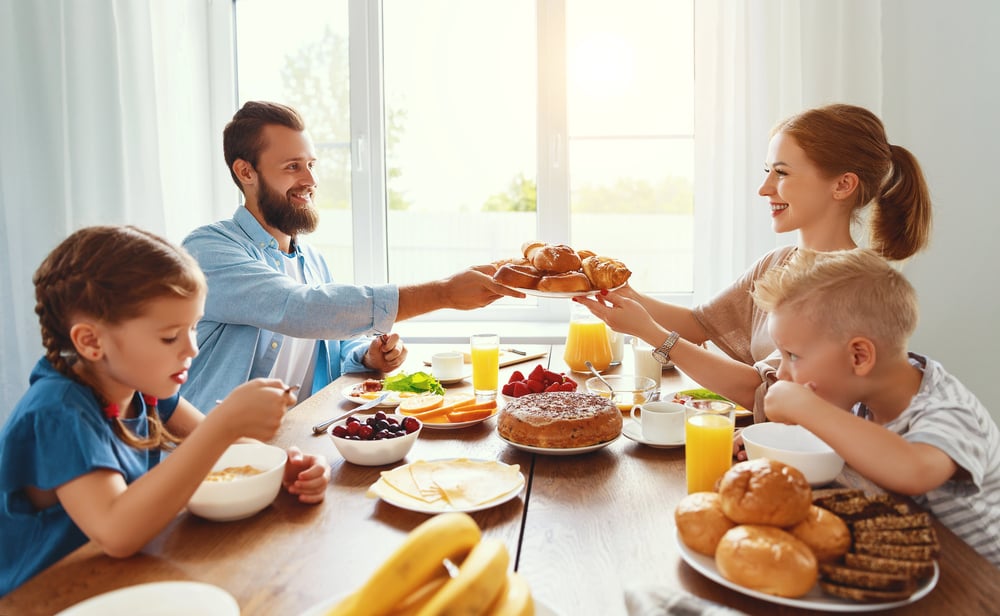
On weekdays, breakfast was functional. On weekends, something changed — pancakes, or eggs, or toast with a different spread, or just more time at the table.
The distinction between weekday and weekend food was clearer then, and the weekend version registered as a small celebration even when the meal itself was unremarkable.
Visiting a Grandparent’s House
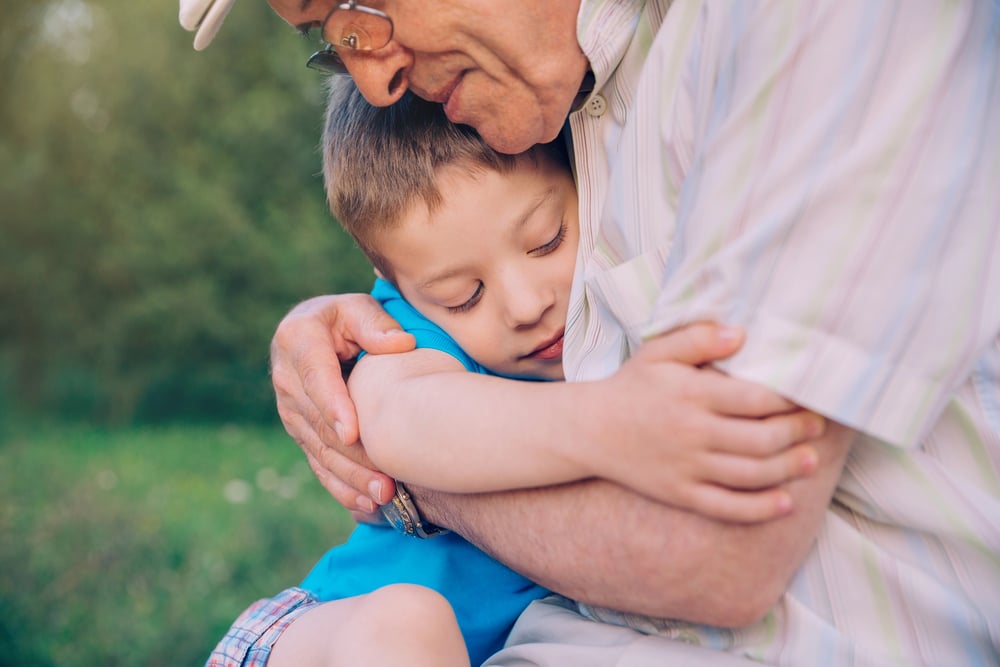
Everything was slightly different there — the soap smell, the particular arrangement of the furniture, the biscuits that were always in the same tin in the same cupboard. A grandparent’s house had its own sensory grammar.
Children found it boring when there was nothing to do there. They remember it now with a precision that surprises them.
The Last Hour of School Before a Break
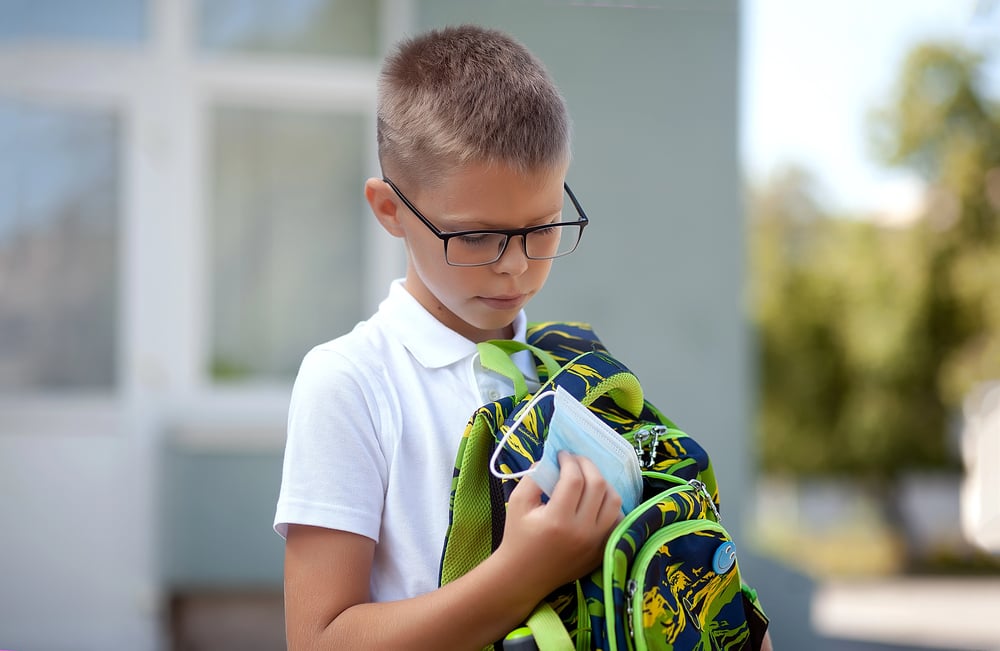
The clock moved slowly. The lesson was the least interesting of the day.
The knowledge that freedom was forty minutes away made the wait feel longer rather than shorter. That specific quality of anticipation — so near, so unbearably near — is one of the most visceral sensory memories many people carry from primary school.
Being Allowed to Choose the Radio Station in the Car
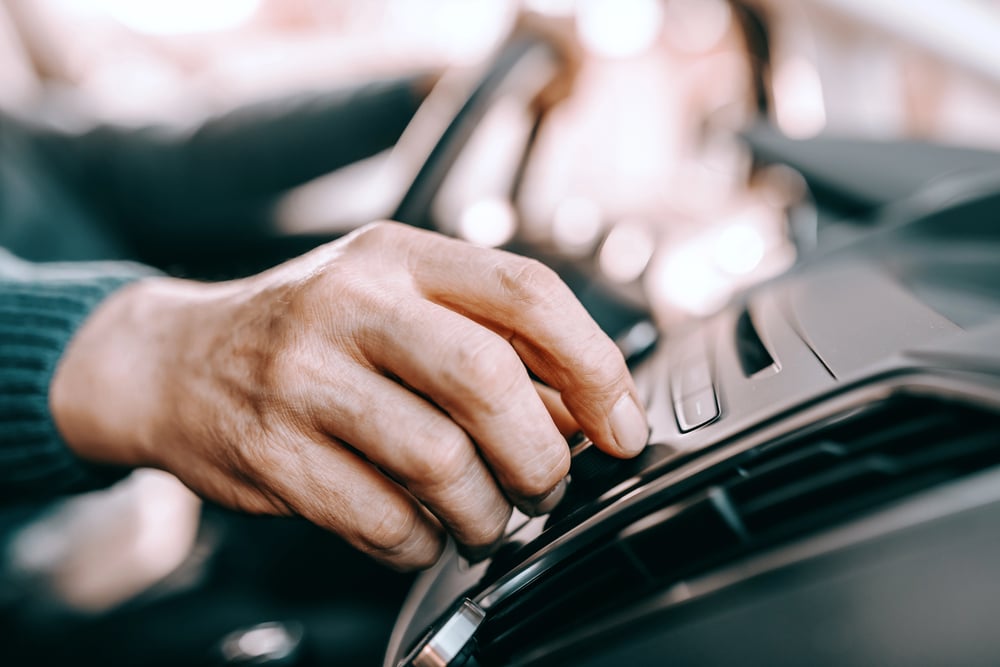
A small concession. Briefly, the dial was yours.
You chose something and it played for a few minutes before an adult quietly changed it to the traffic report. But for those few minutes, the car was under your command.
Watching Your Parent Talk to Another Adult

At the school gate, in the supermarket, at a neighbour’s door — adults would stop and talk for what seemed like an impossibly long time about nothing you could identify as urgent. You stood beside them and waited.
You learned, without being taught, how adults maintained their social fabric. The patience you were practicing would prove useful later.
Afternoon Naps You Didn’t Want
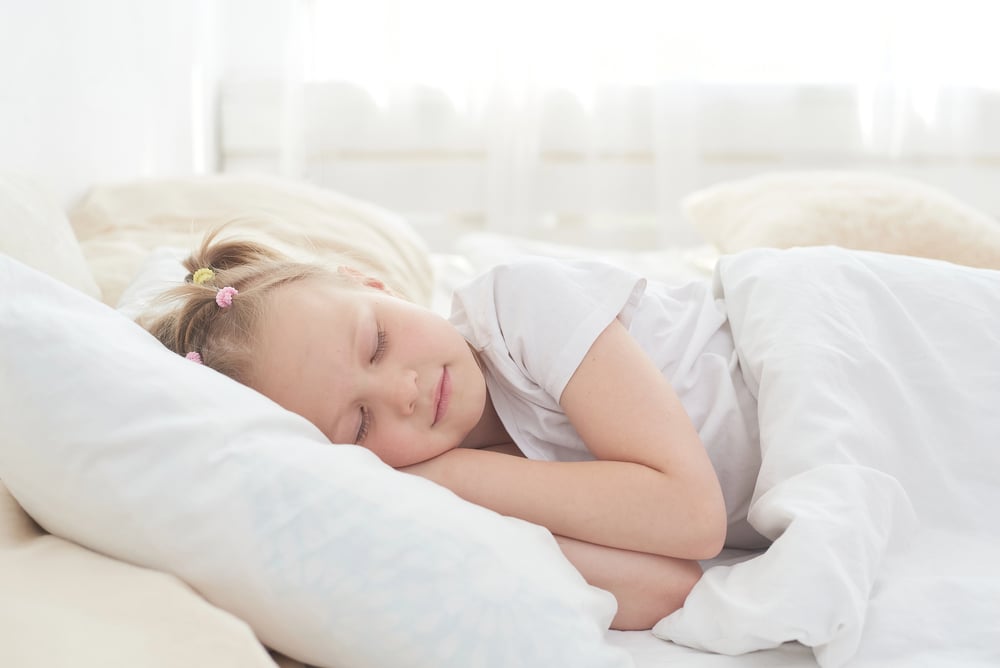
You were not tired. You were definitely not going to sleep.
You lay in the half-dark for what felt like hours, listening to the sounds of the house continuing without you. You probably slept within ten minutes.
The ability to simply stop in the middle of a day and rest is one of the things most adults would now pay quite a lot for.
Helping a Parent Garden
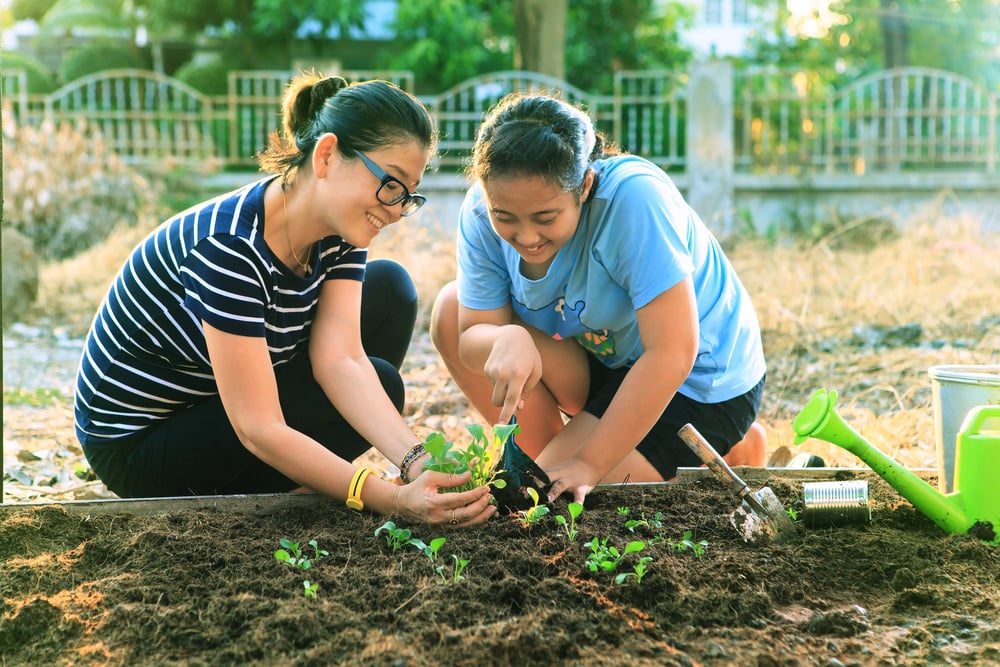
You pulled weeds, probably incorrectly. You watered something with more enthusiasm than precision.
The garden was the parent’s project and your participation was tolerated rather than required. But the specific feeling of kneeling in warm soil beside an adult who was fully concentrated on something uncomplicated — that’s a memory that recurs.
Friday Evening, Before the Weekend Had Started Properly

Friday after school was the best moment of the week, not because anything had happened yet but because the weekend was entirely intact and full of possibility. Saturday morning would determine what the weekend actually was.
Friday evening was what the weekend could be. That particular flavour of anticipation — everything still possible, nothing yet spent — doesn’t improve with age.
When You Could Tell Your Parents Were Happy
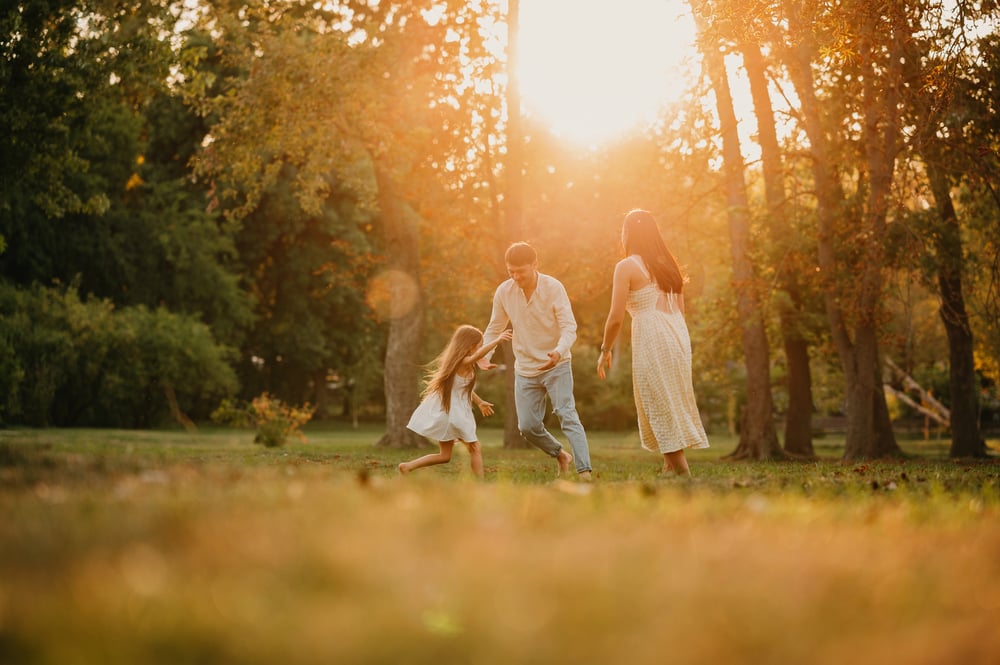
Children notice adult moods with a precision they don’t have language for. A parent laughing at something on the radio, relaxed at the dinner table, teasing someone gently — these moments registered as safe in a way that didn’t require analysis.
The word for what you were feeling was secure. You didn’t know that then.
You know it now.
The Ordinariness Was the Point
What unites every item on this list is that none of it was special at the time. That’s what’s striking about it — the most durable childhood memories are often not the holidays or the birthdays or the planned events, but the unremarkable Tuesday afternoons when nothing was happening and life was just quietly proceeding.
There’s something in that which isn’t quite nostalgia and isn’t quite loss. It’s more like a belated recognition — that the ordinary fabric of a childhood is made of exactly those moments you didn’t bother to notice, because you assumed, reasonably, that they would simply continue.
More from Go2Tutors!

- The Romanov Crown Jewels and Their Tragic Fate
- 13 Historical Mysteries That Science Still Can’t Solve
- Famous Hoaxes That Fooled the World for Years
- 15 Child Stars with Tragic Adult Lives
- 16 Famous Jewelry Pieces in History
Like Go2Tutors’s content? Follow us on MSN.