Famous YouTubers Who Have Been Going for Ages
From the moment YouTube appeared in 2005, some jumped in blind, tossing videos online with no clear plan. Twenty years later, just a handful still show up, changing pace as their audience grows older beside them.
Most who start vanish after a stretch – curiosity dries up, tech moves on, drive slips away, priorities shift elsewhere. Yet these few stayed, even when the ground under the site cracked and reformed.
As the platform swelled – clumsy at first, then sprawling – they matched it, one shaky stride at a time.
PewDiePie Started in 2010 and Never Really Stopped
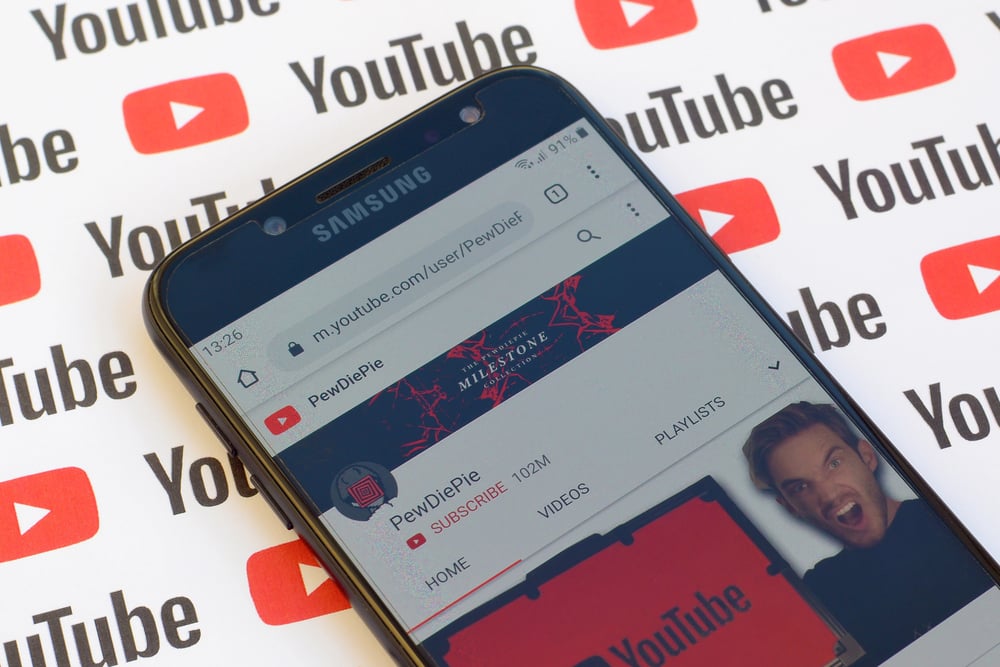
Back in 2010, Felix Kjellberg started by uploading a clip from his tiny Swedish apartment – just him playing games into a camera. By 2013, he topped the list of solo YouTubers with the most subscribers, staying there longer than anyone expected.
His videos never stayed still – scary games slipped into jokes, then memes, then deep talks about life. Trouble followed now and then, serious enough to sink others.
Still, change after change, he held onto viewers who stuck around through it all. Still pulling in more than 111 million followers despite slowing down his upload pace, he keeps sharing videos now and then.
Back when he began, fifteen years ago on YouTube, phones barely did anything beyond calling.
Smosh Survived Every Possible Challenge

Back in 2005, Ian Hecox teamed up with Anthony Padilla to launch funny video clips, long before most knew what YouTube could become. While others stuck to pets on camera or daily monologues, they dove into scripted bits without hesitation.
Reaching a million followers felt like science fiction at the time – yet Smosh pulled it off early. After a full dozen years, Anthony stepped away in 2017, leaving many convinced the project would fade out quietly.
What followed surprised everyone: Ian reshaped everything, turning it into a shifting lineup of comedians working together. Fresh phases shaped its path after new owners stepped in, while different styles rolled out over time.
Even now, videos keep coming, reaching vast numbers who stay tuned – though today’s version feels worlds apart from what launched back in 2005.
Philip DeFranco Built News Coverage From Scratch
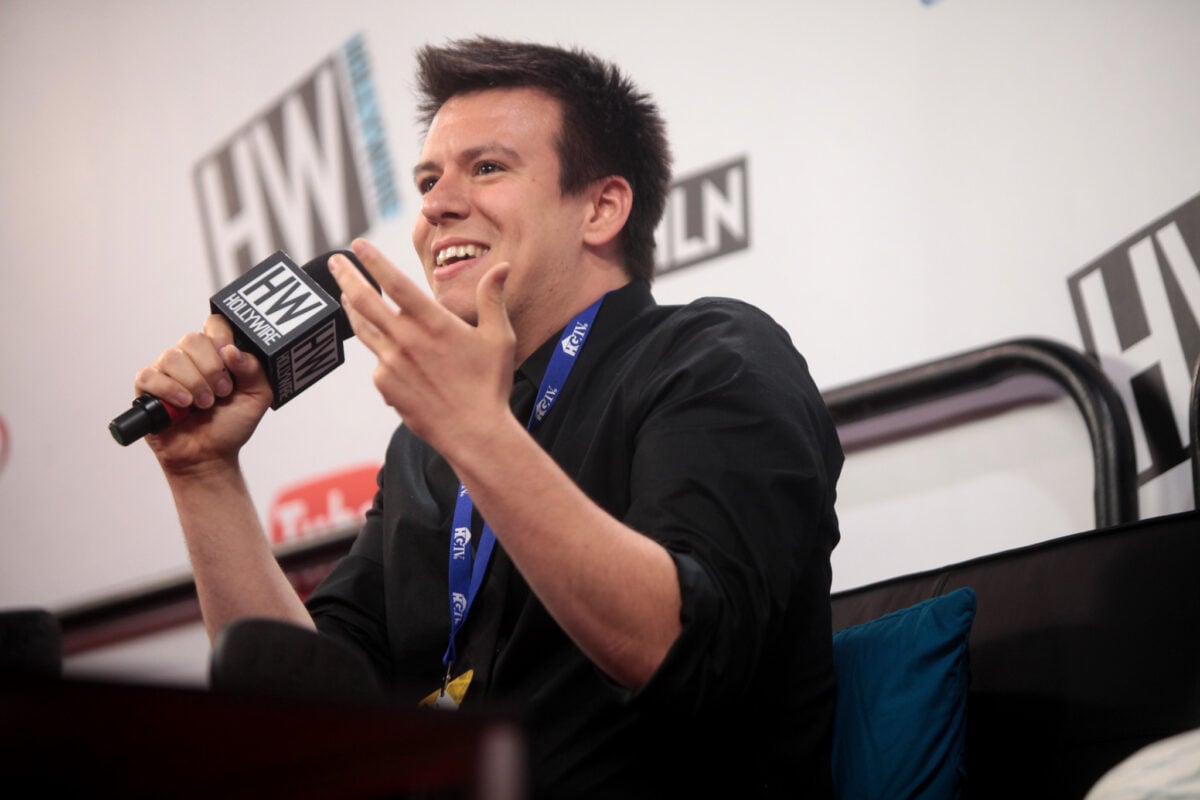
Starting back in 2006, Phil DeFranco launched what became known as “The Philip DeFranco Show,” shaping a kind of news storytelling untouched by anyone else on YouTube at the time. Talking through real-world happenings, he mixed personal takes with relaxed delivery – something big-name outlets wouldn’t touch.
While platforms shifted underfoot, his approach held steady, barely wavering despite waves of change online. A business grew behind the scenes, branching out here and there, although the central news series always remained front and center.
Through close to twenty years of regular updates, he has walked audiences through moments ranging from internet oddities to worldwide health crises, staying present no matter how wildly habits of watching evolved.
Good Mythical Morning Turned Breakfast Into a Career

Every weekday nearly, a fresh video appears from Rhett and Link – two who began online back in 2006. Their main series kicked off later, in 2012, yet never slows down.
Thousands of episodes now fill their catalog: odd meals mixed together, gadgets put to the test, silly contests judged on whimsy. Most others pause, vanish, or drift into silence after a burst of energy.
These two? Still here. Production arms have grown around them, extra channels branching out sideways.
Yet each dawn brings another installment regardless – steady as breath.
Ryan Higa Made Comedy Before Comedy Was Cool on YouTube

Back in 2006, Ryan Higa launched a channel called nigahiga, filming lip-sync clips alongside a buddy. Instead of sticking with that, he moved into funny skits and spoof versions of pop culture – stuff that actually had decent lighting and editing while others filmed in dim basements.
One sketch, “How to be Ninja,” exploded online by 2008, pulling huge numbers at a time when virality wasn’t common. For stretches during those early years, more people followed him than anyone else on the platform.
These days his uploads come slower, yet the work never truly paused. From shaky webcam clips to studio-grade films, the evolution shows clearly through his videos.
Though posting slowed, the drive stayed steady all along.
Markiplier Turned Gaming Into Emotional Connection
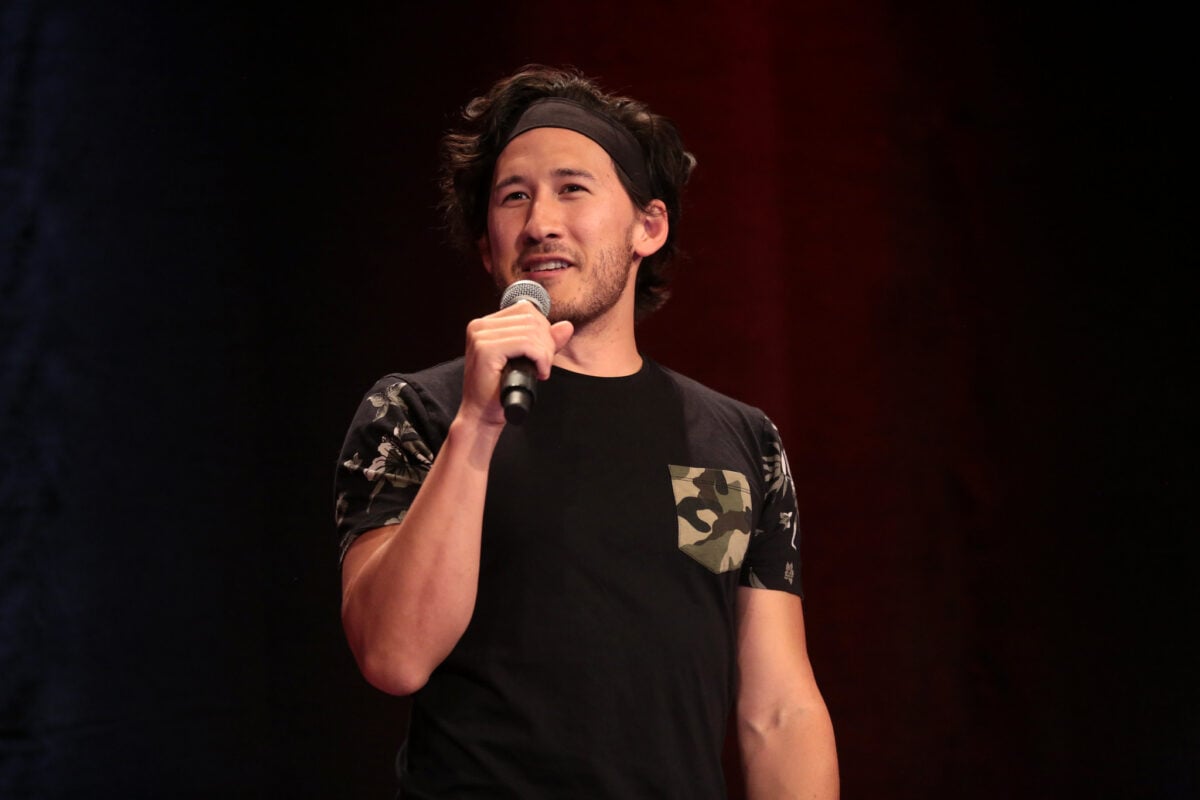
Twelve years ago, a new voice entered online video – loud, maybe a bit chaotic, focused on horror games and exaggerated yelps. That was Mark Fischbach launching what became known as Markiplier.
Screams weren’t the foundation though. What stuck was honesty, moments where the camera kept rolling during tough talks about anxiety, loneliness, real stuff.
Fans didn’t just watch; they stayed, even when platforms shifted underfoot. Over time, more formats arrived: long-form audio chats, scripted sketches, weird interactive experiments.
Yet the center still holds – he hasn’t left behind the gameplay roots. While others faded fast, often forgotten within months, this one endured, quietly becoming part of internet culture’s backbone.
Vsauce Asked Questions Nobody Else Bothered With

Michael Stevens launched Vsauce in 2010, originally posting video game content before pivoting to science and philosophy explainers. His “Hey Vsauce, Michael here” opening became iconic across millions of videos examining questions like “What if everyone jumped at once?” or “Is your red the same as my red?” He posts less frequently now, focusing on quality over quantity, but the channel never stopped being relevant.
Educational content on YouTube owes a lot to the format he established, proving that people would watch 20-minute deep dives into abstract concepts.
MKBHD Turned Tech Reviews Into an Art Form
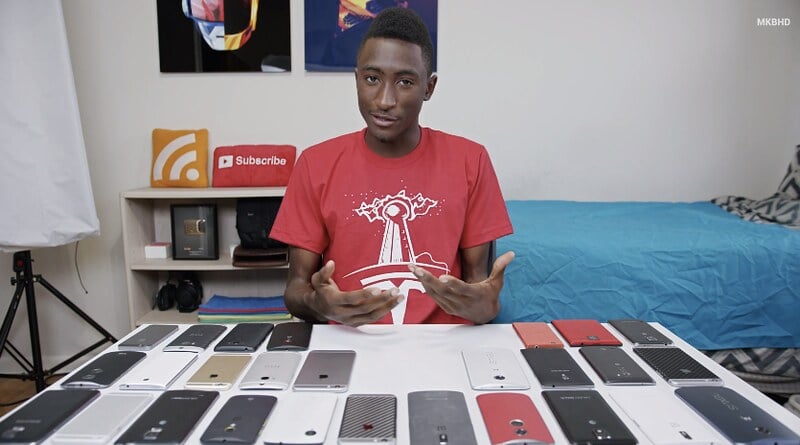
Marques Brownlee started making tech videos in 2008 from his bedroom while in high school. His production quality improved steadily until his videos looked better than professional tech journalism outlets. He interviewed Kobe Bryant, Elon Musk, and sitting presidents while maintaining his core focus on reviewing phones, laptops, and cameras.
Seventeen years of tech coverage means he’s reviewed products that are now in museums, interviewed people who changed industries, and watched the entire smartphone revolution happen in real time. His channel proves that expertise and quality can survive YouTube’s constant churn.
Jenna Marbles Left But the Legacy Stayed

Jenna Mourey started posting in 2010, building one of YouTube’s most successful channels through comedy videos, DIY projects, and just hanging out with her dogs. She hit peaks that most creators never reach, maintaining millions of devoted fans for a decade.
She left the platform in 2020, but her impact on YouTube comedy and the vlog format remains. Her run from 2010 to 2020 influenced countless creators and proved that authenticity and weirdness could build massive audiences.
Even in absence, her influence persists across the platform.
The Slow Mo Guys Made Slowness Exciting

Gav and Dan started The Slow Mo Guys in 2010, filming ordinary events at extremely high frame rates. Watching water balloons pop, paint explode, or objects shatter in super slow motion became mesmerizing entertainment.
They turned technical camera work into accessible, satisfying content. The format stayed simple even as their equipment improved and their production budgets grew.
Fifteen years of slow motion footage means they’ve captured thousands of moments human eyes normally can’t process, building a channel on a concept many people thought would get old fast.
MatPat Built Theories Into an Empire
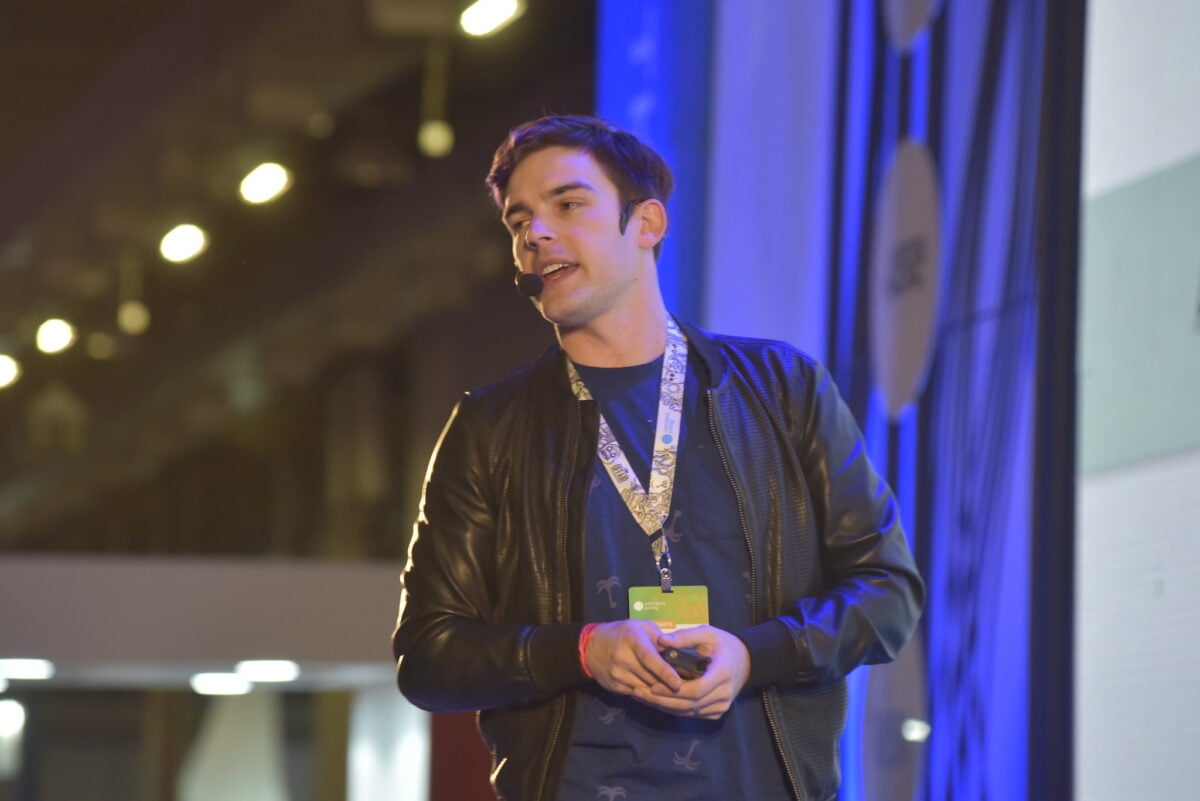
Matthew Patrick started Game Theory in 2011, applying scientific analysis and mathematical calculations to video games. Could Mario survive those jumps in real life? How much would Minecraft’s materials actually cost? He created a format that combined education with entertainment, eventually expanding into Film Theory and Food Theory channels.
After over a decade, he stepped back from hosting in 2024 but built a team to continue the content. His channels prove that deep analysis and genuine research could thrive on a platform often criticized for superficiality.
Linus Tech Tips Survived the PC Hardware Grind
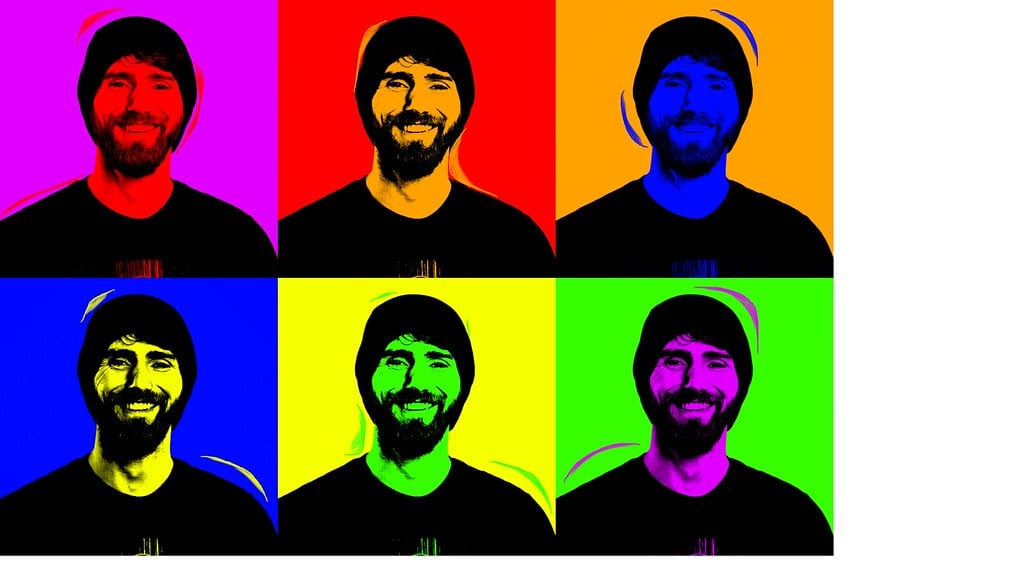
Starting back in 2008, Linus Sebastian launched what would become Linus Tech Tips by sharing simple tech reviews and how-tos on putting together PCs. From just one person talking into a camera, the project expanded into a full-scale operation employing many team members.
Instead of stopping at one platform, he branched out – creating additional channels focused on distinct corners of technology – all while keeping updates coming almost every day on the original feed. Because sixteen years have passed since launch, he has seen waves of outdated gear come and go, adapted through major changes across the sector, and witnessed total makeovers in how games run on computers.
While endless cycles of new gadgets drain energy from most creators, he found ways around burnout by designing routines that keep things moving forward.
Casey Neistat Redefined the Vlog
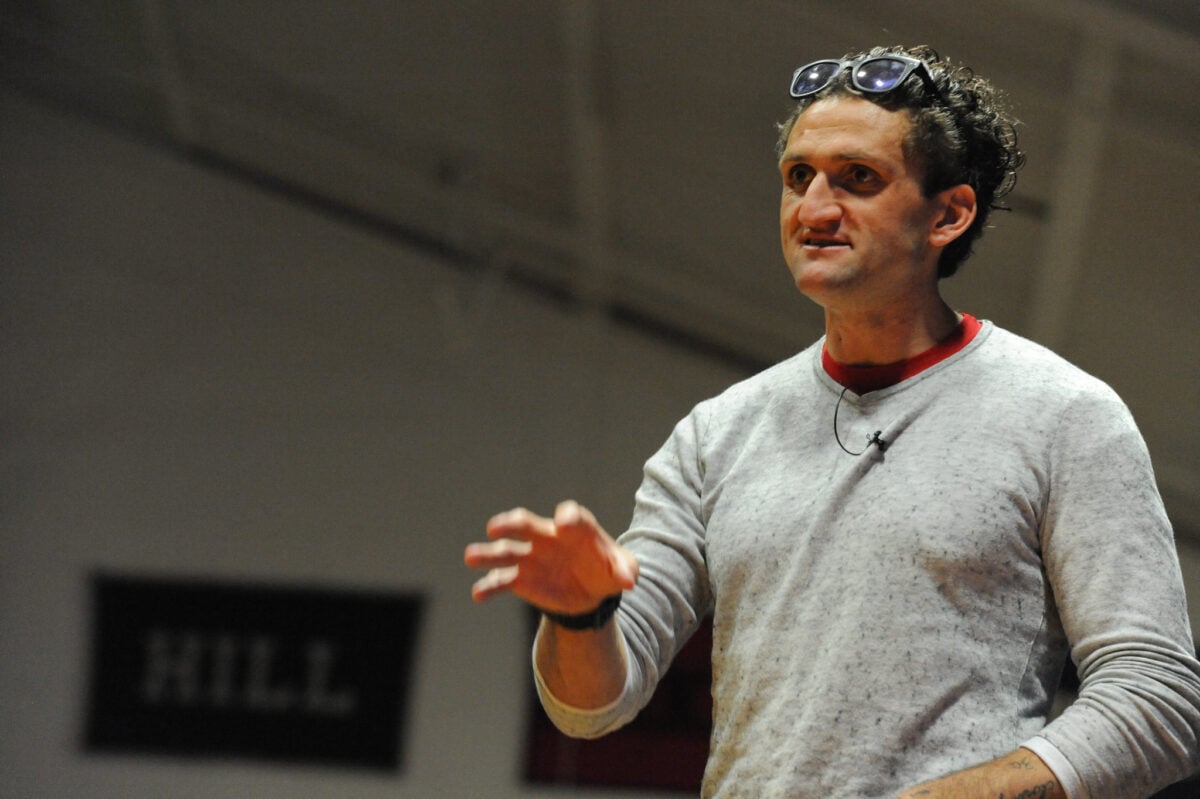
Since 2010, Casey Neistat never rushed his way up – instead, it took those regular videos from 2015 into 2016 to shift the ground beneath him. Ordinary beats turned cinematic simply because he saw them as stories on pause.
After the daily posts faded, space opened up, but he remained present, just less constant. Because of his rhythm, a new crowd now shapes angles, edits pauses, and spaces speech in ways that echo his touch. Over fifteen years, small choices settled into patterns now repeated across countless feeds.
The Platform Changed But They Didn’t Leave

A thread connects these makers, not measured in years. Though moving through change, every one held tight to that first flicker of intent.
What began as odd tests grew into purposeful craft – YouTube evolved slowly, rough footage refined, pastimes building weight. Some stepped in when nobody yet saw where it might lead.
Even after platform drops, rule shifts, vanished paychecks, and messy feuds, they remained when nearly everyone else faded. Their clips now live online, ready to play at any moment – a sign they beat hurdles that stop most creators.
Lasting wasn’t only adapting; it meant keeping the heart of what drew people close. Size gave them strength, but so did protecting the raw edge that started it all.
More from Go2Tutors!

- The Romanov Crown Jewels and Their Tragic Fate
- 13 Historical Mysteries That Science Still Can’t Solve
- Famous Hoaxes That Fooled the World for Years
- 15 Child Stars with Tragic Adult Lives
- 16 Famous Jewelry Pieces in History
Like Go2Tutors’s content? Follow us on MSN.



