Surprising Rules for Game Show Contestants
You watch someone spin the Wheel, answer a Jeopardy question, or win a new car on The Price is Right and think “that could be me!” But there’s a lot more going on behind the scenes than what you see on TV. Game shows have some seriously weird rules that contestants have to follow, and honestly, some of them would make you think twice about even applying.
These aren’t just your standard “be on time” or “don’t cheat” type rules. We’re talking about regulations that affect what you wear, how tall you appear, when you get your prizes, and how much money you’ll actually take home.
Let’s dig into the stuff they don’t tell you until you’ve already signed up.
You’ll Stand on Platforms to Match the Host’s Height

Wheel of Fortune has this bizarre rule about height. Pat Sajak is 5’10”, which is pretty average, but you’d never know it from watching the show because literally everyone appears to be exactly his height. That’s because contestants stand on adjustable risers that go up or down depending on how tall they are.
Vanna White is only 5’6″ but her heels make up the difference. The whole thing started because in the early days of the show, they’d put shorter contestants on boxes so they could reach the wheel and see over the podium, but then Sajak would walk over to them and look like a jockey standing next to a basketball player.
Sajak admitted in a 2015 interview that people thought he was 4’3″ because of this. So now everyone goes on risers together and they all move up or down as a unit.
Problem solved, I guess (though it’s kind of hilarious that this was such a big deal).
Your Prize Comes With a Massive Tax Bill

Here’s the part that makes people decline their winnings. Every prize you win on a game show is considered taxable income by the IRS. Win a $40,000 car on The Price is Right? You’re paying taxes on $40,000 of income.
And it gets worse because you’re taxed at the full retail value, not what you’d actually pay for it. Plus, since most game shows tape in California, you pay California state tax first (one of the highest in the nation), then your home state taxes.
One woman won a $157,300 Audi and had to pay nearly $61,400 in taxes—almost 40% of the car’s value. She had to write a check for over $12,000 just for California taxes before she could even take the car home. Some contestants just say no thanks and walk away.
You Can’t Trade Prizes for Cash

The Price is Right makes this super clear in their paperwork: there’s no cash value option. You take exactly what you won, or you take nothing (with very rare exceptions).
So if you win a hot tub and you live in an apartment, too bad. You can decline it, but you can’t swap it for the cash equivalent.
This creates a weird situation where your non-cash prize is treated as cash income by the government, but the show won’t actually give you cash for it. Win a washer and dryer? That’s income to the IRS.
Want the cash instead? Nope, can’t have it. It’s a bit ridiculous when you think about it.
Wardrobe Has Strict Rules

Contestants can’t wear bright white or jet black because it messes with the cameras. No logos or brand names anywhere on your clothing.
No narrow stripes or busy patterns (they create a weird visual effect called moire that makes your shirt look like it’s pulsating on screen). Some shows ban all shades of blue because contestants get lost against the blue set backgrounds.
Jeopardy used to ban tennis shoes, though that might have changed. The Price is Right requires close-toed flat shoes for safety reasons and encourages bright, colorful clothing.
Basically, you need to bring multiple outfit options and hope one of them passes inspection. On shows like Pointless, contestants bring six different outfits.
If you mess up and bring the wrong thing, wardrobe departments usually have spare clothes on hand—and apparently there’s one t-shirt that’s been worn by about 20 different contestants over the years on that show.
You Wait Months to Get Your Prizes

Don’t expect to drive that new car home after filming. The Price is Right has a 90-day waiting period that starts after your episode airs (not after it’s taped).
Since episodes typically air three to four months after taping, you’re looking at waiting anywhere from four to six months before you see your prizes. They do this partially because contestants sign non-disclosure agreements and aren’t allowed to spoil the results, so they can’t have someone’s brand-new car sitting in their driveway with a Price is Right license plate frame a month before the episode airs.
Small prizes get shipped directly to your house. Cars have to be picked up from a local dealership, and if you’re from out of state, producers have to coordinate with a dealer near you.
Let’s Make a Deal Requires Costumes

If you want to be in the audience of Let’s Make a Deal, you have to wear a costume. Not like a nice outfit—an actual costume. The crazier and more outlandish, the better your chances of getting picked as a trader.
People show up dressed as giant food items, cartoon characters, clowns, you name it. It’s part of the whole vibe of the show, but it’s also mandatory if you want any shot at being chosen to play.
Normal costumes like video game characters might get you picked, but if you really want Wayne Brady’s attention, you need to go all out with something truly bizarre.
Family Feud Has Specific Family Requirements
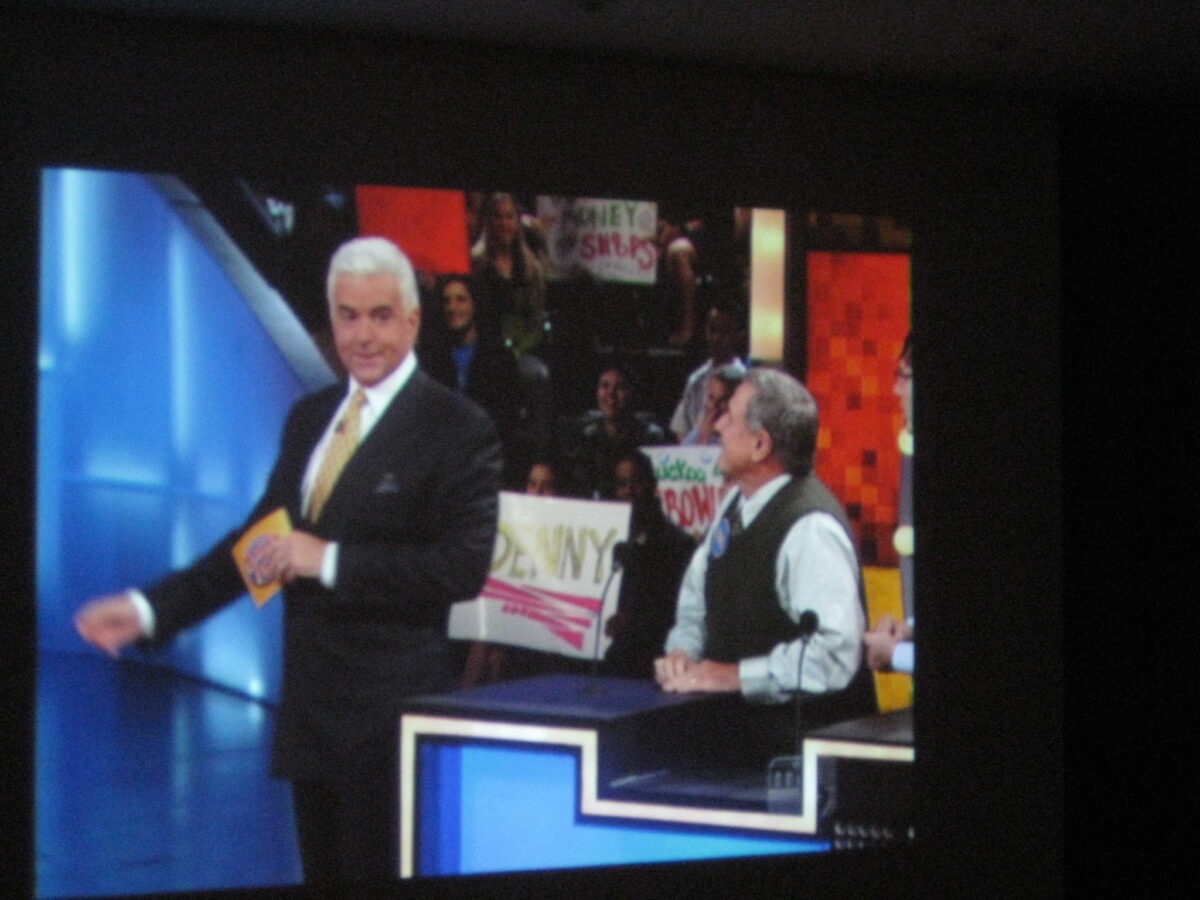
You need five family members to compete on Family Feud, but they can’t just be any five people you’re close to—they must be related by blood, marriage, or legal adoption. No “chosen family” or close friends who feel like family.
The show is strict about this one, probably to avoid people just assembling dream teams of trivia experts.
You Pay Your Own Travel to Get There

Jeopardy doesn’t pay for your flight to Los Angeles. You have to arrange and pay for your own airfare to get to the studio.
The show does cover your hotel (you get to pick from two options they provide) and they arrange shuttles to take you from the hotel to the studio on taping day, but getting there in the first place is on you. For a show where you might win nothing, that’s a bit of a gamble financially.
You Might Not Actually Receive Some Prizes

Even after you’ve won and waited months, sometimes prizes just… don’t show up. Recent Price is Right winners have posted on Reddit about having to chase down their own prizes, calling vendors directly to figure out where their stuff is.
One person said they got some items but were still waiting on others. The show apparently sends you paperwork about who to contact, but doesn’t always help beyond that (though this might vary case-by-case). It’s weirdly DIY for a major TV production.
Vacation Prizes Have Tons of Restrictions

Win a trip on The Price is Right and you have to take it within one year of your episode airing. You submit three preferred dates but there’s no guarantee you’ll get any of them because of blackout dates.
And that “all expenses paid” vacation? The flight credit often doesn’t cover the full cost of airfare, especially for international trips, so you’re paying out of pocket for the difference.
One contestant in 2019 turned down a snowboarding trip to Canada because the airline credit didn’t actually cover the flight.
You Can’t Appear on Multiple Shows

American game shows historically don’t let contestants who recently appeared on other shows come back without special permission. There was this woman named Barbara who appeared on eight different game shows between 1976 and 1985 using different surnames (her married name, her maiden name, her middle name).
She had a successful five-episode run on Jeopardy before staffers recognized her from other shows and disqualified her from future tournaments and even erased her episodes.
Bring Multiple Outfits for One Taping Day

Jeopardy contestants have to bring three different outfits to the studio even though most of them will only appear in one episode. Only the returning champion and host need to change clothes for the next episode.
This is because they tape five episodes in one day, and champions who keep winning need fresh outfits for each episode.
Some Shows Film Everything in One Take

Jeopardy films straight through without breaks except for commercials—no reshoots, no do-overs. If you blank when you get on stage or something awkward happens, they’ll edit it out in post-production, but during actual gameplay it’s all one continuous shot.
That means you need to be on your game for the full 30 minutes with no room for error. The buzzer timing is incredibly specific too—you have to buzz at the exact millisecond it goes live, not before or after.
Ken Jennings said it’s about reflexes, not speed.
The Fine Print Nobody Tells You

There are dozens of other small rules buried in contracts. You have to attend mandatory classes before Survivor that teach you jungle safety and how to build shelter.
If you’re on Jeopardy and look at another contestant during filming, you could both be disqualified (this rule came after a cheating scandal on Who Wants to Be a Millionaire where someone would cough when the right answer was mentioned). Vital medications are allowed on shows like Survivor but you have to disclose them beforehand—one guy got removed from the game for not telling producers he was taking lithium until the day before filming started.
If you’re not actually eligible to be on the show (under 18, work for CBS, whatever the requirements are) and they find out after you’ve won, you forfeit everything.
The Reality Behind “Free” Prizes

Look, winning stuff on game shows is still probably worth it for most people. But the reality is way more complicated than what you see during that 30-minute episode.
Between the taxes, the wait times, the travel costs, the wardrobe rules, and all the other bureaucratic nonsense, that “free car” starts to feel a lot less free. Some winners end up selling their prizes immediately just to cover the tax bills.
Would you still do it? Probably. But at least now you know what you’re actually signing up for.
More from Go2Tutors!

- The Romanov Crown Jewels and Their Tragic Fate
- 13 Historical Mysteries That Science Still Can’t Solve
- Famous Hoaxes That Fooled the World for Years
- 15 Child Stars with Tragic Adult Lives
- 16 Famous Jewelry Pieces in History
Like Go2Tutors’s content? Follow us on MSN.