Strangest Forgotten Products of the 1980s
The 1980s was a wild time for consumer products. Companies threw everything at the wall to see what would stick, and plenty of bizarre ideas made it to store shelves. Some became brief sensations before vanishing completely, while others flopped so spectacularly they’re now cautionary tales in business schools.
These forgotten products remind us that innovation sometimes means taking big swings and missing even bigger. Here is a list of 14 of the strangest forgotten products of the 1980s.
Teddy Ruxpin
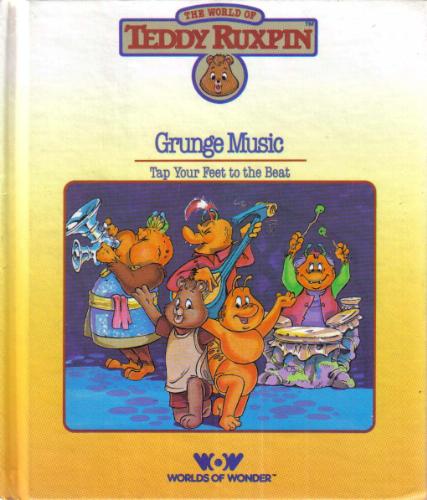
This animatronic bear could talk and move its eyes and mouth while telling stories through a cassette tape inserted in its back. At the peak of its popularity, Teddy Ruxpin became one of the best-selling toys of 1985 and 1986.
Demand skyrocketed so high that the toy company Worlds of Wonder had to charter jets from China, Hong Kong, and Taiwan stuffed with Teddy Ruxpins to try to meet demand.
McDLT

McDonald’s patented a unique dual compartment container that kept the hot burger patty separate from the lettuce, tomato, cheese, and condiments, with the tagline ‘keep the hot side hot and the cool side cool’. The burger came in a divided styrofoam clamshell, where one half contained the burger patty and bun, while the other side contained a bun topped with cheese, lettuce, and tomato.
The environmentally-damaging packaging led to its discontinuation in the early 1990s, and both sides ended up lukewarm anyway.
Like Go2Tutors’s content? Follow us on MSN.
Generic Products

These products appeared in 1981 with stark packaging listing little more than the product name, ingredients, and UPC bar code, eliminating logos and photos to pass savings to consumers. They reached their peak in 1983 and 1984, with uniform aisles in stores where every item was generic.
The savings from printing on labels was actually very small overall, and retail chains began repackaging their generic products under house brand names, causing them to completely disappear by 1988.
Colgate Frozen Dinners

The dental care brand made a brief foray into frozen foods in the 1980s, introducing a frozen lasagna TV dinner. Because consumers naturally associated the Colgate name with toothpaste, there was never much of an appetite for pre-made meals bearing the Colgate logo.
This remains one of the most hilarious examples of brand confusion in marketing history.
Lazer Tag
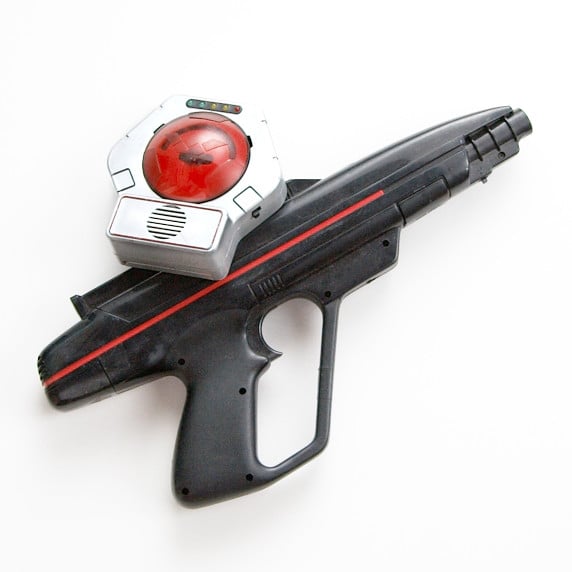
This space-age version of tag included a pistol and sensor badge that beeped when hit by the gun’s infrared light beam, priced at $40 to $70 for basic equipment. The company’s success was cut short in 1987 when a 19-year-old was shot and killed near Los Angeles after police mistook his Lazer Tag gun for a real one.
The bad press and resulting controversy contributed to Worlds of Wonder filing for bankruptcy just four days before Christmas 1987.
Like Go2Tutors’s content? Follow us on MSN.
Life Savers Soda

Life Savers released its own soda in 1981 in five flavors that were supposed to taste just like the candy. Although the soda had its fans, consumers generally found the stuff way too sweet.
Faced with low sales, the soda disappeared in 1982, proving some flavors are simply meant to stay as candies.
The Clapper

Introduced by Joseph Enterprises in 1984, this sound-activated switch let you turn appliances on and off with just a clap and sold over 7 million units by the end of the decade. The device wasn’t very well-designed, and anything from audience clapping on TV to a dog barking could activate or deactivate it.
Countless stories emerged of people frantically clapping in dark rooms with increasing volume and frustration when the device failed to respond.
Premier Smokeless Cigarettes

R.J. Reynolds released Premier in 1988 as a revolutionary product that heated nicotine rather than burned it, allowing the inhalation of nicotine aerosol with minimal smoke and no tar. The taste was unpleasant, and if lit with a sulfur match, the Premier produced a stench not unlike really bad farts.
After spending an estimated $300 to $325 million to develop and deploy Premier, R.J. Reynolds pulled the device from the market after only months, with total losses estimated at $800 million to $1 billion.
Like Go2Tutors’s content? Follow us on MSN.
DeLorean DMC-12

The DeLorean looked futuristic from the outside with its iconic stainless steel body, serving as the time machine in the Back to the Future franchise. It was rushed to the market and it really showed, with interior components that looked and felt cheap, not matching its outward appearance.
Additionally, it had an underpowered engine that disappointed drivers expecting to pilot the sports car of the future.
CED Video Discs

The Capacitance Electronic Disc was a home video format that briefly appeared in the mid-1980s, essentially a vinyl for video. The CED system read huge 12-inch discs that were permanently housed inside a plastic shell.
By 1984 only half a million players had been sold, and RCA was forced to discontinue the format after spending millions on its nearly 20-year development process, contributing to GE’s takeover and rapid dismantling of the company in 1986.
IBM PCJr

IBM launched this affordable PC when computer prices were at an all-time low, costing $670 for the cheap version with next to no peripherals and $1,270 for the good version. While those prices seemed reasonable by some standards, they were in some cases three times what other PC makers were charging for machines.
The PCJr became known as one of IBM’s rare misfires in an otherwise dominant era for the computing giant.
Like Go2Tutors’s content? Follow us on MSN.
Roller Racer

This human-powered toy consisting of rams horn-shaped handlebars connected to wheels atop a tractor seat had kids racing down streets and scientists studying its physics in the 1980s. The side-to-side thrust vector concept was inspired by a retired Boeing engineer as a present for his grandson.
Decades later, Roller Racers remain a hit with physical education teachers, who use the toy in relay races, obstacle courses, and roller tag.
Flowbee
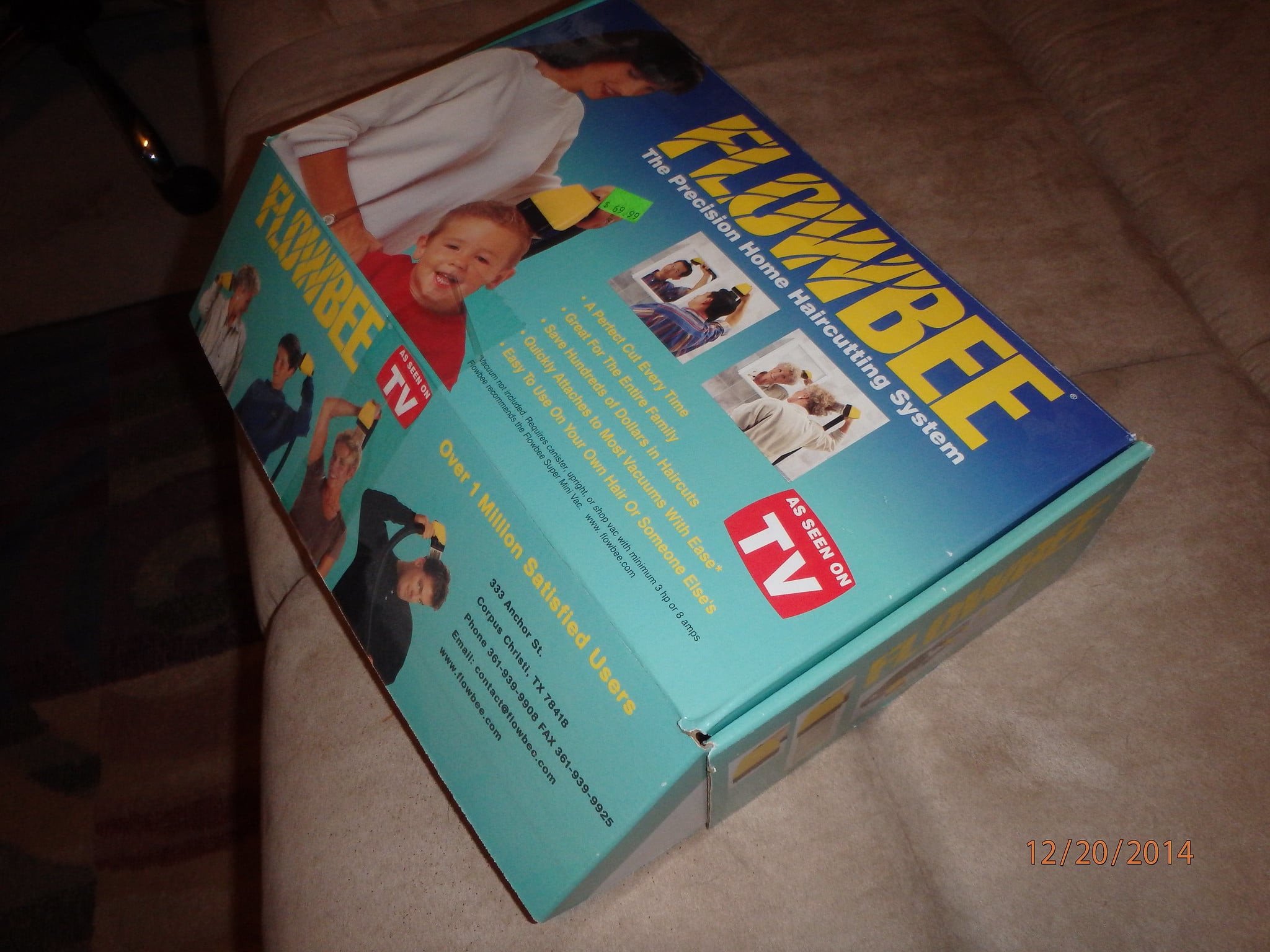
This contraption combined a vacuum cleaner with hair clippers, promising professional haircuts at home by literally sucking your hair through cutting guards. Despite looking like something from a low-budget sci-fi movie, Flowbee sold more than two million units after its 1988 debut.
Family haircut night became a strange ritual in many households, with the distinctive sound of the vacuum-clipper combo striking both fear and fascination in children across America.
Looking Back at 1980s Innovation
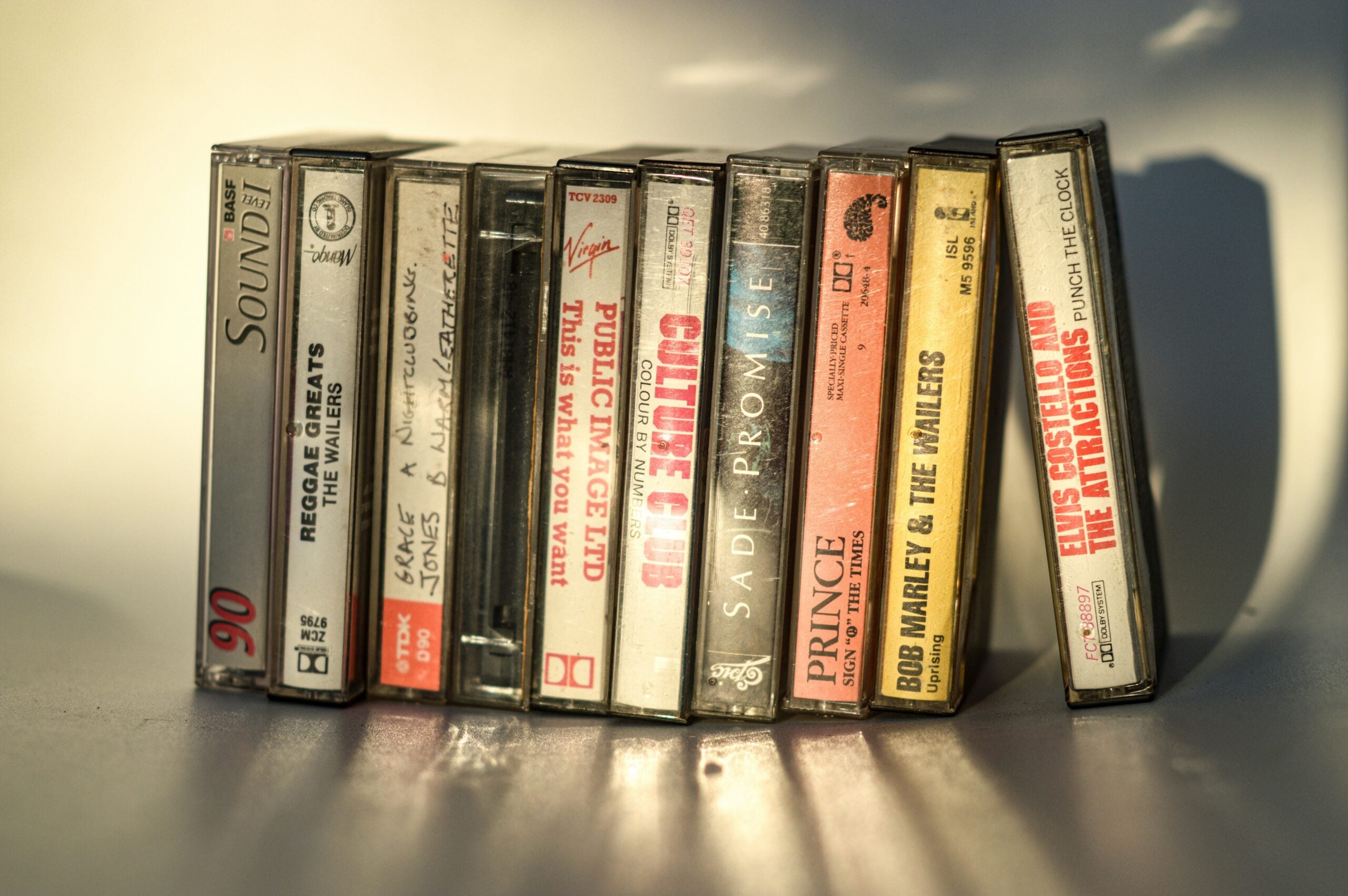
The 1980s product landscape was shaped by companies eager to capitalize on new technology and changing consumer habits, even if that meant releasing half-baked ideas. Many of these forgotten products failed because they solved problems nobody actually had or ventured too far outside their brand identity.
Others were simply ahead of their time or executed poorly despite having potential. These strange relics remind us that the path to innovation is littered with spectacular failures, and sometimes the boldest swings produce the most memorable misses.
Like Go2Tutors’s content? Follow us on MSN.
More from Go2Tutors!

- 16 Historical Figures Who Were Nothing Like You Think
- 12 Things Sold in the 80s That Are Now Illegal
- 15 VHS Tapes That Could Be Worth Thousands
- 17 Historical “What Ifs” That Would Have Changed Everything
- 18 TV Shows That Vanished Without a Finale
Like Go2Tutors’s content? Follow us on MSN.