Fascinating Secrets About Wine Making
Most people think wine is just grapes in a bottle. Crush some fruit, let it sit, bottle it up, and you’re done.
But the truth is far stranger and more interesting than that. Wine making is one of those crafts where tiny decisions — some you can’t even control — end up shaping everything about what lands in your glass.
Some of these secrets have been passed down for generations. Others were only figured out recently.
A few are still being debated.
The Soil Under Your Feet Matters More Than the Grape

Here’s something that catches people off guard. Two vineyards growing the exact same grape variety, just a few miles apart, will produce wines that taste completely different.
The reason comes down to the ground beneath the vines. Soil composition — whether it’s clay, limestone, sand, or volcanic rock — changes what the plant absorbs and how it grows.
Limestone soils, for example, tend to produce wines with a sharp, mineral quality. Sandy soils drain quickly and force roots to dig deep, which concentrates flavor.
Volcanic soils retain heat and add a smoky, earthy character. This is part of what winemakers call “terroir.”
It’s a French word that basically means everything about where and how a grape grows, rolled into one concept. Once you start paying attention to terroir, you never look at a wine label the same way again.
Temperature During Fermentation Is Everything

Fermentation — the process where sugar turns into alcohol — happens at a specific temperature range. And that range changes the entire personality of a wine.
Cool fermentation (around 50–60°F) preserves delicate, fruity aromas. It takes longer, but the result is a wine that smells bright and clean.
Warm fermentation (closer to 75–85°F) moves faster and pulls out deeper, earthier flavors. It’s also more likely to produce a wine with more body and complexity.
Some winemakers obsess over controlling fermentation temperature down to single degrees. Others let it run wild.
Both approaches produce great wine — just very different kinds.
Wild Yeast vs. What You Buy in a Packet

Yeast is the organism responsible for turning grape juice into wine. And there are two schools of thought on where it comes from.
Commercial yeast is reliable. You know exactly how it behaves, how fast it works, and what flavors it brings.
Most large wineries use it because consistency matters when you’re producing thousands of cases a year. But some winemakers refuse to touch the stuff.
They rely entirely on wild yeast — the microscopic organisms that live naturally on grape skins and in the vineyard air. Wild yeast fermentation is slower and less predictable.
It can stall. It can produce off-flavors.
But when it works, it adds a complexity and uniqueness that commercial yeast simply can’t replicate. It’s one of the biggest reasons why certain small-batch wines taste so different from one bottle to the next.
The Second Fermentation Nobody Talks About
Most people know about the first fermentation — sugar becomes alcohol. But there’s a second one, and it quietly transforms the wine.
It’s called malolactic fermentation, and it has nothing to do with alcohol. What happens is that sharp, acidic compounds in the wine (malic acid, the same stuff that makes green apples pucker) get converted into softer, creamier compounds (lactic acid, like what you find in dairy).
The result is a wine that feels rounder and smoother on the tongue. Chardonnay is the classic example.
A Chardonnay that has gone through full malolactic fermentation tastes buttery and rich. One that hasn’t tasted crisp and sharp.
Same grape. A completely different experience.
And it’s all down to whether the winemaker let that second fermentation happen.
Oak Barrels Are Not Just for Aging

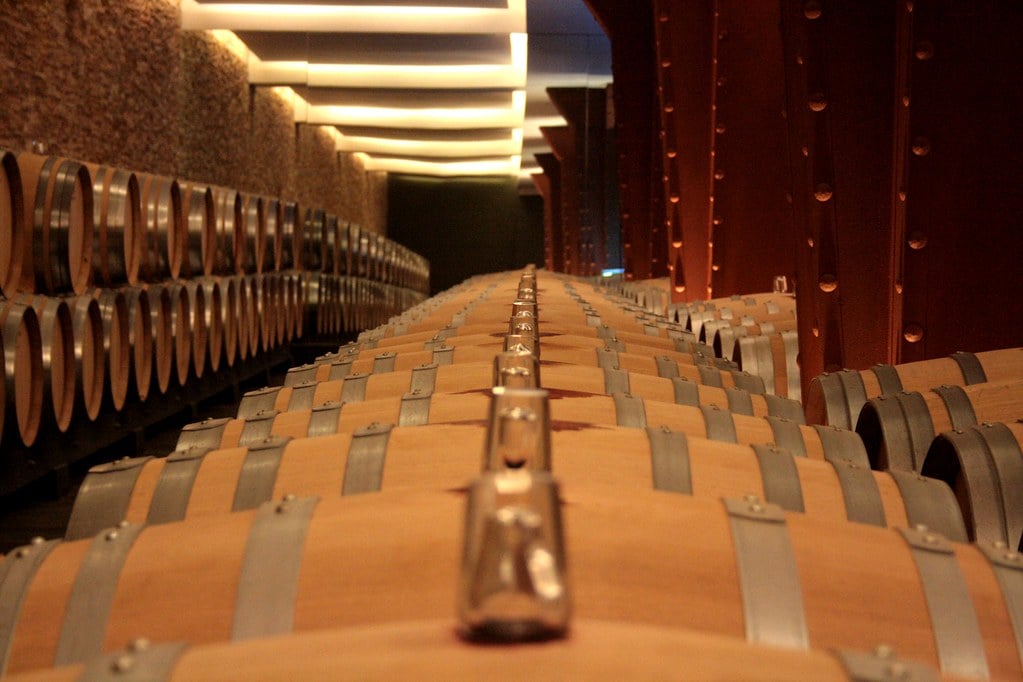
When you hear that a wine was “aged in oak,” you might picture it sitting in a dark barrel doing nothing for months. But the barrel is actively working on the wine the entire time.
Oak is slightly porous. It lets tiny amounts of oxygen seep in and out, which slowly softens the wine and rounds out harsh edges.
Different types of oak add different flavors — French oak brings vanilla and spice, American oak adds coconut and caramel notes. Even the char level on the inside of the barrel changes things, almost like toasting wood chips before throwing them on a grill.
Some winemakers age their wines in oak for years. Others skip it entirely and use stainless steel tanks, which preserve the raw, fresh character of the grape.
Neither approach is better. They’re just different goals.
Blending Is Where the Real Magic Happens

You might think a bottle of Cabernet Sauvignon is 100% Cabernet Sauvignon grapes. Often, it’s not. In many regions, winemakers are allowed to blend in small percentages of other grapes — Merlot, Malbec, Petit Verdot — and the result is something none of those grapes could pull off on their own.
Blending is less about hiding flaws and more about balance. One grape variety brings acidity.
Another adds color. A third rounds out the texture.
A skilled blender can adjust these ratios like a chef balancing salt, acid, and fat. The final blend often has nothing in common with any single component on its own.
Oxygen: The Double-Edged Sword

Oxygen is both wine’s best friend and its worst enemy, depending on how much gets in and when. A little oxygen during aging helps a wine develop depth and complexity.
It softens tannins and brings out flavors that were hiding when the wine was young. But too much oxygen at the wrong time turns wine into vinegar.
It’s called oxidation, and once it happens, there’s no fixing it. This is why the shape of a wine bottle’s neck matters.
Why do corks exist in the first place? Why do some winemakers use tiny amounts of sulfites as a preservative?
Managing oxygen is one of the most delicate balancing acts in the whole process.
Cold Stabilization: The Step You Never See

Before a bottle of white wine hits the shelf, it often goes through a process called cold stabilization. The winemaker chills the wine down to near-freezing temperatures and holds it there for days or even weeks.
Why? Because grape juice naturally contains tartaric acid, and when it gets cold enough, some of that acid forms harmless crystals.
If the winemaker skipped this step, those crystals would form in your bottle — or worse, in your glass. They don’t affect taste at all, but they look alarming.
So the industry developed this invisible step specifically to prevent confusion.Most drinkers have no idea it ever happened.
Some Wines Are Made With Skin Contact

White wine is typically made by pressing grapes and fermenting only the juice — the skins get discarded early. But a growing number of winemakers are doing something different: leaving the skins in contact with the juice during fermentation, sometimes for days or even weeks.
The result is what’s often called “orange wine” — a white wine with the color and structure of a red. The skins add tannins, texture, and a range of flavors you’d never get from juice alone.
It’s an ancient technique, common in Eastern Europe and Georgia for thousands of years, that only recently caught on in the rest of the world. It’s not for everyone.
The flavor can be funky, tannic, and polarizing. But for the people who love it, there’s nothing else like it.
Riddling: Turning Bottles Upside Down, One Degree at a Time

Champagne production involves a second fermentation inside the sealed bottle — that’s where the bubbles come from. But that fermentation leaves behind sediment.
And in a clear, elegant bottle of bubbly, sediment is not an option. The old solution was a process called riddling.
A person would take each bottle and rotate it by a fraction of a degree, every single day, for weeks. Slowly, the sediment would collect at the neck of the bottle.
Then it could be frozen and removed in one clean step. Today, machines do it.
But for centuries, it was done entirely by hand — one tiny turn at a time, thousands of bottles, day after day. It’s one of the most tedious and precise tasks in all of food and drink production.
Altitude Changes Everything About a Grape

High-altitude vineyards are having a moment, and for good reason. The physics behind it is straightforward: the higher you go, the cooler the nights get, even if the days are warm and sunny.
That temperature swing between day and night is a goldmine for grape growing. During the day, the vine photosynthesizes and builds up sugar.
At night, the cool air slows the grape’s ripening and preserves its natural acidity. The result is a grape that’s ripe and sweet but still has enough brightness to keep the wine from tasting flat.
Some of the most celebrated vineyards in Argentina, South Africa, and California sit above 3,000 feet. And as global temperatures keep rising, more and more winemakers are looking uphill.
No Two Vintages Are the Same

A bottle of wine from 2018 and a bottle of the exact same wine from 2019 can taste radically different. Same grapes. Same winemaker. Same vineyard. Different year.
The weather during the growing season controls almost everything — how much sugar the grapes develop, how much acid they retain, how thick or thin the skins grow. A hot summer produces bold, heavy wines.
A cooler year yields something lighter and more aromatic. An unexpected frost can destroy an entire harvest.
This is why vintage years matter so much to wine collectors. A great vintage isn’t just good wine. It’s the product of weather conditions that will never repeat in exactly the same way.
Knowing When to Pick Is a Skill on Its Own
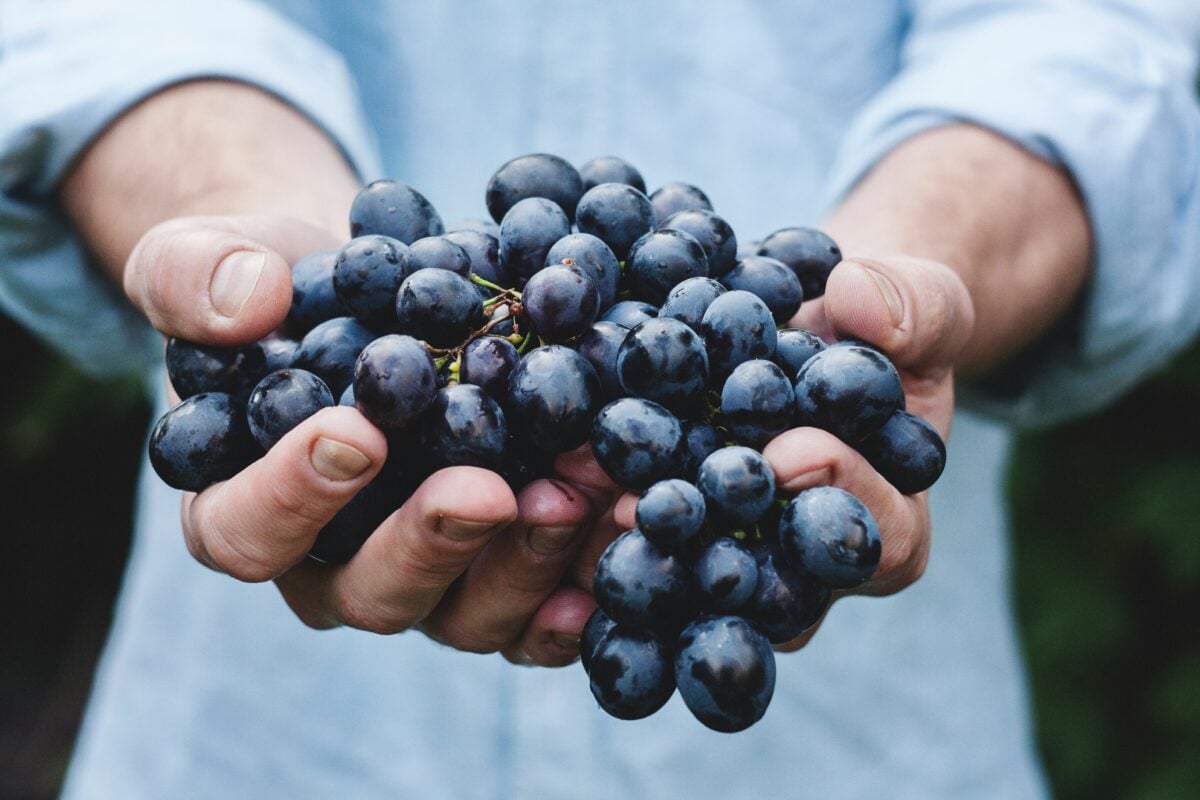
Timing when to harvest ranks among the toughest choices in winemaking, yet no universal rule fits every situation. Early picking means underdeveloped taste plus insufficient sugar levels inside the grape.
Waiting too long causes acid to fade, leaving wines dull, heavy, almost tired on the tongue.
Not every grower trusts machines to decide when it is time.
One might check reports showing exact acidity while another watches how sunlight hits each row by late afternoon. Some depend on tools that track moisture drop overnight.
You can find others crouched between vines early morning, rolling berries between fingers to judge skin thickness. Ripeness shows differently depending who you ask – sometimes it is about how the stem resists a light pull.
The right moment comes not just from data but from noticing how birds begin to gather near certain blocks. Finding the balance takes both knowledge and gut feeling.
What sets apart an ordinary vintner from someone exceptional often comes down to this quiet mix.
Sulfites The Hidden Preservative In Plain Sight

Most wine bottles have sulfites inside. These chemicals help protect the drink from spoiling.
Freshness stays locked in while moving through distribution. Without them, air could ruin the taste over time.
Headlines in the 1980s made sulfites seem dangerous. Yet they show up by themselves when grapes ferment.
That means each wine holds them, yes, even bottles claiming to be without. Such tags only promise none were poured in during making.
A small sip of wine holds barely more than you’d find in some juices or snacks. Most folks feel no effect at all.
Still, rumors stick around. That quiet doubt keeps the topic edged with debate.
A Glass Is Never Just a Glass

Wine feels different in your mouth depending on the glass’s form. Not magic – just science at work.
Air moves into the cup differently because of the curve and height. Smells gather in certain spots thanks to the rim’s angle.
First contact shifts across taste zones based on tilt and pour. That broad Burgundy bowl? It gives Pinot Noir room to unfold its subtle scents.
Instead of spreading out, the Bordeaux shape channels Cabernet’s richer notes into a tighter path. While flutes keep fizz lively, they lock fragrance down tight – so more tasters reach for open coups these days.
A single glass fits most wines, truthfully. Still, shape shifts how it feels in your mouth.
Pour one wine into two bowls of glass – see what changes. Taste tells you everything.
The Bottle Recalls Its Path

A whisper of warmth can shift what’s inside the glass. Though capped tight, wine still moves through time, altering drop by drop.
Not all light treats it kindly; some bright moments fade its soul. Bouncing during storage? That too leaves marks.
Lying down or standing up changes how air meets liquid. Each pause between sips carries traces of where it rested.
Darkness matters when you store wine long term. Three years on a sunny kitchen shelf changes a bottle more than three does in a quiet basement.
Cool, steady spaces treat it better. Imagine one version rich and balanced. Picture the opposite flat, tired, wrong.
Still air helps. Light steals something slow and deep.
Somehow, the journey shapes the liquid inside. Each shift in weather, every bump along the way – weaves into flavor later.
Because of this, no two bottles speak exactly alike.
More from Go2Tutors!

- The Romanov Crown Jewels and Their Tragic Fate
- 13 Historical Mysteries That Science Still Can’t Solve
- Famous Hoaxes That Fooled the World for Years
- 15 Child Stars with Tragic Adult Lives
- 16 Famous Jewelry Pieces in History
Like Go2Tutors’s content? Follow us on MSN.



