Fascinating Truths About the Swiss Army Knife
One way or another, nearly everyone has touched one – maybe handed down by family, packed for the woods, or grabbed on impulse near a checkout lane. Familiar, yet quietly overlooked, this tool slips under the radar despite being everywhere.
Over a hundred years old, it carries secrets bigger than its slim frame lets on. Buckle in – this unassuming gadget packs a history stuffed with quirks, twists, and moments that still catch people off guard.
It started quiet, nearly overlooked, yet somehow kept showing up where least expected. A twist here, a bump there, then suddenly it’s part of routines nobody knew they needed.
Not flashy, never loud, just always doing its thing beneath the surface. Moments stretch into years before anyone realizes how deep it runs.
You’d think something so small would fade, but instead it lingers, shifts shape, adapts without announcement.
Under Orders From The Military Command
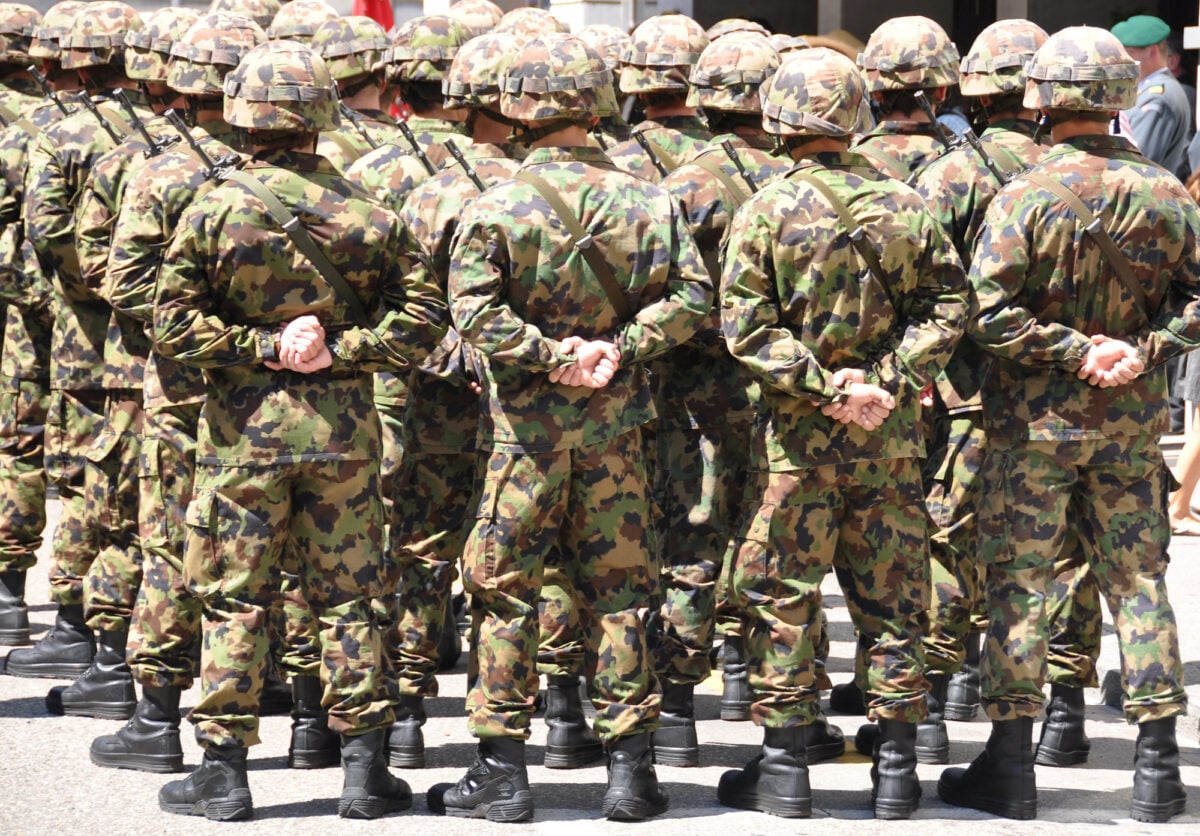
A blade like this didn’t come from chance. Back in the 1880s, Swiss soldiers found themselves struggling with basic tasks – opening cans, fixing guns – out where help wasn’t near.
A solution arrived through Karl Elsener, who shaped metal into what they needed. His workshop produced the first model by 1891, built tough, meant to serve.
One Firm Handles Production. Another Manages Distribution
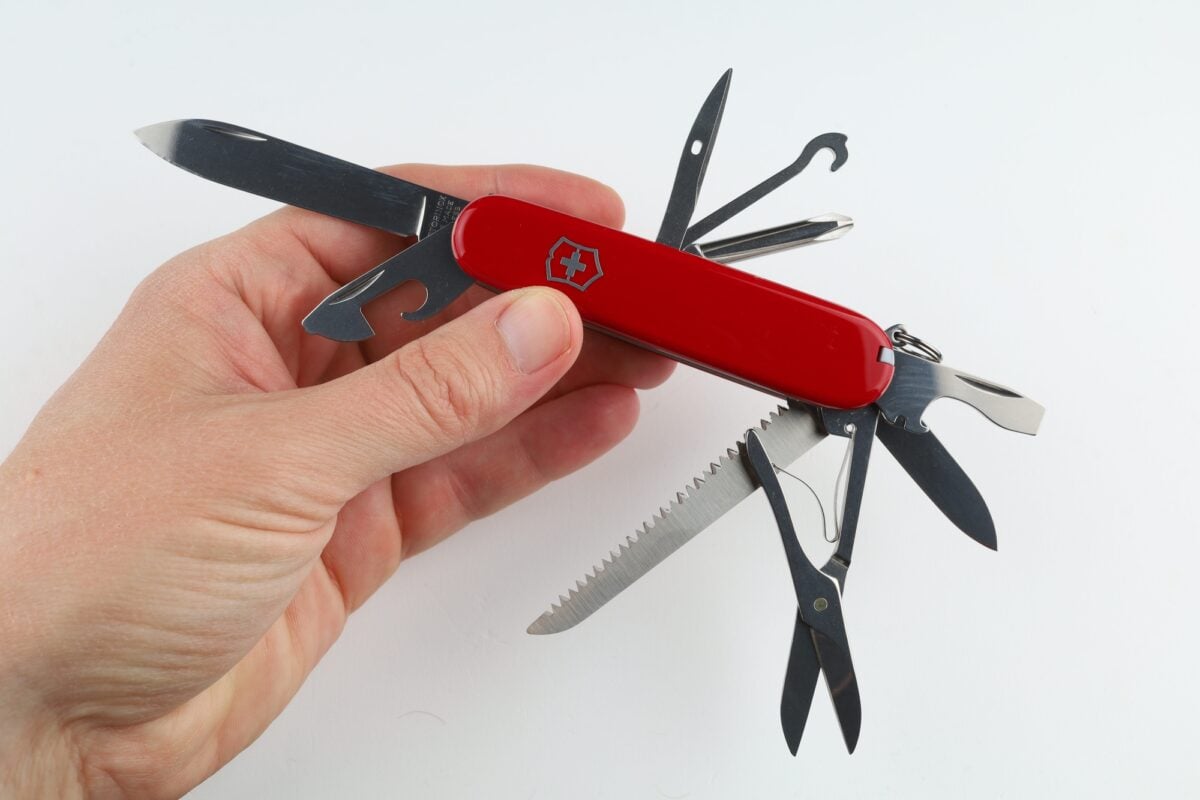
Strange, yet true – Switzerland’s famous pocket knife comes from two different makers. Not one, but two firms shared the job of equipping soldiers for a long stretch of time.
One was Victorinox, the other Wenger, each holding part of the deal. Years passed before Victorinox took full control by buying out its counterpart in 2005.
Even then, both labels stayed alive on shelves much longer than expected.
The Name Originated With Americans

Back home, Swiss troops named it Offiziersmesser – German for officer’s knife. Post–World War II, U.S. service members in Europe stumbled on the pronunciation.
They shortened it, tagging it the Swiss Army Knife out of ease. The label caught on fast.
Now everyone everywhere says it that way.
A Tool That Does More Than Slice Through Things
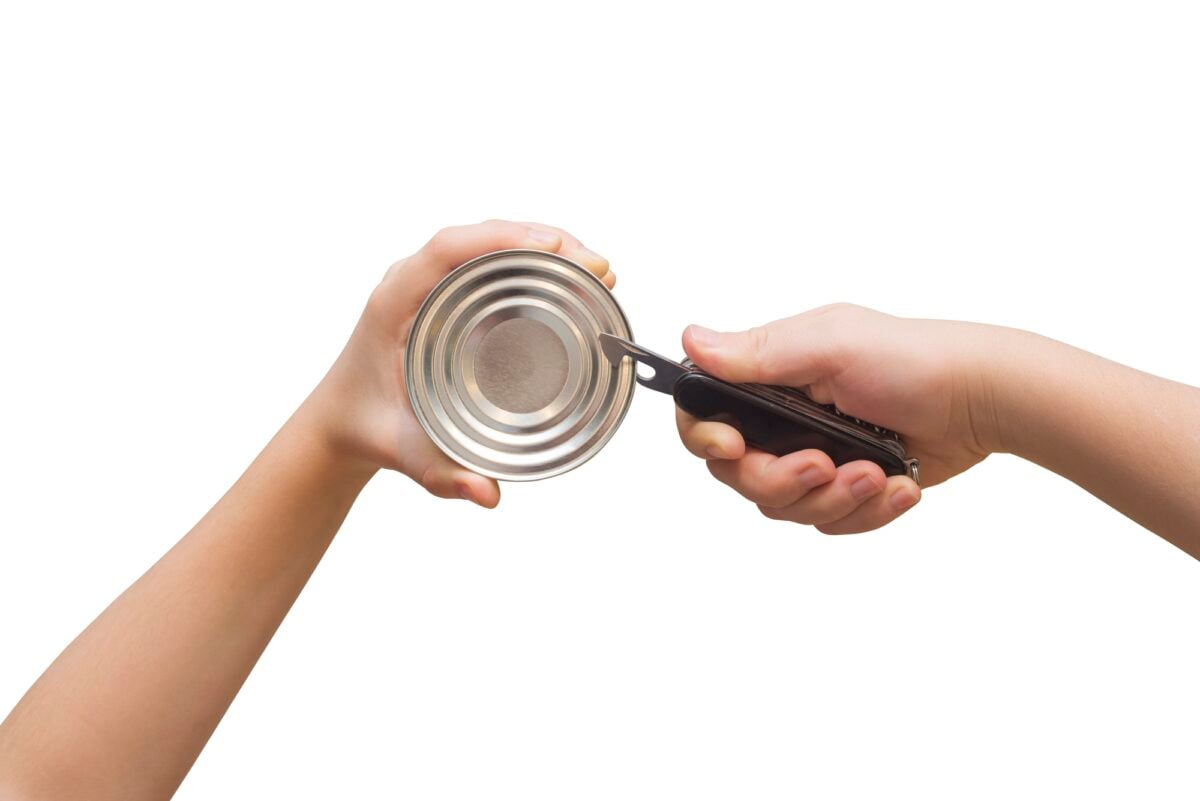
One step at a time, it grew past what anyone first imagined. Today you might find a cutting edge alongside clippers, a prying bar, rough grit, something for your teeth, pinchers, a lens, maybe even storage on a stick.
A version by Victorinox showed up once, packed with 87 bits – prompting whispers: is this still a blade or merely a tiny chest of fixes?
Space Is Where It Headed

A tool built for picnic blankets now clips onto space suits. Not just any gadget made the cut – only those tough enough for zero pressure indoors.
One small blade slipped past heavy checks, then floated above the world. Few household things can say they’ve left gravity behind.
This one fits in your pocket.
Red Shows Up On Purpose

That bold red handle does more than catch the eye. Back then, Swiss troops had to find their tool without fumbling – say, at night or buried under equipment.
A flash of crimson stood out instantly, cutting through clutter. Speed mattered most once hands reached for it mid-task.
There It Stayed In A Quiet Room, Hidden Behind Glass Until Everyone Knew Its Name

Inside New York’s Museum of Modern Art, the Swiss Army Knife rests not like an old artifact but as proof that smart design lasts. Because it blends usefulness with clean looks better than almost any common tool out there, MoMA gave it room among icons.
Few practical items pull off such balance – yet here it stands, equal to legendary creations.
Victorinox Survived A Near Collapse
Facing near collapse, the maker of the Swiss Army Knife saw its fate shift fast. Right after 9/11, new airport rules banned blades mid-air, so hardly anyone packed them anymore.
That sudden move crushed demand – orders vanished practically overnight. Yet Victorinox didn’t wait; instead it reached into fresh markets like timepieces, bags, and apparel just to survive.
A Bit Bigger Than A Pea, The Smallest One Barely Takes Up Space

Tiny but packed, Victorinox makes one named Classic SD that shuts down to roughly 2.25 inches. Slips onto your keys without dragging them down.
Holds a little knife, plus scissors, a file for nails, a tool for screws, along with a pick for teeth. Even mini items show up ready for work.
Folks In Uniform Strap It On Just Like They Always Did
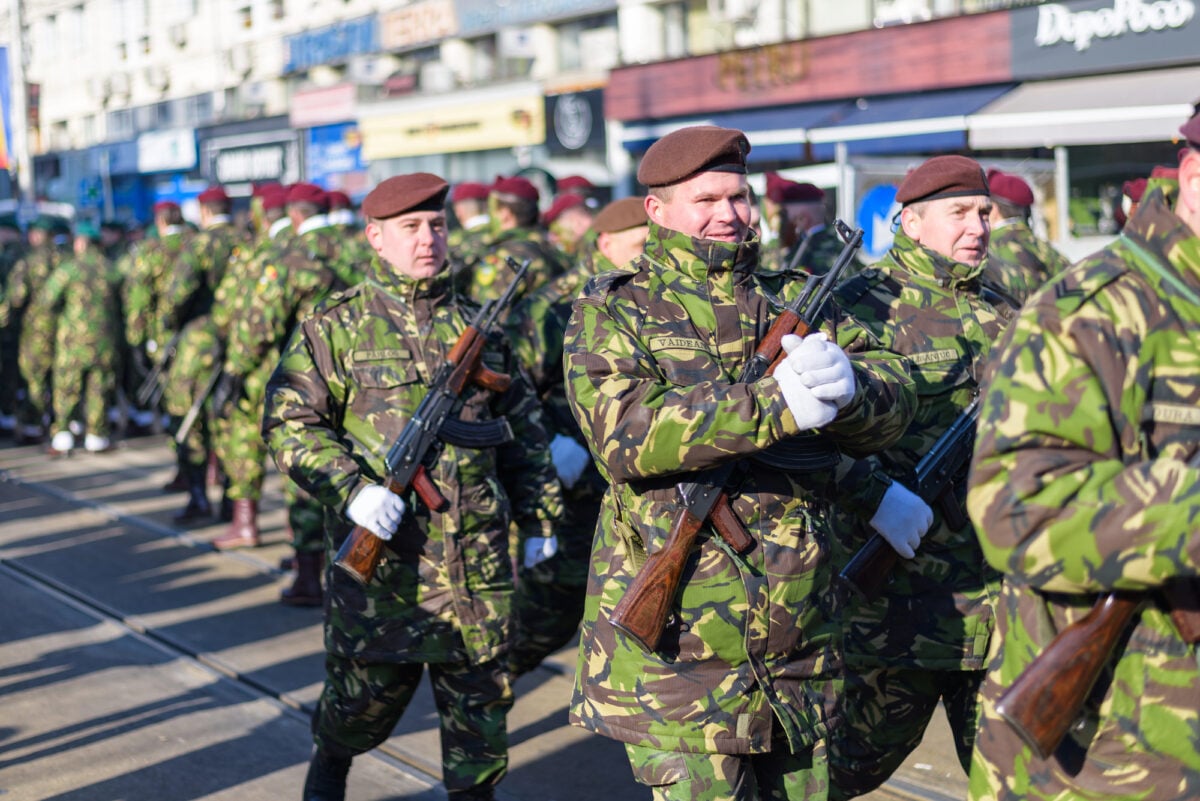
Over 130 years since that initial purchase, Switzerland still hands out the knife to troops. Though tweaks arrived through time, the original purpose never shifted.
Such lasting trust by a national army hints strongly at true dependability. It speaks volumes when function remains unchanged across generations.
Counterfeit Versions Flood The Market
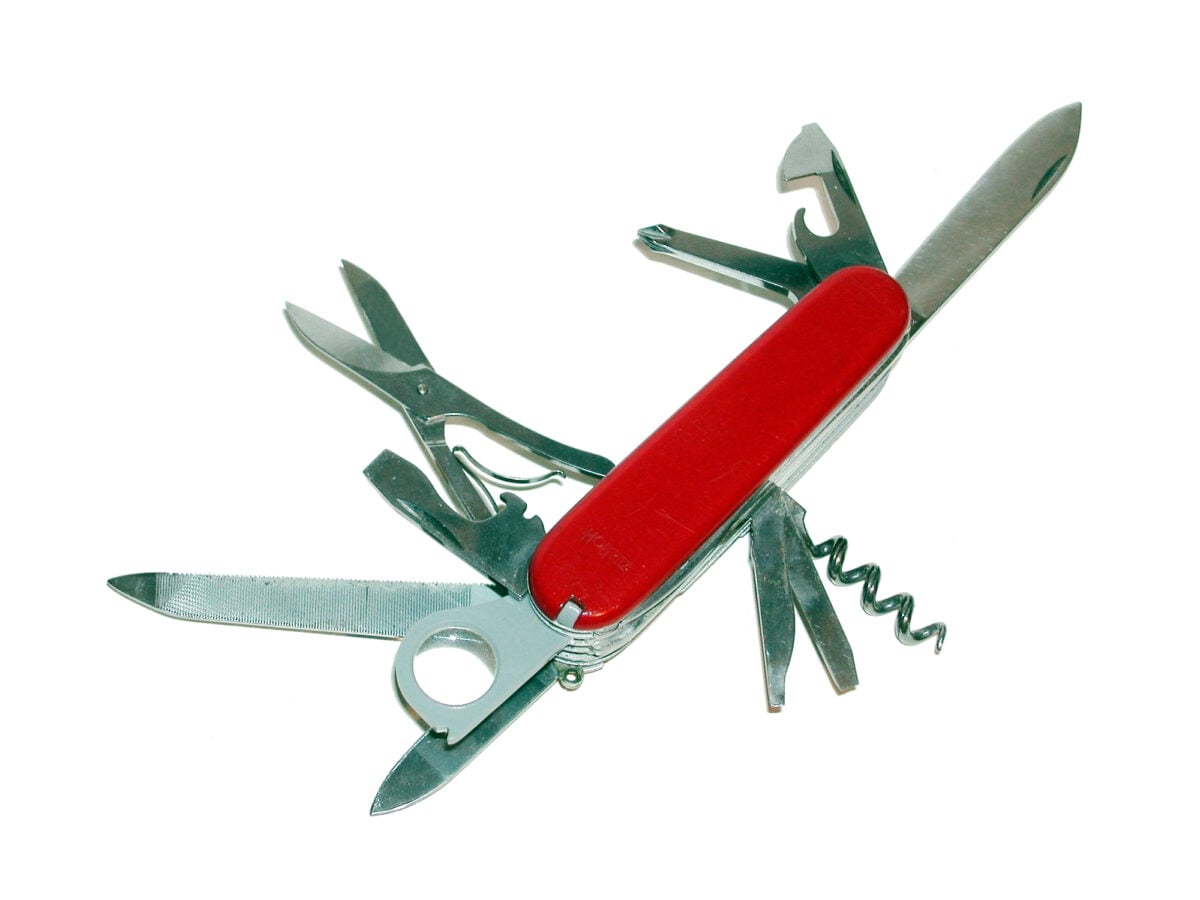
Because the Swiss Army Knife is so globally recognized, fake versions pop up constantly in markets and online stores. The counterfeits often look similar but use cheaper steel that dulls quickly and handles that crack under pressure.
Genuine Victorinox knives carry the company’s cross-and-shield logo, which is the quickest way to check if a knife is real.
The Blade Steel Is Carefully Chosen

Victorinox uses a specific stainless steel alloy for the blades, chosen for its balance between sharpness and durability. The steel holds an edge reasonably well but is also easy to sharpen again when it eventually dulls.
Getting that balance right took years of refinement, and it is one of the reasons the blade performs better than its small size might suggest.
It Has Been Used In Real Emergencies

Stories of the Swiss Army Knife saving lives in genuine emergencies are not rare. Hikers have used it to cut through tangled ropes, travelers have used the scissors to treat wounds, and campers have relied on the blade when no other tool was available.
It is the kind of object that earns its reputation quietly, one real-life situation at a time.
The Toothpick Has Fans

It sounds like the least impressive tool on the knife, but the tiny toothpick has a surprisingly loyal following. Victorinox designs it to fit snugly in its own sleeve on the handle without rattling or falling out.
People who use it regularly say it is one of those small details that makes the whole product feel genuinely well thought out.
Production Numbers Are Staggering

Victorinox produces around 50,000 Swiss Army Knives every single day at its factory in Ibach, Switzerland. That adds up to more than 18 million knives a year, shipped to customers in over 100 countries worldwide.
For a product that has barely changed in concept since the 1890s, those numbers are remarkable.
The Scissors Are Stronger Than They Look
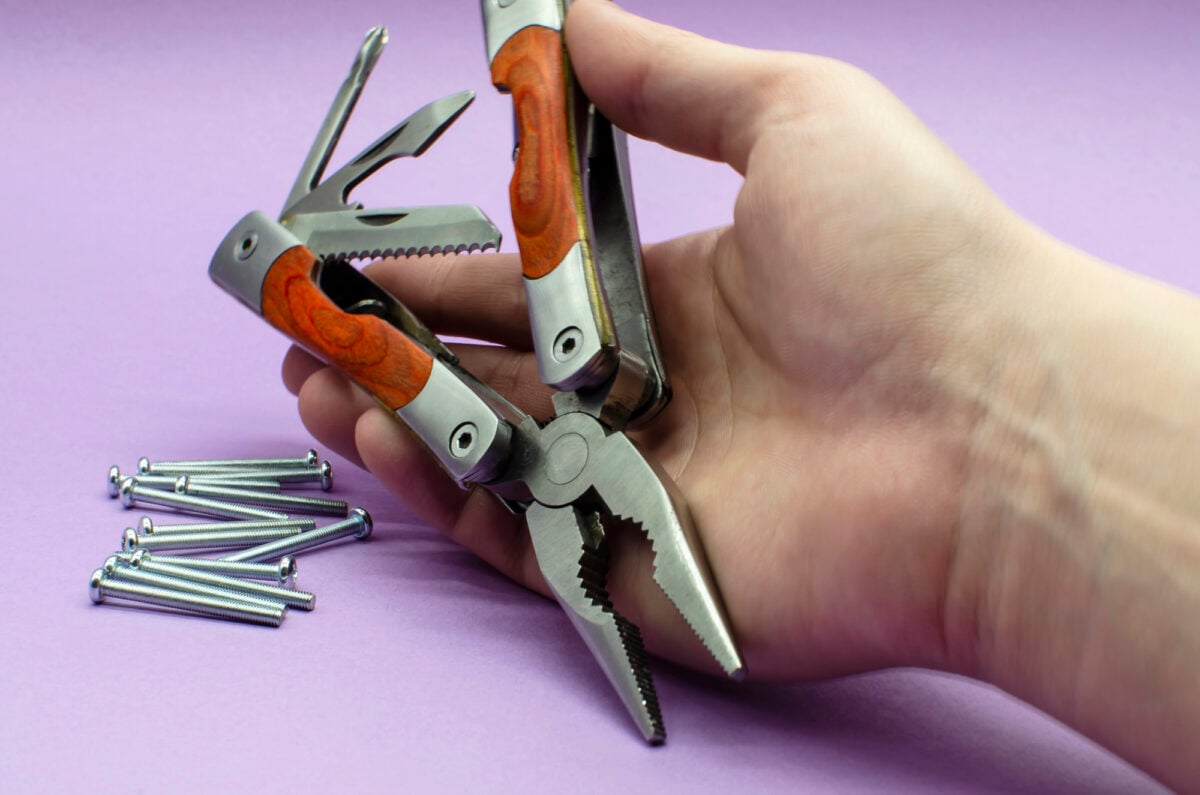
The scissors on a Swiss Army Knife look delicate, but they cut through surprisingly tough materials, including wire, cardboard, and thick fabric. Victorinox engineers the spring mechanism to last through thousands of cuts before it shows any signs of wear.
Anyone who has doubted those little scissors and then actually used them tends to change their opinion fast.
Gifting One Has A Tradition Attached

In many European countries, there is an old tradition that says giving someone a knife as a gift will ‘cut’ the friendship unless the recipient gives a small coin in return. Some Swiss Army Knife buyers still follow this tradition today, handing over a penny or a small coin along with the gift.
Whether or not anyone believes it, it makes for a fun little ritual.
The Design Has Barely Changed

Karl Elsener filed a patent for an improved version of the knife in 1897, and the basic design from that patent is still the foundation of what Victorinox makes today. Over a hundred years of engineering progress, and the core shape, the layered tools, the spring mechanism, all of it has stayed largely intact.
That is not stubbornness; it is proof that the original idea was simply very good.
Still Sharp After All These Years

The Swiss Army Knife has outlasted trends, wars, economic crashes, and the rise of smartphones, and it is still sitting in pockets and backpacks around the world. What started as a practical solution for soldiers eating canned food in the field became one of the most recognized tools on the planet.
Its staying power is not about nostalgia; it is about a simple design that genuinely works, no matter what decade it lands in.
More from Go2Tutors!

- The Romanov Crown Jewels and Their Tragic Fate
- 13 Historical Mysteries That Science Still Can’t Solve
- Famous Hoaxes That Fooled the World for Years
- 15 Child Stars with Tragic Adult Lives
- 16 Famous Jewelry Pieces in History
Like Go2Tutors’s content? Follow us on MSN.



