Rare natural resources that shaped elite culture
Throughout history, certain natural resources have had a huge impact on the development of societies, particularly among the wealthy and powerful. These resources were often seen as symbols of status and exclusivity, helping to define the cultures of the elite.
From precious metals to exotic stones, some materials have shaped the world in ways we may not even realize. It was often about what could be obtained, owned, and shown off—resources that represented power and prestige.
Gold

Gold has been prized for thousands of years. Its bright, shiny appearance and rarity made it the perfect symbol for the rich and powerful.
Ancient civilizations like the Egyptians and Romans hoarded gold as a mark of prestige, and even today it continues to be a cornerstone of wealth.
Silk

Silk was once so rare and valuable that only emperors and nobles in ancient China could wear it. The production of silk was a closely guarded secret, making it a highly sought-after commodity.
For the rich, it wasn’t just a fabric—it was a sign of luxury and status.
Spices

Spices like pepper and cinnamon were once the height of luxury. During the Middle Ages and Renaissance, they were only affordable to the wealthiest families.
These exotic items were valued not only for their flavor but also for their rarity and the expensive trade routes required to obtain them.
Ivory

Ivory, from elephant tusks, was highly coveted by the elite during the 18th and 19th centuries. It was used to create intricate carvings, jewelry, and furniture.
At the time, owning ivory was a clear symbol of wealth and refinement.
Lapis lazuli

This rare blue gemstone was treasured by ancient civilizations like the Egyptians. Lapis lazuli was so rare and valuable that it was used to create blue pigments for religious art.
Its stunning color and scarcity made it a prized possession among the elite.
Salt
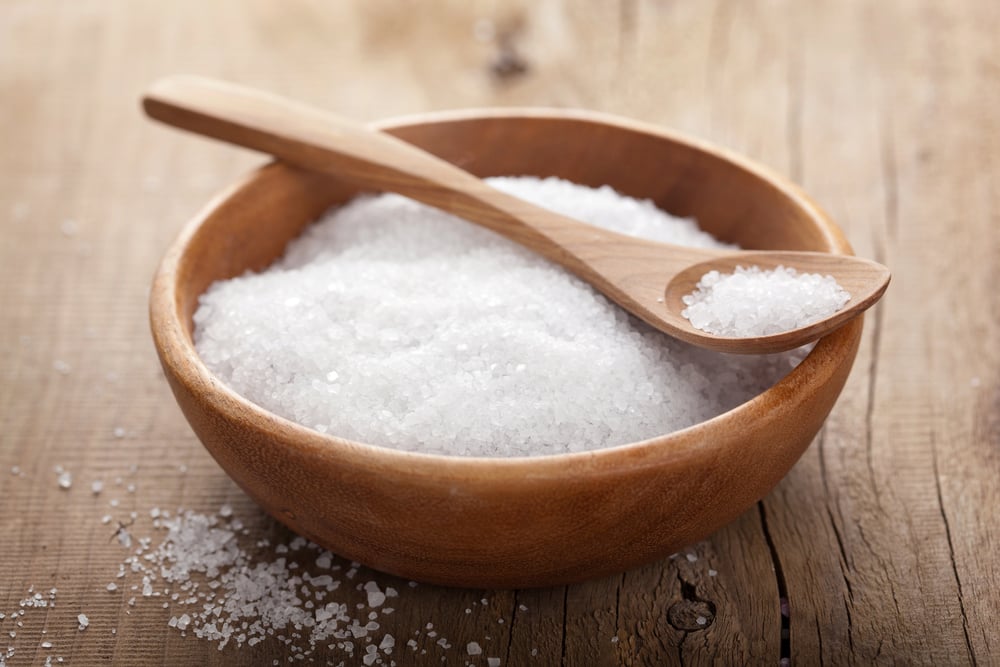
In ancient times, salt was incredibly valuable. It was used as a preservative, making it essential for food storage and preparation.
Because of its importance, salt was a sign of wealth, and Roman soldiers were sometimes paid with it, which is where the word “salary” comes from.
Diamonds

Diamonds have long been a symbol of wealth and luxury. These rare stones, formed deep within the Earth, are highly prized for their durability and beauty.
Kings, queens, and wealthy elites have adorned themselves with diamonds for centuries as a symbol of everlasting value.
Amber

Amber, fossilized tree resin, has been cherished for thousands of years. Its warm golden color made it highly sought after by ancient civilizations.
The rich used amber for jewelry and decorative items, making it a symbol of wealth and high social status.
Jade
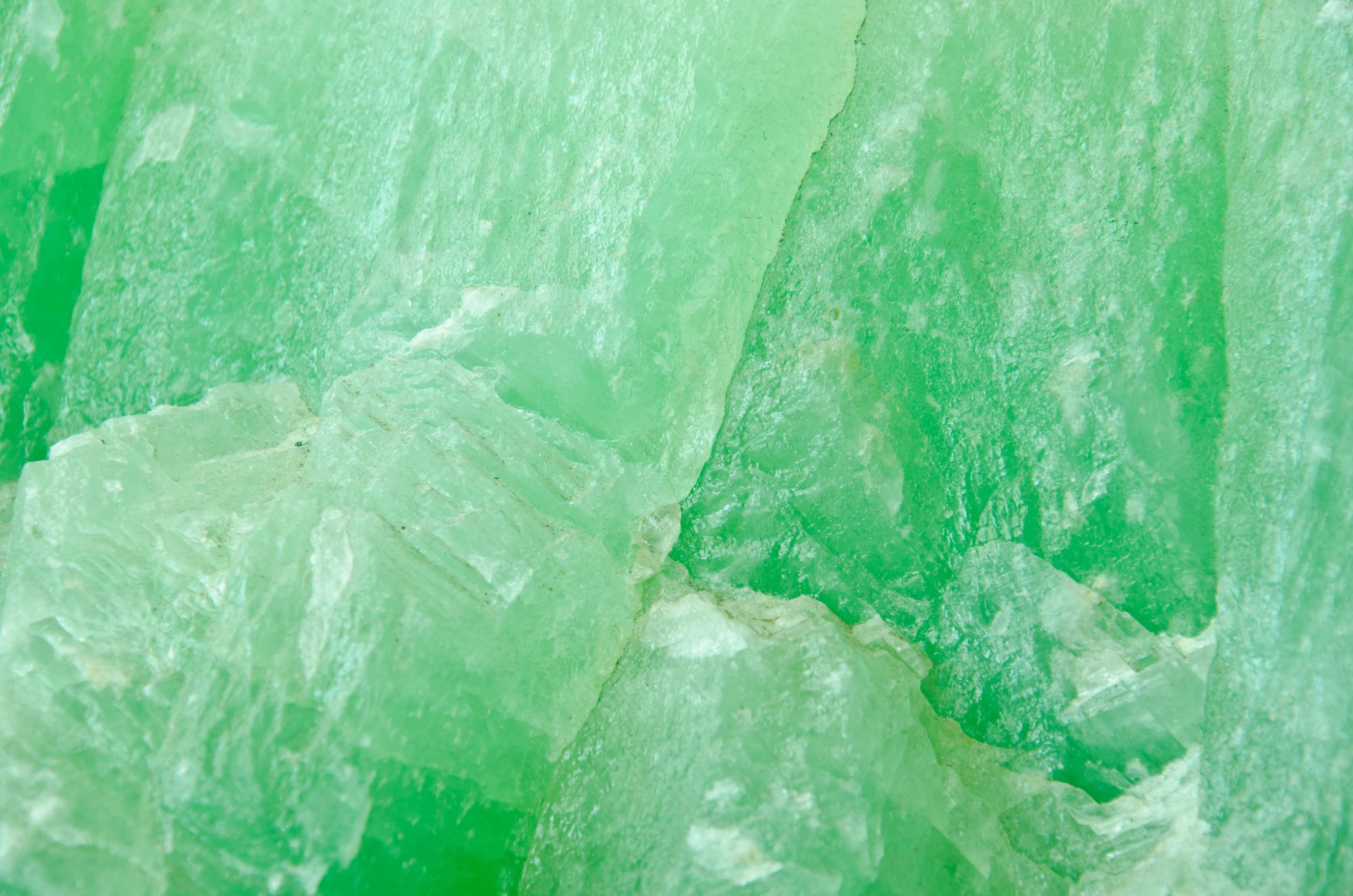
Jade has been a symbol of purity and beauty, especially in East Asia. Ancient Chinese emperors used jade for everything from ceremonial items to jewelry.
Its rarity and smooth texture made it a sign of nobility and refinement.
Pearls

Pearls have been linked to royalty for centuries. They were considered a sign of wealth and status in ancient Greece, Rome, and Egypt.
Due to their rarity and the difficulty in obtaining them, pearls were reserved for the richest members of society.
Wool

Wool was once a symbol of power in ancient societies. The finest wool was used to create luxurious clothing that only the elite could afford.
In medieval Europe, wool production was a vital industry, and control over it often meant control over wealth.
Coral

Coral, especially red coral, was highly prized in ancient Mediterranean cultures. It was often made into jewelry or used for decorative items.
Its rarity and vibrant color made it a symbol of luxury and sophistication.
Porcelain
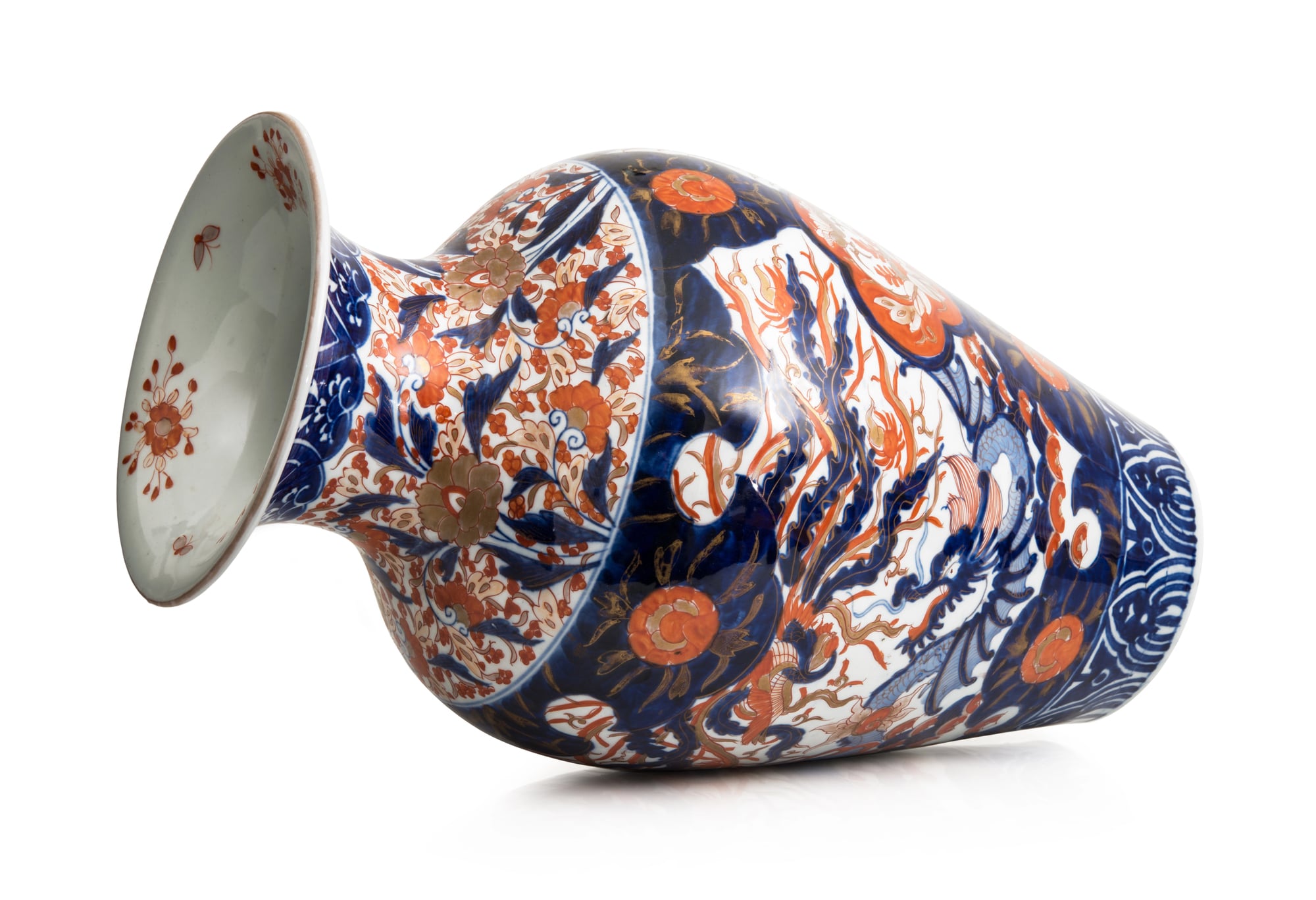
Porcelain, especially from China, became a highly sought-after material in the Western world. Its delicate nature and intricate design made it a luxury item, often found in the homes of the elite.
Owning porcelain was a clear sign of wealth during the 17th and 18th centuries.
Timber
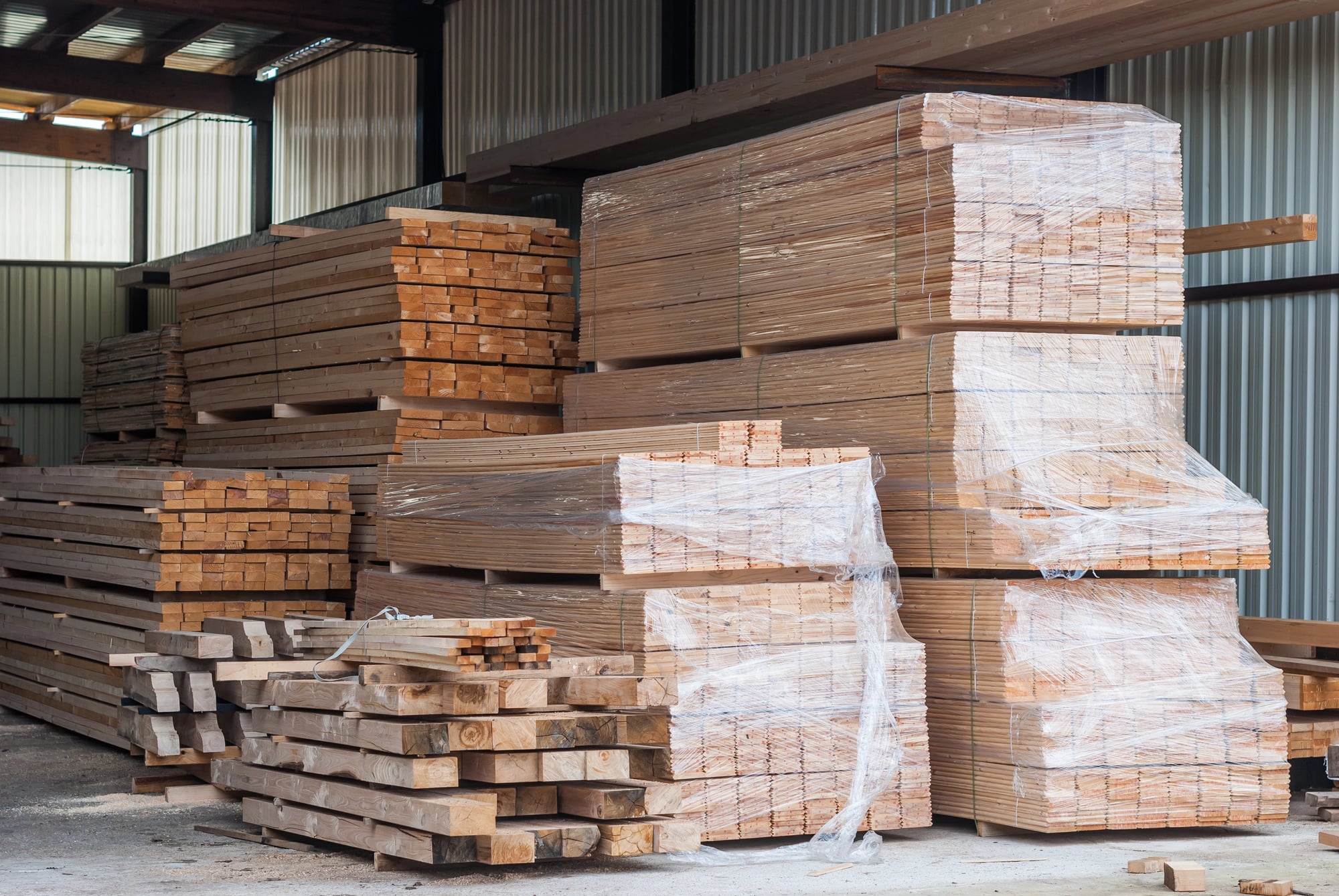
Certain types of wood, like mahogany and rosewood, were highly valued for their color, grain, and durability. These rare woods were used to make fine furniture and luxury items.
Owning furniture made from such wood was a clear marker of elite status.
Tortoiseshell

Tortoiseshell, from sea turtles, was prized for its unique patterns and rich color. It was used to make jewelry, combs, and other decorative items.
Because of its rarity, it became a material associated with the wealthy and powerful.
Obsidian

Obsidian, a natural volcanic glass, was used by ancient civilizations like the Aztecs and Maya for tools, weapons, and decorative items. Its striking black color and rarity made it a symbol of power and sophistication.
From rarity to luxury

These rare natural resources played a crucial role in shaping elite culture throughout history. They weren’t just valuable because of their practical uses but also for what they represented: wealth, status, and exclusivity.
Today, many of these resources are still associated with luxury, showing how rarity continues to breed prestige. What once defined the elite still holds a special place in our understanding of wealth and culture.
More from Go2Tutors!

- The Romanov Crown Jewels and Their Tragic Fate
- 13 Historical Mysteries That Science Still Can’t Solve
- Famous Hoaxes That Fooled the World for Years
- 15 Child Stars with Tragic Adult Lives
- 16 Famous Jewelry Pieces in History
Like Go2Tutors’s content? Follow us on MSN.