Fashion Trends Inspired by Technology
Technology has completely changed how people think about clothing. What used to be just fabric and thread has become something much more interesting.
Clothes can now light up, change colors, track health, or even exist only in digital spaces. The line between what we wear and what technology can do keeps getting thinner, and designers are finding clever ways to blend the two together.
Here is a list of fashion trends that show how technology is shaping what people wear today.
3D printed clothing
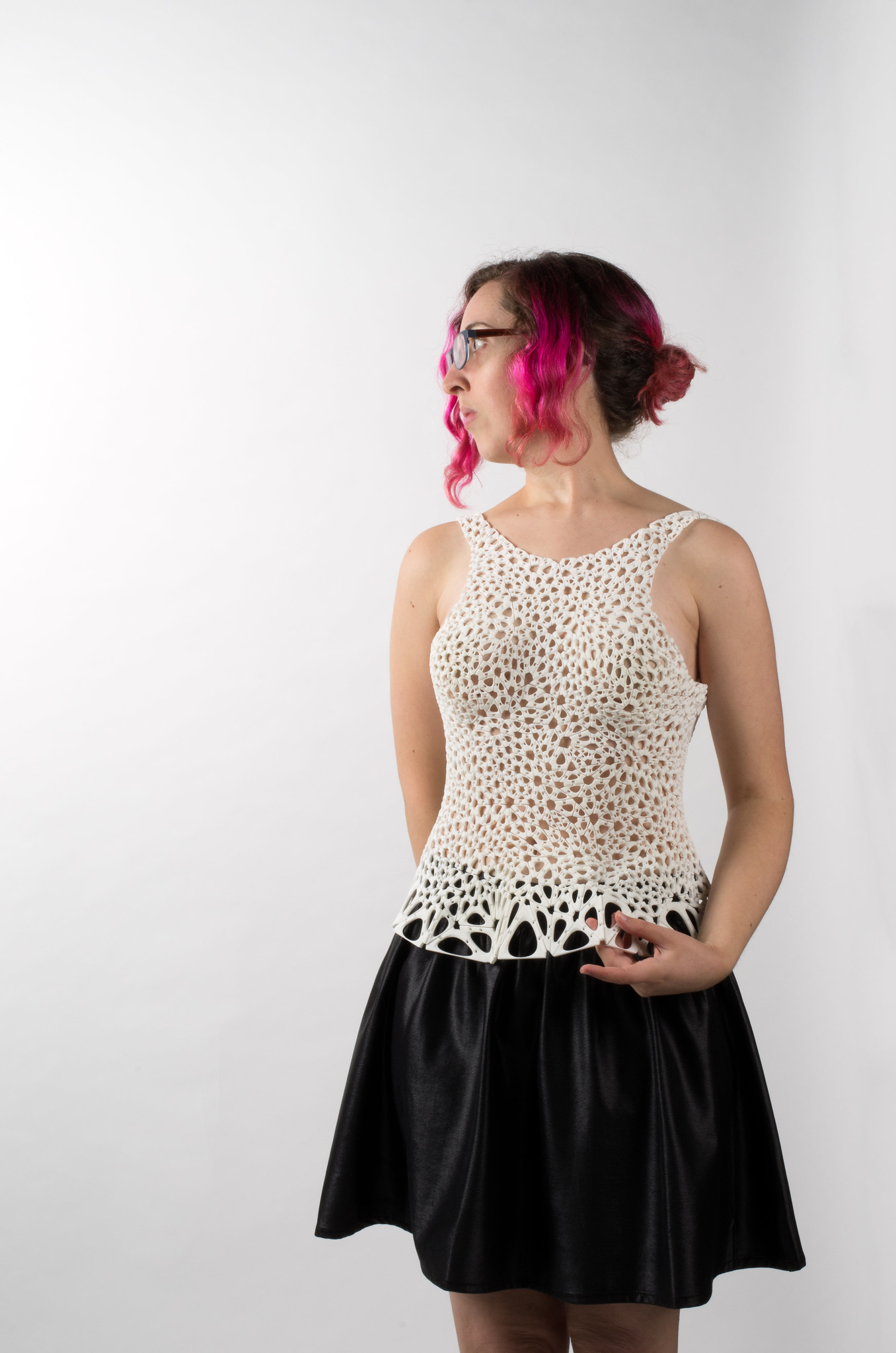
Designers are using 3D printers to create clothes that would be impossible to make by hand. Iris van Herpen showed one of the first 3D printed pieces on a runway back in 2010, and since then the technology has gotten much better.
The process involves scanning someone’s body, designing the garment on a computer, and then printing it layer by layer using materials like nylon or flexible plastics. A wedding dress created by van Herpen in 2024 took over 600 hours to design and 41 hours to print, but the result was a piece that fit perfectly and moved beautifully.
LED embedded garments

Clothes with tiny lights sewn into them have moved beyond costumes and into everyday fashion. LED clothing uses small bulbs or fiber optic strands woven into fabric that can glow in different colors and patterns.
Some pieces respond to music by flashing along with the beat, while others let wearers control the colors through a phone app. Designer Anouk Wipprecht created a dress with nearly 75 flexible LED domes that react to the environment around the person wearing it.
Smart fabrics with sensors
Regular fabric is getting an upgrade with tiny sensors built right into the material. These smart textiles can measure heart rate, track breathing, monitor body temperature, and even detect when someone falls down.
MIT researchers developed a knitted textile that can predict yoga poses with 99 percent accuracy just by sensing pressure. Athletes use these clothes to track their performance, while doctors use them to keep an eye on patients with chronic conditions without bulky equipment.
Color changing materials
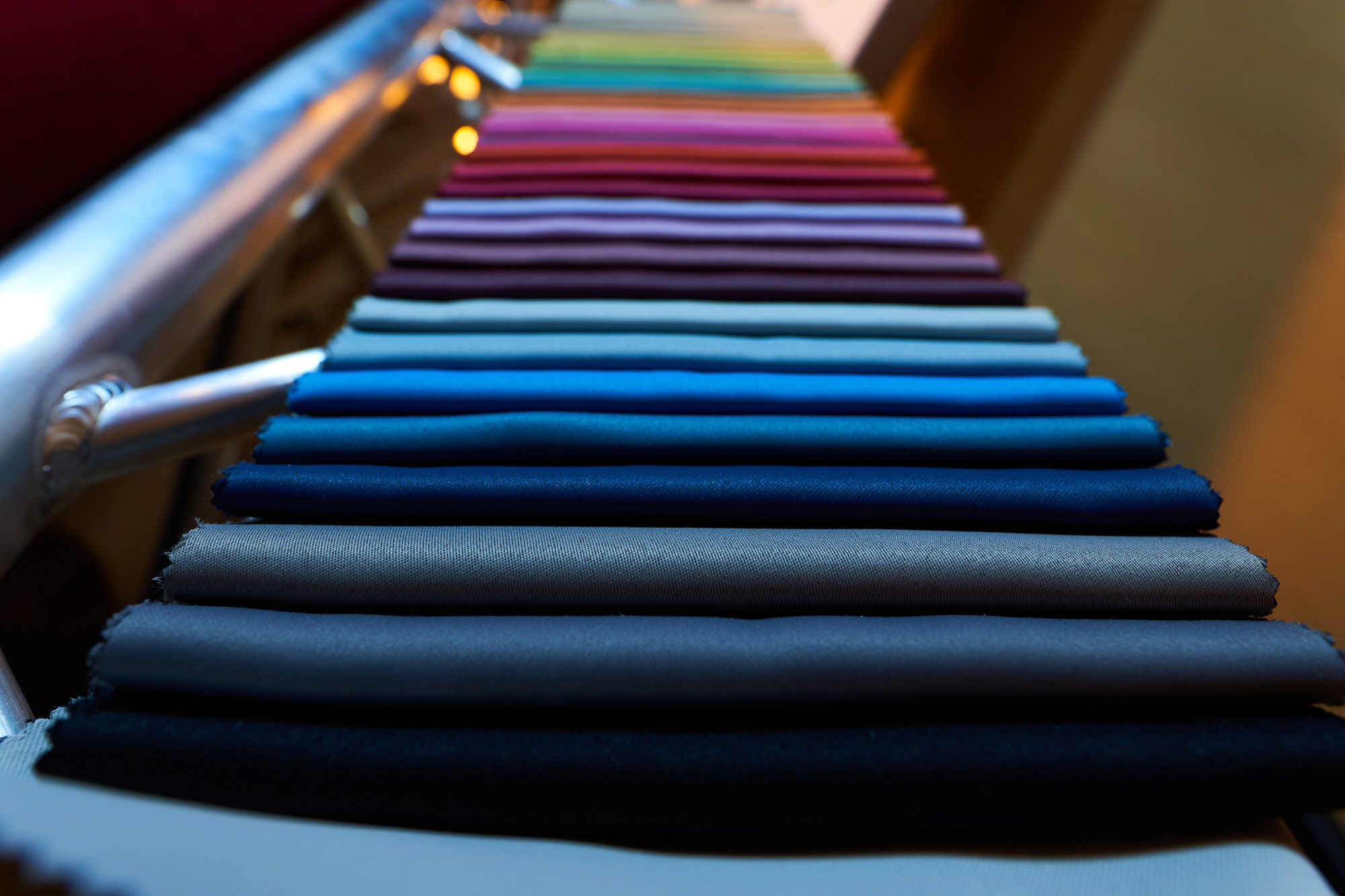
Thermochromic fabrics shift their color based on temperature changes around them. When someone wearing one of these garments gets hot from exercising or steps into warm sunlight, the fabric darkens or changes to a completely different shade.
Some materials react to light instead of heat, fading or brightening when exposed to UV rays. The Unseen created leather accessories that change color based on air pressure and temperature in the surrounding environment.
Digital fashion and NFTs

Clothes that exist only on computer screens have become a real business. People buy digital outfits, upload photos of themselves, and have the clothing placed onto their images for social media posts.
Some of these virtual garments sell as NFTs, which means buyers own a unique digital item verified on blockchain technology. Brands like DressX and Tribute Brand sell entire collections of digital clothing that costs less than physical fashion and produces zero waste.
Gesture controlled clothing

Some garments now respond to hand movements and body gestures without any buttons or switches. Fabrics embedded with special sensors can detect when someone waves their hand, makes a fist, or performs other motions.
This lets wearers control music playback, answer phone calls, or navigate apps just by moving their fingers in certain ways. Google partnered with Levi’s to create a jacket with gesture controls built into the cuff, letting cyclists change songs or get directions without taking their hands off the handlebars.
Temperature regulating textiles
Fabrics that heat up or cool down automatically based on body temperature make getting dressed for unpredictable weather much easier. Some materials use phase change materials that absorb heat when someone gets warm and release it when they cool down.
NASA originally developed some of these technologies for astronauts who need protection from extreme temperature swings in space. Now outdoor clothing companies use similar materials in jackets and athletic wear.
Augmented reality try-ons

Shopping for clothes has changed because people can now see how items look on them without visiting a store or ordering anything. AR technology uses a phone camera to place digital versions of clothing onto a person’s body in real time.
Brands like GAP, Nike, and Rebecca Minkoff have created AR experiences where customers can walk around their homes while virtually wearing products. Some luxury brands combine AR with NFTs, letting buyers see their digital purchases in the real world through phone screens.
Self healing fabrics

Materials that can repair themselves after getting torn or punctured sound like science fiction but they’re becoming real. These textiles contain special polymers or coatings that bond back together when damaged.
Some fabrics need heat to activate the healing process, while others repair themselves automatically over time. The technology is especially useful for outdoor gear, military uniforms, and expensive designer pieces that people want to last longer.
Wearable fitness technology

Clothes made to track workouts come with sensors woven into the material – no extra gadgets needed. Instead of strapping on a device, these outfits count steps, check heartbeat, estimate calories used, pick up muscle movement, and also monitor posture while jogging or lifting weights.
Brands such as Under Armour, Nike, and Adidas offer this kind of gear that sends info straight to your smartphone. Since the tech resists moisture and cleaning agents, tossing them in the wash won’t cause damage.
Nanotechnology treatments
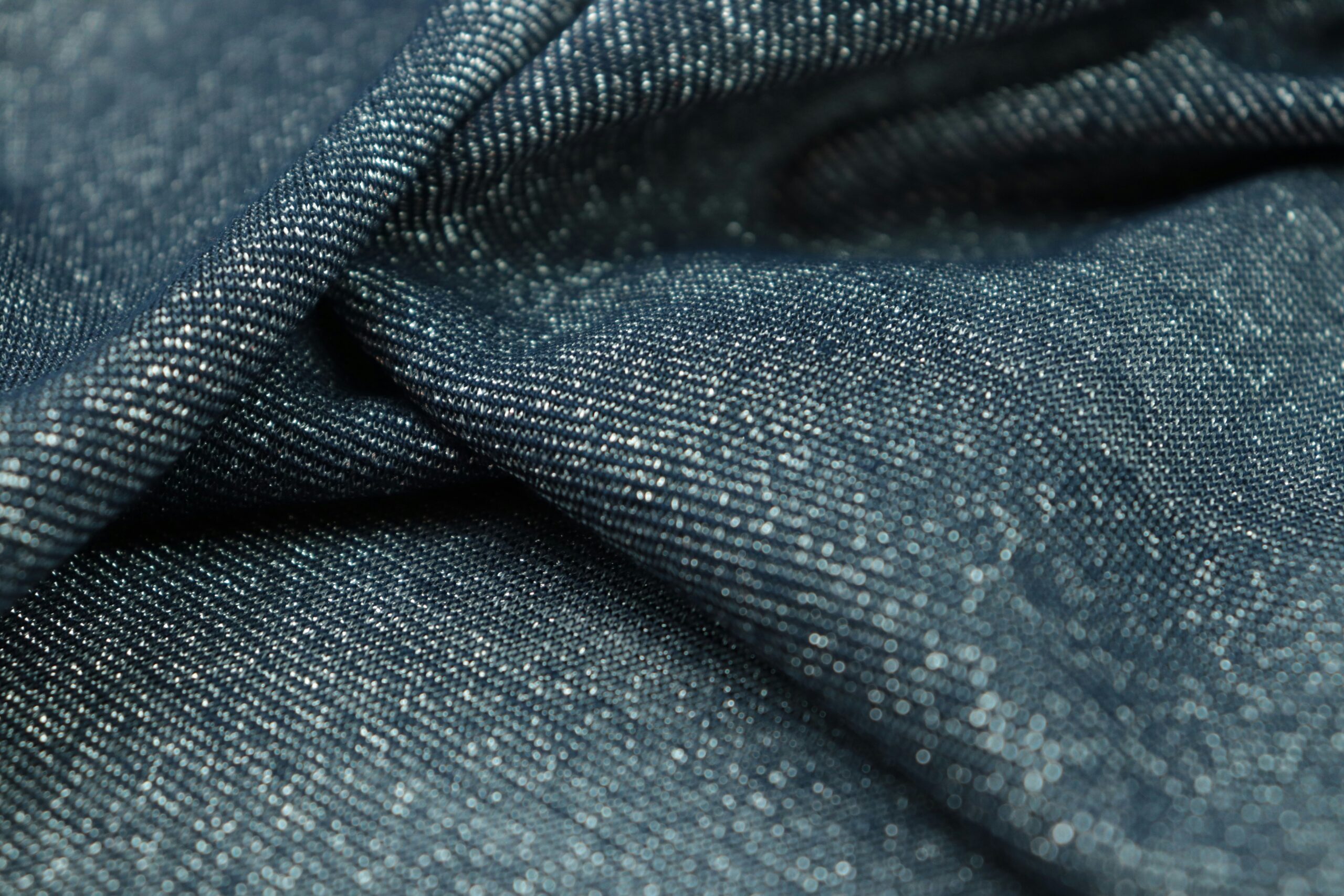
Fabrics hit with tiny bits – too small to spot without a scope – gain tricks normal ones lack. Coatings from nano-stuff keep shirts dry in rain yet airy enough to wear comfortably, or stop smell-causing bacteria dead in their tracks.
Certain mixes craft cloths that repel spills, sending droplets sliding clean off. Those invisible specks leave texture and look untouched, though they pack serious upgrades under the surface.
Biometric monitoring clothes

Clothes keeping tabs on your body every single moment hand out more useful details compared to standard doctor visits. Built-in high-quality sensors watch things like pulse behavior, odd breath cycles, oxygen in blood, along with various physical indicators.
Certain items send warnings straight to users or loved ones when spotting red flags. Rehab patients put on outfits tracking motion plus how muscles work, so therapists get clear info on healing.
Holographic with projection styles

Designers made clothing that beams pictures or designs right onto the fabric – or even out into the air nearby. Instead of regular stitching, some outfits pack mini projectors hidden in buttons, zippers, or threads to show animated visuals.
Take Hussein Chalayan – he once dropped a dress that changes shape using lights tucked inside. Fashion events now include outfits that shift designs nonstop using projected lights.
Moisture wicking innovations

Workout gear that moves sweat off your skin isn’t new, yet modern upgrades boost performance way beyond old versions. Today’s smart fabrics include tiny pathways that push moisture outward – so it vanishes faster.
Special coatings speed drying time, letting shirts go from wash to wear in less than sixty minutes. Better tech keeps active folks cool mid-exercise while giving daily outfits a leg-up in steamy weather.
Conductive textiles

Fabric acting like a wire when charged brings tons of new ideas for tech you can wear. Instead of regular thread, strands made from metal-coated silk, thin steel, or carbon slip right into cloth weaves – so signals and power move through them.
With such fabrics, creators build areas on jackets or shirts that react to touches, say by swiping your cuff to adjust volume. Since these textiles carry current naturally, they support countless clever uses – from glowing patches to health trackers stitched into everyday outfits.
Blockchain authenticated fashion

Luxury labels now use blockchain to show items are real while keeping tabs on who’s owned them. Every premium piece receives a digital ID saved on a secure chain – no copying or changing allowed.
Some labels make hybrid goods – real clothing paired with a digital copy on the blockchain to verify it’s legit. Take Louis Vuitton or Prada – they’ve jumped in, using decentralized ledgers so shoppers know they’re getting the real deal.
The fabric of tomorrow

Technology hasn’t just changed fashion—it’s rewritten what clothing can be and do. From garments that heal themselves to outfits that exist only in pixels, the marriage between fabric and innovation keeps pushing boundaries that seemed impossible just years ago.
These advances aren’t limited to runways or tech labs anymore; they’re seeping into everyday closets, making clothes smarter, more sustainable, and far more capable than simple coverings. The future of what we wear is being stitched together right now, one breakthrough at a time.
More from Go2Tutors!

- The Romanov Crown Jewels and Their Tragic Fate
- 13 Historical Mysteries That Science Still Can’t Solve
- Famous Hoaxes That Fooled the World for Years
- 15 Child Stars with Tragic Adult Lives
- 16 Famous Jewelry Pieces in History
Like Go2Tutors’s content? Follow us on MSN.