Fast Food Items That Failed Miserably
Folks at fast-food spots pour cash into crafting fresh eats. They try out formulas, gather crowd opinions, or roll out big flashy promos.
Yet now and then, even with careful prep plus deep pockets, buyers aren’t interested. Some flops hit so badly they turned into legends of failure around the biz.
Some got yanked out fast – like, in a few weeks. Meanwhile, others hung on till they turned into jokes.
McDonald’s Arch Deluxe
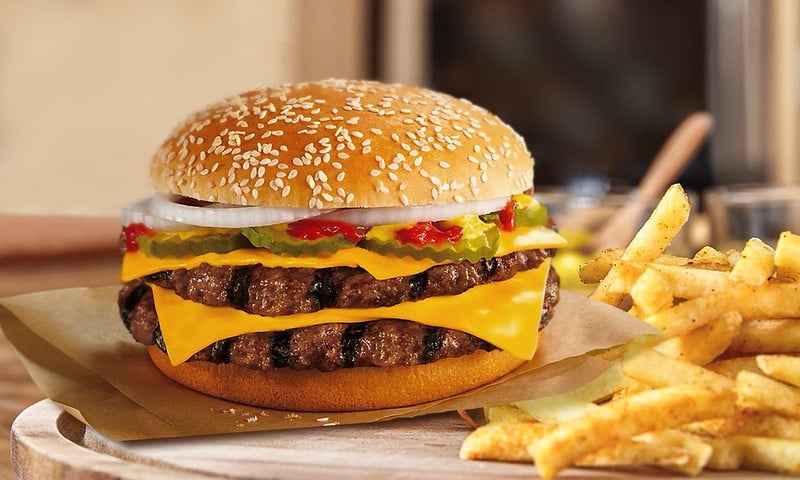
McDonald’s wanted adults to see them as more than just a kid-friendly burger joint. In 1996, they launched the Arch Deluxe, marketed as “the burger with the grown-up taste.”
The sandwich featured a quarter-pound beef patty, peppered bacon, lettuce, tomato, cheese, onions, ketchup, and a secret mustard-mayo sauce on a potato flour sesame seed bun. The advertising campaign was enormous.
McDonald’s spent over $300 million promoting it. The commercials showed kids turning their noses up at the burger, emphasizing that this wasn’t for children.
The problem? McDonald’s core customer base was families with kids.
Parents didn’t want a burger their children wouldn’t eat. And adults who wanted upscale burgers weren’t thinking of McDonald’s.
The Arch Deluxe disappeared from menus by 2000. It remains one of the biggest flops in fast food history.
Burger King’s Satisfries
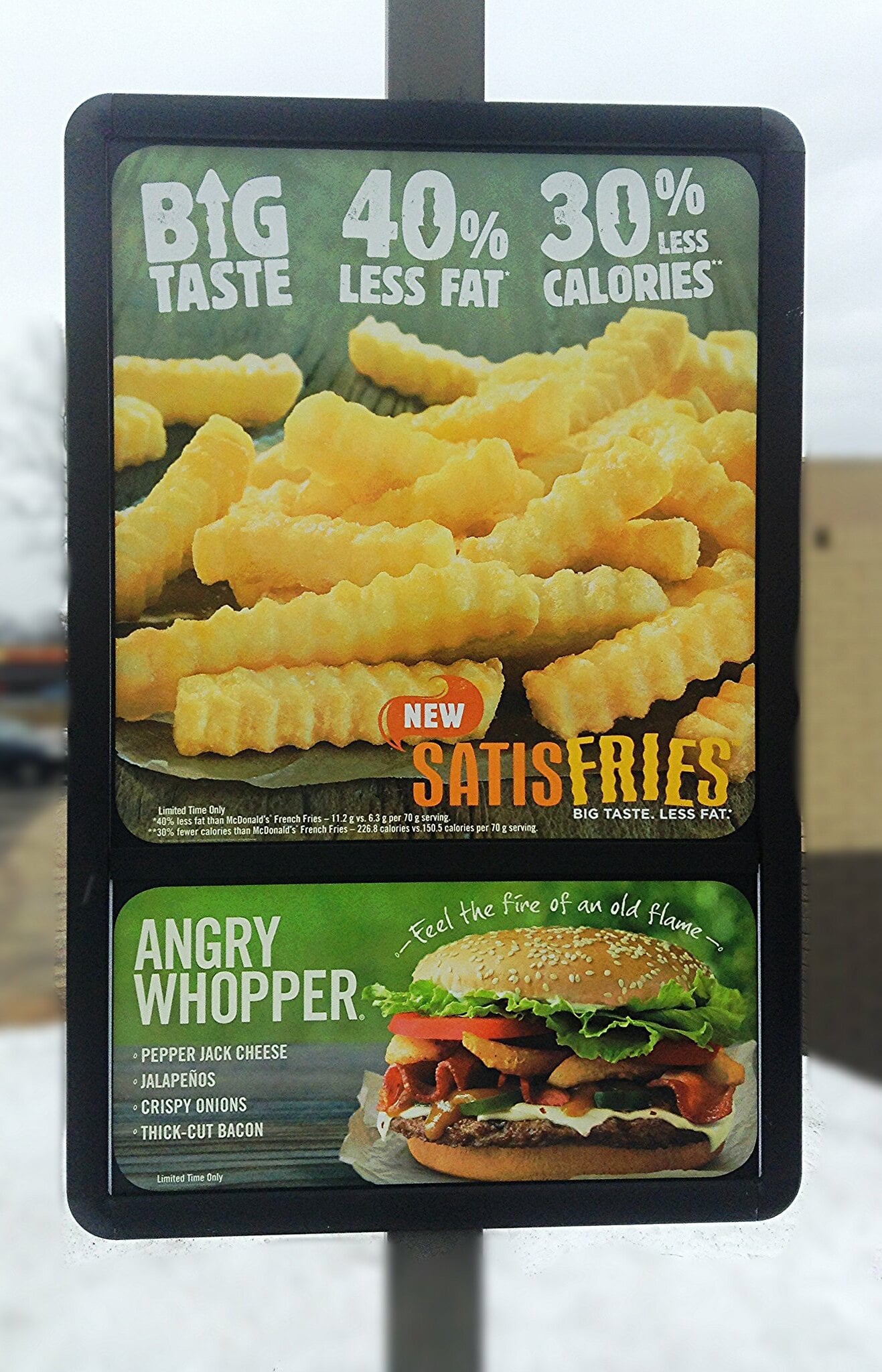
In 2013, Burger King introduced Satisfries, a lower-calorie alternative to regular french fries. They had 40% less fat and 30% fewer calories than standard fries, achieved through a different batter that absorbed less oil during frying.
The idea seemed smart. Health-conscious customers could order fries without as much guilt.
But there were two problems. First, they cost more than regular fries.
Second, they tasted different. Not bad, necessarily, but not like the fries people expected from Burger King.
Customers who wanted healthy food weren’t going to Burger King. Customers who went to Burger King wanted regular fries.
The company pulled Satisfries from most locations within a year.
Taco Bell’s Seafood Salad
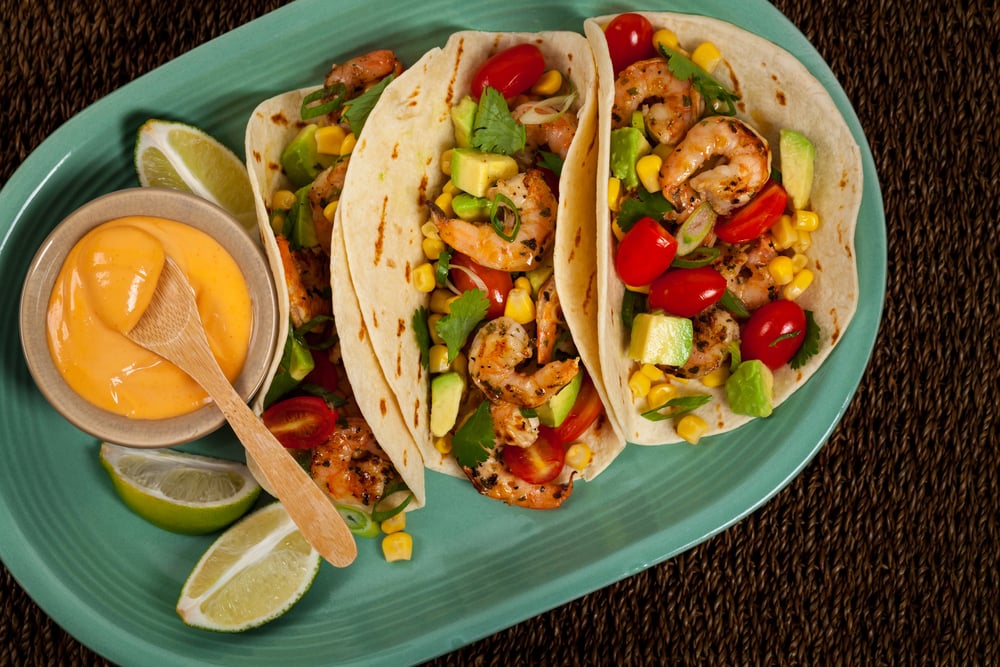
Yes, Taco Bell once sold seafood. In 1986, they tested a seafood salad that featured imitation crab, shrimp, and a “seafood blend” served on a bed of lettuce in a tortilla shell.
The concept was bizarre from the start. Taco Bell had built its reputation on cheap, fast Mexican-inspired food.
Adding seafood to the mix confused customers. The ingredients were expensive compared to the rest of the menu, which drove up the price.
And most people didn’t trust fast food seafood, especially not from a chain known for tacos and burritos. The seafood salad lasted only in test markets and never went nationwide.
It’s remembered now as one of the strangest menu experiments in fast food history.
Pizza Hut’s Priazzo
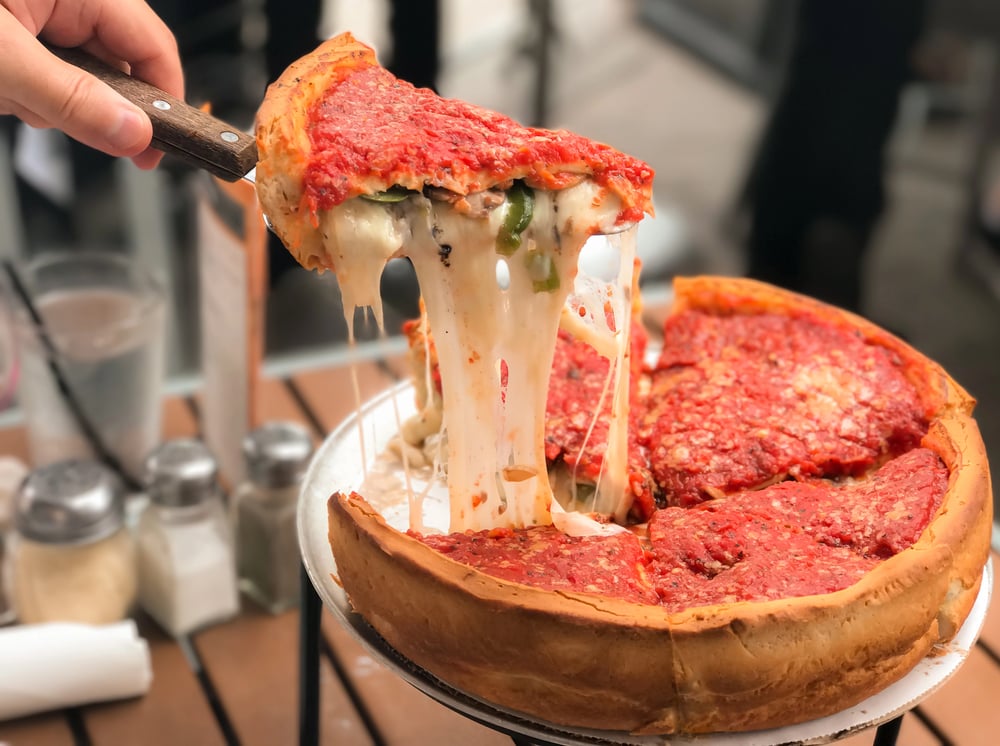
Pizza Hut launched the Priazzo in 1985, calling it a “pie-style pizza.” The dish was essentially a stuffed pizza with two layers of dough and a thick filling of cheese, meat, and vegetables.
It looked impressive. It tasted fine.
But it took 30 minutes to cook. Thirty minutes.
At a time when customers expected their pizza within 10 or 15 minutes, asking them to wait half an hour was asking too much. The Priazzo created bottlenecks in the kitchen and frustrated customers who just wanted a quick meal.
Pizza Hut discontinued it in the late 1980s, though it briefly came back for limited runs in later years.
McDonald’s McLobster
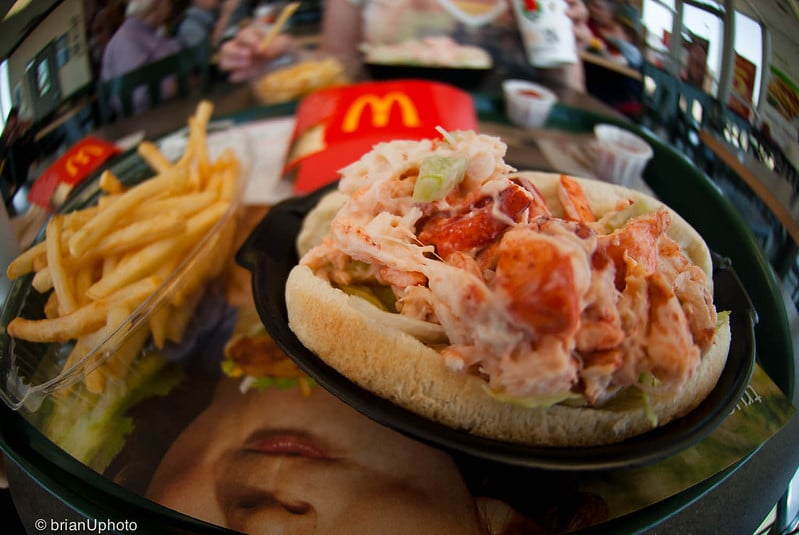
McDonald’s has tested the McLobster in various markets since the 1990s, primarily in coastal areas where lobster is more common. The sandwich features a lobster roll served in a hot dog bun with lettuce and mayo.
On paper, it’s not a terrible idea. Lobster rolls are popular in New England.
But McDonald’s version cost significantly more than other menu items, sometimes upwards of $8 or $9. Customers willing to pay that much for lobster weren’t looking for it at McDonald’s.
The McLobster keeps coming back in limited markets, but it never achieves mainstream success. It’s become more of a novelty than a serious menu item.
Wendy’s Frescata
Wendy’s tried to compete in the deli sandwich market in 2006 with the Frescata line. These cold sandwiches came on artisan bread with premium ingredients like Black Forest ham and Asiago cheese.
They looked good. They probably tasted fine.
But Wendy’s had never been known for sandwiches. Subway owned that category.
Customers who wanted a quality cold sandwich went to Subway or Panera. Customers who went to Wendy’s wanted burgers.
The Frescata sandwiches were also slower to make than other menu items, which created operational problems. Wendy’s pulled them in 2007, less than a year after launch.
Burger King’s Enormous Omelet Sandwich

The name wasn’t subtle. Burger King introduced the Enormous Omelet Sandwich in 2005 as part of their breakfast menu.
It contained an omelet with two eggs, sausage, three strips of bacon, two slices of American cheese, and a hash brown patty on a bun. The total? 730 calories and 47 grams of fat.
Nutritionists immediately criticized it. Health advocates called it irresponsible.
The media had a field day. Burger King defended it, saying customers had the right to choose what they ate.
But the negative publicity overshadowed any sales. The sandwich was quietly removed from the menu within a few years.
Taco Bell’s Bell Beefer
Before Taco Bell fully committed to Mexican food, they experimented with different concepts. The Bell Beefer, sold in the 1970s and early 1980s, was essentially a Sloppy Joe.
It featured seasoned ground beef, cheese, lettuce, and tomato served on a hamburger bun. The idea was to offer something familiar to customers who might not like tacos.
But it didn’t make sense. If you wanted a burger-style sandwich, you went to McDonald’s or Burger King.
If you went to Taco Bell, you wanted tacos. The Bell Beefer created confusion and never caught on.
The chain dropped it as they focused more clearly on their Mexican-inspired identity.
KFC’s Double Down
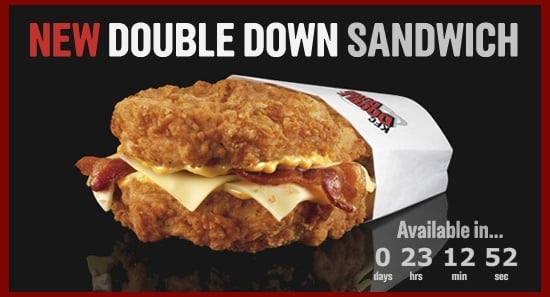
The Double Down wasn’t a failure in terms of sales, but it became infamous for different reasons. Launched in 2010, it replaced the bun with two pieces of fried chicken, with bacon and cheese in between.
No bread. Just chicken, bacon, and cheese.
It had 540 calories and 32 grams of fat. The internet went wild.
Some people loved the absurdity. Others called it everything wrong with American fast food.
Health groups condemned it. Late-night comedians mocked it.
KFC kept it on the menu for a while, bringing it back occasionally as a limited-time item. But the Double Down became more famous as a symbol of excess than as a sustainable menu item.
McDonald’s Hula Burger
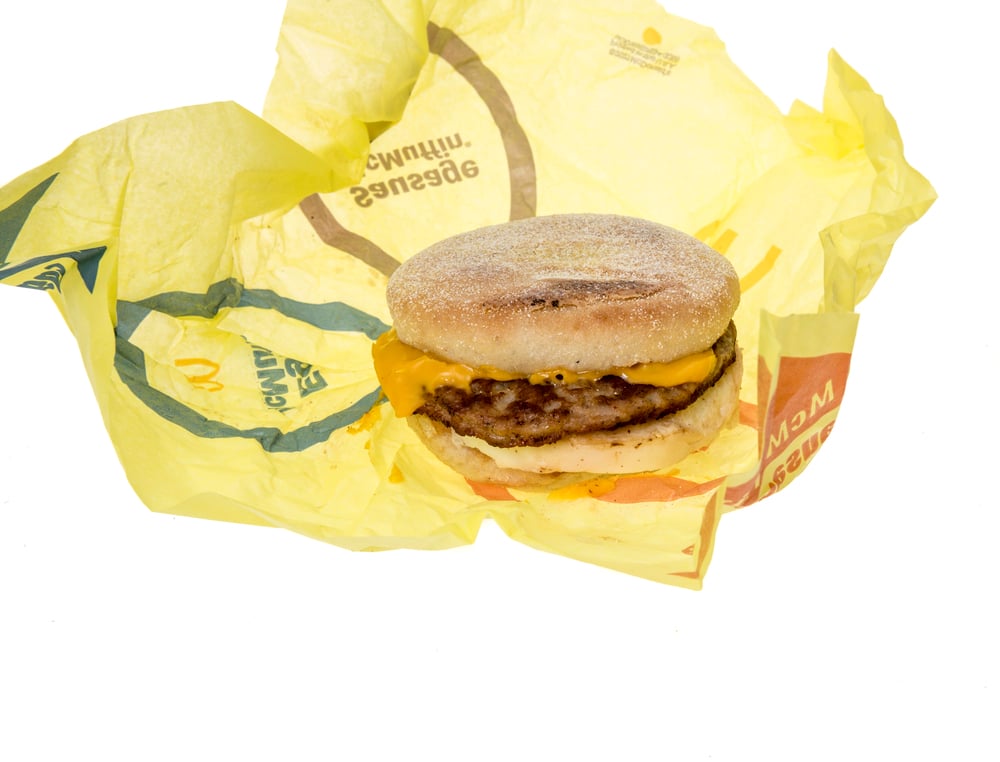
In the 1960s, McDonald’s founder Ray Kroc noticed that Catholic customers avoided meat on Fridays. He developed the Hula Burger, which featured a slice of grilled pineapple topped with cheese on a bun.
No meat. Just pineapple and cheese.
The concept was odd. At the same time, franchisee Lou Groen in Cincinnati created the Filet-O-Fish to solve the same problem.
Both items were tested. The Filet-O-Fish sold.
The Hula Burger did not. Customers found the pineapple-cheese combination unappetizing.
The Filet-O-Fish became a permanent menu item. The Hula Burger disappeared and became a footnote in McDonald’s history.
Burger King’s Halloween Whopper

In 2015, Burger King launched a black-bunned Whopper for Halloween. The A1 Halloween Whopper featured a beef patty, A1 sauce, bacon, and other toppings on a pitch-black bun.
The bun got its color from black food coloring made with squid ink. It looked striking in photos.
But customers soon reported an unusual side effect. The black dye turned people’s stool green.
Bright green. Social media exploded with complaints and jokes.
While Burger King insisted the burger was safe to eat, the green poop problem dominated the conversation. The Halloween Whopper was a limited-time item, and Burger King hasn’t tried a black bun since.
Subway’s Seafood Sensation

Subway has offered a Seafood Sensation sandwich for years, but it’s never been popular. The sandwich features imitation crab mixed with mayo and served on bread with vegetables.
The ingredients are questionable. The texture is off-putting to many customers.
And there’s the fundamental problem of ordering seafood at Subway. Most people don’t trust fast food seafood, especially not imitation crab that’s been sitting in a tray under fluorescent lights.
The sandwich remains on the menu in some locations, but it’s one of the least-ordered items. It exists more as a legacy option than a serious choice.
Wendy’s SuperBar

The SuperBar wasn’t a single item but a concept. In the late 1980s and early 1990s, Wendy’s offered an all-you-can-eat buffet featuring pasta, Mexican food, a salad bar, and desserts.
It was ambitious. It was expensive to maintain.
And it created operational nightmares. The food had to be kept hot and fresh, which required constant attention.
Customers could spend an hour at the restaurant, occupying valuable table space. The profit margins were slim.
Fast food is supposed to be fast. The SuperBar turned Wendy’s into a sit-down restaurant.
The chain discontinued it in the mid-1990s, returning to their core focus on burgers.
Arby’s Meat Mountain
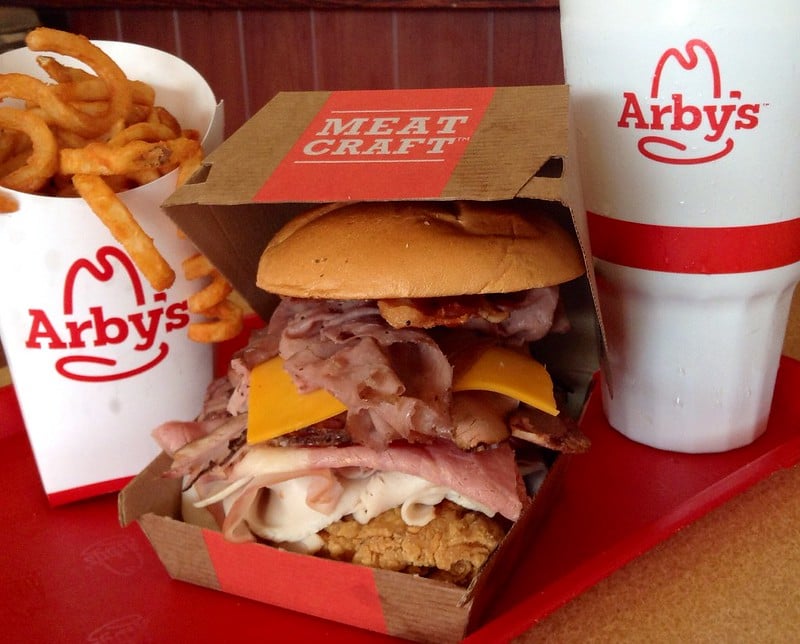
Like the Double Down, the Meat Mountain wasn’t exactly a failure, but it became more of a spectacle than a serious menu item. It started as a secret menu item that Arby’s employees knew how to make.
The sandwich contained every meat on the menu: two chicken tenders, roast turkey, ham, corned beef, brisket, Angbus steak, roast beef, bacon, and cheddar cheese. It cost around $10 and contained roughly 1,000 calories.
The internet loved it. People ordered it for the novelty and posted photos online.
But very few customers actually finished it. Arby’s officially added it to the menu for a limited time in 2014, acknowledging its cult status.
It comes back occasionally, but it’s treated as a joke item rather than a regular offering.
When Good Ideas Go Wrong

Fast food spots won’t stop trying new stuff. Yet some ideas last, turning into favorites over time.
Take the Chicken McNugget – it started off as a test. Same goes for the Breakfast Burrito, which also began as a trial.
Yet for each win, plenty of misses show up. Those busts help companies learn hard truths.
Get who buys your stuff. Figure out what your name really means.
Skip trying to please every single person around. Or perhaps – just possibly – pause before adding fish tacos to the menu.
More from Go2Tutors!

- The Romanov Crown Jewels and Their Tragic Fate
- 13 Historical Mysteries That Science Still Can’t Solve
- Famous Hoaxes That Fooled the World for Years
- 15 Child Stars with Tragic Adult Lives
- 16 Famous Jewelry Pieces in History
Like Go2Tutors’s content? Follow us on MSN.