Owners Looking Like Their Pets
Have you ever walked past someone with their dog and done a double take because they looked almost identical? It’s not just your imagination playing tricks on you.
There’s actually something real happening when people start to resemble their furry companions, and it’s become one of those things that once you notice, you can’t stop seeing everywhere.
So what’s really going on here? Let’s dig into why this happens and what makes these lookalike moments so entertaining.
The science behind the resemblance

Researchers have actually studied this phenomenon, and the results are pretty interesting. A study from Japan found that people can match dogs to their owners with surprising accuracy, especially when looking at the eye region.
The study showed that participants could correctly pair owners and pets about 80% of the time just by comparing facial features. It turns out our brains are wired to pick up on these similarities, even when they’re subtle.
People choose pets that reflect themselves

When someone walks into a shelter or visits a breeder, they’re often drawn to animals that share their own characteristics. A person with long, flowing hair might gravitate toward an Afghan Hound, while someone with a rounder face might fall in love with a bulldog.
This selection process happens subconsciously most of the time. The connection feels natural because there’s already a visual harmony before the adoption papers are even signed.
Shared lifestyles shape appearances

Owners and pets who spend tons of time together often develop similar body types and energy levels. An active runner will likely have a lean, muscular dog that matches their own build.
Meanwhile, someone who prefers cozy evenings on the couch might have a chunkier companion with the same relaxed physique. Their daily routines literally mold their physical appearances in parallel ways over the years.
Facial expressions become synchronized

Dogs are masters at reading human emotions and often mirror the expressions they see most frequently. If an owner has a permanent smile, their dog might develop that same happy, relaxed face.
Someone who furrows their brow a lot might notice their pet adopting a similar serious expression. These shared emotional states create an uncanny resemblance that goes beyond just physical features.
Grooming choices create matching looks
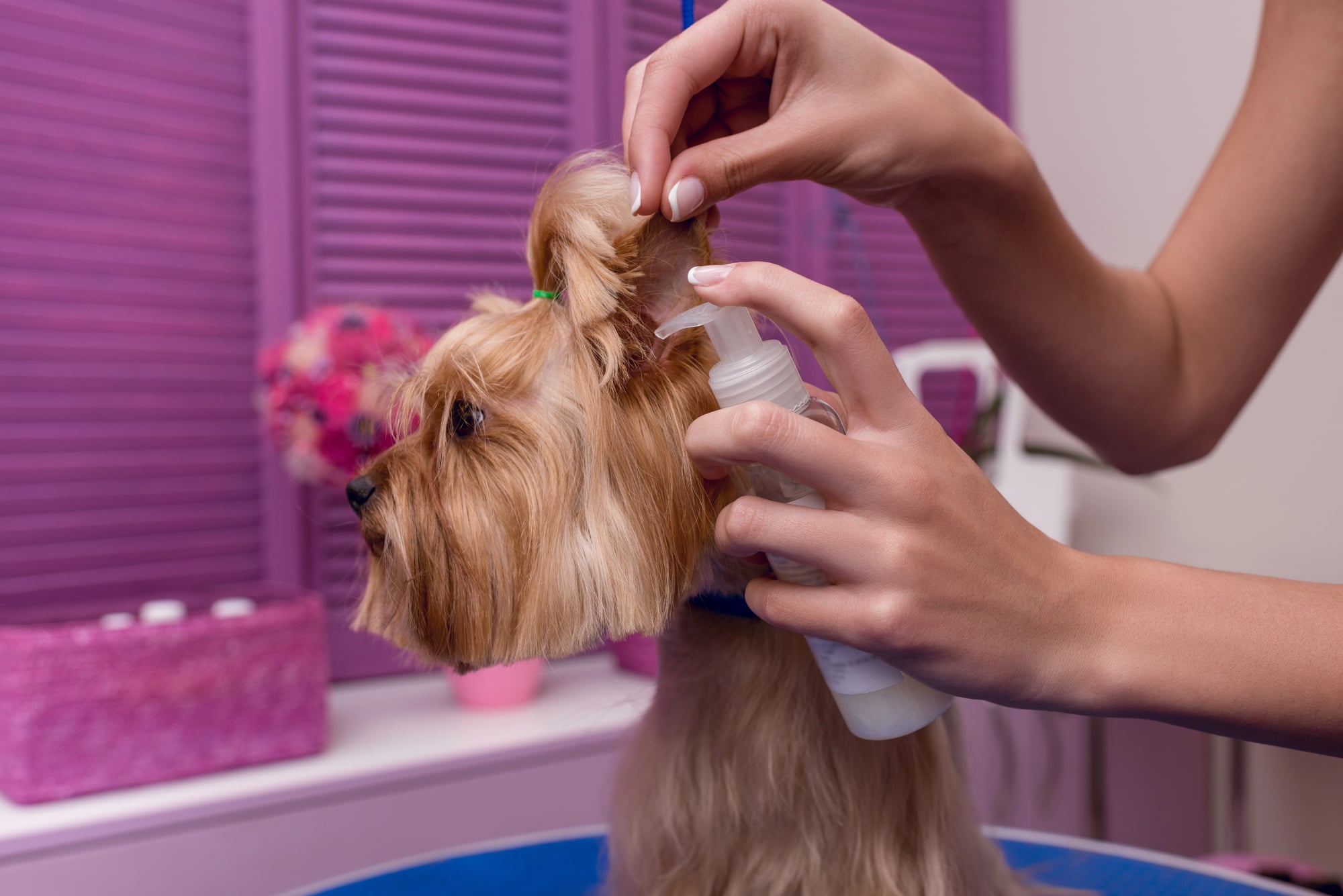
Pet owners often style their animals in ways that complement their own aesthetic. Someone with a sleek, modern haircut might keep their poodle trimmed in a similarly clean style.
A person who rocks a wild, curly mane probably won’t give their doodle a tight buzz cut. These grooming decisions enhance the similarities that were already there or create new ones from scratch.
Personality traits show up physically

Energetic, outgoing people tend to have dogs with perky ears, bright eyes, and animated features. More reserved individuals often choose pets with calmer, softer expressions and relaxed body language.
These personality matches don’t just affect behavior but actually influence which physical traits get emphasized through selective attention and care. The inner world shapes the outer appearance for both parties.
Confirmation bias makes us see more similarities
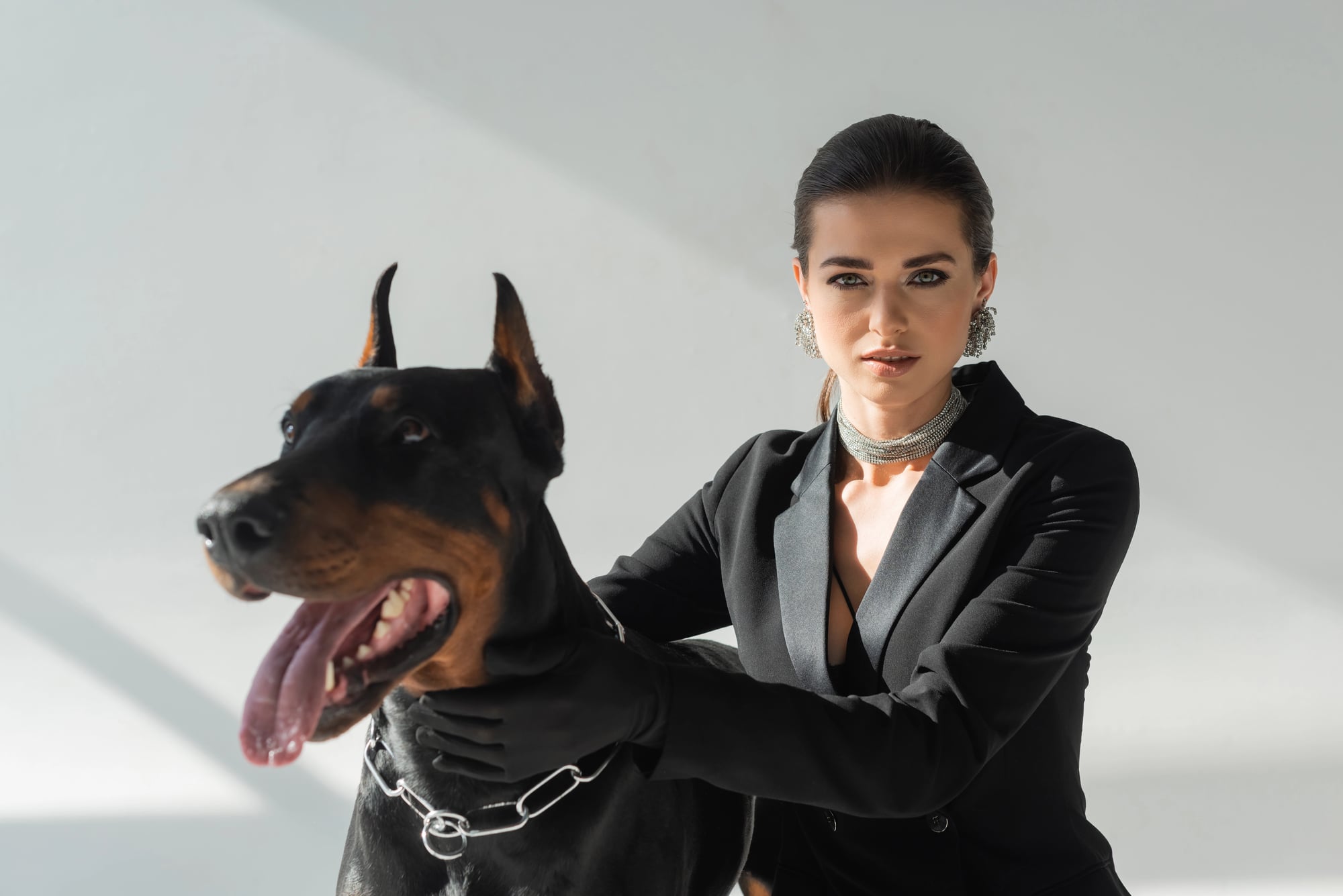
Once we notice that an owner and pet look alike, our brains start finding more evidence to support that observation. We might overlook the differences and focus only on the matching features.
This psychological quirk means we’re probably seeing connections that aren’t always as strong as we think. But that doesn’t make the phenomenon any less fun to spot in real life.
Fashion choices amplify the effect
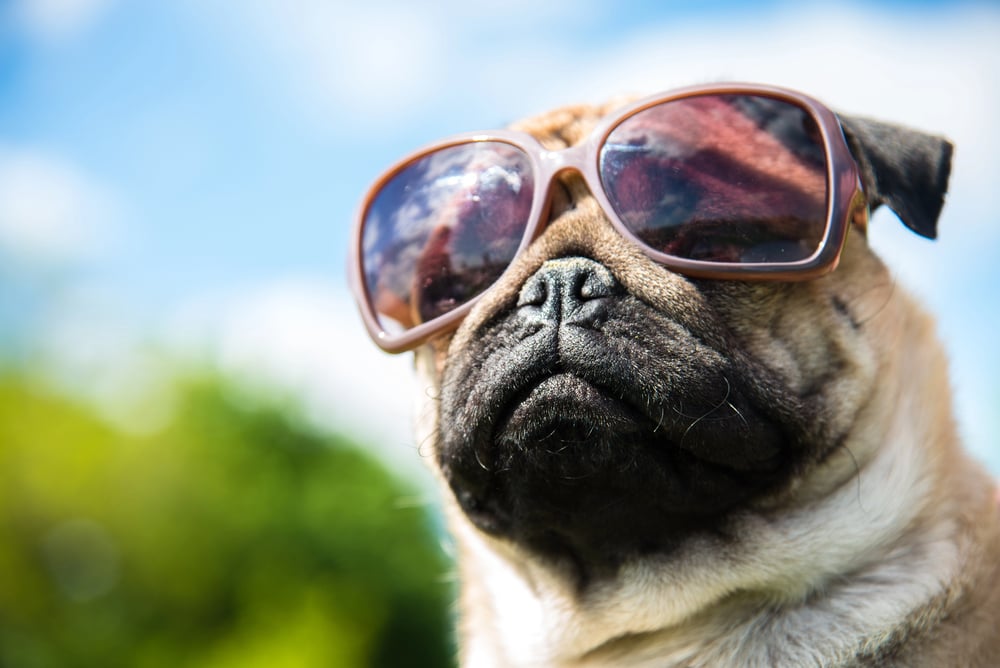
Some owners take the resemblance thing to the next level by dressing to match their pets. Coordinated outfits, matching accessories, and similar color palettes make the lookalike factor impossible to miss.
A woman in a leopard print coat with her spotted dalmatian creates an intentional mirror image. These fashion statements turn a natural resemblance into a full-blown matching set.
Breed stereotypes influence our perceptions
Certain dog breeds come with built-in assumptions about what their owners should look like. We expect a tough-looking person to have a pit bull or rottweiler, while a prim and proper type should have a perfectly groomed toy breed.
These stereotypes color how we see owner-pet pairs, even when the physical resemblance isn’t actually that strong. Our expectations fill in the gaps.
Age shows up the same way
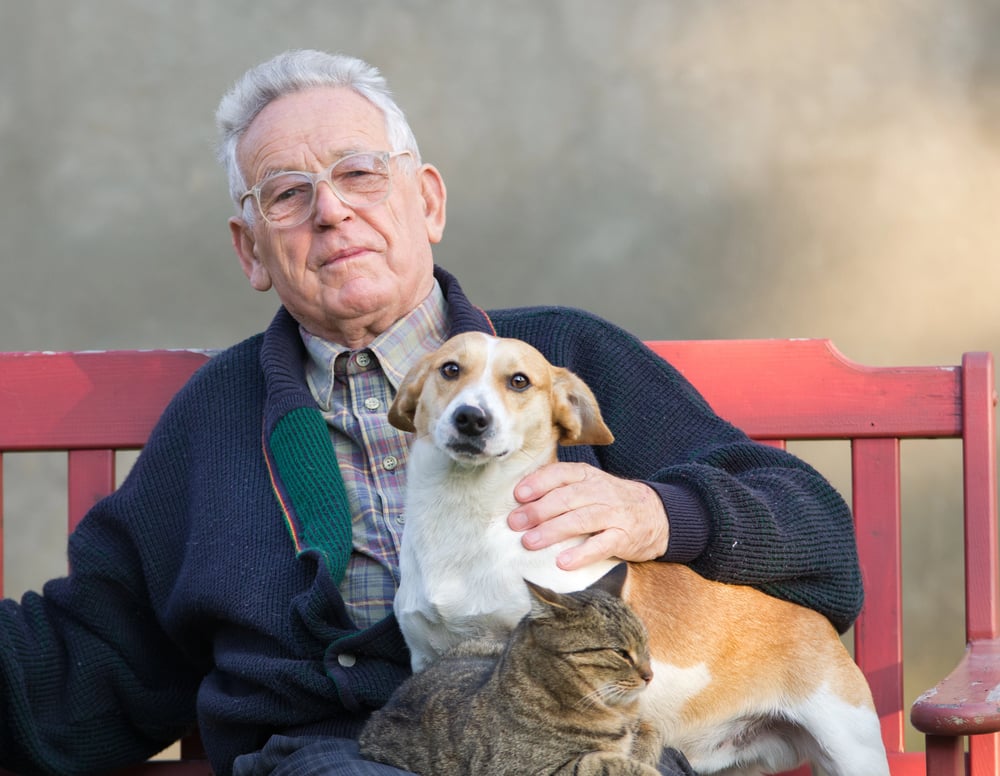
Older owners often have older pets with graying muzzles and a slower pace. Young owners with puppies share that same youthful energy and fresh-faced appearance.
The aging process creates natural parallels that make the resemblance more pronounced over time. A senior citizen with a gentle, gray-faced golden retriever presents a touching example of how age brings people and pets closer together visually.
Body language creates visual echoes

Dogs adopt the posture and movement patterns of their owners without anyone teaching them. A confident person who walks tall will have a dog that struts with the same proud bearing.
Someone who moves cautiously and keeps their head down might have a pet that displays similar hesitant body language. These behavioral similarities translate into a visual resemblance that’s about more than just faces.
Regional and cultural factors play a role
Different parts of the country favor different breeds, which means local trends create regional lookalike patterns. Rural areas might see more owners with working dogs who share their rugged, outdoorsy appearance.
Urban neighborhoods could have more small, stylish breeds paired with fashion-forward owners. These cultural preferences reinforce the matching phenomenon on a community-wide scale.
Social media has fueled the trend
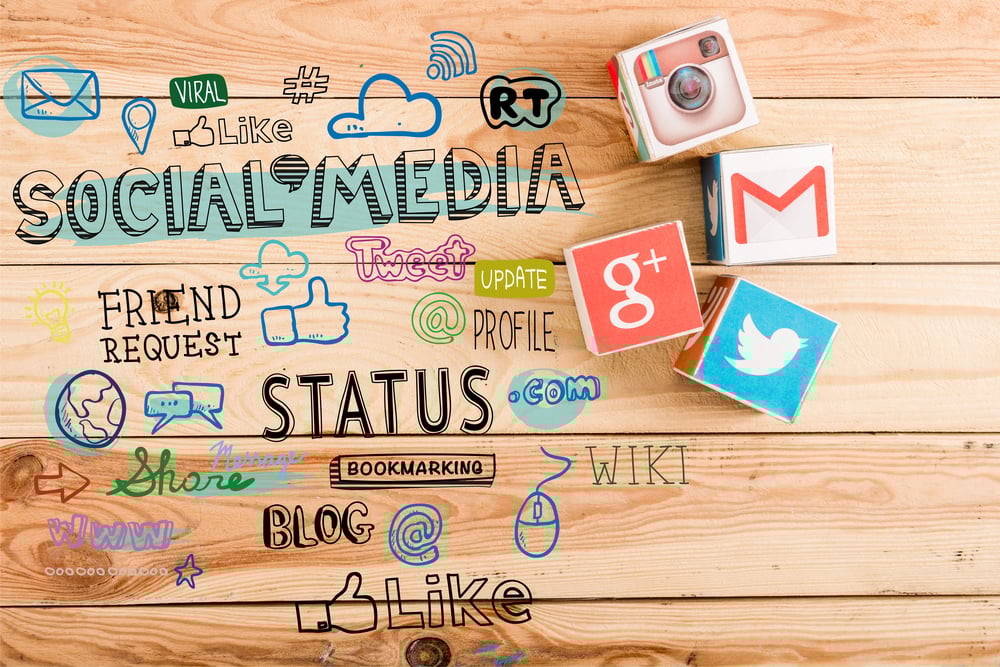
Instagram and TikTok are packed with accounts dedicated to owners who look like their pets. This online attention has made people more aware of the phenomenon and sometimes more deliberate about choosing pets that match them.
Some folks actively seek out animals that will create that perfect lookalike photo opportunity. The internet has turned a natural occurrence into a celebrated aesthetic choice.
Emotional bonds deepen the resemblance

Long-term companionship creates subtle shifts in both human and animal appearance. Couples who’ve been together for decades sometimes start to look alike, and the same thing happens with pets.
Shared experiences, mutual understanding, and years of close contact somehow manifest in physical similarities. The bond becomes visible in ways that go beyond simple coincidence.
Professional photo shoots capture the magic

Pet photographers have built entire businesses around capturing these lookalike moments. They know how to pose owners and animals to highlight their similarities and create striking visual comparisons.
The lighting, angles, and styling choices in these photos often exaggerate the resemblance. But the raw material for these artistic interpretations was already there waiting to be showcased.
The psychology of attachment explains a lot
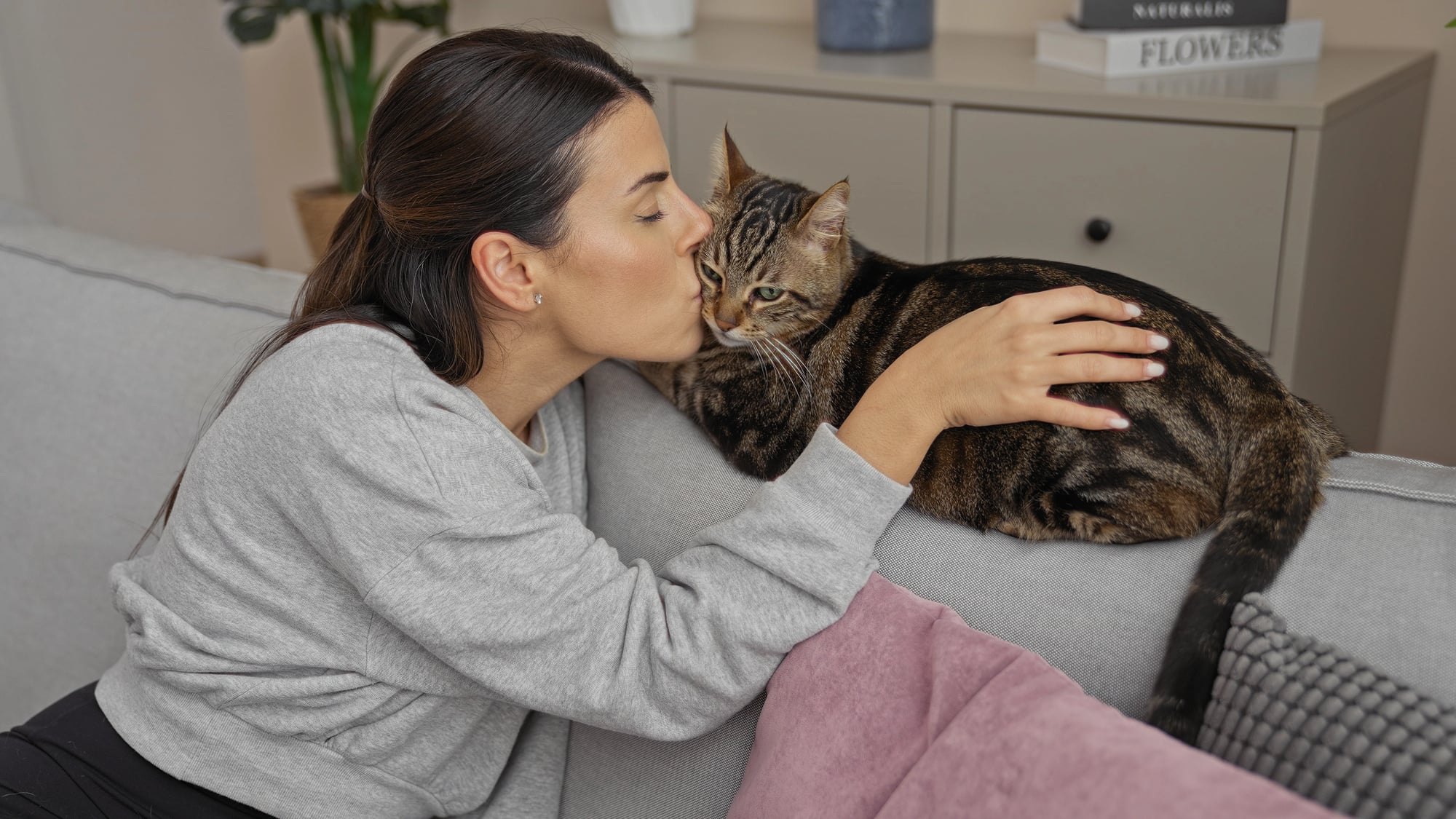
Humans naturally seek connection and familiarity, which influences pet selection from the start. Choosing an animal that resembles us creates an instant feeling of kinship and belonging.
This psychological need for similarity extends beyond just appearance and into every aspect of the owner-pet relationship. The lookalike phenomenon is really just one visible expression of a much deeper emotional drive.
Opposites pull close when they click differently

Strange how some small humans walk big dogs without a hint of effort. That bulky man cradling a dog the size of a lunchbox catches eyes each time.
Opposites stick in memory more than matches ever do. One might seek a creature that behaves nothing like them at all.
Looks have little to say about who bonds with whom. A quiet soul may prefer noise where they lack it.
Size hardly matters when habits align behind closed doors.
The resemblance keeps evolving

Living side by side, year after year, slowly pulls the owner and animal into mirror images. A small echo at first – maybe in posture or expression – grows sharper with time.
Daily routines blend, glances match, moods sync without effort. Little by little, faces begin to wear similar lines, eyes carry alike shadows.
So smooth is the shift that only an outsider sees it clearly. Familiarity etches itself where no one expects.
Why we still love spotting the matches

Something clicks when you spot a pet and owner looking alike during an ordinary day. That little recognition feeds the idea that humans and animals link up in ways deeper than just sharing space.
Patterns pull us in – spotting one feels like finding a tiny surprise hidden in plain sight. Joy sparks even if the resemblance isn’t exactly factual.
Visible echoes between them suggest emotional ties run strong. These shared glances, mirrored grins, odd parallels – they surface where least expected.
Connection wears many faces, sometimes shaped like laughter lines or fur color.
More from Go2Tutors!

- The Romanov Crown Jewels and Their Tragic Fate
- 13 Historical Mysteries That Science Still Can’t Solve
- Famous Hoaxes That Fooled the World for Years
- 15 Child Stars with Tragic Adult Lives
- 16 Famous Jewelry Pieces in History
Like Go2Tutors’s content? Follow us on MSN.



