Female Artists History Nearly Erased Completely
There’s something quietly devastating about walking through a major museum and counting the women. Not the women painted, posed, mythologized, or undressed on the canvases — but the women who made the work.
The ratio tells you everything you need to know about how history was kept. For centuries, female artists existed in abundance: they studied, they painted, they sculpted, they pushed the boundaries of what art was supposed to do and who it was supposed to speak for.
And then, almost systematically, they were forgotten. Not because the work wasn’t there.
Because the record-keepers decided it wasn’t worth keeping. What follows is a look at the women whose names were nearly swallowed whole — and what it actually cost the art world to lose them, even temporarily.
Artemisia Gentileschi
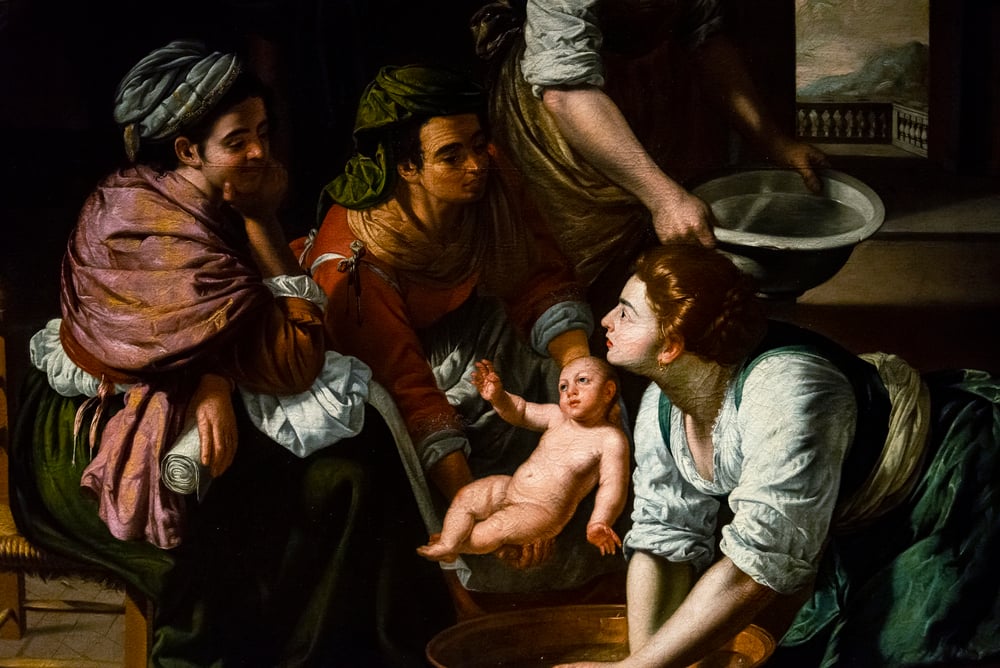
She painted violence the way only someone who had survived it could. Artemisia Gentileschi, a 17th-century Italian Baroque painter, produced some of the most arresting compositions of her era — and was almost entirely erased from art history for roughly three centuries.
Her work was regularly misattributed to her father, Orazio, as if the idea of a woman painting with that much force was simply too inconvenient to accept.
Sofonisba Anguissola
Sofonisba Anguissola was celebrated during her lifetime — praised by Michelangelo, appointed as a lady-in-waiting to the Queen of Spain, admired across Europe — and still managed to vanish almost completely from the official canon. Her portraits were later attributed to male painters, including Alonso Sánchez Coello, because scholars simply assumed women of the 16th century weren’t capable of that level of technical sophistication.
Turns out they were.
Élisabeth Vigée Le Brun
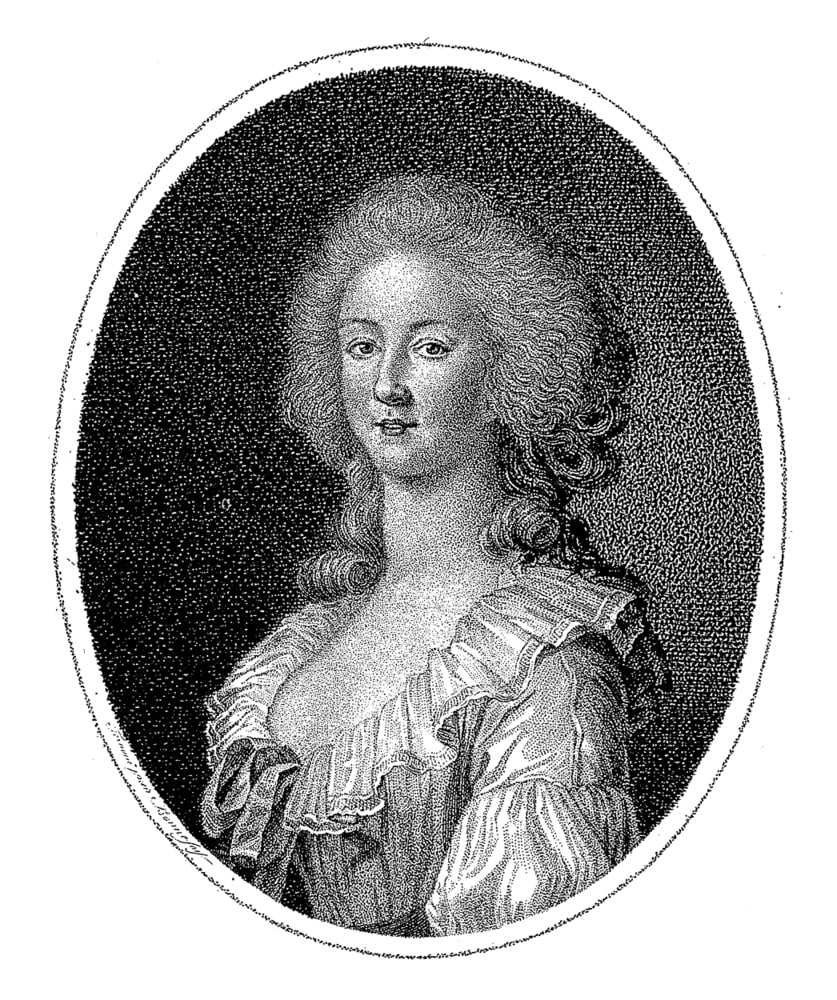
The art world treated Élisabeth Vigée Le Brun’s legacy the way a rising tide treats a sandcastle — patient, indifferent, and eventually thorough. She was one of the most sought-after portraitists in 18th-century Europe, a member of the Académie Royale de Peinture et Sculpture (one of only four women ever admitted), and the preferred painter of Marie Antoinette.
And yet for long stretches of art historical writing, she was a footnote — or absent entirely.
Hilma Klint
Hilma Klint almost certainly invented abstract art before Kandinsky did. Her large-scale abstract paintings, completed between 1906 and 1915, predate the works routinely credited as the first abstract compositions in Western art history.
She stipulated that her paintings not be shown until at least 20 years after her death, which gave history plenty of time to hand the credit elsewhere — and history, to be fair, took full advantage of that window.
Clara Peeters

Clara Peeters was producing still life paintings of extraordinary technical precision in the early 1600s, at a moment when the genre was just finding its footing in the Netherlands. She embedded tiny self-portraits into the reflections on painted metal objects — a technique so quietly clever it reads almost like she knew someone might eventually need proof she existed.
The art world largely ignored her for centuries anyway.
Properzia de’ Rossi

Properzia de’ Rossi was the first documented professional female sculptor in European history, and the silence around her name is almost sculptural in its own right — shaped by centuries of deliberate omission. She worked in Bologna in the early 16th century, carved intricately detailed reliefs, and was commissioned to produce work for the Basilica of San Petronio.
Giorgio Vasari mentioned her in his famous “Lives of the Artists” — one of the few records that kept her from disappearing entirely, which is a low bar and still worth noting.
Anne Vallayer-Coster
Anne Vallayer-Coster was admitted to the French Académie Royale at just 26, collected by Marie Antoinette, and considered one of the finest still life painters of the 18th century by those who encountered her work. What followed her peak recognition was a long, grinding slide into obscurity — the kind that doesn’t happen suddenly but accumulates across generations of historians who found other names more convenient.
She’s been recovering ground slowly, and the pace is frustrating.
Marietta Robusti
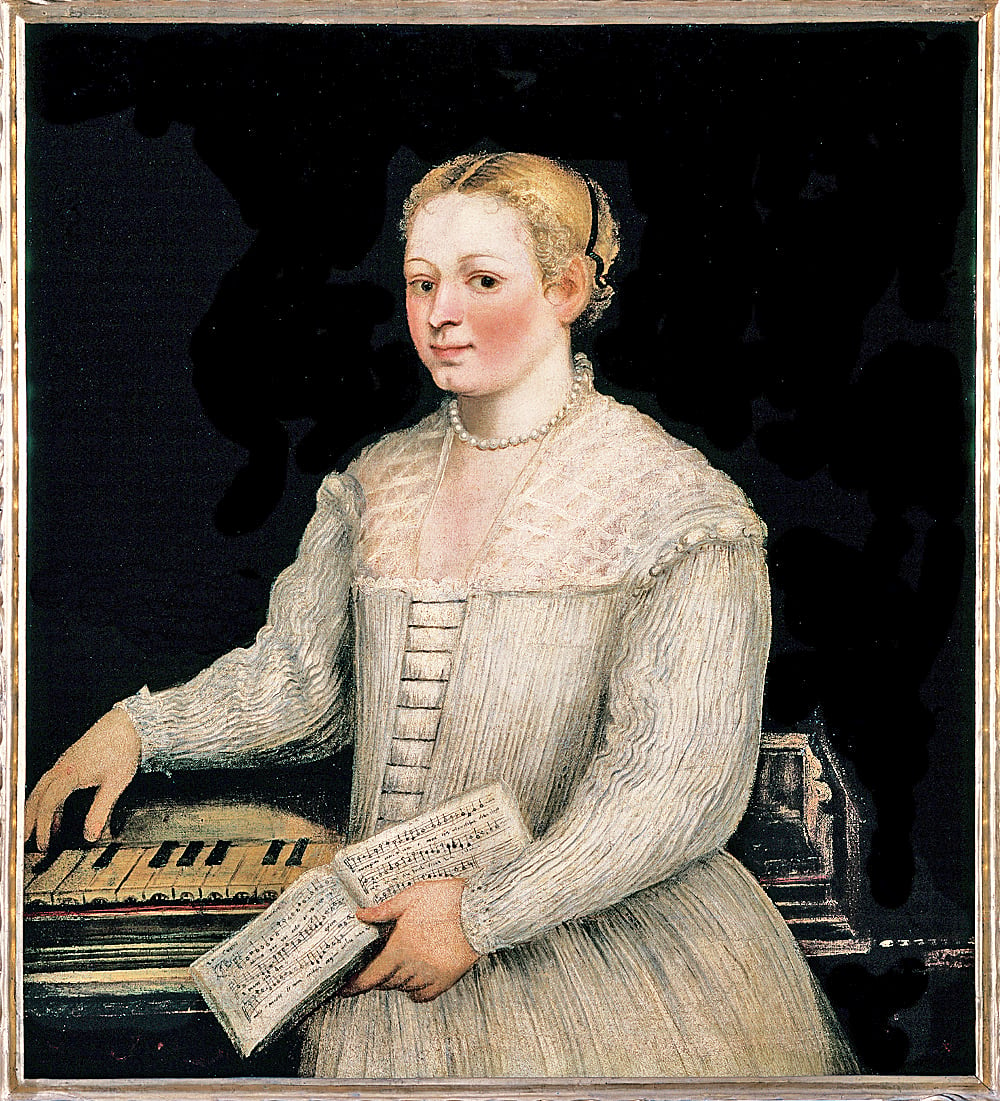
Marietta Robusti, daughter of Tintoretto and known as “La Tintoretta,” was by multiple accounts as gifted as her father. She was offered positions at the courts of Maximilian II and Philip II of Spain — offers her father refused on her behalf, keeping her working in his Venice studio instead.
She died young, in her early thirties, and was absorbed so completely into her father’s legacy that separating her contributions from his remains genuinely difficult today.
Judith Leyster
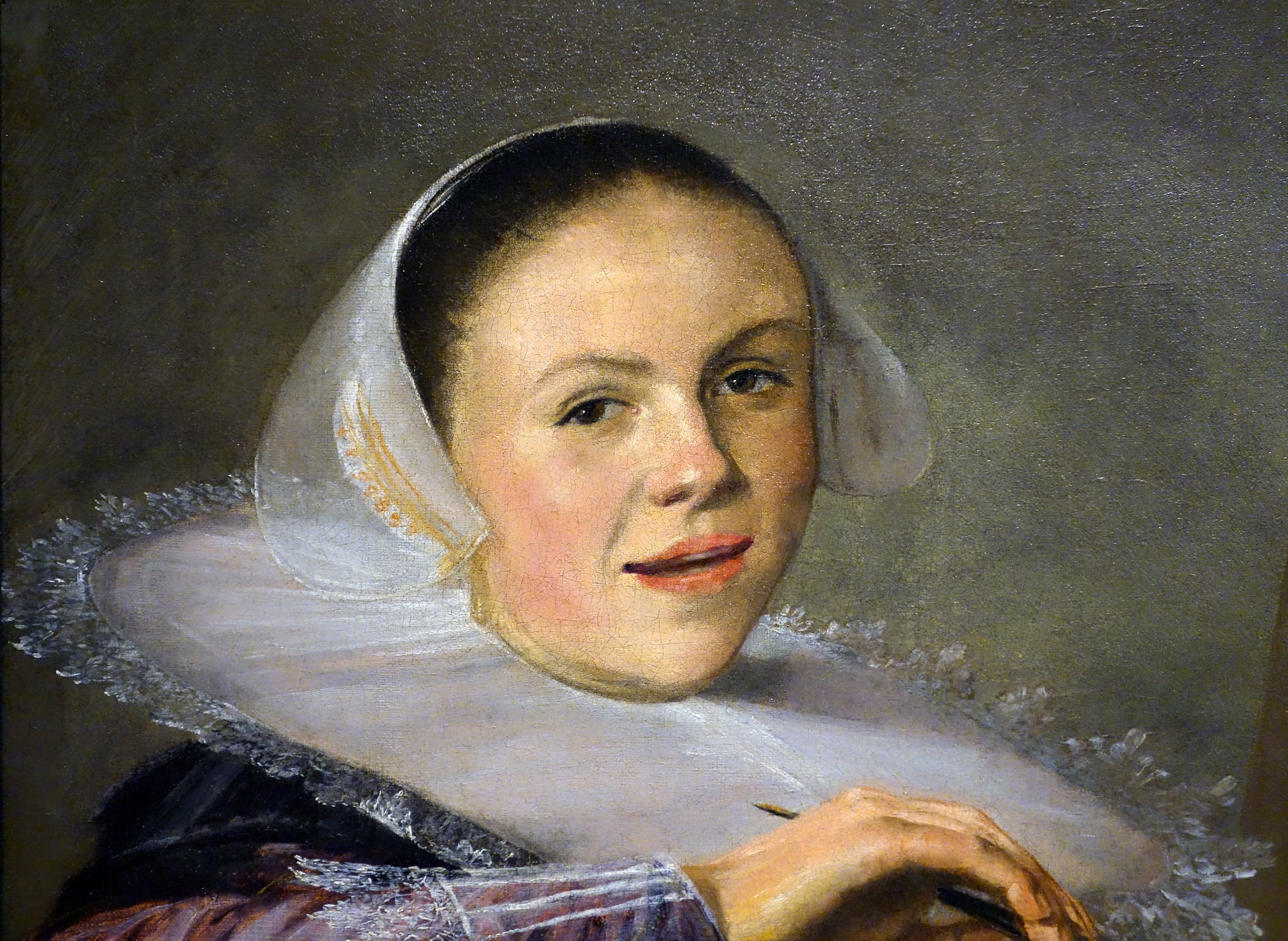
Judith Leyster’s paintings were so thoroughly absorbed into Frans Hals’s catalog that when the Louvre purchased what it believed to be a Hals in 1893, it took a monogram — her own monogram, hidden in plain sight — to begin unraveling the misattribution. She was a guild-certified master painter in 17th-century Haarlem, she ran her own workshop, and she trained her own students.
And for roughly two and a half centuries, her work sat on museum walls under another man’s name.
Rachel Ruysch
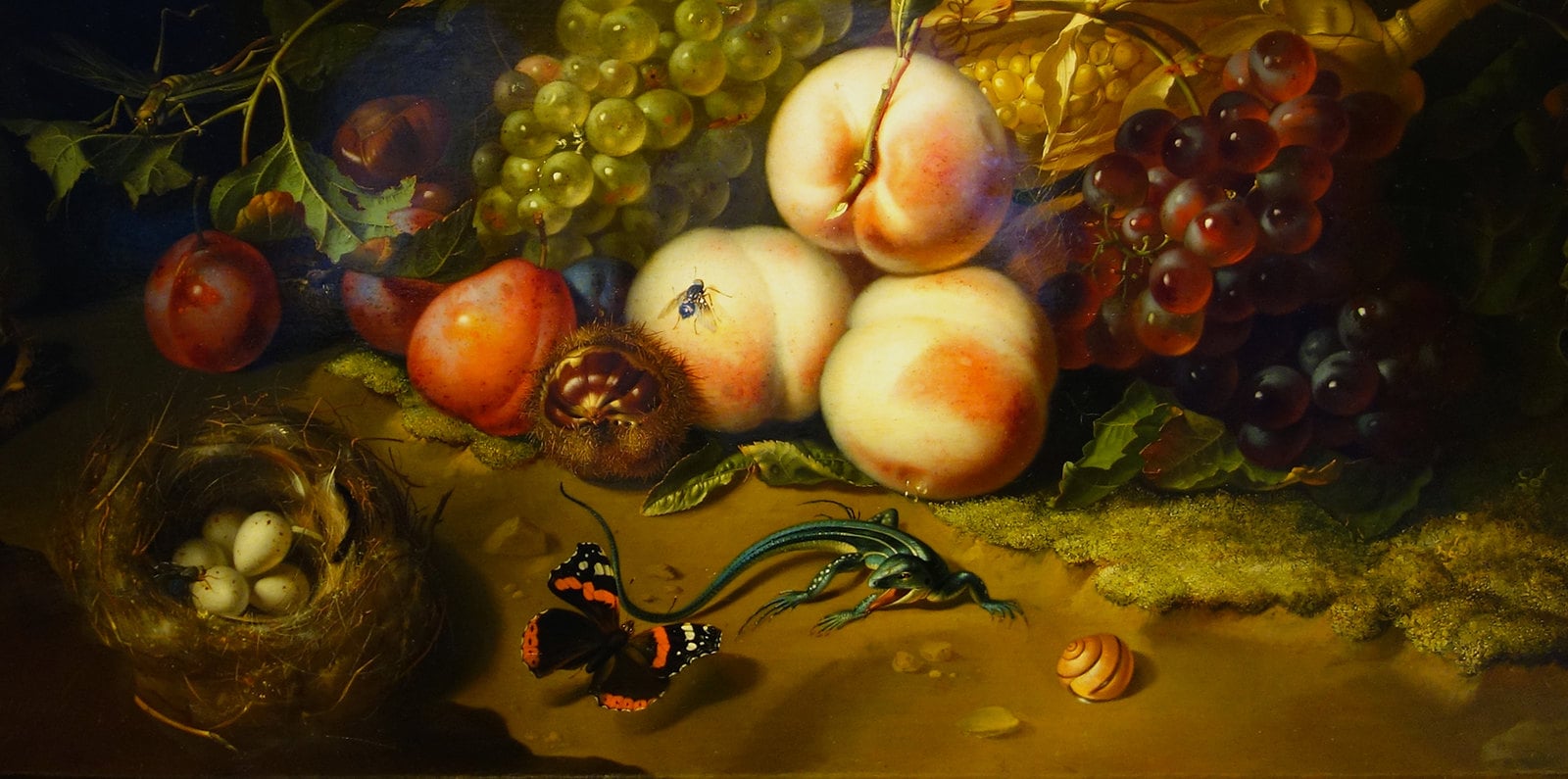
Rachel Ruysch held the position of court painter to the Elector Palatine for over a decade, lived to 86, and produced flower paintings of such meticulous botanical complexity that they still impress researchers today. She worked during a period — the Dutch Golden Age — that is now considered one of the great eras of Western painting, and she was undeniably part of it.
Art history took its time acknowledging that.
Louise Moillon
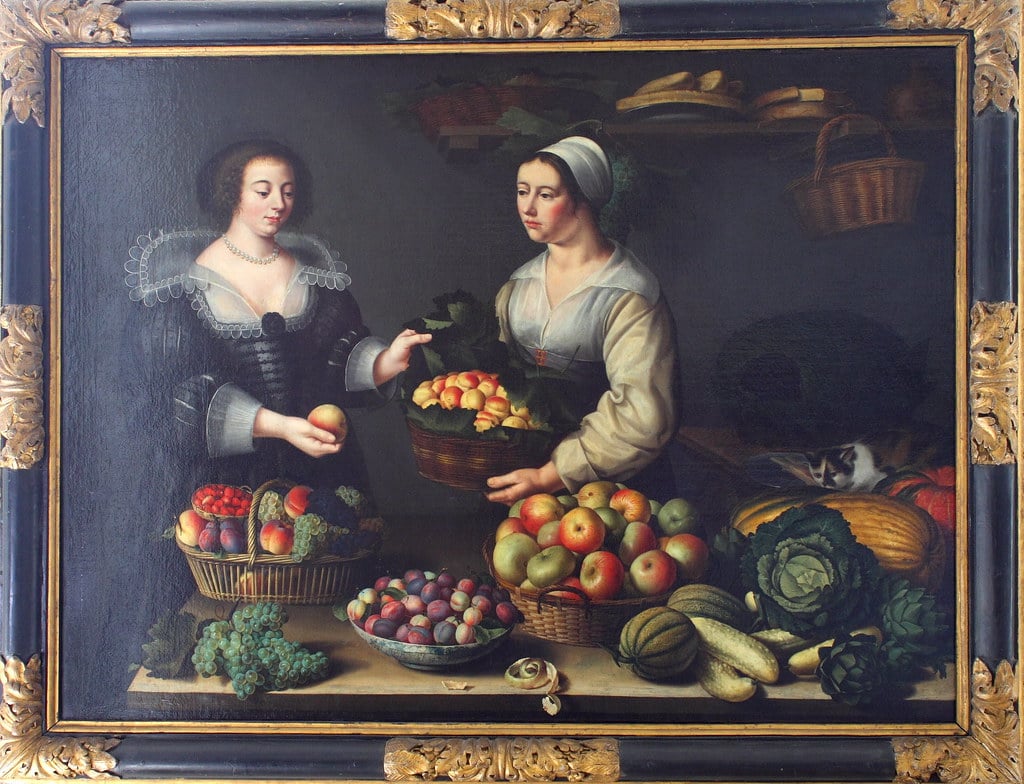
Louise Moillon was arguably one of the finest still life painters of 17th-century France, full stop. Her compositions have a stillness to them that isn’t passive — it’s deliberate, controlled, almost architectural in the way objects are arranged to lead the eye.
She was largely sidelined in art historical texts for generations, her work overshadowed by male contemporaries whose technical output, examined honestly, doesn’t consistently outperform hers.
Marie-Anne Collot

Marie-Anne Collot did something that almost no one in her position managed: she built a significant sculptural career in 18th-century Europe, collaborated closely with Étienne Maurice Falconet on the famous Bronze Horseman in St. Petersburg, and was credited at the time — then steadily uncredited over the following centuries. The face of Peter the Great on that monument?
Multiple historical sources attribute it to her. Art history spent a long time not mentioning that.
Fede Galizia
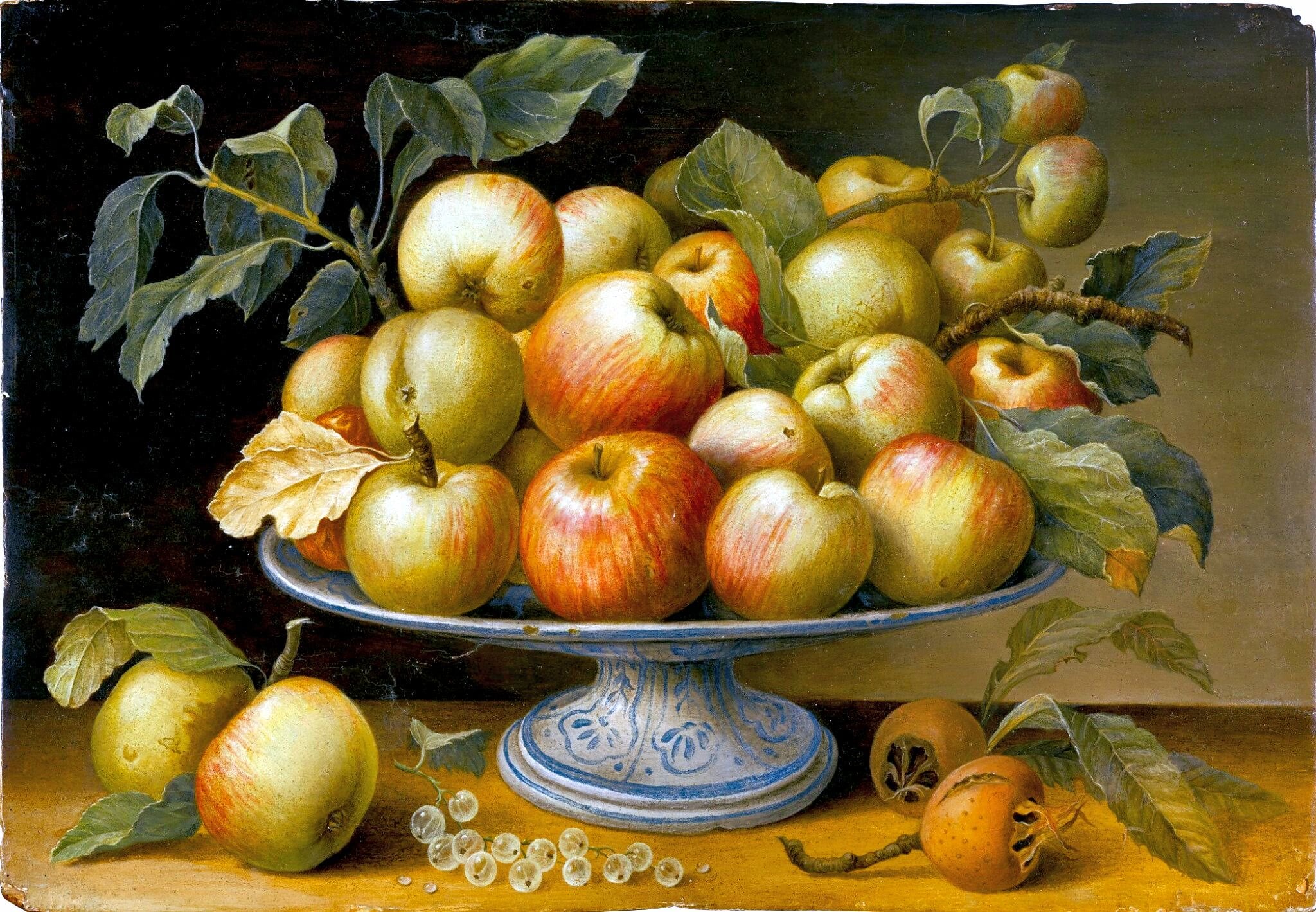
Fede Galizia was painting still lifes with such technical mastery by her early twenties that contemporaries were already treating her as an established authority. She worked in Milan in the late 16th and early 17th centuries, and her compositions have a grounded, almost gravity-defying precision — fruit that looks like it has weight, glass that bends light correctly.
She was not obscure in her own time. The obscurity came later, assembled carefully by centuries of selective memory.
Barbara Longhi
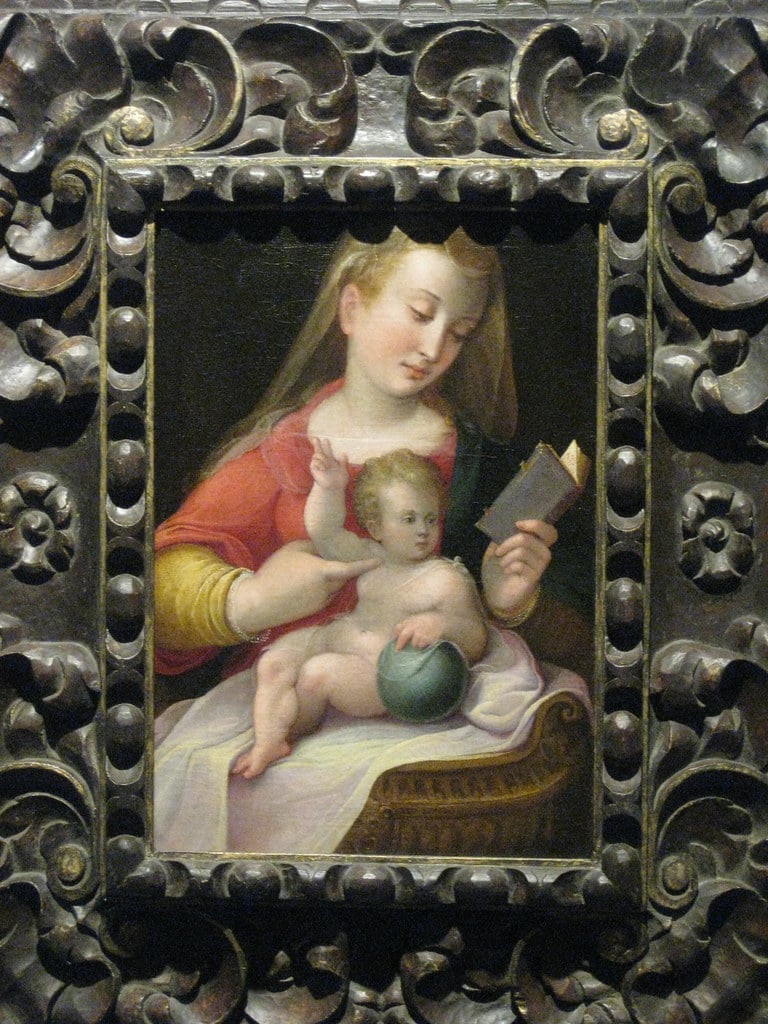
Barbara Longhi painted small-format devotional works of quiet intensity in 16th-century Italy, and was respected enough during her lifetime to be mentioned by name in contemporary accounts. But small-format and devotional are two characteristics that art history has historically treated as minor — coded language, more often than not, for work made by women.
Her paintings carry a stillness that could generously be called meditative and accurately be called underestimated.
Levina Teerlinc
Levina Teerlinc was a Flemish miniaturist who served four successive English monarchs — Henry VIII, Edward VI, Mary I, and Elizabeth I — and was paid more than Hans Holbein the Younger for at least part of her tenure at court. And yet Holbein’s name became synonymous with Tudor portraiture while hers faded almost entirely.
The record-keeping of the Tudor court preserved her salary; the art historical canon preserved almost nothing else.
The Weight of What Was Lost
What gets lost when an artist’s name disappears isn’t just credit — it’s context, lineage, and proof that certain ideas were possible earlier than history admits. When Hilma Klint’s abstractions get folded into a footnote, or Judith Leyster’s guild work gets filed under Hals, the story of art itself gets quietly rewritten.
And the rewritten version, told long enough, starts to feel like the only version that ever existed. These women didn’t disappear because their work was weak.
They disappeared because the infrastructure around their work — the collectors, the critics, the cataloguers — was mostly indifferent to preserving it. So the work survived, in many cases.
The names just had to fight their way back.
More from Go2Tutors!

- The Romanov Crown Jewels and Their Tragic Fate
- 13 Historical Mysteries That Science Still Can’t Solve
- Famous Hoaxes That Fooled the World for Years
- 15 Child Stars with Tragic Adult Lives
- 16 Famous Jewelry Pieces in History
Like Go2Tutors’s content? Follow us on MSN.



