Most Iconic Sears Catalog Items Of the 90s
The Sears catalog wasn’t just a shopping guide in the 1990s — it was a window into American desire itself. Thick as a phone book and twice as anticipated, it landed on kitchen tables across the country with the weight of possibility.
Kids flipped straight to the toy section while parents lingered over appliances and clothing, everyone mentally furnishing their lives with what could be theirs for just a few payments of $19.99. Those catalogs captured something specific about the decade: the sweet spot between accessibility and aspiration, where quality still mattered but everything felt within reach.
Some items became so embedded in the cultural fabric that they defined not just what people bought, but how they lived.
Craftsman Tools
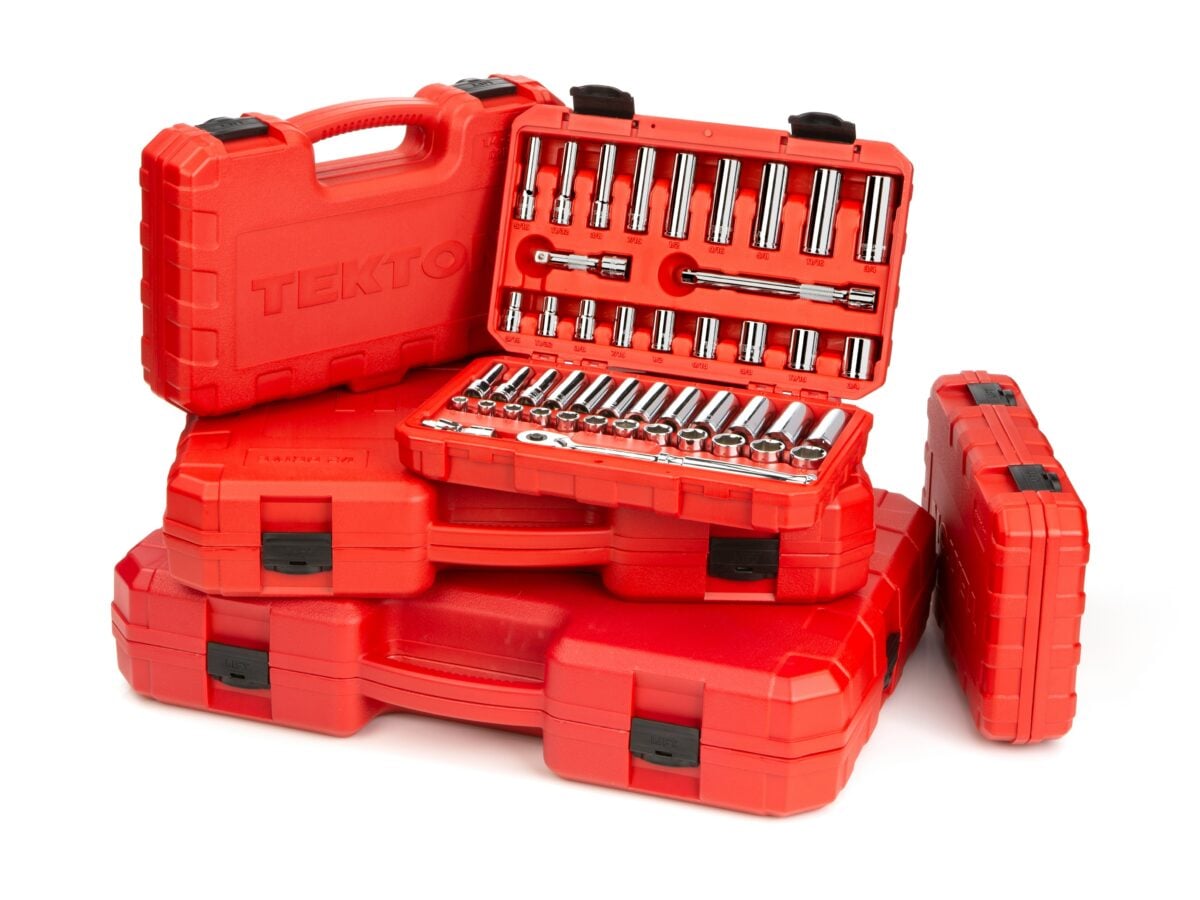
Craftsman tools owned the 90s garage. The lifetime warranty meant something back then — break a wrench, get a new one, no questions asked.
Every dad had that red toolbox. Most still do.
Kenmore Appliances
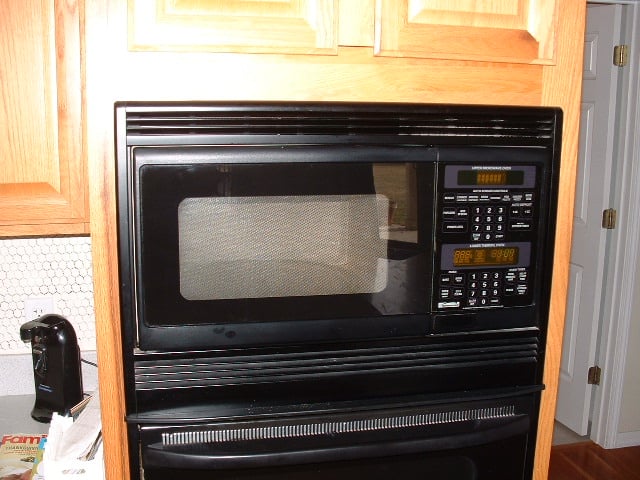
The relationship between Sears and American kitchens ran deeper than most marriages, and Kenmore appliances were the proof (white, almond, and that unfortunate bisque color that everyone somehow agreed to live with for a decade). These weren’t just appliances — they were the reliable workhorses that hummed quietly in the background of family life, dependable in the way that only things built to last twenty years could be.
The dishwashers actually cleaned dishes, the refrigerators kept running through power outages, and the washing machines could handle a week’s worth of laundry from a family of five without complaint. So when your neighbor mentioned their Kenmore was still going strong after fifteen years, nobody was surprised.
And yet, for all their reliability, they managed to feel aspirational rather than merely practical — probably because they represented the kind of domestic stability that felt both attainable and worthwhile in an era when homes still felt like permanent investments rather than temporary stops.
Nintendo Entertainment System
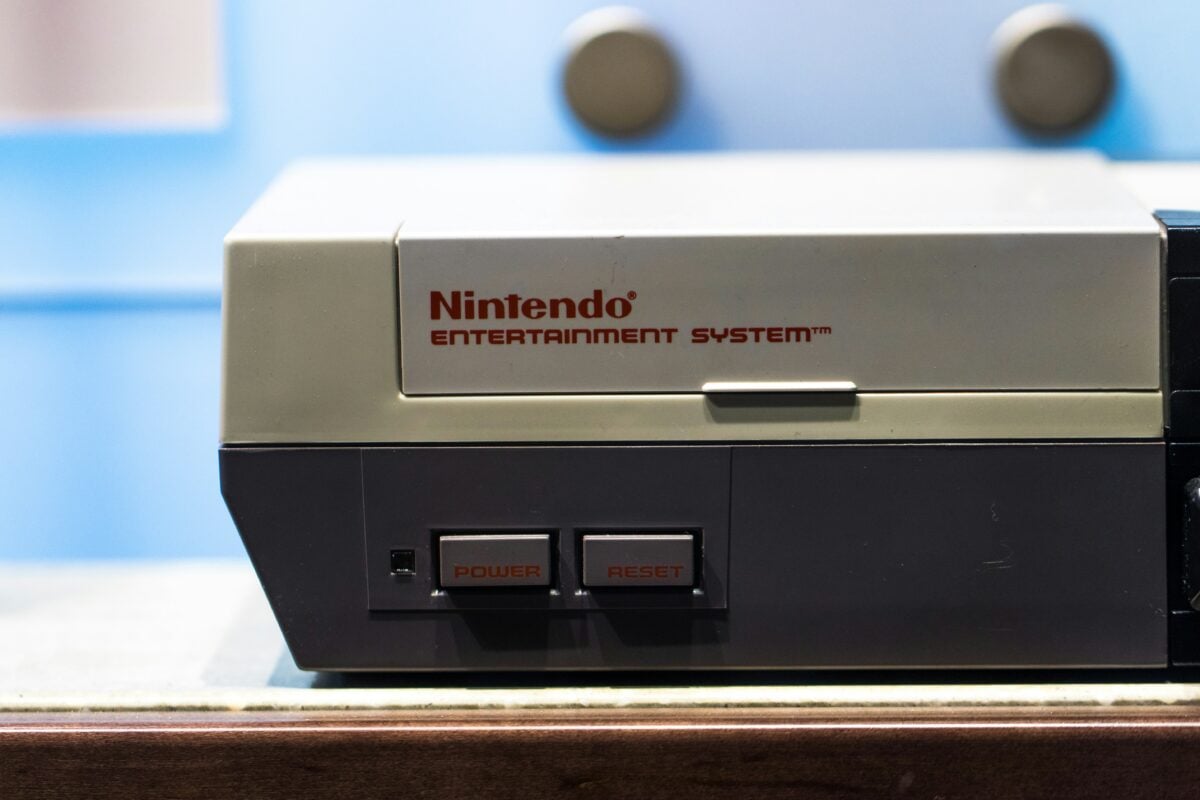
The NES didn’t just sell through Sears — it conquered childhood through those glossy catalog pages. Seeing Super Mario Bros. laid out next to the price and product description made it feel legitimate, adult-sanctioned fun. Kids studied those pages like scripture.
Parents reluctantly admitted it beat watching TV all day.
Air Jordans

Basketball shoes transformed into cultural currency somewhere in the early 90s, and Sears caught the wave just as it was cresting — though catching it and riding it properly turned out to be different skills entirely. The catalog pages featuring Air Jordans carried a strange tension: here was this symbol of athletic excellence and street credibility, photographed with the same clinical lighting used for vacuum cleaners and presented alongside sensible walking shoes for retirees.
The disconnect was palpable, like watching a rock star perform at a library fundraiser, but somehow that made the shoes feel even more desirable. Parents could flip past them quickly, muttering about the price, while kids lingered over every angle, memorizing the colorways and imagining the transformation that would occur the moment those shoes hit their feet.
But the real magic happened in the ordering process: three weeks of waiting, checking the mailbox daily, building anticipation until the shoes arrived and either lived up to the mythology or revealed themselves to be just expensive leather and rubber.
DieHard Car Batteries

DieHard batteries earned their reputation during the kinds of winter mornings that separated reliable products from expensive disappointments. The name wasn’t marketing — it was a promise that got tested every January.
Nothing quite like a battery that starts on the first try when it’s twelve below zero. That’s worth remembering.
Easy Spirit Shoes
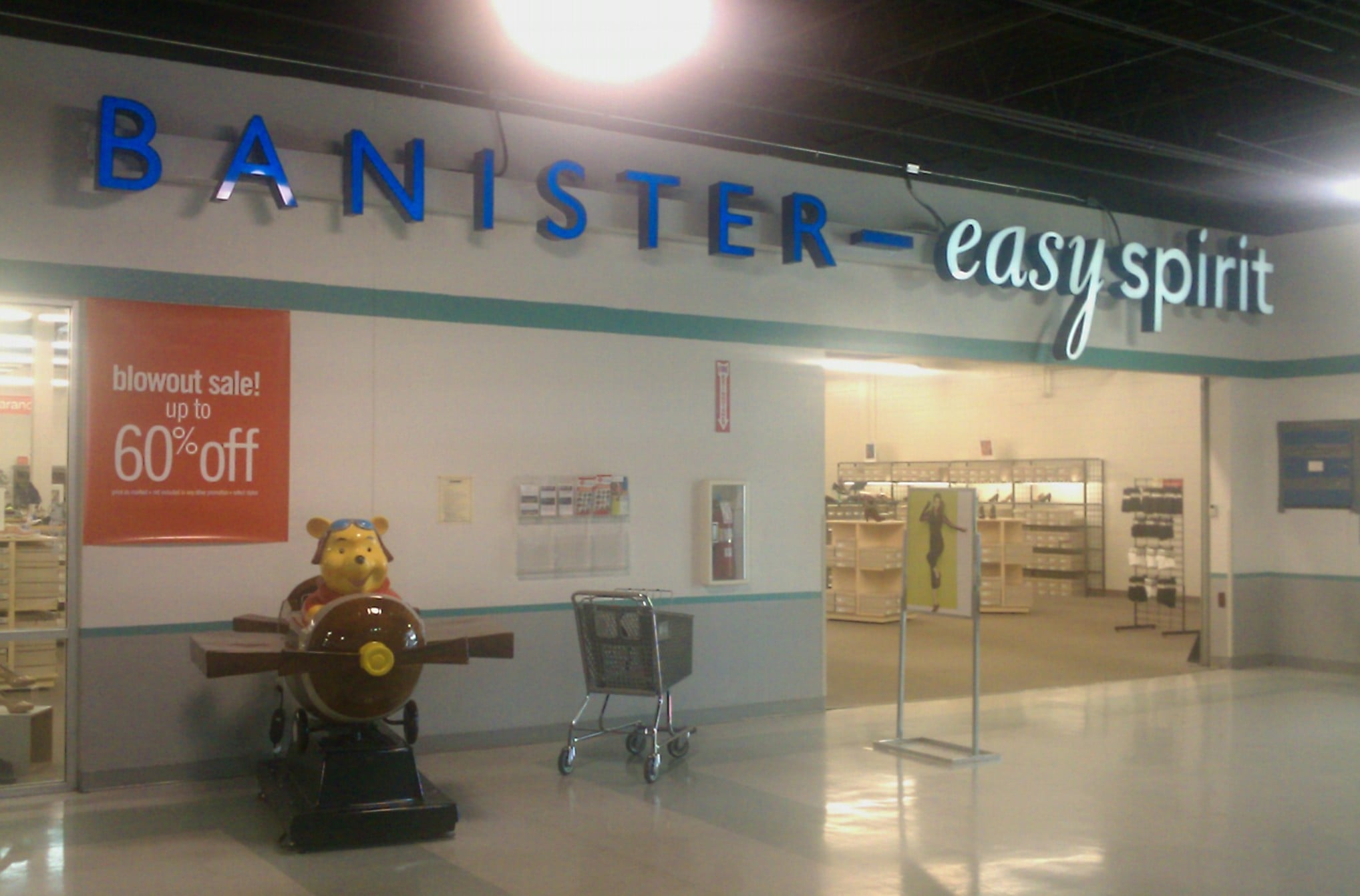
Comfort shoes that didn’t announce themselves as comfort shoes occupied a specific corner of 90s footwear, and Easy Spirit managed to thread that needle with the precision of someone who understood exactly what working women needed (shoes that wouldn’t punish them for being on their feet all day, but wouldn’t broadcast their practicality to everyone in the office). The catalog presented them as the solution to a problem most women had but few talked about: the daily choice between looking professional and feeling human.
These weren’t the kind of shoes that stopped traffic or earned compliments — they were the shoes that let you forget about your feet entirely, which turned out to be its own kind of luxury. The real genius was in the positioning: sensible without being dowdy, comfortable without looking medical, professional without being boring.
They understood that sometimes the best thing a product can do is disappear entirely, letting you focus on everything else.
Workout Equipment

Home fitness equipment promised transformation through convenience, but mostly delivered expensive clothing racks. The 90s catalog sections dedicated to exercise bikes, treadmills, and weight sets represented pure American optimism in printed form.
January orders spiked every year. March storage began shortly after.
The intentions were always genuine — that counts for something.
Tool Storage Systems
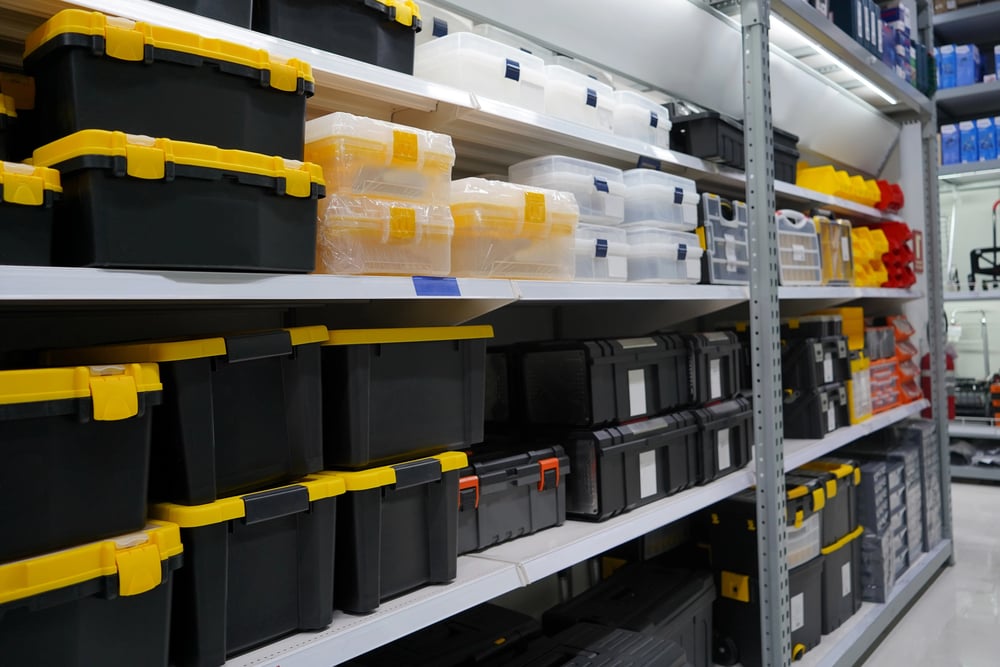
The evolution from scattered tools in kitchen drawers to organized pegboard systems marked a specific type of domestic maturity, and Sears catalogs documented this transition with the thoroughness of anthropologists studying suburban migration patterns (complete with detailed diagrams showing exactly where each wrench belonged, as if proper tool organization were a skill that could be learned rather than an inclination you either possessed or spent decades pretending to develop). The storage solutions promised efficiency and professional-grade organization, but what they really sold was the fantasy of competence — the idea that the right system could transform anyone into the kind of person who always knew where to find a Phillips head screwdriver.
And perhaps that wasn’t entirely wrong: there’s something to be said for the confidence that comes from opening a drawer and finding exactly what you need, arranged exactly where you left it. But the real test wasn’t in the purchasing or even the initial setup — it was in the daily discipline of returning each tool to its designated spot, which separated the genuinely organized from those who just bought the infrastructure for organization.
Children’s Bicycles

Schwinn bicycles represented childhood freedom in its purest form. The catalog photos never quite captured the feeling of that first solo ride, but they tried — kids grinning broadly, hair streaming behind them, everything suggesting motion even in a still image.
Parents saw transportation and exercise. Kids saw adventure and independence.
Both were right, which made the purchase easy to justify.
Power Tools
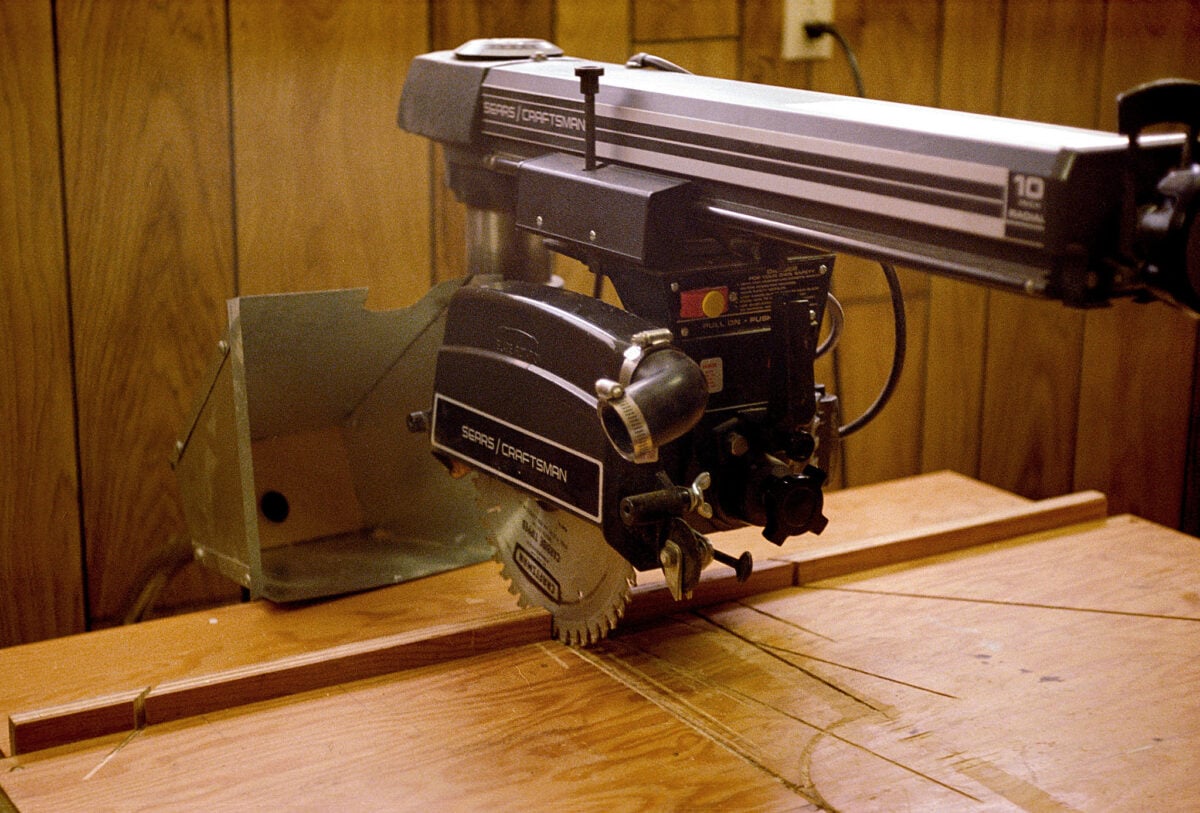
Black & Decker dominated the casual DIY market with tools that promised professional results without requiring professional skill. The circular saws, drills, and sanders filled a specific niche: serious enough for real projects, forgiving enough for weekend warriors.
Most home improvement projects started with good intentions and adequate tools. The results varied, but the satisfaction of doing it yourself remained constant.
Video Game Consoles
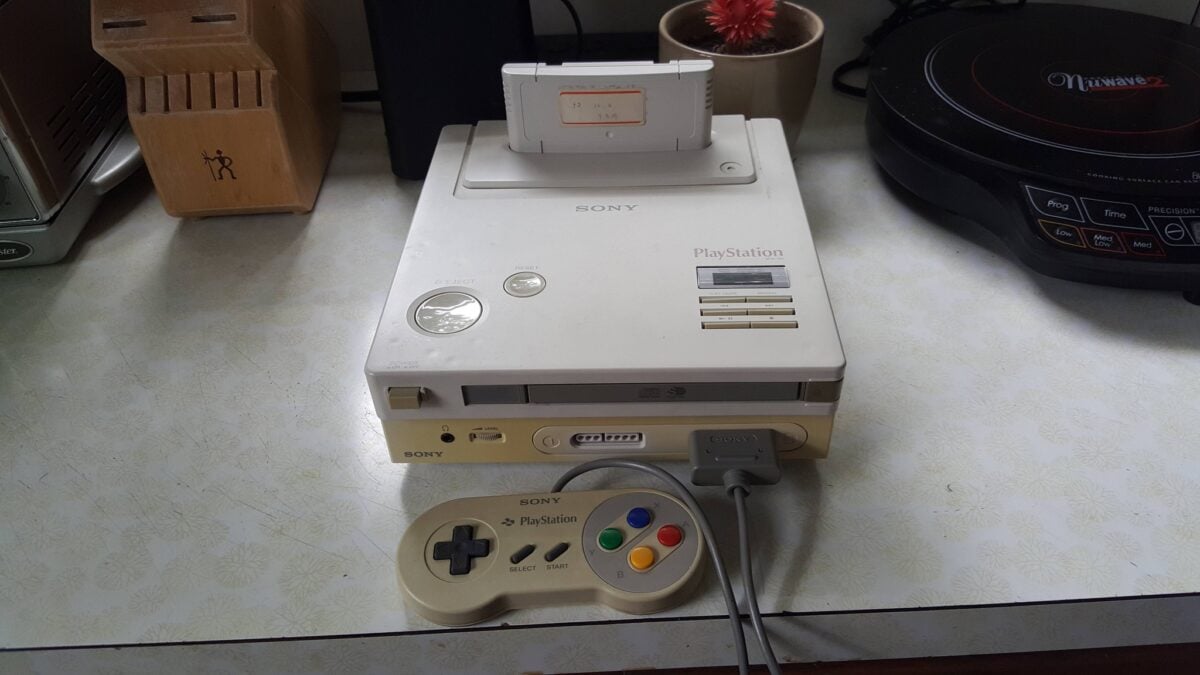
The Super Nintendo Entertainment System arrived in Sears catalogs like a revolution disguised as consumer electronics, complete with technical specifications that meant nothing to parents and everything to kids who had already memorized every detail from previous months of careful study (16-bit processing power and Mode 7 graphics capabilities became the vocabulary of desire for an entire generation). The catalog treatment gave video games a legitimacy they’d been lacking — these weren’t just toys anymore, but sophisticated entertainment systems worthy of their own dedicated sections, photographed with the same reverence previously reserved for stereo equipment.
The pricing structure revealed the true genius of the medium: expensive upfront cost for the console, reasonable individual game prices that added up quickly, creating a ecosystem where the initial purchase was just the entry fee. And unlike most catalog items that arrived and either met expectations or didn’t, video game systems promised ongoing satisfaction through an endless stream of new releases, making them less like products and more like subscriptions to entertainment.
Exercise Bikes
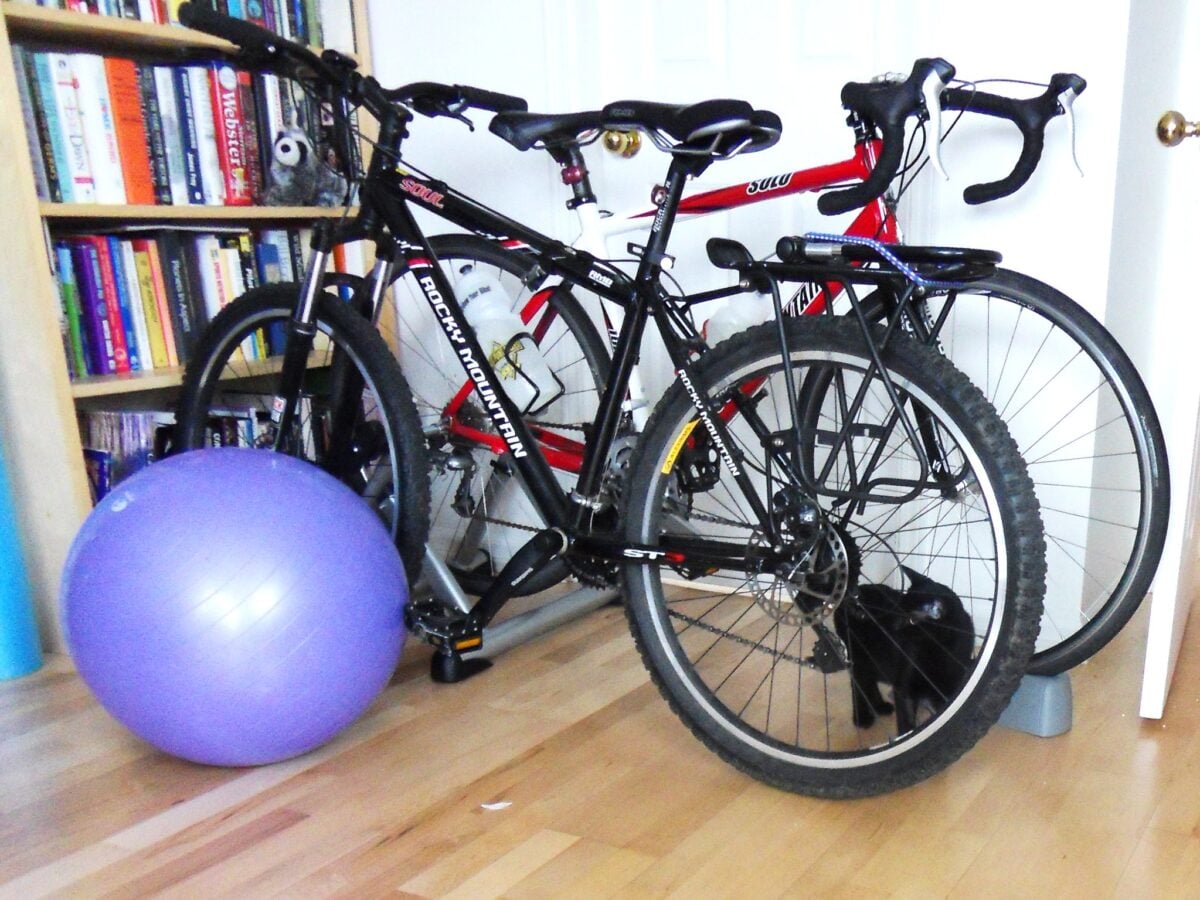
Stationary bicycles occupied basement corners across America, serving as monuments to good intentions and seasonal motivation. The catalog descriptions emphasized convenience — work out anytime, in any weather, while watching TV.
Reality proved more complex. Turns out exercise requires more than eliminating barriers to exercise.
The bikes themselves worked fine; human nature remained the limiting factor.
Vacuum Cleaners
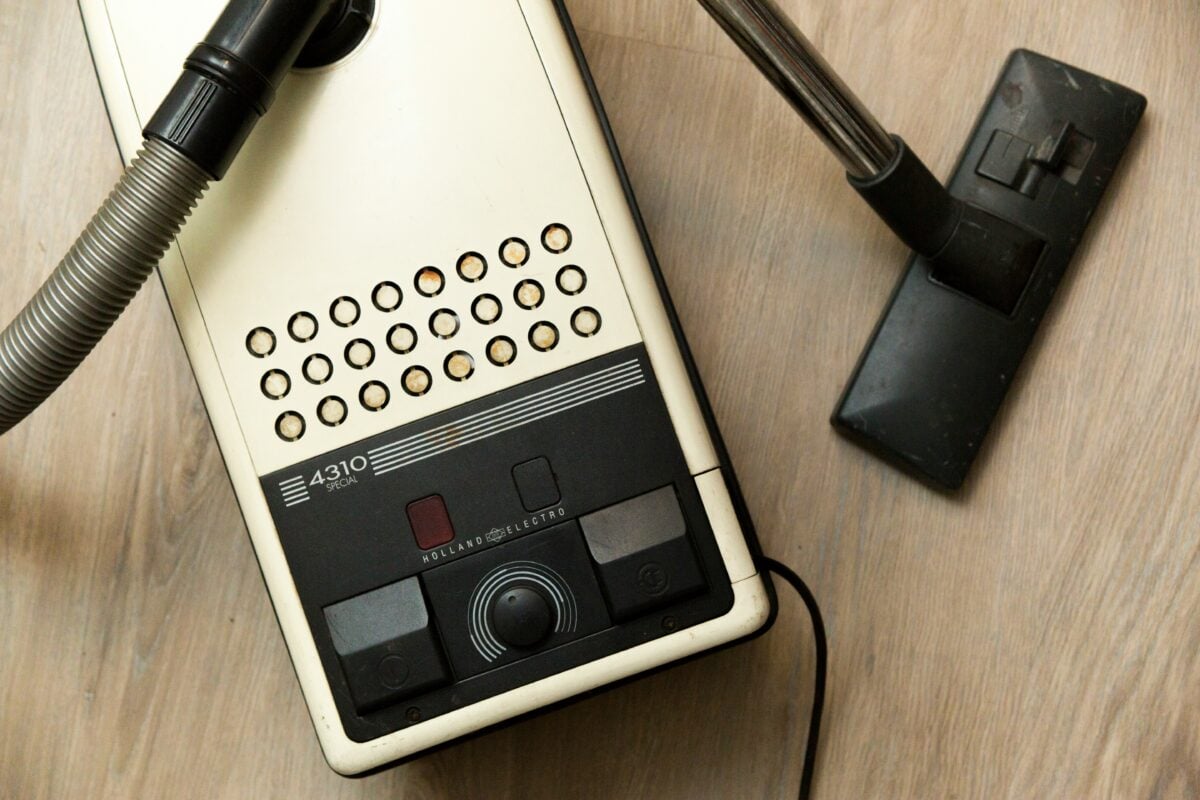
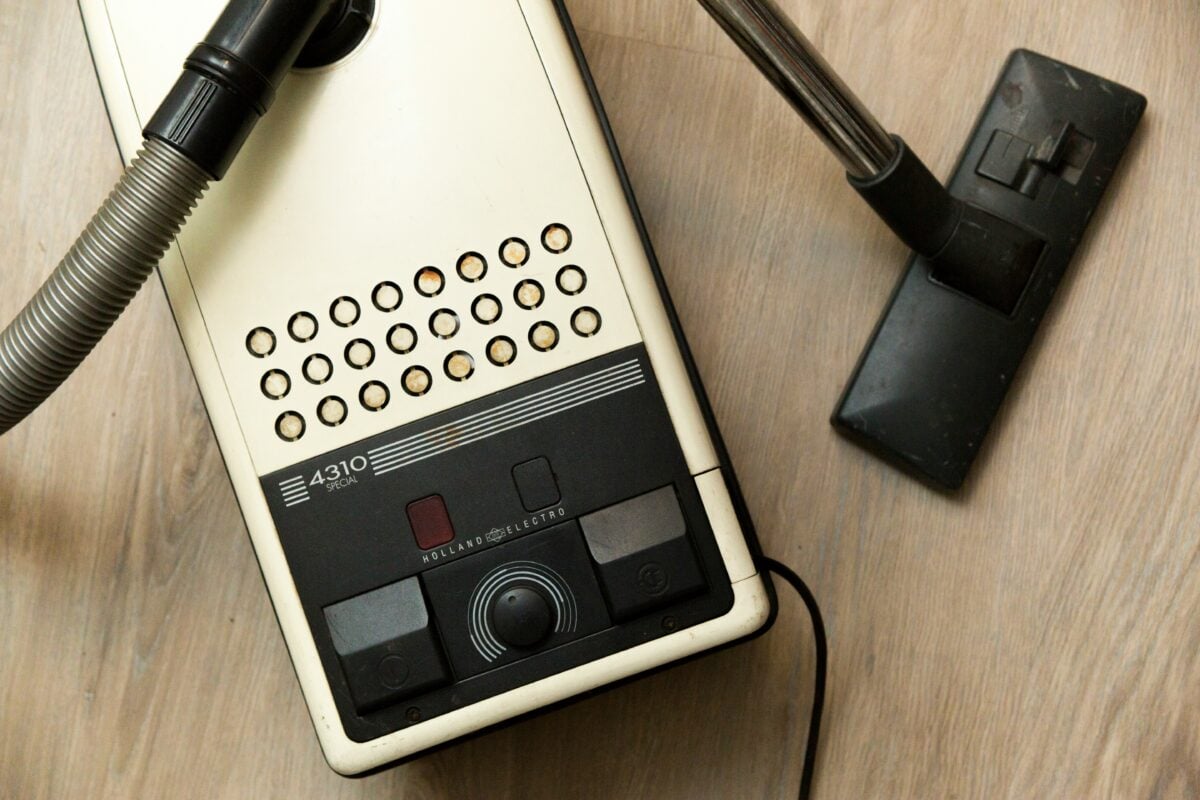
Kenmore canister vacuums approached household cleaning with the methodical efficiency of German engineering wrapped in American practicality, and the catalog pages devoted to them read like technical manuals for domestic perfection (detailed cutaway diagrams showing internal mechanisms, comparison charts measuring suction power in ways that somehow made sense, and lifestyle photos of women gliding effortlessly across pristine carpets with expressions of genuine satisfaction). The real selling point wasn’t the cleaning power, though that was considerable — it was the promise of transformation, the idea that the right vacuum could elevate housework from drudgery to something approaching pleasure.
The attachments suggested versatility: crevice tools for baseboards, upholstery brushes for furniture, extension wands for ceiling fans, each tool designed for problems you might not have known you had until you saw the solution. But the true test came in daily use, where the difference between a good vacuum and a great one revealed itself in the small details — how easily it maneuvered around furniture, how completely it picked up pet hair, how quietly it operated during evening cleanups.
Lawn Mowers
Self-propelled mowers democratized lawn care, removing the physical barrier between suburban homeowners and perfect grass. The technology was simple — an engine that drove the wheels as well as the blade — but the impact was transformative.
Suddenly, lawn maintenance became less about strength and endurance, more about patience and attention to detail. The results spoke for themselves every weekend across America.
Sporting Goods
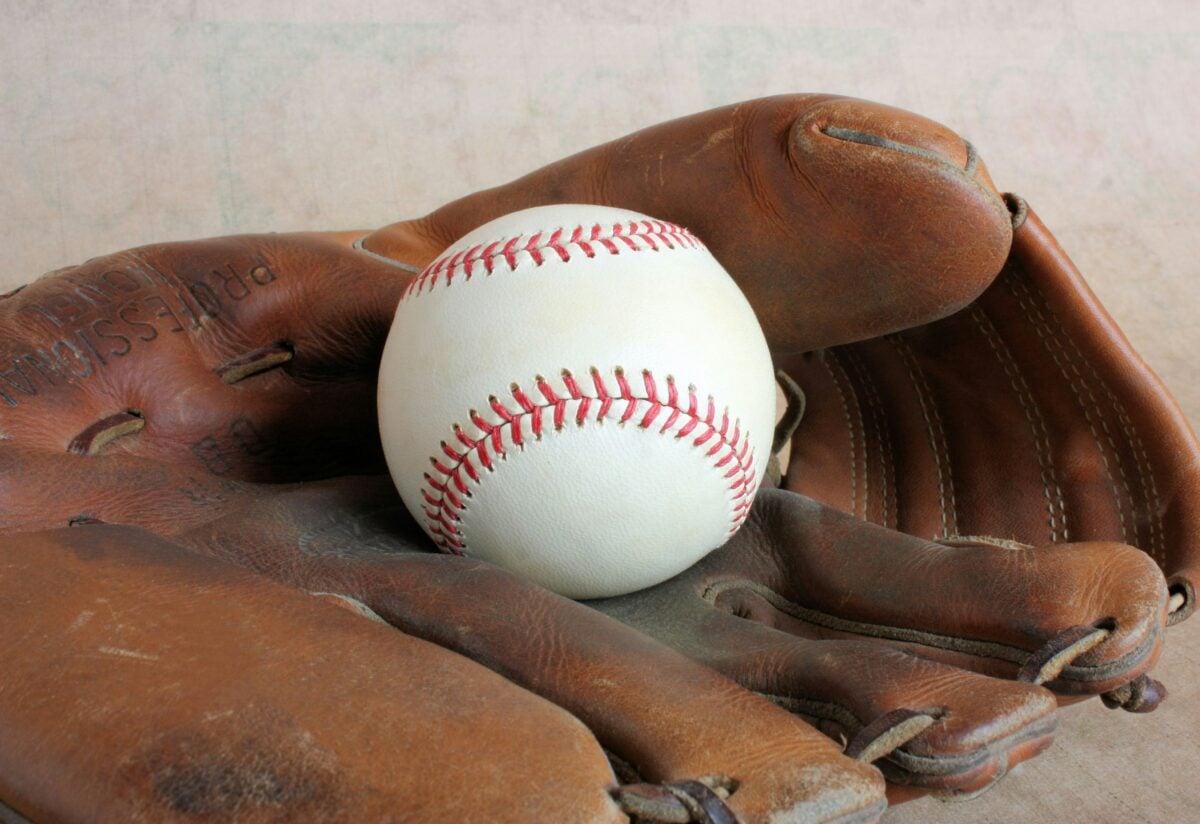
The sporting goods sections of Sears catalogs captured American recreational ambition in its full seasonal glory, cycling through baseball gloves in spring, swimming pools in summer, football equipment in fall, and exercise equipment in winter with the reliability of a liturgical calendar. These weren’t just products — they were invitations to better versions of ourselves, the equipment that would unlock athletic potential, family bonding, and neighborhood respect all in one purchase.
The baseball gloves promised to turn backyard catch into something approaching professional practice, the above-ground pools offered resort-style relaxation in suburban backyards, and the weight sets suggested that transformation was just a matter of commitment and proper equipment. Reality rarely matched the catalog fantasy, but the gap between aspiration and achievement felt smaller when you had the right gear, even if that gear eventually migrated to garage sales and basement storage.
Catalog Dreams Made Real
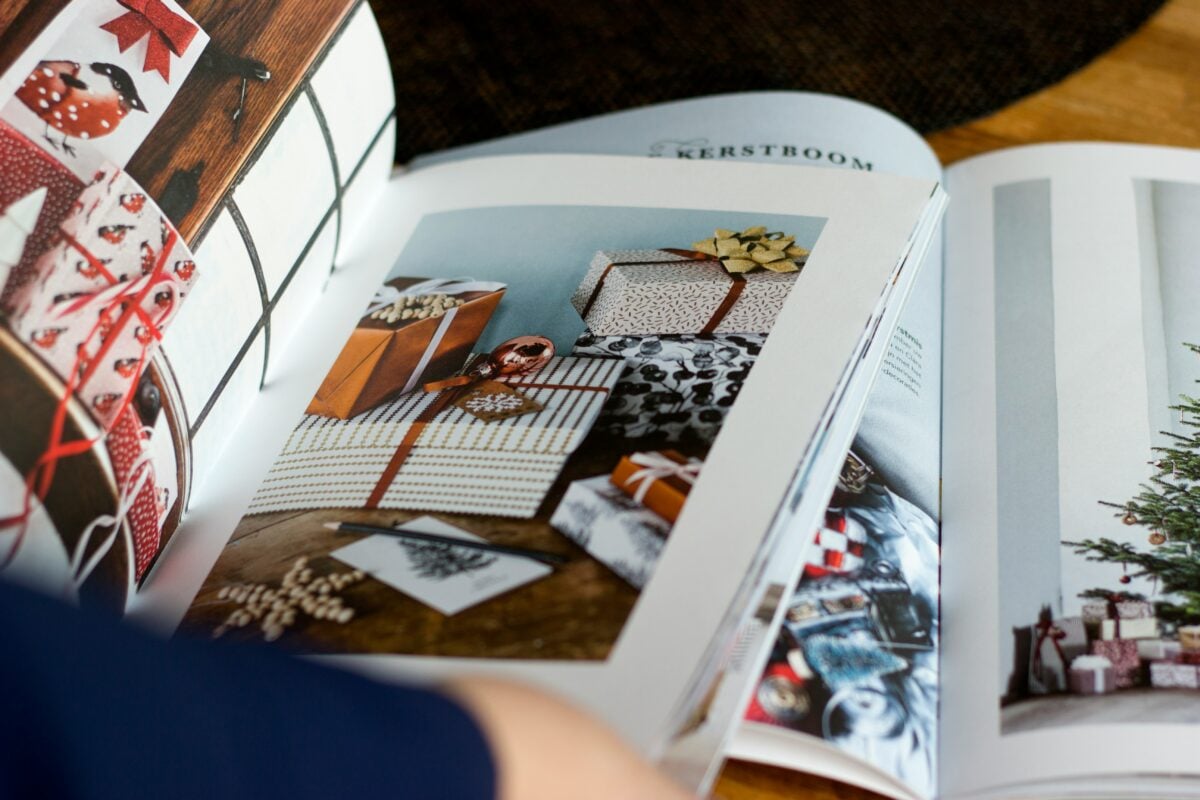
The Sears catalog of the 90s captured something that online shopping never quite replaced — the pleasure of possibility contained in physical pages. You could dog-ear favorites, circle items in pen, leave it open to a specific page as a hint.
The catalog made wanting feel substantial, like the first step toward having. Those items didn’t just furnish homes; they furnished dreams.
And for a brief moment in American retail history, the two felt like the same thing.
More from Go2Tutors!

- The Romanov Crown Jewels and Their Tragic Fate
- 13 Historical Mysteries That Science Still Can’t Solve
- Famous Hoaxes That Fooled the World for Years
- 15 Child Stars with Tragic Adult Lives
- 16 Famous Jewelry Pieces in History
Like Go2Tutors’s content? Follow us on MSN.