Folk Stories That Preserved Scientific Observations
For ages, people shared tales without putting them on paper. Some stories aimed to amuse.
Others focused on teaching right from wrong. Yet a few held hidden values – not just morals, but real-world know-how.
They wove facts about seasons, creatures, plants, or earth changes into gripping plots. Later, when scientists studied those topics, they discovered many old spoken accounts matched the truth perfectly.
Tsunami Warnings in Pacific Island Legends
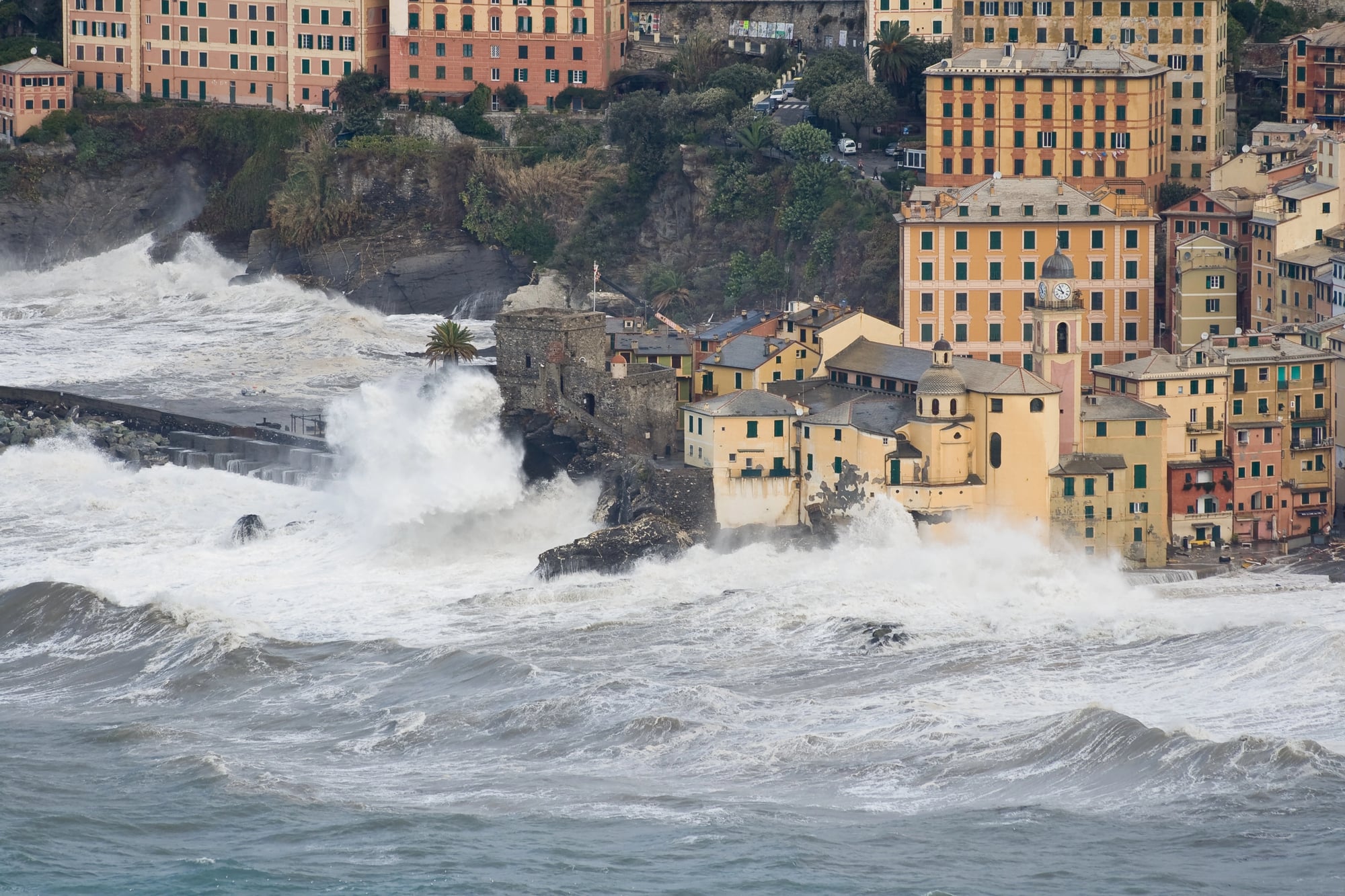
Pacific Islander communities told stories about the ocean pulling back before giant waves arrived. In these tales, the sea retreating meant danger, not opportunity.
When the water withdrew, people needed to run for high ground immediately. The wave that followed could destroy entire villages.
These stories encoded observations about one type of tsunami behavior. The initial drawback happens as water rushes toward the forming wave, but not all tsunamis behave this way—some arrive as sudden surges without warning.
Communities that remembered these stories had valuable knowledge, though it didn’t cover every tsunami scenario. The 2004 Indian Ocean tsunami killed hundreds of thousands, but some indigenous communities on remote islands who recognized the drawback pattern suffered minimal casualties.
Scientists confirmed what the stories described. Tsunami warning systems now include education about this drawback phenomenon.
Modern technology provides earlier warnings, but the basic survival instruction remains identical to what Pacific Islander stories taught for centuries.
Aboriginal Fire Management Preserved in Dreamtime Stories
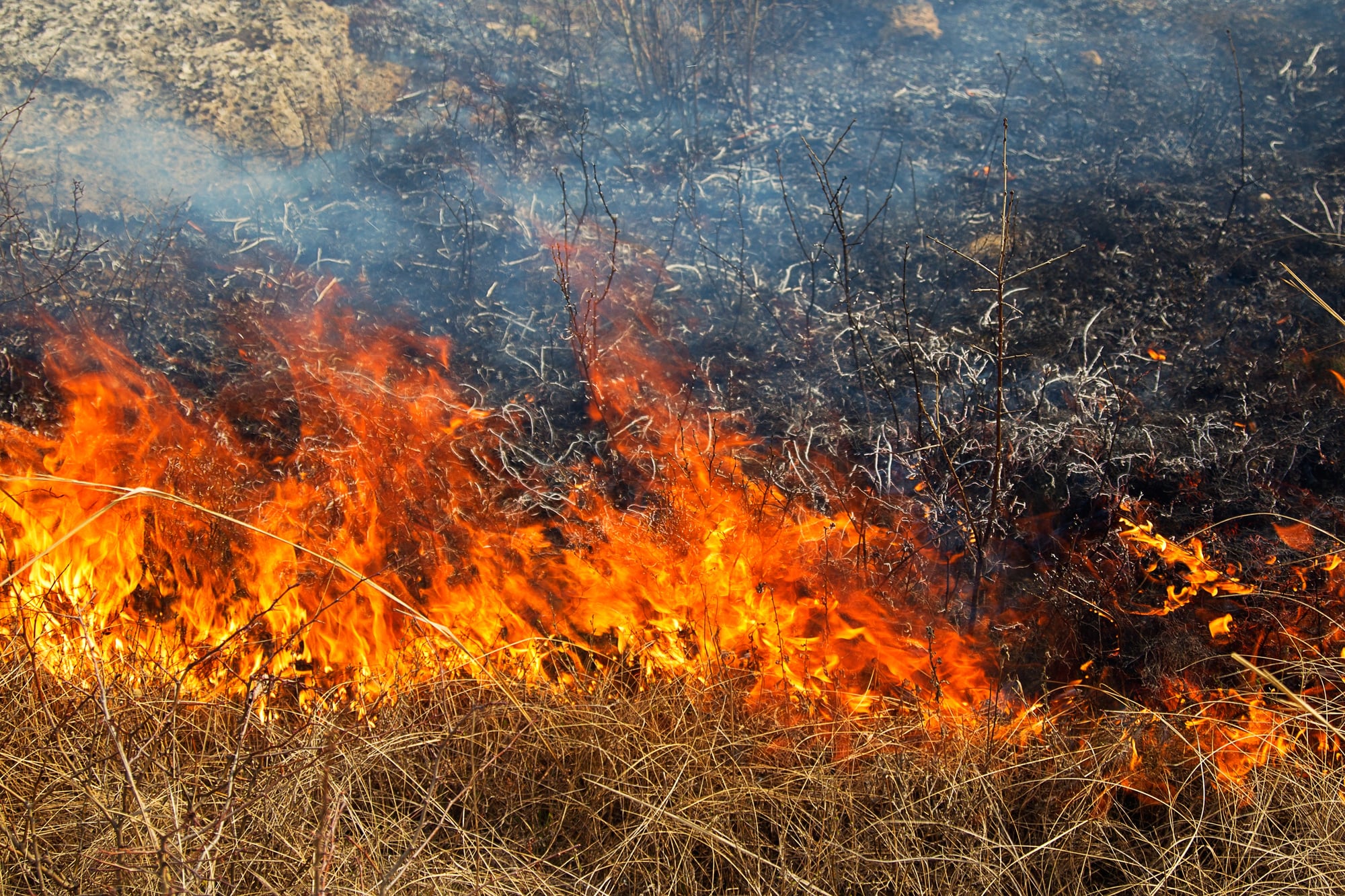
Australian Aboriginal communities maintained detailed knowledge about fire ecology through Dreamtime narratives. Fire practices varied significantly by region and group, with each community adapting techniques to their specific landscape.
Stories described how certain plants needed fire to germinate their seeds. Other tales explained which areas in their territories burned regularly and which stayed protected.
The narratives guided controlled burning practices in different ways across the continent. When European colonizers arrived, they saw Aboriginal burning practices as primitive and destructive.
They suppressed these fires, believing they were protecting the land. Within decades, fuel loads built up in many areas.
Uncontrolled wildfires became catastrophic. Landscapes that Aboriginal fire management had maintained became increasingly dangerous.
Modern fire ecologists now recognize that Aboriginal burning practices demonstrated sophisticated understanding of ecosystem dynamics, though approaches differed significantly between regions. The stories that guided these practices preserved knowledge about fire intervals, seasonal timing, and which plant communities benefited from burning in specific areas.
Earthquake Predictions in Cascadia Oral Traditions
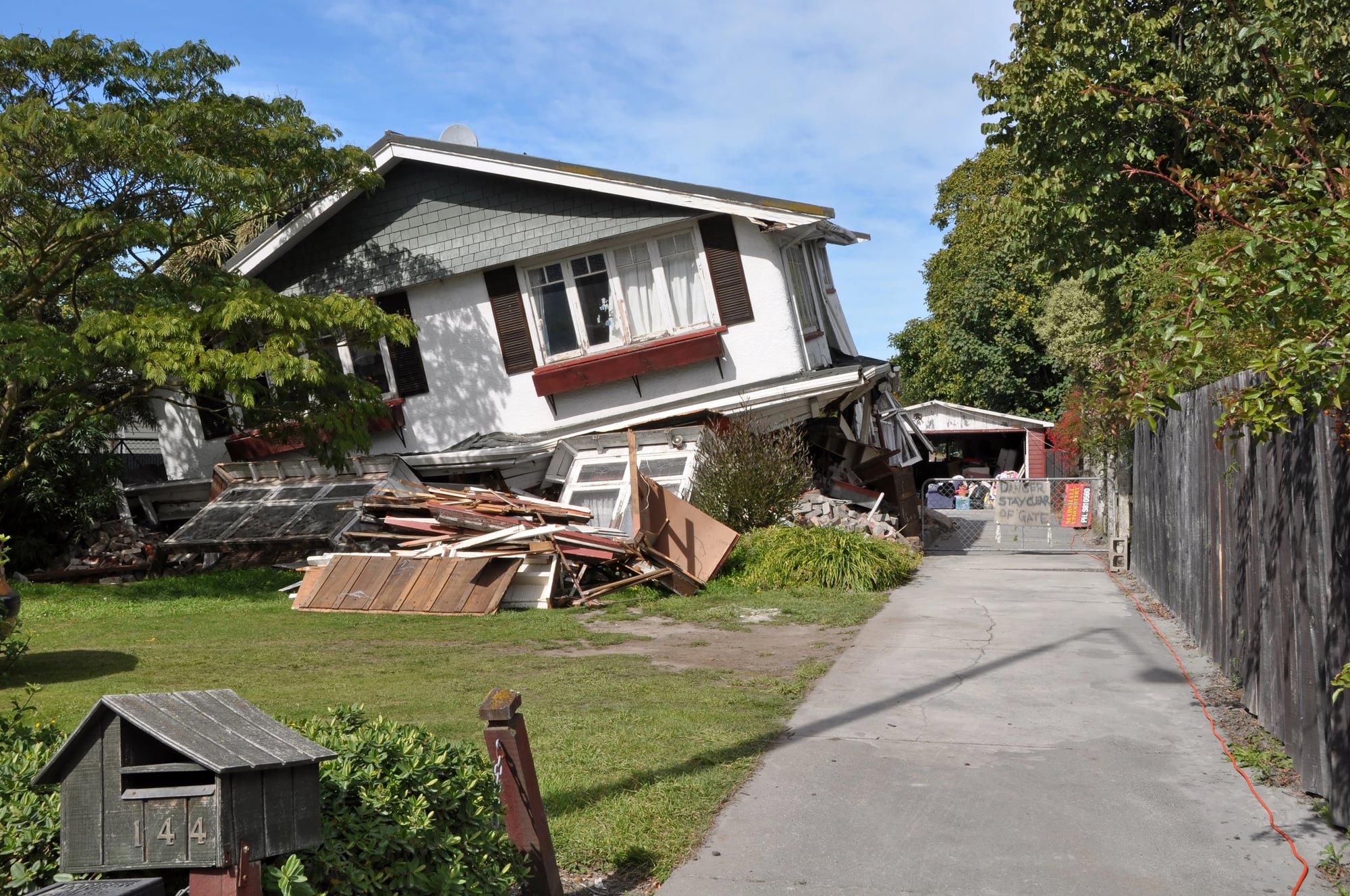
Indigenous peoples of the Pacific Northwest told stories about the earth shaking and the ocean invading the land. These narratives described entire villages disappearing beneath waves.
Geologists initially dismissed these accounts because the Cascadia region showed no recent major earthquake activity. Then researchers discovered evidence of a massive earthquake in January 1700.
Tsunami records from Japan confirmed the date and time. The earthquake struck at night during winter.
While not all tribal accounts specify these exact details, the alignment between some oral traditions and the documented 1700 event demonstrated that these stories preserved memory of real catastrophic events. The stories also indicated that such earthquakes happened repeatedly, not just once.
Geological evidence confirmed a pattern of major earthquakes every 200 to 800 years. The oral traditions had maintained awareness of a recurring threat across timescales longer than any written records could have preserved.
Star Navigation Methods in Polynesian Knowledge Systems
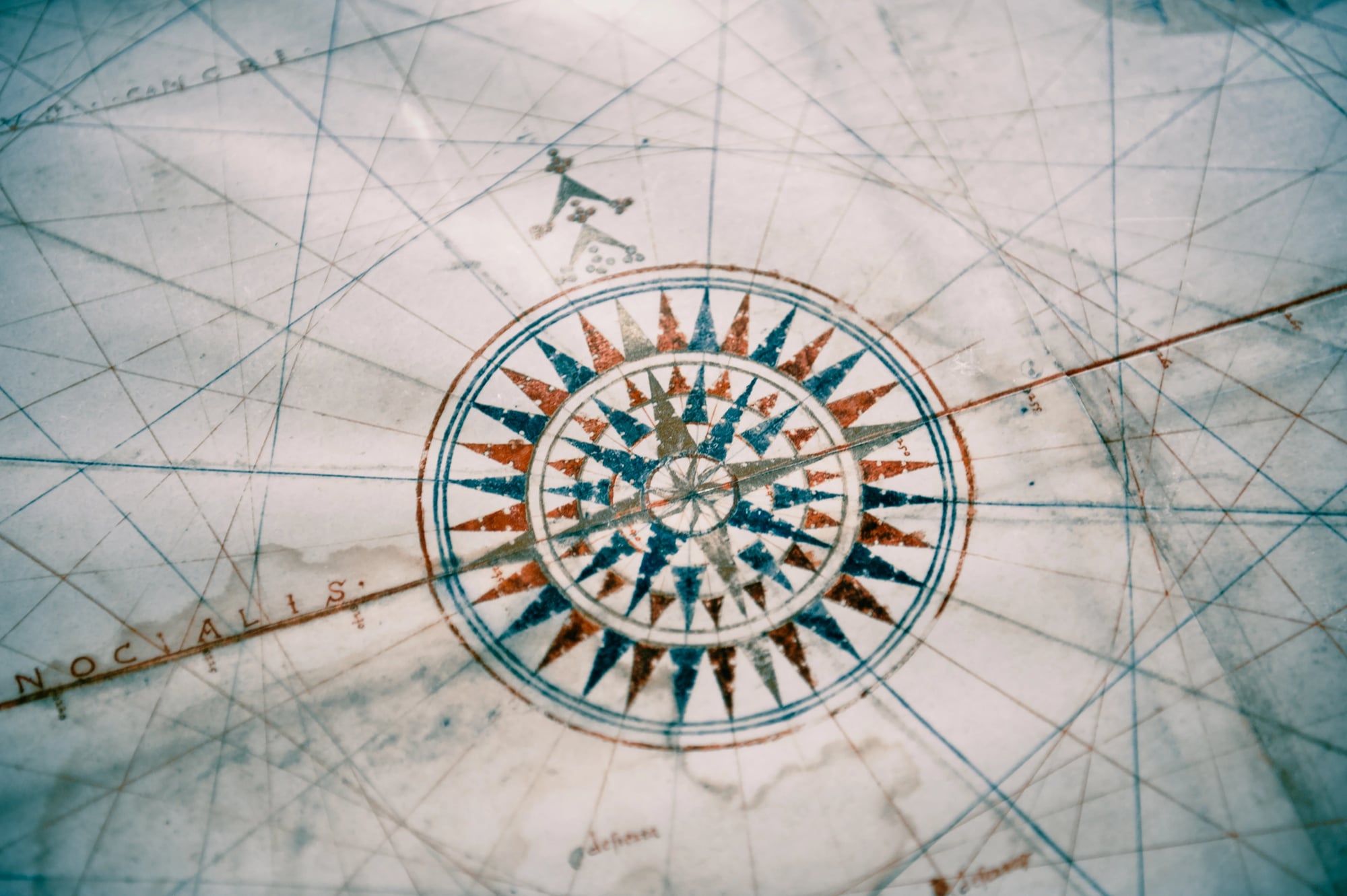
Polynesian navigators crossed thousands of miles of open ocean without instruments. They maintained their navigation techniques through formal knowledge systems passed from master to apprentice.
These structured teachings—called kaula, kaveinga, and other names depending on the culture—described star positions, ocean swells, bird flight patterns, and cloud formations that indicated distant land. These were not mythic stories but disciplined educational frameworks.
Western scholars initially doubted that such methods could work reliably. How could someone navigate precisely using only natural signs?
In the 1970s, navigator Mau Piailug demonstrated these techniques by sailing from Hawaii to Tahiti using only traditional methods. He proved these knowledge systems contained genuine navigational information.
The teachings described how different stars marked directions at different times of year. They explained how ocean swells refracted around islands, creating patterns a skilled navigator could detect.
Modern scientific analysis confirmed these techniques work. The formal knowledge systems had preserved complex observational information for over a thousand years.
Medicinal Plant Knowledge in Healing Stories

Indigenous communities worldwide maintained stories about which plants treated specific ailments. A narrative might describe a character getting sick and recovering after consuming a particular plant.
The story format made the information memorable and ensured it passed reliably between generations. Pharmaceutical researchers examining these traditions have found active compounds in many plants described in healing stories.
Willow bark, mentioned in multiple folk healing traditions, contains salicin, which the body converts to salicylic acid. Modern aspirin uses acetylsalicylic acid, a synthetic derivative that’s more effective and easier on the stomach than the natural compounds.
Digitalis, derived from foxglove and described in European folk medicine, became a crucial heart medication. Not every folk remedy proves effective under scientific testing.
But the success rate is high enough that ethnobotanists actively seek out traditional plant knowledge. The stories preserved observations about plant effects that communities made over centuries of trial and observation.
Volcanic Activity Warnings in Maori Legends
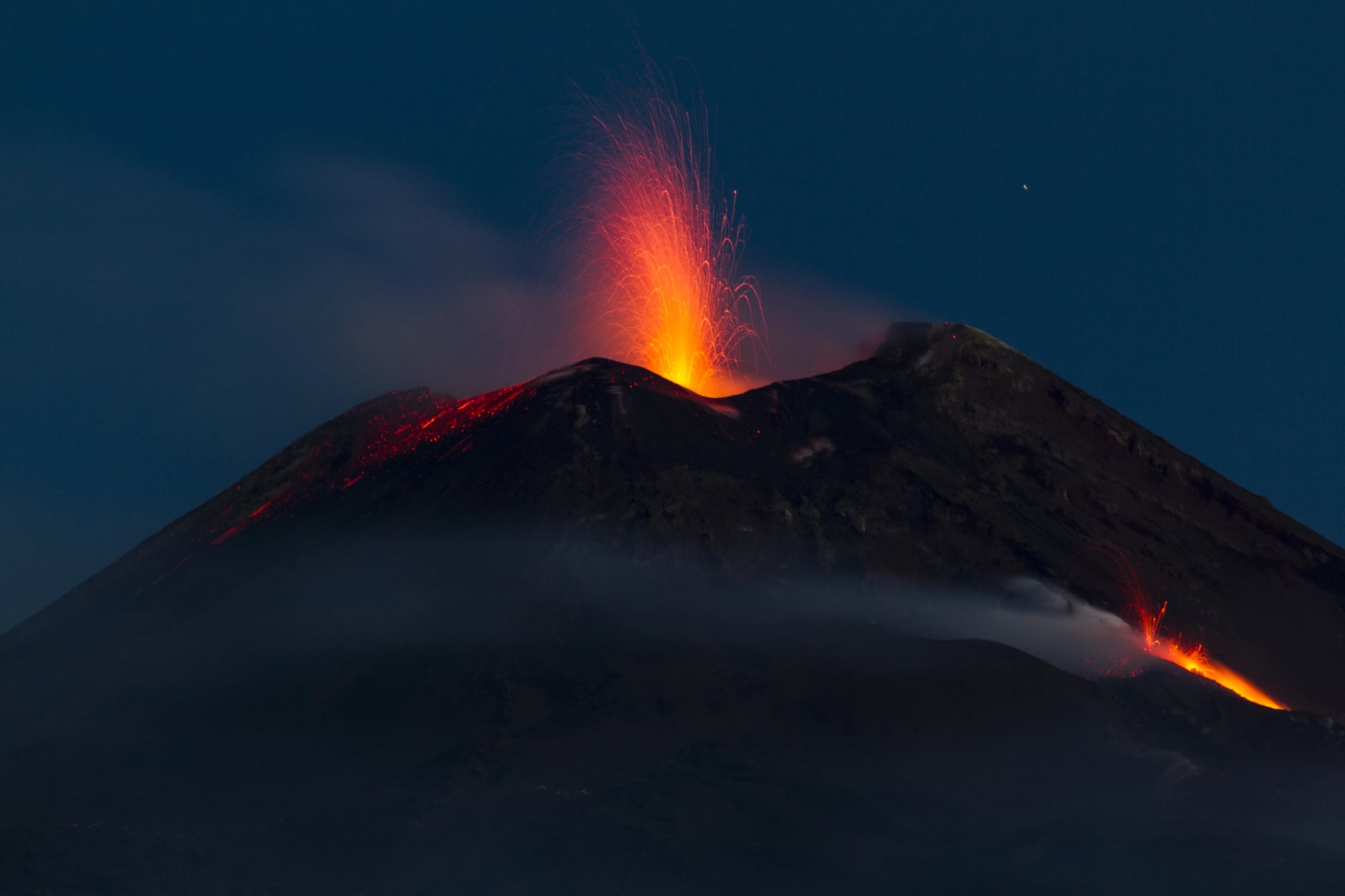
Maori oral traditions in New Zealand described mountains that once smoked and threw fire. These stories mentioned specific peaks and described their destructive power.
Early European geologists saw these mountains as dormant and assumed the stories were pure mythology. The mountains showed no recent activity.
Geological investigation confirmed that some mountains named in Maori stories had indeed been active volcanoes. The eruptions happened hundreds of years before European contact.
However, not all mountains described as erupting in oral traditions have confirmed eruption histories—some descriptions may be symbolic or serve other cultural purposes. Where geological evidence aligns with stories, they demonstrate how oral traditions maintained information about volcanic activity across centuries.
Some stories also described warning signs before eruptions—changes in hot springs, unusual animal behavior, earth tremors. Modern volcanology recognizes these as genuine precursor phenomena.
The stories had encoded practical observations that could save lives during future eruptions.
Meteor Impact Events in Aboriginal Australian Stories
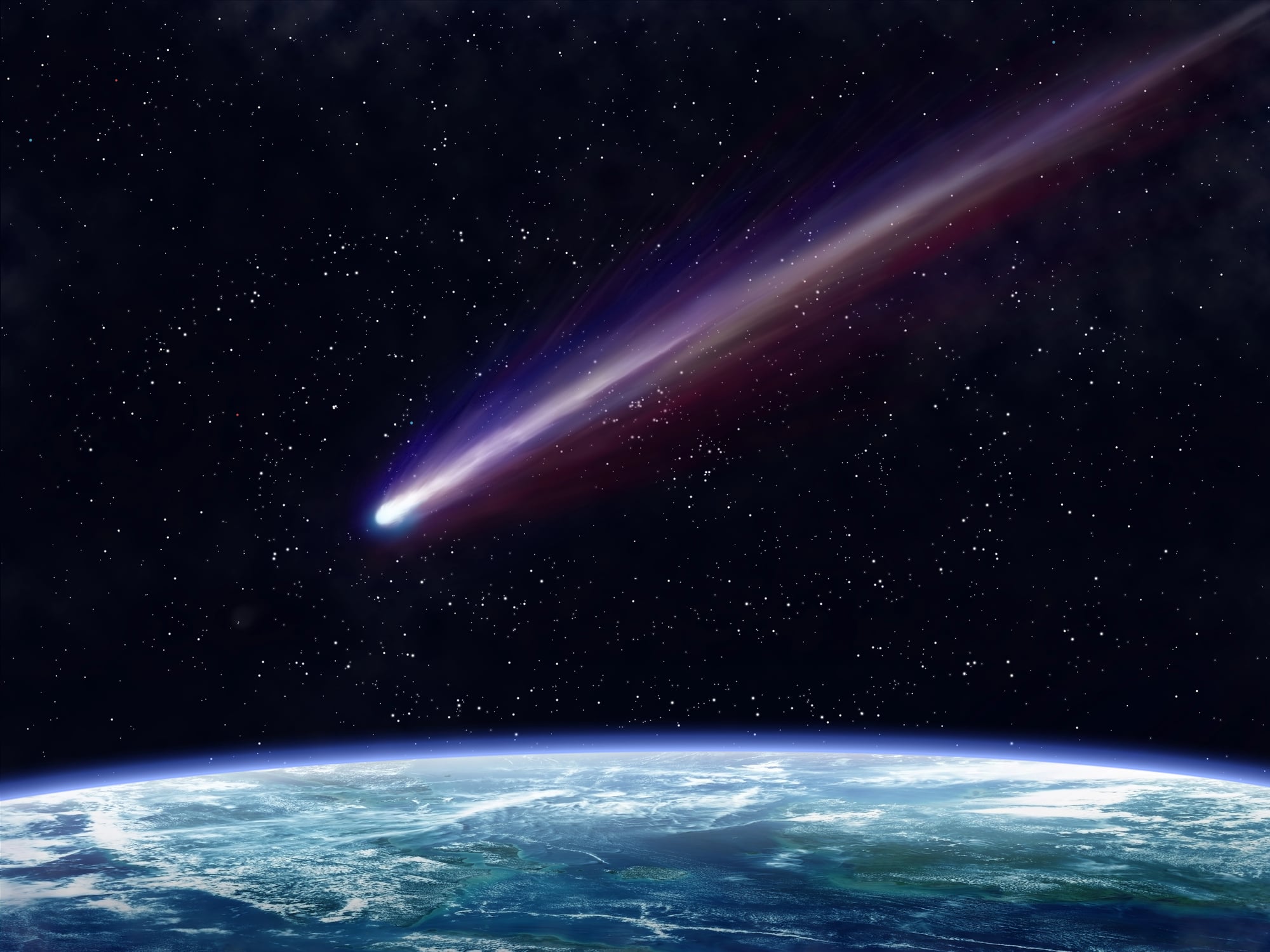
Aboriginal stories from several regions describe stars falling to earth and creating craters. These narratives included specific geographic locations.
Geologists investigating these sites found impact craters that matched the story descriptions. Dating these craters proved challenging, and determining whether stories represent direct eyewitness accounts or later retellings remains uncertain.
One story described a meteor impact that created the Henbury crater field. The narrative detailed the fire and destruction, and the strange rocks found at the site.
When researchers studied the location, they found a cluster of impact craters containing meteoritic iron. Whether this story preserves direct memory of the impact or represents later interpretation of the unusual site remains debated.
Animal Migration Patterns in Inuit Knowledge
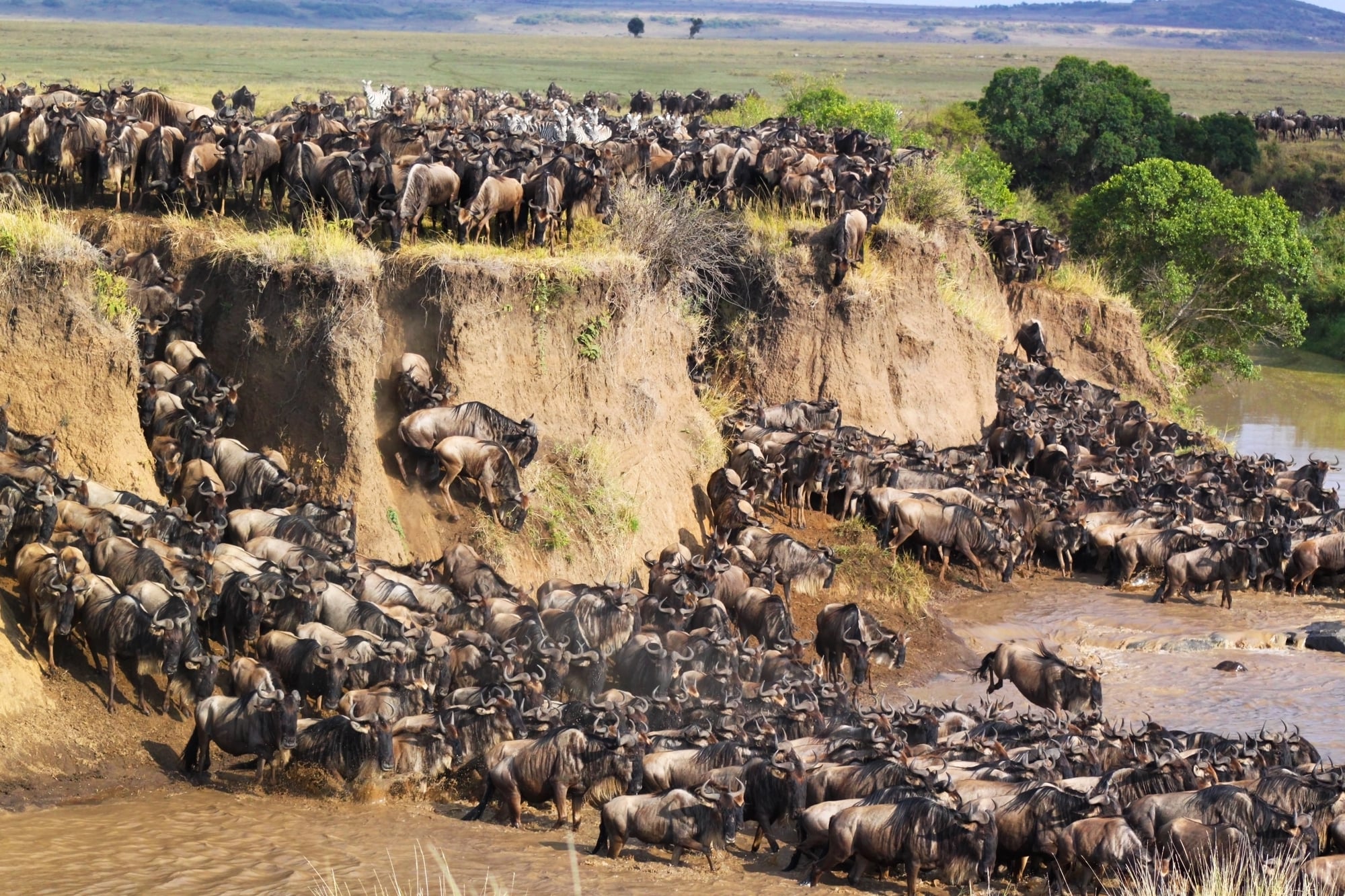
Inuit traditional knowledge described detailed patterns of caribou migration, seal movements, and bird arrivals. This knowledge specified timing, routes, and seasonal variations, guiding hunting practices and helping communities predict food availability.
This information was transmitted through practical apprenticeship and direct teaching, not primarily through stories. The knowledge encoded understanding of complex factors affecting animal behavior.
Teachings explained how weather patterns influenced migration timing. They described how caribou routes shifted based on seasonal conditions.
They noted correlations between different species’ movements and environmental signs. Biologists studying Arctic animal behavior found that Inuit traditional knowledge described phenomena that took modern science decades to document.
The knowledge tracked patterns across longer timescales than any individual researcher could observe. It preserved collective observations refined over generations.
Tidal Patterns in Maritime Folk Stories
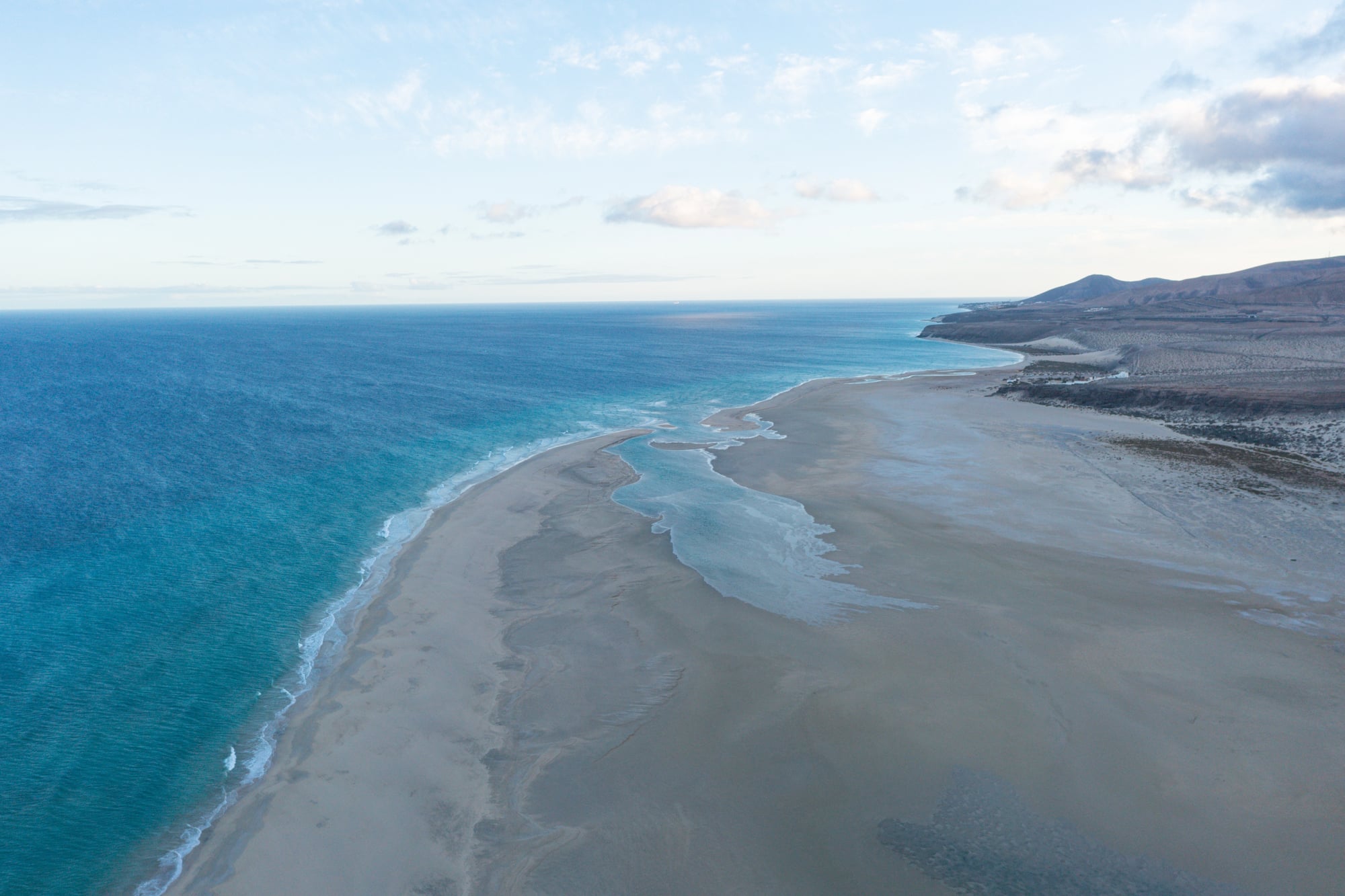
Coastal communities worldwide developed stories that encoded information about tidal patterns, dangerous currents, and navigable channels. Many of these narratives date from the medieval period or later rather than representing ancient oral traditions.
These stories often took the form of warnings or cautionary tales. A story might describe a disaster that befell someone who ignored tidal timing or entered a channel at the wrong moment.
The stories preserved practical knowledge about ocean behavior. They described how tides varied with lunar phases.
They explained which passages became dangerous during certain conditions. They identified safe harboring locations during storms.
This information determined survival for maritime communities. Modern oceanographic studies confirm the accuracy of many tidal patterns described in traditional stories.
The narratives captured complex relationships between lunar cycles, seasonal patterns, and local geography. They maintained this knowledge in memorable forms that people could recall when needed.
Seasonal Weather Indicators in Agricultural Tales
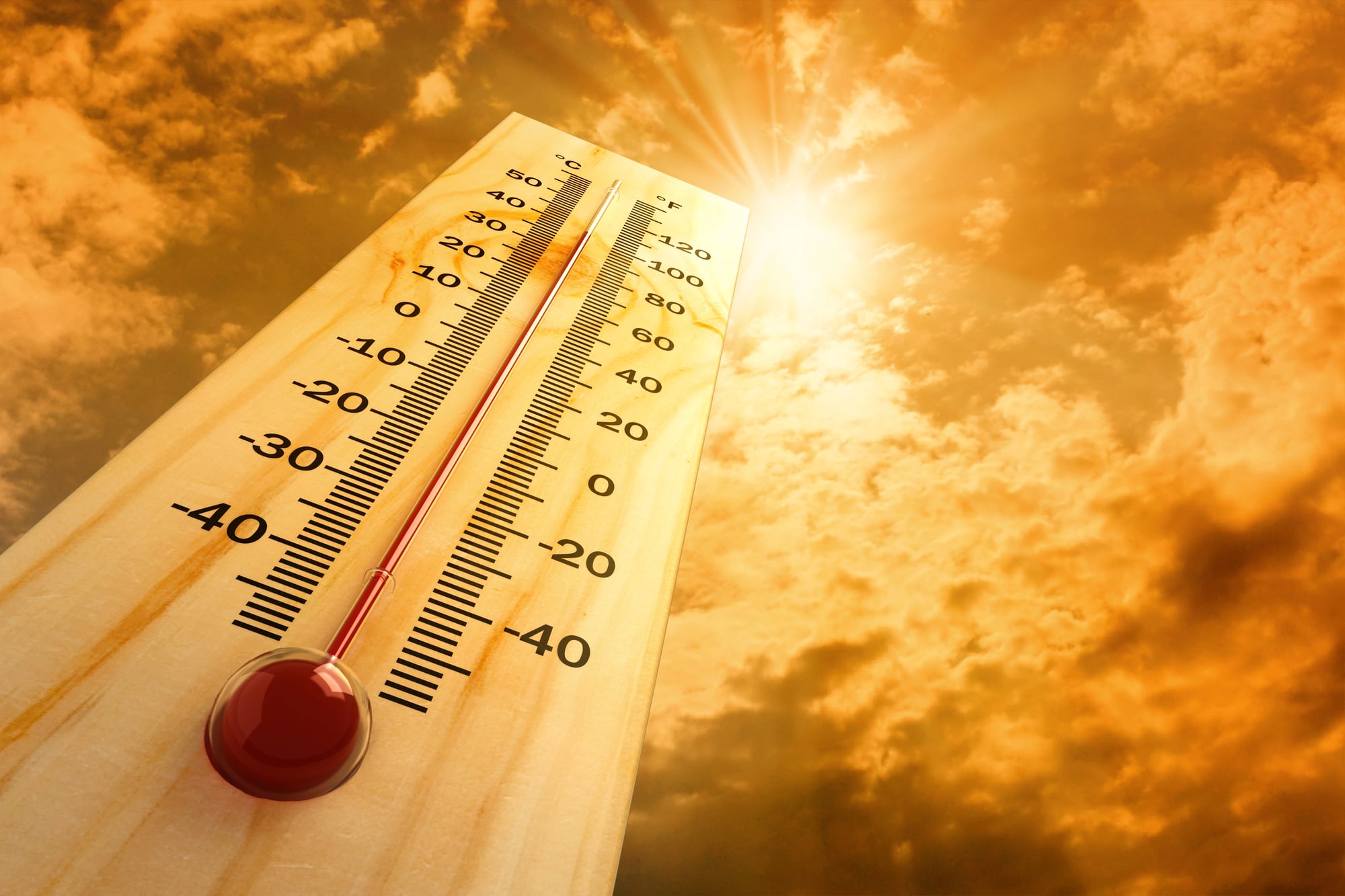
Farming communities developed story traditions around planting times, frost predictions, and rainfall patterns. These narratives connected observable signs—animal behavior, plant growth stages, astronomical events—to weather expectations for their specific regions.
A story might describe how flowering of a particular plant signaled the right planting time in that area. These stories encoded phenological observations—the study of cyclical natural phenomena.
They tracked relationships between different species and environmental conditions in specific localities. Modern agricultural science recognizes these relationships, though climate change has disrupted some traditional indicators that previously worked reliably.
The story format proved more reliable than simple calendar dates for stable climates. Actual environmental conditions vary year to year.
Stories that tied planting to observable signs adapted automatically to these variations within normal ranges. They preserved flexible knowledge rather than rigid rules, though this flexibility has limits when climate patterns shift significantly.
Geological History in Creation Narratives
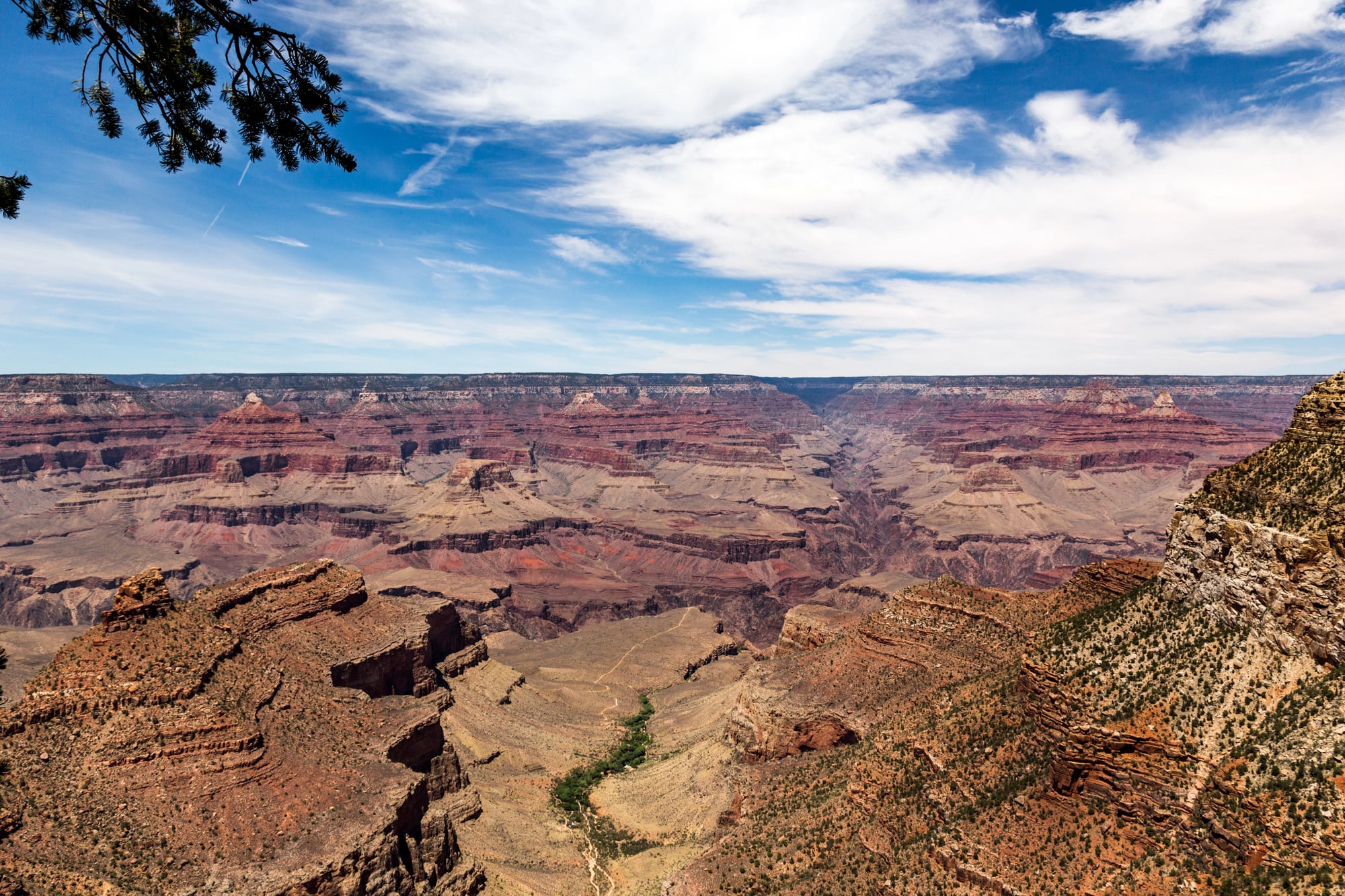
Some creation stories describe landscapes forming through specific processes. A narrative might explain how a valley came to be, how islands formed, or why certain rock formations exist.
Geologists initially assumed these were purely imaginative explanations with no factual basis. Investigation sometimes revealed alignments between stories and geological evidence.
Stories describing floods that carved valleys aligned with evidence of glacial meltwater events. Narratives about lands sinking beneath the sea corresponded to documented sea level changes.
Tales of mountains rising matched tectonic activity. However, determining whether these represent direct eyewitness transmission or retrospective correlation remains challenging.
The precision often comes from later interpretation rather than the original accounts.
Eclipse Predictions in Maya Calendar Stories

Maya civilization developed complex astronomical knowledge encoded in their calendar systems and accompanying narratives. Stories described celestial cycles and predicted astronomical events.
These predictions included lunar and solar eclipses with impressive accuracy, though their precision depended on specific cycles and wasn’t infallible. The calendar systems incorporated multiple overlapping cycles that tracked different astronomical phenomena.
The narratives that explained these cycles served both ceremonial and practical purposes. They maintained observational data accumulated over centuries while providing cultural context for astronomical events.
When researchers decoded Maya astronomical texts, they found predictions that often matched modern calculations. The Maya had identified eclipse cycles through patient observation and mathematical analysis.
Their knowledge systems preserved this information in forms that survived even after the collapse of their urban centers.
Fossil Recognition in Dragon Legends

Many cultures developed stories about giant creatures or dragons. Some scholars suggest these may have been based on discoveries of large fossil remains, with Chinese dragon legends possibly related to dinosaur fossils in certain regions, and European dragon tales potentially inspired by large Pleistocene mammal bones.
However, this connection isn’t universally accepted—many dragon legends may have arisen independently of fossil discoveries. These stories represented attempts to explain puzzling physical evidence where the fossil connection existed.
Communities finding enormous bones naturally created narratives to account for them. While the explanations were mythological, they demonstrated observation and reasoning about the natural world in some cases.
Modern paleontologists sometimes consult traditional stories when searching for fossil sites, though this approach yields mixed results. Where dragon legends do indicate fossil locations, the stories maintained geographic information about these sites for generations before scientific fossil hunting began.
What Stories Remember

Folks kept science alive through tales since knowing stuff meant staying safe. Stories made tough lessons stick better than plain talk ever could.
When facts got woven into plots, they stayed put in people’s minds. What’d fade on its own turned lasting once told right.
Some old tales don’t hold real science at all. Others just aim to amuse folks or pass down how people should act, not facts about nature.
Yet trashing everything from tradition as mere myth tosses out wisdom built up over ages by watching land, weather, and life closely. The best tales mixed truth with staying power – keeping key details but wrapping them in moments people wouldn’t forget.
Yet they still passed down core insights through generations, even without books or notes. So when researchers caught up later, many discovered those old accounts weren’t just myths – they’d guarded real truths, silent until someone finally looked close.
More from Go2Tutors!

- The Romanov Crown Jewels and Their Tragic Fate
- 13 Historical Mysteries That Science Still Can’t Solve
- Famous Hoaxes That Fooled the World for Years
- 15 Child Stars with Tragic Adult Lives
- 16 Famous Jewelry Pieces in History
Like Go2Tutors’s content? Follow us on MSN.