Luxury Collabs That Made Zero Sense
The luxury fashion world has always been about exclusivity, meticulous craftsmanship, and that untouchable aura of sophistication.
For generations, prestigious brands protected their image fiercely, only aligning themselves with partners who shared their refined sensibilities.
Then something strange happened.
The same fashion houses that once scoffed at anything remotely mainstream suddenly started collaborating with burger joints, cartoon characters, and rubber garden shoes.
These weren’t subtle experiments or limited charity efforts—they were massive partnerships that left even industry veterans genuinely confused.
What made these team-ups so puzzling wasn’t simply the clash of identities.
It was the boldness of combining centuries-old artisanship with products you’d grab at a convenience store or spot in a kid’s video game.
Yet somehow, these unlikely pairings didn’t just survive the ridicule—they flourished, disappearing from shelves within minutes and creating waves of attention worth millions.
Here’s a closer look at the luxury partnerships that broke every unwritten rule but somehow succeeded anyway.
Balenciaga × Crocs
When Balenciaga first revealed they’d partnered with Crocs back in 2017, the fashion industry collectively questioned whether creative director Demna Gvasalia had completely lost touch with reality.
Crocs—those divisive foam clogs beloved by nurses and weekend gardeners—seemed to represent everything luxury fashion wasn’t.
Yet Balenciaga committed fully, producing platform versions covered in decorative charms and pricing them above $850.
The partnership felt like watching someone turn a practical joke into a business strategy, particularly since regular Crocs cost around $50.
The brand didn’t back down after the initial reaction.
Balenciaga kept pushing with stiletto Crocs, slide-on versions, and even knee-high boots featuring the trademark perforated foam texture.
Detractors labeled it a complete mockery of the industry, while supporters claimed it was sharp commentary on what people actually want to buy.
Regardless of interpretation, the partnership created enormous attention and consistently sold out, demonstrating that ridiculousness and commercial success can coexist comfortably in today’s luxury market.
Louis Vuitton × Supreme
Before 2017, Louis Vuitton embodied classic European sophistication—the type of label your grandmother treasured and saved for special occasions.
Supreme, conversely, was the rebellious streetwear company that skateboarders camped out for in downtown Manhattan.
When both brands announced they’d be working together, it resembled watching a renowned chef collaborate with a roadside taco stand.
The partnership produced everything from logo-covered skateboards to premium leather jackets, with individual pieces costing several thousand dollars.
The team-up represented a watershed moment where high fashion fully acknowledged street culture, but it also frustrated longtime Louis Vuitton loyalists who believed the brand had compromised its heritage.
Supreme enthusiasts, meanwhile, confronted the awkward situation of paying luxury rates for a label founded on accessibility and anti-establishment attitude.
The entire range disappeared from stores almost immediately, though secondary markets showed inconsistent results as the initial excitement didn’t always convert to sustained worth.
Balenciaga × Ikea
Possibly no partnership better illustrated luxury fashion’s tendency toward self-aware provocation than Balenciaga’s 2017 Ikea-influenced design.
The label unveiled a blue leather carrier bag that looked remarkably similar to Ikea’s famous Frakta bag—the durable, 99-cent tote that countless people use for transporting furniture and carrying laundry.
Balenciaga’s interpretation sold for $2,145, essentially marking up the concept by roughly 216,000 percent.
Ikea reacted with good-natured wit, publishing advertisements that joked about the resemblance and provided guidance on recognizing a genuine Frakta.
The lighthearted back-and-forth sparked continuous media attention and online discussion.
Balenciaga never formally confirmed the connection, insisting that the Arena bag simply reflected their design philosophy.
Whether it represented clever satire, respectful tribute, or deliberate provocation stays debatable, but it perfectly illustrated how luxury fashion increasingly operates somewhere between commerce and conceptual art.
Travis Scott × McDonald’s

When rapper Travis Scott joined forces with McDonald’s in 2020, it wasn’t merely surprising—it fundamentally reimagined how celebrity partnerships could function.
McDonald’s hadn’t attached a famous person’s name to menu items since Michael Jordan in 1992, making this arrangement feel simultaneously nostalgic and utterly strange.
The partnership featured a custom meal (Quarter Pounder with cheese, bacon, and lettuce, accompanied by fries with BBQ sauce and a Sprite) alongside branded products ranging from basic t-shirts to a $90 body pillow designed like a Chicken McNugget.
The partnership brought substantial customer traffic to McDonald’s restaurants and the merchandise disappeared quickly from online stores.
What made it genuinely weird was observing luxury fashion tactics—exclusive drops, manufactured scarcity, and hype-fueled promotion—applied to fast food.
Suddenly, young people treated McDonald’s clothing like coveted streetwear releases, staying up late for online launches and spending extra money on resale platforms for sweatshirts featuring golden arches.
The initiative muddied the boundaries between fast food advertising and fashion culture in ways that seemed both creative and completely nonsensical.
Tiffany & Co. × Supreme
Tiffany & Co. constructed its legacy around engagement rings and romanticized elegance, representing a particular type of aspirational luxury.
Supreme developed its following through skate culture and intentionally scarce product releases.
When they partnered in 2016, the outcome was a sterling silver money clip and a box logo t-shirt—products that somehow cost $200 and $48 respectively, despite Supreme shirts typically selling around $40.
The money clip gained particular notoriety, vanishing from availability instantly and showing up on resale websites for thousands of dollars.
Here sat an item that simultaneously broadcast financial status and street credibility, presented in Tiffany’s recognizable blue packaging.
The partnership resembled watching two entirely incompatible systems merge into something that shouldn’t function logically but somehow resonated perfectly with a particular demographic willing to spend unreasonable amounts for the cultural intersection.
Gucci × Doraemon
Gucci’s 2021 collaboration with Doraemon—the cherished Japanese robotic cat from a children’s animated series—left numerous luxury shoppers genuinely perplexed.
The range displayed the cartoon figure across handbags, garments, and accessories, with individual items reaching well into the thousands.
Encountering a children’s character on a $1,500 handbag felt jarring, like discovering an alternate dimension where childhood memories and high fashion had combined without warning anyone.
The partnership aimed at younger Asian buyers and reflected growing enthusiasm for anime-influenced luxury products.
Still, observing adults carrying Gucci accessories decorated with a blue robot cat demanded some mental gymnastics.
The collaboration demonstrated luxury fashion’s continuous challenge to stay meaningful to emerging generations while preserving the exclusivity and refinement that validated premium costs.
Whether it worked or simply appeared foolish depended mostly on your generation and connection to anime culture.
Fortnite × Balenciaga
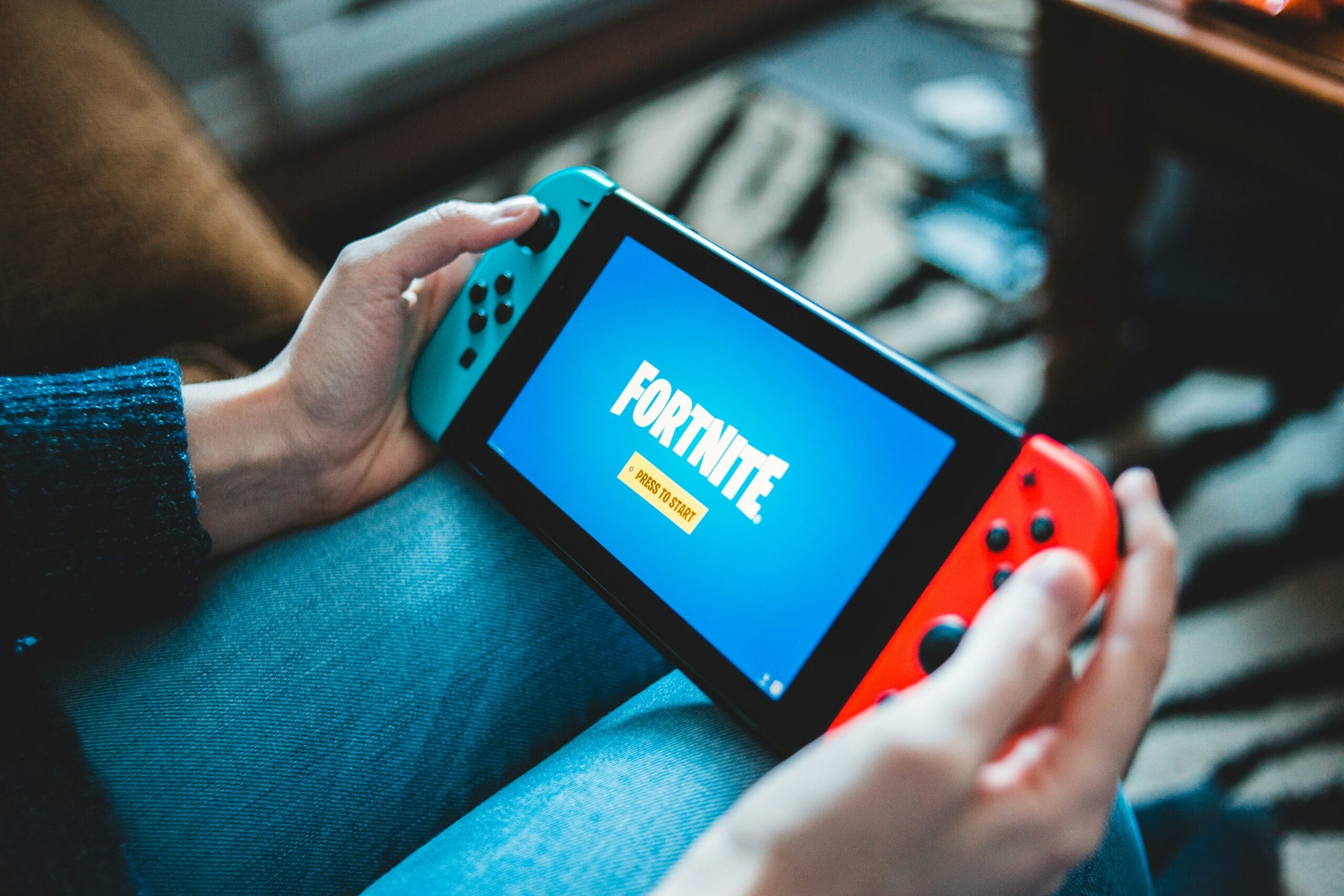
Video games and high fashion occupied entirely different worlds until Balenciaga chose to create virtual clothing for Fortnite avatars in 2021.
Players could buy digital outfits modeled after Balenciaga’s actual collections, while the brand concurrently launched physical versions of Fortnite-influenced apparel.
The layered partnership—where virtual and tangible fashion influenced each other—resembled something from a futuristic novel about runaway consumerism.
Balenciaga built virtual shopping spaces inside Fortnite where players could explore digital fashion offerings, essentially transforming a combat game into a luxury retail environment.
The arrangement prompted philosophical debates about the meaning of clothing that exists purely in digital form.
If nobody can physically touch or wear your Balenciaga sweatshirt in reality, but millions observe it on your game character, does it still qualify as luxury fashion?
The partnership pushed the industry to reconsider what fashion actually means as our lives become increasingly screen-based.
Dolce & Gabbana × Smeg
Kitchen gadgets aren’t usually connected with runway sophistication, but Dolce & Gabbana’s continuing relationship with Italian appliance manufacturer Smeg demonstrated that even refrigerators could receive the luxury upgrade.
The partnership generated hand-decorated toasters, blenders, and stand mixers featuring intricate Sicilian-inspired designs, selling for anywhere between $400 and several thousand dollars depending on the item.
These products existed in an odd territory between practical kitchen equipment and decorative art.
Investing $800 in a toaster meant viewing it as something beyond a device that crisps bread—it became a focal point, a discussion starter, and evidence of commitment to a specific visual style.
The partnership worked because it delivered something genuinely distinctive in the luxury home market, even though the fundamental concept of designer kitchen tools seemed absurd to anyone simply wanting consistently browned toast.
Why They Keep Happening

These peculiar partnerships expose something revealing about contemporary luxury—exclusivity no longer stems from craftsmanship or history alone.
In an era where knowledge and production methods are broadly available, luxury labels must constantly reinvent what distinguishes them.
Teaming up with unexpected partners creates attention, manufactures scarcity through limited availability, and reaches new audiences who might never have noticed the brand otherwise.
The approach also works as cultural filtering.
Grasping why a $2,000 Balenciaga Croc matters requires familiarity with current fashion conversations, internet humor, and contemporary irony.
These partnerships aren’t meant for universal appeal—they’re designed to distinguish those who understand from those who don’t, establishing new types of exclusivity built on cultural knowledge rather than purely financial means.
That might represent the most ridiculous element: luxury fashion persuaded people that comprehending the reference holds equivalent value to owning the actual product.
More from Go2Tutors!

- The Romanov Crown Jewels and Their Tragic Fate
- 13 Historical Mysteries That Science Still Can’t Solve
- Famous Hoaxes That Fooled the World for Years
- 15 Child Stars with Tragic Adult Lives
- 16 Famous Jewelry Pieces in History
Like Go2Tutors’s content? Follow us on MSN.