Food That Are Naturally Radioactive
Your kitchen contains radioactive materials. Not because of contamination or industrial accidents, but because certain foods naturally contain radioactive isotopes that have existed since the planet formed.
These elements are part of the normal composition of soil, water, and living organisms. When plants absorb nutrients from the ground, they sometimes pick up radioactive versions of common elements.
The amounts are tiny and harmless, but they’re measurable with the right equipment.
Bananas Set the Standard

Bananas became so associated with radiation that scientists created a unit called the “banana equivalent dose” to help people understand radiation exposure. One banana contains about 0.1 microsieverts of radiation from potassium-40, a naturally occurring radioactive isotope of potassium.
Potassium is essential for your body to function. Your muscles need it to contract, your nerves need it to fire signals, and your heart needs it to beat.
About 0.012% of all potassium in nature is potassium-40, which decays slowly over time. When you eat a banana, you consume this radioactive isotope along with all the regular potassium.
Your body maintains a constant potassium level regardless of how many bananas you eat. Excess potassium gets filtered out by your kidneys and removed through urine.
So eating more bananas doesn’t make you significantly more radioactive. The potassium-40 you already have in your body from various food sources over time contributes more radiation than any single banana could.
Brazil Nuts Contain Radium

Brazil nuts concentrate radium at levels higher than almost any other food. The trees that produce these nuts have extensive root systems that go deep into the ground, where they encounter soil containing naturally occurring radium.
The trees absorb this element along with other nutrients, and it accumulates in the nuts. A single Brazil nut can contain up to 1,000 times more radium than other foods.
The actual amount varies depending on where the tree grew and the composition of the soil. Radium-226 decays into radon gas, the same substance that causes concern when it builds up in basements.
Despite the high radium content, eating Brazil nuts occasionally poses no health risk. You would need to eat enormous quantities daily for years to experience any negative effects.
The selenium and other nutrients in Brazil nuts provide health benefits that far outweigh any radiation concerns. Still, the fact remains that these nuts are among the most radioactive foods you can buy at a grocery store.
Potatoes Hold Potassium Too

Potatoes contain potassium-40 just like bananas, though most people don’t associate them with radioactivity. A medium potato has slightly more potassium than a banana, which means slightly more radioactive isotopes as well.
The difference is minimal and completely insignificant for health purposes. Whether you bake, boil, or fry them, the radioactive content remains unchanged.
Cooking doesn’t affect radioactive decay. The potassium-40 in your potato was there when it grew underground, and it stays there through whatever preparation method you choose.
Carrots Absorb From Soil
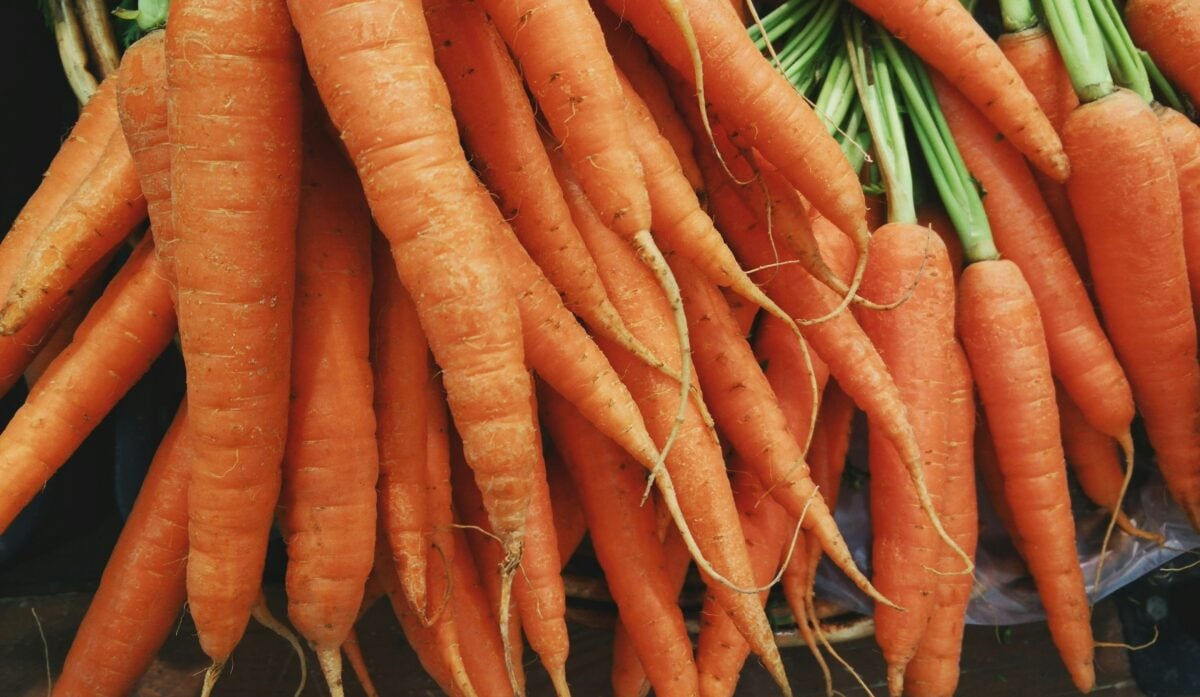
Root vegetables like carrots grow in direct contact with soil for months, giving them plenty of time to absorb whatever elements are present. This includes small amounts of uranium, thorium, and radium that exist naturally in dirt.
The concentrations remain extremely low and pose no danger. Carrots also contain potassium-40 like other plant foods.
The combination of these various radioactive isotopes makes carrots measurably radioactive if you use sensitive detection equipment. Your body processes these elements the same way it handles their non-radioactive counterparts.
Lima Beans Pack Potassium

Lima beans rank high in potassium content, which means they also rank high in potassium-40. A cup of cooked lima beans contains more potassium than a banana, making them more radioactive by the same measure.
The radiation remains well within safe limits established by health organizations worldwide. The beans’ nutritional benefits include protein, fiber, and various vitamins along with potassium.
The radioactive isotope is just a natural component of an otherwise healthy food. Your body needs potassium and handles the tiny amount of radiation without any issues.
Red Meat Contains Potassium

Meat contains potassium because animals need it to survive, just like humans do. When you eat beef, pork, or lamb, you’re consuming the potassium that was in the animal’s muscles and organs.
Some of that potassium is the radioactive potassium-40 isotope. The radiation levels in meat are comparable to those in plant foods with similar potassium content.
A steak doesn’t make you more radioactive than eating an equivalent amount of vegetables would. The source of the potassium doesn’t matter.
What matters is the total amount you consume and your body’s ability to regulate it.
Beer Picks Up Elements During Brewing

Beer contains small amounts of radioactive isotopes from the water used in brewing and the grains that provide the fermentable sugars. Water sources naturally contain trace amounts of uranium, radium, and other radioactive elements.
These remain in the final product even after fermentation and filtering. Hops and barley absorb elements from the soil while growing, adding their own contribution of radioactive isotopes.
The alcohol content has no effect on the radiation levels. A beer with 4% alcohol contains the same radioactive materials as one with 8%, assuming they used similar water and grain sources.
The amounts remain far too low to cause any health concerns. You would face far greater risks from the alcohol content than from any radiation in your beer.
Drinking Water Carries Trace Elements

Groundwater passes through rock and soil, picking up dissolved minerals including radioactive isotopes. The type and amount depend on the geology of the area.
Some regions have naturally higher levels of uranium or radon in their water supplies. Public water systems monitor radioactivity levels and keep them well below safety thresholds established by health organizations.
The treatment processes remove some radioactive elements but not all of them. Even treated tap water contains measurable amounts of naturally occurring radioactive substances.
Bottled water isn’t necessarily different. Spring water comes from underground sources that contain the same natural radioactive elements as tap water.
The radiation levels vary by source but remain within safe limits for both tap and bottled varieties.
Sunflower Seeds Store Potassium
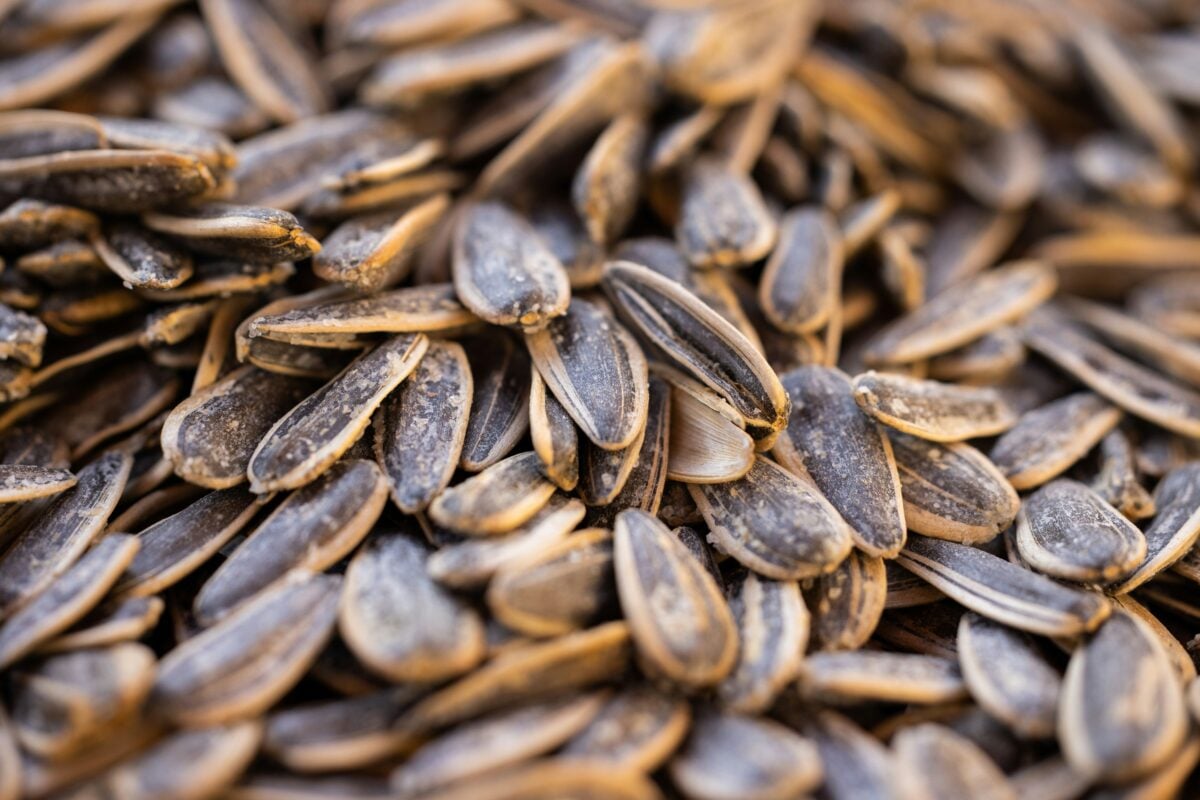
Sunflower seeds pack impressive amounts of potassium into a small package. A quarter cup contains nearly as much potassium as a medium banana, which means comparable levels of potassium-40.
The seeds also contain trace amounts of other radioactive isotopes absorbed from the soil during growth.
Snacking on sunflower seeds exposes you to the same type of natural radiation as eating any other potassium-rich food. The seeds’ high nutrient density makes them a healthy choice despite their measurable radioactivity.
Your body benefits from the minerals, vitamins, and healthy fats while handling the radiation without difficulty.
Peanut Butter Concentrates Everything

Peanuts grow underground in pods, giving them extended contact with soil and its radioactive elements. When processed into peanut butter, the radioactive isotopes concentrate along with everything else in the nuts.
A jar of peanut butter contains more radioactive material than the equivalent weight of whole peanuts would have in their shells. The primary radioactive element in peanut butter is potassium-40, but trace amounts of other isotopes exist as well.
Two tablespoons of peanut butter contain enough potassium to measure radiation levels similar to eating a banana. The protein, healthy fats, and other nutrients make peanut butter valuable despite this characteristic.
Avocados Lead in Potassium Content

Avocados contain more potassium per serving than almost any other common fruit or vegetable. One medium avocado has roughly twice the potassium of a banana, making it twice as radioactive by the same measurement.
This contributes to the fruit’s reputation as a nutrient-dense food, though the radioactivity is just a side effect of the mineral content. The creamy texture and healthy fats get all the attention, but the potassium content is equally impressive from a nutritional standpoint.
The radioactive potassium-40 comes as a natural part of that mineral profile. Your body processes it efficiently while benefiting from the other nutrients avocados provide.
Spinach Absorbs Multiple Isotopes

Leafy greens like spinach grow with large surface areas exposed to soil and air, letting them absorb various elements including radioactive ones. Spinach concentrates potassium along with iron, calcium, and other minerals.
The potassium-40 makes it slightly radioactive, while trace amounts of other isotopes add to the total. Cooking spinach concentrates these elements by removing water.
A cup of cooked spinach contains more radioactive material than a cup of raw spinach because you’re eating more actual plant matter per volume. The nutrition benefits increase along with the radiation levels, though both remain well within normal ranges for food.
Salt Substitutes Amplify Potassium
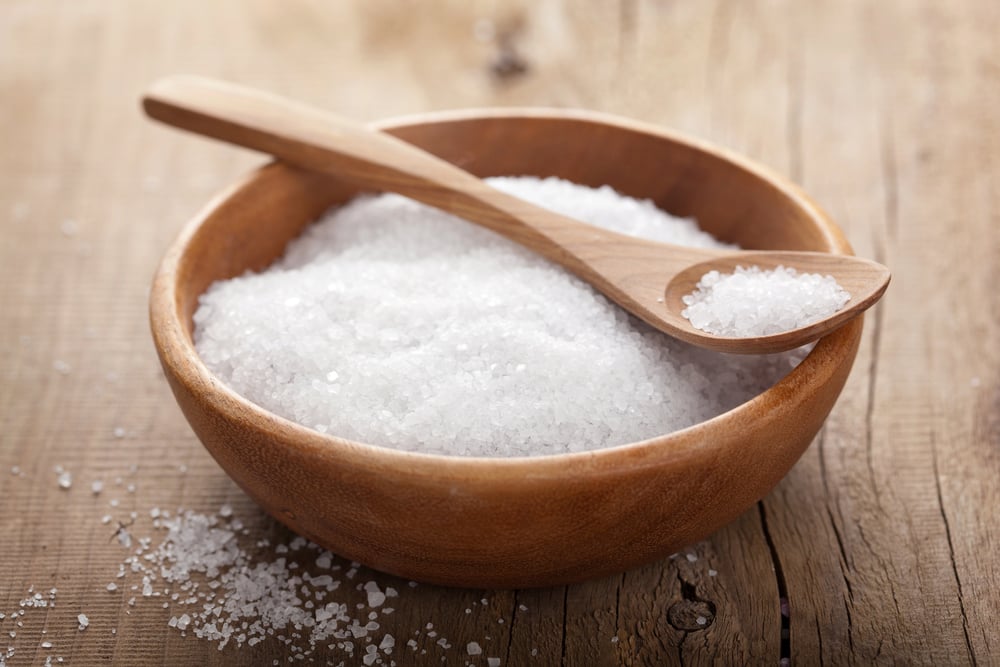
Salt substitutes marketed to people watching their sodium intake typically use potassium chloride instead of sodium chloride. This means they contain concentrated potassium, which includes the radioactive potassium-40 isotope at higher levels than regular foods.
Using a salt substitute liberally can expose you to more potassium-40 than eating potassium-rich foods would. The radiation remains harmless at normal consumption levels, but it’s higher than what you’d get from regular table salt.
The substitutes serve their intended purpose of reducing sodium intake, with increased radioactivity as an unintended but insignificant side effect.
Coffee Brews Low-Level Radiation

Coffee beans absorb potassium and other elements while growing, and these end up in your morning brew. The water used to make coffee contributes its own trace radioactive elements.
The combination creates a mildly radioactive beverage that millions of people drink daily without any health effects from the radiation. The caffeine poses more significant physiological effects than the radioactivity ever could.
The radioactive isotopes pass through your system along with the liquid, while your body maintains its normal background radiation level from other sources. A cup of coffee won’t make you glow or set off radiation detectors.
Living With Natural Radiation

Before Earth had creatures, it already held invisible particles in the earth and air. These tiny bits stay around – longer than bones, longer than stone.
From the ground soaked in rain, roots pull minerals without knowing which are quiet, which hum. Creatures that chew leaves carry those tremors inside their bodies.
When you take food into your mouth, whether leaf or flesh, you also accept what came before. The chain does not break.
Right inside you, tiny bits of radiation exist. Potassium within your cells holds a form called potassium-40.
Carbon tucked in your tissues carries carbon-14. Simply by living, breathing, consuming meals, you emit faint rays.
Every person before you shared this quiet glow. A speck of what hits your body comes from meals.
Up above, rays rain down constantly, adding up faster than dinner ever could. Basements fill with invisible gas that plays a bigger role than spices or soil.
Snapshots at clinics pump out doses in moments – far beyond what decades on the plate bring.
Picture this: bananas glow just a bit.
That tiny shine comes from potassium inside them. So when news talks about reactor readings, think of lunch.
A snack shows how normal background energy really is. This idea isn’t new – it’s baked into everyday stuff.
Even your toast gives off a whisper of rays. Seeing risk clearly means noticing what’s already around.
Tiny amounts? They’re part of living here. Bananas give off a tiny bit of radiation.
That sounds odd, yet it’s true. Your body handles this without effort.
Potassium inside them includes a form that’s naturally unstable. You need potassium.
It keeps nerves working. The radishes you eat? Same story.
A trace amount of background energy comes from them too. This isn’t strange.
It matches what exists in soil and air already. Even granite countertops emit similar signals.
Breathing brings in small doses daily. Living near mountains adds more than food ever could.
What matters is scale. The portion in meals stays far below concern.
Cells repair minor disruptions like these constantly. So do not worry.
Nature built balance into the system long before humans measured it.
More from Go2Tutors!

- The Romanov Crown Jewels and Their Tragic Fate
- 13 Historical Mysteries That Science Still Can’t Solve
- Famous Hoaxes That Fooled the World for Years
- 15 Child Stars with Tragic Adult Lives
- 16 Famous Jewelry Pieces in History
Like Go2Tutors’s content? Follow us on MSN.