Foods That Became Iconic Through Advertising
Stroll through a store lane – familiar items pop up, even if you’ve never tasted them. Jingles sneak into your thoughts without warning.
Characters on boxes seem like folks you know. Certain snacks wouldn’t exist without ads shaping their story.
A well-timed push can lift a basic good into something iconic, lasting way beyond its original fans.
Diamonds Are Forever, Breakfast Is New

De Beers didn’t create diamonds – yet they shaped how we see engagement rings today. Back in 1938, hardly anyone bought diamonds; the economy had crashed.
To fix this, the brand brought in N.W. Ayer, an ad team that slipped articles into papers while handing out gems to famous actors. Then came 1947, when they dropped a line that stuck: “A diamond lasts forever.”
Fast forward a few decades, and splurging two months’ pay on a sparkler seemed normal instead of wild. It clicked so hard folks stopped seeing it as ads – and started treating it like truth.
Orange Juice at Sunrise

Americans didn’t drink much orange juice before the Florida Citrus Commission started advertising in the 1940s. Oranges were seasonal, expensive to ship, and spoiled quickly.
But frozen concentrate changed everything. The commission launched campaigns showing families drinking juice at breakfast, positioning it as essential morning nutrition.
They hired Anita Bryant as a spokesperson who sang “Come to the Florida Sunshine Tree.” Sales exploded.
Within twenty years, orange juice became as fundamental to American breakfast as coffee.
Milk Does a Body Good

The dairy industry faced declining milk consumption in the 1980s. People were drinking soda instead.
The National Dairy Council responded with celebrity endorsements and catchy slogans. First came “Milk Does a Body Good,” then the more famous “Got Milk?” campaign in the 1990s.
Celebrities wore milk mustaches on magazine covers and billboards. The ads didn’t explain why you needed milk—they just made not drinking it seem foolish.
Milk sales stabilized and the white mustache became one of the most recognizable images in advertising history.
Bacon and Eggs by Design

Edward Bernays, nephew of Sigmund Freud, changed American breakfast in the 1920s. The Beech-Nut Packing Company hired him to sell more bacon.
Bernays didn’t just advertise bacon—he manipulated public opinion. He surveyed doctors, asking if heavy breakfasts were healthier than light ones.
When they said yes, he publicized their responses and suggested bacon and eggs as the ideal heavy breakfast. Newspapers ran the story as news, not advertising.
Americans adopted the combination and never looked back.
Campbell’s Soup for the American Soul
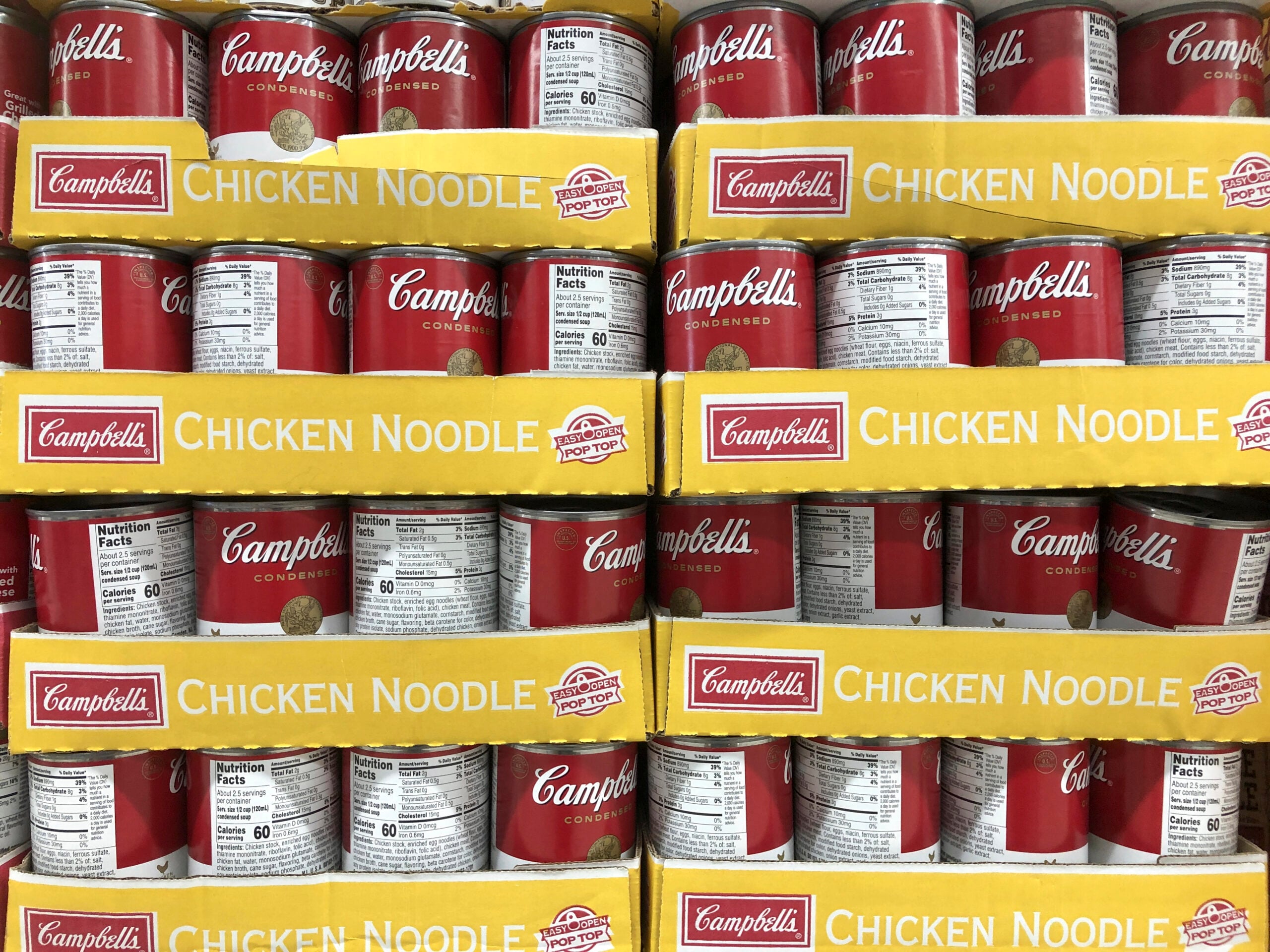
Campbell’s Soup Company faced a problem in the early 1900s. Americans viewed canned soup as inferior to homemade.
The company hired advertising agencies who positioned Campbell’s as a time-saver for busy mothers, not a compromise on quality. They created the Campbell Kids, cherubic cartoon children who appeared in ads for decades.
The red and white label became so iconic that Andy Warhol turned it into art. The advertising worked so thoroughly that Campbell’s soup became synonymous with comfort and childhood itself.
Breakfast of Champions
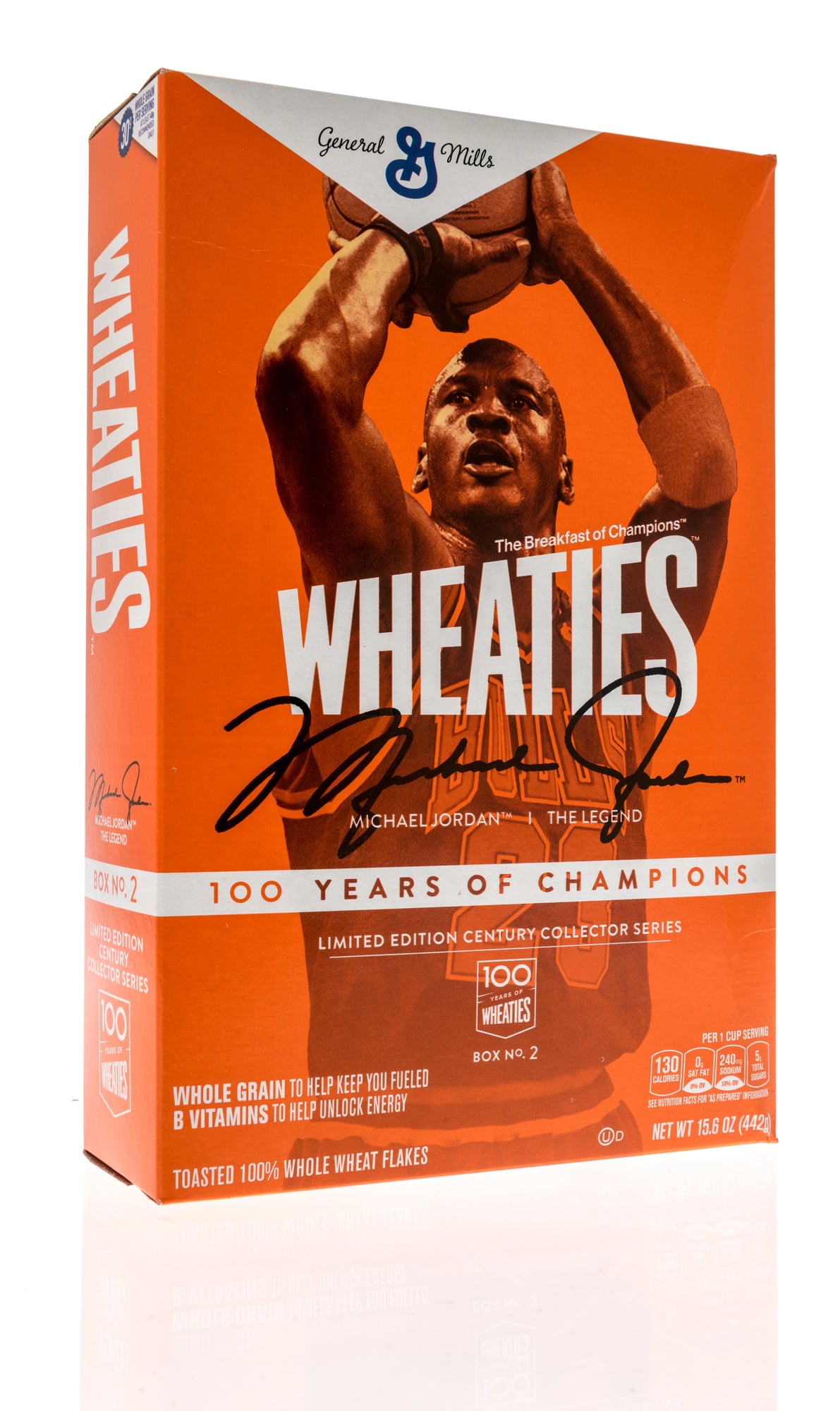
Wheaties was failing in the 1930s. General Mills needed a strategy that went beyond health claims.
They started associating the cereal with athletes, first locally, then nationally. Baseball players endorsed the product.
The phrase “Breakfast of Champions” appeared on every box. The campaign created a feedback loop—athletes wanted to appear on Wheaties boxes because it proved their champion status.
For generations, Wheaties boxes served as a hall of fame for American sports heroes.
Jell-O and the Housewife

Jell-O existed before advertising made it essential, but barely. In the early 1900s, the company hired salesmen to go door-to-door giving away free recipe books.
The books showed Jell-O as versatile—desserts, salads, molded creations. Advertisements targeted housewives, promising easy entertaining and impressed guests.
The campaign worked because it didn’t just sell gelatin—it sold a vision of domestic success. By mid-century, Jell-O molds had become expected at dinner parties and potlucks.
California Raisins Dancing Into Culture

The California Raisin Advisory Board faced a challenge in the 1980s. Raisins were boring.
Nobody got excited about dried fruit. Then they created claymation raisins in sunglasses who danced to Motown music.
The “California Raisins” ad campaign became a phenomenon. The characters appeared on lunchboxes, in toy stores, and on television specials.
Raisin sales increased dramatically. The ads worked because they never mentioned health or nutrition—they just made raisins cool.
Red Bull Gives You Wings
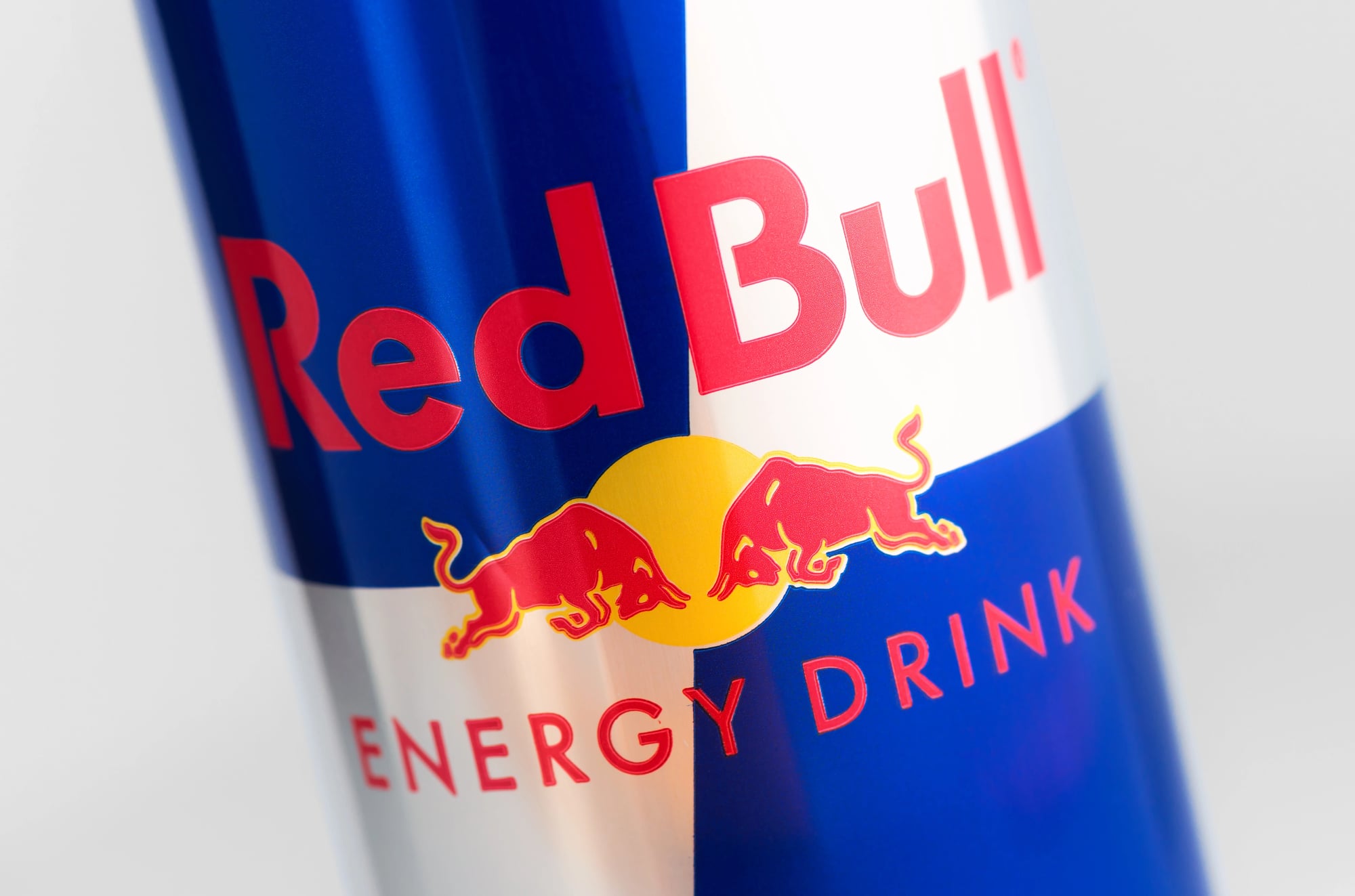
Red Bull didn’t invent energy drinks, but they invented the energy drink market in the West. The Austrian company entered the American market in 1997 with a product that tasted medicinal and cost more than soda.
Their advertising focused on extreme sports, late-night studying, and pushing limits. They sponsored athletes, created their own events, and used unconventional marketing.
The slogan “Red Bull Gives You Wings” appeared everywhere. The company built an entire lifestyle brand around a beverage that most people initially found unpleasant.
Oreos and Milk Rituals
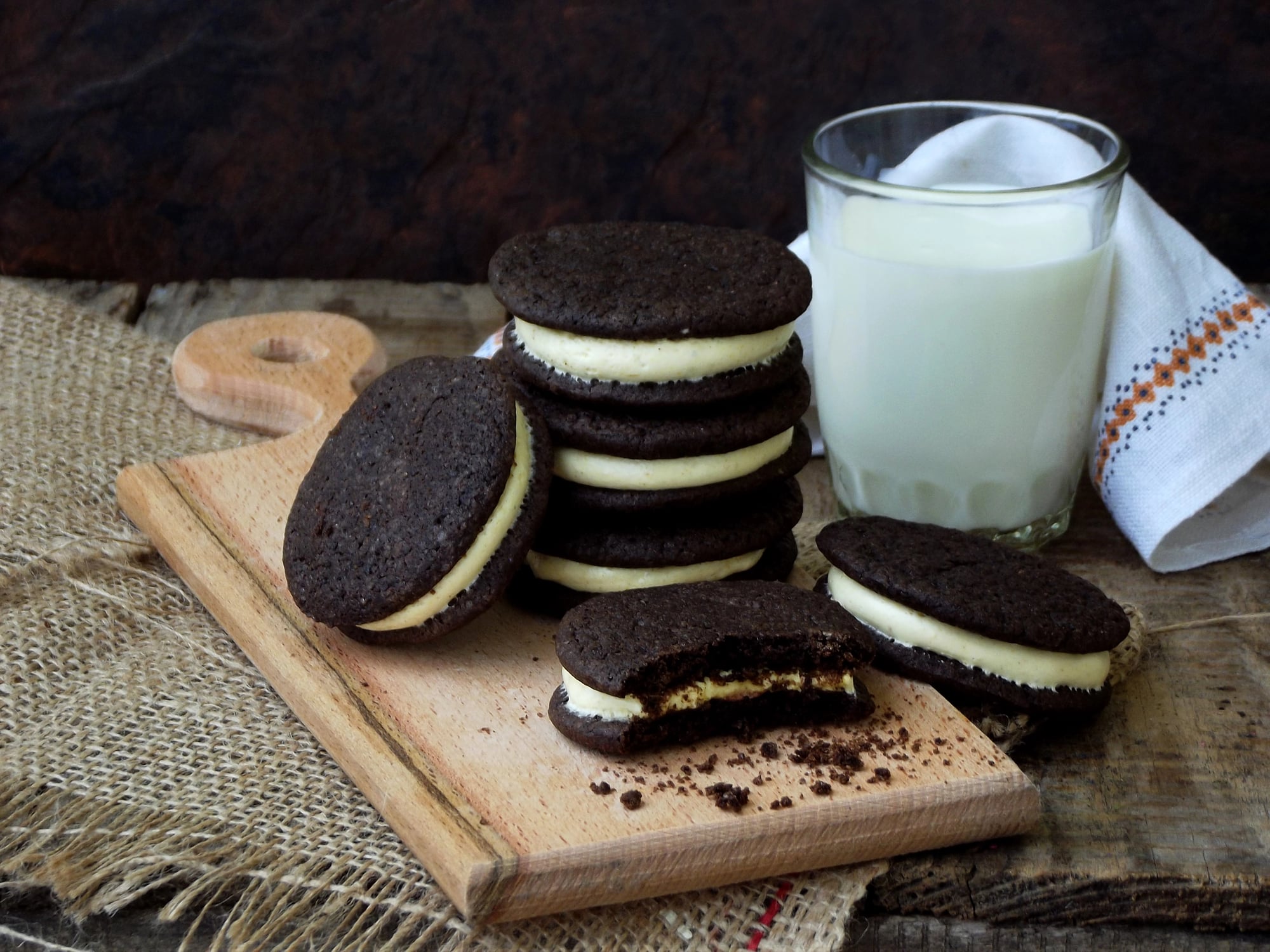
Nabisco created Oreos in 1912, but it took decades of advertising to turn them into an American institution. The company didn’t just advertise taste—they advertised methods.
Television commercials showed the “twist, lick, dunk” ritual. Print ads featured cookies splitting perfectly to reveal cream filling.
The advertising created a shared experience around eating the cookie. By teaching consumers how to eat Oreos, Nabisco turned snacking into a ritual that parents passed down to children.
Coca-Cola Shapes Santa’s Image

Coca-Cola didn’t invent Santa Claus or his red suit, but their advertising helped standardize his modern appearance. In 1931, the company commissioned artist Haddon Sundblom to create Santa images for their Christmas campaigns.
Sundblom painted a warm, jolly, grandfather-like Santa based on Clement Clarke Moore’s 1823 poem. His Santa wore red and white—colors that already existed in some Santa depictions but conveniently matched Coca-Cola’s brand.
Sundblom continued painting these Santas until 1964. The images appeared everywhere, becoming many people’s primary exposure to Santa in color.
While historians debate whether Coca-Cola changed Santa’s look, the company’s marketing certainly made their version the dominant one globally.
Lucky Charms and Saturday Mornings
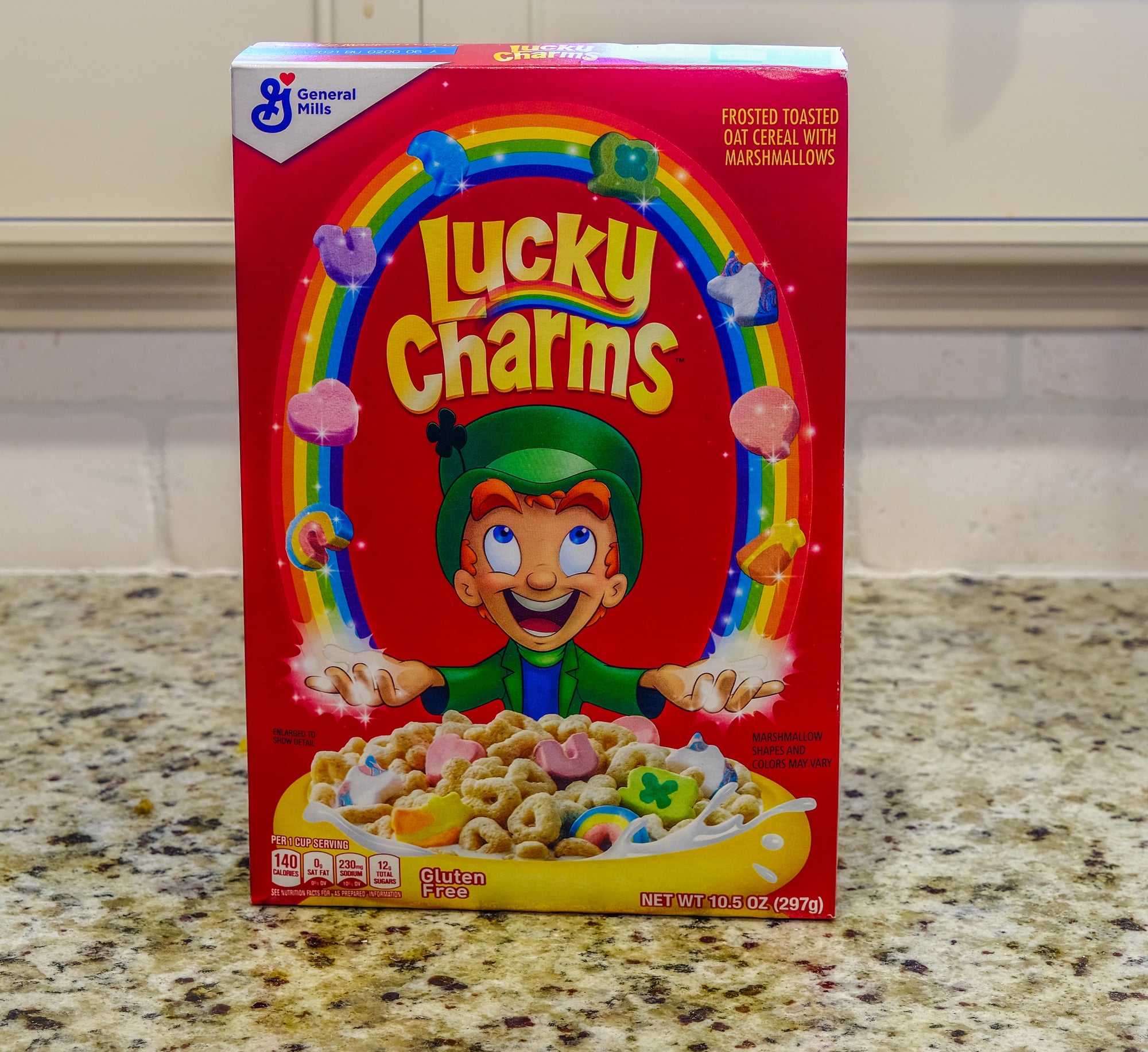
General Mills brought out Lucky Charms back in ’64, banking on one clear idea – hit up Saturday morning shows with nonstop ads. A little leprechaun named Lucky was made to protect his tasty cereal from kids trying to grab it.
These commercials popped up each time the cartoons paused. After seeing them, kids kept asking their parents to pick up that exact box at the store.
The plan did such a good job that Saturday mornings turned into hot spots for selling sweet breakfast treats. Thanks to the commercials, Lucky Charms wasn’t just riding the wave – it sparked hunger outta nowhere.
Pringles and Saddle-Shaped Innovation
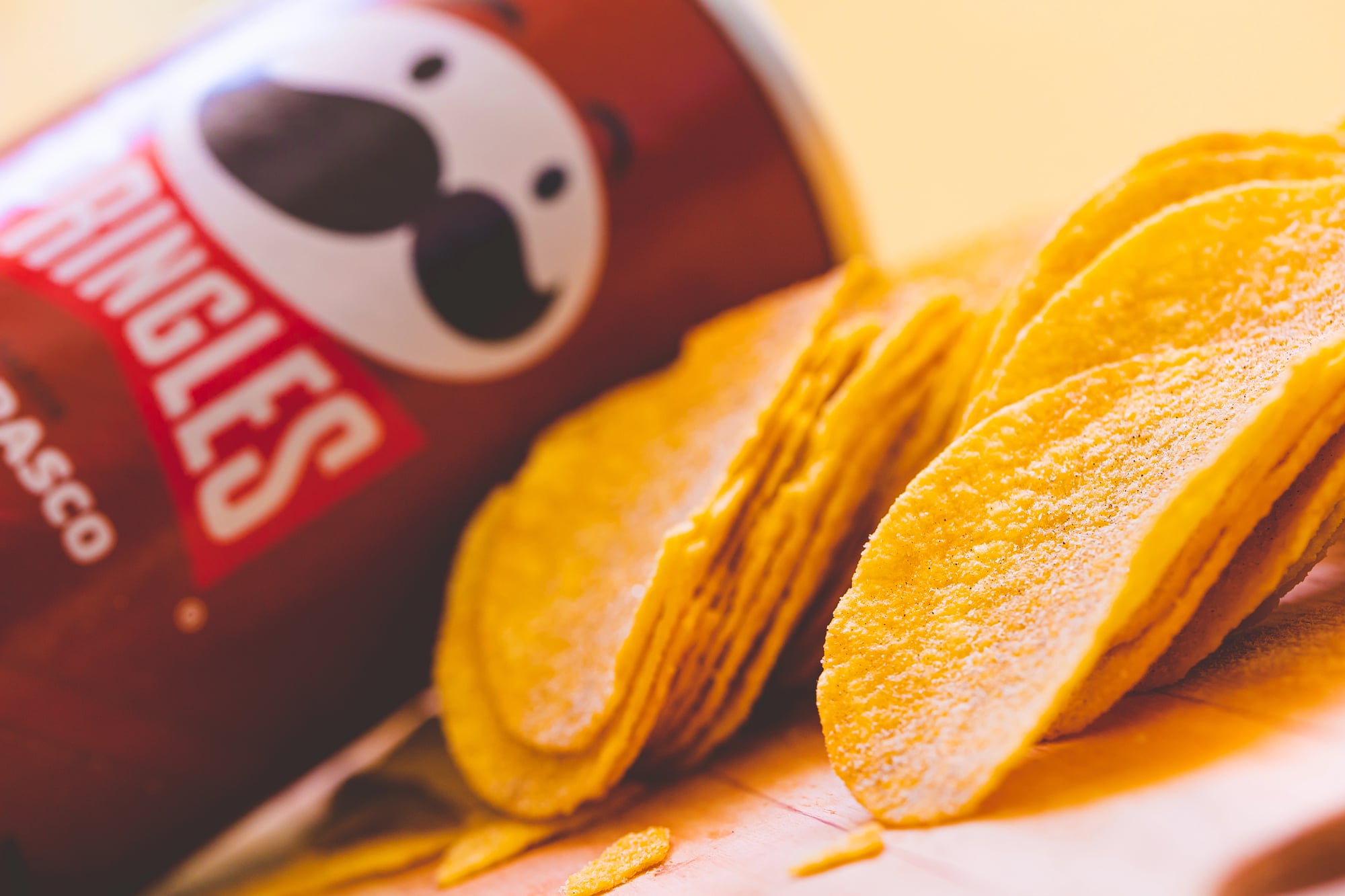
Procter & Gamble had a tough time selling Pringles back in the 1960s. Those consistent, curved chips stood out from everything else on shelves.
At first, ads focused on the tube packaging along with how neatly they stacked. A catchphrase like “Once you pop, you can’t stop” showed up afterward – yet it nailed exactly why people kept coming back.
The ad made people think the odd shape and pack meant better crisps, yet they were pricier. Pringles turned legendary not because of its weird look – but ‘cause commercials sold it as something new.
When Slogans Outlive Products

Some of these items worked since they fixed actual issues. Yet a few caused troubles – then sold fixes through ads.
Top campaigns didn’t merely push snacks – they stitched goods into daily life so deep pulling them out seems unreal. Kids learn catchy tunes their grandpas once hummed.
Breakfast setups stay unchanged for decades. Ads fade into the background, swapped out by routine, custom, or the cozy idea that things were never different.
More from Go2Tutors!

- The Romanov Crown Jewels and Their Tragic Fate
- 13 Historical Mysteries That Science Still Can’t Solve
- Famous Hoaxes That Fooled the World for Years
- 15 Child Stars with Tragic Adult Lives
- 16 Famous Jewelry Pieces in History
Like Go2Tutors’s content? Follow us on MSN