Fictional Characters Based on Real People
Writers borrow from life. They always have.
The friend who talks too much becomes a side character in a novel. The demanding boss transforms into a villain.
Sometimes the connection stays obvious, and other times it hides beneath layers of fiction. But the thread between reality and imagination runs through literature, film, and television in ways that surprise even casual audiences.
When Authors Get Too Close to Home

Truman Capote wrote “Answered Prayers,” a tell-all novel that destroyed his social circle. The wealthy women who had trusted him with their secrets suddenly saw themselves on the page, barely disguised.
He changed names but kept everything else. The descriptions were too accurate, the scandals too specific.
His friends recognized themselves and never forgave him. The manuscript remained unfinished when he died, partly because the damage had already been done.
The Method That Made Sherlock Holmes

Arthur Conan Doyle based Sherlock Holmes on Dr. Joseph Bell, his professor at Edinburgh Medical School. Bell had an uncanny ability to diagnose patients by observation alone.
He’d look at a man’s hands and know his occupation, glance at his boots and determine where he’d been walking. Doyle watched these demonstrations and realized they’d make great storytelling.
The deductive reasoning that defines Holmes came directly from Bell’s teaching methods.
Shakespeare’s Hidden Targets

Scholars still debate which of Shakespeare’s characters reference real people from Elizabethan England. Some believe Malvolio in “Twelfth Night” mocked a specific Puritan official who annoyed the playwright.
Others think Polonius in “Hamlet” satirized Lord Burghley, Queen Elizabeth’s chief advisor. The clues exist in the text, but centuries make them harder to decode.
What remains clear is that Shakespeare, like everyone else, drew inspiration from the people around him.
When Breakfast at Tiffany’s Caused a Lawsuit

Truman Capote claimed Holly Golightly wasn’t based on anyone specific, but many saw similarities to multiple real women in his life. The character’s charm, her carefully constructed persona, her survival instincts—these traits belonged to women Capote knew in New York’s social scene.
One woman even threatened legal action, convinced she was the model. Capote denied everything, but the connections were too strong to ignore completely.
F. Scott Fitzgerald’s Dangerous Game

Fitzgerald turned his wife Zelda into characters repeatedly. Her diary entries appeared in his novels.
Her phrases became dialogue. When she wrote her own novel, “Save Me the Waltz,” she used their marriage as material too.
They both mined their relationship for fiction, and it created tension between them. She felt exposed.
He felt entitled to their shared experiences. The line between their lives and their art dissolved almost completely.
Jane Austen’s Neighborhood Watch
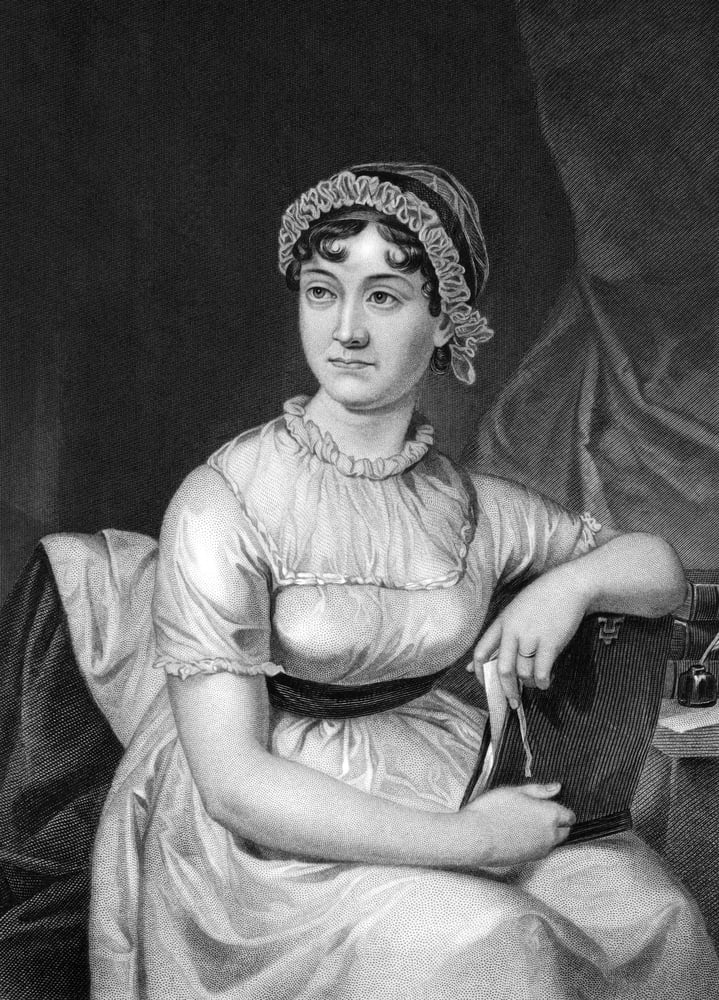
Austen observed the families around her in Hampshire and turned them into characters. She changed enough details to maintain deniability, but people in her social circle could probably spot themselves.
Mr. Collins, that obsequious clergyman in “Pride and Prejudice,” likely had real-world inspirations among the clergymen she knew. Her sharp social commentary came from years of watching how people actually behaved at dinner parties and dances.
The Playwright Who Got Banned

Oscar Wilde wrote “The Importance of Being Earnest” with characters that resembled people in London society. His wit made fun of their pretensions and hypocrisies.
After his trial and imprisonment, audiences started reading his plays differently. They looked for hidden meanings and real-world references they’d missed before.
Some characters suddenly seemed like warnings about the very people who had condemned him.
Hemingway’s Enemies List
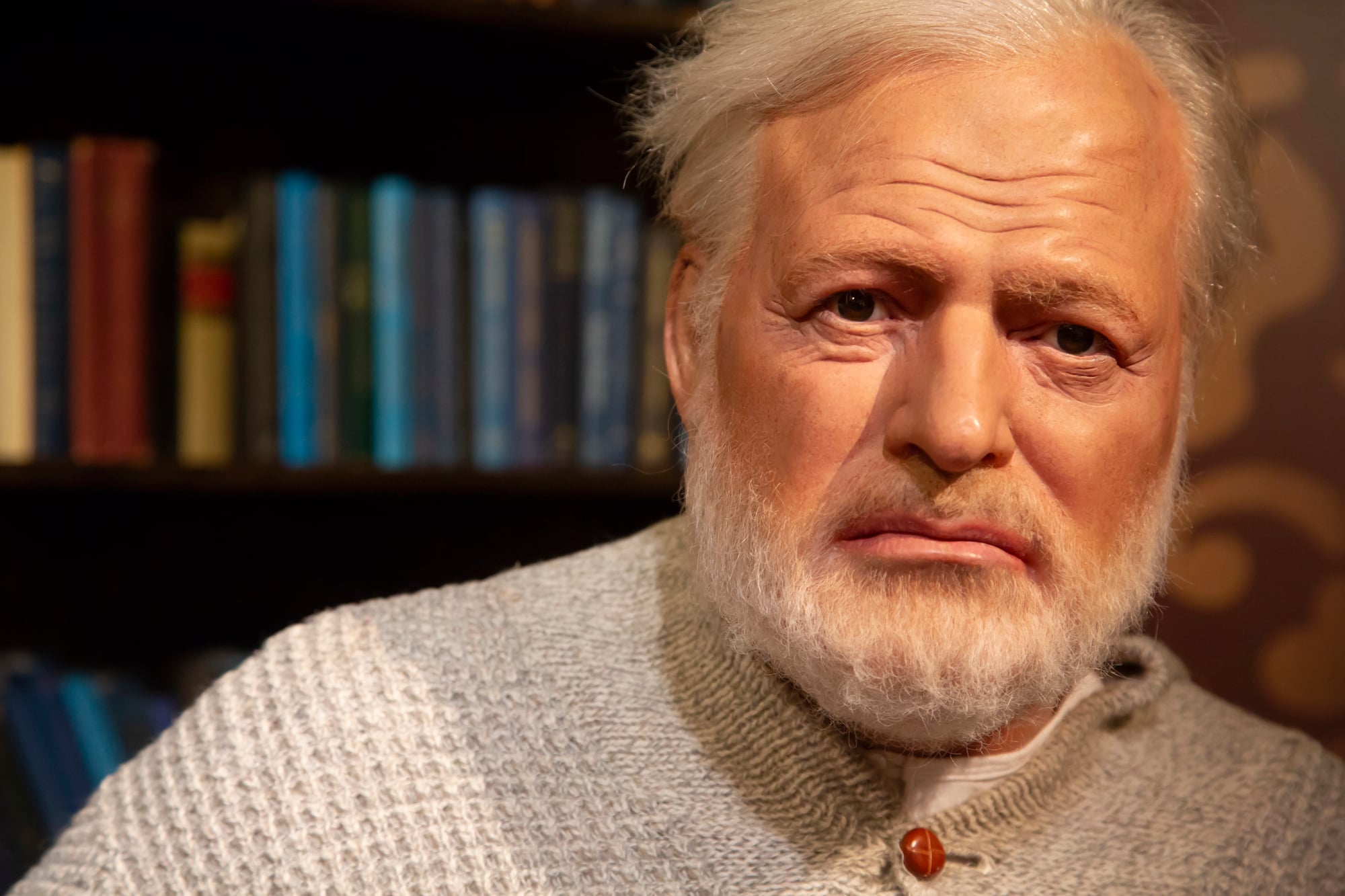
Ernest Hemingway put people he disliked into his novels and killed them off or made them look foolish. He based the character Robert Cohn in “The Sun Also Rises” on Harold Loeb, a writer and former friend.
Loeb recognized himself immediately and felt betrayed. Hemingway didn’t apologize.
He believed writers had the right to use whatever material they needed, friendship be damned.
When Sylvia Plath Wrote Her Revenge
Plath’s novel “The Bell Jar” featured characters based on people who had hurt or disappointed her. She disguised them thinly, changing small details but keeping the essence intact.
One editor who rejected her work appeared as an incompetent fool. A psychiatrist who treated her badly got similar treatment on the page.
The book was published under a pseudonym in England, but everyone in her circle knew who wrote it and who the characters represented.
Charles Dickens and the Legal Profession

Dickens worked as a court reporter before becoming a novelist, and he hated the legal system’s inefficiency. His characters Jaggers in “Great Expectations” and Tulkinghorn in “Bleak House” drew from lawyers he’d observed.
The delays, the paperwork, the way the system ground people down—all of it came from his direct experience. He didn’t base these characters on single individuals but on the type of lawyer the system produced.
The Bond Between Ian Fleming and 007

Ian Fleming borrowed aspects of his own life for James Bond. The drinking, the clubs, the exotic locations—Fleming knew all of it firsthand from his work in naval intelligence during World War II.
But he also took traits from people he’d worked with, creating a composite character. Bond’s commander, M, resembled Fleming’s actual wartime superior.
The character worked because Fleming understood that world intimately.
Dorothy Parker’s Brutal Honesty

Parker wrote short stories featuring characters from the Algonquin Round Table, the literary circle she belonged to in 1920s New York. Her friends recognized themselves and weren’t always pleased.
She captured their mannerisms, their way of speaking, their particular brand of wit. The stories were funny but also cutting.
Parker knew exactly where to aim for maximum effect.
When Tom Wolfe Made Enemies

Wolfe’s nonfiction novel “The Electric Kool-Aid Acid Test” portrayed Ken Kesey and his followers, the Merry Pranksters. Though labeled nonfiction, Wolfe shaped and dramatized events, creating characters from real people.
Some of those people felt he’d distorted their lives for a better story. The book succeeded, but it also damaged relationships.
That’s the cost of turning real people into characters.
Stephen King’s Homage to His Community

King sets many novels in fictional Maine towns but bases characters on people from the real communities where he’s lived. He’s careful now, more careful than in his early career.
But the influence remains visible. The small-town dynamics, the types of people who populate his stories—they come from observation.
King understands these communities because he’s part of them.
The Ethics That Keep Shifting
The way we handle real folks in stories shifts over time. Stuff that was fine before might cause drama now.
People write about actual individuals, yet watch out for legal trouble or online outrage these days. With the web, spotting yourself – or someone you know – in a book happens fast, making “just a random character” sound less believable.
Even so, this trend sticks around since storytellers crave inspiration, and nothing beats real-life experiences.
Where Reality Ends and Fiction Begins

You can’t completely untangle a writer from what they create – or their characters from those who sparked them. When authors say it’s all imagined, bits of truth still sneak out anyway.
How someone moves, speaks, or even chuckles – that stuff roots back to real life. Stories act like pure make-believe, yet mostly reshape what already exists.
Folks we cross paths with turn into folks on the page. This is where tales actually begin.
More from Go2Tutors!

- The Romanov Crown Jewels and Their Tragic Fate
- 13 Historical Mysteries That Science Still Can’t Solve
- Famous Hoaxes That Fooled the World for Years
- 15 Child Stars with Tragic Adult Lives
- 16 Famous Jewelry Pieces in History
Like Go2Tutors’s content? Follow us on MSN.