Photos Of the Most Hyped Products in History That Turned Out to Be Complete Flops
Technology history is littered with products that promised to change everything. The marketing campaigns were perfect, the media coverage was wall-to-wall, and consumers lined up with wallets open.
Then reality hit. Some products failed because they were ahead of their time, others because they solved problems that didn’t exist, and a few because they were just genuinely terrible ideas wrapped in beautiful packaging.
The photos of these products tell a story — not of innovation and success, but of hubris, miscalculation, and the uncomfortable gap between what companies think people want and what they actually need.
Google Glass
Google Glass looked like science fiction made real. The sleek, minimalist design suggested a future where information floated seamlessly in your peripheral vision, where recording a moment required nothing more than a voice command.
But the photos tell a different story — one of people wearing what essentially amounted to expensive, conspicuous surveillance equipment on their faces.
The product died not from technical limitations (though those existed) but from social rejection. Nobody wanted to be the person wearing a computer on their face, and nobody wanted to be around someone who might be recording them at any moment.
Segway Personal Transporter
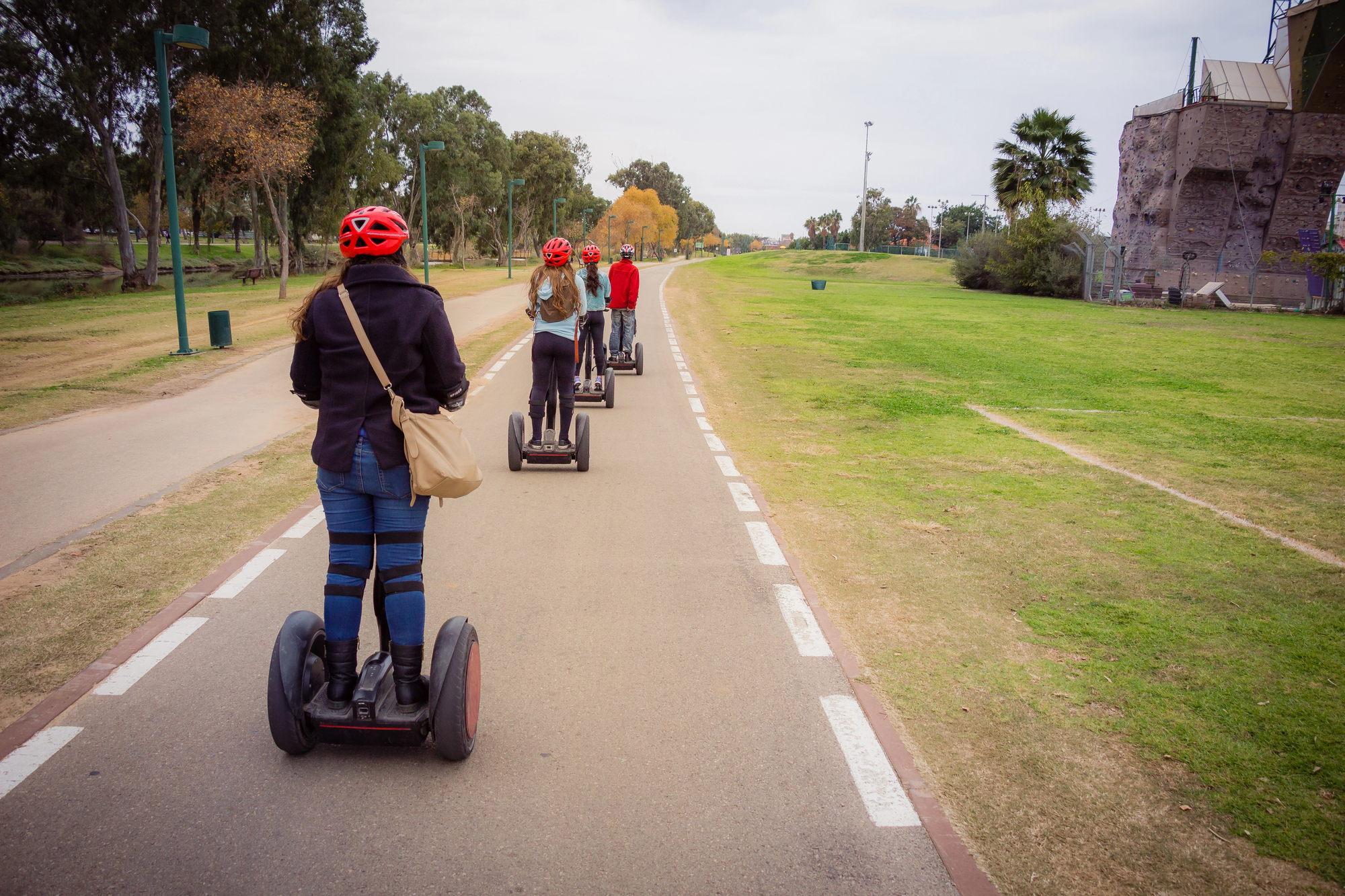
The Segway was supposed to revolutionize urban transportation. Dean Kamen, the inventor, famously claimed cities would be redesigned around his two-wheeled machine, and early investors suggested it would be “bigger than the internet.”
Looking at photos of the Segway now — with its chunky platform and towering steering column — it’s hard to imagine what all the fuss was about (though to be fair, it did become the unofficial vehicle of mall security guards and awkward city tours, which is something).
The device solved a transportation problem that turned out to be largely imaginary: most people were perfectly content walking short distances and driving longer ones.
And despite all the engineering prowess that went into making a self-balancing scooter, users kept running into the same fundamental issue — they looked ridiculous riding one.
New Coke
Coca-Cola spent millions developing and testing New Coke before its 1985 launch. The reformulated drink was sweeter, designed to compete directly with Pepsi’s taste profile, and backed by extensive market research showing people preferred it in blind taste tests.
The backlash was swift and merciless. Photos from the era show protesters dumping cases of New Coke, angry customers confronting store managers, and Coca-Cola executives looking increasingly desperate at press conferences.
The company had made a classic mistake — treating their product like a beverage when it was actually something closer to a cultural artifact.
You can optimize the taste of a soft drink, but you can’t engineer nostalgia or tamper with childhood memories without consequences.
Classic Coke returned within 79 days.
Microsoft Zune
The Zune arrived in 2006 with everything Microsoft thought it needed to challenge the iPod. Better specs, wireless sharing capabilities, and a subscription music service that was ahead of its time.
The marketing campaign positioned it as the anti-iPod — more social, more connected, less precious.
But examine photos of the original Zune sitting next to an iPod, and the fundamental problem becomes clear. Microsoft had built a technically superior product that felt fundamentally wrong — bulkier, more complicated, and somehow less confident despite doing more.
The brown color option became an immediate punchline. So did the wireless sharing feature, which only worked with other Zune owners (a group that remained stubbornly small).
The device lasted six years before Microsoft quietly discontinued it, though to be honest, most people had stopped noticing it existed long before that.
Sony Betamax
Betamax was superior to VHS in almost every measurable way — better picture quality, more reliable mechanism, smaller cassette size. Sony had the technology advantage and the brand recognition to dominate the home video market.
What they didn’t have was an understanding of how people actually wanted to use their product. VHS tapes could record longer, which meant you could capture an entire movie or sporting event on a single cassette.
Betamax required multiple tapes for the same content. Sony also kept tight control over licensing, while JVC allowed other manufacturers to make VHS players, flooding the market with options at every price point.
The photos of Betamax players show beautifully engineered machines that lost to inferior technology because Sony optimized for the wrong variables.
Amazon Fire Phone
Amazon’s entry into smartphones looked logical on paper. The company had successfully expanded from books to everything else, had millions of Prime customers, and understood mobile commerce better than most.
The Fire Phone would integrate seamlessly with Amazon’s ecosystem while offering unique features like Dynamic Perspective and Firefly object recognition.
The phone died within a year. Photos reveal a device that looked generic next to the iPhone and Galaxy models it was trying to challenge, and the software gimmicks felt more like party tricks than useful features (Dynamic Perspective, which created a pseudo-3D interface by tracking your head movements, was particularly pointless).
Amazon had built a phone optimized for Amazon customers rather than phone users, and the difference mattered more than they anticipated.
Virtual Boy
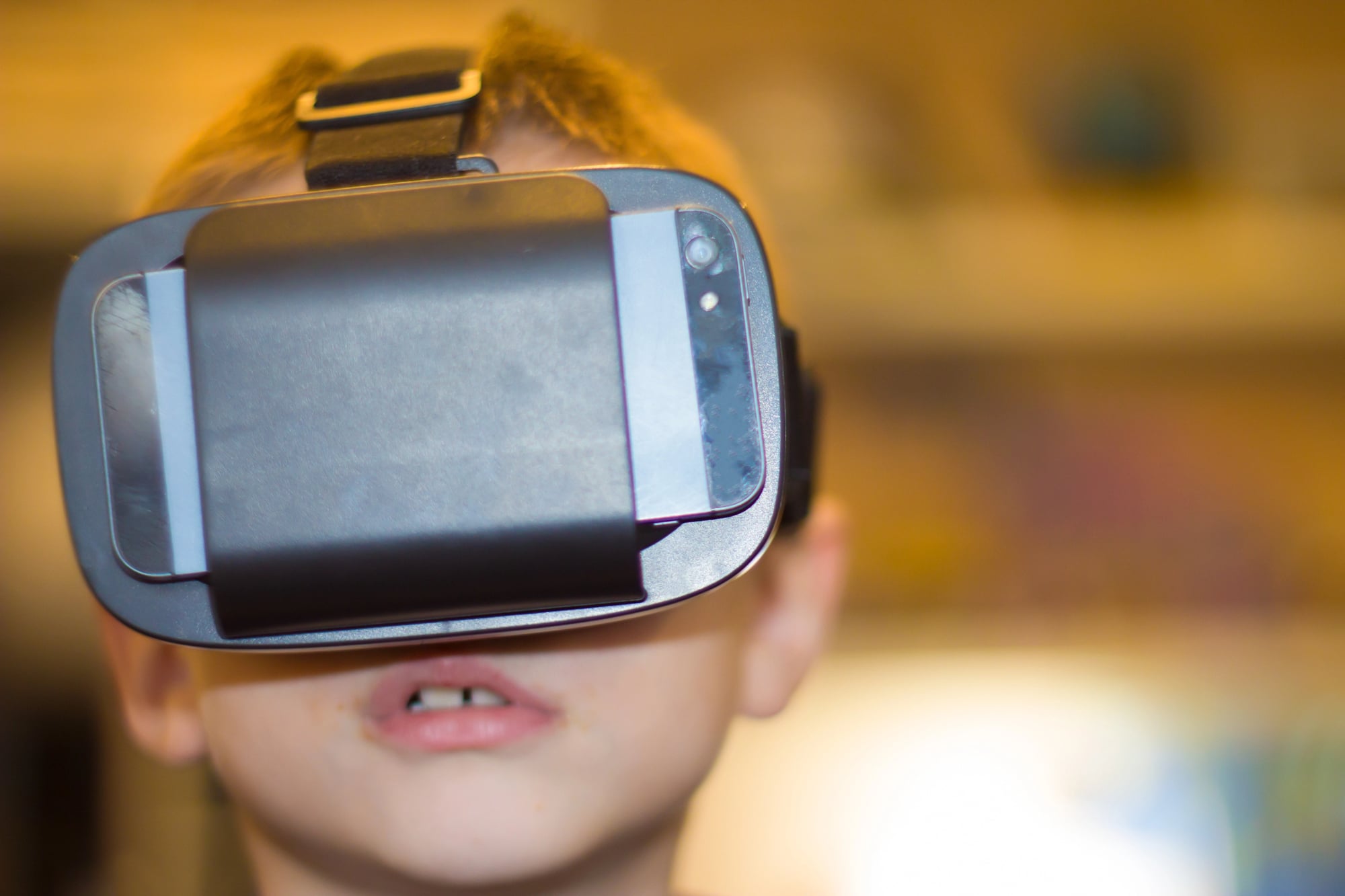
Nintendo’s Virtual Boy promised portable virtual reality gaming in 1995 — a concept that was genuinely ahead of its time. The photos from the original marketing campaign show excited players hunched over the distinctive red tabletop unit, supposedly immersed in three-dimensional gaming worlds.
And yet the reality was more like voluntarily sticking your face into a migraine machine. The monochrome red display caused eye strain, the games were limited and repetitive, and the “portable” console required a table and AC adapter to function.
Players could only tolerate short sessions before the discomfort became overwhelming, which rather defeated the point of immersive gaming.
Nintendo discontinued it within a year, though the lessons learned eventually led to more successful VR attempts decades later (when the technology finally caught up to the ambition).
TouchPad

HP’s TouchPad tablet was supposed to compete directly with the iPad using webOS, an elegant mobile operating system HP had acquired from Palm. The hardware was solid, the software was genuinely innovative in places, and HP had the manufacturing scale to compete on price.
But looking at photos of the TouchPad next to an iPad reveals the central problem: HP had built a perfectly competent device that arrived two years too late to a market that had already been defined.
WebOS was impressive, but developers had already committed to iOS and Android. The app selection was thin, performance was inconsistent, and HP’s commitment to the tablet market seemed uncertain from day one.
The company discontinued the TouchPad after just 49 days, though fire-sale prices of $99 did create a brief surge in demand from bargain hunters.
Lisa Computer
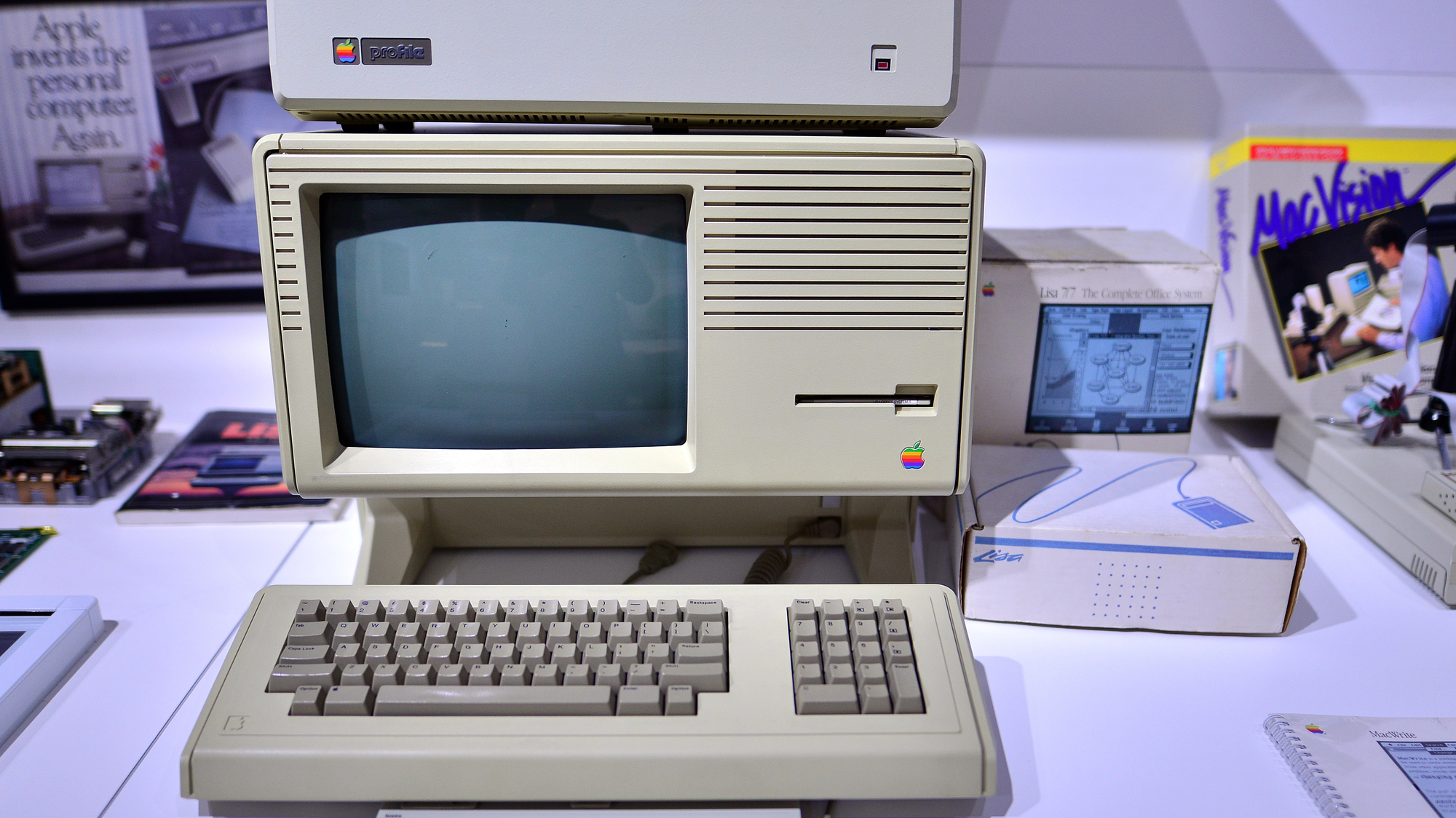
Apple’s Lisa computer was a marvel of engineering — one of the first personal computers aimed at a broad commercial audience to feature a graphical user interface, mouse support, and integrated software applications, building on concepts pioneered by Xerox. The photos from 1983 show a sleek, professional machine that looked like it belonged in the future.
The $9,995 price tag (roughly $30,000 in today’s money) ensured it would stay there. Apple positioned the Lisa as a business computer, but businesses weren’t ready to pay luxury car prices for desktop computing, especially when cheaper alternatives could handle most tasks just fine.
The Lisa sold fewer than 60,000 units over its entire production run, though the technology lived on in the more affordable Macintosh line. Sometimes being first to market just means you get to make all the expensive mistakes before someone else figures out how to do it right.
Newton MessagePad
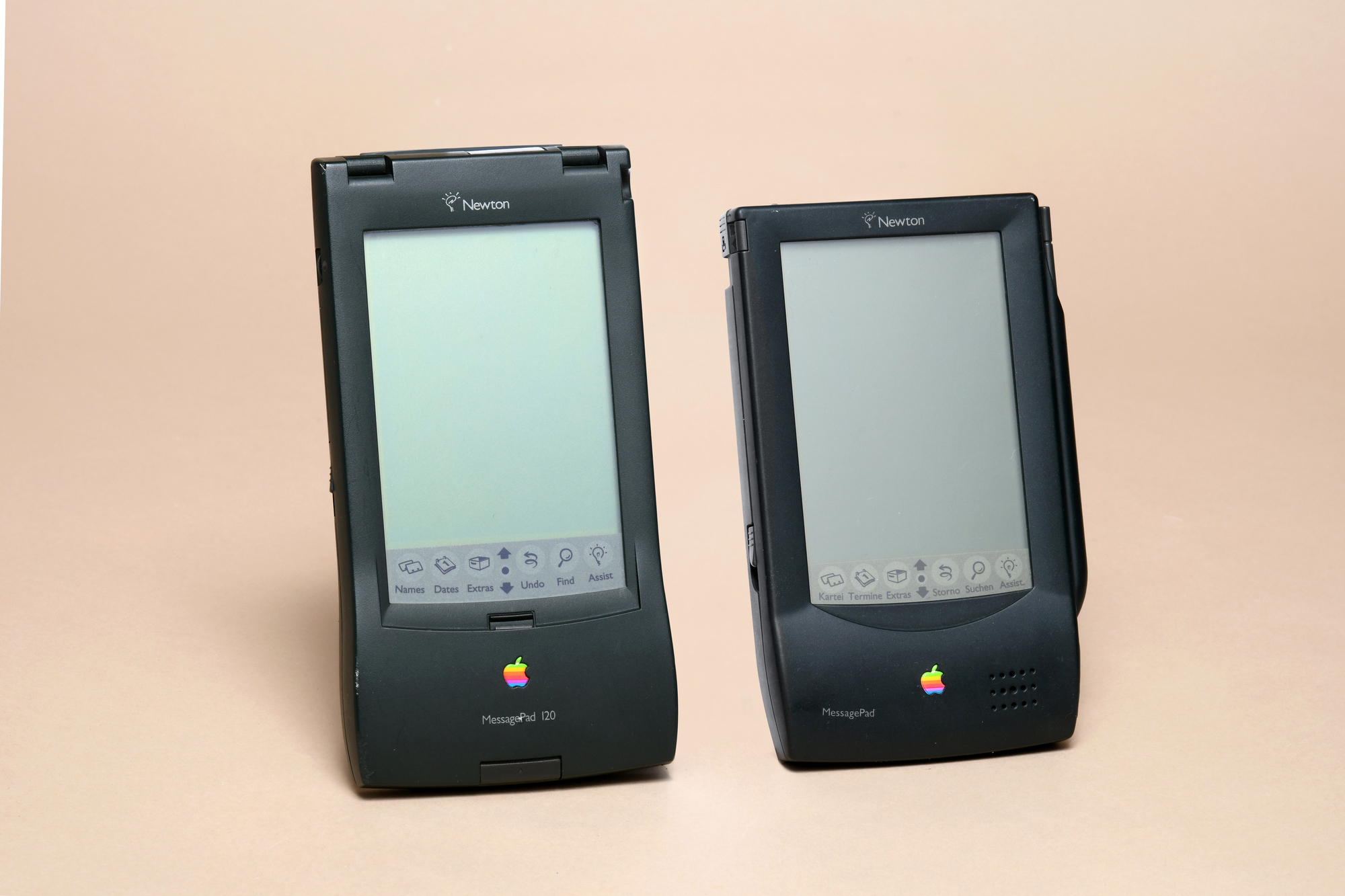
The Newton MessagePad was Apple’s attempt to create an entirely new category of computing — the personal digital assistant. The marketing promised a device that could recognize handwriting, manage appointments, and sync information seamlessly across devices.
The handwriting recognition became an immediate punchline. Photos from Doonesbury comic strips mocked the Newton’s inability to interpret even basic words, and the jokes weren’t far from reality.
The device required users to learn a specific writing style, worked inconsistently even then, and cost more than many computers.
Apple killed the Newton line when Steve Jobs returned to the company, though the lessons learned about mobile computing eventually resurfaced in more successful products like the iPhone and iPad.
HD DVD
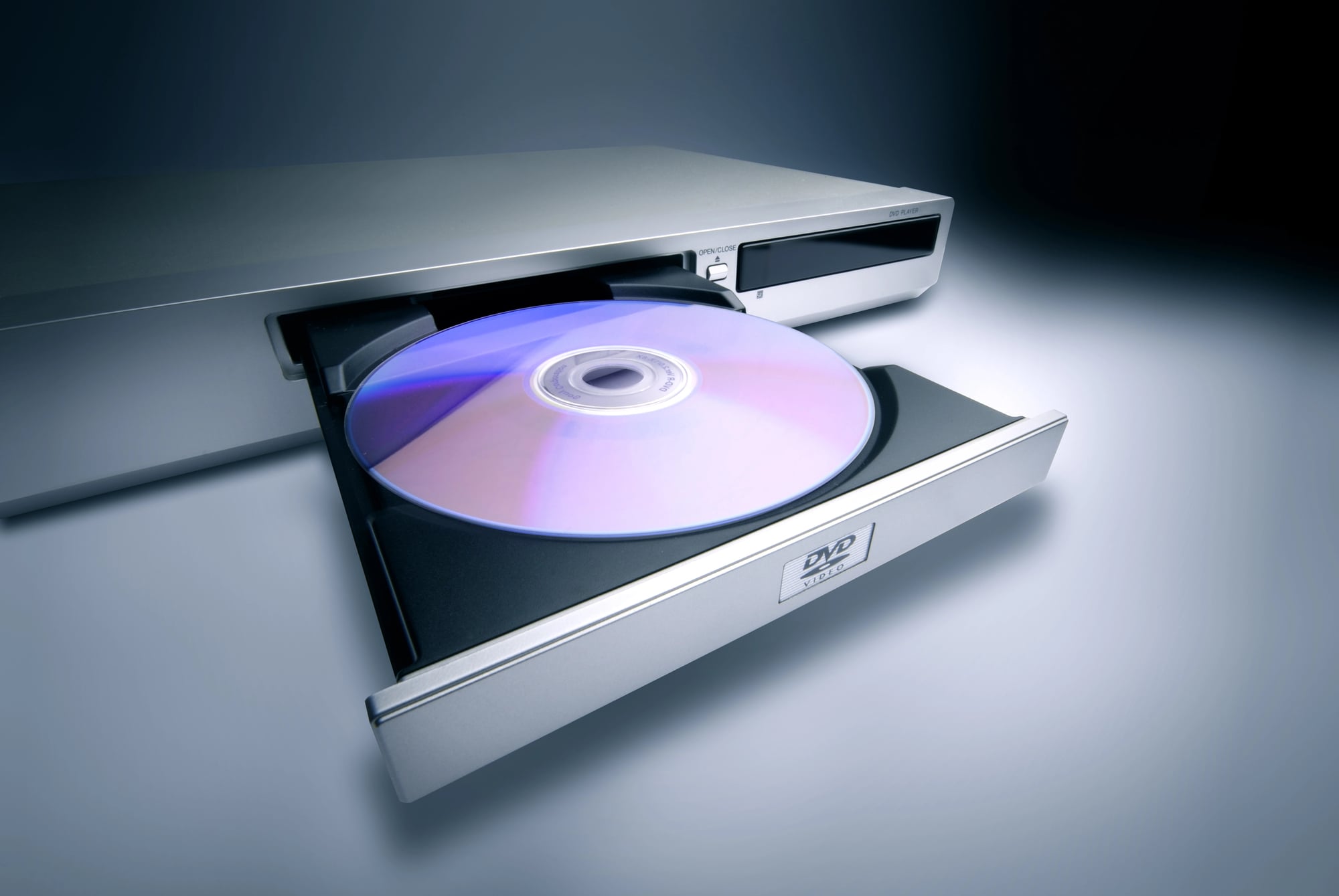
HD DVD had everything going for it in the high-definition disc format war. Toshiba’s technology was cheaper to manufacture, easier for consumers to understand (it was literally just a higher-definition DVD), and had strong backing from major studios and technology companies.
But Sony controlled Blu-ray and had a secret weapon: the PlayStation 3. Every PS3 console was also a Blu-ray player, instantly creating millions of potential customers who already owned the competing format.
Photos of HD DVD players show devices that looked nearly identical to their Blu-ray counterparts, because the real battle was happening behind the scenes in boardrooms and retail partnerships.
Toshiba officially abandoned HD DVD in 2008, though both formats were eventually made irrelevant by streaming services.
Facebook Home
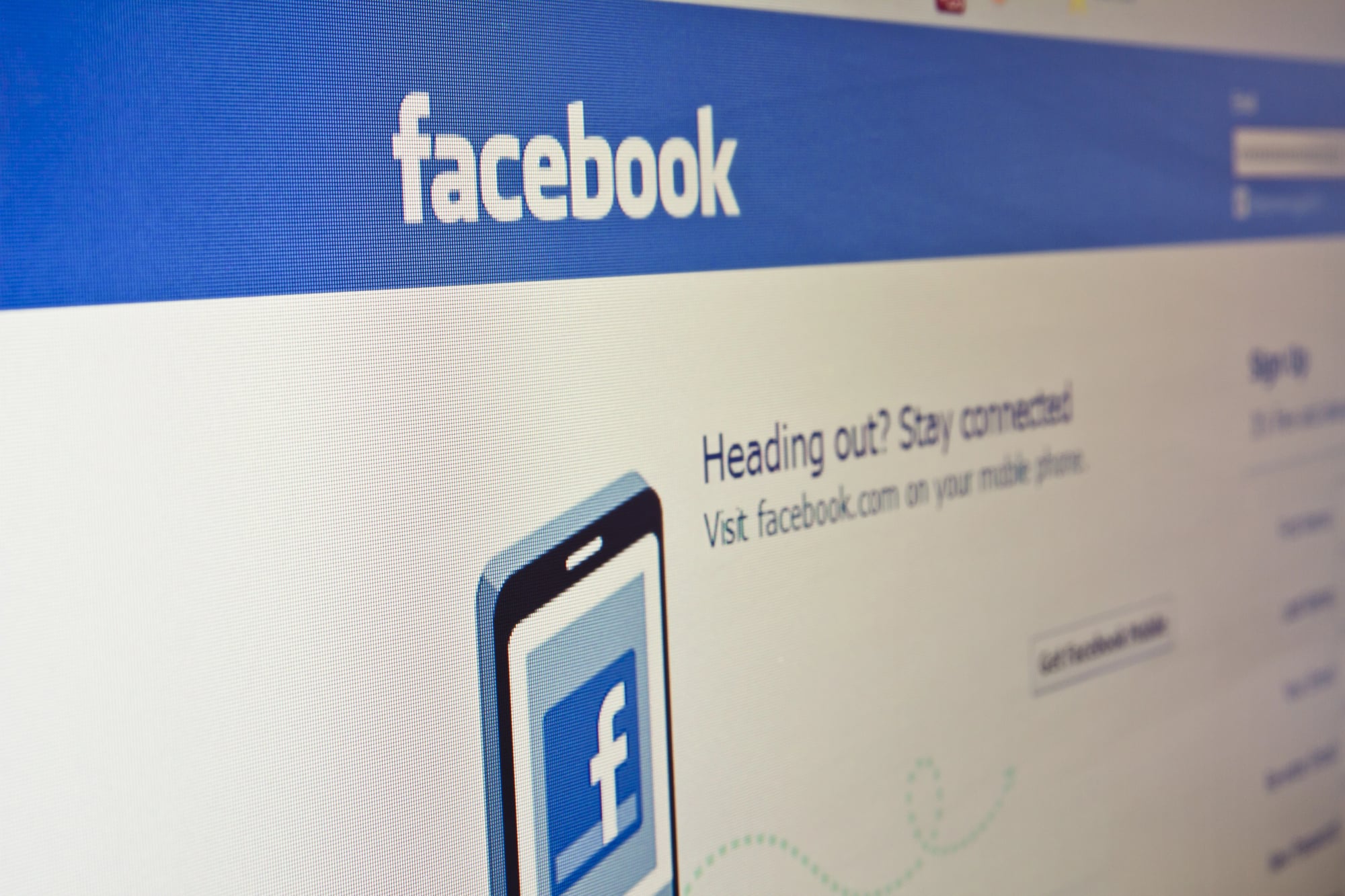
Facebook Home was supposed to transform Android phones into Facebook machines. Instead of launching individual apps, your phone would become a continuous feed of updates, messages, and photos from your social network.
The concept made sense for a company trying to capture more user attention.
The execution was suffocating. Photos of phones running Facebook Home show interfaces completely dominated by social media — no easy access to other apps, no break from the constant stream of updates, no recognition that people use their phones for things beyond Facebook.
Users felt trapped in a single app ecosystem, and the software was quickly relegated to a small number of HTC devices before being quietly discontinued.
Facebook learned an important lesson about the difference between engagement and imprisonment.
Google Wave
Google Wave promised to reinvent email and online collaboration by combining messaging, document editing, and real-time communication into a single platform. The demonstrations were impressive, the technology was genuinely innovative, and early previews generated significant buzz.
And yet photos of actual Wave conversations reveal the fundamental problem: the interface was completely overwhelming.
Messages, replies, edits, and comments all happened simultaneously in a chaotic stream that required constant attention to follow.
Google had created a communication tool that was more exhausting than the problems it was supposed to solve (which, given how exhausting email already was, represented a remarkable achievement in the wrong direction).
Wave was discontinued less than two years after launch, though some of its features eventually appeared in other Google products.
Windows Phone
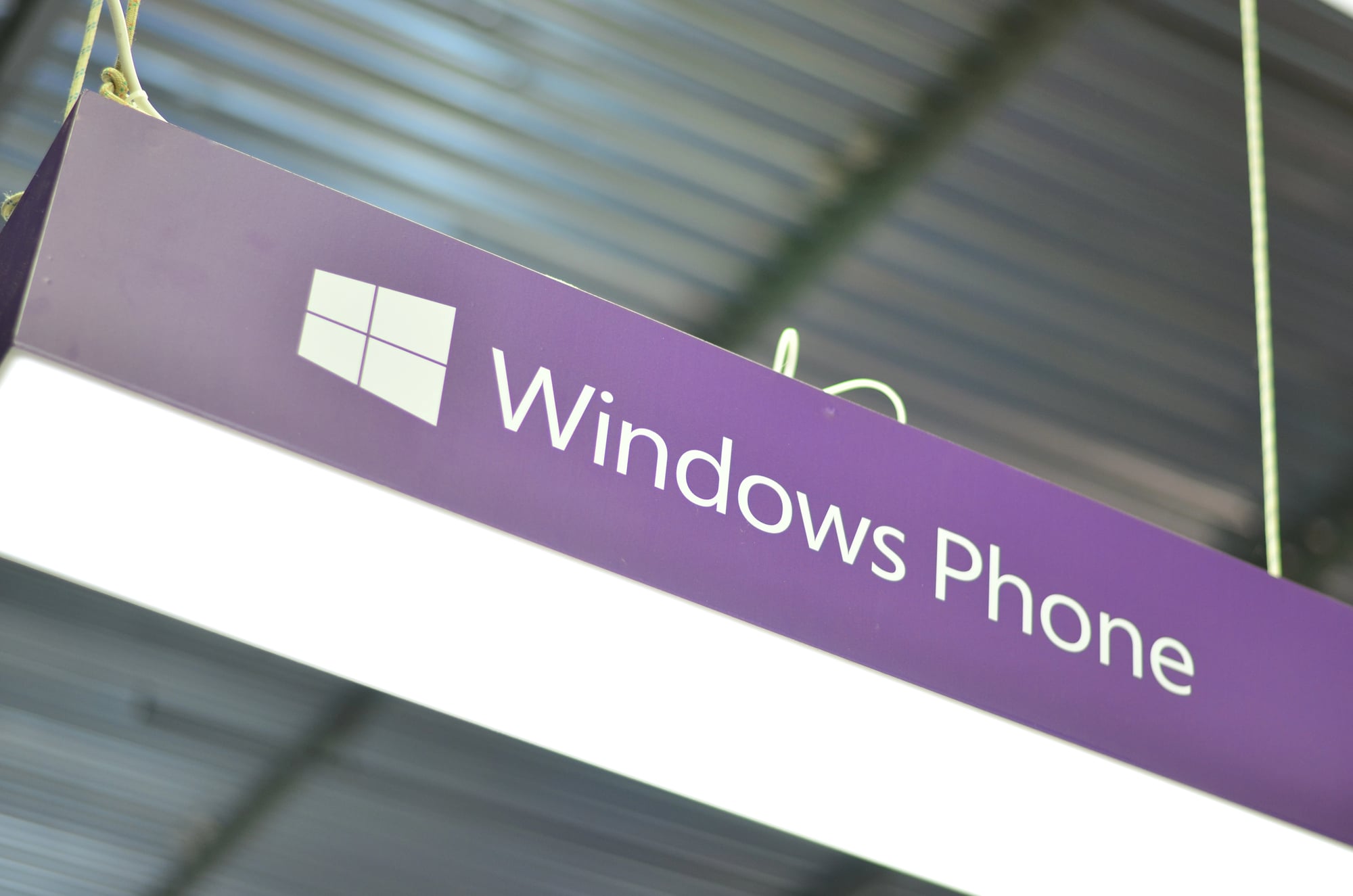
Microsoft’s Windows Phone platform had a distinctive visual design, smooth performance, and tight integration with Microsoft services. The live tile interface was genuinely different from iOS and Android, and the hardware partnerships with Nokia produced some genuinely attractive devices.
But photos of Windows Phone devices sitting in carrier stores tell the real story — they gathered dust while customers walked past to look at iPhones and Android devices.
Microsoft arrived late to a mature market and never gave consumers a compelling reason to switch from platforms they were already using.
The app selection remained thin, developer support was lukewarm, and even Microsoft’s own commitment seemed uncertain.
The company finally killed Windows Phone in 2017, conceding the mobile market to Apple and Google.
Lessons From Beautiful Failures

These products share a common thread — they were created by smart people who understood technology but misjudged human behavior. The engineering was often impressive, the marketing was professionally executed, and the business logic seemed sound.
What failed was the assumption that technical superiority or corporate ambition could override user habits, social dynamics, and market timing.
The photos of these products serve as artifacts of that gap between what companies thought people wanted and what they actually needed — a reminder that innovation without understanding is just expensive experimentation.
More from Go2Tutors!

- The Romanov Crown Jewels and Their Tragic Fate
- 13 Historical Mysteries That Science Still Can’t Solve
- Famous Hoaxes That Fooled the World for Years
- 15 Child Stars with Tragic Adult Lives
- 16 Famous Jewelry Pieces in History
Like Go2Tutors’s content? Follow us on MSN.