Forgotten Dance Styles That Vanished
Dance has always been a mirror of its time, reflecting the social norms, musical trends, and cultural shifts of each era. From medieval village squares to jazz-age ballrooms, countless dance styles have captivated generations before fading into obscurity.
Some disappeared because they were deemed too scandalous, others because fashion trends made them physically impossible, and many simply got replaced by newer, flashier moves. What happened to these lost dances, and why did they vanish so completely from our collective memory? Here’s a list of 16 dance styles that once dominated dance floors but have now largely disappeared.
Carole
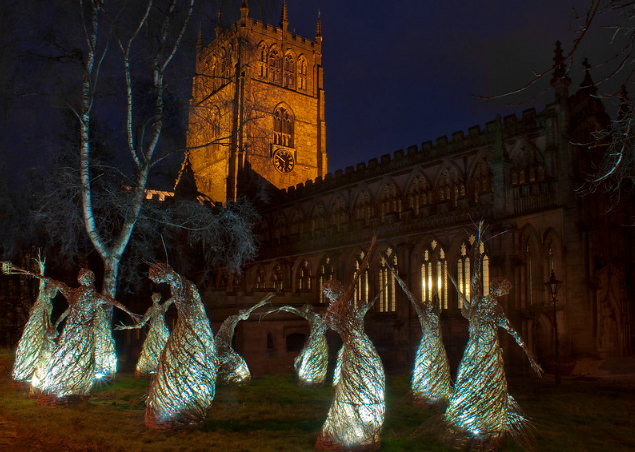
The carole was the most popular dance of medieval Europe during the 12th and 13th centuries. Dancers formed circles or chains, holding hands while singing in a call-and-response pattern as they moved.
No instruments required. The dance needed no instrumental accompaniment since the dancers provided their own music, making it accessible to everyone from peasants to nobility.
Estampie

This medieval dance emerged around the 13th century as one of the first choreographed dances in European history. The estampie featured a series of repeated musical sections called puncta, with dancers performing specific steps for each section.
It was primarily a court dance that required considerable skill and practice to execute properly.
Like Go2Tutors’s content? Follow us on MSN.
Saltarello

The saltarello gets its name from the Italian word for “jump,” which perfectly describes its signature hopping steps. Popular during the late medieval and early Renaissance periods, dancers would leap energetically to fast-paced music in triple meter.
The dance eventually evolved into more refined court versions, but the original folk saltarello disappeared from mainstream culture.
Basse Danse

This slow, gliding court dance dominated European aristocratic gatherings during the 15th and early 16th centuries. Dancers barely lifted their feet off the ground, creating a smooth, dignified procession that showed off expensive clothing and demonstrated social grace.
The basse danse required dancers to maintain perfect posture while executing complex floor patterns, making it a true test of courtly refinement—you couldn’t fake your way through this one.
Lavolta

The lavolta scandalized Renaissance society with its intimate partnering and athletic lifts. Male dancers would grasp their partners around the waist and lift them into the air during a three-quarter turn, bringing couples into shockingly close contact for the era.
Queen Elizabeth I famously enjoyed performing the lavolta despite widespread criticism about its impropriety, which probably made her love it even more.
Like Go2Tutors’s content? Follow us on MSN.
Schottische
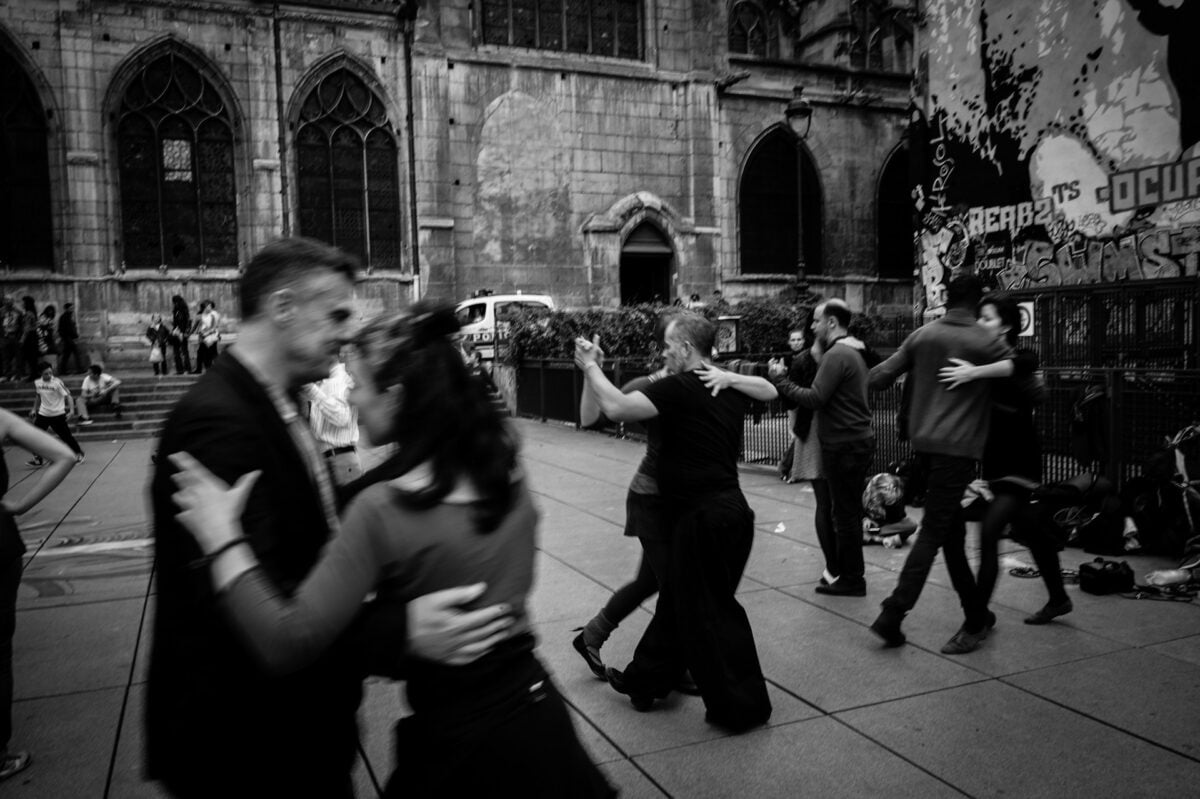
This mid-19th century ballroom dance combined elements of the polka with a gliding step pattern. The schottische arrived from Germany and quickly spread through European and American dance halls during the 1840s and 1850s.
By the end of the Victorian era, it had been overshadowed by newer dances and gradually disappeared from ballroom repertoires.
Redowa

The redowa emerged as a Bohemian folk dance that made its way into polite society during the Victorian era. It featured a distinctive waltz-polka combination with a characteristic turning motion and sliding steps.
Dance masters invented numerous variations trying to keep it interesting, still public enthusiasm waned by the late 1800s.
Boston Waltz

This more sedate version of the Viennese waltz developed in America during the 1870s and became fashionable in Edwardian ballrooms. Danced at a leisurely 90 beats per minute compared to the frenetic pace of its Viennese cousin, the Boston emphasized smooth, gliding movements and romantic styling.
The dance allowed couples to focus on connection and musicality rather than speed. But it fell out of favor after World War I, swept away by jazz and faster tempos.
Like Go2Tutors’s content? Follow us on MSN.
Maxixe
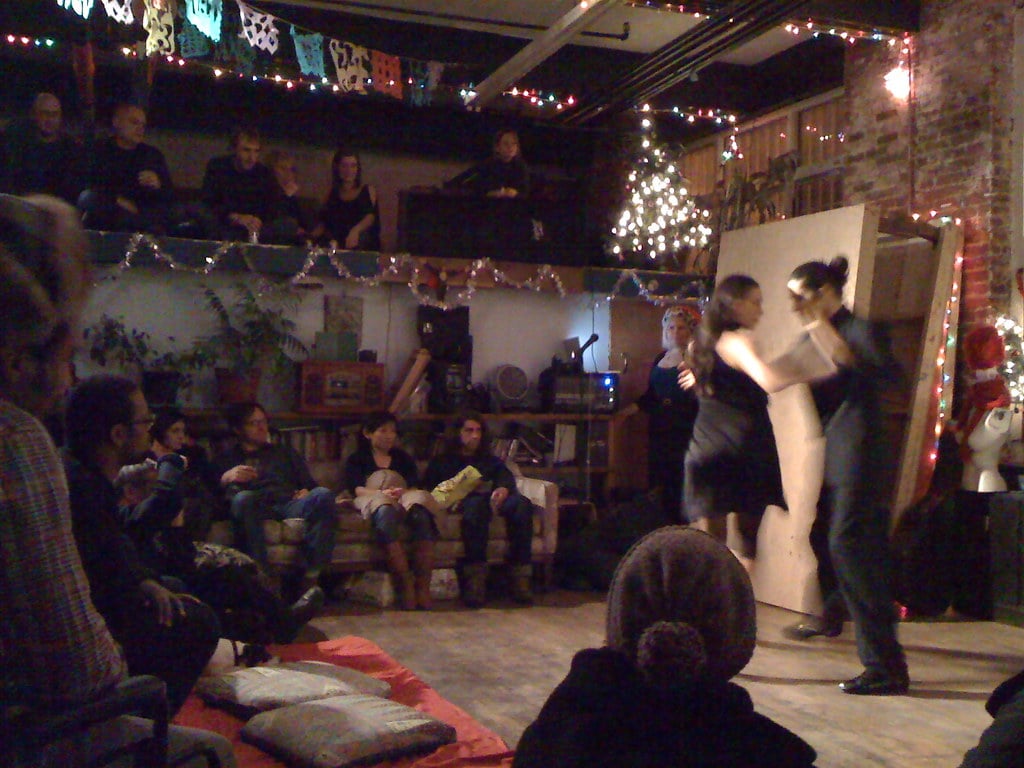
Often called the Brazilian tango, the maxixe arrived in Paris and New York during the early 1910s as an exotic novelty. The dance featured a distinctive swaying motion and close embrace that made it controversial among conservative society.
Its popularity faded during World War I, though it would later influence the development of ballroom samba.
Turkey Trot

This ragtime-era animal dance caused an absolute scandal when it emerged around 1909. Dancers would hop sideways with their feet apart, then drop onto their heels while flapping their arms like turkey wings.
The dance was so controversial that dancers were arrested for disorderly conduct, workers were fired for performing it during lunch breaks, and some historians believe it led to the cancellation of President Woodrow Wilson’s inaugural gala in 1913.
Bunny Hug
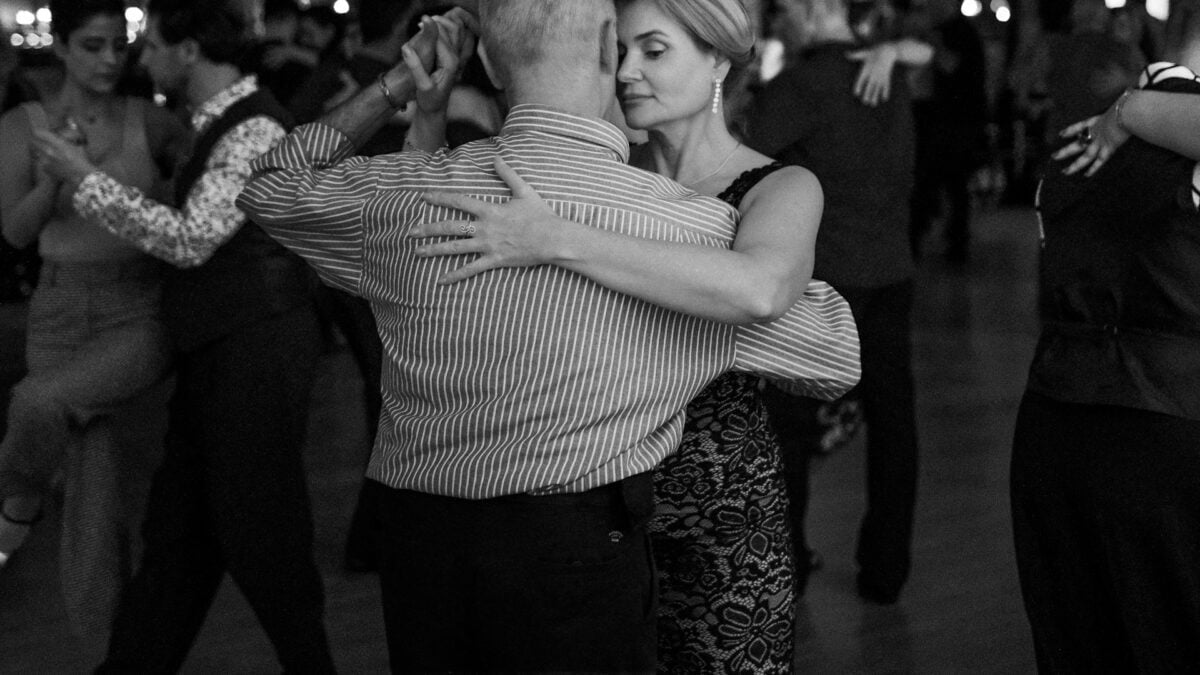
The bunny hug brought couples into a tight embrace while they shuffled around the dance floor to ragtime music. Partners would clasp each other closely and rock from side to side, which polite society found absolutely outrageous.
Dance halls banned it, religious leaders condemned it, and the Vatican spoke out against it. Yet young dancers loved it precisely because it was forbidden.
Like Go2Tutors’s content? Follow us on MSN.
Grizzly Bear

Dancers mimicked a lumbering bear by hunching over, shuffling their feet, and swaying heavily from side to side. The grizzly bear emerged from San Francisco’s Barbary Coast dance halls around 1909 and spread quickly through the ragtime dance craze.
Like other animal dances, it represented a complete break from the elegant, upright posture of traditional ballroom dancing.
Texas Tommy

This energetic dance is considered the grandfather of swing dancing. Developed in San Francisco around 1910, it featured the first swing-out move where partners separated to a single hand hold, often adding acrobatic flips and spins.
The Texas Tommy eventually evolved into the Lindy Hop during the 1920s. The original version with its distinctive eight-count rhythm? Gone.
Shimmy

The shimmy was considered the most scandalous dance of the 1920s because it involved rapidly shaking the shoulders, hips, and torso while keeping the feet planted. Many dance instructors refused to teach it, claiming it had roots in Haitian Voodoo practices.
Polish dancer Gilda Gray popularized it after supposedly telling someone she was ‘shaking my chemise,’ which sounded like ‘shimmy’ in her accent.
Like Go2Tutors’s content? Follow us on MSN.
Black Bottom

This jazz-age dance originated in African American communities in New Orleans before spreading to mainstream America in the mid-1920s. Named after the Black Bottom neighborhood of Detroit, it involved hopping, stomping, and slapping movements that were more complex than the Charleston.
Ann Pennington made it famous when she performed it in a 1926 Broadway show. Even so, changing fashions that favored restrictive evening gowns made it physically difficult to perform by the 1930s.
Varsity Drag

This collegiate dance craze emerged from Broadway in 1927 and spread through American universities. The varsity drag featured a characteristic dragging step combined with energetic kicks and Charleston-inspired movements.
It was specifically designed to appeal to the college crowd, but like many fad dances, it disappeared as quickly as it arrived.
The Beat Goes On

These forgotten dances reveal how deeply intertwined movement is with its moment in history. Heavy medieval clothing made hopping dances impractical, while the freedom of 1920s fashion enabled the wild kicks of the Charleston.
Social attitudes about appropriate physical contact shaped which dances survived and which were banned into extinction. Today’s viral dance challenges might seem permanent, but history suggests they’ll eventually join the turkey trot and shimmy in the archives of forgotten moves.
More from Go2Tutors!

- 16 Historical Figures Who Were Nothing Like You Think
- 12 Things Sold in the 80s That Are Now Illegal
- 15 VHS Tapes That Could Be Worth Thousands
- 17 Historical “What Ifs” That Would Have Changed Everything
- 18 TV Shows That Vanished Without a Finale
Like Go2Tutors’s content? Follow us on MSN.



