Things Every Mom Packed in a Kid’s Lunchbox in the 1970s
Opening a 1970s lunchbox was like discovering a time capsule of maternal love wrapped in wax paper and tucked into brown bags. Moms back then operated without the endless Pinterest boards or organic food blogs that guide today’s lunch-packing decisions.
Instead, they relied on practicality, affordability, and whatever happened to be sitting in the pantry that morning.
The contents rarely varied much from house to house across America. Certain items appeared with such regularity that you could almost guarantee finding them in any random kid’s lunchbox during recess.
These weren’t gourmet creations or Instagram-worthy arrangements — they were simple, filling foods that could survive a morning bouncing around in a metal box without turning into mush.
Peanut Butter and Jelly Sandwiches
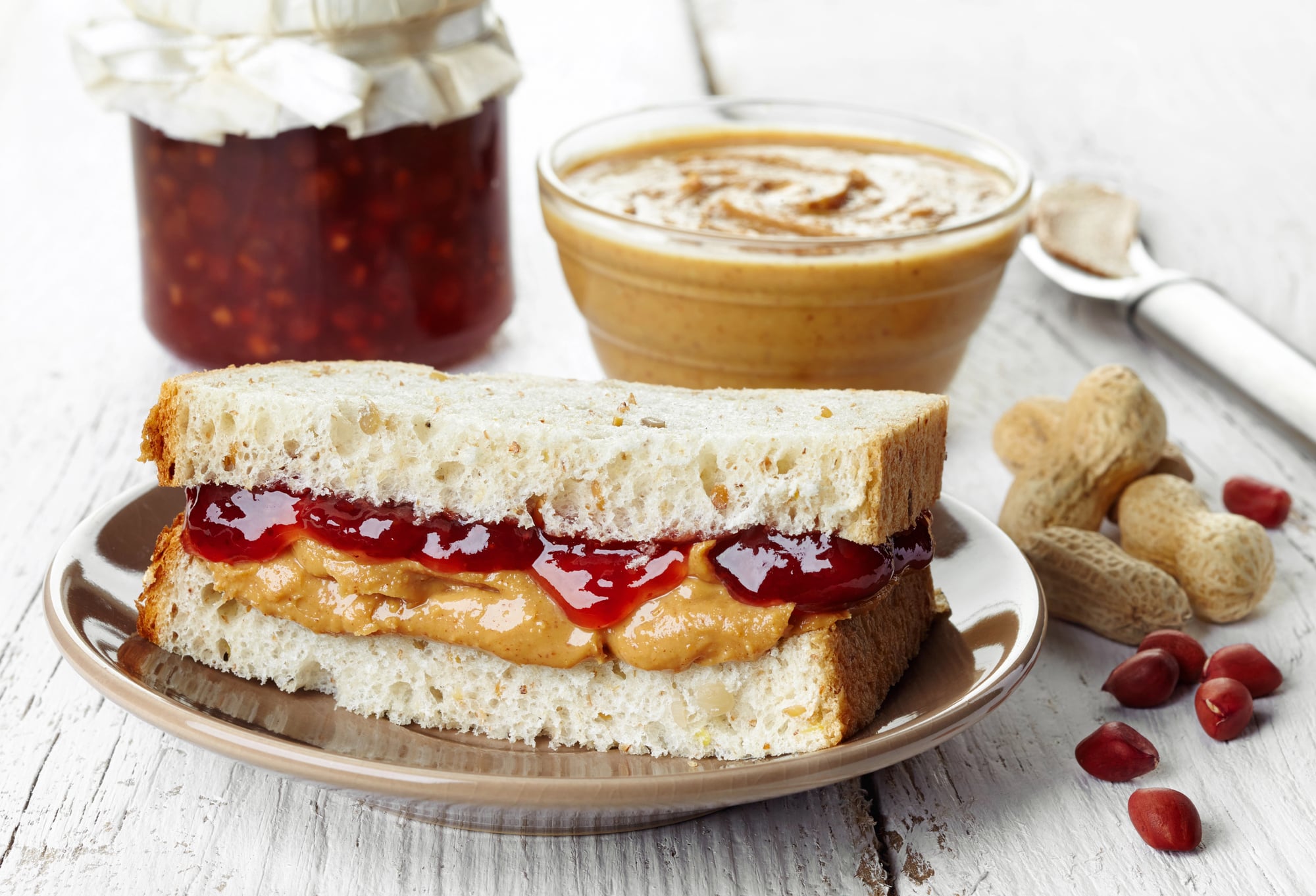
Every lunchbox had one. White bread, Skippy or Jif, and grape jelly from Welch’s.
The ratio was never quite right — either too much peanut butter that glued your mouth shut or so much jelly it leaked through the bread by lunchtime.
Bologna and Cheese on White Bread
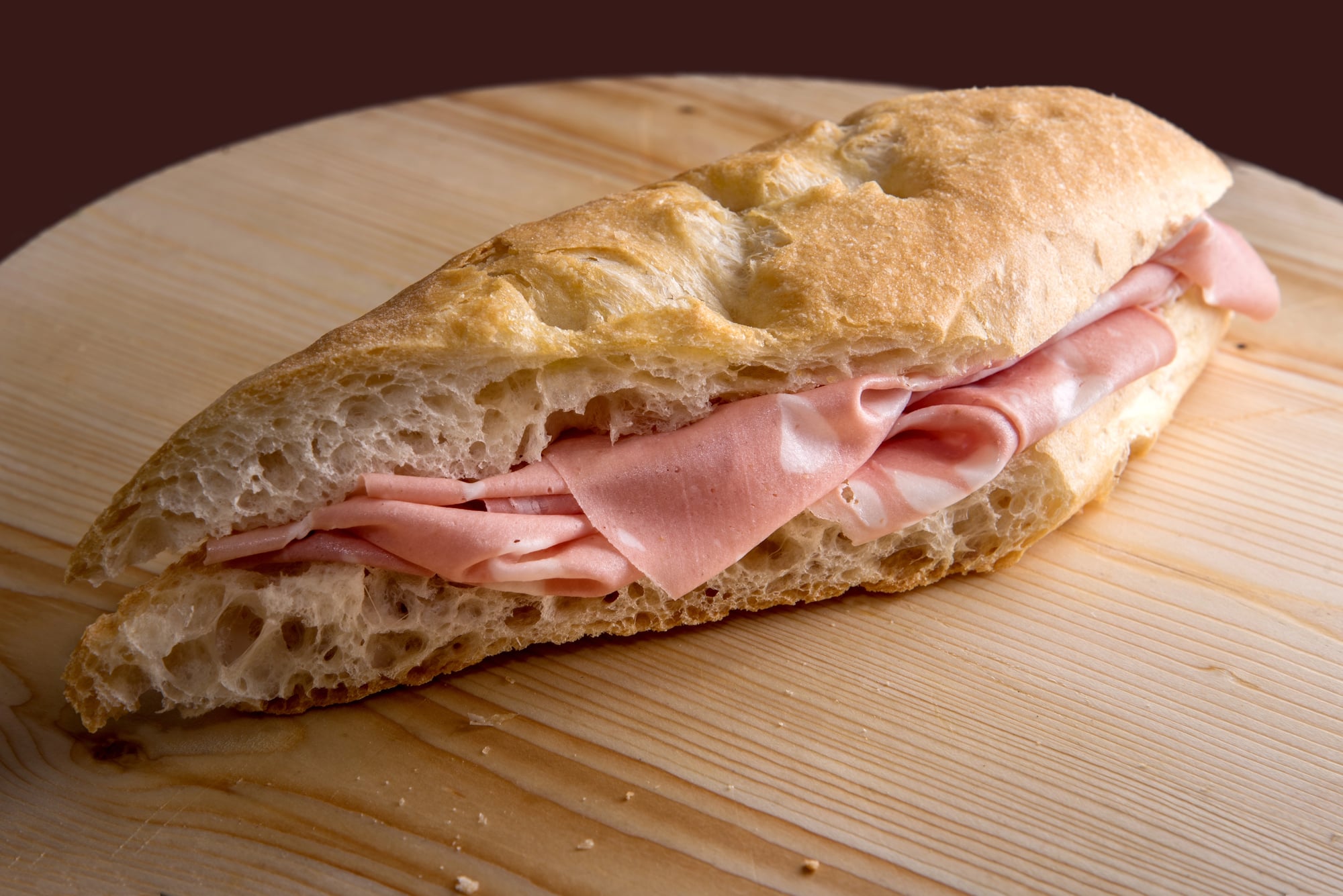
The working parent’s sandwich. Oscar Mayer bologna, a slice of American cheese, maybe some mustard if you were lucky.
Sometimes the bologna would curl up at the edges, creating little meat bowls that held mystery moisture. Kids ate it anyway.
An Apple
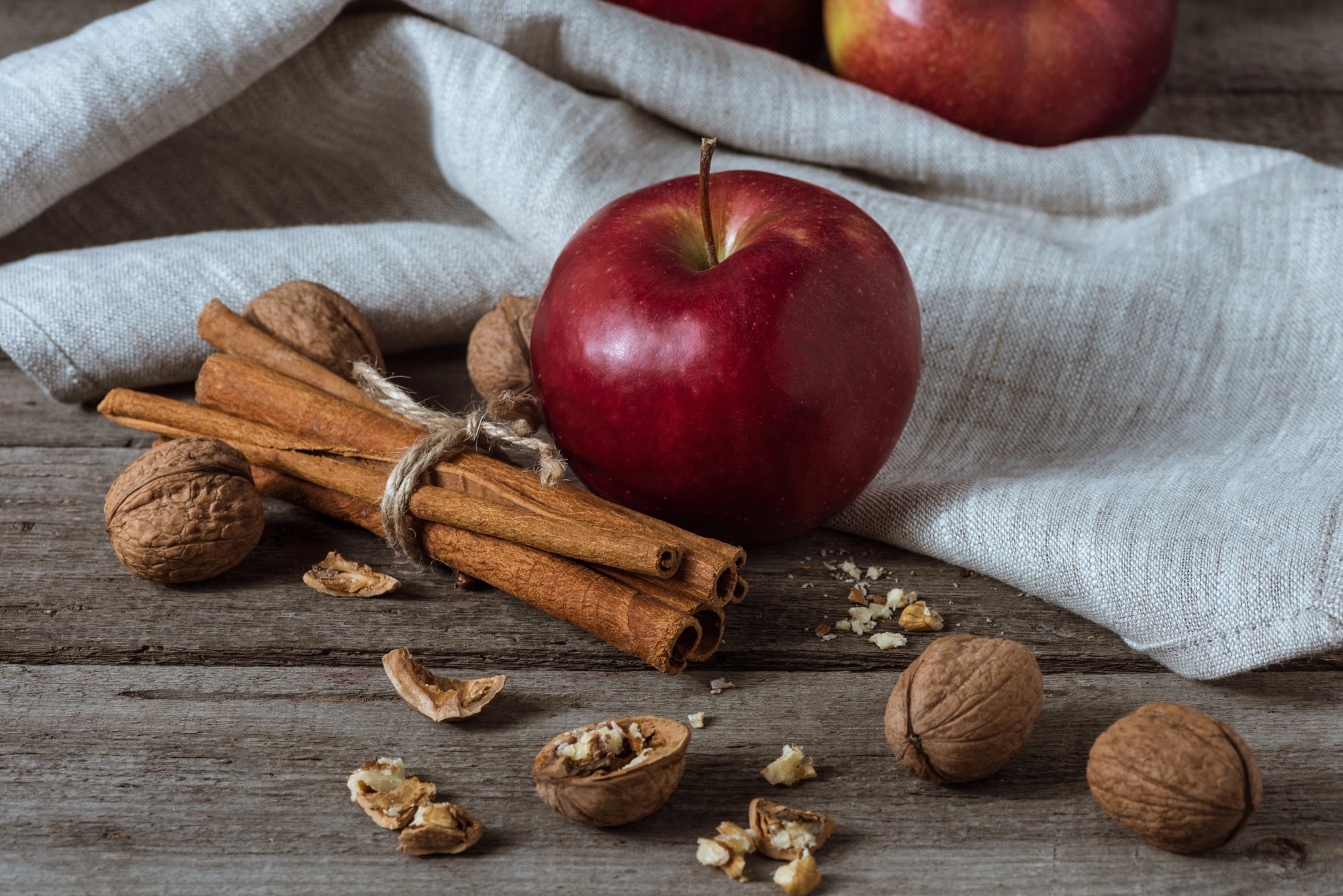
Usually bruised from bouncing around with everything else, but moms included it because fruit was healthy and apples were cheap. The apple often came back home, slightly more battered than when it left.
Teachers would remind everyone that “an apple a day keeps the doctor away,” which made exactly zero difference in consumption rates.
Individual Bags of Potato Chips
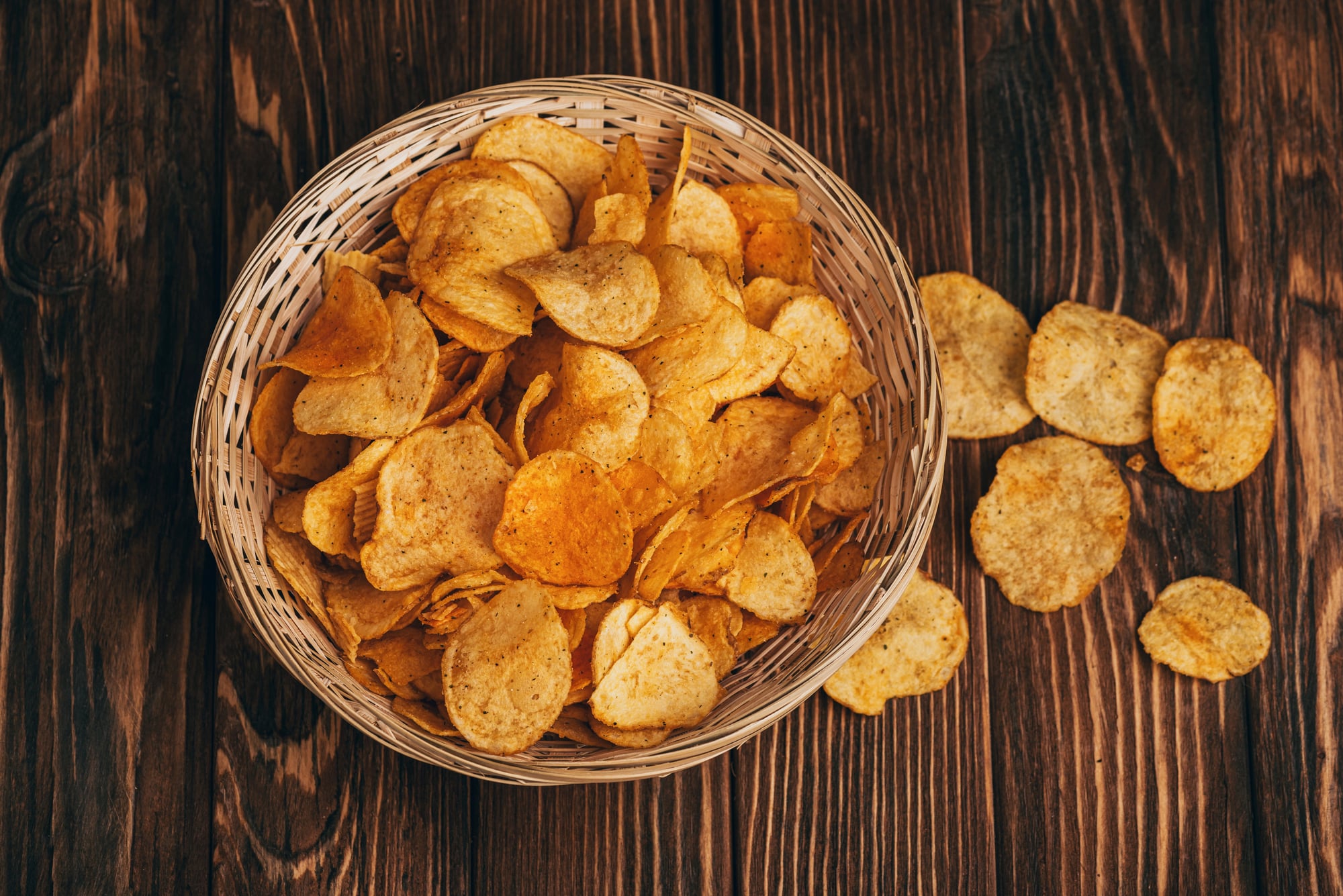
These tiny bags (which seemed huge at the time) contained maybe twelve chips if you were generous with the count. Lay’s dominated most lunchboxes, though some families splurged on Fritos or Cheetos — and those kids knew they had something special.
The bags were impossible to open quietly, so everyone in the cafeteria knew when someone was accessing their chips.
Mothers bought the variety packs because they cost less per bag than individual purchases, even though this meant some poor kid would inevitably get stuck with the flavor nobody wanted (usually plain chips when barbecue existed in the same house). And yet opening that crinkly bag felt like unwrapping a tiny present, even when disappointment waited inside.
A Thermos Full of Something
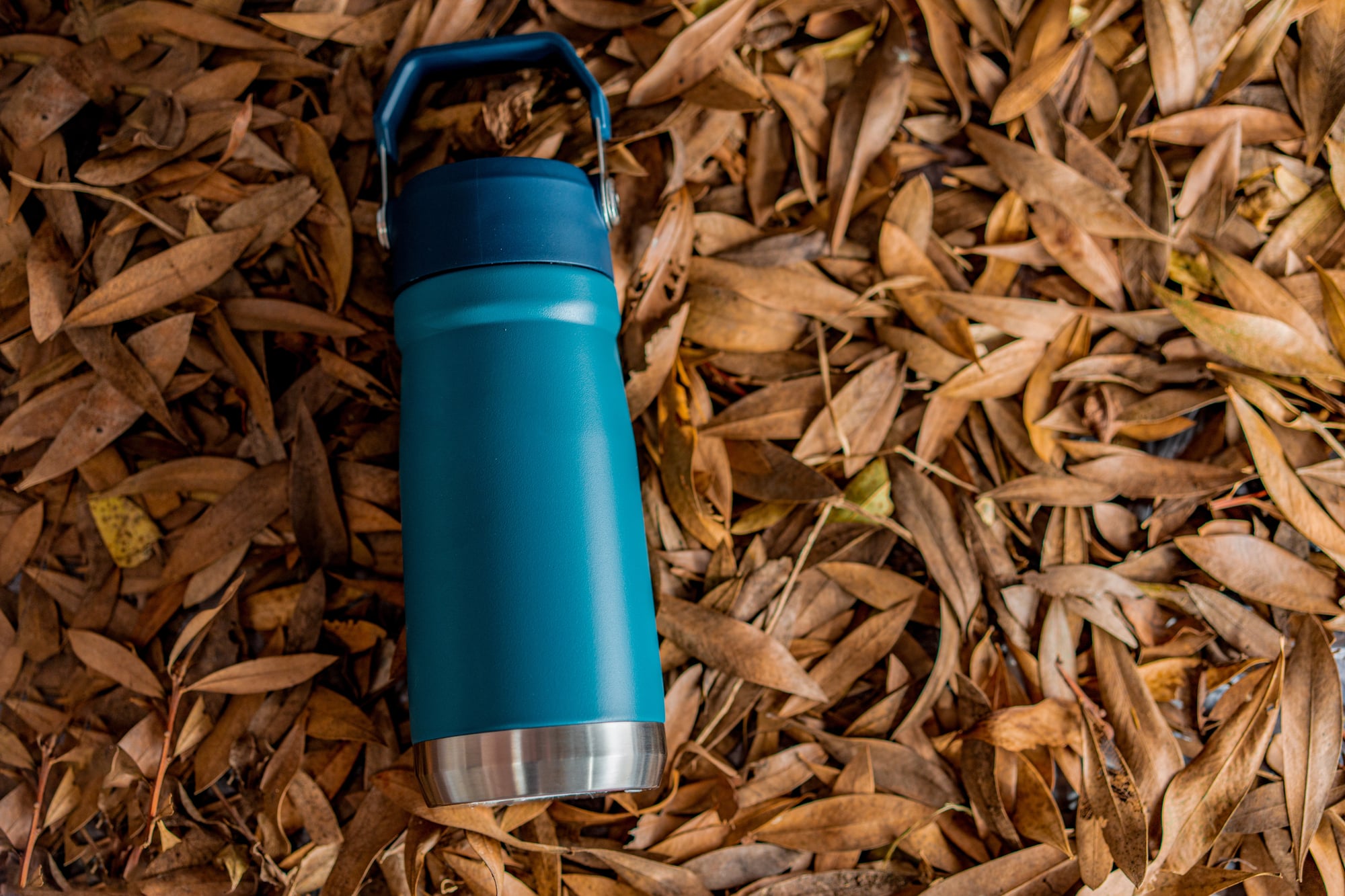
The wide-mouth thermos that came with every metal lunchbox held soup, chocolate milk, or regular milk that would be lukewarm by lunch regardless of what temperature it started at. Campbell’s tomato soup was the most common choice — thick, salty, and somehow still satisfying even when it reached that unappetizing temperature between hot and cold.
Some lucky kids got hot chocolate in winter months, while others received fruit punch that stained everything it touched. The thermos always leaked slightly, creating a small puddle in the bottom of the lunchbox that would mix with crumbs to form a paste of questionable origin.
Oreo Cookies
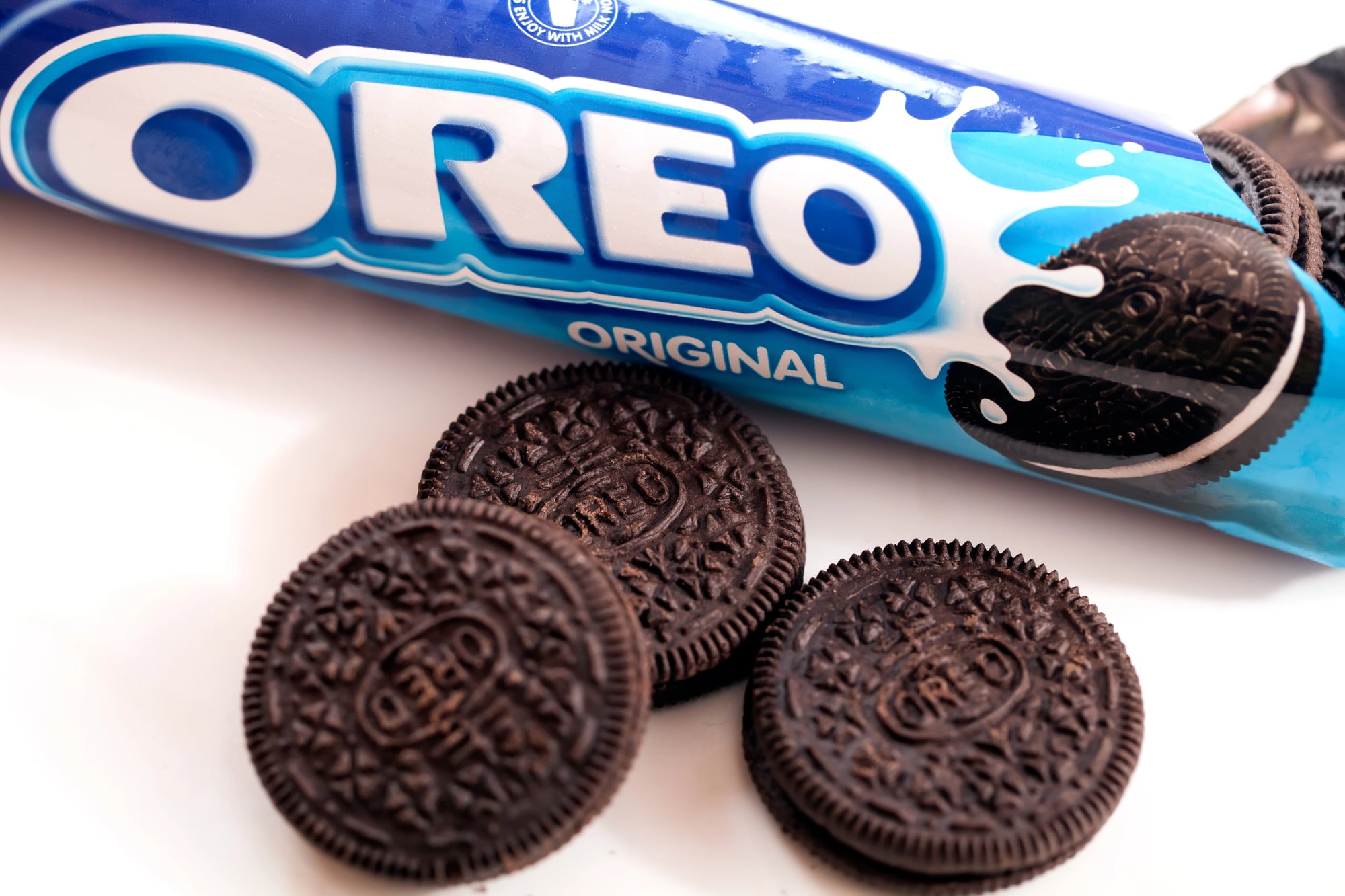
Usually three or four, wrapped in wax paper or tucked into a small baggie. Oreos were the gold standard of lunchbox cookies — sturdy enough to survive transport, sweet enough to make everything else in the lunchbox seem worth eating, and designed perfectly for the twist-lick-dunk ritual that defined childhood snacking.
The cookies that arrived broken were somehow more disappointing than no cookies at all.
Hostess Snack Cakes
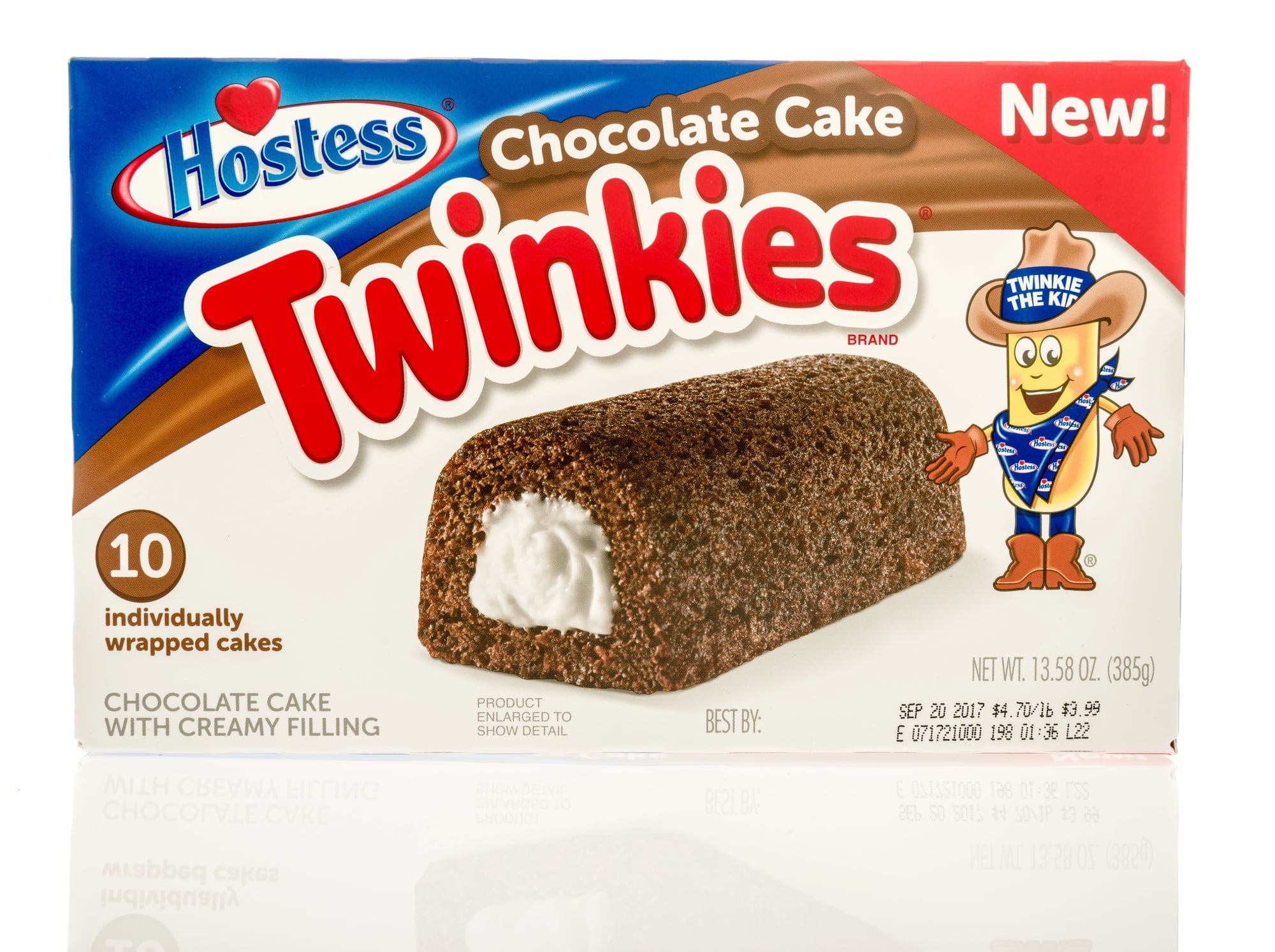
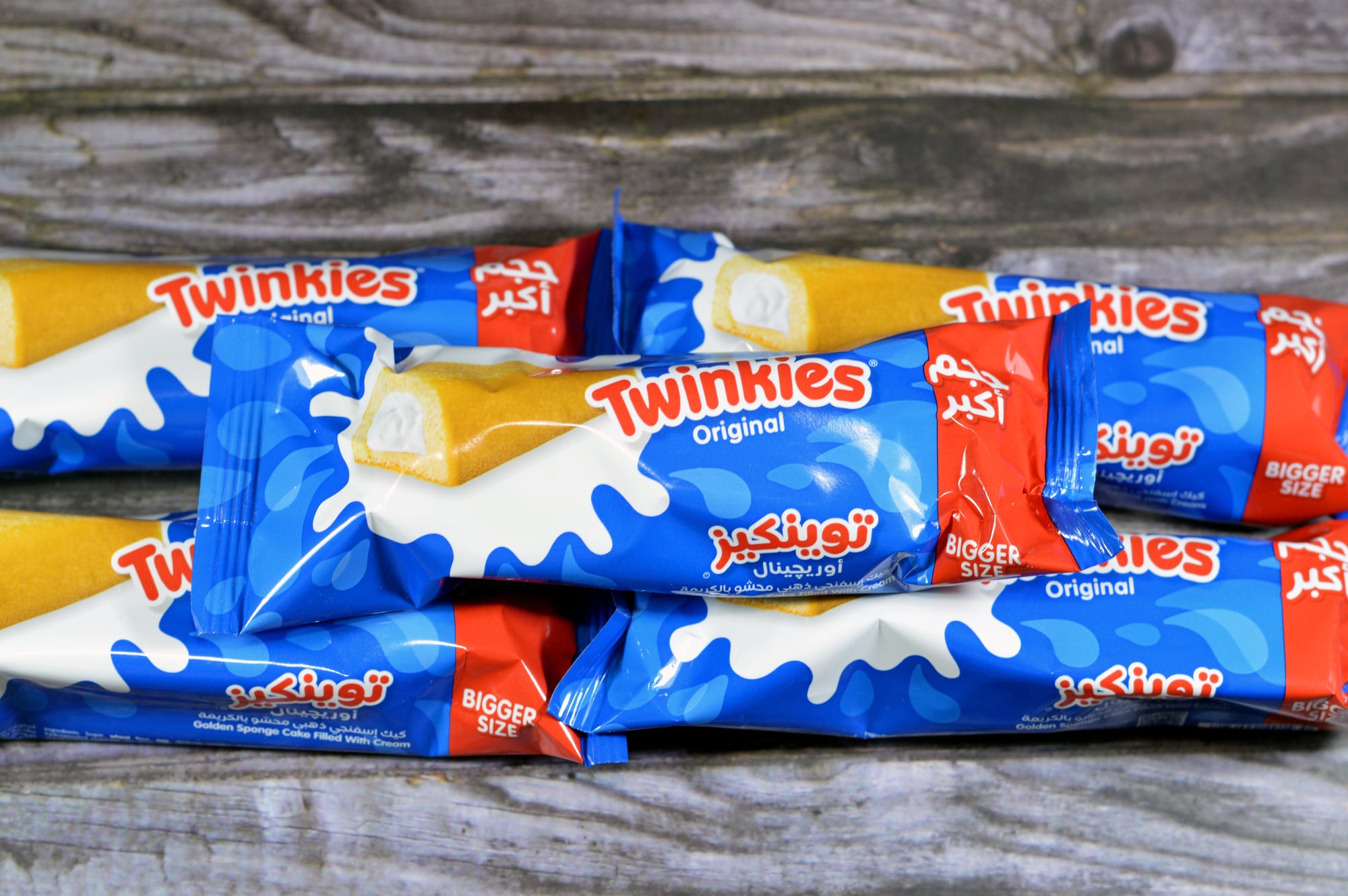
Twinkies, Ho Hos, Ding Dongs — the holy trinity of processed dessert perfection. These individually wrapped cakes represented everything wonderful about American food engineering: they lasted forever, tasted like sugar and nostalgia, and came in packaging that doubled as entertainment when you were bored in math class.
Hostess products were special occasion items in many households, making their lunchbox appearances feel like small celebrations. Getting a Twinkie meant your mom either felt generous that morning or the grocery store had run a sale she couldn’t resist.
A Pickle Spear
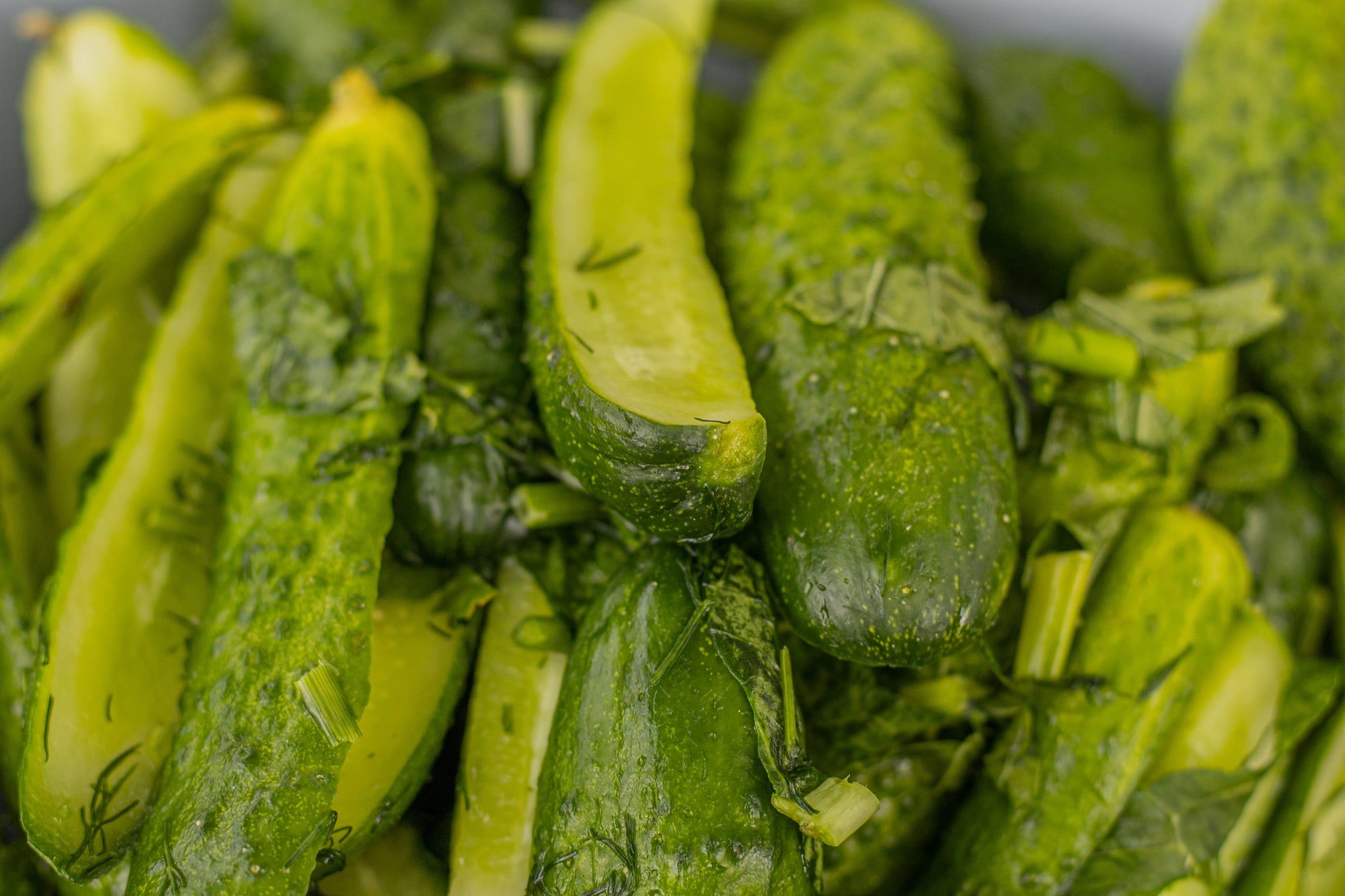
Wrapped in aluminum foil or plastic wrap, often creating a small brine leak that flavored everything else nearby. The pickle served as both vegetable and condiment, though its primary function seemed to be creating a salty, vinegary mess that required careful navigation during eating.
Hard-Boiled Eggs
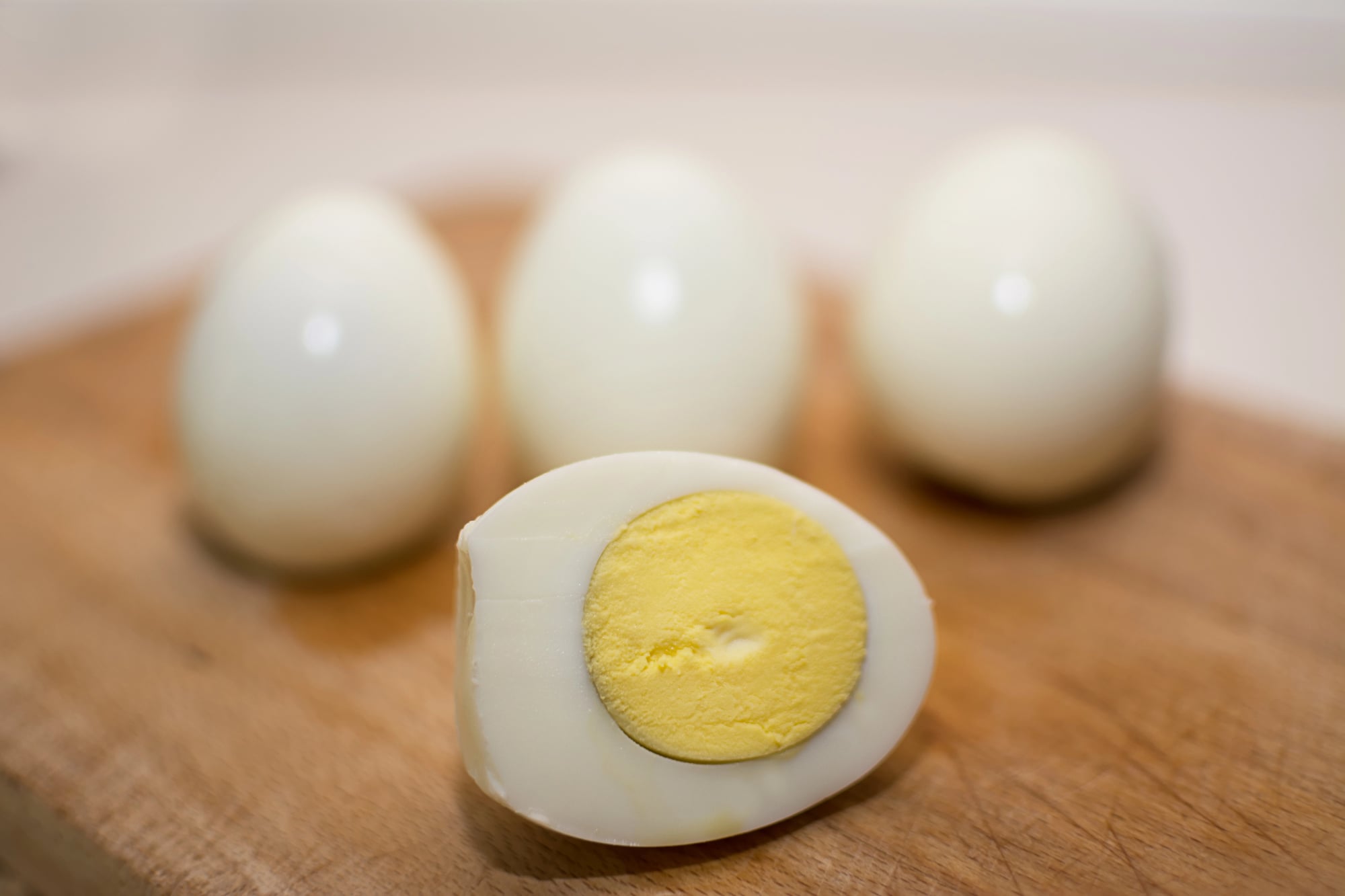
Prepared the night before and still slightly rubbery by lunchtime. Some moms included a small packet of salt, others expected their kids to eat them plain.
The eggs were protein, which moms understood as important, even if kids understood them as boring white orbs that smelled faintly sulfurous.
Saltine Crackers
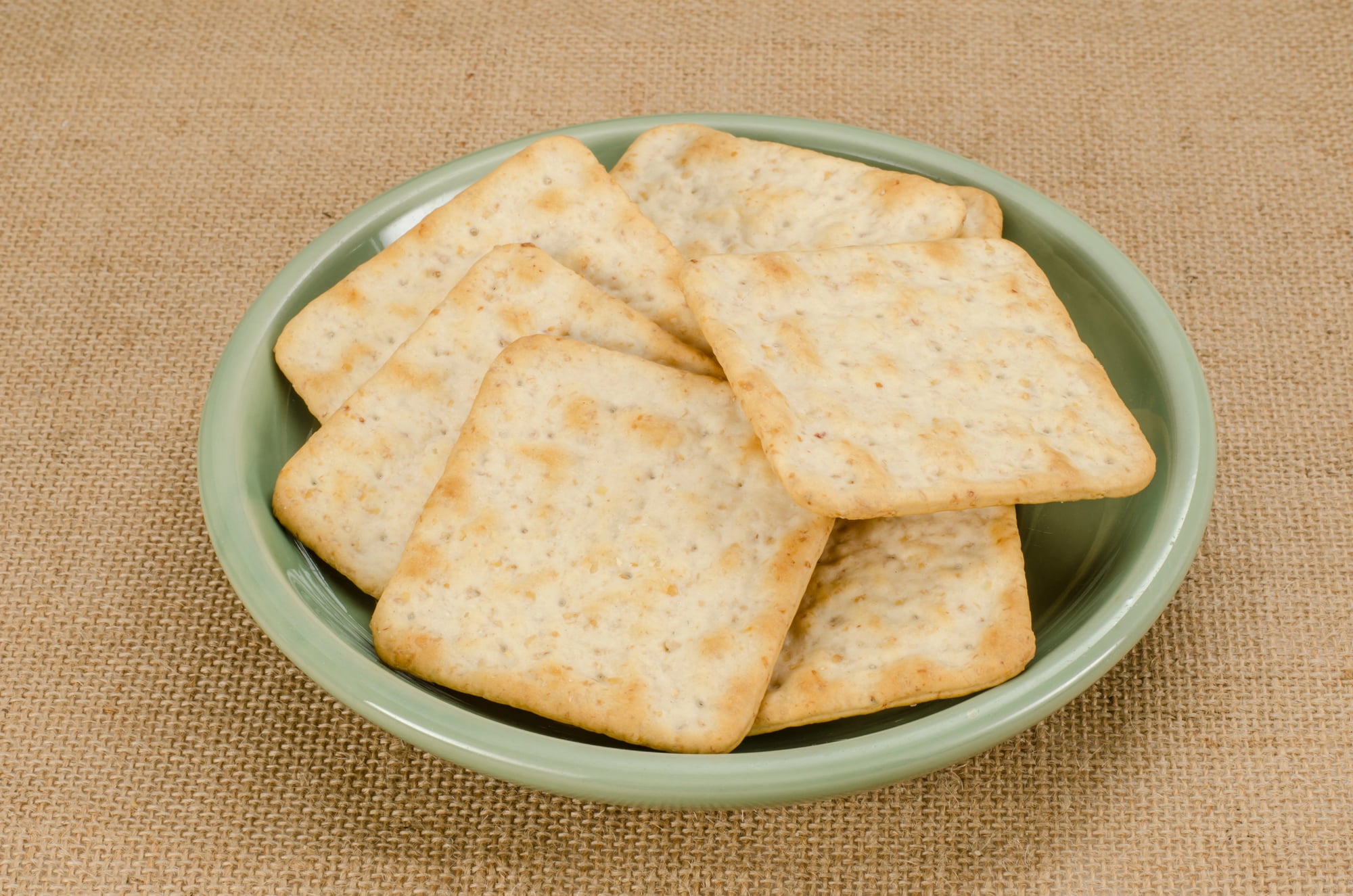
Individual sleeves from the larger box, these crackers served multiple purposes: they could be eaten alone, crushed into soup, or used as vehicles for whatever spread made it into the lunchbox that day. They were reliable, cheap, and nearly impossible to mess up — qualities that made them perfect for busy mothers managing multiple lunches each morning.
The crackers always ended up slightly stale, regardless of packaging efforts, but kids ate them anyway because they were salty and crunchy and better than nothing.
Cheese and Crackers
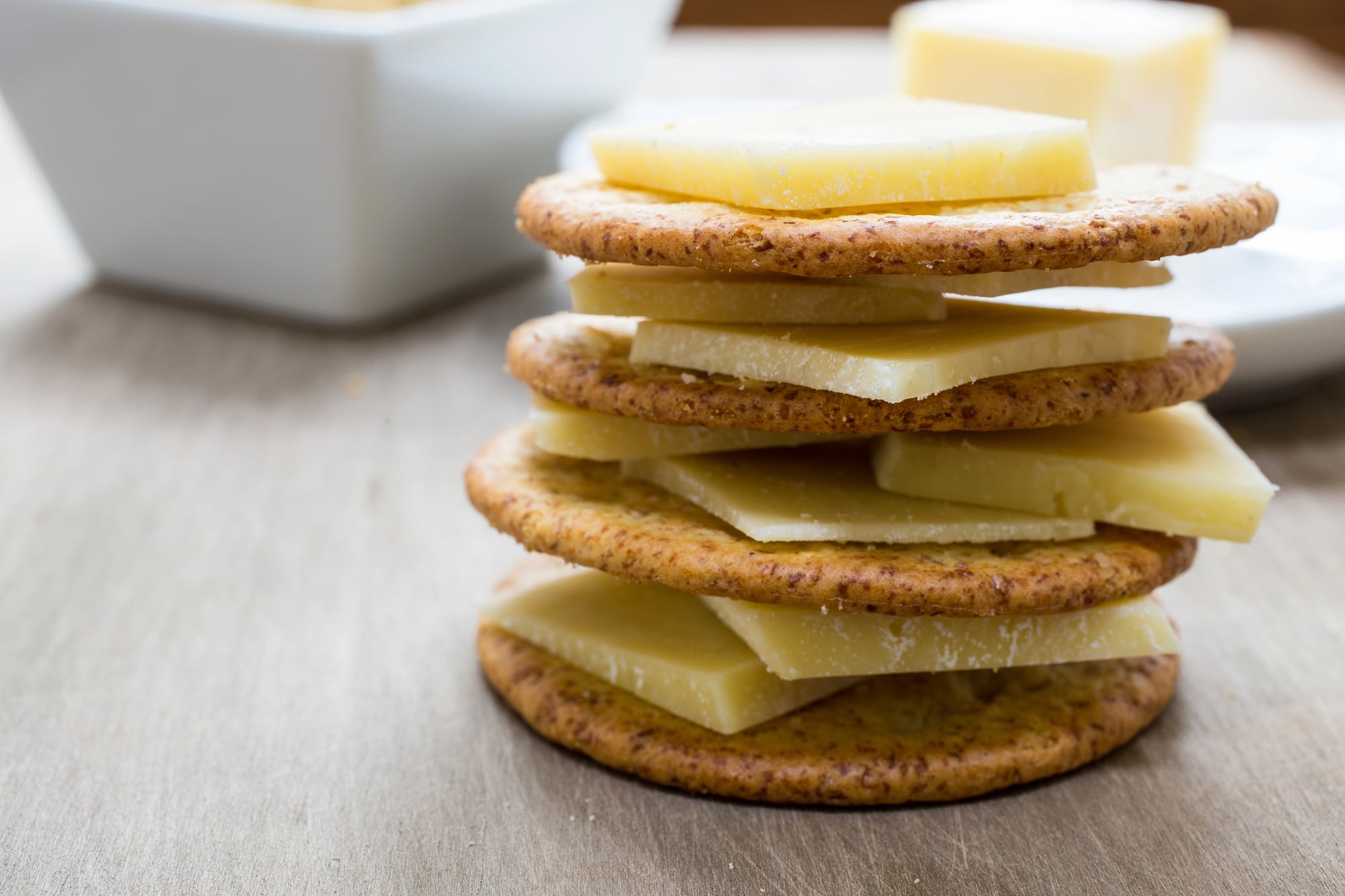
Usually Ritz crackers paired with individually wrapped cheese slices or small chunks of cheddar cut from a larger block. This combination felt fancy compared to sandwiches, even though it was essentially deconstructed grilled cheese served at room temperature.
The cheese would sweat slightly in its wrapping, creating a texture that was somehow both dry and moist.
A Small Bag of Pretzels
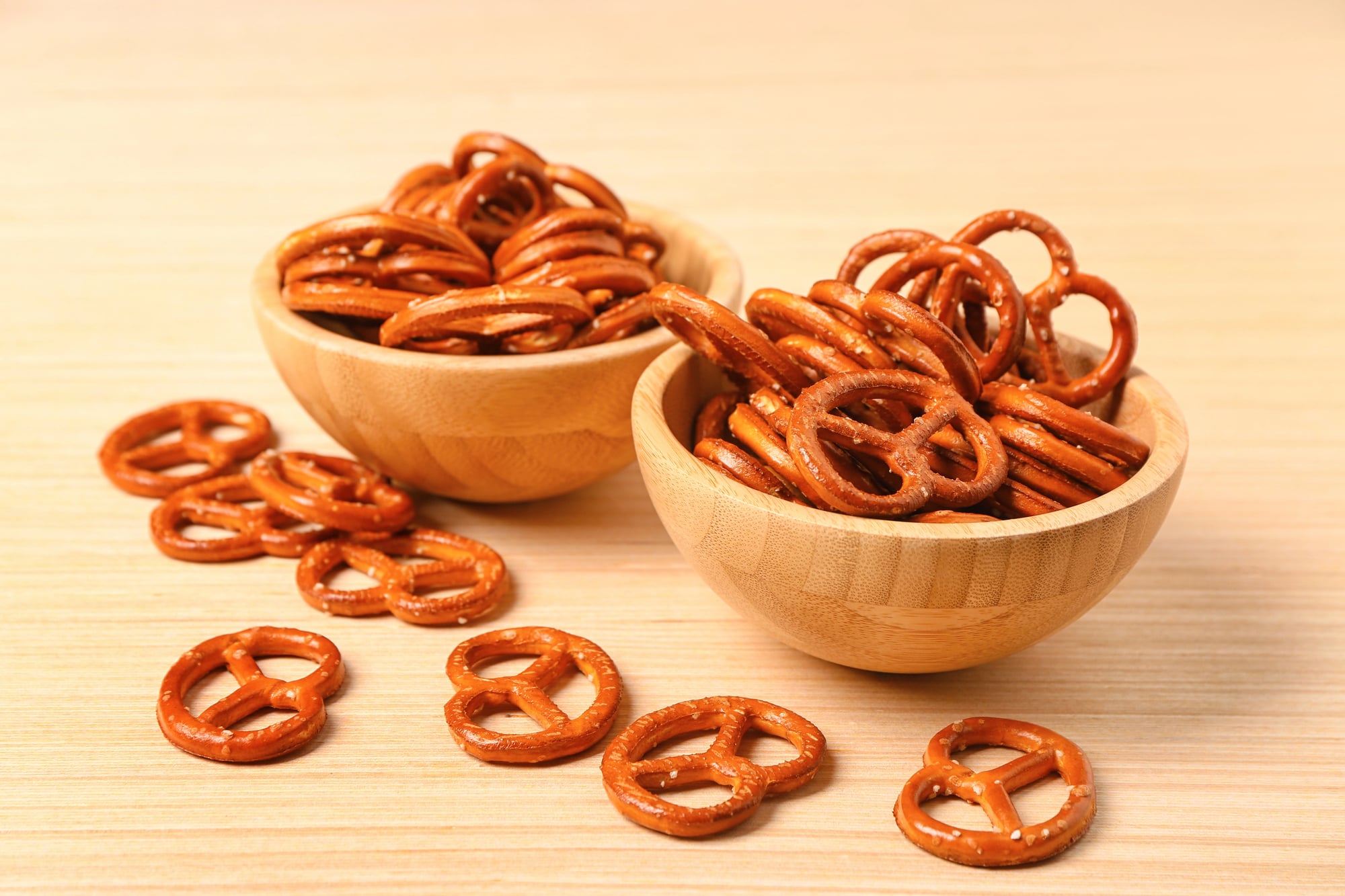
Twisted or stick-shaped, always salted, these provided crunch and sodium in equal measure. Pretzels were considered healthier than chips (though nobody could explain exactly why), making them the compromise snack for mothers who wanted their kids to have something fun without completely abandoning nutrition.
Fruit Cup or Applesauce
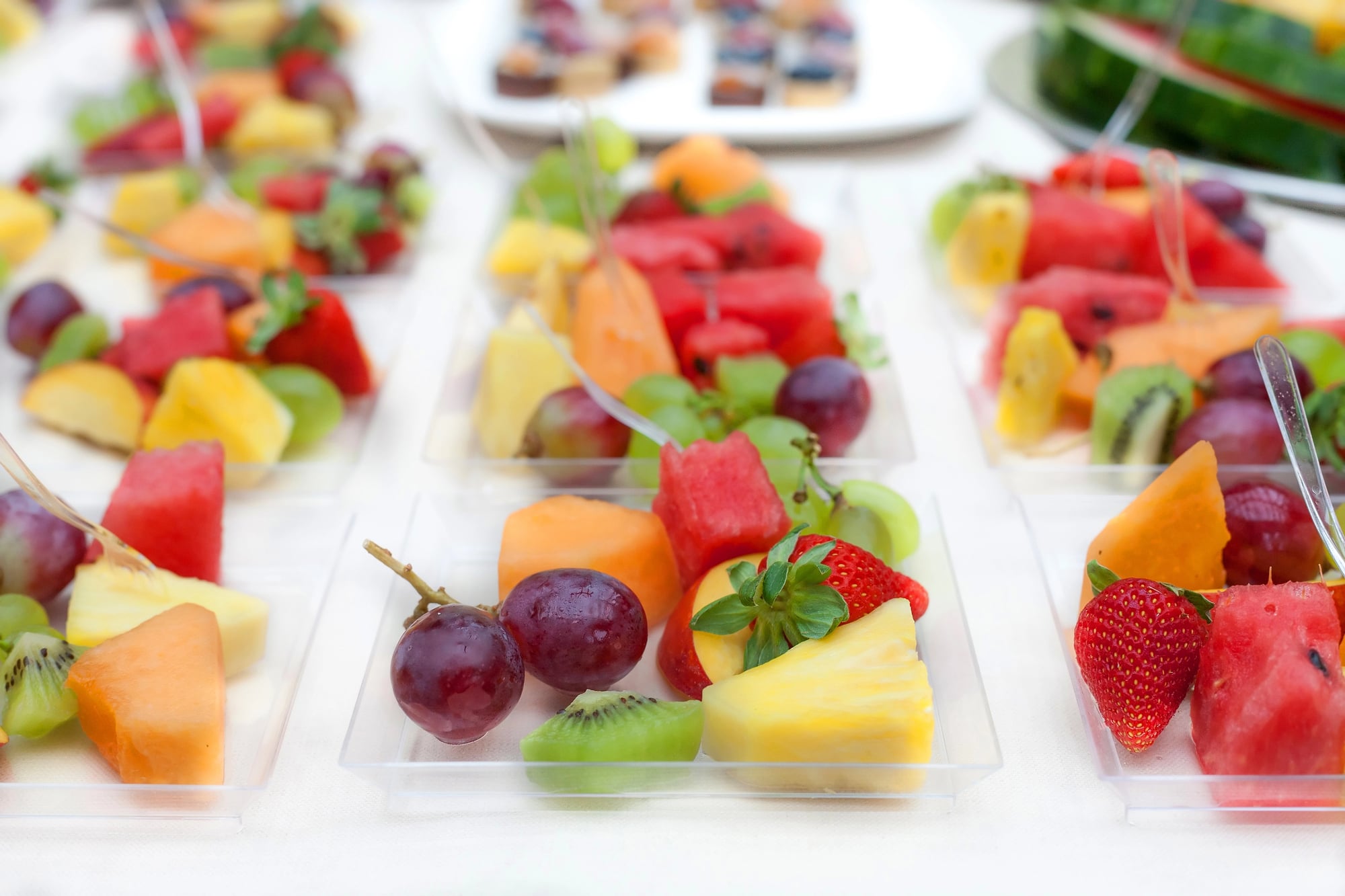
Del Monte fruit cocktail in heavy syrup, packed in those small metal cans that required a can opener — which schools rarely provided. More often, it was applesauce in those tiny glass jars that mothers hoped would make it through the morning without breaking.
The applesauce was usually warm by lunchtime, which somehow made it less appealing despite being perfectly edible.
Wax Paper-Wrapped Brownies
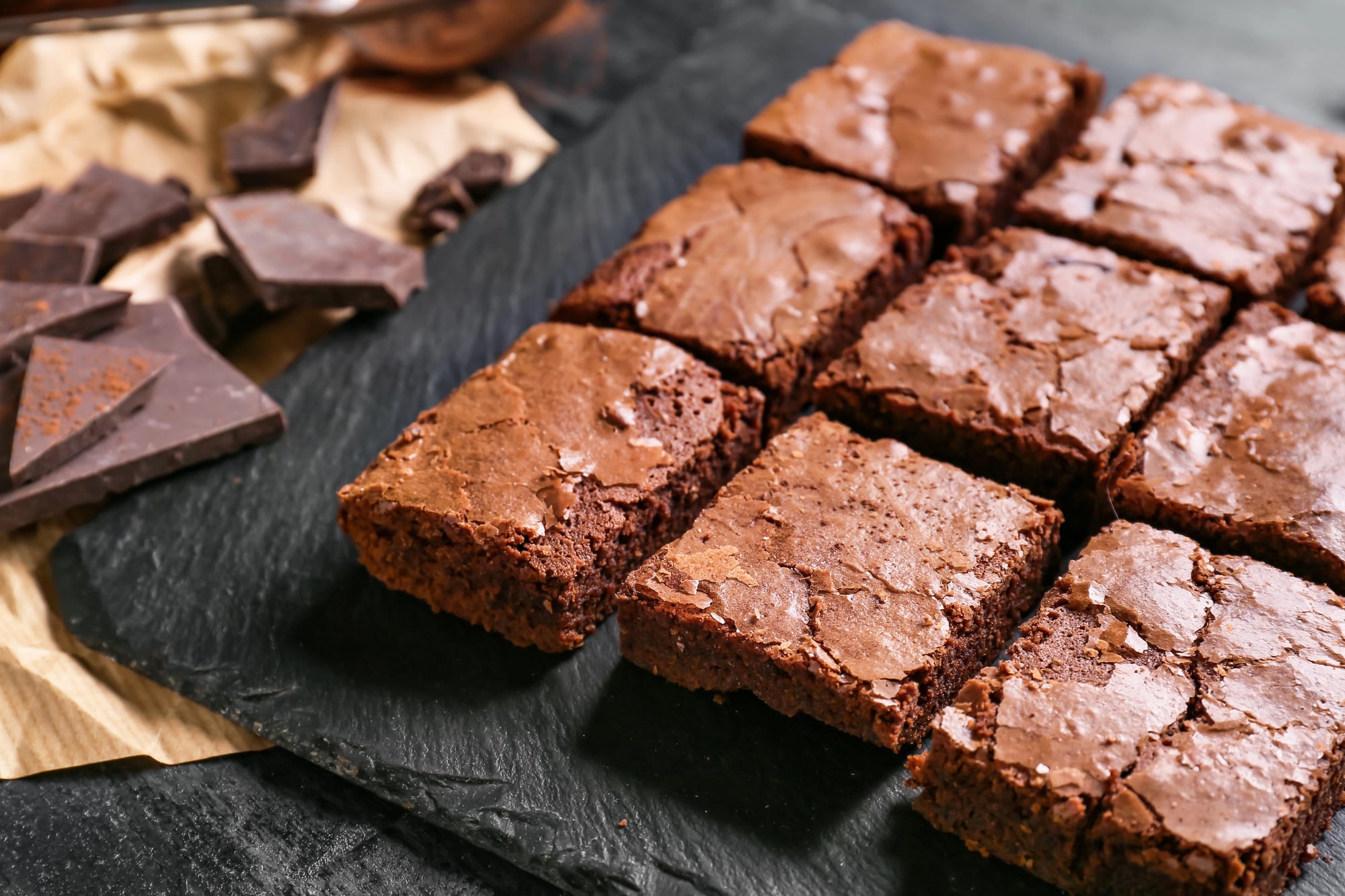
Homemade brownies, if your mom baked, or Little Debbie brownies if she didn’t. Either way, they were wrapped in wax paper that would stick to the chocolate in humid weather or peel off in satisfying sheets when conditions were just right.
These brownies were never quite the right texture — either too dry or too moist — but they were chocolate, which made everything else forgivable.
So there you have it: the contents that defined childhood lunch across America for an entire decade. These weren’t gourmet meals or carefully balanced nutritional profiles — they were practical solutions to the daily challenge of feeding kids something they’d actually eat.
And somehow, despite the lukewarm soup and bruised apples, those lunches carried enough love to last a lifetime.
When Simple Was Enough
The beauty of 1970s lunchboxes wasn’t in their sophistication — it was in their predictability. Kids knew what to expect, parents knew what worked, and everyone understood that lunch was fuel for the afternoon, not performance art.
Those metal boxes with their reliable contents taught an entire generation that love sometimes comes wrapped in wax paper and packed with practical care rather than Pinterest-perfect presentation.
More from Go2Tutors!

- The Romanov Crown Jewels and Their Tragic Fate
- 13 Historical Mysteries That Science Still Can’t Solve
- Famous Hoaxes That Fooled the World for Years
- 15 Child Stars with Tragic Adult Lives
- 16 Famous Jewelry Pieces in History
Like Go2Tutors’s content? Follow us on MSN.



