Futuristic Gadgets That Already Exist Today
Remember those old movies where people talked into their watches or controlled their homes with just their voice? Those scenes felt like pure fantasy back then.
Now, many of those wild ideas are sitting on store shelves or already in homes around the world. Technology moved from imagination to reality faster than anyone expected, and the gadgets that once seemed impossible are now part of everyday life.
So what exactly can you buy right now that feels like it jumped straight out of a science fiction film? Let’s take a look at some real products that are already here.
Smart contact lenses

Contact lenses that do more than correct vision are no longer just concepts. Companies have developed lenses with tiny sensors built right into them.
These devices can monitor health conditions like diabetes by checking glucose levels in tears. Some versions even include displays that project information directly into the wearer’s field of view.
The technology is still early, but it’s real and improving fast.
Brain-computer interfaces

Typing with your thoughts sounds like something from a distant future, but it’s happening now. Several companies have created devices that read brain signals and turn them into computer commands.
People with paralysis have used these systems to control robotic arms, type messages, and even play video games. The equipment has become smaller and more accurate over the past few years.
While it’s not widespread yet, the technology exists and continues to advance.
Holographic displays
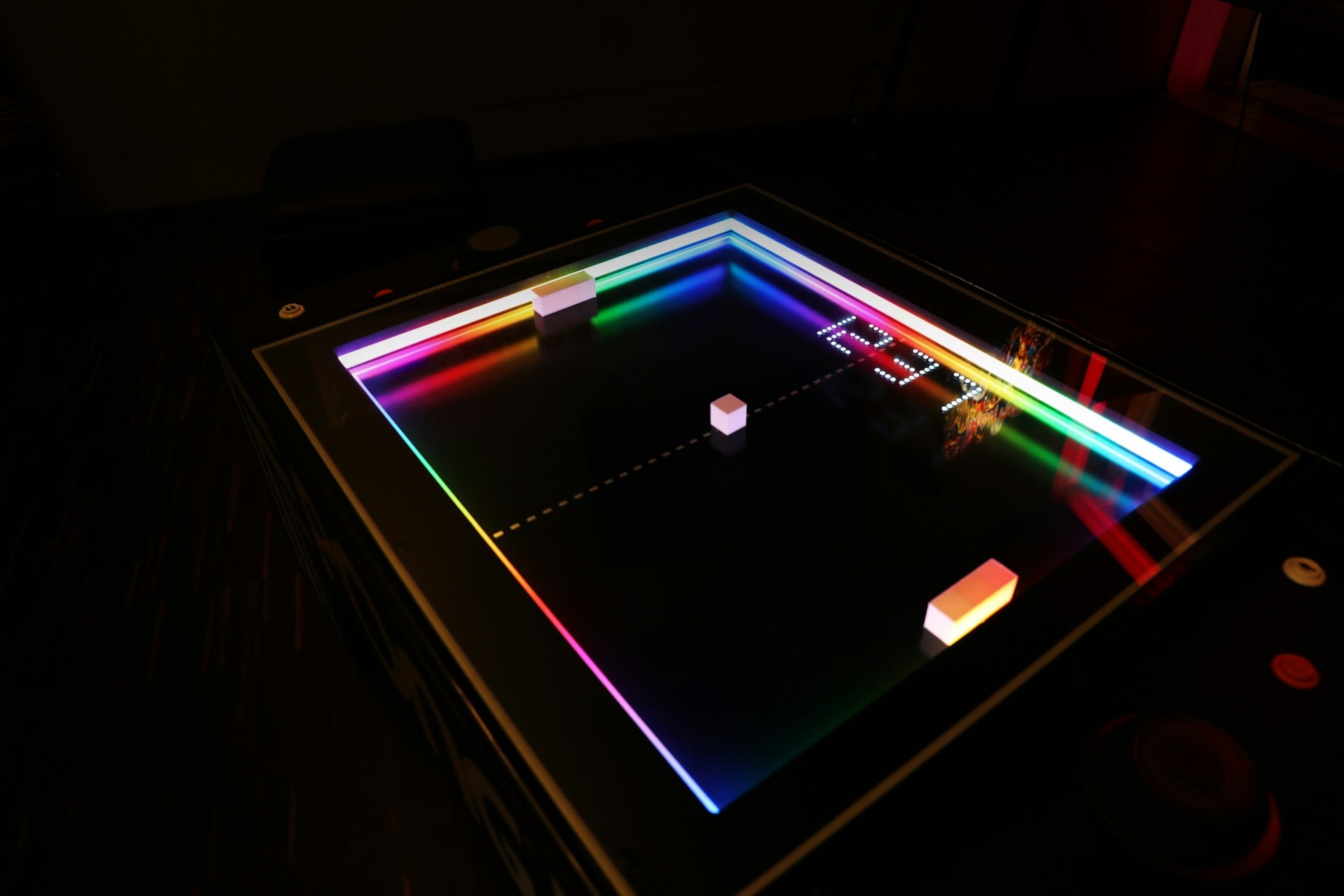
Those floating 3D images from old space movies are actually available today. Companies sell holographic display systems that project objects into thin air without needing special glasses.
Some use lasers and mirrors, while others manipulate air particles to create visible shapes. Businesses use them for product demonstrations and medical schools use them to teach anatomy.
The images aren’t perfect yet, but they’re improving with each new version.
Robotic exoskeletons

Powered suits that give people extra strength are real products now. Medical facilities use exoskeletons to help patients with spinal injuries walk again.
Construction workers wear them to lift heavy objects without straining their backs. The suits use motors and sensors to amplify human movement.
They run on batteries and can be adjusted for different tasks. What once seemed like something only superheroes could use is now helping regular people every day.
Transparent phones

A phone you can see through used to be pure imagination. Now, manufacturers have created working prototypes with transparent screens.
The technology uses special glass and displays that only light up where needed. Some versions are already in limited production.
While they’re not in every store yet, the concept has moved from impossible to merely expensive. Give it a few more years and these might become common.
Flying cars
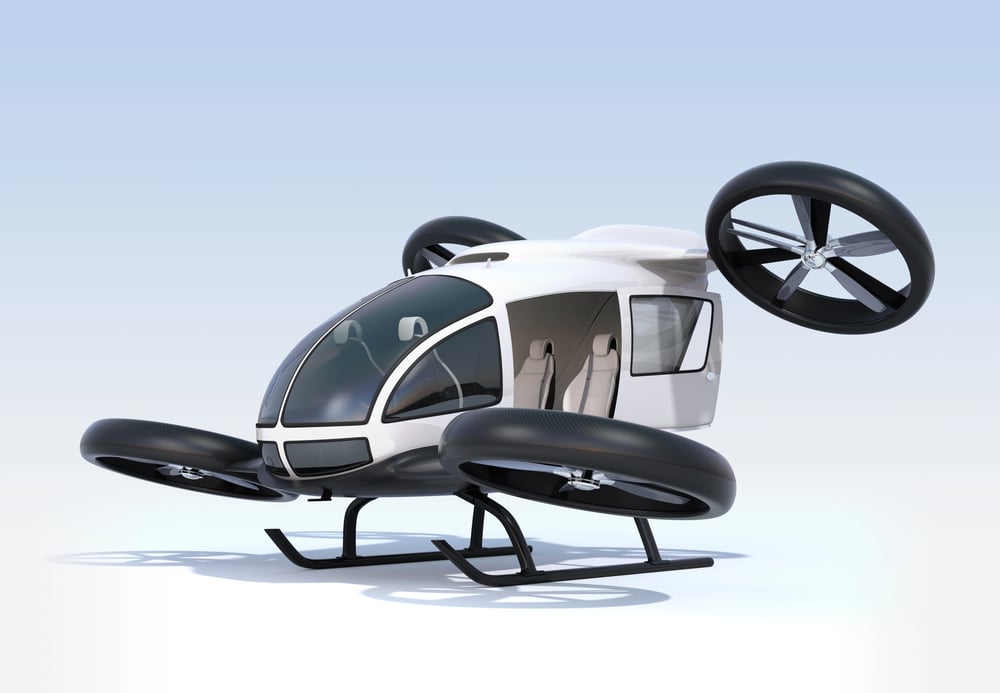
Yes, actual flying cars exist and some people can buy them right now. These vehicles can drive on roads and then take off vertically like helicopters.
They use multiple rotors or tilt-wing designs to get airborne. Several companies have working models and have completed successful test flights.
The main barriers are cost and regulations, not technology. A few wealthy buyers have already placed orders.
Edible water bottles

Plastic bottles might eventually become obsolete thanks to edible packaging. Scientists created membrane-like containers made from seaweed extract that hold liquids.
You can drink the contents and then eat the wrapper or let it dissolve naturally. These products are already being used at marathons and special events.
They taste neutral and break down in weeks instead of centuries like plastic does.
Translation earbuds
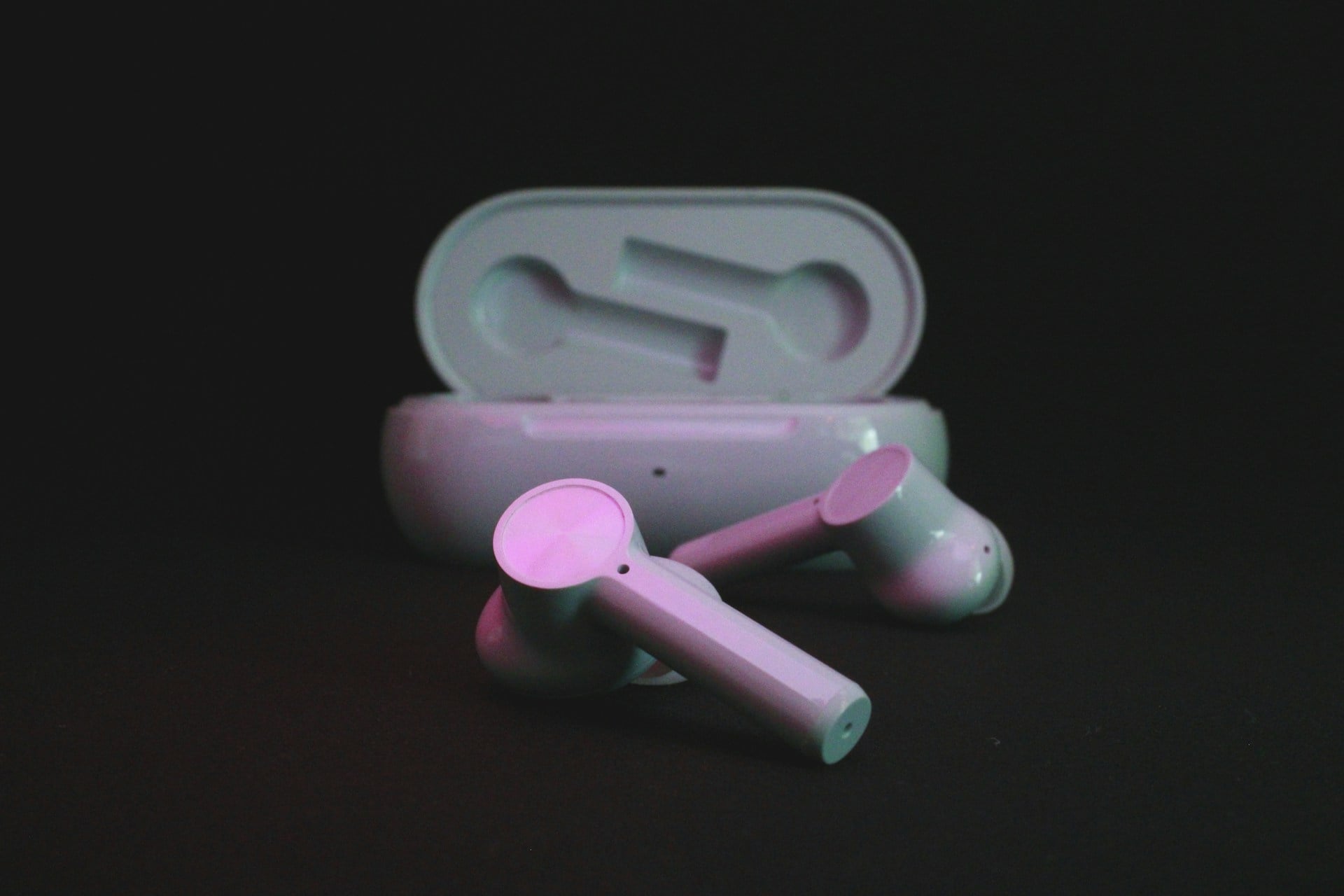
Real-time translation devices that fit in your ears are available right now. These tiny gadgets listen to someone speaking a foreign language and instantly translate it into your language through the earpiece.
Some can handle over 40 languages. The translation happens fast enough to maintain natural conversation flow.
Travelers and business people are already using them instead of hiring interpreters.
Levitating speakers
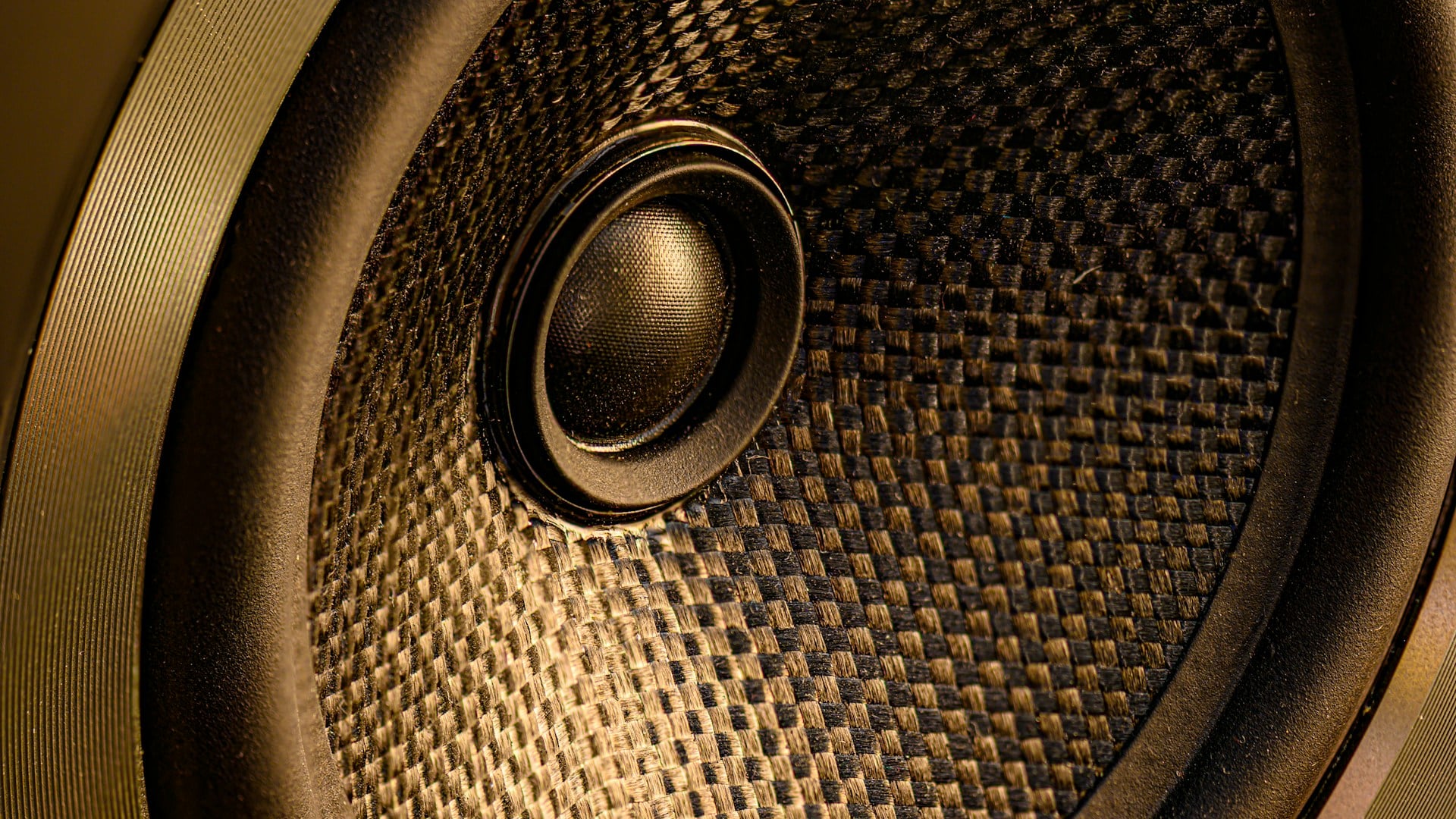
Floating speakers held up by magnets are now available. They spin in air while blasting tunes.
A magnetic stand holds them up no strings attached. Certain models mix glowing LEDs into the act for extra flair.
Audio performance? On par with regular speakers. Not just eye candy the rotation spreads sound evenly around the room.
Smart mirrors

Mirrors showing info while talking to users are already inside people’s houses. These ones seem regular, yet hide displays within the glass itself.
Instead of just reflecting, they reveal forecasts, headlines, schedule alerts some check how your skin’s doing. A few workout models observe your moves, then suggest fixes on the spot.
Places like hotels or shops use these now, making visits feel smoother.
Printed organs
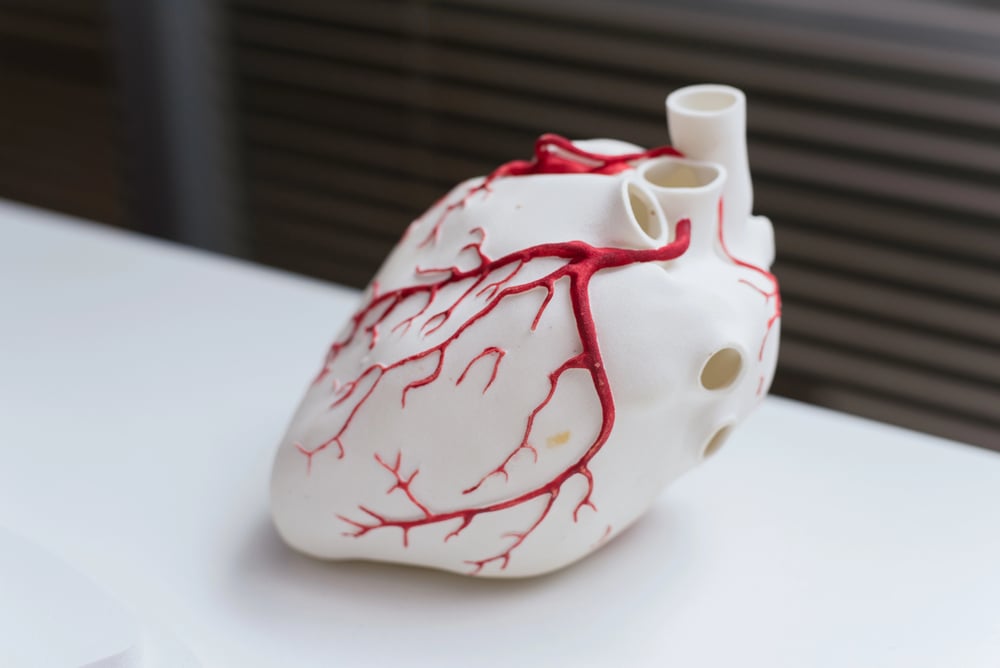
3D-printed body parts aren’t just ideas anymore. Scientists now make real tissue that actually works like skin, veins, or tiny bladders.
Instead of regular ink, these machines squirt out live cells, stacking them one at a time. A few of these lab-made tissues are helping patients through transplants or checking how drugs perform.
Making entire organs for mass use is nearly possible but still needs more work.
Self-healing materials
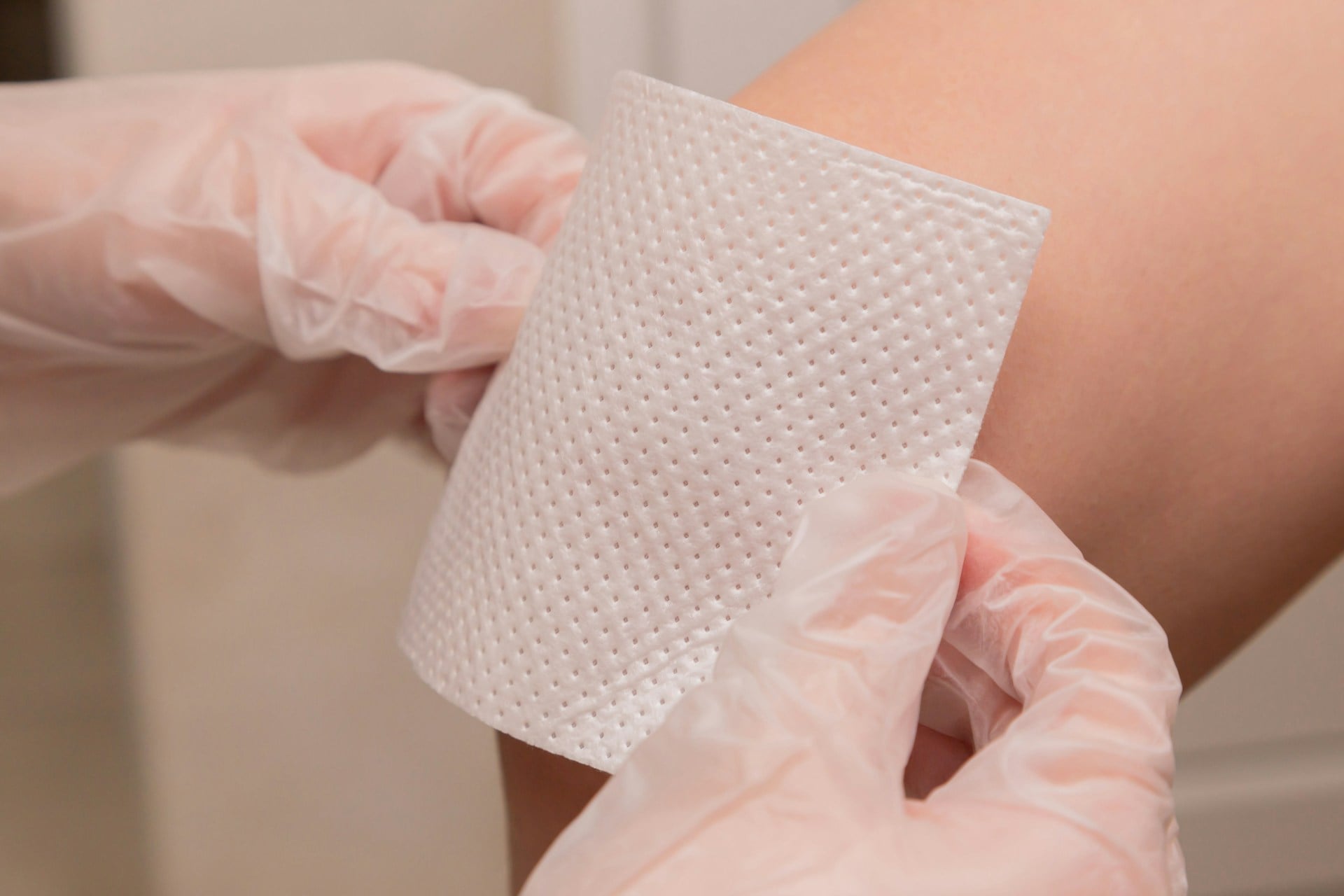
Stuff that fixes itself is real now. Researchers made stuff able to close splits or scrapes without help.
A few types have tiny pods inside that spill fix-liquid if hurt; some rely on plastics that rejoin after breaking. Screen guards for phones or paint jobs on cars can heal themselves these days.
It handles little flaws well and gets better over time.
DNA storage devices

Storing digital info in DNA now actually works. Scientists managed to pack films, novels, stories, even songs into living code.
Information fits tight super dense inside molecules. Just a speck, like one gram, might lock up every file, photo, message people ever made.
Pulling data out or putting it in takes time and cash for now but the system runs. It’s real, just not fast yet.
Emotion recognition software

Faces can now be read by machines to guess how people feel. Instead of just looking at smiles or frowns, programs check tiny shifts in expression, sound patterns, even posture.
Firms apply this trick when studying buyers or coaching support teams. Certain vehicles come with systems meant to spot tiredness or lack of focus behind the wheel.
It doesn’t always get it right yet performance climbs as more examples are collected.
Printed food

Right now, some eateries and research spots run 3D printers making actual food. Instead of regular cooking, these devices squeeze out thick mixtures, stacking them slowly into exact forms.
Kitchen pros rely on them for complex patterns you can’t craft manually. Meanwhile, space agencies have tried similar models to feed people in orbit.
The flavor plus nutrients stack up against regular home-cooked meals. However some fancy eateries are now dishing out 3D-printed plates.
Wireless electricity

You can get power without plugging in these days. One company offers pads that juice up gadgets from a few feet off.
Another setup includes rooms where invisible signals keep electronics running. This works by shooting energy through magnetic waves floating in the air.
Faster every year, yet the core idea runs fine. Devices like phones or laptops get power while sitting nearby.
Handheld medical scanners
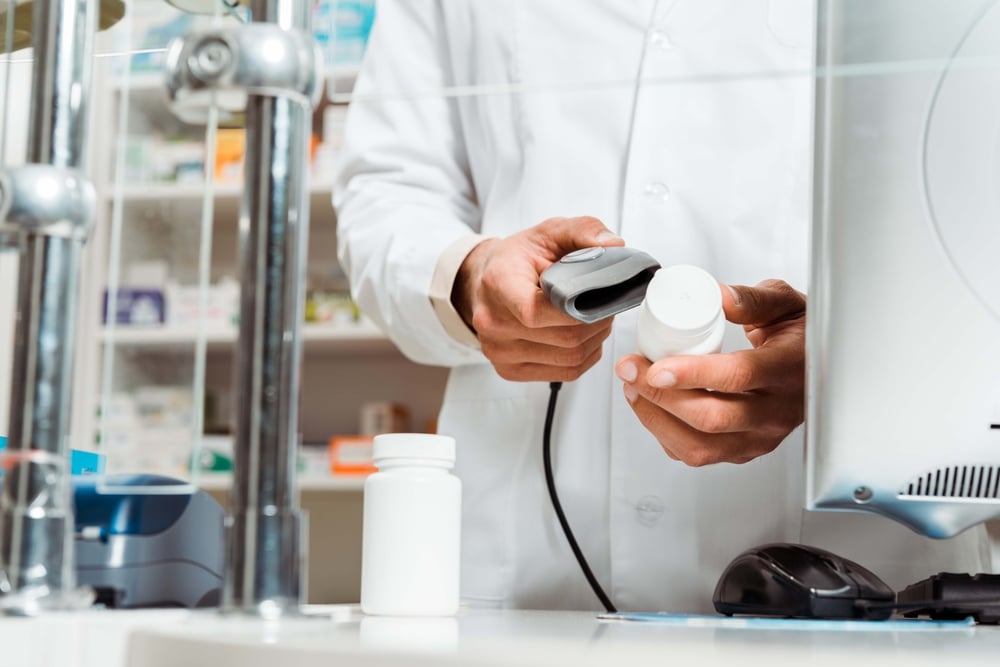
Folks carry gadgets now that spot illnesses kinda like sci-fi flicks from way back. Medics rely on tiny ultrasounds plugging straight into phones.
Some gizmos catch melanoma, track heartbeat stuff, even sniff out germs lurking around. Not bulky at all they slide right into your coat pocket yet still nail the diagnosis tight.
Out in far-off spots missing regular hospital gear? These do the job just fine.
Memory implants
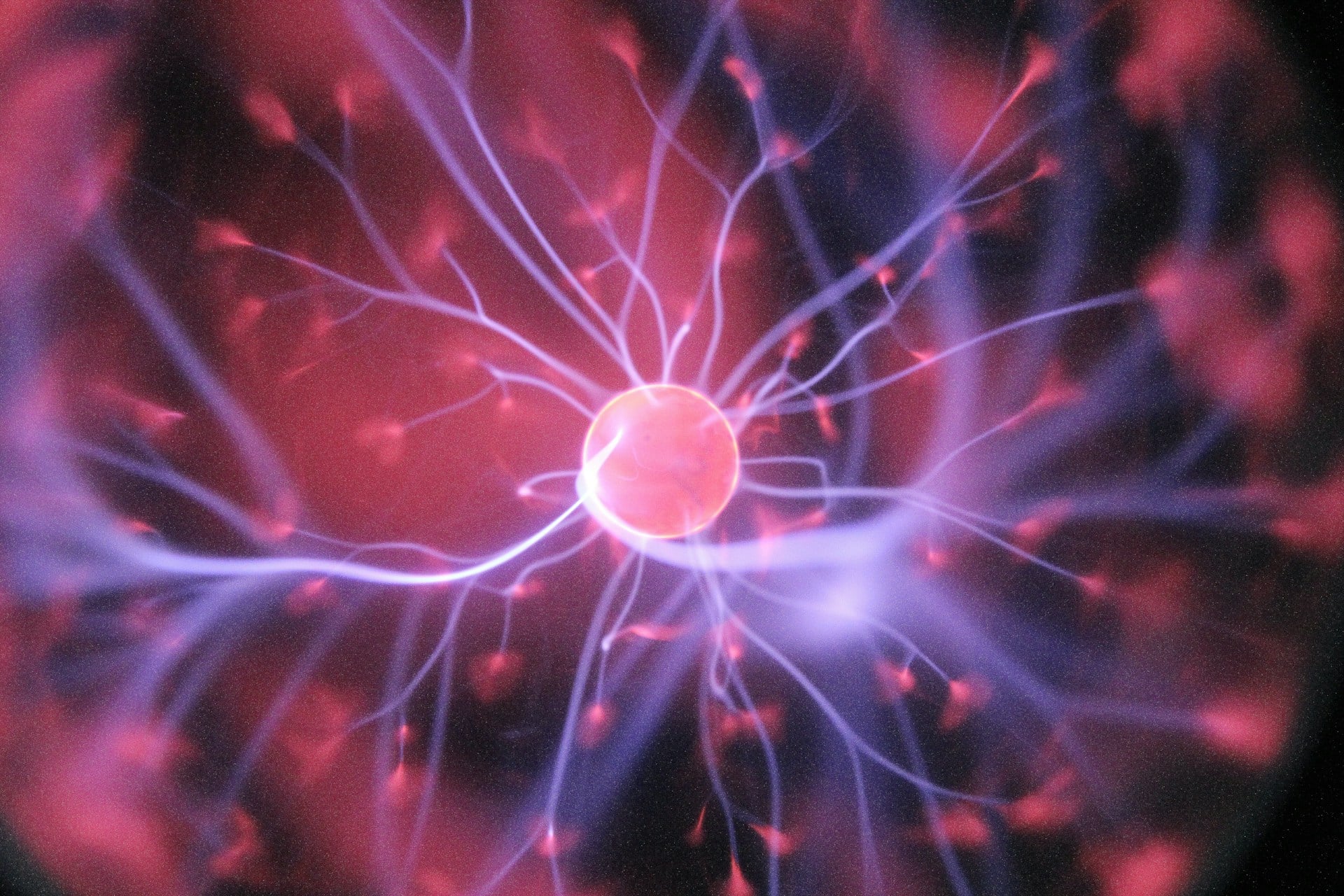
Devices meant to boost memory are now being tried out on people. Instead of just adding parts, they team up with how the brain naturally works to build stronger memories.
So far, early tests have allowed those with brain damage to regain certain skills. Wires tap into precise spots in the brain exactly when needed.
Even though it’s still a trial phase, a few folks already live with these working devices helping each day.
The everyday extraordinary

What’s cool about these gadgets isn’t only their existence, yet how fast they jumped from sci-fi to real life. Lots showed up in usable shape during the past ten years.
A few cost so little regular folks can buy them now, whereas a couple will drop in price before long. The space between dreaming things up and building them is getting tighter, still, today’s wild idea could be next season’s everyday buy.
Tomorrow’s far-off fantasy? It’s no longer arriving truth is, much of it already arrived.
More from Go2Tutors!

- The Romanov Crown Jewels and Their Tragic Fate
- 13 Historical Mysteries That Science Still Can’t Solve
- Famous Hoaxes That Fooled the World for Years
- 15 Child Stars with Tragic Adult Lives
- 16 Famous Jewelry Pieces in History
Like Go2Tutors’s content? Follow us on MSN.