18 Best Movies to Fall Asleep To
There’s a specific kind of movie that works perfectly for falling asleep. Not boring movies — that’s a different category entirely.
The right sleep movie has a certain quality to it: gentle pacing, a warm or dreamy visual tone, and a story that holds your attention just enough to quiet the noise in your head, but not so much that you feel guilty drifting off before the credits roll. These aren’t bad movies.
Most of them are actually very good. They just happen to have that rare combination of calm and beauty that makes your eyelids heavy in the best possible way.
Barry Lyndon (1975)
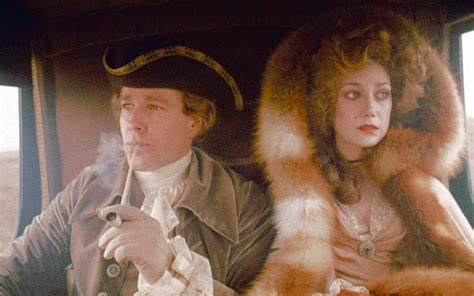
Stanley Kubrick shot this film using only natural light and candlelight. The result is one of the most visually lush movies ever made, with every frame looking like an 18th-century oil painting come to life.
The story follows an Irish adventurer making his way through aristocratic Europe, and while there’s drama and betrayal, it all unfolds at a pace that feels like watching a river flow. The music is slow and classical.
The scenes are long. It runs nearly three hours, which, for sleeping purposes, is ideal.
The Secret Life of Walter Mitty (2013)
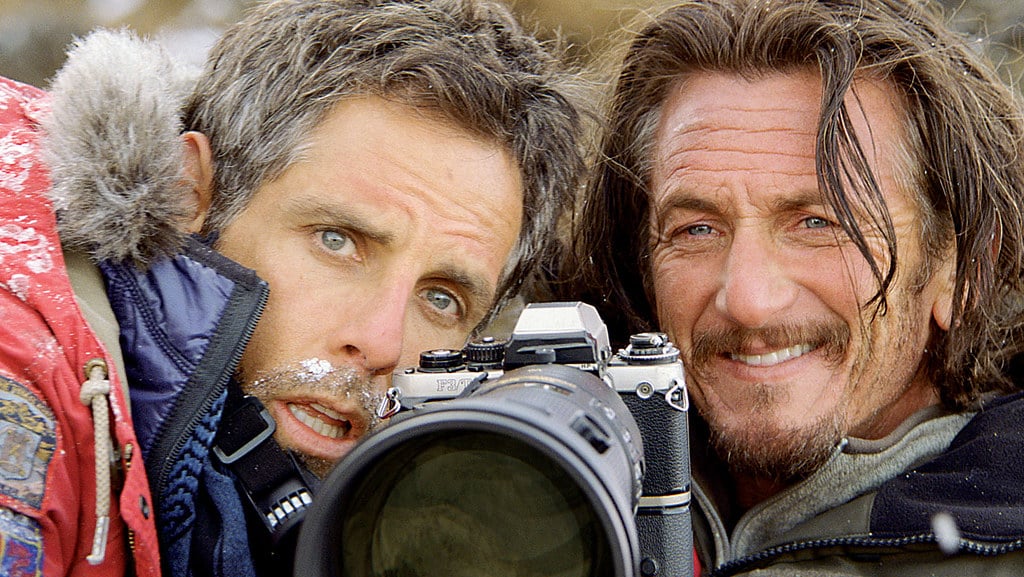
This one is quieter than people expect. Ben Stiller plays a man who spends most of his life daydreaming, and the film leans hard into that interior, spacious feeling. There are long stretches of Iceland landscapes, soft cinematography, and a gentle sense of wandering. The emotional beats are earned but never loud.
It’s the kind of movie that makes the world feel a little softer.
Paterson (2016)
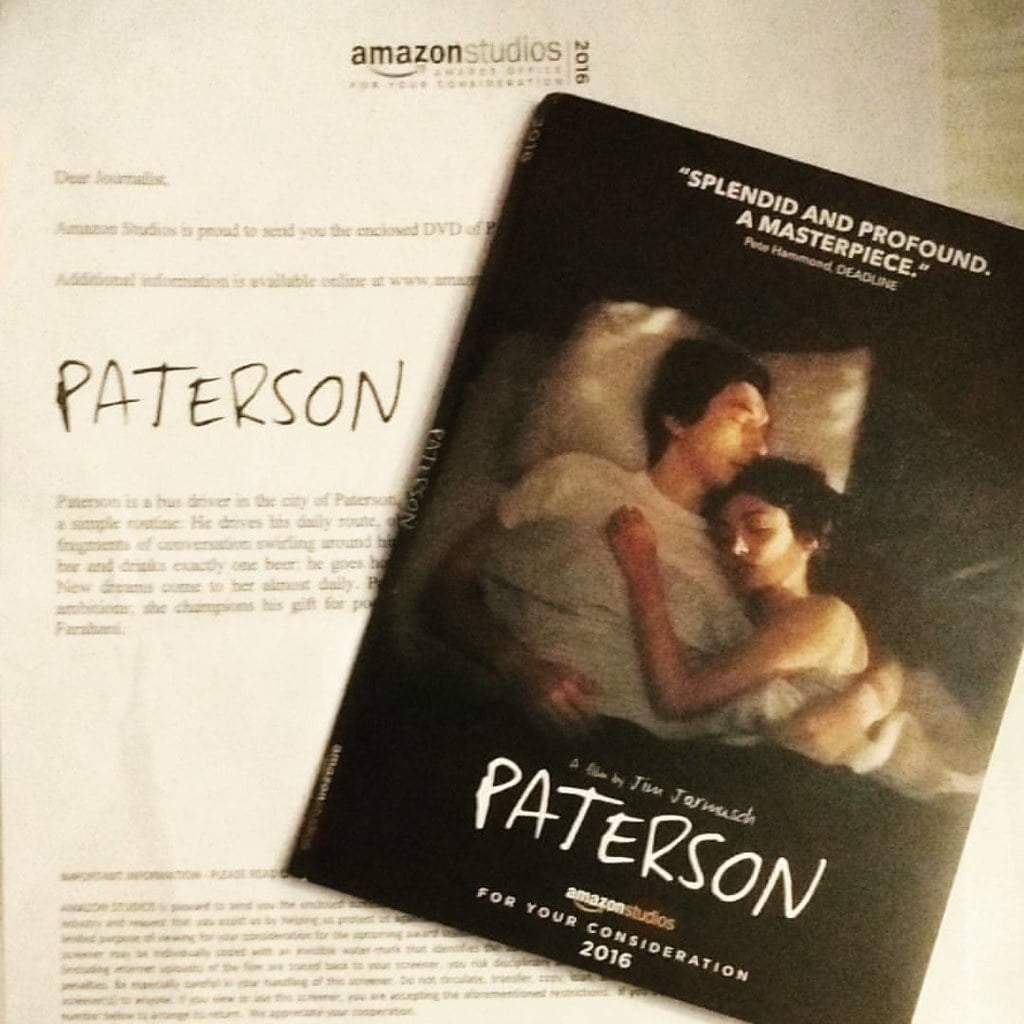
Jim Jarmusch made a film about a bus driver who writes poetry in his spare time, and it’s exactly as slow and beautiful as that sounds. Each day in the movie looks almost like the one before it, but with small differences that feel meaningful by the end.
There’s no villain, no crisis, no ticking clock. Just a man, his notebook, and his dog. The film works like a lullaby — repetitive in structure, comforting in tone.
Lost in Translation (2003)

Two people meet in a Tokyo hotel and spend their nights wandering the city because neither of them can sleep. The irony of using this film as a sleep aid is not lost on anyone.
But Sofia Coppola’s direction is hushed and floaty, the color palette is all warm lights and blue shadows, and the dialogue rarely rushes anywhere. Even the loneliness in this movie feels soft.
Pride and Prejudice (2005)
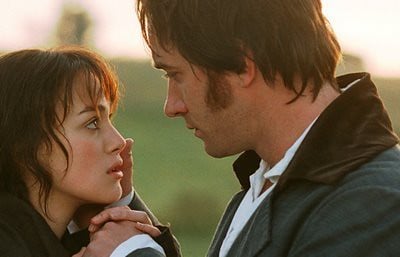
Misty fields stretch behind the 2005 film starring Keira Knightley, where sunlight slants low across wooden floors. Drawing rooms hum with words left unsaid, moments hanging just beyond speech.
Though the plot moves slowly, like footsteps through old halls, it doesn’t ask you to follow closely. Instead, green hills meet hushed faces in a rhythm that slows your breath without warning.
Music slips in – piano notes spaced wide apart – one note landing as another fades into silence. That kind of sound fits best when thoughts begin to blur at the edges.
2001 A Space Odyssey 1968
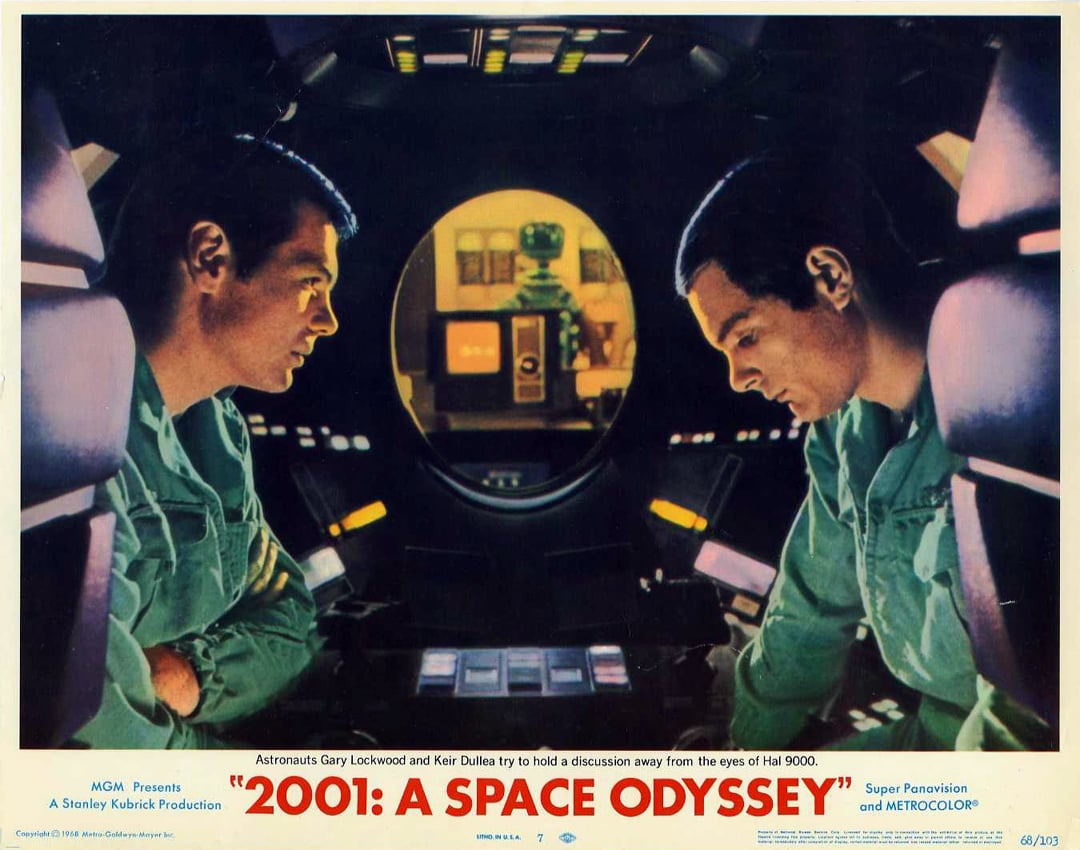
Listen closely. Forty minutes go by with nothing but quiet images of apes across open land.
After that, scenes stretch on – ships float between stars while old music plays. At the end comes something wild and bright, spinning into view; it might baffle you or pull you deep, one way or another.
Space has a way of quieting thoughts, just by being so vast. One reason this works so well for sleep is how noise vanishes there.
Out of Africa 1985
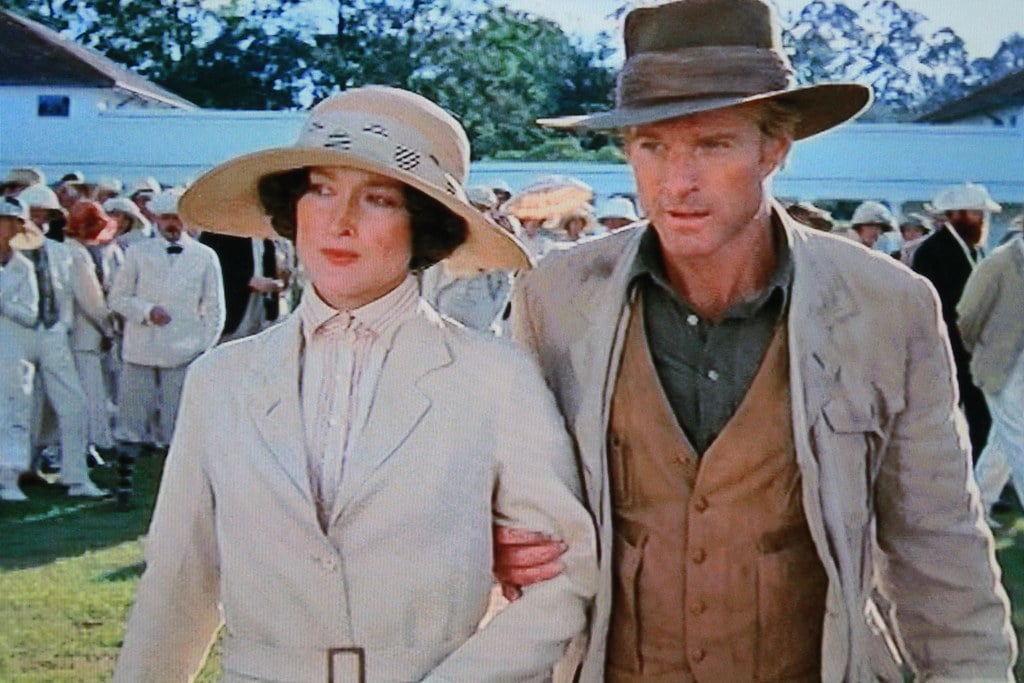
It lasts three hours. Set in Africa. Stars Meryl Streep alongside Robert Redford. Music by John Barry shapes the mood.
At its core, the movie quietly explores grief, open land, and how moments stretch out. Its rhythm moves slowly, yet clearly meant to – never careless.
Open fields stretch out while the tale whispers close, pulling you into calm. Music by itself could guide you gently under.
Quiet lands meet soft narrative, drifting like breath at dusk. Sound wraps around stillness, slow and sure.
A hush grows where wide skies touch personal moments. Notes linger longer than thought, easing tension without effort.
Landscape spreads far even as the plot stays near. Listening feels like resting before sleep takes hold.
Midnight in Paris 2011

Warm light spills over every scene, like Woody Allen whispered his favorite city into being. A traveler, played by Owen Wilson, stumbles through nights that melt into the 1920s without warning or reason.
Because explanations fade when jazz hums from shadowed cafés. Streets stretch golden under old lamps, lined with voices trading clever thoughts like coins.
Yet nothing feels forced – moments float, held together by quiet magic instead of rules. As if you’ve stepped not into a story, but someone’s half-remembered joy.
Spirited Away (2001)
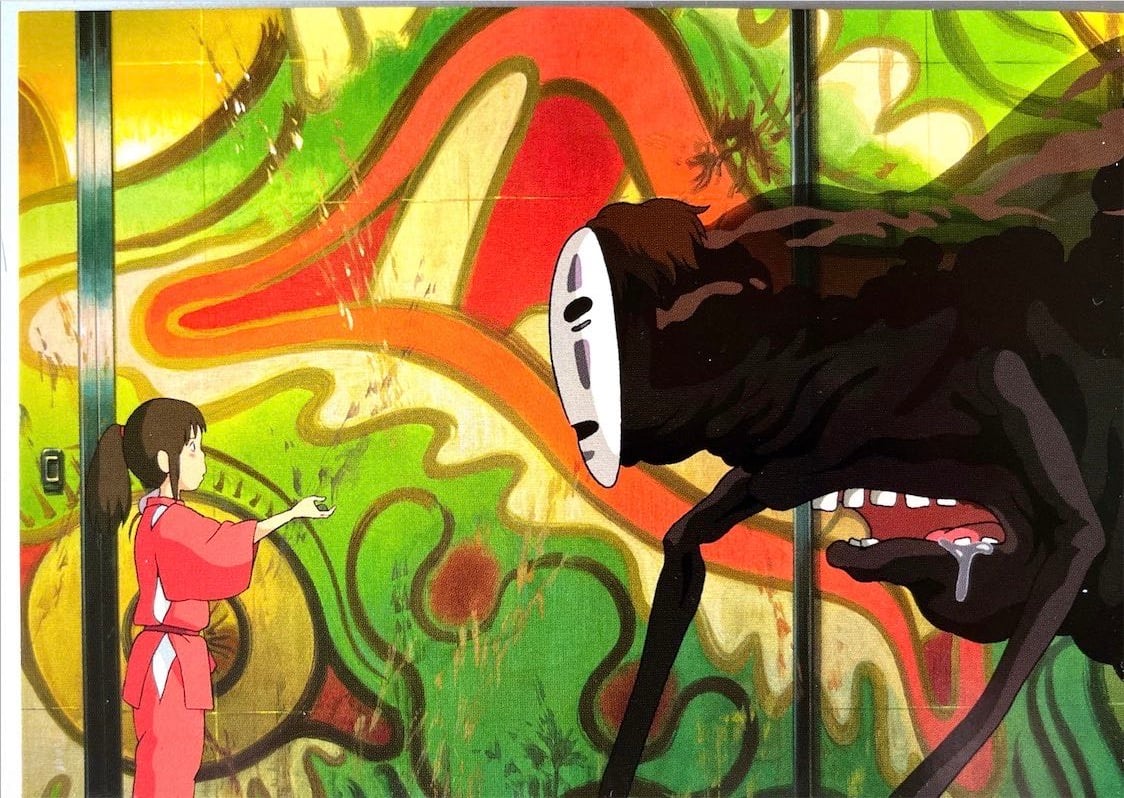
Miyazaki’s movies stand apart when it comes to winding down at night. Among them, Spirited Away pulls you in deepest – a girl wanders into a realm of spirits, searching for her parents through twists and turns.
With images thick like old dreams and places built so fully you forget your room, the story moves soft and steady. Its heart stays quiet, never sharp or loud, leaving no edge of worry behind. Kids drift off watching it. Grown-ups too.
Her (2013)
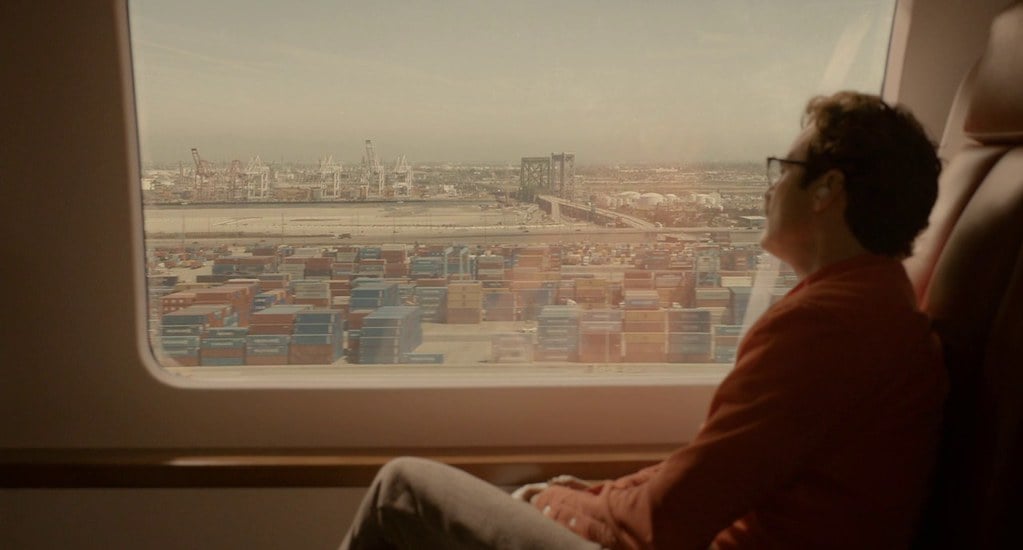
What if a movie starring a guy in love with software didn’t feel strange? Spike Jonze made one. Instead of unease, there’s quiet. The city glows warm under smooth skies – Los Angeles maybe ten years ahead.
Joaquin Phoenix speaks like he’s half asleep. Thoughts drift through isolation, how people link up, whether affection needs flesh.
Tenderness wraps every scene. Even sorrow feels hushed. Watching becomes something close to resting.
Amélie (2001)
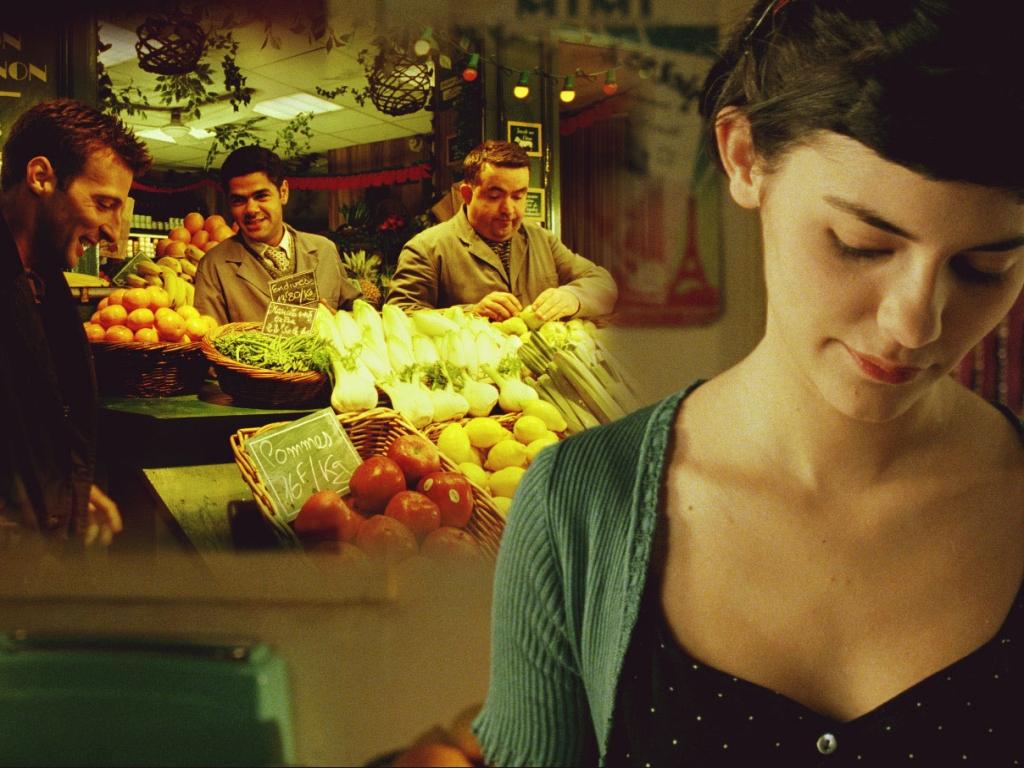
Amélie runs at a slightly faster pace than most films on this list, but the visual warmth more than compensates. Every shot is oversaturated with reds and greens, the Paris of the film looks like a fairy tale, and the narrator’s voice is calm and dry.
The story is a series of small, kind interventions rather than a traditional plot. By the time the film settles into its final act, you’re already halfway there.
The Grand Budapest Hotel (2014)
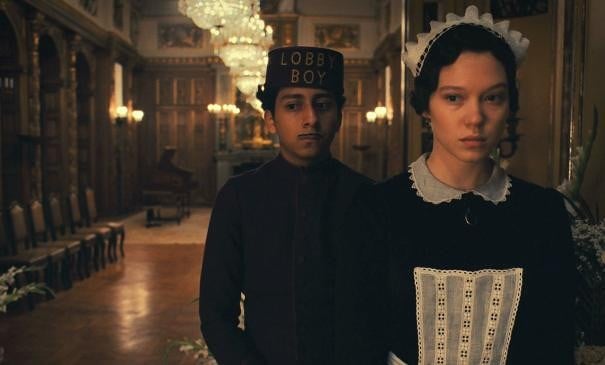
Wes Anderson films are visually precise to the point of hypnosis. Every frame is symmetrical, every color is deliberate, every camera move is expected and satisfying. The Grand Budapest Hotel is the best Anderson film of all Anderson films — fast-talking, pastel-colored, and oddly cozy despite involving murder and wartime.
The rhythm of his dialogue works like a metronome, and at a certain point, the brain just gives in.
The Tree of Life (2011)
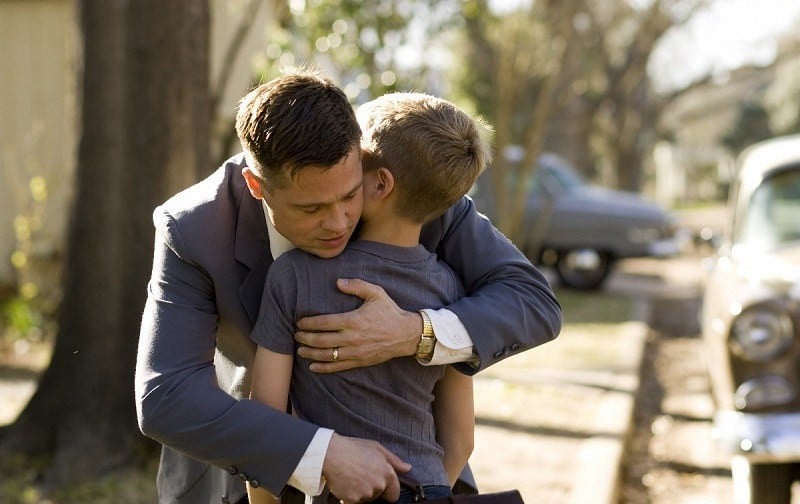
Terrence Malick’s film is less a story than an experience. There’s a family in 1950s Texas, and there’s also the beginning of the universe, and the film treats both with equal reverence. Long stretches are wordless.
The cinematography is all drifting handheld shots and golden hour light. People either find this film profound or baffling, but for falling asleep, it barely matters which camp you’re in — the effect is the same either way.
Moonrise Kingdom (2012)
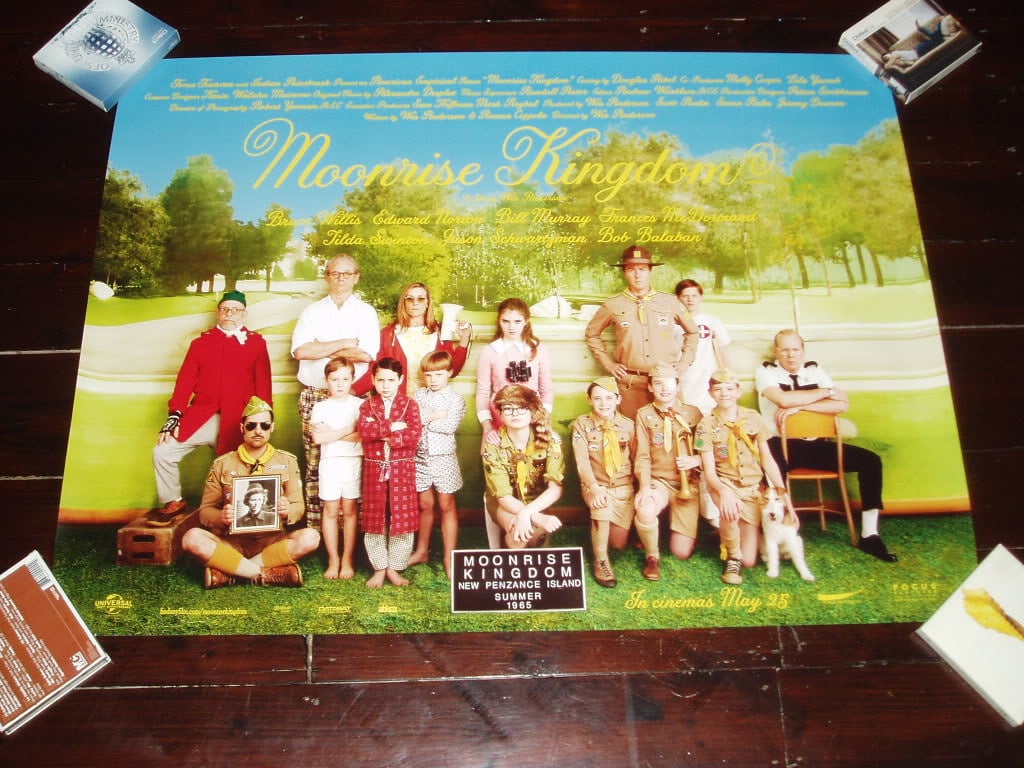
Wes Anderson again, but this one earns its own spot. Two twelve-year-olds run away together on a New England island, and the adults spend the film looking for them.
The scale is deliberately small and the emotional register is gentle. Benjamin Britten’s music runs through much of the film like a lullaby.
There’s something about watching children be earnestly, quietly brave that makes adults feel unexpectedly calm.
The Revenant (2015)
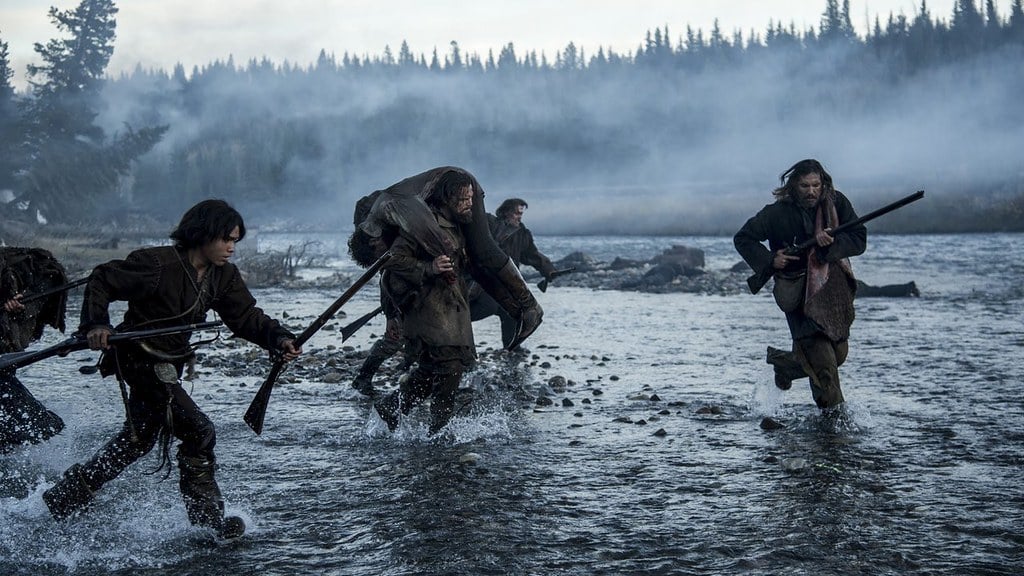
This feels odd at first – it is a survival story, true. Yet Alejandro González Iñárritu filmed only in daylight, deep in untouched wilds; what you get is vast scenery, mostly, with just flashes of DiCaprio enduring pain.
Long silences separate the intense scenes, slow and oddly peaceful. Much of the mood comes from Canada’s frozen woods, silent, heavy with snow.
Big Fish (2003)

Midway through the night, maybe just before dreams start to form, this movie slips into your thoughts like an old photograph found in a drawer. A man remembers his dad by replaying those wild stories he used to share – each one stranger than the last.
Not quite real, yet somehow honest in their own way. You see it all unfold: a boy raised by wolves, a circus under stormy skies, love at first sight beneath a tree.
These moments don’t follow rules – they drift, bend, shimmer. Like how you recall things when you’re half-awake and emotions weigh more than facts.
Truth here wears costume makeup and speaks in riddles. As morning waits quietly beyond the window, what lingers isn’t plot but feeling – the soft ache of wanting to hold someone close even after they’re gone.
A Man Called Ove 2015
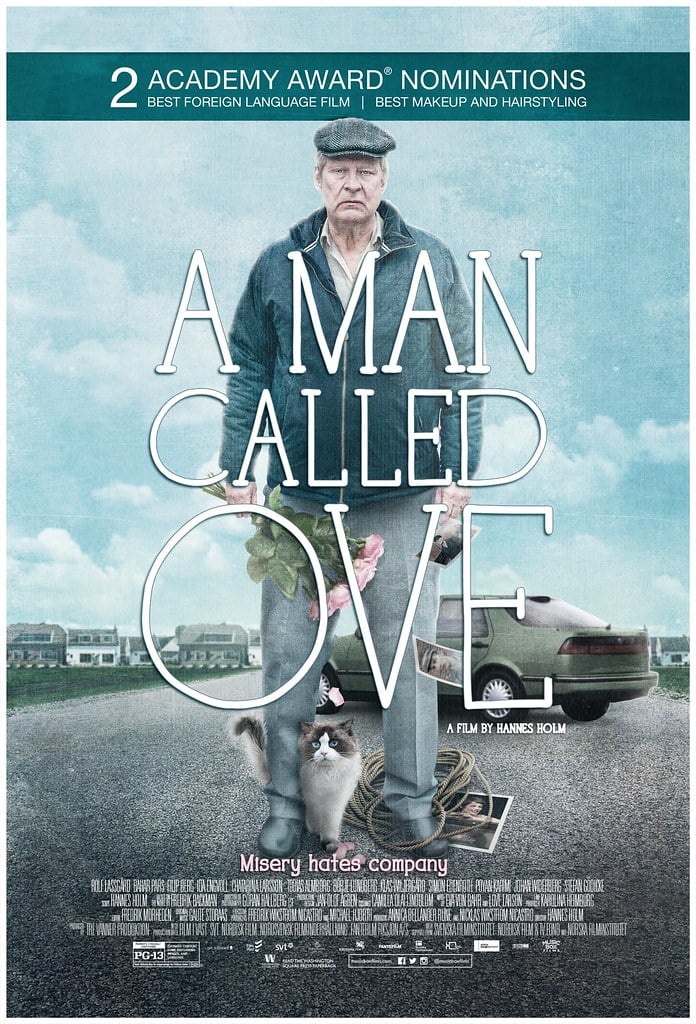
A grumpy man in Sweden, recently widowed, stumbles through days he thinks have little left. Yet small things pull him forward, even when he resists.
Humor slips in beside sorrow, neither overpowering the other. The rhythm moves like late afternoon light – gentle, unhurried.
Blue-tinged mornings and stillness wrap around each scene quietly. By the end, without noticing, you’re reminded that life holds steady ground.
Interstellar (2014)
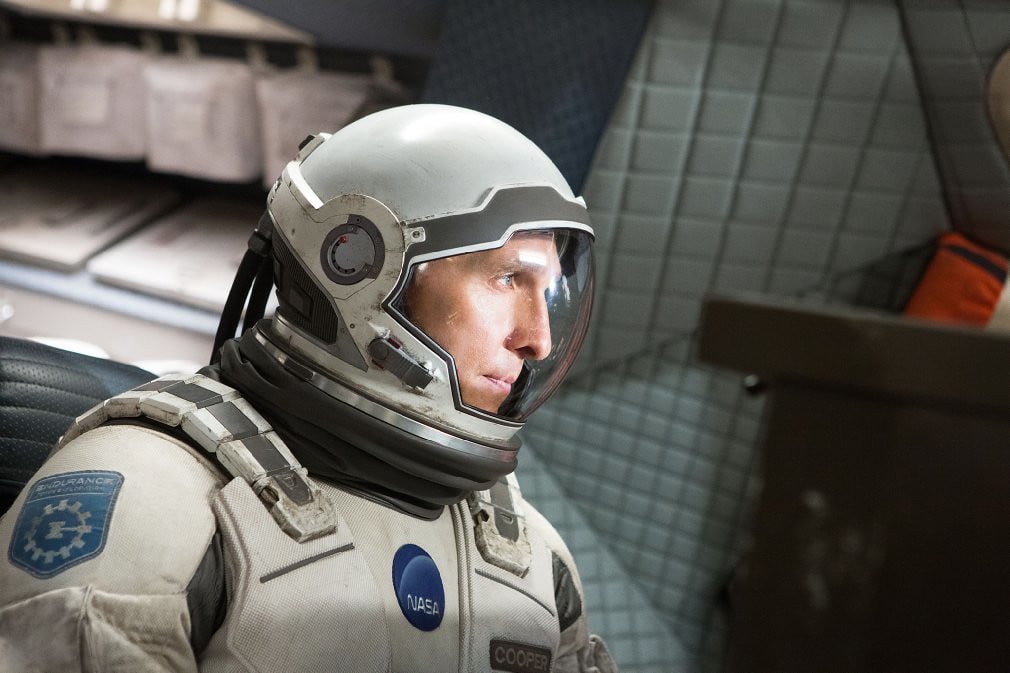
Three hours stretch across Christopher Nolan’s journey through space, one packed with images so vast they still thought. Inside the great abyss, time bends; waves crash on a lonely shore; golden fields ripple under open sky – each frame swallows sight whole.
A pipe organ hums beneath everything, thanks to Hans Zimmer, turning quiet into pulse. Feelings root deep while sound drifts like breath through dark rooms.
As attention slips away, ideas stay behind.
Sleep Well Whenever You Make It

Most of these movies aren’t broken just because you drift off halfway through. Sleep doesn’t mean they failed. Instead, a film like that wraps around the room even when eyes close – soft sounds, steady light, something gentle holding space.
Maybe you wake up for the credits. Or maybe silence finds you first.
Still, those moments before dark were kinder than usual, better than another night staring at the ceiling.
More from Go2Tutors!

- The Romanov Crown Jewels and Their Tragic Fate
- 13 Historical Mysteries That Science Still Can’t Solve
- Famous Hoaxes That Fooled the World for Years
- 15 Child Stars with Tragic Adult Lives
- 16 Famous Jewelry Pieces in History
Like Go2Tutors’s content? Follow us on MSN.



