Unusual Roadside Attractions Now Relics
There used to be a lot of oddball roadside stops on American highways that were meant to attract oncoming traffic. During the heyday of road trips, when families crammed into station wagons and traveled the country mile by mile, giant statues, themed restaurants, and strange tourist traps vied for attention.
Many of these attractions were abandoned by the development of interstate highways and shifting travel patterns, turning them from popular tourist destinations into abandoned ruin sites that retell tales of a bygone era. These deserted locations provide a window into what once enthralled tourists from all over the nation. These 14 odd roadside attractions are now relics.
Lake Dolores Waterpark
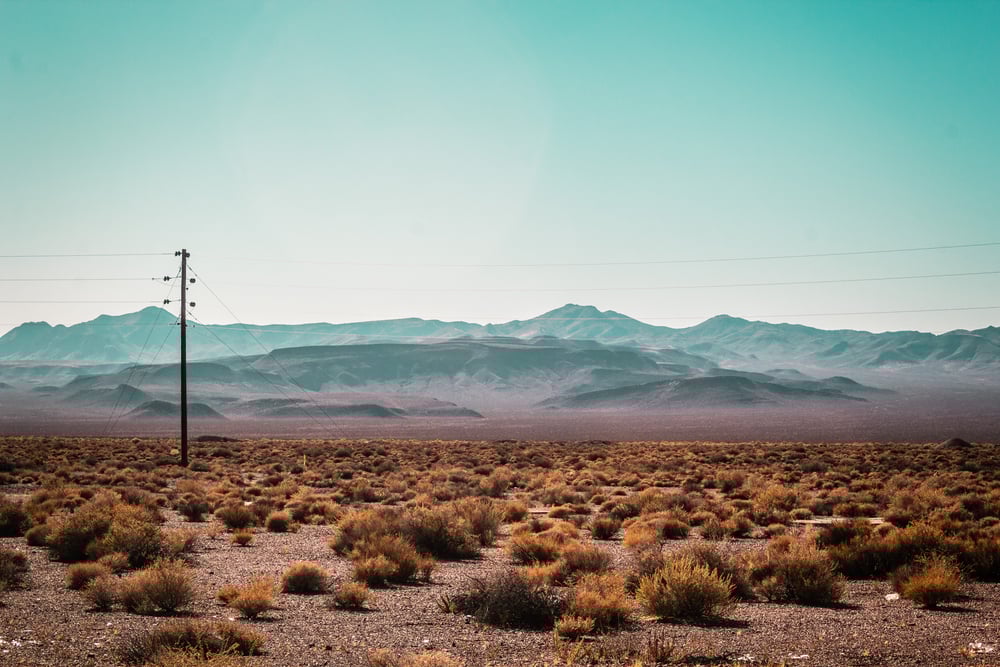
The Mojave Desert holds the crumbling remains of what was once a thriving waterpark that opened around 1962. Lake Dolores attracted families with its concrete slides and pools, standing as an oasis in the harsh desert landscape.
The park closed and reopened under different names multiple times, including a stint as Rock-A-Hoola Waterpark from 1998 to 2000, but ultimately shut down for good in the early 2000s. Partial demolition occurred by 2023, though the empty pools and faded graffiti-covered structures still attract trespassers and photographers drawn to its post-apocalyptic appearance.
Dogpatch USA

Based on the Li’l Abner comic strip, this theme park in Arkansas opened in 1968 and brought the fictional hillbilly town to life with costumed characters wandering the grounds. The park drew nearly a million visitors annually at its peak, offering a slice of Americana that families found charming and entertaining.
Financial struggles and competition from larger theme parks led to its closure in 1993, and the site sat abandoned for decades until Heritage USA LLC purchased it in 2020 with plans to transform it into an ecotourism resort.
Holy Land USA

This religious theme park in Waterbury, Connecticut opened in 1956 with replicas of biblical sites including Jerusalem and various sacred locations. Founder John Greco built much of the park by hand using donated scrap metal, creating a unique attraction that drew Christian visitors for nearly 30 years.
The park closed in 1984 after Greco’s death and financial difficulties made operations impossible. While most of the site remains deteriorating, a new illuminated cross and partial restoration were completed between 2018 and 2019, bringing some renewed attention to the hillside landmark.
River Country

Disney World’s first water park opened on June 20, 1976 as a fully themed aquatic playground that capitalized on the resort’s popularity. The park featured natural lake water, slides, and themed attractions that fit perfectly into Disney’s vision of immersive entertainment.
River Country closed on November 2, 2001, was officially declared permanently closed in 2005, and was finally demolished between 2019 and 2020. Before demolition, urban explorers who managed to break in shared haunting photos of dried-up pools and slides being reclaimed by Florida’s aggressive vegetation.
Spreepark

This Berlin amusement park operated from 1969 to 2002 under various names before financial problems forced its closure. The park represents the same era of roadside attractions that drew families seeking entertainment, though it stood in Germany rather than along American highways.
Dinosaur sculptures and a broken Ferris wheel became eerie landmarks in the overgrown park as rides and attractions rusted in place. The site has been acquired for redevelopment, but for years it stood as a testament to how quickly amusement can turn to abandonment.
Santa’s Village

Three original Santa’s Village parks opened across America—New Hampshire in 1953, California in 1955, and Illinois in 1959—offering year-round Christmas cheer with workshops, reindeer, and holiday-themed rides. These parks delighted children for decades, but changing entertainment preferences and maintenance costs proved challenging.
The California and New Hampshire locations have since reopened under new owners, while the Illinois park remains permanently closed. Only one of the original three failed to survive, though its absence reminds us how difficult preserving these attractions can be.
Joyland Amusement Park

Wichita’s beloved amusement park opened on June 12, 1949, and became known for its vintage carousel and classic roller coasters. Generations of Kansas families created memories at Joyland, making it the largest theme park in Central Kansas during its heyday.
The park closed in 2006, and vandalism, theft, and fire tore through what remained of the abandoned structures. The famous Wurlitzer organ and wooden coaster were salvaged before final structures were removed between 2021 and 2022, with plans for retail and residential development moving forward on the site.
Midway Trading Post
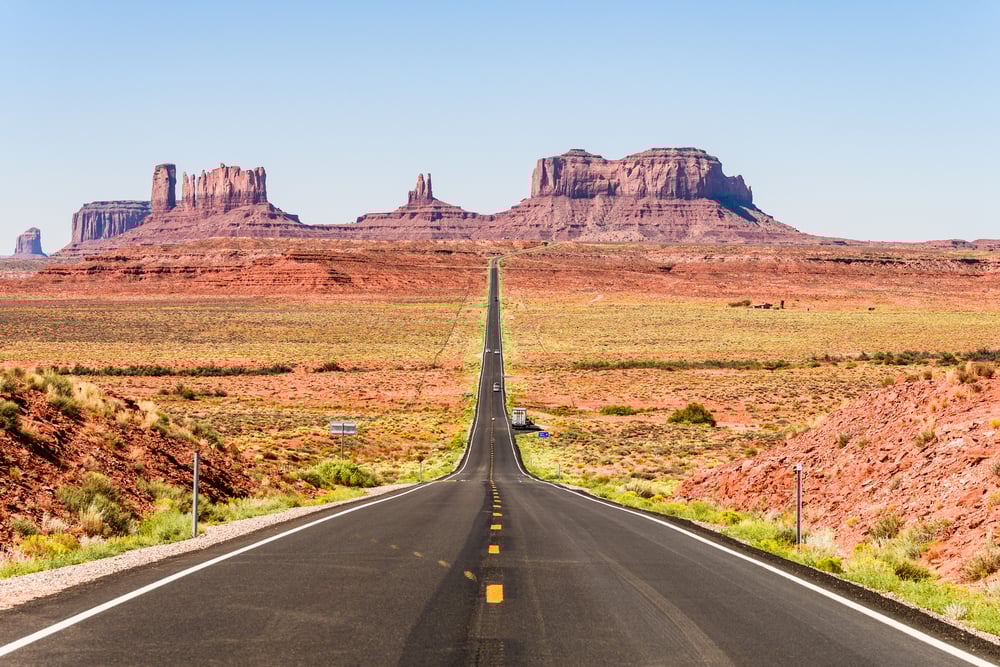
This Route 66 trading post east of Edgewood, New Mexico was built in the 1940s but shuttered when Interstate 40 opened in the 1970s and traffic abandoned the old highway. The building sat empty for decades, its storefront fading as travelers sped past on the new route without a second glance.
A volunteer cleanup crew undertook partial restoration work in 2013, bringing back some of the property’s 1950s character. The site now serves as a reminder of how highway construction could eliminate thriving businesses overnight.
Geauga Lake Park

Operating from 1887 to 2007, this Ohio park grew from a lakeside picnic ground into a massive entertainment destination. The park transformed into Six Flags Ohio in 2000, temporarily merged with SeaWorld, and came under Cedar Fair ownership from 2004 to 2007.
Despite its size and history, financial struggles forced closure in 2007, and most rides were relocated to other parks around the country. The property has remained largely undeveloped, with proposed plans repeatedly falling through over the years.
Launching Pad Drive-In

The Gemini Giant statue still stands outside this location in Wilmington, Illinois, though the original drive-in closed years ago. The 30-foot tall fiberglass spaceman holding a rocket was a perfect example of the Muffler Man advertising figures that dotted Route 66.
The statue remains a popular photo opportunity, and new owners briefly reopened the Launching Pad in 2022 as a café and gift shop. The location demonstrates how these roadside landmarks can outlast the businesses they were meant to promote and sometimes find new life.
Miracle Strip Amusement Park

This seaside attraction in Panama City Beach, Florida operated from 1963 to 2004 during the boom of coastal entertainment destinations. Like many of its contemporaries, the park struggled to compete with newer attractions before finally closing.
A revival called Miracle Strip At Pier Park ran from 2009 to 2015 before closing again, and the original rides were eventually auctioned off to other parks. The site’s repeated attempts at resurrection show how difficult reviving these nostalgic attractions can be even when there’s local demand.
Rose Island

This Indiana riverfront escape opened in 1923 as a glamorous destination where visitors arrived by automobile, ferry, or steamboat from ports along the Ohio River. The park featured roller coasters, dance halls, a zoo, and a swimming pool that captured the spirit of the Roaring Twenties.
A devastating flood in January 1937 destroyed much of the park, and it never recovered from the damage. The ruins have been preserved as part of Charlestown State Park, which opened in 1996, allowing visitors to explore what remains of this once-thriving attraction.
Shea’s Gas Station Museum

This Springfield, Illinois location operated from 1995 to 2015 as both a celebration of Route 66 memorabilia and a tribute to the historic highway. The museum represented the perfect blend of nostalgia and education that kept Route 66 culture alive for two decades.
When the museum closed in 2015, the collection was moved to the Hall of Fame Museum in Springfield. The closure joined the long list of Route 66 landmarks that couldn’t survive as the historic highway’s prominence continued to fade.
Hobbiton USA

Built between 1972 and 1974 near Phillipsville, California off the Avenue of the Giants, this roadside attraction invited visitors to stroll through scenes inspired by J.R.R. Tolkien’s books. Unlike traditional theme parks with thrilling rides, Hobbiton offered a low-key experience focused on literary appreciation and whimsical scenery.
The attraction failed to draw enough paying customers and closed in 1993, leaving behind decaying hobbit dwellings and character statues that are now barely recognizable in the overgrown landscape.
Roads Less Traveled

More than just shuttered establishments, the deserted roadside attractions dotting America serve as reminders of how we once traversed the land. By making travel quicker and more efficient, interstate highways transformed travel, but they also eliminated the peculiar stops that added personality and charm to road trips.
While many of these locations have been destroyed or transformed, others are left as unintentional time capsules where vegetation and rust gradually obliterate the memories of families. The few that remain as ruins serve as a reminder that even our favorite forms of entertainment eventually become outdated and are replaced by whatever piques the interest of the next generation.
More from Go2Tutors!

- The Romanov Crown Jewels and Their Tragic Fate
- 13 Historical Mysteries That Science Still Can’t Solve
- Famous Hoaxes That Fooled the World for Years
- 15 Child Stars with Tragic Adult Lives
- 16 Famous Jewelry Pieces in History
Like Go2Tutors’s content? Follow us on MSN.