Global Landmarks With Surprising Hidden Stories
Icons often pop into minds already complete. Seen on cards, books, maps, they shine like settled icons clear, known, accepted without question.
But behind familiar shapes sit deeper tales tangled, hushed, odd, unseen by most who glance and walk away. These places hold whispers beneath the glare.
What you see hides trade-offs, mishaps, last-minute shifts shaped by power plays. Certain truths were kept quiet on purpose.
Some got lost once the shape took on a life beyond facts. These pieces, when seen whole, show how fragile and full of chance such grand sites truly are.
A second glance at famous sites around the world reveals quiet secrets behind facades often seen but rarely understood. Hidden pasts stretch beneath stone steps and ancient walls once thought silent.
Some details whisper through cracks others ignore completely. Layers of time show up where tourists least expect them.
Behind postcard views live forgotten choices few ever mention. What seems solid carries echoes of moments brushed aside.
These places hold more than meets the eye always have.
Eiffel Tower

Right now, the Eiffel Tower seems like part of Paris itself yet its beginning had nothing to do with love. It went up for the 1889 World’s Fair, meant to stay only a short while.
Back then, plenty of writers and painters hated it, saying it ruined the look of the old buildings around it.
It stayed up not because people loved it, but because it worked. Radio tests gave it a purpose, making tearing it down hard to justify.
Slowly, being useful mattered more than looking bad, so criticism faded. What felt like an eyesore at first eventually turned into what Paris is known for.
Statue of Liberty
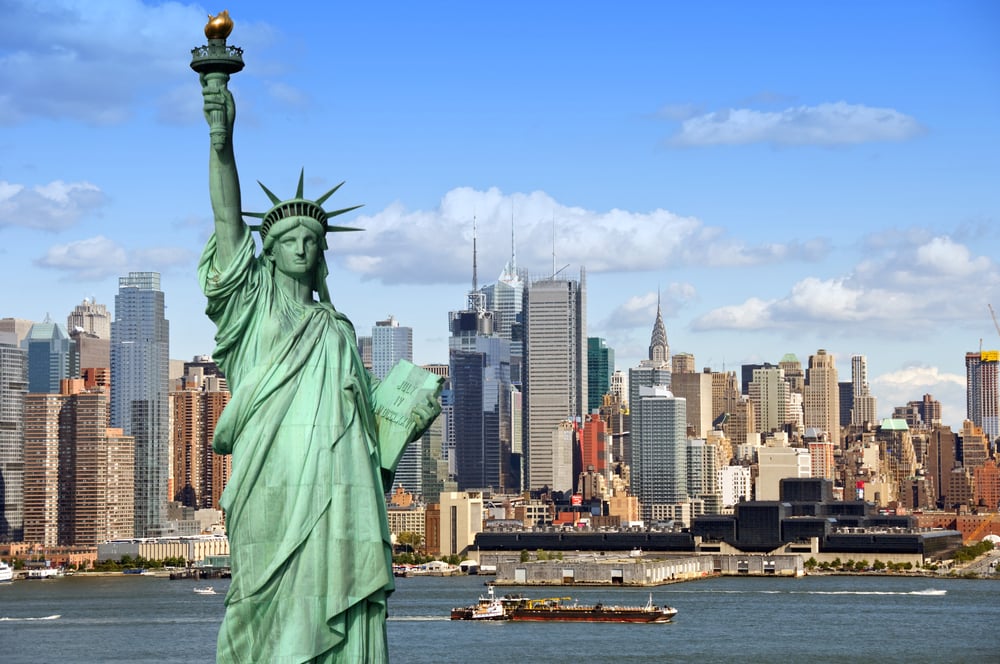
The Statue of Liberty is often framed as a seamless symbol of freedom and welcome, yet its creation was marked by uncertainty and delay. While France gifted the statue, the United States was responsible for building the pedestal, a task that struggled to attract funding and enthusiasm.
The statue’s copper exterior also carries a subtle story of change. Its now-iconic green colour was never planned, emerging naturally over time through weathering.
What began as a logistical and financial challenge slowly transformed into one of the most powerful symbols in the world, shaped as much by circumstance as intention.
Great Wall of China

The Great Wall is often imagined as a single, continuous structure, but this perception hides its fragmented reality. Built over centuries by different dynasties, it is more accurately a collection of walls, fortifications, and natural barriers adapted to shifting political needs.
Less widely discussed is its human cost. Construction relied heavily on conscripted labour, and conditions were often harsh.
While the wall now represents endurance and unity, its hidden story reflects the strain of empire-building and the practical, sometimes grim realities behind monumental ambition.
Colosseum

The Colosseum is closely associated with spectacle, yet its history extends far beyond ancient entertainment. After the fall of the Roman Empire, the structure entered a long period of reuse and neglect.
Parts of it were quarried for stone, effectively recycled into other buildings across Rome.
For centuries, it functioned as housing, workshops, and even a religious site. Its survival was not guaranteed by reverence, but by adaptability.
The Colosseum’s current status as a preserved monument masks a long history of reinvention driven by necessity rather than nostalgia.
Machu Picchu
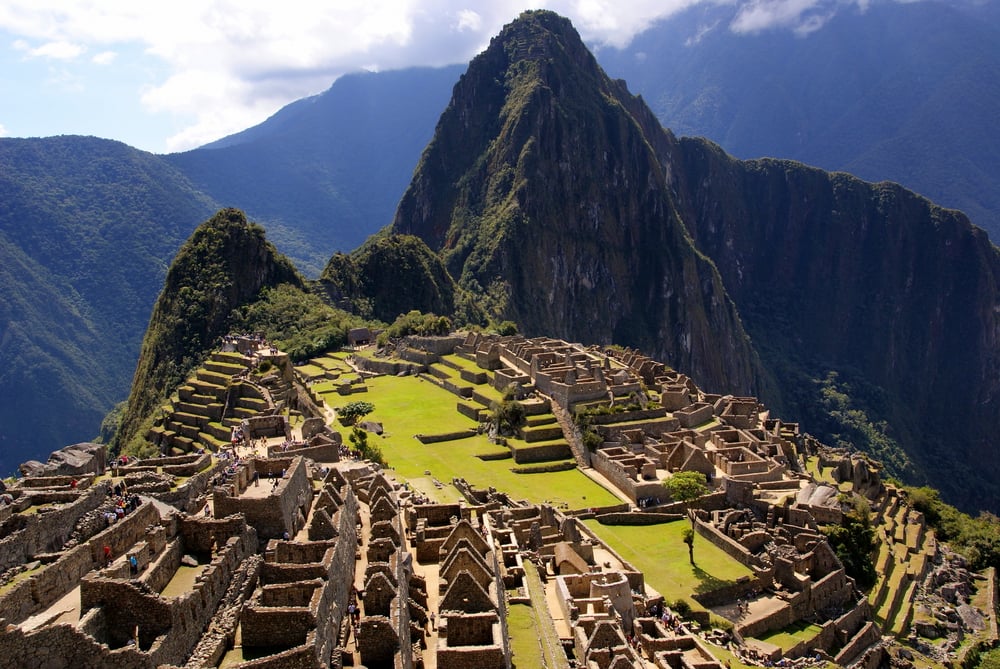
Machu Picchu is often described as a lost city, yet it was never truly forgotten by local communities. What was lost was global awareness.
The site gained international attention only in the early 20th century, long after the Inca civilization had declined.
Its purpose remains partly mysterious, but evidence suggests it was a royal estate rather than a densely populated city. The romantic idea of a hidden civilisation obscures a more nuanced story of political power, seasonal use, and strategic placement within the Andean landscape.
Taj Mahal

The Taj Mahal is widely recognised as a monument to love, built by Emperor Shah Jahan in memory of his wife. While this narrative is broadly true, it simplifies a more complex political and architectural story.
The site is part of a larger, carefully planned complex designed to project imperial authority as much as devotion. Its symmetry and precision were statements of control and order.
The hidden story lies in how personal grief and political messaging were woven together into a single, enduring structure.
Big Ben
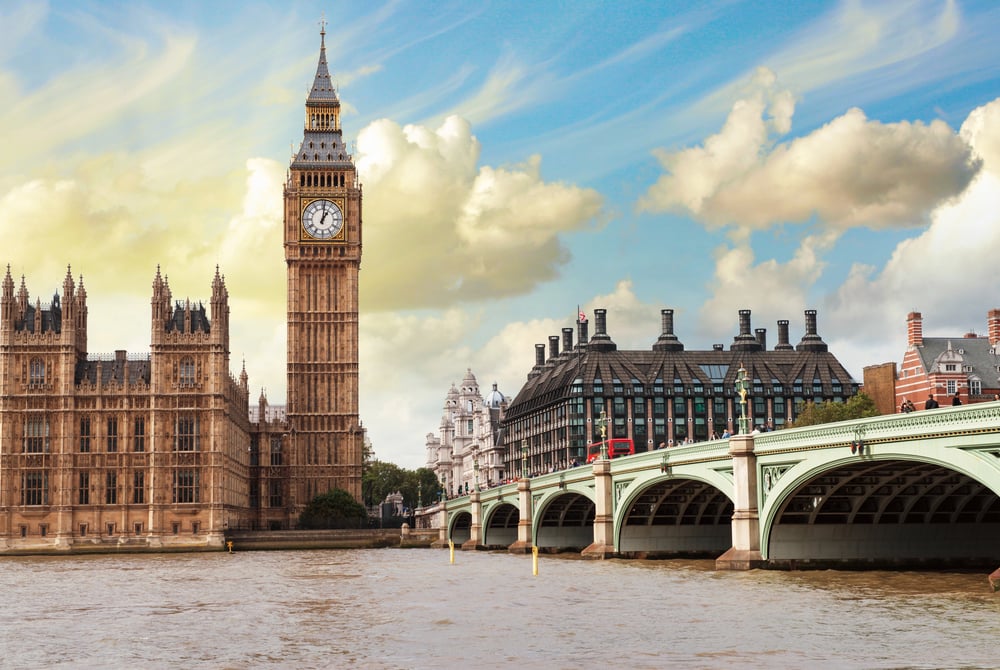
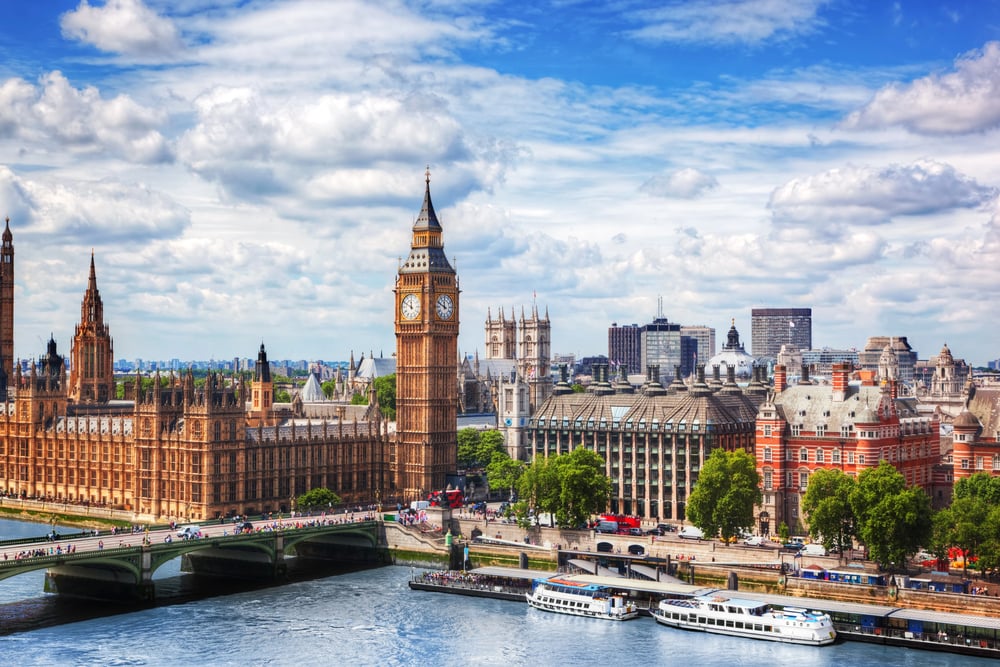
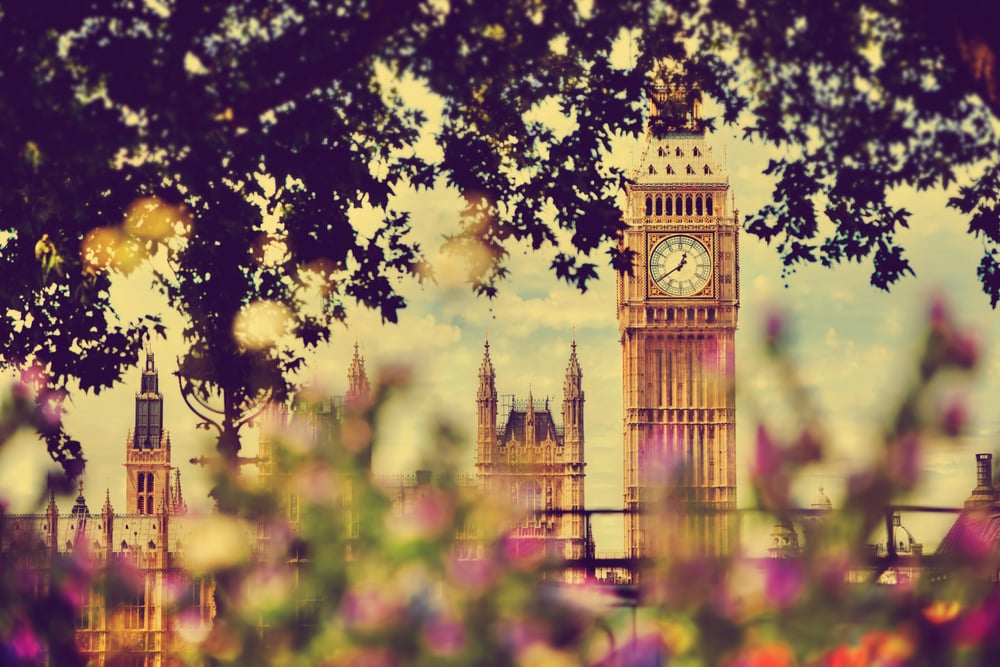
Big Ben is often used as shorthand for the entire clock tower, but the name technically refers only to the massive bell inside. Even its famous chime has an origin shaped by error.
Cracks developed in the bell during testing, forcing adjustments that altered its sound.
Rather than diminishing its significance, this imperfection became part of its identity. The clock’s reliability, despite early flaws, helped establish it as a symbol of stability.
Its hidden story reflects how functional problems sometimes contribute to cultural meaning rather than detract from it.
Mount Rushmore

Mount Rushmore is often presented as a straightforward tribute to national leadership, yet its backstory is layered and contested. The mountain held significance for Indigenous communities long before carving began, a fact largely absent from early public narratives.
Construction itself involved dangerous working conditions and evolving artistic plans. The original vision included full-body carvings, but funding and time constraints reduced the project to faces alone.
What remains is a landmark whose hidden story includes both ambition and omission.
Christ the Redeemer
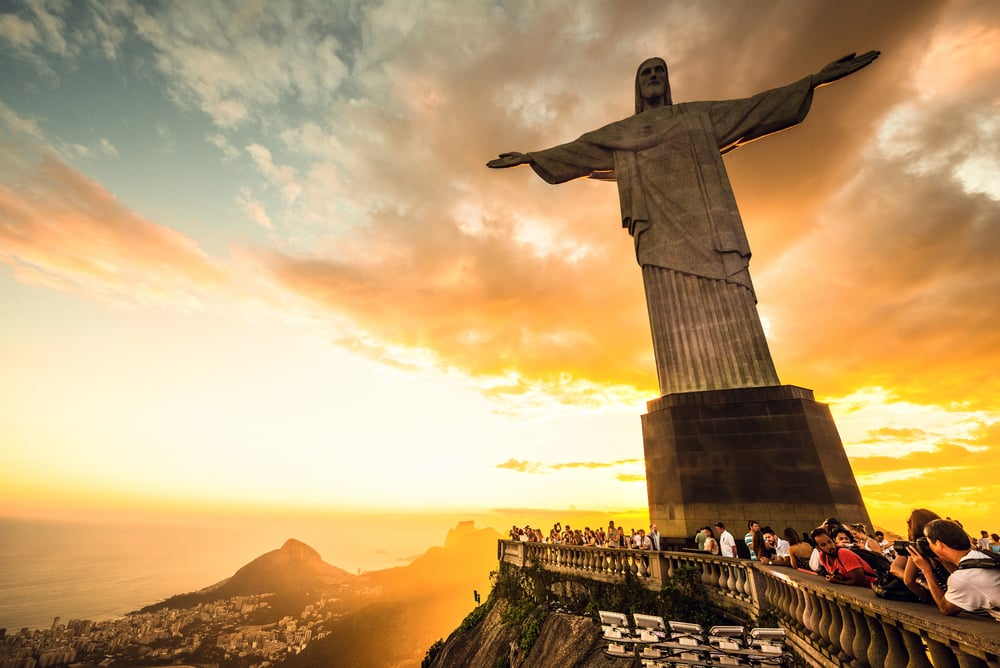
Christ the Redeemer appears serene and inevitable atop Rio’s skyline, but its construction faced years of debate and delay. Funding relied heavily on donations, and design choices shifted repeatedly before work began.
The statue’s materials also tell a quieter story. Soapstone was chosen for its durability and texture, not just appearance.
Over time, the structure became less about religious symbolism alone and more about national identity, shaped by practical decisions that rarely feature in tourist descriptions.
Tower of London
The Tower of London is known for its association with power and imprisonment, but its role has shifted constantly over centuries. It served as a royal residence, armoury, treasury, and even a zoo at various points in its history.
These changing functions helped ensure its survival. Rather than remaining a static relic, the Tower adapted to political needs.
Its hidden story is one of reinvention, showing how landmarks often endure by evolving rather than remaining fixed in purpose.
Why these stories still matter
Every landmark carries secrets beneath its surface. Not one started out legendary each earned its place slowly, shaped by how people used it.
Disputes played a role. So did uneasy agreements.
Meaning shifted across generations. Today’s clean appearance hides choices made in chaos.
Moments of doubt left their mark just as much as bold plans.
Hidden layers of the past give well-known spots new meaning. When silence speaks louder than stone, simplicity masks tangled truths behind famous walls.
Imperfections wander through time alongside luck and change, shaping what we see today. These moments bring monuments closer, not as icons but as echoes of lives lived without scripts.
More from Go2Tutors!

- The Romanov Crown Jewels and Their Tragic Fate
- 13 Historical Mysteries That Science Still Can’t Solve
- Famous Hoaxes That Fooled the World for Years
- 15 Child Stars with Tragic Adult Lives
- 16 Famous Jewelry Pieces in History
Like Go2Tutors’s content? Follow us on MSN.



